
10 North Carolina Food Towns That Locals Swear Deserve More Credit
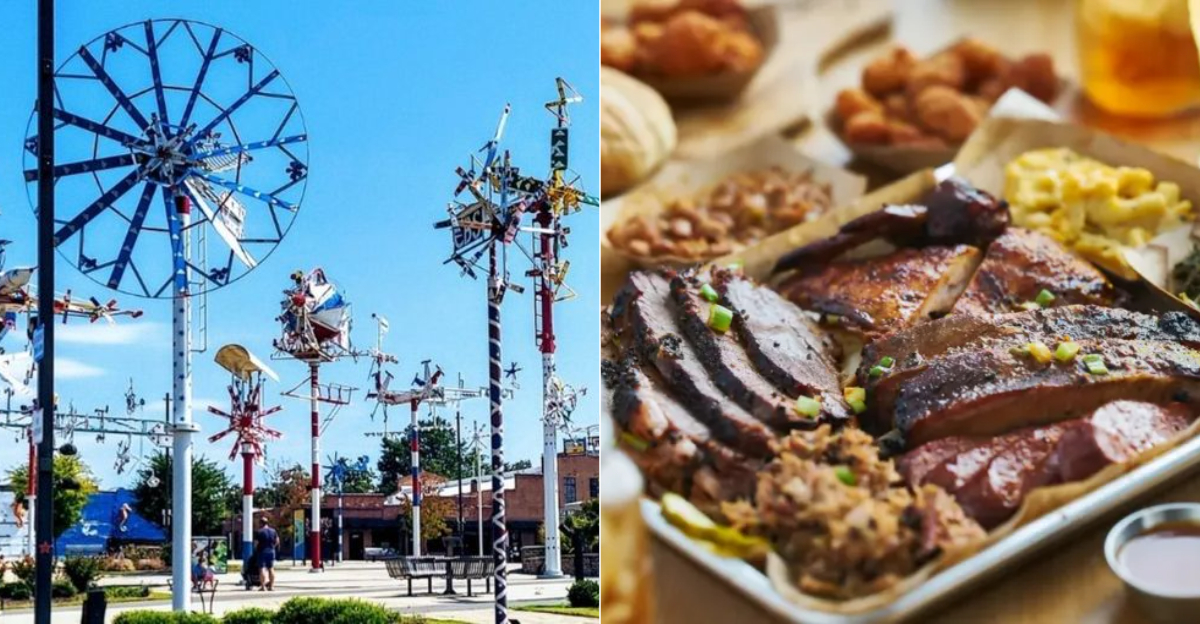
North Carolina’s food scene stretches far beyond the famous barbecue joints of Asheville and Charlotte, offering a depth of flavor that many visitors never get the chance to experience.
I’ve spent years traveling the back roads and wandering through small towns across my home state, and along the way I’ve uncovered unforgettable meals that rarely appear in glossy food magazines.
These hidden culinary gems serve up dishes with heart, tradition, and plenty of character—often at a fraction of the cost you’d pay in the big cities. They may be off the beaten path, but the flavors are worth the journey.
1. Lexington: BBQ Paradise Beyond the Festival
Locals call Lexington the true barbecue capital of North Carolina, and I’ll fight anyone who disagrees! This small town of just 20,000 people somehow supports over a dozen barbecue restaurants.
The famous Lexington-style BBQ features pork shoulders slow-cooked over hardwood coals and dressed with that distinctive vinegar-tomato sauce that makes my mouth water just thinking about it. My family tradition involves hitting Lexington Barbecue (locals call it “The Monk” after its founder) whenever we’re within 50 miles.
Beyond the iconic BBQ, don’t miss the sweet treats at The Candy Factory downtown or the surprisingly good wine scene developing just outside town.
2. Ayden: Whole Hog Heaven in Eastern NC
Stumbling upon Ayden during a wrong turn became my luckiest driving mistake ever. This tiny eastern Carolina town holds the crown jewel of whole-hog barbecue: the Skylight Inn.
The Jones family has been cooking entire pigs over wood since 1947, chopping the meat with skin bits mixed in for extra flavor and texture. That crackling sound when they chop it! The simple menu – just pork, cornbread, and slaw – proves perfection needs no embellishment.
Beyond the Skylight, Bum’s Restaurant serves equally outstanding whole-hog BBQ plus country vegetables that would make any grandmother proud. The collards here changed my understanding of what greens could taste like.
3. Kinston: From Tobacco Town to Culinary Destination
Chef Vivian Howard put Kinston on the food map, but this former tobacco town’s revival runs deeper than one celebrity restaurant. My first visit left me speechless at how a struggling small town transformed itself through food.
The Chef & the Farmer deserves its fame with farm-fresh Southern dishes that honor tradition while pushing boundaries. But don’t overlook Mother Earth Brewing’s taproom, where locally-crafted beers pair perfectly with wood-fired pizzas. The Boiler Room oyster bar serves the freshest seafood I’ve found inland.
What makes Kinston special is how food anchored its economic rebirth. Old tobacco warehouses now house restaurants, and downtown buzzes with energy that wasn’t there a decade ago.
4. Shelby: Red Bridges to Culinary Bliss
Red Bridges Barbecue Lodge alone justifies Shelby’s place on this list. Walking inside feels like stepping back to 1946 when it opened – the same pit-cooked pork, the same secret sauce recipe, even some of the same families working there.
Beyond that barbecue institution, Shelby surprised me with its emerging food scene. The Fuzzy Peach serves handcrafted ice cream that rivals anything in bigger cities. Pleasant City Wood Fired Grille downtown makes pizzas with locally-milled flour and toppings from nearby farms.
What I love most about eating in Shelby is the authenticity. Nothing feels manufactured for tourists – just genuine food made with pride by people who’ve been perfecting recipes for generations.
5. Hillsborough: Farm-to-Fork Paradise
Nestled along the Eno River, historic Hillsborough captures everything wonderful about modern Southern cuisine. My first meal at Panciuto changed how I think about local food – chef Aaron Vandemark creates Italian dishes using almost exclusively North Carolina ingredients.
The farmers market here isn’t just a weekend activity; it’s the backbone of the town’s food culture. Chefs shop alongside home cooks, creating a community around seasonal eating. Wooden Nickel Pub serves incredible burgers from local grass-fed beef that make fast food options seem like sad imitations.
Cup A Joe coffee shop doubles as the town’s living room, where I’ve overheard farmers and chefs planning menus based on what’s being harvested that week. This interconnected food web makes Hillsborough special.
6. New Bern: Coastal Flavors with Historical Charm
Birthplace of Pepsi-Cola, New Bern offers so much more than its famous soft drink. Situated where the Neuse and Trent rivers meet, this colonial town serves up seafood that made me question why I ever eat fish inland.
Persimmons Waterfront Restaurant became my happy place with its crab cakes that contain virtually no filler – just sweet, local blue crab and subtle seasoning. The Chelsea Restaurant occupies a historic building downtown where the shrimp and grits showcase the best of Carolina coastal cuisine.
Baker’s Square makes pastries that belong in a French patisserie, not a small Southern town. The Saturday farmers market along the waterfront connects visitors directly to local fishermen, farmers, and food artisans making everything from honey to hot sauce.
7. Wilson: Whirligig City with Surprising Flavors
Famous for its quirky Whirligig Park filled with giant kinetic sculptures, Wilson hides an equally creative food scene that blew me away. Parker’s Barbecue stands as an institution where the fried chicken rivals their excellent eastern-style BBQ.
SoCo Farm and Food operates as both working farm and fine dining destination. Their seasonal tasting menus showcase hyperlocal ingredients in ways that would impress big-city critics. What makes Wilson special is this blend of traditional Southern cooking alongside boundary-pushing innovation.
Don’t miss Beefmastor Inn – an unassuming steakhouse where you select your cut from a rolling meat cart. The limited menu (basically just steak, salad and potatoes) allows them to perfect every detail. Wilson taught me that culinary excellence doesn’t require pretension or big-city addresses.
8. Morganton: Mountain-Meets-Foothills Flavors
Tucked between the Blue Ridge Mountains and Piedmont, Morganton blends culinary traditions from both regions in spectacular fashion. Root & Vine became my favorite discovery with its farm-focused menu that changes almost daily based on what local producers bring through the door.
Catawba Brewing Company launched the town’s craft beer revolution, but the food scene quickly followed. Food trucks permanently stationed at breweries serve everything from authentic street tacos to gourmet grilled cheese. Judge’s Riverside restaurant offers mountain trout so fresh it practically jumps onto your plate.
The Morganton farmers market operates year-round, providing seasonal produce that inspires the town’s chefs. Apple orchards, trout farms, and cattle ranches surrounding town create a unique food ecosystem that makes dining here distinctively delicious.
9. Durham: Bull City’s Hidden Neighborhood Gems
Beyond Durham’s well-known downtown restaurant row lies a world of neighborhood eateries that locals treasure. My personal obsession: the Saltbox Seafood Joint, where chef Ricky Moore transforms the daily catch into simple, spectacular dishes that honor North Carolina’s coastal heritage.
True Flavors Diner reimagines Southern breakfast with duck hash and sweet potato biscuits that haunt my dreams. Mediterra Grill serves Lebanese food so authentic it transported me straight to Beirut. The diversity of Durham’s food scene reflects its population – a beautiful mosaic of cultures and traditions.
What separates Durham from other food cities is how these incredible restaurants exist in ordinary strip malls and converted gas stations. No pretension, just extraordinary food served with genuine hospitality in unexpected places.
10. Winston-Salem: Moravian Traditions Meet Modern Tastes
Winston-Salem’s food scene builds on its unique Moravian heritage while embracing contemporary innovation. My first Moravian chicken pie at Hutch & Harris forever changed my understanding of comfort food – simple yet transcendent.
Spring House Restaurant occupies a restored 1920s mansion where chef Timothy Grandinetti creates Southern dishes with global influences. The city’s coffee culture thrives at Camino Bakery, where I’ve spent countless hours enjoying kouign-amann pastries that rival any French bakery.
Downtown’s Innovation Quarter has sparked culinary creativity, with spots like Colony Urban Farm Store connecting city dwellers to local agriculture. Winston-Salem honors its food heritage (don’t miss the paper-thin Moravian cookies) while constantly evolving, creating a dining scene that feels both rooted and forward-thinking.