
16 Comfort Dishes South Carolina Perfects Like No One Else
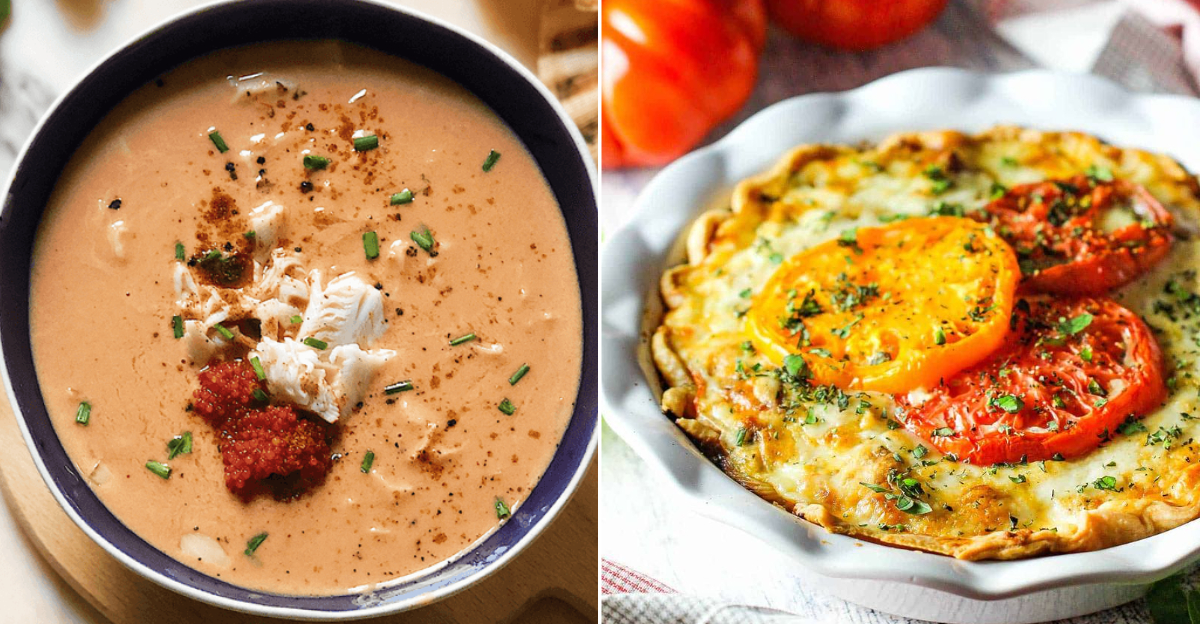
South Carolina knows how to make comfort food feel like an art form.
From creamy grits and perfectly fried chicken to savory pies and rich, slow-cooked stews, the state turns simple ingredients into unforgettable dishes.
Every bite is steeped in tradition, flavor, and a touch of Southern charm.
Locals savor these meals for the warmth and nostalgia they bring, proving that in South Carolina, comfort food isn’t just food… it’s a way of life.
1. Shrimp and Grits: The Coast’s Morning Glory
Fishermen along the Carolina coast once started their days with this humble breakfast of fresh shrimp over hominy grits.
Now elevated to gourmet status, South Carolina’s version stands out with plump local shrimp and stone-ground grits cooked to creamy perfection.
The secret? Fresh-caught seafood and patience at the stove. Charleston chefs often add smoky bacon, sharp cheddar, and a splash of cream to transform this fisherman’s fuel into a dish worth traveling for.
2. Frogmore Stew: The One-Pot Wonder
Despite its name, you won’t find a single frog in this Lowcountry boil.
Named after a fishing community on St. Helena Island, this party-in-a-pot combines fresh shrimp, corn on the cob, smoked sausage, and red potatoes.
Traditionally dumped straight onto newspaper-covered tables, Frogmore Stew brings folks together elbow-to-elbow.
Seasoned with Old Bay and cooked in beer, this communal feast captures South Carolina’s coastal spirit in every steaming bite.
3. Chicken Bog: Rice Dish With a Funny Name
Folks in Horry County have been stirring up Chicken Bog for generations. This stick-to-your-ribs combination of chicken, rice, and sausage gets its quirky name from its slightly soggy texture.
Unlike its drier cousin pilau, Chicken Bog keeps things moist and hearty. Local families pass down closely guarded recipes featuring secret spice blends.
Loris, SC even hosts an annual Chicken Bog festival where you can sample countless variations of this beloved comfort classic.
4. Hoppin’ John: The Lucky New Year’s Tradition
Black-eyed peas and rice might seem simple, but South Carolinians have transformed this humble pairing into something magical.
Traditionally eaten on New Year’s Day for good luck, Hoppin’ John represents coins (peas) and prosperity (rice).
Carolina Gold rice makes all the difference here. Slow-cooked with smoky ham hocks and seasoned simply with salt and pepper, this dish proves that sometimes less truly is more.
Many families serve it alongside collard greens, representing folding money to complement the coins.
5. She-Crab Soup: Charleston’s Liquid Gold
Legend has it that this velvety soup was created for President William Howard Taft during his Charleston visit.
The magic happens when sweet female crab meat and roe meet rich cream in perfect harmony. A splash of sherry tops this liquid delicacy before serving.
True Charleston chefs insist on using Atlantic blue crabs harvested from local waters, preferably females with their distinctive orange roe that gives the soup its signature color and flavor. Presidential approval still stands!
6. Barbecue Hash and Rice: The Pit Master’s Other Masterpiece
While tourists flock to Carolina BBQ joints for pulled pork, locals know to ask for the hash.
This thick, gravy-like stew combines slow-cooked meat scraps with onions and spices, then gets ladled generously over white rice.
Every South Carolina county seems to have its own version. Midlands hash leans liver-heavy and Brunswick stew-adjacent, while Pee Dee versions might include more pork shoulder.
BBQ competitions may focus on the main event, but hash competitions spark the real regional rivalries.
7. Carolina Gold Barbecue: The Mustard Magic
German immigrants brought mustard traditions to South Carolina, forever changing American barbecue.
This distinctive golden sauce combines yellow mustard, vinegar, brown sugar, and spices into something uniquely South Carolinian.
Slathered on slow-smoked pulled pork, the tangy-sweet combination creates flavor fireworks.
The Midlands region, particularly around Columbia, claims ownership of this golden tradition. Locals debate sauce recipes with the same passion others reserve for politics or football.
8. Charleston Red Rice: The Gullah-Geechee Classic
Tomatoes transform ordinary rice into this vibrant Lowcountry specialty with roots in West African cooking.
Gullah-Geechee communities preserved this tradition, cooking long-grain rice with bacon, onions, and tomatoes until the grains turn distinctly red.
Some families add sausage or shrimp for a heartier version. The key technique involves cooking the rice slowly until the bottom layer forms a prized crust called “sen” that everyone fights over.
This dish tells the story of African culinary influence on Southern cooking better than any history book.
9. Perloo: The One-Pot Rice Treasure
Similar to jambalaya but uniquely South Carolinian, perloo showcases whatever protein was available, often chicken, sausage, or seafood.
The magic happens when local Carolina Gold rice absorbs the flavors of meat, vegetables, and broth during slow cooking.
Lowcountry families often make perloo with fresh-caught shrimp or oysters. The dish’s name likely evolved from pilau or pilaf, reflecting the state’s diverse cultural influences.
Each family guards their perloo recipe like treasure, passing it down through generations with fierce pride.
10. Tomato Pie: Summer’s Perfect Circle
When summer tomatoes reach their peak, South Carolinians celebrate by baking them into savory pies.
Layers of sliced tomatoes, basil, and onions nestled in a flaky crust get topped with a mixture of mayonnaise and sharp cheddar cheese.
Baked until golden and bubbly, tomato pie embodies summer on a plate. Local cooks insist on patting the tomato slices dry to prevent soggy crusts.
Found at family reunions and church potlucks across the state, this dish proves vegetables can indeed be comfort food.
11. Benne Wafers: Charleston’s Sesame Secrets
These paper-thin, crispy cookies pack big flavor into tiny packages.
Brought to South Carolina by enslaved West Africans, benne (sesame) seeds were considered good luck and baked into delicate wafers that balance sweet, salty, and nutty flavors.
Charleston’s historic market vendors still sell these addictive treats in paper bags.
The traditional recipe includes brown sugar and vanilla for sweetness, with a hint of salt to enhance the toasted sesame flavor. One is never enough, as generations of Charlestonians can attest.
12. Lowcountry Oyster Roast: The Social Seafood
Nothing brings South Carolinians together like clusters of steaming oysters piled high on outdoor tables.
These aren’t fancy affairs… just fresh local oysters steamed under wet burlap until their shells pop open, ready for shucking.
Armed with gloves and oyster knives, folks gather around, trading stories as they work.
A dab of cocktail sauce or mignonette might appear, but purists need only a saltine cracker. Winter months with their “R” bring the best oysters, making these gatherings a cherished cold-weather tradition.
13. Catfish Stew: The Fisherman’s Comfort
Inland South Carolinians perfected this rustic stew using abundant local catfish.
Unlike coastal seafood stews, this hearty version starts with bacon fat, onions, and tomatoes, creating a rich base for fresh catfish fillets.
Potatoes add substance while a dash of hot sauce brings heat. Traditionally cooked outdoors in cast iron pots, catfish stew embodies resourceful country cooking.
Families serve it with cornbread for sopping up the flavorful broth, turning a humble river fish into something truly special.
14. Okra Soup: The Gullah Comfort Classic
Okra’s signature texture thickens this Gullah-Geechee staple without a drop of cream or roux.
Built on a foundation of stewed tomatoes and onions, the soup showcases okra’s ability to transform simple ingredients into something extraordinary.
Ham hocks provide smoky depth while fresh corn adds sweetness. Served over rice, this economical one-pot meal sustained generations of Lowcountry families.
The soup improves with time, making it a favorite make-ahead dish that connects modern South Carolinians to their culinary heritage.
15. Deviled Crab: The Stuffed Sensation
Blue crab meat mixed with breadcrumbs, spices, and a touch of heat creates this beloved Lowcountry appetizer.
Unlike Maryland’s crab cakes, South Carolina’s version comes stuffed back into the cleaned crab shell and baked until golden. The “deviled” name refers to the spicy kick from hot sauce or cayenne.
Beachside seafood shacks compete for the title of best deviled crab, with family recipes closely guarded. Some add bell peppers or onions, but all agree the sweet local crab should remain the star.
16. Macaroni Pie: Not Your Average Mac and Cheese
South Carolinians transformed ordinary macaroni and cheese into something special enough to grace Sunday dinner tables.
Baked until firm enough to slice, this custard-based version bears little resemblance to creamy northern varieties.
Sharp cheddar provides the backbone, while eggs bind everything together. The crispy top layer becomes the most coveted portion.
Church cookbooks across the state feature countless variations, but all share the distinctive sliceable texture that defines true South Carolina macaroni pie.