
15 Popular Foods And Drinks That Started In New York
The Big Apple is more than towering skyscrapers and nonstop energy – it’s a city that’s changed the way the world eats and drinks.
Street carts sizzling with classics, bars shaking up trend-setting cocktails, and dishes born here but loved everywhere else all trace their roots back to New York.
These 15 iconic creations prove that the Empire State doesn’t just set the pace in business and culture – it also leads the way in flavor.
1. New York-Style Pizza
The iconic thin-crust slice was born at Lombardi’s in Manhattan back in 1905. This historic establishment holds the title of America’s first pizzeria, creating the template for what would become the quintessential New York food experience.
The coal-fired ovens gave these pies their distinctive char and crispness. Hand-tossed and topped with simple ingredients, this style features a pliable yet sturdy crust that allows for the perfect fold – the true New York way to eat it.
2. Buffalo Wings
These fiery favorites took flight in 1964 at Buffalo’s Anchor Bar when Teressa Bellissimo had a stroke of genius. Faced with late-night hungry customers, she fried chicken wings and tossed them in hot sauce – creating an instant sensation.
The original recipe featured Frank’s RedHot sauce mixed with butter. From humble beginnings in western New York, these spicy wings spread nationwide, becoming the ultimate game-day snack and inspiring countless variations across America.
3. The Manhattan Cocktail
This sophisticated blend of whiskey, sweet vermouth, and bitters emerged from the Manhattan Club in the 1870s. Legend has it that the drink was created for a banquet hosted by Winston Churchill’s mother, though historians debate this claim.
I still remember my grandfather telling me how the Manhattan was the first cocktail he learned to make behind the bar in the 1950s.
The amber-colored classic became the template for modern cocktails, inspiring countless variations while maintaining its timeless appeal.
4. Long Island Iced Tea
This potent potion was concocted by Robert “Rosebud” Butt at Oak Beach Inn on Long Island in 1972. Despite Tennessee’s rival claim, New York’s version prevails in cocktail history.
The deceptively named drink contains no actual tea – just a powerful blend of vodka, tequila, rum, gin, and triple sec with a splash of cola.
Its innocent appearance and knockout punch have made it infamous in bars worldwide, earning both devotion and cautionary tales from drinkers everywhere.
5. Waldorf Salad
Born at Manhattan’s Waldorf Hotel in 1893, this elegant salad was the creation of maître d’ Oscar Tschirky. The original version featured just apples, celery, and mayonnaise – walnuts came later as the recipe evolved.
The combination of crisp, fresh ingredients offered hotel guests a refined yet simple dish. My aunt, who worked as a hotel chef in the 1970s, always said the secret was using the freshest Granny Smith apples and making the mayonnaise from scratch.
6. Baked Alaska
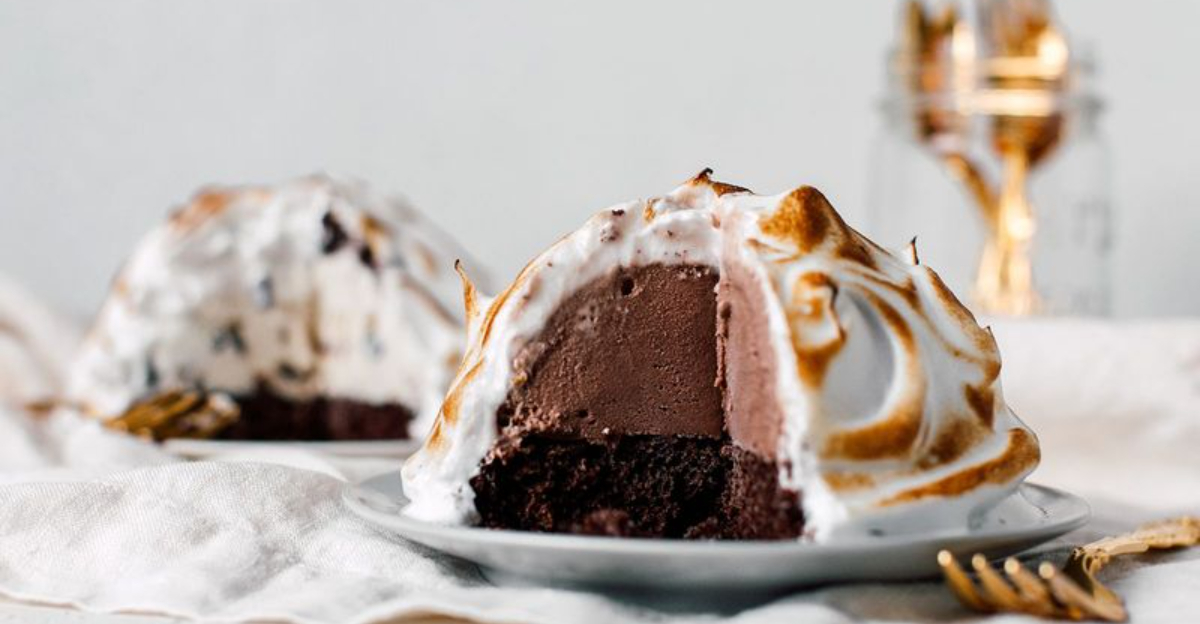
This showstopping dessert gained fame at Delmonico’s restaurant in New York City around 1867. Chef Charles Ranhofer created the treat, originally called “Alaska-Florida,” to celebrate the Alaska Purchase from Russia.
The genius lies in its construction: ice cream insulated by meringue that, when baked briefly at high heat, creates a toasted exterior while keeping the inside frozen.
The dramatic contrast of hot and cold made it an instant sensation among New York’s elite and remains a theatrical dessert centerpiece today.
7. Lobster Newberg
Another Delmonico’s creation, this luxurious seafood dish emerged in the 1870s. The story goes that sea captain Ben Wenberg shared his lobster recipe with restaurant owner Charles Delmonico, who added it to the menu as Lobster Wenberg.
After a falling out between the men, Delmonico simply rearranged the name to “Newburg.” The decadent combination of lobster, cream, cognac, sherry, and egg yolks became a symbol of Gilded Age indulgence.
I once prepared this for my parents’ anniversary dinner – the rich sauce had them scraping their plates clean.
8. Vichyssoise
This elegant chilled soup was created by French chef Louis Diat at New York’s Ritz-Carlton Hotel in 1917. Inspired by his childhood memories of hot potato-leek soup, Diat decided to serve it cold during summer to refresh guests.
The silky blend of puréed leeks, onions, potatoes, cream, and chicken stock became an instant hit among sophisticated diners.
Despite its French-sounding name, this soup is truly a New York innovation that demonstrates how immigrant culinary traditions have transformed in America.
9. Pasta Primavera
This vibrant pasta dish shot to fame at Le Cirque restaurant in mid-1970s New York. Though initially developed during a Canadian vacation, owner Sirio Maccioni’s team brought it to Manhattan, where it captured culinary hearts.
A 1977 New York Times feature cemented its status as a must-have dish. The colorful medley of fresh spring vegetables tossed with pasta in a light cream sauce represented a departure from heavier Italian-American fare.
Growing up, my mother would make this every spring when fresh vegetables appeared at our local farmers market.
10. New York Egg Cream
Despite containing neither eggs nor cream, this beloved fountain drink emerged from NYC soda fountains in the late 1800s.
Often credited to Louis Auster of the Lower East Side, the simple combination of milk, chocolate syrup, and seltzer created magic in a glass.
The name’s origin remains debated – perhaps a corruption of “echt keem” (Yiddish for “pure sweetness”) or an aspirational title suggesting richness.
The proper technique requires adding seltzer last to create the signature frothy white head that defines this quintessential New York refreshment.
11. Pastrami on Rye
This iconic sandwich found its American home on New York’s Lower East Side in 1888. Immigrant butcher Sussman Volk reportedly received the pastrami recipe from a Romanian friend and began serving it between slices of rye bread – creating deli history.
The magic happens when thinly-sliced, spice-rubbed, smoked beef is steamed until tender and piled high on seeded rye. A smear of mustard is the only condiment needed.
This simple yet perfect combination became the cornerstone of Jewish delicatessen culture throughout the city.
12. Black-and-White Cookies
These cake-like treats with distinctive half-chocolate, half-vanilla icing have deep New York roots. The upstate version (half-moons) originated at Hemstrought’s Bakery in Utica around 1925, while NYC’s variation evolved shortly after.
Glaser’s Bake Shop on the Upper East Side became famous for their version of these soft, rounded cookies. I’ll never forget my grandmother bringing a box whenever she visited from Brooklyn – we’d always fight over who got the last one.
Their perfect balance of flavors made them a symbol of New York bakery culture.
13. Thousand Island Dressing
This creamy, tangy condiment originated in the Thousand Islands region of upstate New York around 1900.
Two competing stories credit either fishing guide George LaLonde’s wife, Sophia, or a meal prepared for hotel magnate George Boldt and his wife, Louisa.
The distinctive blend of mayonnaise, ketchup, relish, and spices quickly spread beyond salads. It became a signature ingredient in Reuben sandwiches and the secret sauce on many burgers.
The dressing’s versatility helped it travel far beyond its New York waterway birthplace to become an American staple.
14. The Cronut®
Pastry genius Dominique Ansel created and trademarked this croissant-doughnut hybrid at his SoHo bakery on May 10, 2013. The labor-intensive process involves laminated dough that’s fried, filled, and glazed – creating a texture revolution.
The Cronut® sparked block-long lines and a pastry phenomenon that swept the globe. My cousin waited three hours to try one during its initial craze!
Imitators quickly followed, but the original remains a protected New York innovation that demonstrated how the city continues to reinvent dessert traditions.
15. New York-Style Cheesecake
The dense, rich version of this beloved dessert is credited to restaurateur Arnold Reuben in 1929. His cream-cheese-based creation set the standard for what we now recognize as New York-style cheesecake.
The key differences? Often a graham cracker crust supporting a tall, firm filling that’s simultaneously rich yet light. Junior’s in Brooklyn later became synonymous with this style, serving slices that have delighted generations (they use a sponge-cake base).
Unlike fluffier varieties, New York cheesecake stands proud – just like the city itself.