
8 Secret California Canyons Locals Keep Quiet (But Are Worth The Day Trip)
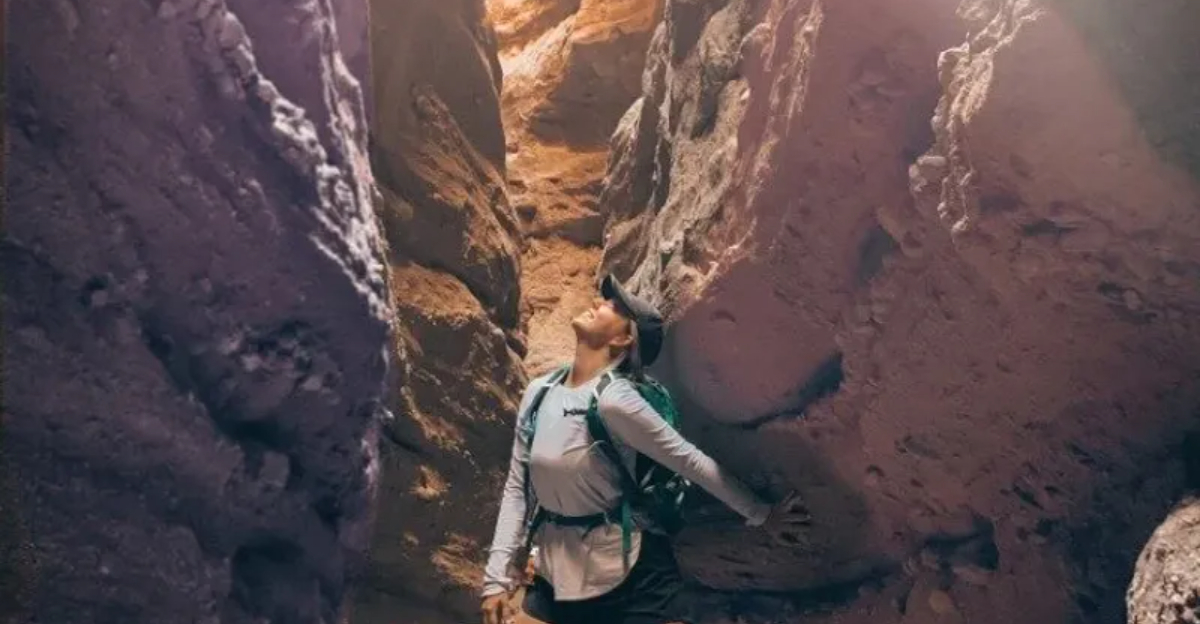
California is full of surprises, and some of its most breathtaking wonders lie far beyond the crowded beaches and postcard parks.
In quiet corners of the state, hidden canyons reveal emerald pools, twisting slot passages, and landscapes so striking they feel like secret worlds.
Known mostly to locals and adventurous wanderers, these secluded spots deliver the kind of beauty you won’t find in the guidebooks.
1. Arroyo Seco Gorge: Nature’s Swimming Paradise
Granite walls frame crystal-clear pools along this emerald river corridor near Greenfield. The classic ‘The Gorge’ swim-hike delivers natural water slides and refreshing dips perfect for scorching summer days.
Park at Arroyo Seco Day Use area when available, but arrive early as spots fill quickly on weekends. Last summer, I arrived at noon and had to wait nearly an hour for parking.
Remember that parts of Indians Road remain closed to vehicles, and fire restrictions change seasonally. Always check Los Padres National Forest conditions before your trip.
2. Ladder Canyon: A Vertical Adventure
Sculpted sandstone walls rise dramatically on either side as you navigate through this narrow passage in Mecca Hills Wilderness. Fixed metal ladders help adventurers climb through the most challenging sections of this photogenic slot canyon.
Access requires driving unpaved Painted Canyon Road, which can become impassable after storms. High-clearance vehicles are strongly recommended.
The dramatic landscape sits directly along the San Andreas Fault, creating a geological wonderland of badlands formations and twisted rock layers unlike anywhere else in California.
3. Hellhole Canyon: Desert Oasis Surprise
Palm trees and seasonal waterfalls aren’t what most people expect in a scorching desert landscape. Yet Hellhole Canyon in Anza-Borrego Desert State Park delivers exactly that unexpected combination.
The moderately challenging trail leads to Maidenhair Falls, where delicate ferns cling to moist rock walls. I once visited after rare winter rains and found the falls transformed into a magical curtain of water against vibrant green vegetation.
Start your hike early in warm months and never enter during rain due to dangerous flash flood potential.
4. Arroyo Tapiado Mud Caves: Underground Labyrinth
Millions of years of water erosion have carved an otherworldly network of tunnels and chambers into the soft sedimentary layers of the Carrizo Badlands. These natural mud caves create one of California’s most unusual hiking experiences.
Navigation requires serious preparation—bring multiple light sources, helmets, and never explore alone. The maze-like structure makes it dangerously easy to get lost.
Weather awareness is critical as rain can cause sudden ceiling collapses. Only attempt with high-clearance vehicles, as access roads change dramatically with each storm.
5. Darwin Falls Canyon: Death Valley’s Watery Secret
Few visitors to Death Valley National Park ever discover this year-round waterfall hidden in a narrow, shady canyon. The lush vegetation surrounding Darwin Falls creates a startling contrast to the harsh desert just steps away.
Currently, road access remains closed due to flood damage, likely through summer 2026. Determined hikers can park along CA-190 and walk in for a more challenging adventure.
The extra effort pays off when you round the final bend and spot cascading water in America’s driest national park. Always carry extra water, despite heading to a waterfall.
6. Lower Titus Canyon: Geological Time Machine
Towering limestone walls close in dramatically as you venture through this spectacular, narrow section of Death Valley. Ancient petroglyphs hint at the human history in this seemingly inhospitable landscape.
While vehicle access remains closed through 2026 due to flood damage, hikers can still reach the lower canyon from the Fall Canyon trailhead. My first visit left me speechless as the canyon walls narrowed to just 20 feet wide while rising hundreds of feet above.
Bring detailed route information and sun protection, as the rocky surfaces reflect intense heat throughout most of the year.
7. Mission Creek Canyon: Desert Bird Sanctuary
A surprising ribbon of green cuts through the arid landscape between Joshua Tree and San Gorgonio in this peaceful preserve. Trails guide visitors past the historic Stone House while protecting the fragile riparian ecosystem.
The preserve remains free and open from dawn to dusk daily. Vehicle access to the picnic area requires an online reservation, but hiking in from the main gate is always permitted.
Birders flock here for the remarkable diversity of species drawn to the year-round water source. Bring binoculars and plenty of water, as shade remains limited along most of the trail.
8. Whitewater Canyon: Desert River Refuge
Perennial flowing water creates a striking cottonwood-lined corridor through this rugged canyon near Palm Springs. The preserve serves as a crucial habitat for endangered bighorn sheep and provides access to the Pacific Crest Trail.
Summer visits now require free weekend reservations between May and September to manage crowds. The canyon’s unique microclimate often runs 10-15 degrees cooler than nearby Palm Springs.
During my April visit, I spotted three bighorn sheep navigating the steep canyon walls while wildflowers carpeted the lower slopes. The visitor center occupies a former trout farm building with interesting historical displays.