
From In-N-Out To Taco Trucks: Why California Fast Food Is A Culture All Its Own
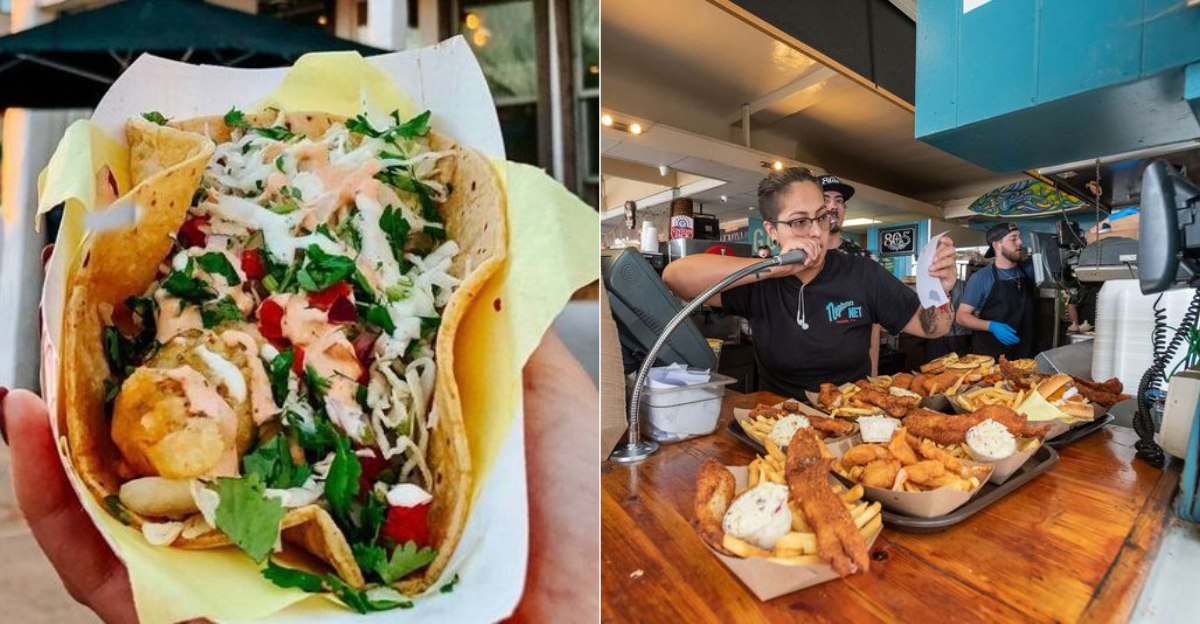
California’s fast food isn’t just a pit stop—it’s a living map of the Golden State. Along coastal highways and crowded boulevards, drive-thrus, taco trucks, and late-night counters mirror diverse communities, a car-loving rhythm, and markets bursting with produce.
I’ve spent years tasting it all: In-N-Out under neon palms, Mission-style burritos the size of surfboards, Korean-Mexican mashups, fresh-fried fish tacos, plant-based burgers that actually slap. Citrus, avocado, and herbs show up truly everywhere; sustainability and seasonality ride shotgun.
Street vendors tell family histories; chefs remix traditions without apology. There’s genuine magic here, a flavorful freedom you simply won’t find anywhere else.
Where the Drive-Thru Became a Ritual
My first California memory? Sitting in dad’s convertible at In-N-Out, watching palm trees sway as we waited our turn at the speaker box. The California drive-thru isn’t just convenience – it’s theater.
Cars become dining rooms, complete with dashboard condiment stations and window-hanging trays. You’ll spot families having full-on celebrations without ever leaving their vehicles, napkins dancing in the breeze.
The magic happens in that sweet spot where car culture meets food culture, creating communal spaces where strangers bond over animal-style fries and secret menu hacks while engines idle beneath the California sun.
Taco Trucks as Neighborhood Hubs
Around midnight in East LA, I stumbled upon what locals simply called ‘The Truck’ – a taco operation that transformed an ordinary street corner into the neighborhood’s living room. Steam billowed from the window as cooks pressed tortillas by hand.
These mobile kitchens aren’t just food vendors; they’re community anchors. Grandmothers chat while waiting for their carnitas, teenagers hang out after school, and workers grab quick bites between shifts.
What amazes me most is how these trucks create instant gathering spaces. String lights, plastic chairs, and makeshift salsa bars turn parking lots into vibrant plazas where California’s diverse communities come together over $1.50 tacos.
The Mission Burrito, Built for the City
The first time someone handed me a Mission burrito, I laughed at its heft. ‘That’s a weapon, not lunch!’ But unwrapping that foil-covered masterpiece changed my understanding of portable food forever.
Born in San Francisco’s Mission District, these mammoth creations are engineering marvels. Perfectly layered rice, beans, meat, and salsa – with strategic cheese placement for structural integrity. They’re designed for urban warriors navigating hills and public transit.
What makes them quintessentially Californian isn’t just size but customization. Vegetarian, vegan, gluten-free – the Mission-style adapts while maintaining its essential character, much like the state itself.
San Diego’s Fish-Taco Coastline
‘You haven’t had a real fish taco until you’ve had one within sight of the Pacific.’ My surf instructor’s words rang true as we devoured crispy, Baja-style tacos at a beachside shack, sand still clinging to our feet.
San Diego’s proximity to Baja California created this perfect cross-border creation. Light, battered fish crowned with shredded cabbage, zingy crema, and lime – flavors that somehow capture sunshine and ocean spray in each bite.
These aren’t just meals; they’re edible postcards from California’s southernmost beaches. The fish taco embodies the state’s laid-back coastal spirit – unpretentious yet sublime, casual yet crafted with care.
Fusion on Four Wheels (and Small Counters)
Standing in line at a Korean-Mexican food truck in LA’s Arts District, I watched the chef drizzle gochujang over carnitas tacos. That moment perfectly captured California’s culinary fearlessness.
Our food trucks don’t just serve traditional fare – they’re rolling laboratories of delicious experimentation. Filipino adobo burritos, Indian-spiced pizza, Vietnamese-Cajun seafood boils – boundaries dissolve in these mobile kitchens.
What strikes me as uniquely Californian is how these fusions aren’t gimmicks but authentic reflections of chefs’ multicultural identities. The state’s immigrant history plays out on paper plates and cardboard boxes, creating new traditions that could only happen here.
Farm-Belt Fuel and Roadside Smoke
My road trip through California’s Central Valley revealed the secret backbone of our fast food culture: proximity to America’s produce basket. I’ll never forget biting into a peach purchased roadside – juice running down my arm as tractors worked nearby fields.
This agricultural heartland gives California fast food its edge. Fresh ingredients travel mere miles from farm to fryer. Roadside stands offer just-picked produce, while smoky barbecue joints slow-cook tri-tip sandwiches for hungry travelers and fieldworkers alike.
The Central Valley’s contribution isn’t flashy like coastal cuisine, but it’s fundamental. When your lettuce was harvested yesterday and your tomatoes ripened on the vine, even simple fast food becomes extraordinary.
Why It Feels Different—And Endures
Last summer, watching sunset from the hood of my car at Neptune’s Net along the Pacific Coast Highway, paper-wrapped fish and chips in hand, I finally understood California’s fast food magic. It’s not just what we eat – it’s how we eat it.
Our fast food culture thrives in the spaces between – between cultures, between meals, between destinations. Californians eat outdoors year-round, turning parking lots and sidewalks into dining rooms under perfect weather.
We’ve created fast food that doesn’t feel rushed. From secret In-N-Out menu items to taco trucks that park in the same spot for decades, California’s quick bites have something precious: personality, community, and a sense of place you simply can’t franchise.