
7 New York City Hot Dog Carts That Locals Can’t Stop Talking About
New York City and hot dogs go together like baseball and summertime. From classic ‘dirty water dogs’ to gourmet creations with fancy toppings, the city’s hot dog carts are legendary street food institutions.
Whether you’re grabbing a quick lunch in Midtown or satisfying late-night cravings after exploring the city, these 7 hot dog carts have earned devoted local followings for their unique takes on this quintessential NYC street food.
1. Billy’s Hot Dog Cart – The Upper West Side Legend
Located at Central Park West and 93rd Street since the 1990s, Billy’s cart draws weekend lines for a reason.
The classic ‘dirty water’ dogs come slathered with his signature red-onion sauce and tangy sauerkraut that locals swear has a secret ingredient.
The cart has survived decades of neighborhood changes, becoming as much a fixture as the nearby museum. Regular customers know to arrive early on sunny days when the line stretches down the block.
2. New York Hot Dog King – The Met Steps Institution
Dan Rossi’s cart outside The Metropolitan Museum has a story as rich as his hot dogs are delicious. As a disabled veteran, Rossi secured this prime spot years ago, serving perfectly snappy franks that provide the ideal museum fuel.
Art lovers and locals alike make the pilgrimage to his humble cart. Unlike fancy food trucks that come and go, Rossi’s cart represents authentic New York perseverance, standing strong through economic ups and downs.
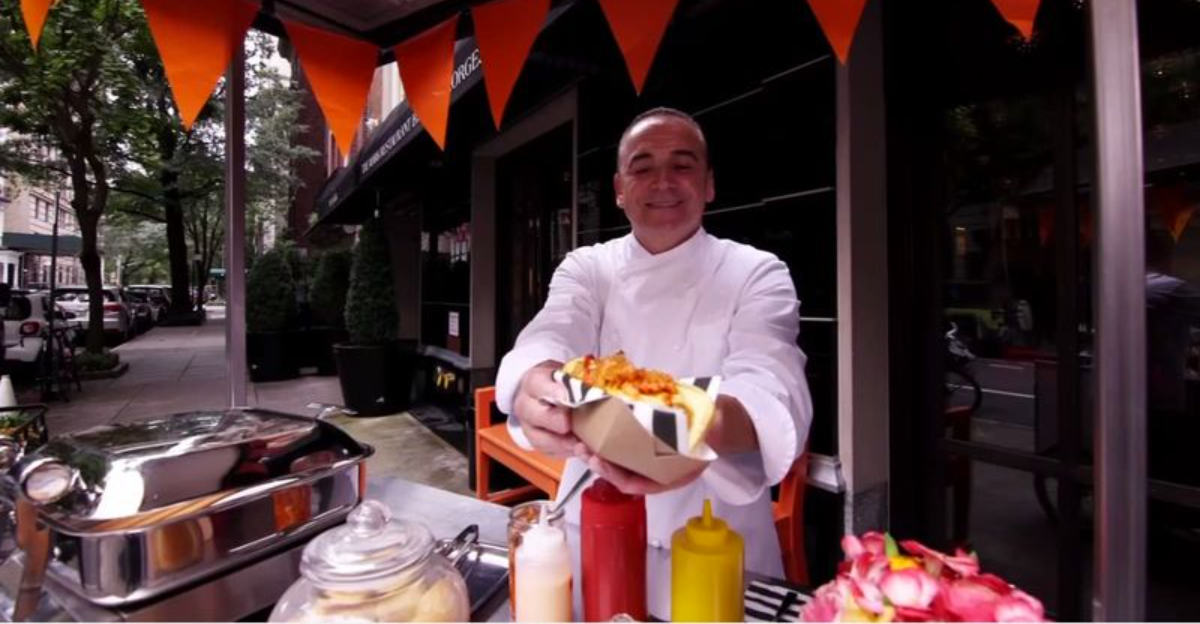
3. The Mark Hot Dog Cart by Jean-Georges – Luxury Dogs
Who says street food can’t be luxurious? The cart outside The Mark Hotel elevates the humble hot dog with gourmet toppings created by celebrity chef Jean-Georges Vongerichten.
The kimchi relish option costs more than some restaurant meals, but locals insist it’s worth every penny.
I once spotted three celebrities waiting in line during Fashion Week! The cart only operates in fair weather, making each hot dog feel like a limited-edition treat for Upper East Side residents.
4. Tony Dragon’s Grille – The Gypsy Dog Specialist
Tony Dragonas has achieved street food celebrity status with his Madison Avenue cart.
His specialty, “Gypsy Dog,” comes with chili and topped with grilled onions, and another favorite, the “Tony Dog,” comes with mustard and grilled onions – a creation that’s converted countless hot dog purists.
On my first visit, Tony recognized I was a newcomer and insisted I try his special sauce. Now I can’t eat hot dogs anywhere else.
Upper East Side residents have been known to change their commute routes just to pass by his cart.
5. SnackBOX – Times Square’s Artisanal Dog Destination
This modern kiosk at Broadway and 47th Street reimagines what street hot dogs can be. Their “Brooklyn Classic” and “Coney Island” creations pay homage to borough-specific hot dog traditions, bringing neighborhood flavors to Times Square.
The sleek design stands out among traditional carts. Despite being in the heart of tourist territory, SnackBOX has won over skeptical locals with quality ingredients and consistent execution that elevates the humble hot dog to Instagram-worthy status.
6. Victory Hot Dog Cart & Bistro – Bay Ridge’s Neighborhood Staple
This Bay Ridge institution serves more than just hot dogs – it’s a community gathering spot. Located at 699 92nd Street, Victory’s cart has expanded to include a small bistro seating area where locals catch up over franks and knishes.
The owner greets regulars by name and remembers their usual orders. During my childhood in Brooklyn, getting a Victory hot dog after Little League games was our team’s victory tradition, win or lose.
7. Dominick’s Hot Dog Truck – The Queens Blue Truck Legend
Technically a truck rather than a cart, Dominick’s blue vehicle, parked along Woodhaven Boulevard by St. John Cemetery, has achieved legendary status in Queens. The natural-casing dogs have the perfect snap that hot dog aficionados crave.
This Rego Park institution has served generations of families. What started as a simple hot dog truck has become a neighborhood landmark that locals use as a meeting point and directional reference when giving directions to visitors navigating the borough.