
A Big Model Railroad Recreates Washington State History At Washington’s History Museum
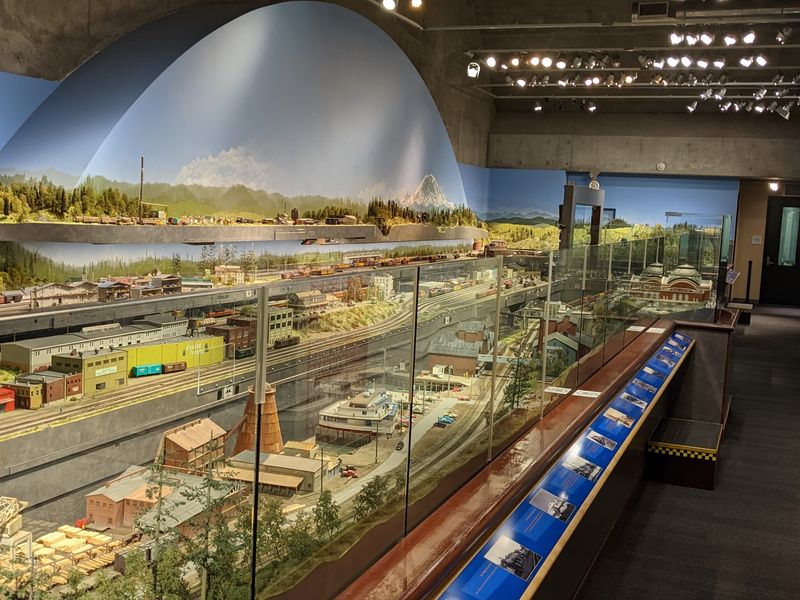
Tiny trains rumbling over tiny bridges can teach you more about Washington than a stack of textbooks ever could. That is the surprise waiting inside one curved downtown building, where a sprawling model railroad shares space with stories of settlers, Native languages, and Gilded Age gowns.
Grown-ups end up grinning like kids, and kids end up learning without noticing. It might just become your favorite rainy-day outing in Washington.
A Curved Landmark on Pacific Avenue
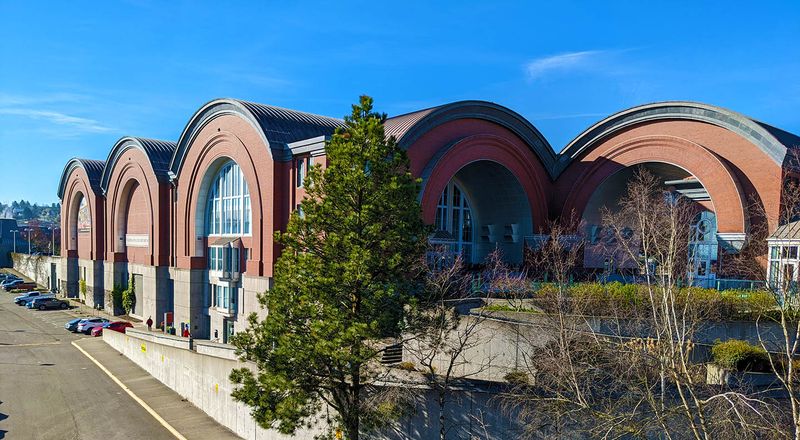
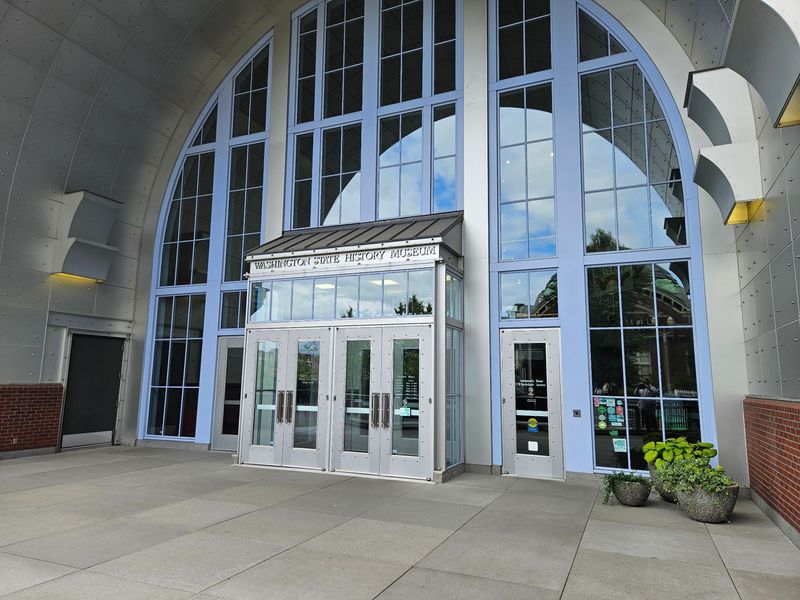
Downtown Tacoma hides a real crowd-pleaser at 1911 Pacific Ave, right across from the historic Union Station. The Washington State History Museum sits inside a uniquely shaped building with a beautiful exterior that catches your eye before you even park.
Inside, the museum explores the full sweep of Washington history through high-tech, interactive exhibits. The star of the show for many people is a big model railroad, which visitors mention far more than any other feature.
Still, there is much more here than trains, from geology to Native peoples to industry.
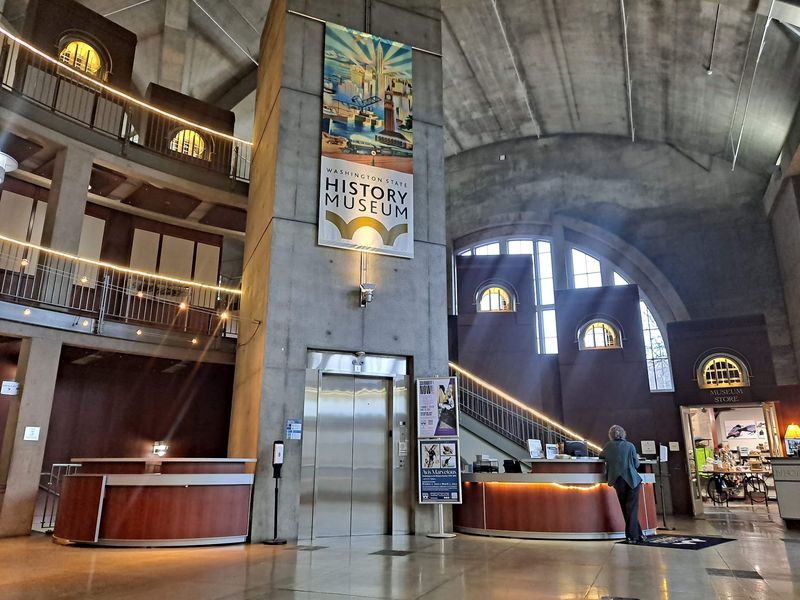
Visitors describe the building as having five floors of space, with two floors devoted to exhibitions. The layout features multiple overlapping levels and a large entry gallery that sets the tone the moment you walk in.
Families say the floor plan feels a little unusual to navigate, yet that quirky design keeps kids curious as they move from one area to the next.
Its location also makes it easy to build a bigger day around it. The museum is close to Tacoma’s glass museum, and many people pair a visit with a trip to Point Defiance Zoo and Aquarium for a full Puget Sound adventure.
The Story Behind the Exhibits
History books can feel dusty, but the galleries here work hard to bring Washington’s past to life. Exhibits trace the state’s geological beginnings, the lives of Native peoples, the arrival of settlers, and the rise of industry, all in one connected journey.
Visitors who love reading appreciate the detail. Placards stand in front of most displays, offering in-depth information, and many exhibits add audio and video materials to help the stories stick.
People describe the displays as well organized and nicely presented, which makes it easier to follow the thread from one era to another.
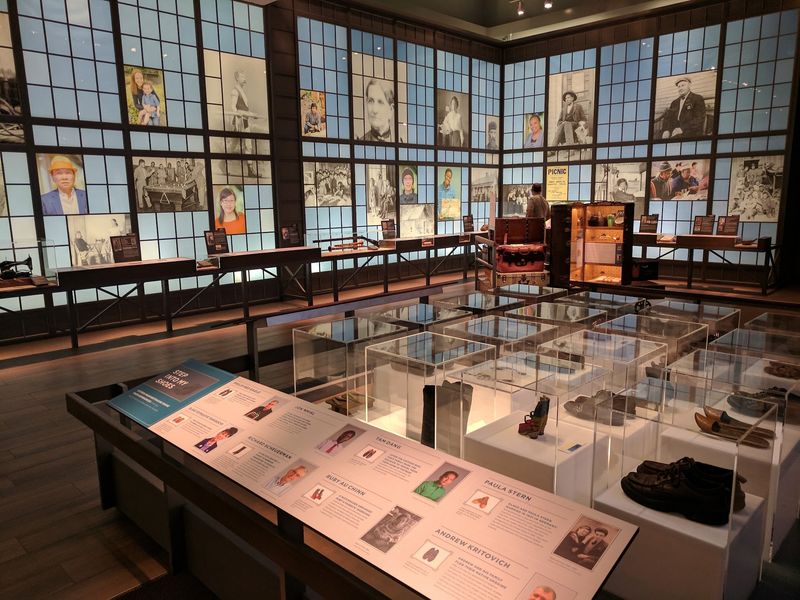
One standout approach is how the museum explains migration. Rather than listing dates, it tells the stories of different communities through short accounts of real people, which keeps the walk interesting.
You will also find rooms covering life during the Great Depression, the camps for Japanese communities during World War II, and important industrial turning points.
A road-trip style display even highlights scenic and geographically interesting places across the state. For anyone who has driven through the Cascades or along the Columbia River, those panels can spark a happy sense of recognition.
Miniature Rails Across a Miniature State
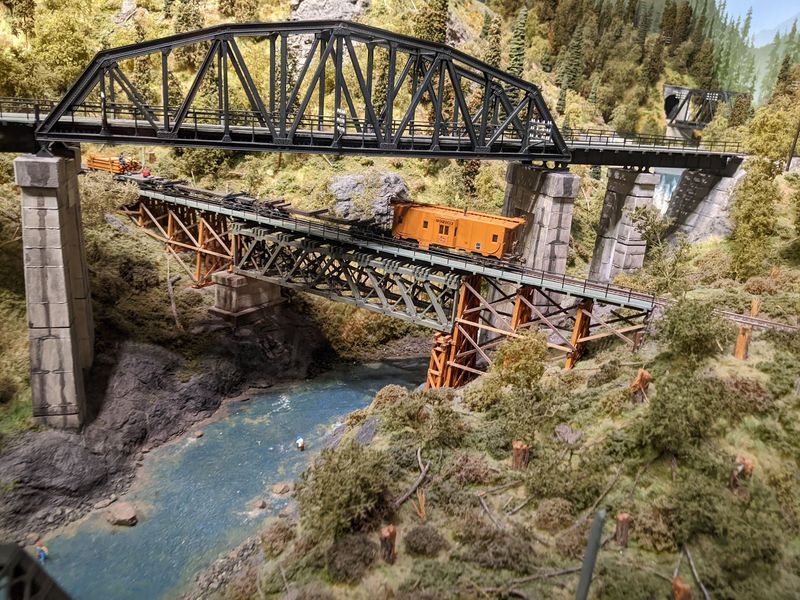
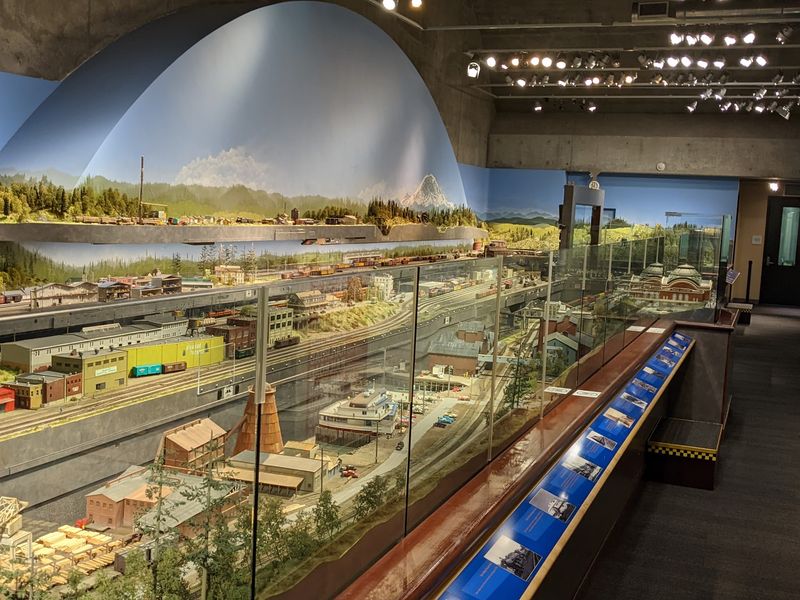
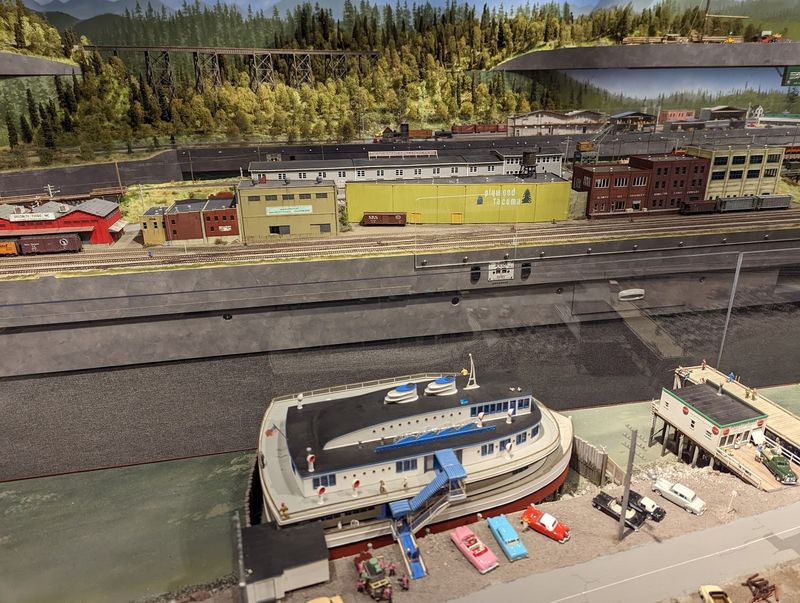
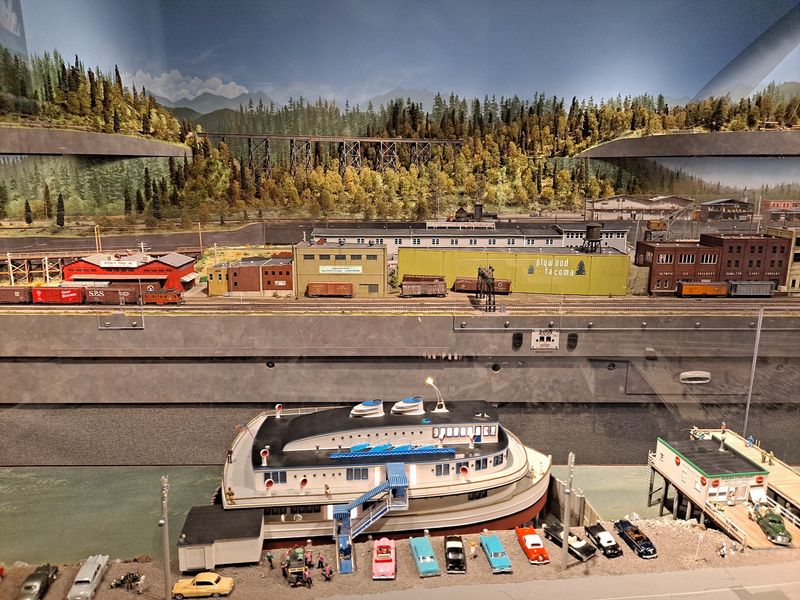
Twenty minutes can vanish in a blink once you start watching the trains. The permanent model railroad at this museum is the feature people talk about most, and for good reason.
Visitors describe the layout as very detailed and impressively big. Trains glide along multiple tracks, crossing several different bridges and disappearing into tunnels that look surprisingly large for a scale model.
The scenes help show how railroads shaped Washington, connecting towns, ports, and forests across the state.
Even people who would never call themselves train fans find themselves drawn in. Guests mention how elaborate the setup feels and how it brings out their inner child, with plenty of grinning adults standing beside equally delighted kids.
That shared moment of wonder is part of what makes the display so memorable.
Railroads played a huge role in Tacoma’s growth, and the museum’s spot across from Union Station makes the connection feel even more fitting. Bring patience and maybe a phone for short video clips, because the trains keep moving and there is always another car rolling into view.
It is classic Americana in miniature, and it never seems to get old.
December Train Festival Magic
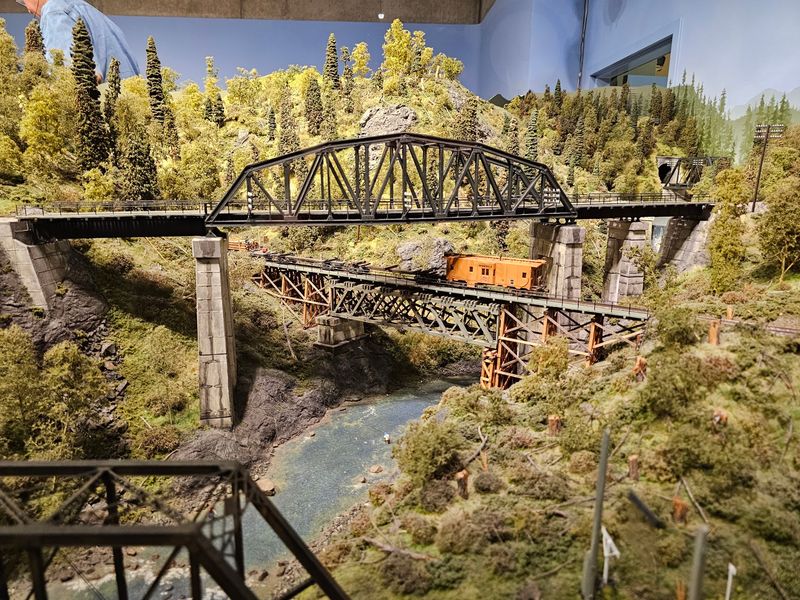
Mark your calendar for winter, because December brings a special treat. Longtime visitors say the museum hosts a model train show every December, and it has become a much-loved tradition for local families.
During the event, regional model train clubs bring their own layouts to share. Families describe loving the intricate details of these visiting train sets, which add fresh variety on top of the permanent railroad.
It turns the museum into a bustling hub of tiny engines, whistles, and happy faces.
People who have attended once often say they cannot wait to return for the train festival. That kind of excitement says a lot about how cozy and festive the experience feels when the Puget Sound weather turns gray and chilly.
For Washington families looking for holiday outings beyond the usual light displays, this event offers something different. It blends nostalgia, craftsmanship, and history into an afternoon that grandparents and grandkids can enjoy side by side.
Since the festival is a seasonal draw, it may be wise to plan ahead and arrive early. Then settle in, pick a favorite layout, and watch the miniature world come alive.
Hands-On Learning for Curious Kids
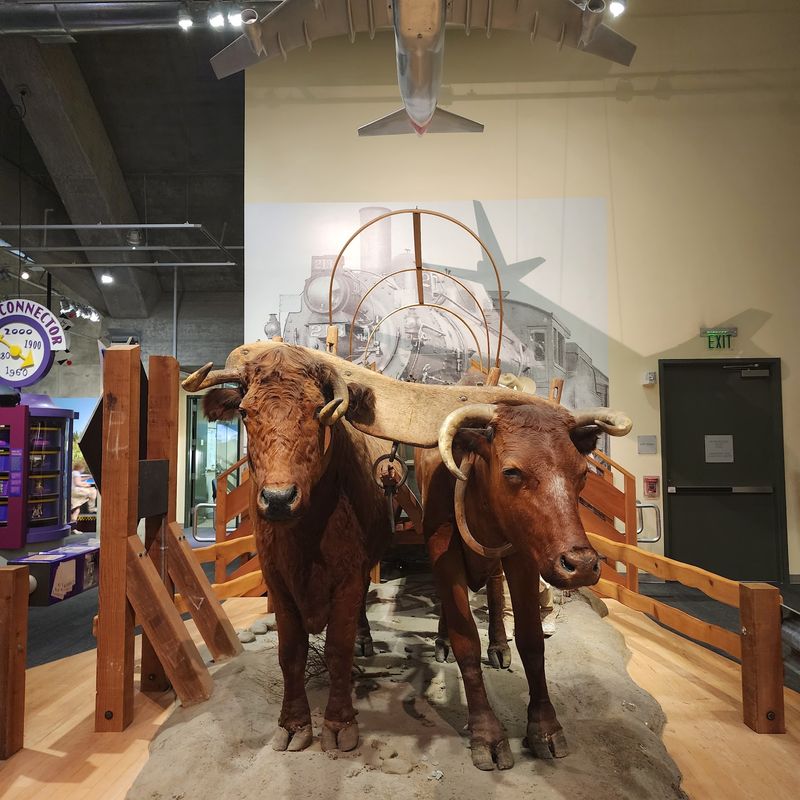
Kids who usually groan at the word museum may change their tune here. The exhibits are built to be interactive, and visitors repeatedly mention how much there is to touch, try, and explore.
Parents describe the museum as a great place to bring young ones. The extensive interactive displays are designed to make Washington’s history accessible to everyone, which means children can learn through play rather than just reading signs.
That approach keeps little attention spans engaged much longer than you might expect.
Life-size animal replicas add another layer of fun. Seeing exactly how big certain creatures are helps kids understand the wildlife of the Pacific Northwest, and one visitor favorite is the snowy owl display.
Little ones often stop and stare at those soft white feathers.
The building itself becomes part of the adventure. With its overlapping floors and winding paths, families say the layout kept their kids entertained while moving from place to place.
Pair those features with the trains, and you have a recipe for an outing where children leave chattering about what they saw. Parents may find themselves learning plenty too.
Native Voices and Washington Roots
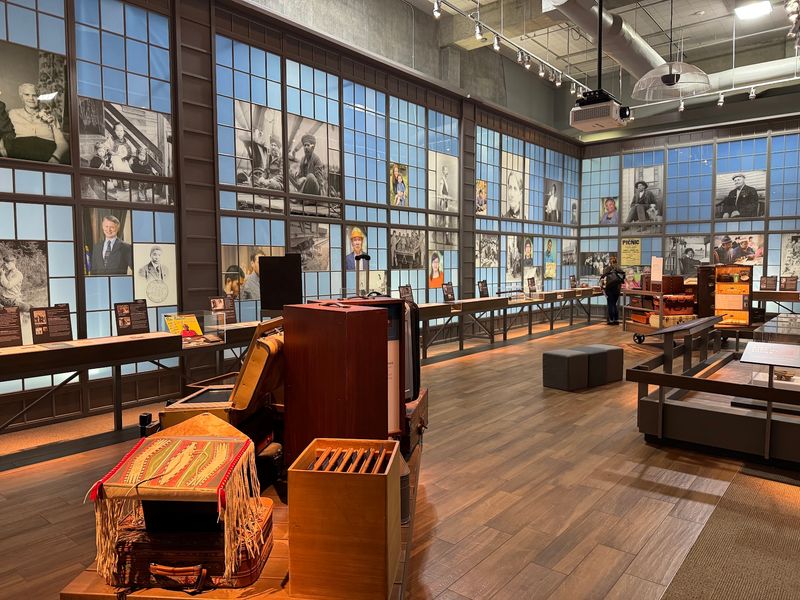
Long before railroads crossed the Cascades, Native peoples shaped the land that became Washington. The museum includes exhibits on Native cultures, languages, and history, and many guests point to these galleries as meaningful parts of their visit.
Visitors praise the informative displays covering the Native American experience, including how colonization has affected lives and culture. A section on Native languages draws particular appreciation, offering a window into the voices that have long been part of the Pacific Northwest.
Not everyone feels the coverage goes far enough. Some guests mention they would welcome even more Native American representation, which shows how strongly people care about these stories.
The galleries encourage slow, thoughtful reading. Many recommend setting aside plenty of time to absorb the information rather than rushing through.
It is the kind of space where kids can ask big questions and adults can help find answers together.
For Washington residents, these exhibits offer a deeper look at the history of the places they live, from Puget Sound shorelines to inland valleys. Visitors from out of state also gain an understanding of the communities rooted here for generations.
Why Washington Became Home
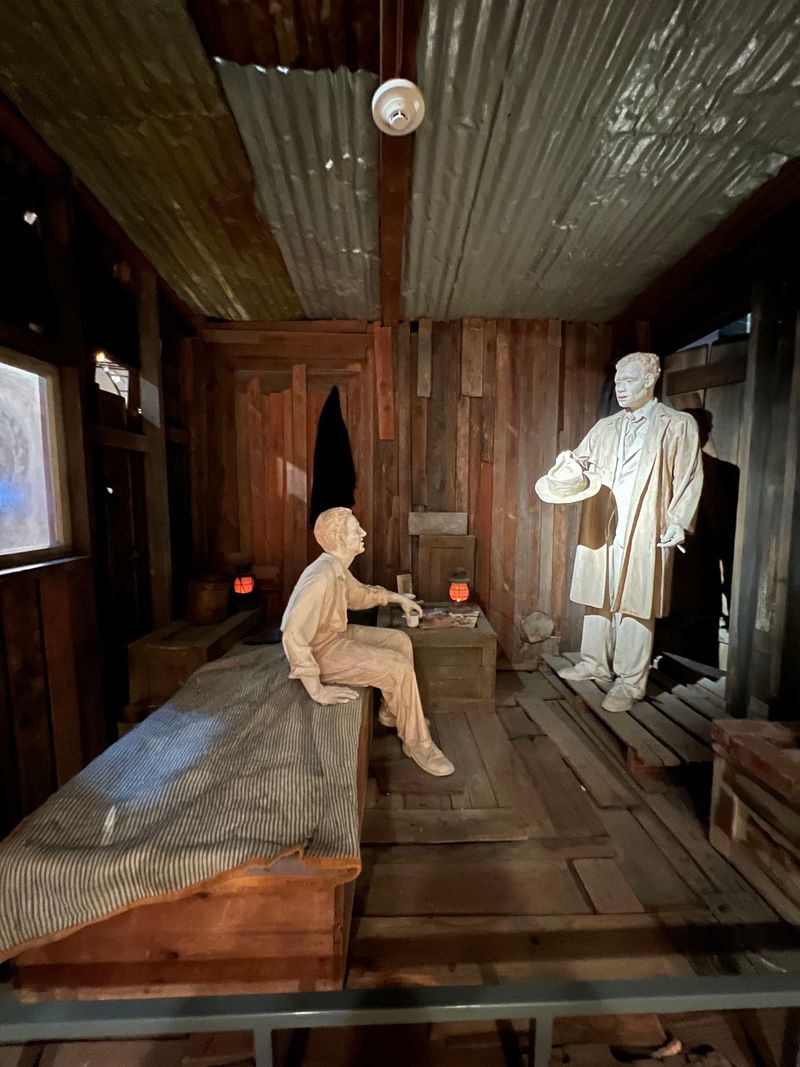
Everyone who lives in Washington has some kind of arrival story, whether it began centuries ago or last year. The museum taps into that idea with exhibits exploring why so many people have called this state home.
Guests mention loving the exhibits built around the question of why Washington is home. These galleries look at settlers and communities who came from many places, explaining migration through personal stories instead of dry statistics.
Reading about individual families makes the history feel close and real.
Visitors describe being amazed by the variety of settler groups who shaped the state. The displays connect these journeys to larger moments, including the Great Depression and the difficult chapter of camps for Japanese communities during World War II.
Early settler exhibits come up in visitor conversations too, offering a look at frontier life and the challenges people faced building towns and farms. It is easy to imagine pioneer wagons rolling toward the Puget Sound region.
For retirees who remember family stories passed down, or kids just learning where their roots lie, this section can spark wonderful conversations on the drive home.
Rotating Shows and Gilded Age Gowns
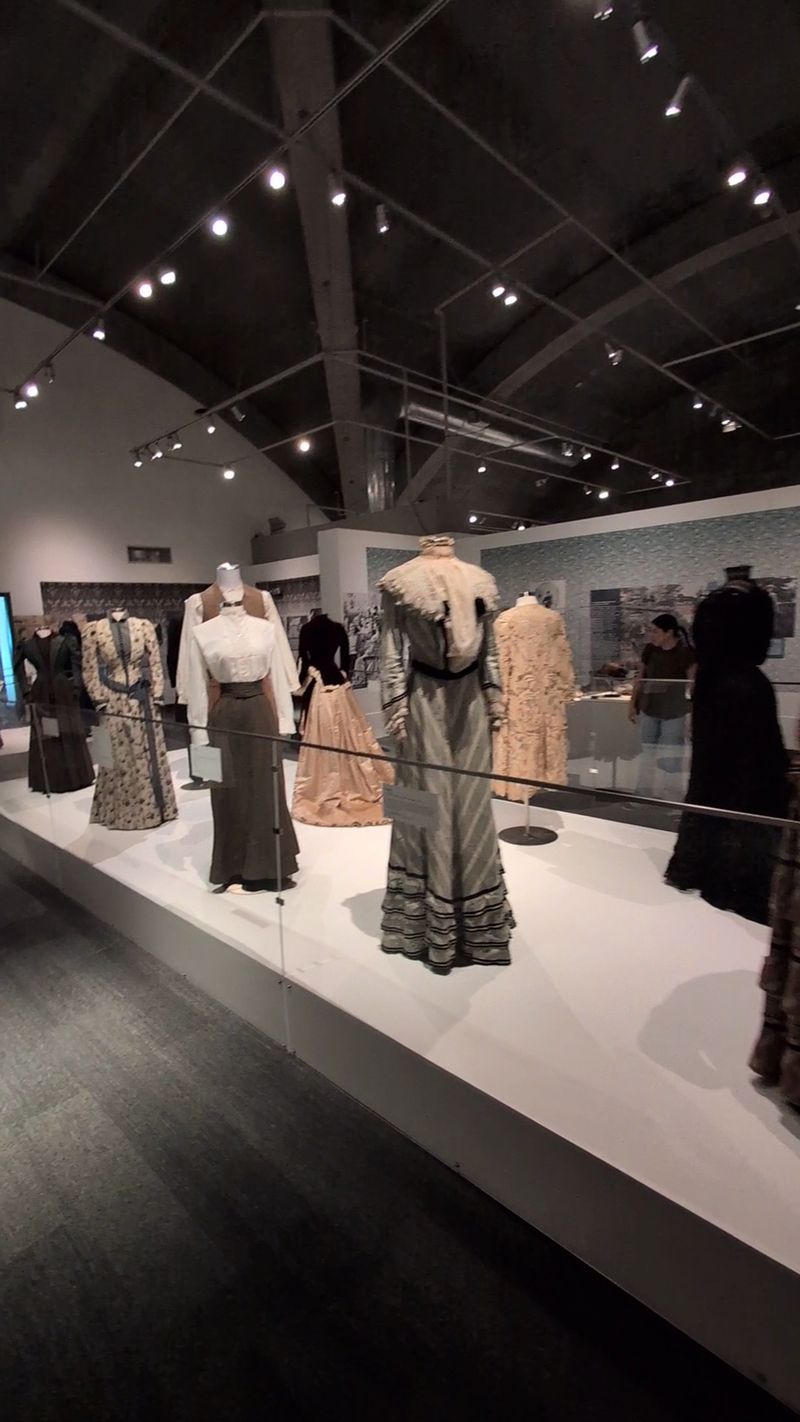
Yards and yards of fabric stole the show during one recent exhibit. Called Dressing the Gilded Age, it displayed clothing from that era, and visitors called the sheer amount of material in some dresses mind-blowing.
Guests say the gowns offered a vivid picture of the opulence enjoyed by the ultra-wealthy of the time. More than one person admitted feeling glad that corsets went out of style.
A related golden age exhibit also drew interest from out-of-state travelers.
Exhibits like these are part of the museum’s rotating lineup. One floor features changing themes, so what you see on one trip may be different from the next.
Temporary exhibits come up often in visitor conversations, and returning guests mention finding many new and cool things after a couple of years away.
Fair warning, the museum has gone through periods of construction while new exhibits were built. Some past visitors found large sections closed, so checking ahead before you go is a smart move.
That constant refresh is part of the appeal. With something new arriving every so often, a single visit rarely tells the whole story.
Friendly Faces on Every Floor
Getting lost happens, and the folks here seem happy to help. Visitors frequently describe the staff and volunteers as friendly, informative, and ready to answer questions.
One guest recalled a staff member pointing her in the right direction after her family wandered ahead. Another family praised an employee with vast knowledge of the exhibits who made their day more fun.
Those small moments of kindness leave a lasting impression.
Many visits also include a museum representative walking the floors, ready to share facts or explain a display. For curious kids with endless questions, that support can turn a quick stop into a real learning adventure.
The museum also appears to listen. When a visitor pointed out that a bench partially blocked the accessible door button to the lower lot, the team moved the bench to improve access to the sensor.
That responsiveness suggests real care for guests of all abilities.
Warm service can matter as much as the exhibits themselves. Here, the people behind the scenes help make history feel welcoming rather than stuffy, and that personal touch is a big reason families keep returning year after year.
Quiet Weekdays and Easy Pacing
Crowds can ruin a museum trip fast, but quiet days seem easy to find here. Visitors who came on weekdays describe the museum as pleasantly calm, and a Friday afternoon visit was noted as not crowded at all.
That relaxed feel suits retirees who prefer to wander at their own speed, as well as parents managing strollers or young kids. You can linger at the train layout or reread a placard without anyone hurrying you along.
Plenty of people say they could easily spend hours here, especially those who love details. Some even joke you could spend days.
Others describe it as a pleasant way to spend a lazy Saturday afternoon.
Opinions on the size of the collection do vary. A few guests have found certain exhibits underwhelming for a building this large, particularly during construction periods.
Still, most leave feeling they learned something worthwhile.
The best approach may be to come without a rigid plan. Pick a floor, follow what catches your eye, and leave time for the trains.
A slower visit tends to reveal the small surprises tucked throughout each gallery.
Admission and Money-Saving Options
Budget-minded families will appreciate the ways to save here. Regular admission has been reported at around $17, which some visitors felt was on the high side, but several options can bring that cost way down.
The museum participates in a program for EBT cardholders, and one family shared that they got in for just $2 per family by showing their card. That can make a full day of history and trains surprisingly affordable.
Free days are another bonus. Guests mention that admission was free on Third Thursday, and others note free museum days plus the chance to get free tickets through the library.
These perks may help stretch a tight budget, especially for retirees or larger families.
Your entry pass also covers a full day with multiple entries allowed. That means you could step out for lunch downtown and come right back.
Frequent visitors might consider an annual pass, which guests call a smart choice since one floor features changing themes. Prices and programs can change, so confirming current details before your trip is a good idea.
Hours, Parking, and Getting There
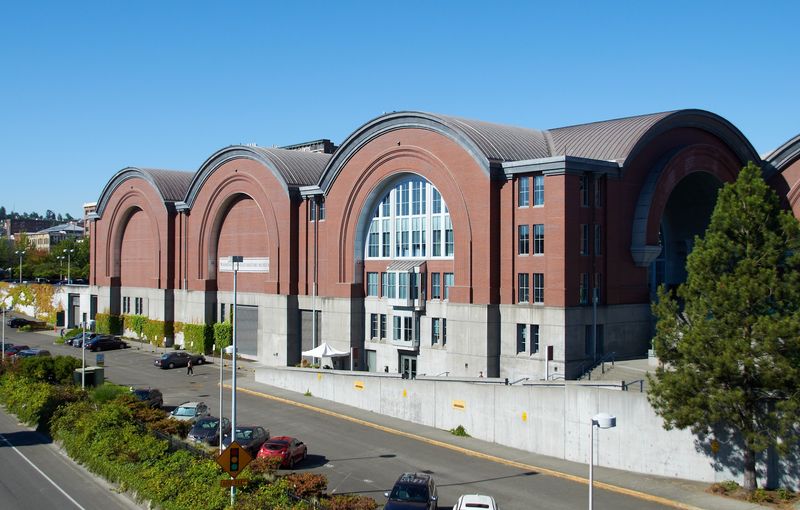
Planning ahead takes just a moment. The museum is open Tuesday through Sunday from 10 AM to 5 PM and closed on Mondays, so build your trip around that weekly break.
Parking is generally easy, according to visitors, with plenty of space on weekdays. You will need to pay, but rates and payment methods are clearly posted, which takes the guesswork out of arrival.
Want to skip the parking fee? One savvy tip from visitors suggests parking for free at the Tacoma Dome bus station garage and then riding transit just a couple of stops to the museum.
It can be a fun little adventure for kids who love buses and trains.
Accessibility matters too. The museum responded to feedback by clearing the path to the automatic door sensor at the lower lot, making entry smoother for wheelchair users.
Once inside, a small gift shop sits near the exit. Opinions are mixed on the selection, with some finding few items to collect, so a souvenir may not be the main event.
Arrive near opening if you want the trains mostly to yourself.
Building a Tacoma Day Around the Museum
One museum rarely fills a whole Tacoma weekend, and luckily it does not have to. The Washington State History Museum sits close to the city’s glass museum, making a two-stop culture day simple to arrange.
Visitors also recommend pairing the trip with Point Defiance Zoo and Aquarium. Morning trains and history, then an afternoon with sea creatures and Puget Sound views, could make for a memorable family day without much driving.
The museum faces Union Station, a historic landmark worth admiring from outside. After watching miniature railroads, seeing a real piece of railroad heritage across the street feels like a fitting bonus.
Because your admission allows re-entry for the full day, you can head out for a bite in downtown Tacoma and return to catch the parts you missed. That flexibility works especially well with young kids who need a mid-day break.
For travelers from Seattle, Olympia, or farther afield in Washington, Tacoma offers an easy getaway. Combining several attractions may help families get more value from a single day trip, turning a quick stop into a full and happy outing.
A Soft Verdict Worth the Trip
Some outings fade from memory by Monday, but this one tends to linger. Between the sprawling model railroad, the thoughtful history galleries, and the rotating exhibits, the Washington State History Museum offers something for nearly every age.
It is not flawless. Construction has closed sections at times, the gift shop may not wow you, and some wish for deeper Native American coverage.
Yet visitors overwhelmingly leave feeling they learned something and had fun doing it.
The value can be excellent with free days, library passes, and EBT discounts. For retirees watching costs or families wanting a low-cost rainy day plan, those options make this an easy pick.
Many guests have been coming since childhood and still return. That kind of loyalty speaks volumes about the place’s charm, especially during the December train show.
So grab the kids, the grandparents, or just your own curious self and head to Tacoma. Watch the little trains cross their bridges, read a story or two about the people who built Washington, and see whether you leave grinning.
Chances are good you will.