
A Breathtaking 50-Mile Drive In Wyoming You Can’t Miss
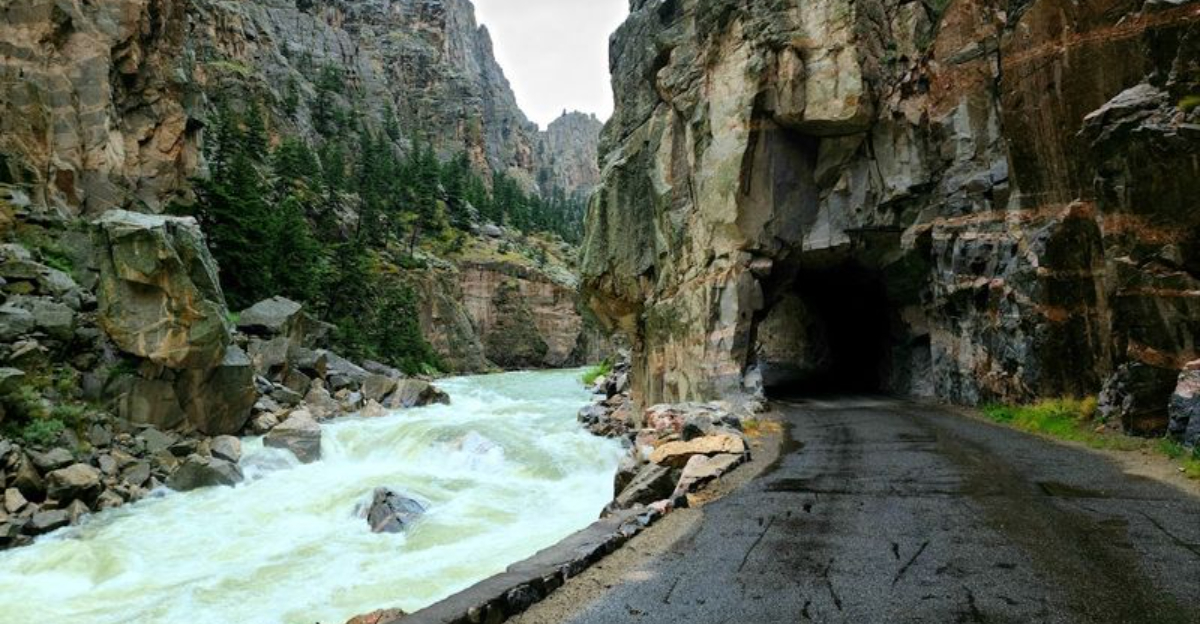
You know that scene in every great road trip movie where the hero rolls down the window, lets the wind hit their face, and suddenly everything makes sense?
That was me, five minutes after leaving Cody, Wyoming and heading west on the Buffalo Bill Scenic Byway.
It felt like Thelma & Louise energy, minus the chaos and plus a thousand percent more jaw-dropping scenery. This 52-mile stretch all the way to the East Entrance of Yellowstone National Park wasn’t just a drive. It was a full-blown main character moment.
The road hugged the North Fork of the Shoshone River, weaving through canyon walls glowing amber in the late afternoon sun. Volcanic rock formations looked straight-up alien. Pine forests smelled like freedom bottled and released just for me.
Named after William Frederick Cody, this byway carried serious Western swagger. And when Theodore Roosevelt once called it the most scenic 50 miles in America? After driving it myself, I wasn’t about to disagree.
Where The Wild West Still Breathes
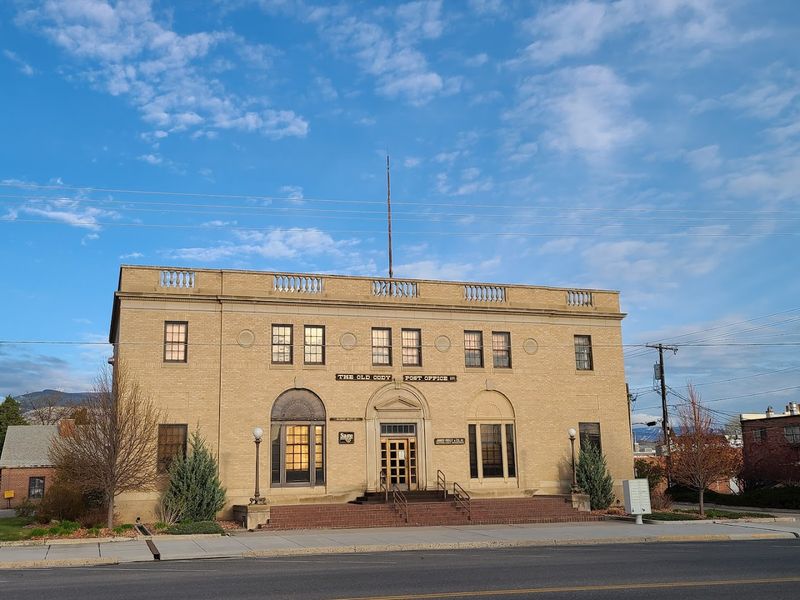
Cody, Wyoming does not ease you into anything. The town hits you immediately with the kind of authentic Western energy that most tourist towns spend millions trying to fake and never quite nail.
Founded in 1896 by Buffalo Bill Cody himself, this place wears its history like a well-worn leather boot, proudly and without apology.
Before I even turned the ignition for the byway, I spent a solid morning wandering the town. The Buffalo Bill Center of the West is genuinely one of the best museum complexes in the entire country, five museums under one roof covering art, natural history, firearms, Plains Indians culture, and the life of Buffalo Bill.
It is the kind of place where you walk in for an hour and somehow lose half your day.
Sheridan Avenue, the main drag, is lined with shops, galleries, and eateries that feel genuinely rooted in the community rather than slapped together for tourists. I grabbed a hearty breakfast at one of the local spots and fueled up properly because something told me I would not want to stop once the canyon started calling.
Starting a road trip in a town this full of character sets the tone perfectly. Cody is not just a pit stop before the real show, it is very much part of the show itself, and skipping it would be like reading the last chapter of a book first.
A Mirror In The Mountains
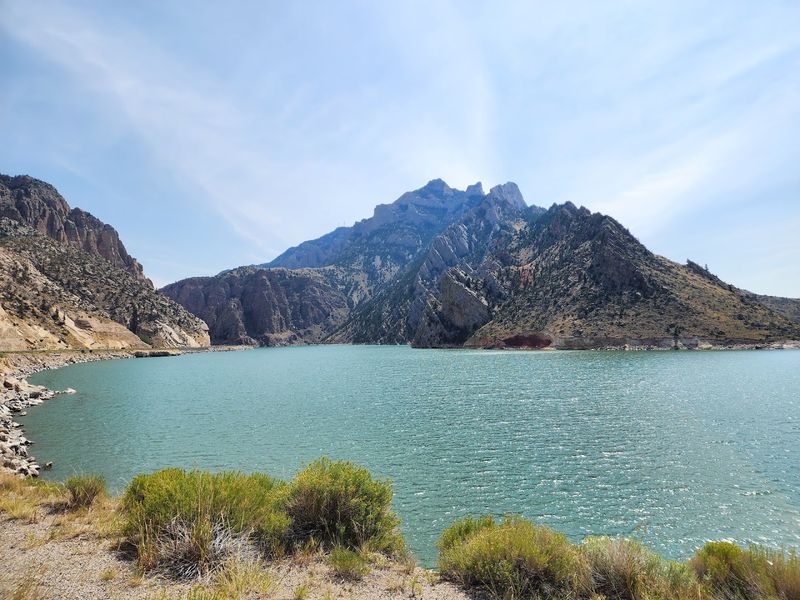
Just a few miles west of downtown Cody, the landscape opens up in the most dramatic way possible and Buffalo Bill Reservoir appears like someone dropped a sapphire into the canyon. The color of that water stopped me in my tracks.
It is this deep, electric turquoise that photographs beautifully but honestly needs to be seen in person to be fully appreciated.
The reservoir was created by the Buffalo Bill Dam, which was completed in 1910. At the time of its completion, it was the tallest dam in the world, standing at 328 feet.
Standing on the overlook and staring down into the canyon below the dam gave me a genuine rush of awe mixed with a healthy dose of vertigo. The engineering achievement alone is worth pausing for, but the scenery around it is what really locks the moment into memory.
There is a visitor center right at the dam where you can learn about the history of the project and the role it played in irrigating the Bighorn Basin.
I spent about twenty minutes there before the road started calling me back. The reservoir also offers fishing, boating, and camping for those who want to linger longer.
Watching the late morning light bounce off that turquoise surface while hawks circled overhead was one of those quiet, perfect travel moments that you replay in your head for years.
Rock Walls That Tell Ancient Stories
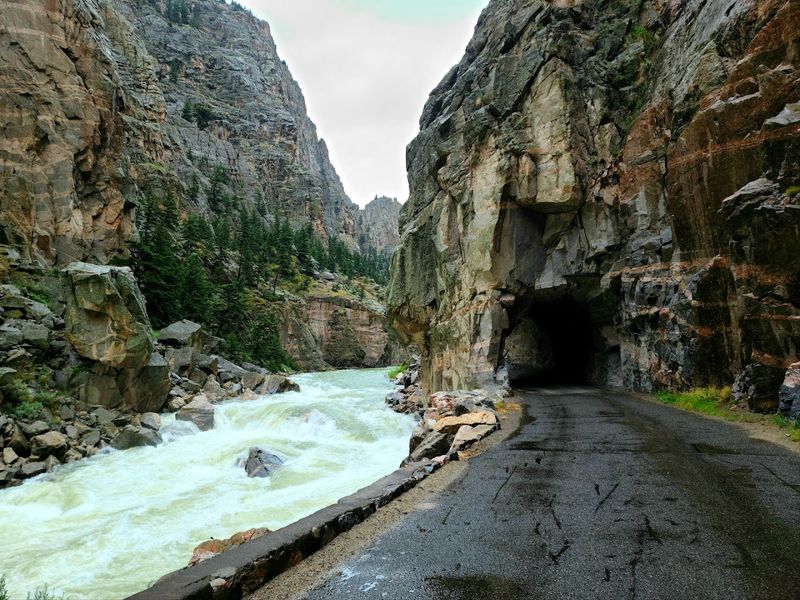
Right after the reservoir, the road tucks itself into Shoshone Canyon and suddenly you are surrounded by walls of volcanic rock that rise hundreds of feet on both sides.
The colors shift from deep burgundy to burnt orange to pale gold depending on the light, and every single turn of the road reveals a new composition that would make any photographer weep with joy.
The canyon was carved by the North Fork of the Shoshone River over millions of years, and the rock formations along the walls have names that match their wild appearances.
There is one called the Laughing Pig, another called the Sleeping Giant, and several others that local lore has christened over generations. Once someone points them out to you, you cannot unsee them, and I found myself craning my neck at every pullout trying to spot the next one.
The road through the canyon is tight in places, hugging the cliff face with the river rushing below on one side and ancient rock towering above on the other. It feels intimate and a little thrilling, like the landscape is leaning in to share a secret.
I pulled over at every available spot because the light kept changing and every angle was different from the last. If the drive were only this canyon and nothing else, it would still rank among the most memorable roads I have ever traveled.
Wyoming’s Most Underrated Gem
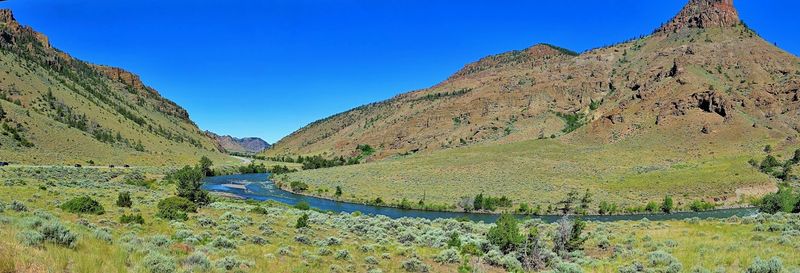
Once the canyon opens up, Wapiti Valley spreads out in front of you like a deep exhale. The valley floor is lush and wide, the river meanders through it peacefully, and the mountains frame the whole scene with the kind of grandeur that makes you feel simultaneously tiny and incredibly lucky to be alive.
Wapiti means elk in the Shoshone language, and the valley absolutely lives up to that name.
This stretch of the byway is prime wildlife territory. I spotted a small herd of elk grazing near the tree line in the early afternoon, completely unbothered by the cars rolling past.
Bison, mule deer, bighorn sheep, and even the occasional black bear have been spotted throughout this valley, so keeping your eyes on the tree lines and meadow edges is genuinely worthwhile. The valley sits at around 5,000 feet in elevation, and the air up there has a crispness that feels like it is doing your lungs a personal favor.
Wapiti Valley is also home to the Shoshone National Forest, the first national forest in the United States, established in 1891. That historical footnote adds a quiet layer of significance to what already feels like sacred ground.
Driving through it slowly, windows down, with nothing but birdsong and river sounds filling the car, was the kind of reset that no meditation app has ever managed to replicate for me.
Buffalo Bill’s Old Hunting Lodge
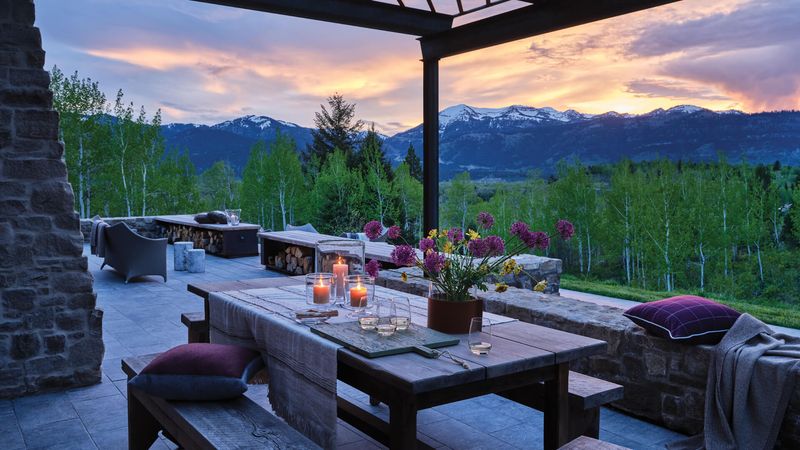
About 52 miles west of Cody and just two miles shy of the Yellowstone East Entrance, Pahaska Tepee sits tucked into the pines like a secret that history forgot to keep quiet.
Buffalo Bill Cody built this hunting lodge in 1904, and it still operates today as a resort and outfitter. Walking up to the original log cabin structure, I felt the weight of over a century of adventure pressing down on the place in the best possible way.
Pahaska means Long Hair in the Lakota language, which was Buffalo Bill’s nickname among the Lakota people.
The lodge hosted some seriously notable guests in its early days, including presidents and foreign dignitaries who came to experience the legendary hunting grounds of the Shoshone wilderness. Standing in front of the original building, I tried to imagine the stories those log walls have absorbed over 120 years.
The surrounding area is gorgeous, with tall lodgepole pines creating a cathedral-like canopy and the sound of the river threading through the trees.
Even if you are not staying overnight, stopping here for a look around is absolutely worth it. The gift shop inside the original lodge carries some genuinely interesting locally made items, and the history alone justifies the stop.
Pahaska Tepee is the kind of place that makes history feel tactile and real rather than something trapped behind museum glass.
Nature’s Reality Show
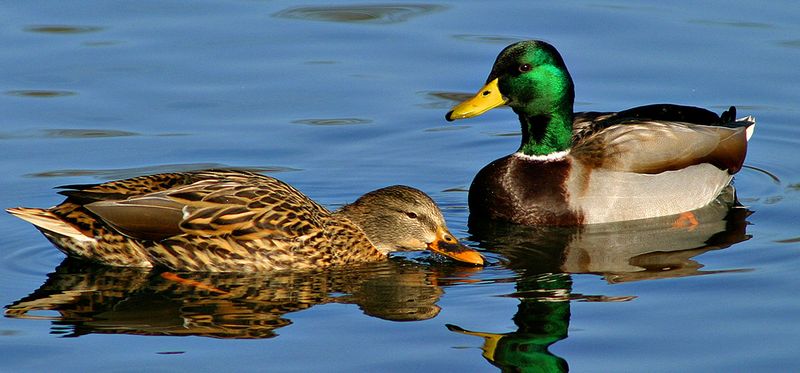
Forget cable television. The stretch of US 14/16/20 along the North Fork of the Shoshone River is running a full-time nature documentary that you can watch from your car window, and the casting department clearly has very high standards.
Bison, elk, mule deer, pronghorn, bighorn sheep, black bears, and even moose have all been documented along this corridor, and the valley’s position as a wildlife superhighway connecting Yellowstone to the surrounding wilderness makes sightings genuinely common.
I pulled over at a wide gravel shoulder about thirty miles into the drive when I noticed a pair of bison standing maybe fifty yards from the road, completely absorbed in their own business.
They are enormous up close, prehistoric-looking in a way that photos never fully communicate. Watching one shake its massive head and then go back to grazing was oddly grounding, a reminder that this land has been doing its thing long before road trips were even a concept.
The best wildlife watching happens in the early morning and around dusk when animals are most active, so timing your drive accordingly is a smart move.
Bring binoculars and drive slowly so you don’t miss the action. The North Fork corridor offers such reliable, spectacular wildlife viewing that it becomes a highlight of the drive itself.
Every Mile Earns Its Keep

One thing I did not fully anticipate was how many times I would actually stop the car on this drive. I went in thinking I would pull over maybe three or four times for photos.
I lost count somewhere around twelve.
The byway is genuinely generous with its pullouts and overlooks, and the scenery earns a pause at almost every single one of them.
The canyon section near the dam offers some of the most dramatic compositions, with sheer rock walls and the river threading below creating natural leading lines that any photographer would dream about. Further into the valley, wide meadow views with mountain backdrops give you that sweeping, cinematic Wyoming landscape that belongs on a postcard.
The light shifts dramatically throughout the day, so morning drives offer softer golden tones while afternoon light turns the rock faces into something almost volcanic in color intensity.
Even if photography is not your thing, the pullouts offer a chance to step out, breathe the mountain air, and just stand quietly in a landscape that genuinely demands your full attention.
Cell service is spotty through much of the drive, which is honestly a gift. The forced disconnection from the phone makes the whole experience sharper and more present.
My favorite stop was a small gravel overlook about twenty miles in where the river curved below and three mountain peaks lined up perfectly on the horizon like they had rehearsed it. Pure Wyoming magic.
The Grand Finale That Delivers
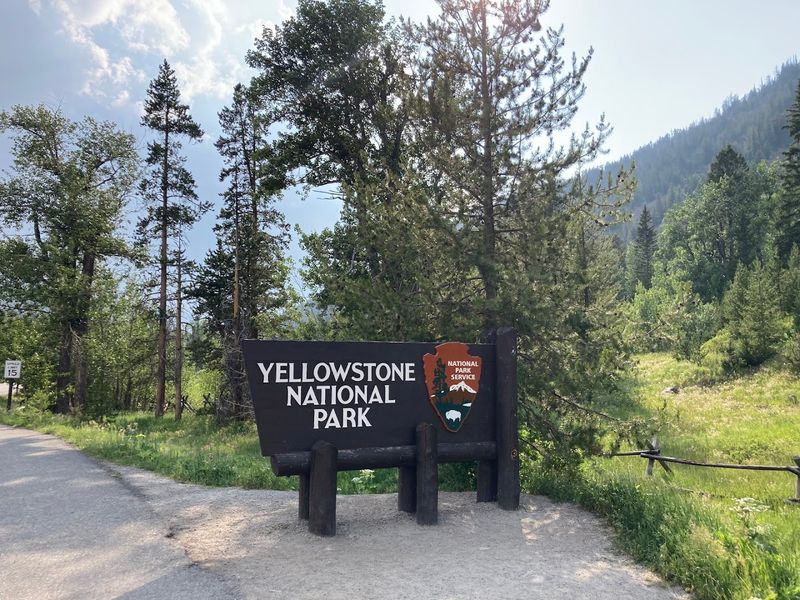
After 52 miles of some of the most spectacular driving I have ever experienced, the Yellowstone East Entrance gate appears through the trees like the final page of a book you never wanted to end. And then it hits you: you have not even gotten to Yellowstone yet.
The drive was so extraordinary on its own that arriving at one of the most famous national parks in the world still managed to feel like a bonus.
The East Entrance is often called the quietest of Yellowstone’s five gates, which means shorter lines and a more relaxed arrival experience compared to the busier North or South entrances.
From the gate, the road continues west through the Absaroka Mountains and eventually reaches Yellowstone Lake, one of the largest high-elevation lakes in North America at over 7,700 feet above sea level.
The drive from the East Entrance to the lake is stunning in its own right, layering yet another incredible visual experience onto an already overflowing day.
Pulling up to that entrance station, I had that specific kind of road trip satisfaction that only comes from a drive that genuinely exceeded expectations at every single mile. The Buffalo Bill Scenic Byway is not just a connector road between a town and a park.
It is a destination in itself, a complete experience that stands proudly on its own. If Wyoming had a highlight reel, this 52-mile stretch would be the opening shot.
Have you driven it yet?