
A Devastating Hurricane Changed This Texas Town Forever And The Story Is Still Unforgettable
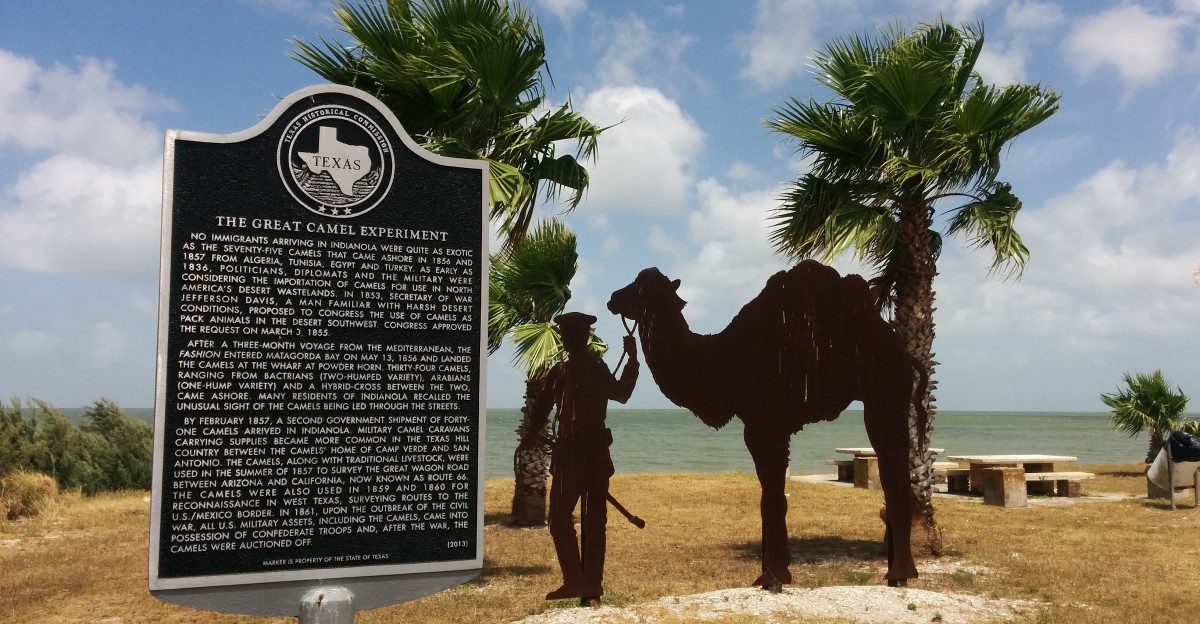
A whole Texas port town, once a booming gateway for thousands of newcomers, now lies mostly beneath the waters of a bay. Ships once crowded its wharves, and bustling streets welcomed people hoping to build a new life in Texas.
By the 1870s, more than 5,000 people called it home, making it one of the state’s busiest ports, second only to Galveston. German, Polish, and Czech families arrived here to begin their Texas stories, bringing their hopes, traditions, and suitcases along for the ride.
Then came two devastating hurricanes, just eleven years apart. The second, in 1886, sent a 15-foot storm surge sweeping across the town.
Entire streets were overwhelmed, and a once-thriving port was left struggling to survive. It’s hard to imagine a place so full of life disappearing beneath the waves.
Today, quiet fishing spots, historical markers, and a towering statue looking out over the water offer glimpses of what once stood here. It’s a haunting reminder of how quickly nature can rewrite a town’s story.
So how does a booming port town go from welcoming thousands of newcomers to becoming little more than a memory beneath the bay?
The Busiest Port You Have Probably Never Heard Of
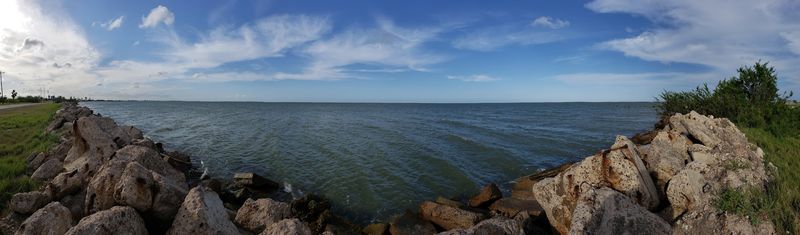
Long before Galveston grabbed the spotlight, a scrappy little landing on Matagorda Bay was racing to the top. Indianola, Texas, started life as Indian Point in August 1846.
Its founders clearly had big dreams. In February 1849, the town traded its first name for Indianola, and the growth really took off.
Ships arrived loaded with goods, mail, and passengers. Wagons then carried those goods deep into the Texas interior, so the whole region leaned on this one shoreline.
By the 1870s, Indianola ranked as the second busiest port in Texas. Only Galveston moved more traffic, which is pretty impressive for a town many people can’t place on a map today.
More than 5,000 residents lived here at its peak. That meant shops, wharves, churches, and homes stretched along the bay in a lively, crowded line.
I like how quickly the town went from a simple landing to a true hub. It shows how much a good harbor mattered back then.
Keep that busy picture in your mind as the story unfolds. The contrast with the quiet shoreline you can visit now is what makes this place so unforgettable.
Thousands Of New Texans Got Their First Look At America Here
Plenty of Texas family trees have roots that reach straight back to this sandy shore. From the 1840s through the 1880s, the port welcomed a huge wave of European immigrants.
German settlers made up a big share of those newcomers. Polish and Czech families also arrived, carrying trunks, tools, and hopes for a fresh start.
After long ocean crossings, they finally stepped onto Texas soil at this busy port. From there, many headed inland to build farms and towns across the state.
Think about how that ripples forward through time. Communities in the Texas Hill Country and beyond grew from people who first landed right here.
That’s why the story matters so much to so many families today. A visit can feel a little like standing at the front door of their history.
Do you have German, Polish, or Czech ancestors from Texas? There’s a real chance someone in your family tree passed through this exact harbor.
I love that a place now so quiet once buzzed with so many languages. Bring that curiosity with you, and the empty shoreline suddenly feels full of stories again.
Yes, Camels Really Did Step Ashore On This Beach
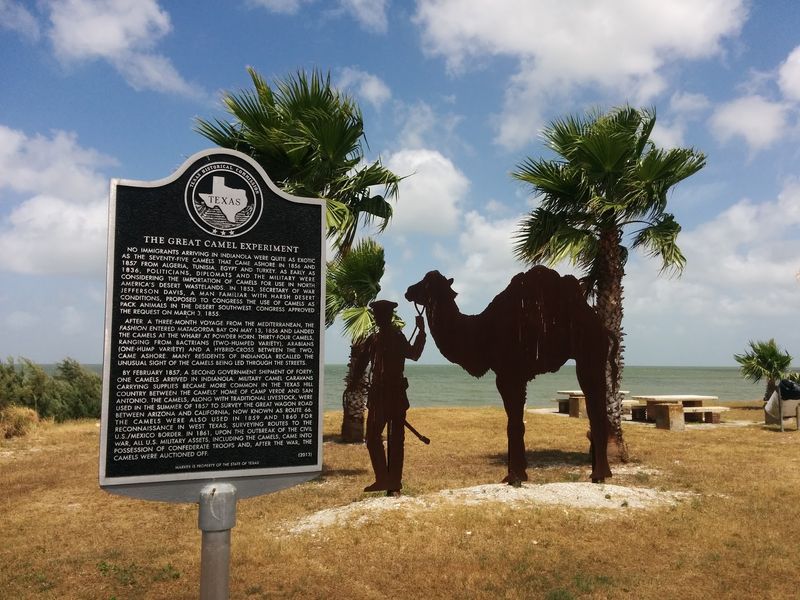
Camels. On a Texas beach.
That sounds like a tall tale, but it’s a real chapter of Indianola history.
In 1856, the U.S. Army brought camels to the port as part of an experiment.
Leaders wanted to see if the animals could carry supplies across the dry Southwest.
The ships unloaded their unusual passengers right at Indianola. You can only guess how wide-eyed the townspeople must have looked that day.
From the coast, the camels traveled inland to a post near San Antonio. The experiment eventually faded away, but the story never quite did.
A historical marker in the area honors this quirky moment. It’s one of those details that makes kids and grown-ups alike stop and say, wait, really?
I like how this fact adds a playful twist to such a serious town story. It reminds us that Indianola was a place where surprising things arrived every week.
Snap a photo near the marker and tell your friends the camel story. Good luck getting them to believe you before they look it up themselves.
The First Big Storm Tested Everyone’s Grit In 1875
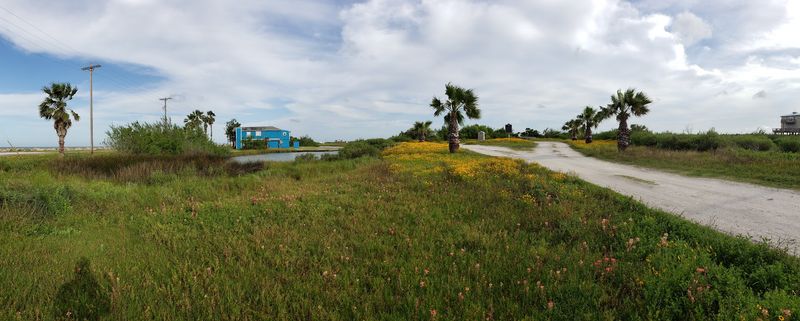
September 15, 1875, started out like many late summer days on the Gulf. Before long, a powerful hurricane slammed into the busy port.
Wind and water tore through streets, wharves, and homes. The damage reached nearly every corner of town, and the losses were heavy for many families.
Here’s where the people of Indianola really showed their strength. Instead of packing up for good, the community chose to rebuild.
Workers repaired buildings and reopened businesses. Ships returned to the harbor, and daily life slowly found its rhythm again.
The new Indianola was smaller than before, though. Some families moved away, while others stayed and poured their hearts into a fresh start.
I believe that choice says a lot about life on the Texas coast back then. People loved their bay, and they weren’t ready to give up on it.
Whenever you stand on this shoreline, remember that comeback. It turns the story from one of loss into one of courage, and that’s a lesson worth carrying home.
August 1886 Brought The Storm That Changed Everything
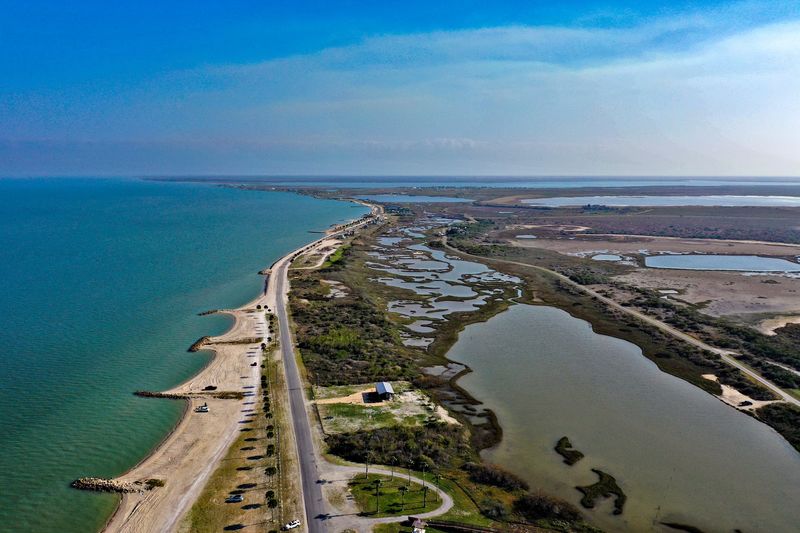
Eleven years after the first storm, an even stronger hurricane arrived. It struck on August 19 and 20, 1886.
Winds reportedly reached around 150 miles per hour. That’s the kind of power we’d call a major hurricane today.
A storm surge rose about 15 feet across the area. Water covered the entire town, from the wharves to the farthest streets.
As if that weren’t enough, a fire broke out during the storm. Wind spread the flames, adding even more damage to an already flooded town.
When the skies finally cleared, only a few buildings were still standing. The busy port that had rebuilt once now looked almost unrecognizable.
Numbers like 150 mph and 15 feet can feel abstract. So picture water rising higher than the roof of a one-story house, and the scale suddenly hits home.
I can’t help feeling a deep respect for anyone who lived through that night. Their story is a big reason modern coastal towns take storm warnings so seriously, and that’s a legacy worth honoring.
Saying Goodbye Took Real Courage
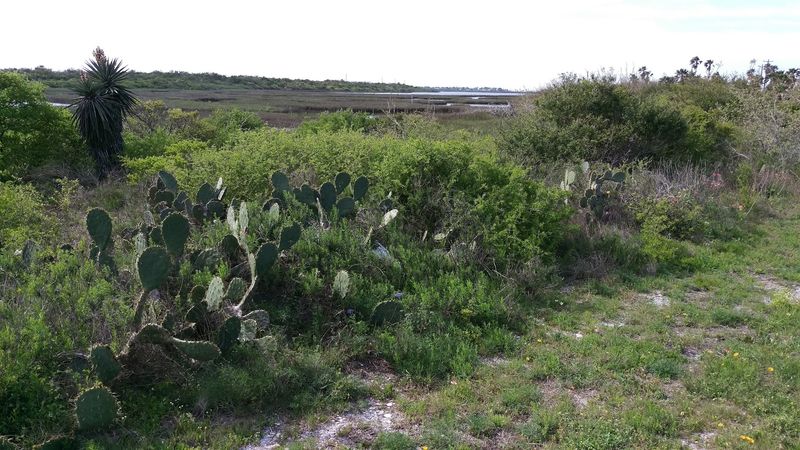
Rebuilding a town twice is a lot to ask of anyone. After 1886, the people of Indianola made a hard but sensible choice.
By 1887, the town was abandoned. Families gathered what they could and moved to safer places farther from the open bay.
The county seat of Calhoun County moved too. It shifted to nearby Port Lavaca, which still holds that role today.
Meanwhile, Galveston stepped up as the main port and shipping hub in Texas. The trade that once flowed through Indianola simply found a new home.
That shift changed the whole map of the Texas coast. One town’s story ended, and others grew stronger as people carried their skills elsewhere.
I like to think of this chapter as a fresh beginning rather than an ending. Those families took their traditions, businesses, and faith with them.
Many of their descendants still live in Port Lavaca, Victoria, and nearby communities. So in a way, Indianola never fully disappeared.
It just spread out across South Texas and kept going.
Pack A Fishing Rod And Plenty Of Curiosity
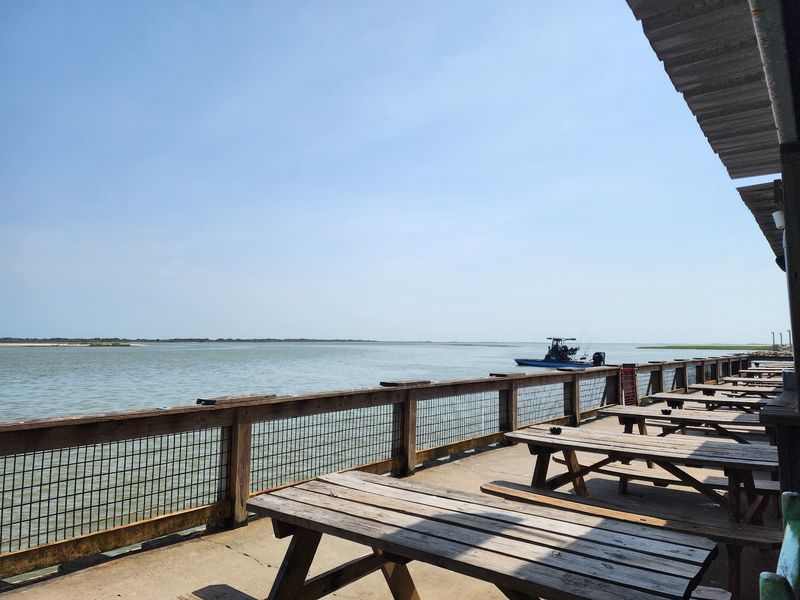
Calm water, wide skies, and a gentle breeze set the scene at Indianola today. The old port has become a small, unincorporated fishing village.
You’ll find it along Matagorda Bay in Calhoun County, Texas. Follow State Highway 316 south from the Port Lavaca area, and the road leads you right to the water.
Fishing is the main draw for many folks who make the trip. The bay offers a relaxed spot to cast a line and enjoy the quiet.
Birdwatchers will want binoculars too. Coastal birds are a common sight along the Texas Gulf shoreline, especially around open bays like this one.
Services here are limited, so plan ahead. Bring water, snacks, sunscreen, and anything else you’ll need for a few hours outdoors.
Port Lavaca sits a short drive away for meals, gas, and supplies. That makes it easy to pair a peaceful bay visit with a bit of town comfort.
Honestly, it’s hard to beat a sunset over the same water where tall ships once docked. History and relaxation rarely share a view this nicely.
Stand Beside A Giant Statue Of A Famous Explorer
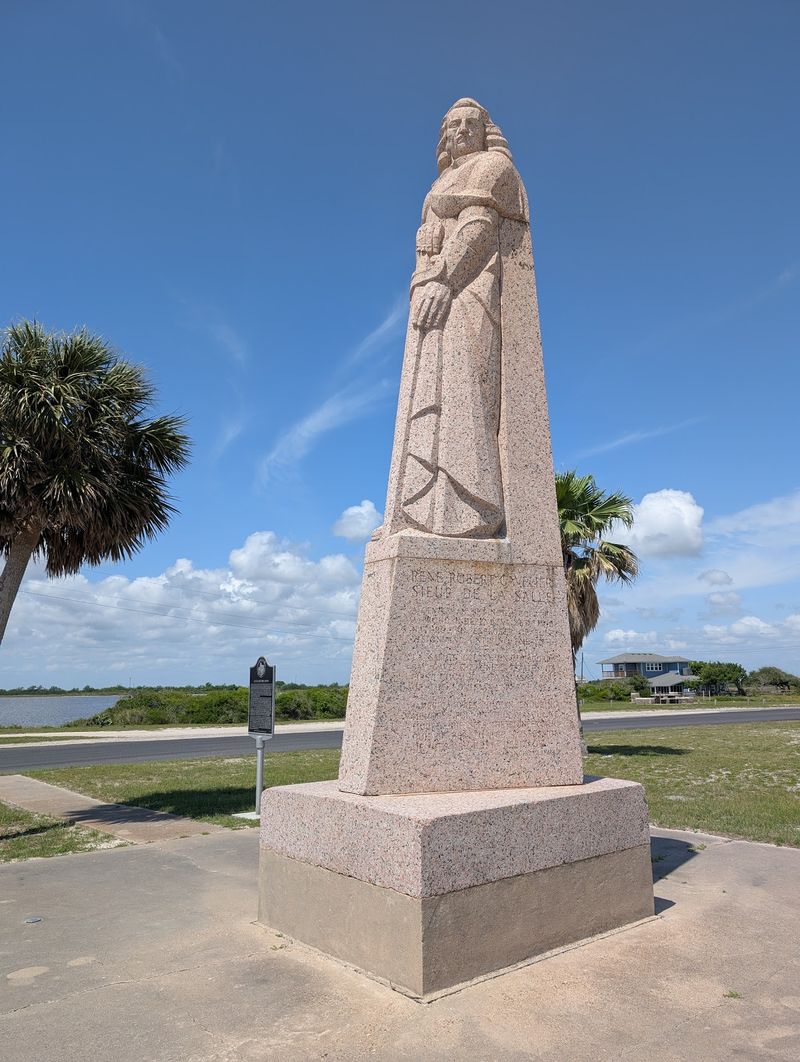
Few small coastal spots can boast a towering monument, but this one can. A statue of René-Robert Cavelier, Sieur de La Salle, watches over the bay at Indianola.
La Salle was a French explorer who reached this part of the Texas coast in the 1680s. The statue honors his link to Matagorda Bay.
It stands tall against the open sky and water. That makes it a favorite backdrop for photos, especially when the light turns golden.
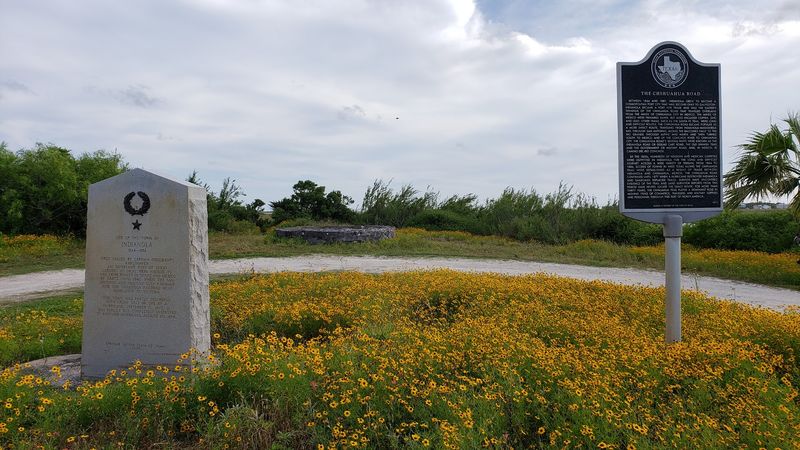
Nearby, another landmark tells a quieter story. A granite marker shows where the Calhoun County courthouse once stood when Indianola was the county seat.
Standing near that marker gives you a sense of scale. The heart of local government once sat right here, surrounded by a busy port town.
I love how these two landmarks span such different eras. One points back to early exploration, while the other remembers the town’s proudest years.
Bring the kids and turn it into a mini history lesson. A statue, a marker, and a sweeping bay view make learning feel a lot more like an adventure.
Quiet Markers Keep Every Chapter Of The Story Alive
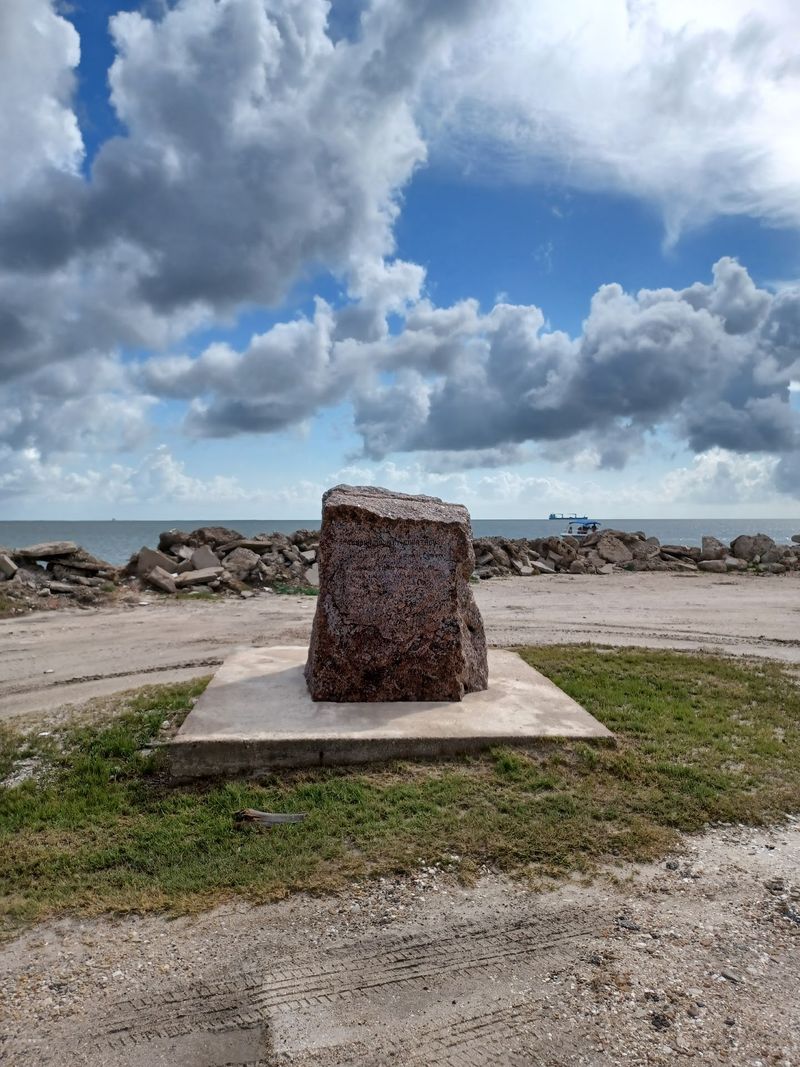
Much of the original town now lies beneath Matagorda Bay. Ongoing erosion has slowly claimed the land where streets and wharves once stood.
That’s why the historical markers here matter so much. They fill in the details the water has covered, one plaque at a time.
Reading them feels a bit like flipping through an outdoor history book. Each one adds a piece, from the town’s founding to its busiest years.
The local cemetery offers another peaceful stop. It’s a calm, respectful place that honors the families who built Indianola, so please visit gently.
Give yourself time to wander and read. The stories land differently when you’re standing on the same ground, feeling the same bay breeze.
I believe this is what makes Indianola so unforgettable. Two hurricanes changed its path, yet people still come back to remember and learn.
So add this stretch of the Texas coast to your next road trip list. You’ll leave with fresh respect for the bay, the storms, and the folks who called this shore home.