
A Fascinatingly Weird Gangster Museum In Arkansas Most People Have Never Heard Of
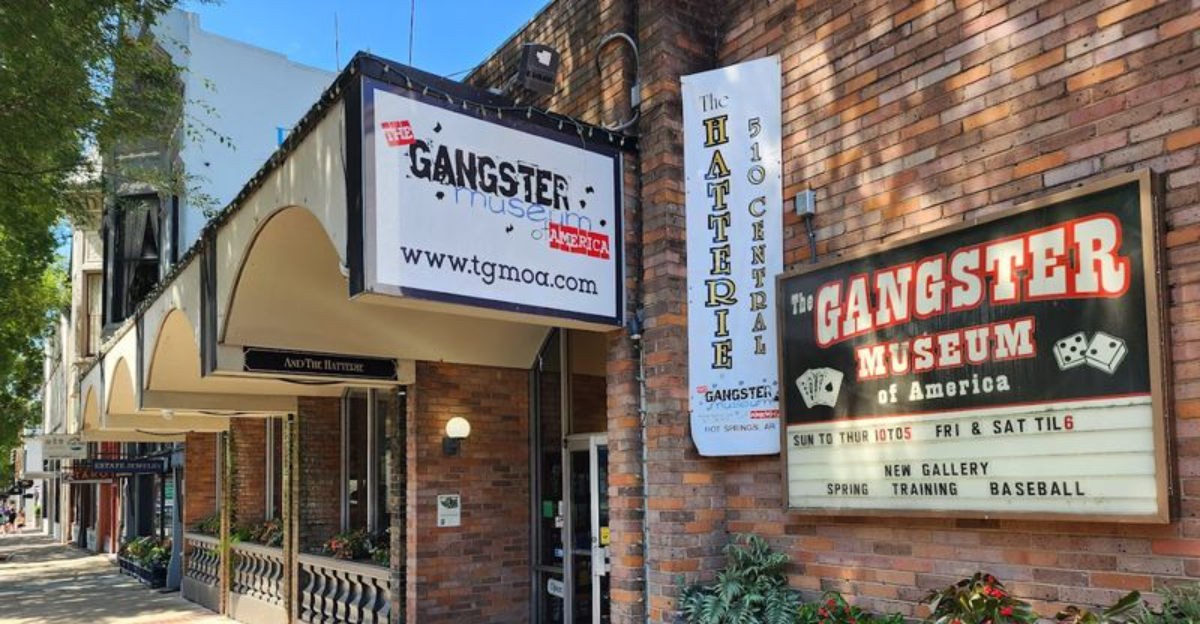
You might expect a calm, predictable vibe when visiting this part of Arkansas, but there is a side of it that most people never see coming. It starts the moment you walk into one museum that tells a very different kind of story.
This is where things shift. Instead of quiet exhibits, you get a look at a past filled with crime figures, unexpected connections, and moments that feel almost cinematic.
The deeper you go, the more it pulls you in, one detail at a time. Nothing feels boring or routine.
Every room adds something new, something that makes you pause and think about how much really happened here, and how little of it gets talked about today. If you are drawn to stories that feel real, a little intense, and hard to forget, this is the kind of place that keeps your attention the entire time and leaves you thinking about it afterward.
A Museum Built Around Gangster History
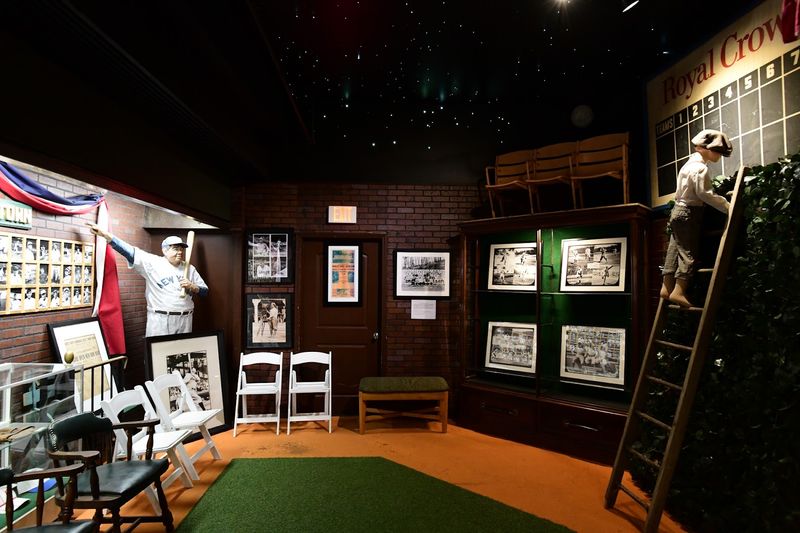
Right from the start, a bank vault-style door grabs your attention and makes it clear this is not going to be a typical museum.
The whole experience is built around guided tours that move through multiple themed rooms, each one dedicated to a different chapter of Hot Springs’ surprisingly tangled criminal past.
A live guide introduces each room before a short documentary-style video plays, and then the guide returns to answer questions and add extra context that the screen cannot quite capture.
The rooms cover everything from local power brokers to famous underworld figures who used Hot Springs as a kind of unofficial vacation retreat during the golden age of American organized crime.
Original period equipment, vintage photographs, mugshots, and carefully preserved memorabilia fill the spaces, giving each room a texture that feels more like stepping into a specific era than simply reading a wall of text.
Tour guides here sometimes dress in period-appropriate attire, and a few of them have earned their own small celebrity status among repeat visitors.
You can find all of this waiting for you at the Gangster Museum of America at 510 Central Ave, Hot Springs, AR 71901.
The Arkansas Destination Many Travelers Miss
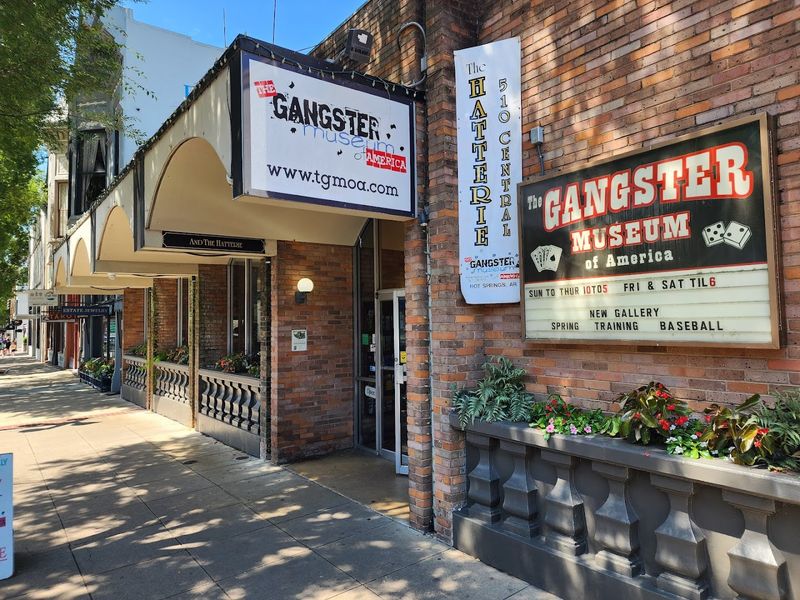
Hot Springs tends to attract visitors for its bathhouses and national park, which means this particular stop on Central Avenue quietly gets overlooked by a surprising number of people passing right by it.
I almost skipped it myself, assuming it would be a small novelty shop dressed up with a few framed photos, and I am genuinely glad I ignored that assumption.
The museum sits along the Central Avenue Historic District, a stretch of road that already carries its own sense of preserved character, and the building fits right into that atmosphere without trying too hard.
Hours vary by season, generally running from 10 AM to 6 PM for most of the year, with slightly shorter hours in the winter months, so checking ahead makes the visit smoother.
Buying tickets in advance is a smart move, especially during busy seasons, since each tour room has limited seating and groups can fill up quickly.
Adult admission runs around seventeen dollars, which feels fair given that the tour itself typically lasts about an hour and a half.
For a city full of interesting stops, this one consistently punches above its weight in terms of pure storytelling value.
Exhibits Focused On Crime And Culture
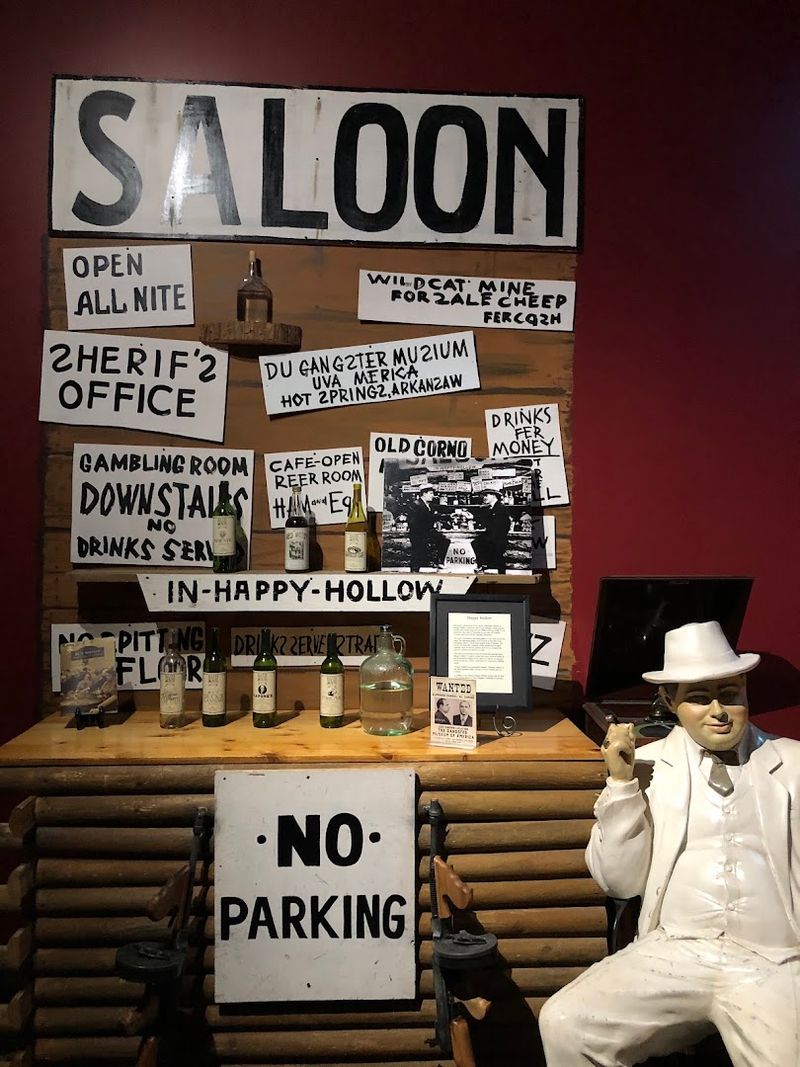
Seven distinct galleries make up the core of the museum experience, and each one explores a different piece of Hot Springs’ complicated relationship with organized crime during the mid-twentieth century.
One room immediately stands out with its display of period tables and machines, offering a vivid glimpse into the era when certain activities operated out in the open across the city.
Another gallery focuses on the New York connection, showing how figures from the East Coast underworld found their way to this small Arkansas town and treated it as a place to operate beyond the reach of big-city pressure.
The Madden Gallery highlights Owney Madden, a British-born gangster who eventually settled here and became one of its most colorful residents, which still feels surprising to say out loud.
Elsewhere, the focus shifts to the power brokers, the local politicians and officials whose cooperation allowed everything to continue for years.
Each gallery builds on the last, so the story unfolds naturally as you move through the space instead of feeling like a series of disconnected facts.
Stories Connected To Infamous Underworld Figures
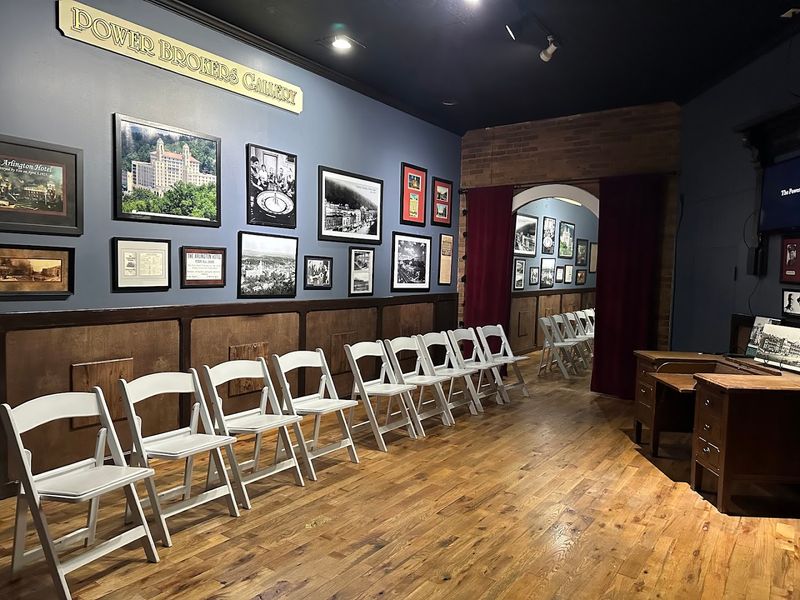
Al Capone, Lucky Luciano, and Frank Costello are not names most people associate with Arkansas, yet all three had documented ties to Hot Springs that the museum explores in considerable detail.
Capone reportedly used the city as a place to unwind and conduct business away from the spotlight of Chicago, and the museum dedicates a full gallery to his connection with the area, complete with photographs and supporting historical material.
Lucky Luciano’s story gets its own thread as well, and learning about how a man considered one of the most powerful organized crime figures in American history had a genuine connection to this particular small city is genuinely strange in the best possible way.
The Outlaw Gallery broadens the scope to include figures who operated outside the traditional mob structure, giving visitors a sense of just how many different criminal worlds overlapped in this one unlikely place.
One of the most striking objects I encountered was a death mask identified as John Dillinger, which a fellow visitor pointed out and which added a chilling sense of realism to the exhibit.
Stories like these are what separate this museum from a standard history lesson, because the characters involved are so vivid that the past stops feeling distant.
Artifacts That Reflect A Complicated Past
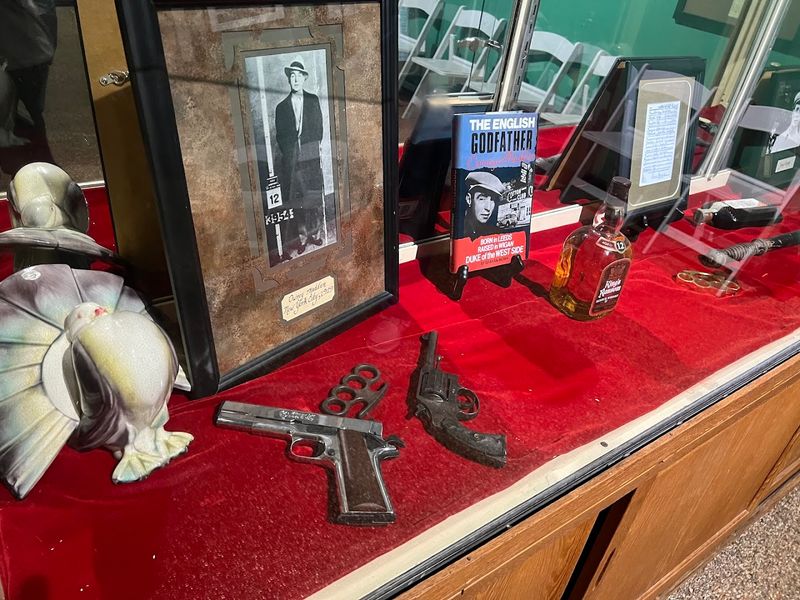
Some museums rely almost entirely on text panels and reproductions, but this one leans hard into physical objects that carry real historical weight, and that choice makes a noticeable difference in how the stories land.
Tables associated with Hot Springs’ underground entertainment era sit on display looking exactly as they would have during the decades when the city operated under its own set of unwritten rules, and standing next to them triggers something that a photograph simply cannot replicate.
Vintage machines, period furniture, and personal items connected to specific figures round out the collection, and many of these pieces are displayed in ways that bring visitors closer to the era.
Photographs cover nearly every wall, and the sheer density of visual material means that even people who tend to zone out during museum visits find something to lock onto.
Mugshots of notorious figures appear throughout, and there is something oddly fascinating about seeing the formal documentation of people whose reputations grew so much larger than their actual physical presence.
The care that went into assembling these objects comes through clearly, and it reflects a genuine commitment to preserving a chapter of American history that could easily have been forgotten or sanitized.
How Organized Crime Shaped The Area
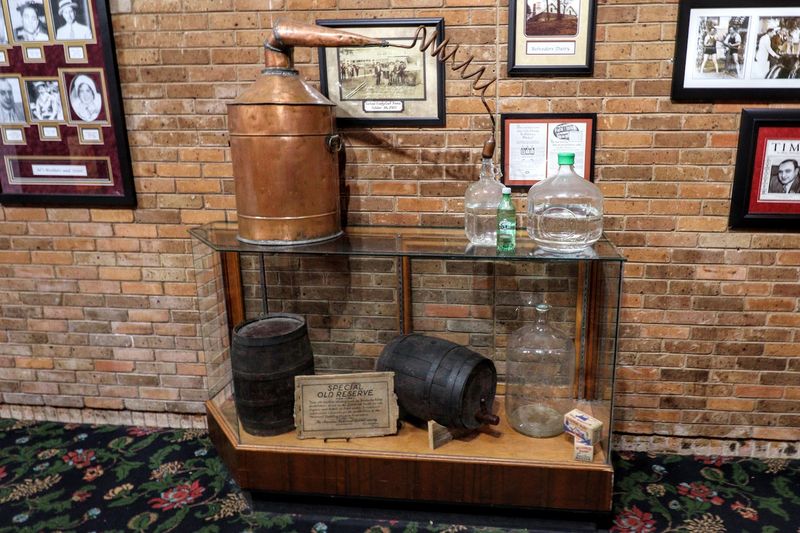
Hot Springs did not just accidentally attract gangsters the way a city might accidentally attract tourists passing through on a highway stop.
The relationship was deliberate, sustained, and deeply woven into the economic and political fabric of the city for several decades, and the museum makes that point with real clarity and evidence.
Certain activities ran openly here for years, protected by a network of local officials who understood that the arrangement brought money and relative stability to a city that had learned to work within its own unusual rules.
Baseball players, politicians, entertainers, and underworld figures all shared the same streets and establishments, creating a social ecosystem that was simultaneously glamorous and legally questionable in ways that the surrounding country largely looked the other way about.
The museum explains how this arrangement eventually unraveled, tracing the political and legal pressures that finally brought that era to a close in the mid-twentieth century.
Understanding this context transforms the rest of Hot Springs into a richer experience, because suddenly the old bathhouses and grand buildings along Central Avenue start to feel like they are holding onto a much wilder story than their current polish suggests.
The museum makes a convincing case that this history belongs in the conversation about what shaped modern Arkansas.
Why The Museum Feels So Unusual
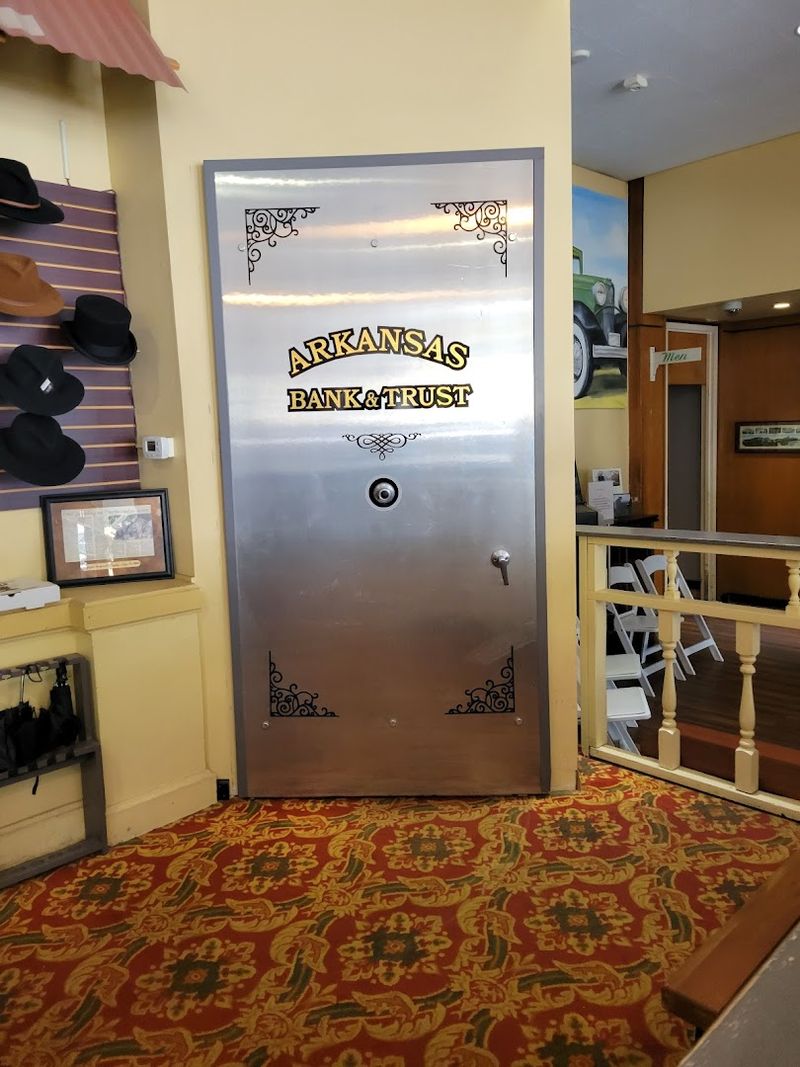
Most history museums follow a familiar formula of chronological displays, informational placards, and a gift shop at the exit, but this place operates on a completely different frequency.
The guided format means that you are never just standing alone in a room trying to make sense of objects without context, and the live human element adds unpredictability that keeps the energy up throughout the tour.
Some guides dress in character, speaking with the confidence of someone who has spent years absorbing these stories until they feel personally lived-in, and the best ones earn their own fan reviews on travel sites.
A guide nicknamed Birdman came up repeatedly in conversations I had with other visitors, and the enthusiasm people showed when describing his tours suggested he had genuinely elevated the experience for them.
The vault-style entrance door, the themed rooms, the mix of video presentations and live narration, and the occasional request for visitors to reenact scenes from gangster lore all combine into something that resists easy categorization.
It is educational without feeling academic, theatrical without losing its grounding in actual history, and entertaining without cheapening the subject matter.
That balance is harder to achieve than it sounds, and the fact that this museum pulls it off consistently explains its strong ratings across visitor reviews.
What Visitors Actually Discover Inside
First-time visitors almost universally report being surprised by how much they did not know about Hot Springs before walking through that vault door, and I count myself firmly in that category.
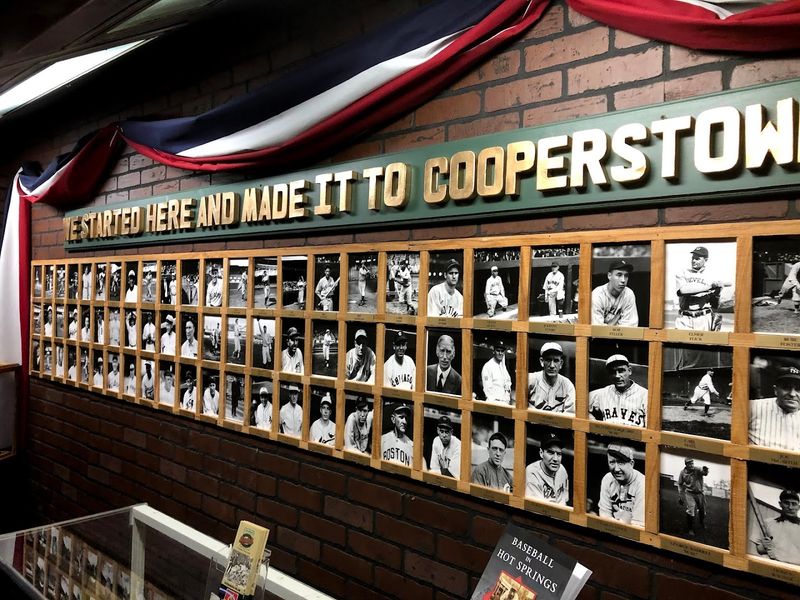
The connection between the city and professional baseball turns out to be its own fascinating subplot, since major league teams used Hot Springs as a spring training destination and players mingled freely with the same crowd that included some of the country’s most wanted figures.
Educational programs at the museum go beyond the standard tour format, offering deeper context about organized crime’s broader impact on American society during the twentieth century, which makes the place useful for school groups and history enthusiasts alike.
The gift shop, called The Hatterie, sells vintage-style hats alongside books and souvenirs, and at least two reviewers mentioned buying books on-site and immediately returning to their rooms to start reading them, which is a specific kind of endorsement that speaks volumes.
Tour guides are eligible for tips, a fact that gets mentioned in visitor reviews with a gentle nudge toward generosity, especially for the guides who clearly put their whole personality into the presentation.
By the time I stepped back outside, Hot Springs felt like a completely different city than the one I had walked into an hour and a half earlier.