
A Former Colorado Mortuary In Denver Now Serves Global Street Food Beneath Its Old Neon Sign
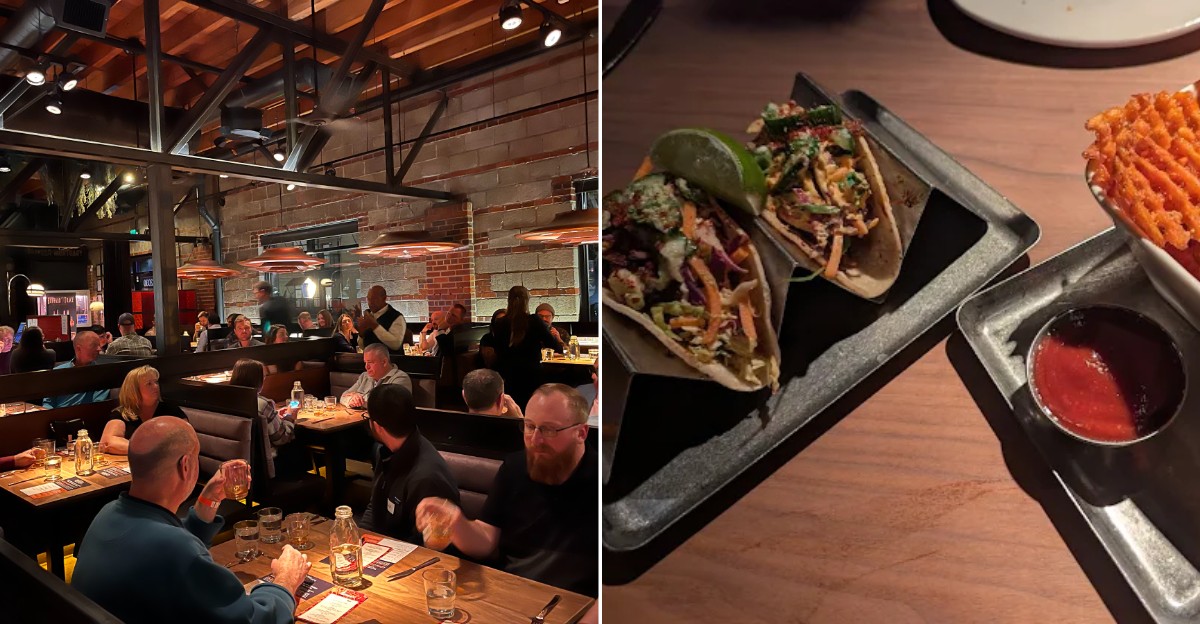
Few dinner tables come with a backstory that starts in a mortuary. Before anyone studies the menu, the building itself gives the meal an unexpected twist, with traces of its former life still worked into the setting.
In Denver, Colorado, that history sits right beside a menu built around street-food ideas from around the world. The contrast is strange in the best possible way: old architecture, playful details, and dishes that refuse to stay in one culinary lane.
Even the surviving neon sign keeps the past visible before you reach the door. Dining out in Colorado rarely comes with this specific combination of history and global flavor.
You might arrive thinking about what to order, then spend half the meal noticing details that have nothing to do with your plate. This is dinner with a built-in conversation starter, and thankfully, the story is much more interesting than ordinary small talk.
An Address With A Story Already Attached
Some dinner decisions take longer than dinner itself. This spot gives you a reason to be curious before anyone orders.
It was once a mortuary. Today, it is a restaurant serving food inspired by street dishes from around the world.
That change of purpose is the point, not a gimmick added to an ordinary dining room.
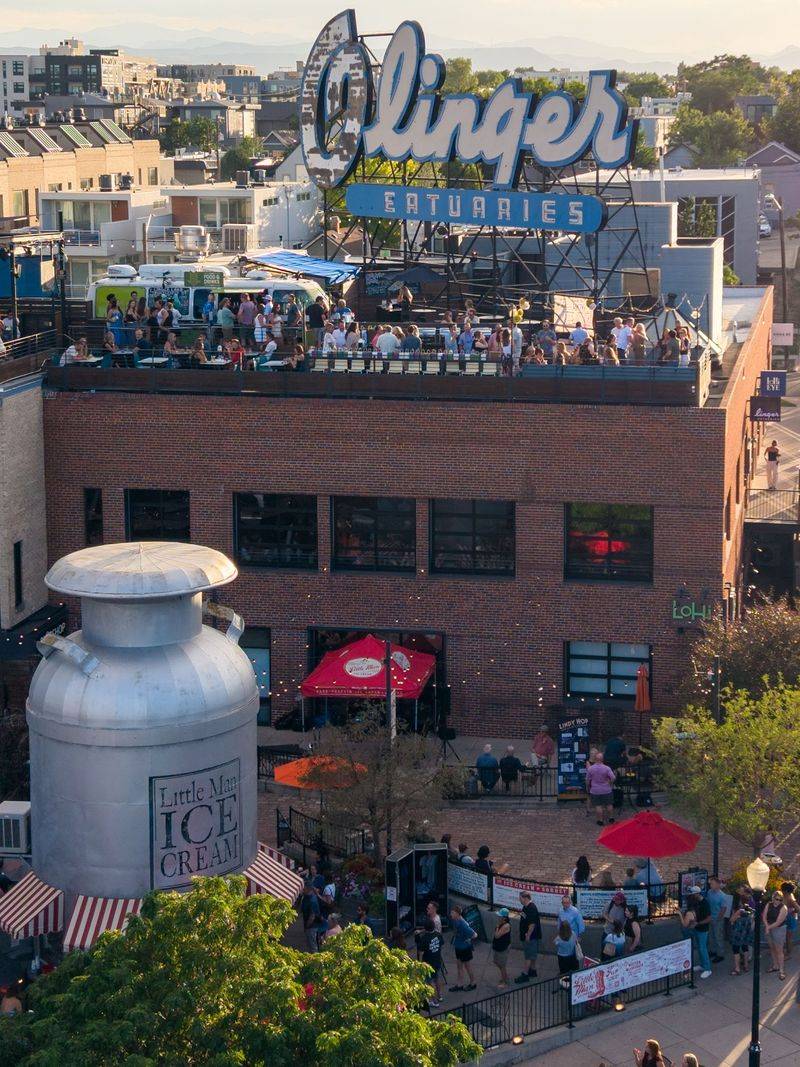
The former mortuary sits in Denver’s LoHi neighborhood, and its old neon sign remains an important part of the restaurant’s identity. Rather than hiding the building’s earlier life, Linger makes room for it.
You can notice the sign, talk about the history, and still focus on the present task: choosing something to eat. A place that supplies its own conversation starter is handy when dinner companions have exhausted the usual question of where to go.
For a Colorado outing, the idea is pleasantly simple. Pick a meal, arrive with an appetite, and leave time to look at the building rather than treating it as a backdrop.
Linger is a restaurant first, not a history tour. Still, its address carries more of a story than most places where the main architectural mystery is finding the entrance.
Global Street Food Gives The Menu Its Direction
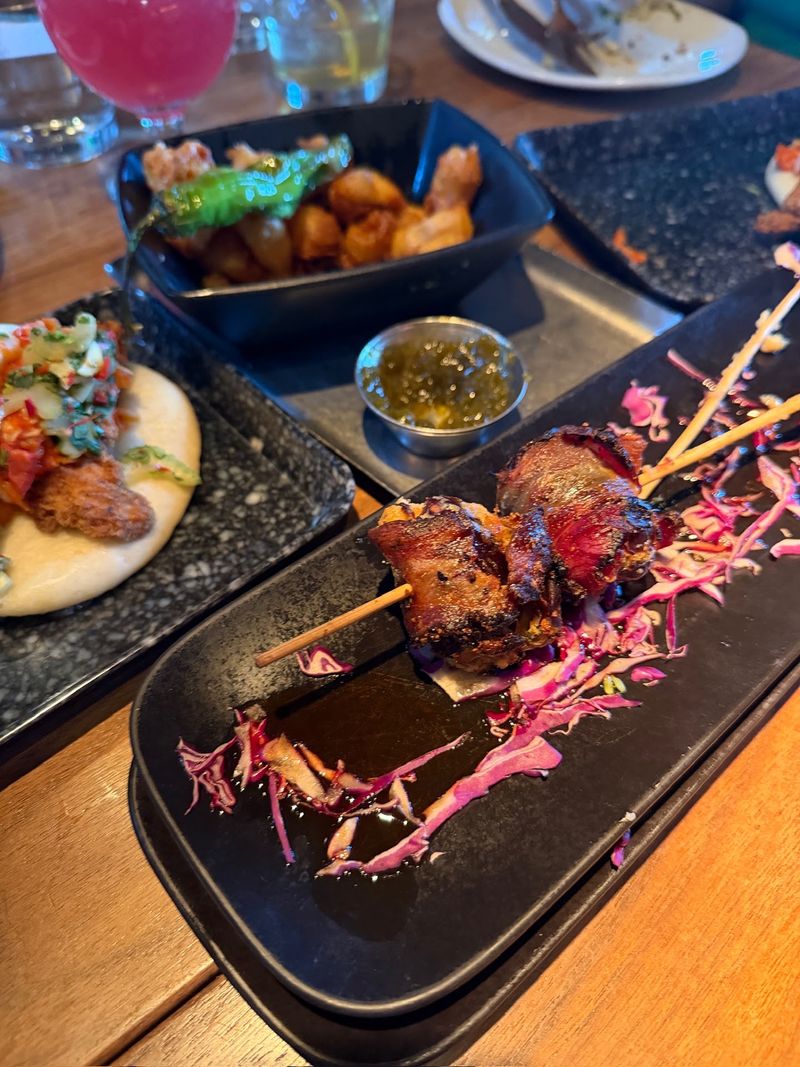
The old building may start the conversation, but the menu gives people a reason to sit down. Linger centers its food on dishes inspired by street food from different parts of the world.
That approach makes the restaurant easier to understand than its unusual history might suggest. Come for a meal, expect a range of flavors, and do not assume everyone at the table needs to order the same kind of dish.
Small plates are part of the appeal. Sharing can let a group try more than one idea without turning the order into a complicated vote.
It is also fine to keep a dish to yourself. The useful move is to look over the current menu before visiting, since offerings can change.
If someone has a food allergy or another dietary need, ask the restaurant directly about ingredients and preparation rather than guessing from a dish’s name.
For people who enjoy familiar choices, a broad menu can look like homework at first. Give everyone a minute to choose, then compare notes.
Linger does not require a lesson in global cuisine to enjoy dinner. The food connects the restaurant’s present life to its past in a practical way: the building gets your attention, and the menu gives that attention somewhere worthwhile to go.
The Old Neon Sign Still Does Its Job
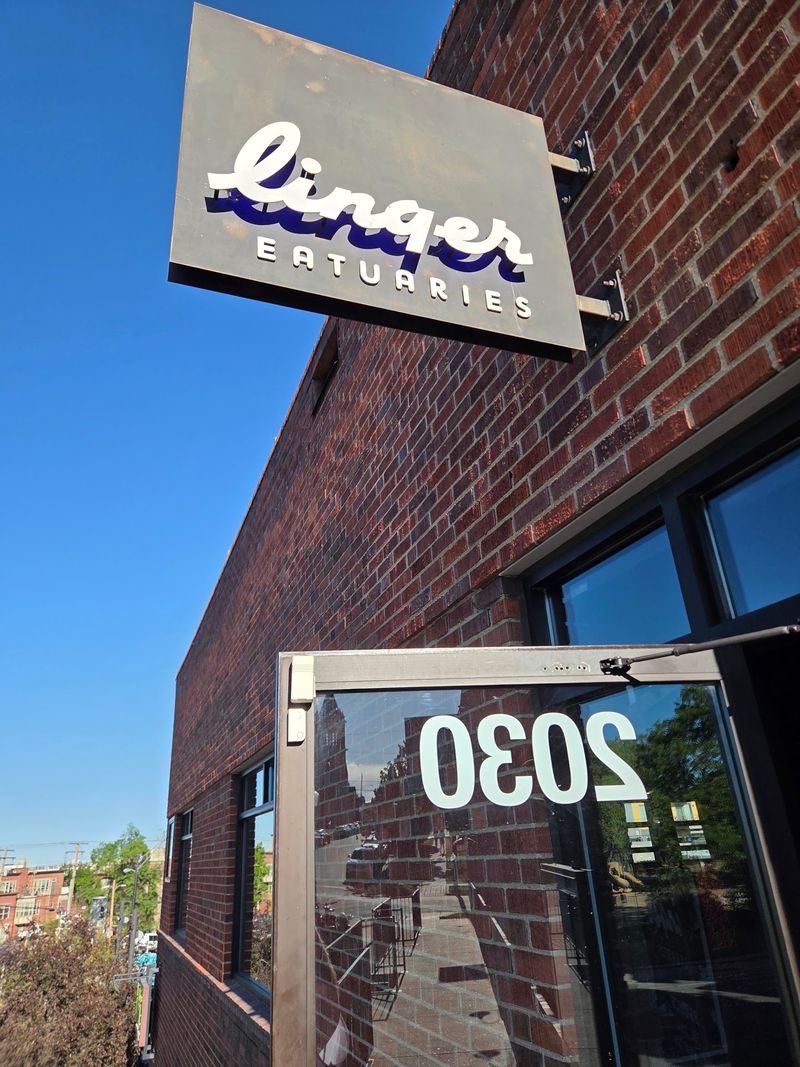
Look up at the roof and the restaurant’s history becomes hard to miss. The neon sign belonged to the building’s former life as Olinger Mortuary.
Its lettering was changed to present the restaurant as Linger Eatuaries, a playful choice that preserves a visible link to what stood here before. That is more informative than a plaque nobody spots until they are leaving.
The sign also makes the building easier to remember. Many restaurants borrow a historic look with new materials.
Here, an actual older feature helps tell the story. In Denver, where an evening out can involve plenty of decisions, that clear visual identity is useful: you know why this address came up in the first place.
The sign is not a promise of a theme show. It is a reminder that buildings can take on new work without pretending their old work never happened.
Allow a moment to take in the exterior when you arrive. There is no need to turn dinner into a research project, but knowing the basic history makes the sign’s altered words more interesting.
Linger’s name even fits the idea of staying for a meal and a conversation. Few restaurants get to make that point with lettering already attached to the roof.
A Former Mortuary Gives Denver A Different Kind Of Dining Landmark
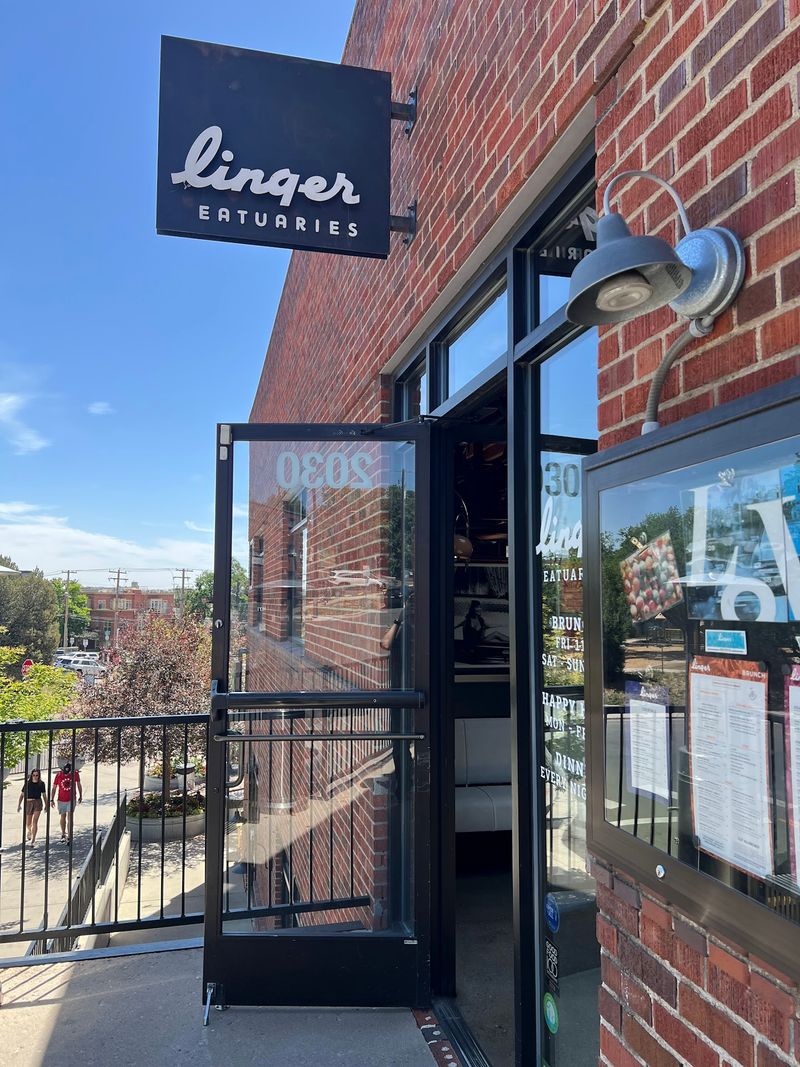
The sign is memorable, but the bigger idea is how completely the building’s purpose changed. Linger occupies the former Olinger Mortuary, a name still echoed in the restaurant’s own.
Instead of erasing that history, the business has made it part of how people recognize the address. For a dining room, that is a more lasting source of identity than a decorating trend that could vanish with the next renovation.
Why It Matters: the old sign connects a present day meal to a real piece of Denver’s past. You do not need to know the full history of the building to understand the contrast.
A place once used for solemn gatherings now hosts people choosing dishes and sharing a table. The change is striking enough on its own; there is no need to turn it into a ghost story.
That balance is worth keeping in mind when talking about Linger. Curiosity about the former mortuary is natural, and the name invites a little wordplay.
Yet the restaurant’s current purpose is straightforward. It serves food, and the old building supplies context rather than an attraction separate from the meal.
For visitors interested in how Colorado cities reuse older spaces, this is a clear example you can appreciate while doing something entirely ordinary: deciding what to have for dinner.
Small Plates Leave Room For Different Dinner Plans
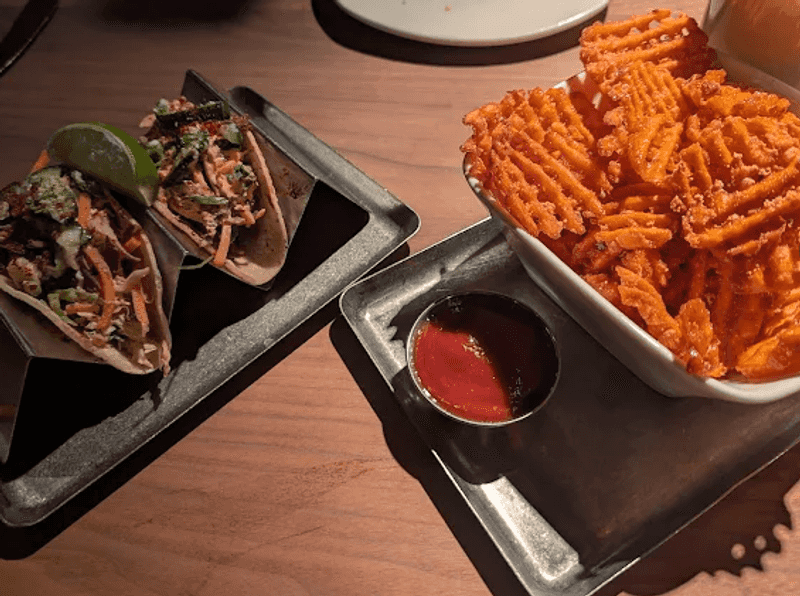
A group meal can turn into a tiny committee meeting once menus arrive. Linger’s small plate format offers another approach: order with sharing in mind, or let each person choose a dish and add more only if everyone wants to.
It is a practical difference for friends who like to compare flavors, couples who cannot agree on one cuisine, and solo diners who would rather make one clear choice.
Families can use the same common sense. Check the current menu before promising a particular dish, and ask about ingredients if anyone has dietary restrictions.
Children who enjoy trying unfamiliar food may like choosing something together; children who do not can still be part of the decision. No restaurant can settle every debate at the table, though a menu built around varied dishes at least gives the debate useful material.
Weekend travelers passing through Colorado get another benefit: Linger feels tied to Denver without asking for a whole day. The former mortuary, the rooftop sign, and the globally inspired food belong to one stop.
That makes the meal easier to fit around other plans without reducing it to a quick photograph of an unusual building. Eat at a comfortable pace.
The point of a restaurant called Linger is not to rush through the part involving dinner.
How To Make The 30th Avenue Stop Simple
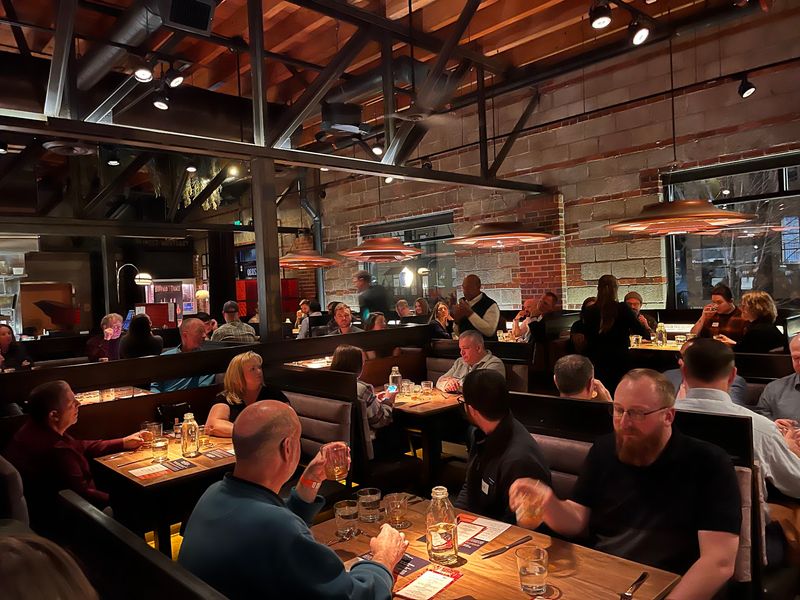
A simple Saturday detour works better when nobody has to invent the details along the way. For Linger, start with the address: 2030 W 30th Ave, Denver, CO 80211.
Check the restaurant’s current hours and menu before setting out, especially if you have a particular meal time or dish in mind. That small step is more useful than assuming a restaurant keeps the same schedule every day.
If the outing involves several people, agree on whether you want to share plates before ordering. It can save the familiar table discussion in which everyone says they are flexible and then has very specific opinions.
Ask the restaurant about seating arrangements or reservations when those details matter to your group. The rooftop is a known feature, but do not build the whole plan around sitting there without checking availability.
Keep the rest of the visit uncomplicated. Linger provides the meal, the former mortuary building, and the sign that explains why this is not just another Denver dining room.
Someone interested in architecture can look up; someone hungry can look at the menu. Both have come to the right address.
A little planning leaves room for the kind of discovery that does not require a packed schedule or an elaborate account of how you spent your afternoon.
The Meal Is New, But The Sign Remembers
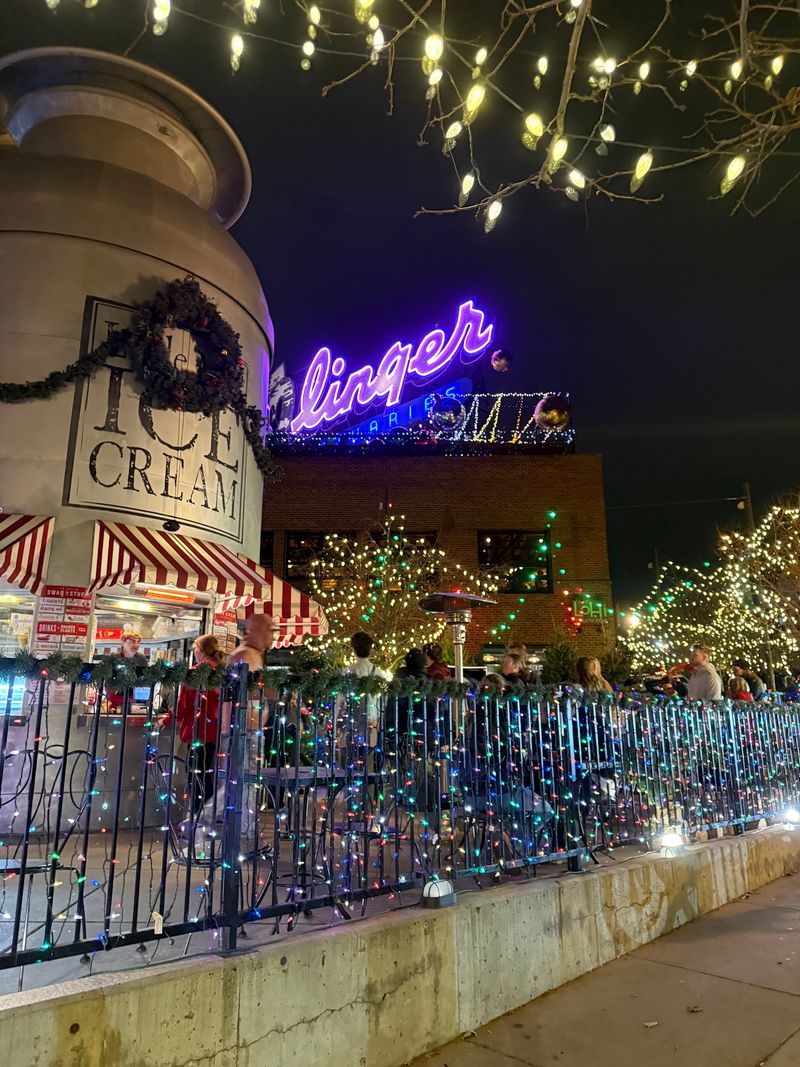
Some buildings make their earlier purpose difficult to imagine. Linger does the opposite.
Its former life as Olinger Mortuary remains visible in the changed rooftop sign and in the restaurant’s name. The present is just as clear: people come here to eat food inspired by street dishes from around the world.
Those two facts sit together without either one needing a dramatic explanation.
That is the reason the restaurant stays in your mind after you have made sense of the menu. An older Denver building has a current use, and the old neon sign has not been treated as an embarrassing detail to cover up.
In a Colorado city where plans can easily become overstuffed, Linger offers one contained outing. You can be curious about the building, choose a meal, and leave the rest of the day alone.
The practical advice is equally modest. Check the hours, look at the current menu, and ask about seating or ingredients when those questions affect your visit.
Then let the restaurant be a restaurant. Its history adds depth, not homework.
If a friend asks why you chose Linger instead of somewhere else, the answer hardly needs polishing: the old mortuary sign is still on the roof, and dinner is downstairs.