
A Hidden Car Museum In Arkansas That’ll Make You Lose Track Of Time
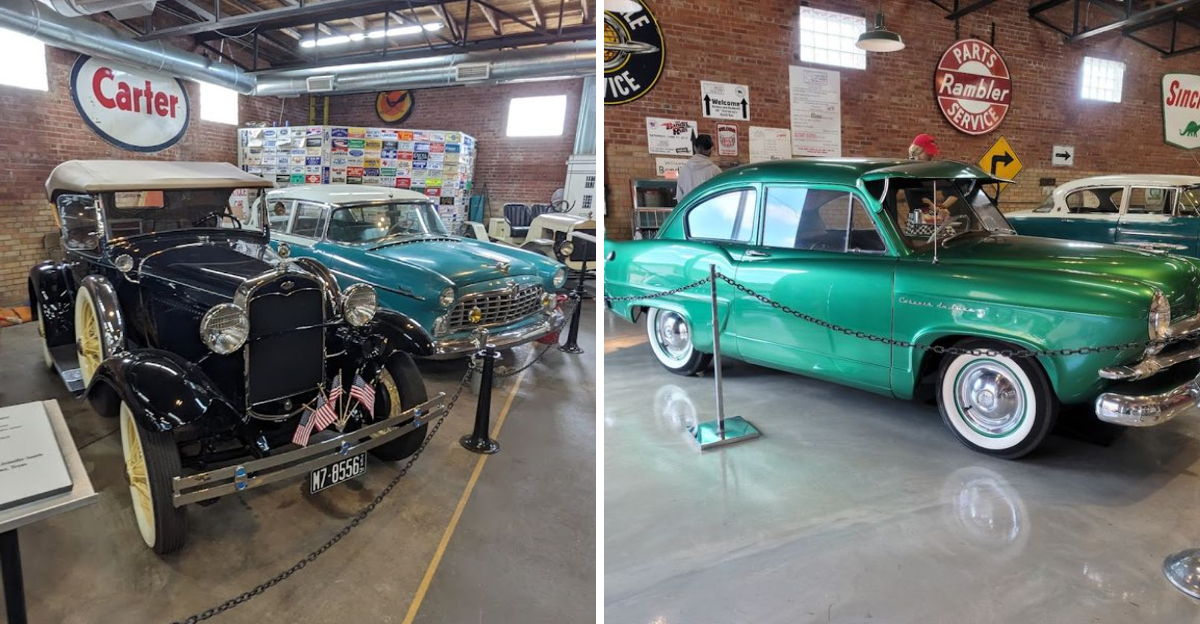
It starts with curiosity. Just a quick look, nothing more. That’s what I told myself during a drive through Arkansas. Then I stepped inside and forgot all about the clock.
Chrome gleamed under soft light. Classic shapes lined the room like snapshots from another time.
I paused, moved forward, then paused again. A few quiet details and bits of context helped everything start to make sense.
Suddenly, these weren’t just cars sitting still. They had history, personality, purpose.
I kept looking, kept noticing, kept losing track of time. The place feels simple, almost quiet, yet it pulls you in completely.
No admission fee standing in your way, only a chance to donate if you feel like it. Walking out felt strange, like leaving a moment that I wasn’t quite ready to end, and honestly, I almost turned around for one last look.
Unexpected Roadside Treasure With Rotating Vintage Fleet
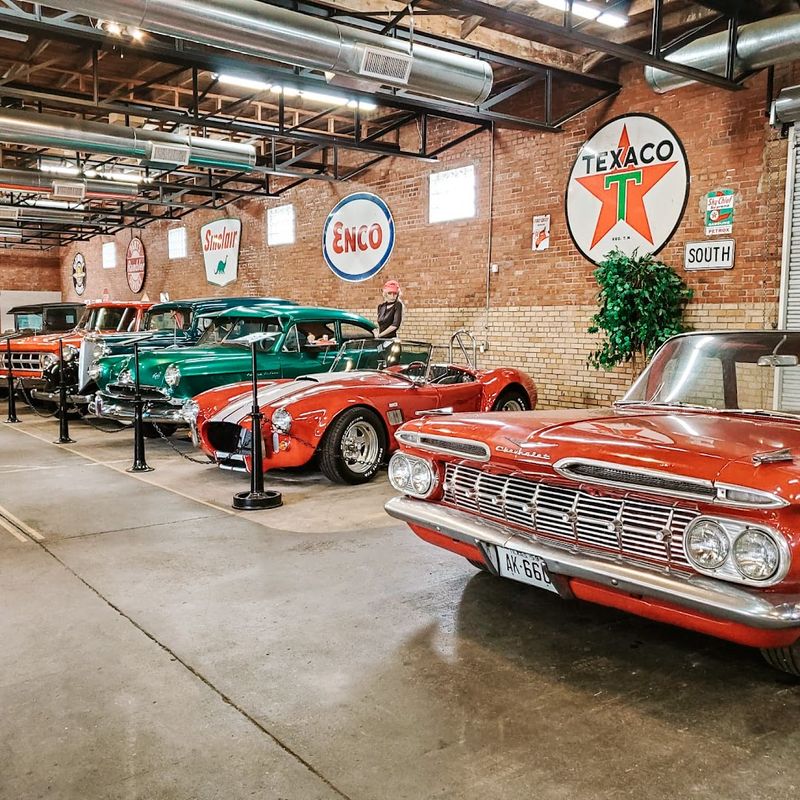
Nobody told me about this place, and that is honestly part of what made it so memorable.
When I entered the museum for the first time, I was genuinely caught off guard by the sheer variety packed into one compact space, with chrome bumpers catching the light and every vehicle telling a story just by sitting there.
The rotating collection is one of the smartest things about this museum, with vehicles swapped out regularly so that even repeat visitors always find something new to admire.
That kind of freshness is rare in a small museum, and it keeps the experience from ever feeling stale or predictable.
One visit might feature a sleek mid-century coupe, while the next could showcase a rugged truck or a quirky import that most people have never seen in person.
The building itself reflects the area’s early transportation roots, which makes the setting feel like a natural match for everything displayed inside.
You can find this rotating roadside treasure at Four States Auto Museum, 217 Laurel St, Texarkana, AR 71854.
Early 20th Century Icons Including Model T And Model A
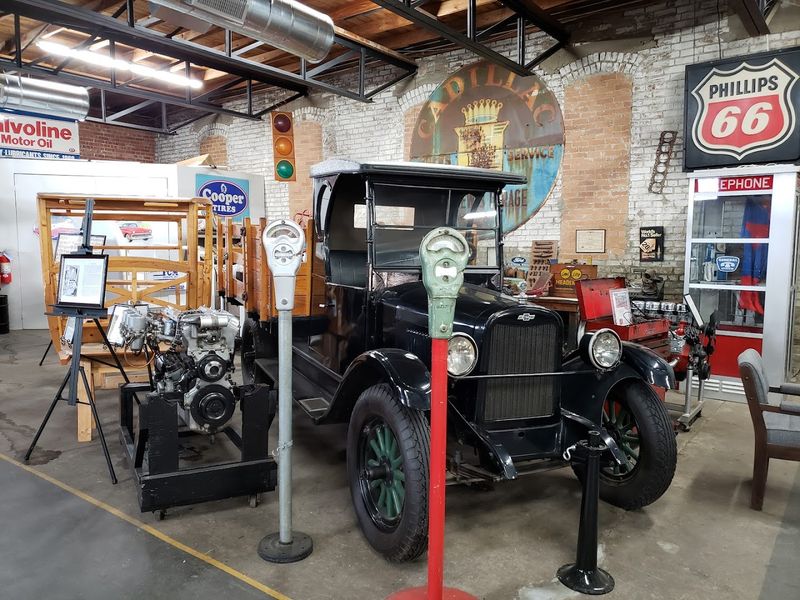
There is something almost surreal about standing next to a Ford Model T, knowing that this exact design once represented the cutting edge of modern transportation for millions of American families.
At this museum, both the Model T and the Model A are displayed in excellent condition, allowing visitors to study the differences between two of the most historically significant vehicles ever produced.
The Model T, introduced in 1908, helped transform personal travel from a luxury into an everyday reality, and seeing one up close makes that cultural shift feel surprisingly tangible.
The Model A followed in 1927 and brought a smoother ride and more stylish bodywork, representing Ford’s answer to growing competition in the marketplace.
Volunteers on the floor are genuinely enthusiastic about explaining these distinctions, and I found myself asking questions I never thought I would care about before walking through the door.
The museum presents these early icons without ropes or barriers, letting you get close enough to appreciate every curve and rivet in a way that most large institutions simply do not allow.
Rare Dragsters And Unusual Automotive Oddities On Display
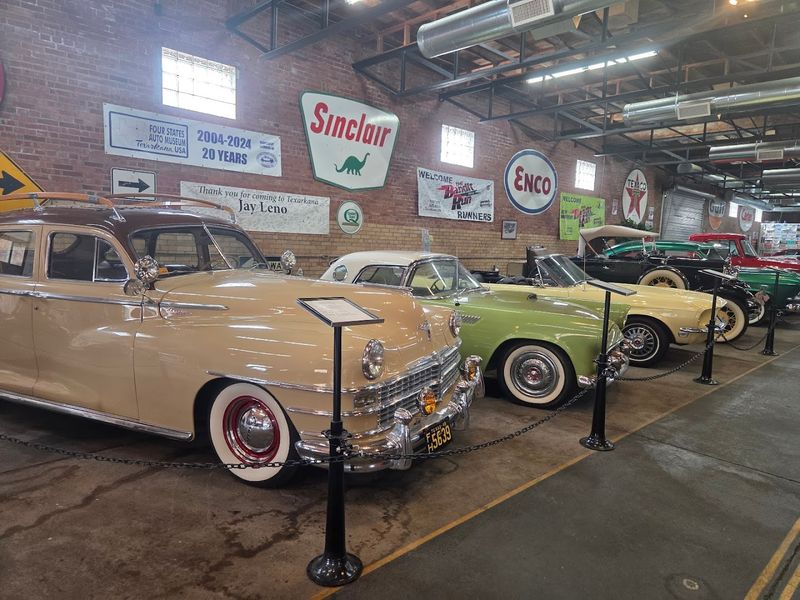
Not every car museum has a dragster, and fewer still have the kind of unusual specimens that make you stop mid-step and say out loud, “Wait, what is that exactly?”
The collection here has included a Studebaker dragster, a vehicle that most people have never seen in any context, let alone parked a few feet away from them inside a compact Arkansas museum.
Dragsters represent a specific chapter of American car culture, one built on speed obsession, mechanical ingenuity, and a willingness to push engines far beyond their original design limits.
Seeing one next to more conventional classic cars creates a fascinating visual conversation about how differently people have always related to the automobile as both a tool and a passion.
The Nash Metropolitan also makes appearances in the collection, a compact and colorful car that feels almost toy-like compared to its American contemporaries from the same decade.
These oddities are not afterthoughts but genuine highlights, curated with the same care as the more famous names in the collection, and they reward the curious visitor who takes time to look closely at every corner of the floor.
Civil War Era Horse Drawn Hearse Among Collection Highlights
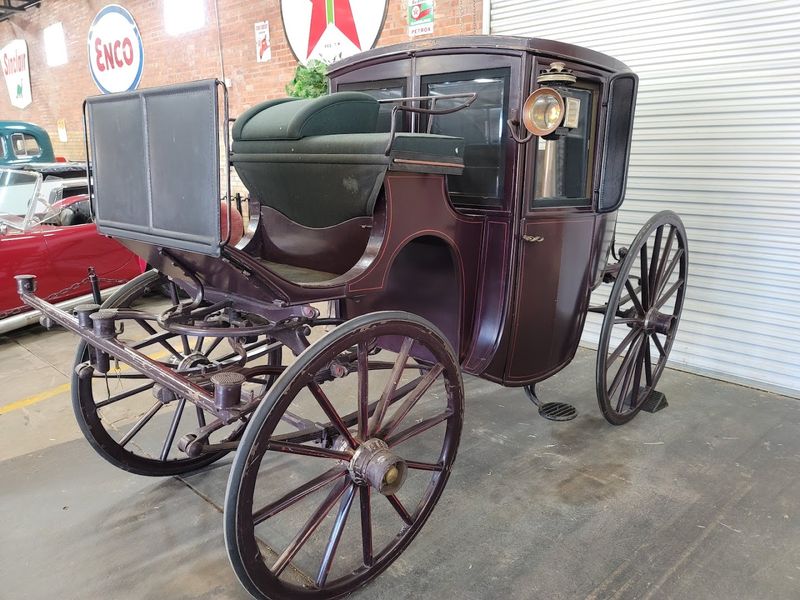
Few things shift the atmosphere of a car museum quite like rounding a corner and coming face to face with a horse-drawn hearse from the 19th century.
This piece sits among the automotive exhibits as a reminder that transportation history did not begin with the combustion engine, and that the vehicles people used to mark the most solemn moments of life were crafted with remarkable artistry.
The hearse is ornately built, featuring carved woodwork and period-appropriate details that speak to the craftsmanship of 19th-century carriage makers who took tremendous pride in their work.
Placing this carriage alongside automobiles spanning more than a century creates a powerful visual timeline, one that stretches from horse-powered transport all the way to modern-era sports cars without feeling forced or disconnected.
Volunteers are particularly good at contextualizing this piece, explaining how carriage builders and early automobile manufacturers often worked in similar trades and shared overlapping skills.
It is the kind of exhibit that catches even non-history enthusiasts off guard, turning what might have been a quick glance into a genuine moment of reflection about how far transportation has traveled in such a short span of time.
Nostalgic Gas Pumps Signage And Mechanical Artifacts
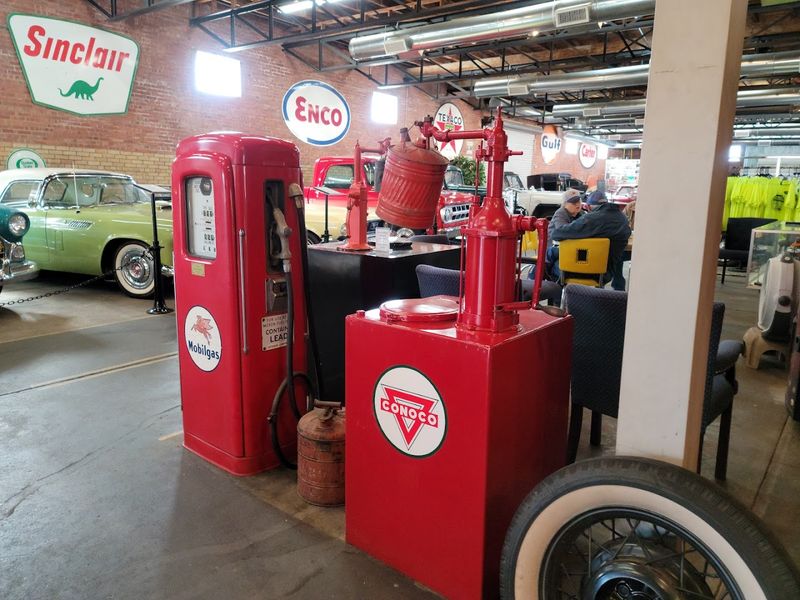
The cars get most of the attention, but the walls and corners of this museum deserve a slow, careful look all on their own.
Vintage gas pumps stand at attention near the exhibits, their faded paint and mechanical dials serving as three-dimensional postcards from a time when pulling into a filling station was a full-service social event.
Enamel signs advertising motor oil brands, tire companies, and long-gone service stations cover sections of the walls, each one a small piece of graphic design history that predates the digital age by several decades.
I spent a good chunk of time just reading the old advertising copy, which ranges from charmingly simple to surprisingly clever in ways that feel refreshingly direct compared to modern marketing.
Mechanical artifacts like gauges, tools, and engine components are displayed throughout the space, giving the museum a workshop feel that makes the whole experience more hands-on and immersive than a traditional gallery setting.
Together, these objects build a sensory portrait of American roadside culture that goes well beyond the cars themselves, and they are exactly the kind of detail that separates a truly thoughtful collection from a simple parking lot of old vehicles.
Shared Stories That Bring Each Vehicle To Life
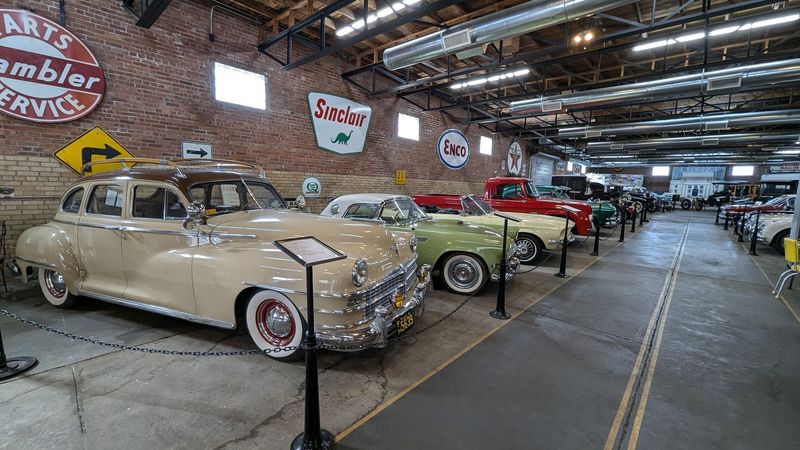
Reading a placard next to an old car gives you facts, but hearing stories from someone who loves that car gives you a completely different kind of understanding.
The real magic of this place comes from the way knowledge, enthusiasm, and storytelling are shared throughout the space, bringing every vehicle on the floor to life.
The history behind each car is explained with warmth and detail, making the experience feel more like a conversation with a knowledgeable friend than a standard museum visit.
Each vehicle is presented in a way that feels approachable and engaging, inviting curiosity regardless of how much you already know about cars.
That kind of genuine human connection is increasingly rare in cultural institutions, and it makes a real difference in whether you leave feeling informed or actually moved by what you experienced.
The casual, open atmosphere means you never feel like you are intruding by asking questions, and the stories you hear in that building tend to stay with you long after you have driven away.
Weekend Only Access With Donation Based Entry
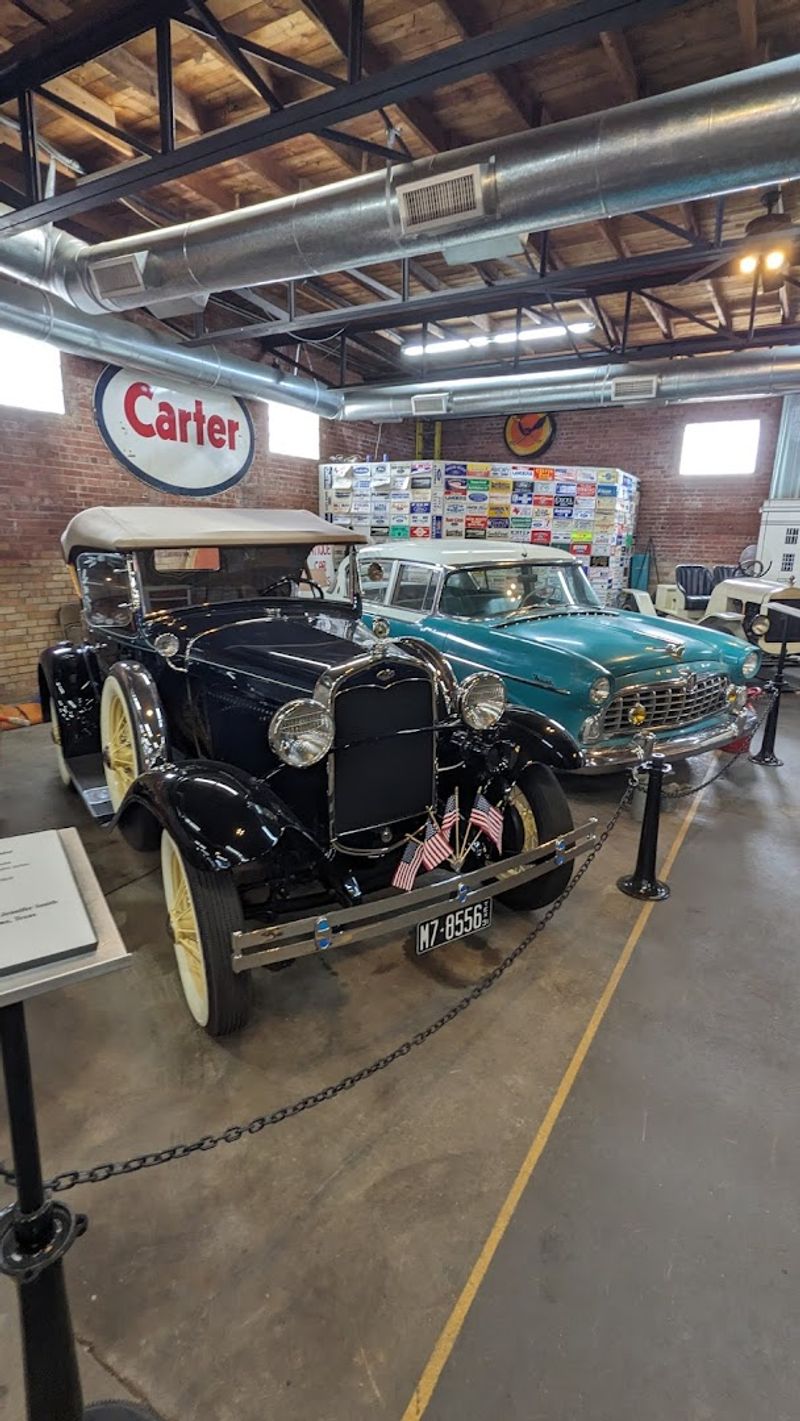
Timing your visit correctly is the one practical detail that makes all the difference here, since the museum keeps a focused schedule that rewards those who plan ahead.
The doors are typically open on weekends, making it a natural addition to a road trip through the Texarkana area.
Admission is completely free, with a donation box near the entrance for visitors who want to support the museum’s ongoing operations and help keep the collection maintained and growing.
That donation-based model reflects the community-driven spirit of the whole enterprise, built and sustained by people who genuinely care about preserving automotive history rather than turning a profit from it.
Special tours can also be arranged by appointment for groups who want a more structured experience outside of regular weekend hours, which is a thoughtful option for school trips or car clubs.
The museum also hosts annual events including a Spring Auto Show in May tied to Texarkana’s RailFest and a Fall Fun Car Show and Swap Meet, both of which draw larger crowds and create a festive atmosphere around the permanent collection.
Compact Space Packed With Deep Automotive History
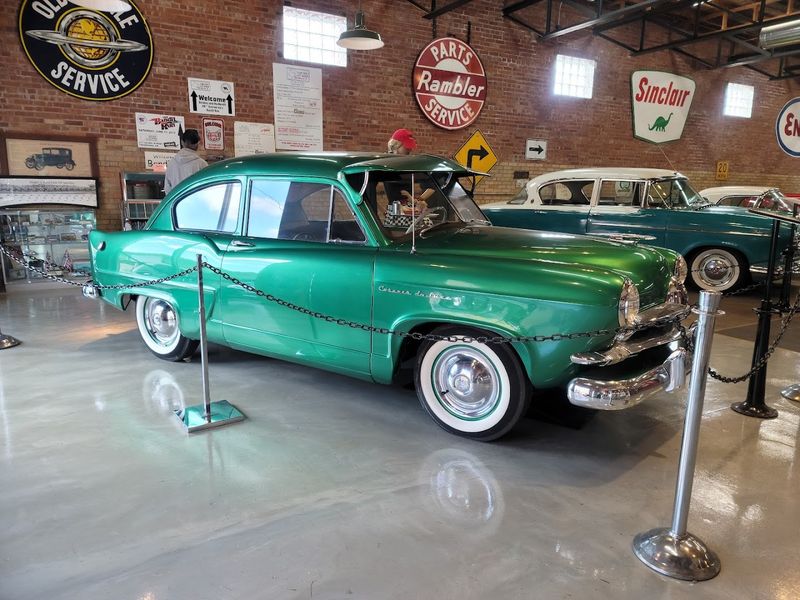
Small spaces can carry enormous weight when they are curated with real intention, and this museum is a perfect example of what focused collecting can accomplish without a massive footprint.
Around 20 vehicles fill the floor at any given time, but the density of information surrounding them, through signage, artifacts, books, and volunteer knowledge, makes the experience feel far more substantial than the square footage might suggest.
A library of automobile-related books, periodicals, and newsletters is available for visitors who want to go deeper into specific topics, turning a casual stop into a genuine research opportunity for enthusiasts.
The vehicles are all maintained in excellent condition, which matters enormously when you are standing close enough to see your reflection in a hood that was built before your grandparents were born.
Visitors consistently note that an hour passes without notice inside these walls, which is the clearest sign that the curation is working exactly as intended.
Every car, every sign, and every mechanical artifact has been chosen to contribute to a coherent story about American automotive culture, and the result is a compact space that punches well above its weight in terms of historical depth and visitor satisfaction.