
A Historic Coral Gables Oasis Is Home To One Of Florida’s Most Stunning Spring-Fed Pools
Florida has a way of hiding its most magical spots in plain sight. Just minutes from the buzz and rush of a major city, there is a place that feels like it belongs on a different continent entirely, choosing charm and character over noise every single time.
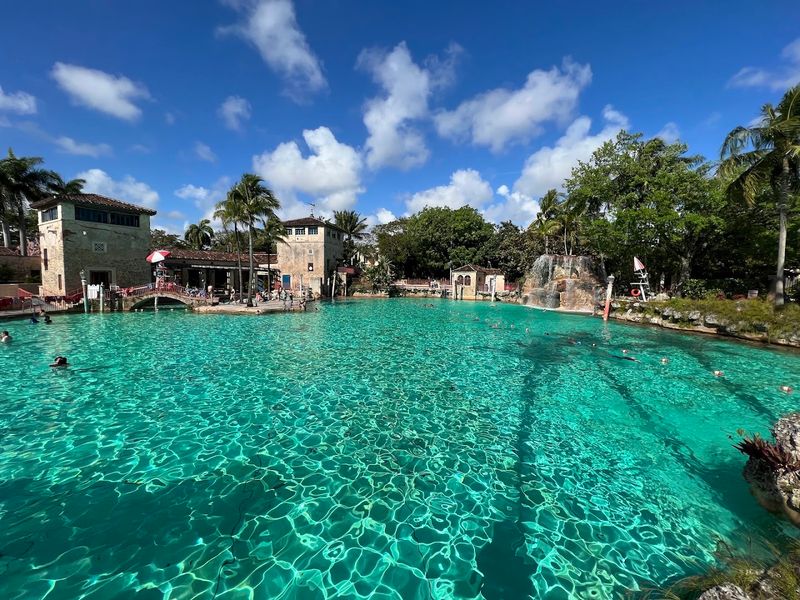
At the heart of it all sits a swimming hole unlike anything else in the state, one of the most unique attractions Florida has to offer. Carved directly out of a coral rock quarry back in the 1920s, it comes complete with hidden grottoes, cascading waterfalls, and a stone bridge that looks pulled straight from a Mediterranean postcard.
This is not your average public pool, and this is far from your average Florida city. Everything here feels intentional, from the architecture to the atmosphere, as if the entire neighborhood decided ordinary simply was not an option.
Stick around, because the story behind this historic oasis is even more fascinating than it looks from the outside.
The Venetian Pool: Florida’s Most Spectacular Swimming Hole
Back in 1923, someone looked at an ugly coral rock quarry and thought, “Let’s turn this into something beautiful” and honestly, they nailed it.
The Venetian Pool, located at 2701 De Soto Blvd, Coral Gables, FL 33134, is one of the most photographed spots in all of Florida, and for very good reason.
Fed by artesian well water, the pool fills up with roughly 820,000 gallons of fresh spring-fed water each time it is refilled, which happens daily during peak season.
Two vine-covered caves, a palm-lined island, and Venetian-style loggias frame the water in a way that makes you feel like you have stepped onto a movie set.
Johnny Weissmuller, who later played Tarzan in Hollywood films, was among the famous swimmers who splashed through these very waters in the early days.
Even on a busy afternoon, the pool manages to feel like a personal retreat, with shaded nooks and cool water that make the Florida heat completely forgivable.
A City Built On A Dream: George Merrick’s Vision
Few cities in America can trace their entire identity back to one person’s imagination quite like Coral Gables can.
George Merrick, the son of a minister who moved to South Florida as a boy, grew up on a citrus and avocado farm and dreamed of building a city that would look and feel like something out of the Mediterranean coast of Europe.
He launched his grand plan in 1921, hiring artists, architects, and landscape designers to craft a place with uniform Spanish and Italian-inspired architecture, wide boulevards, and lush greenery at every turn.
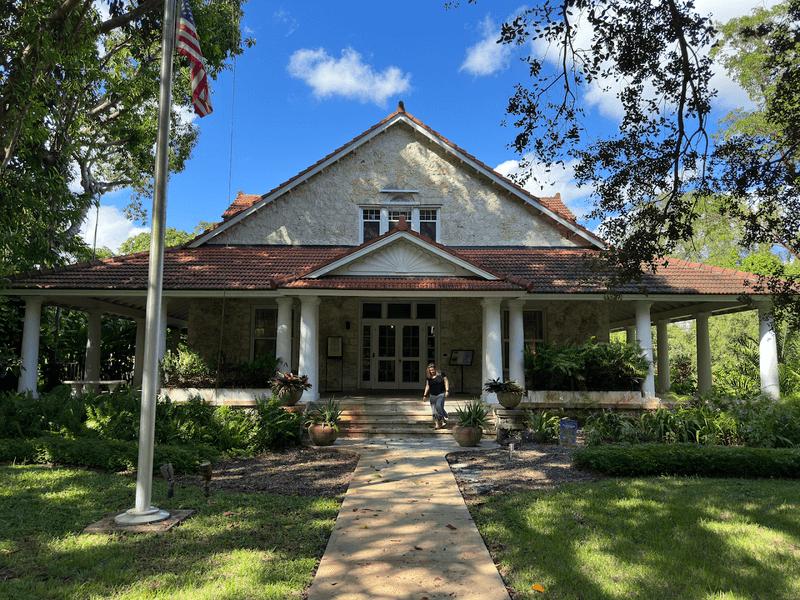
The Coral Gables Merrick House, the restored childhood home where George grew up, still stands today and offers visitors a rare window into the origins of this ambitious city-building project.
Merrick poured his family’s land and his own personal fortune into creating what he called “The City Beautiful,” a motto that Coral Gables still carries proudly on its official website at citybeautiful.net.
Walking through the preserved rooms of the Merrick House, it is easy to feel the quiet determination that launched an entire city from scratch.
Mediterranean Architecture That Makes Every Street A Postcard
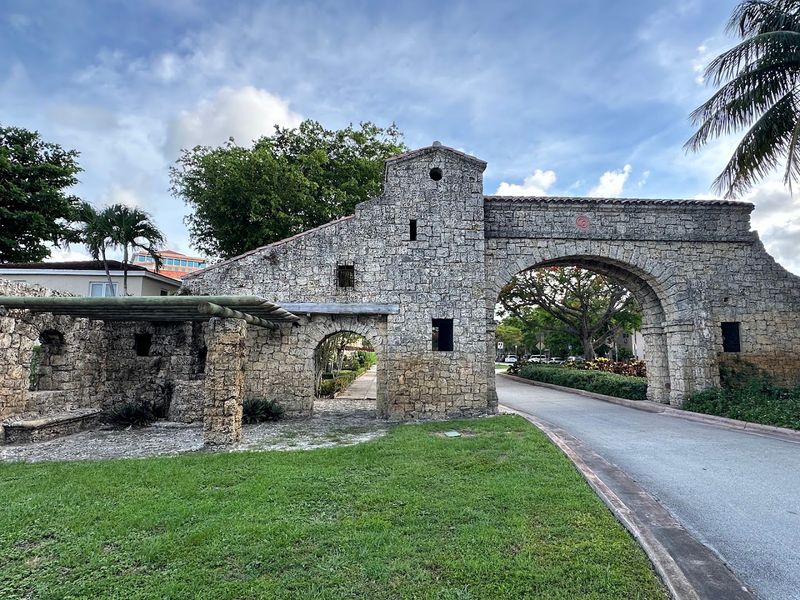
Strolling through Coral Gables sometimes feels less like walking through a Florida suburb and more like wandering a sun-drenched village somewhere along the Italian coastline.
Merrick hired his uncle Denman Fink as art director and architect Phineas Paist as supervising architect, and together they enforced a strict Mediterranean Revival style across the entire city from the very beginning.
Red barrel tile roofs, cream-colored stucco walls, arched windows, and wrought-iron details became the visual language of every neighborhood, creating a harmony that still turns heads a full century later.
The city even maintains strict architectural review boards today to make sure new construction fits the original design vision, which is a level of commitment to aesthetics that most cities simply do not bother with.
Coral Gables also features a series of international villages, small clusters of homes built in styles inspired by countries like France, China, and South Africa, adding surprising variety within the overall Mediterranean theme.
Every corner you turn here feels intentional, like the city was designed to be admired one block at a time.
Fairchild Tropical Botanic Garden: A Rainforest Right In The City
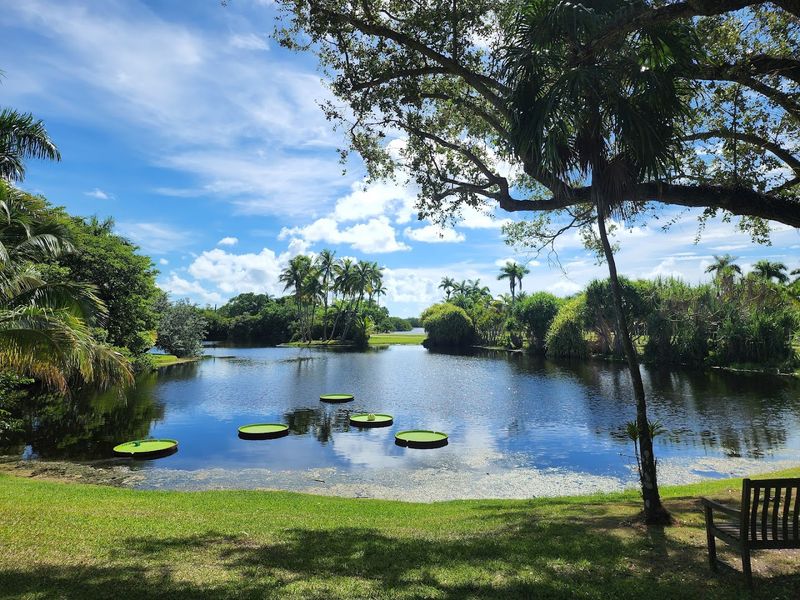
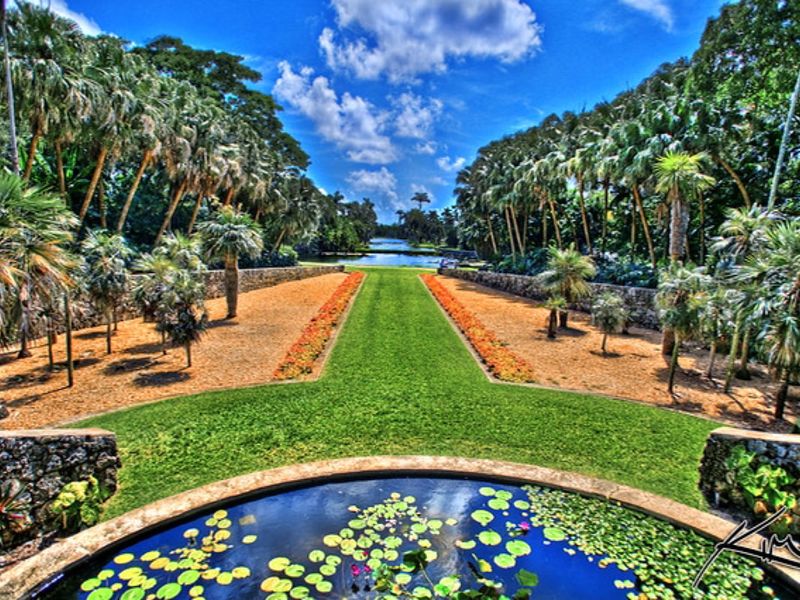
Covering 83 acres of pure tropical beauty, Fairchild Tropical Botanic Garden is the kind of place that makes you forget you are just minutes from a major American city.
Founded in 1938 and named after renowned botanist David Fairchild, the garden is home to one of the most impressive collections of tropical plants in the Western Hemisphere, including rare palms, cycads, and flowering trees gathered from across the globe.
A butterfly display called “Wings of the Tropics” runs throughout the year, placing visitors inside a screened pavilion where hundreds of live butterflies float freely around them in a genuinely magical experience.
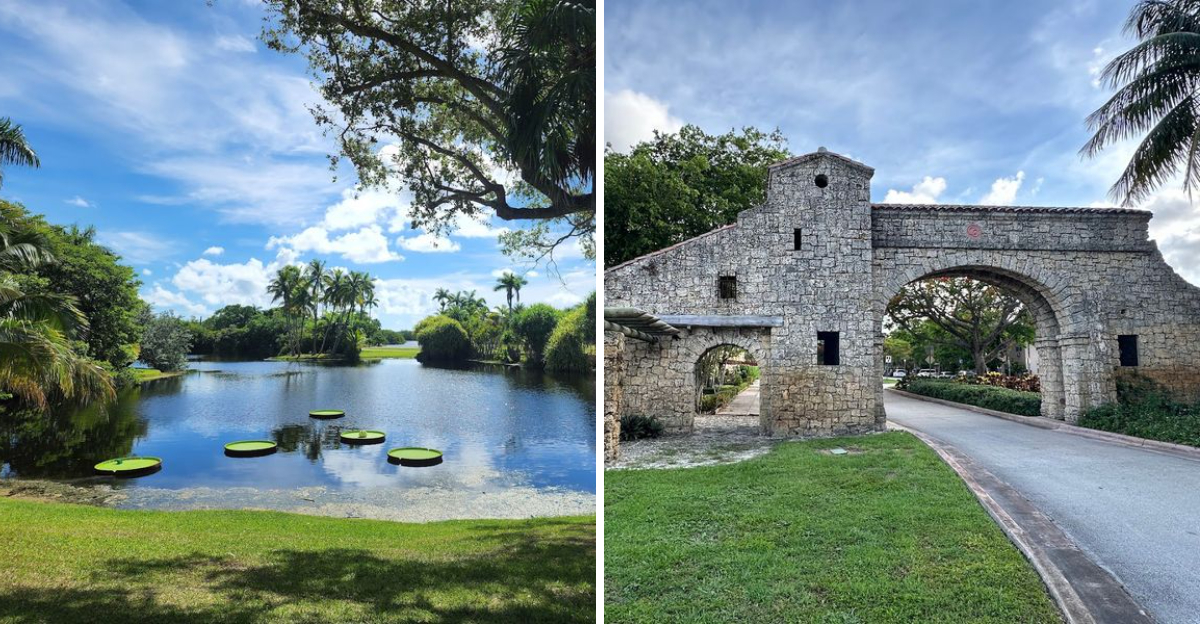
Tree-lined lakes reflect the sky and surrounding canopy in ways that make photographers stop mid-stride, and the garden’s tropical rainforest section feels dense and alive with every step.
Seasonal festivals, art installations, and educational programs make Fairchild a destination that rewards repeat visits throughout the year rather than just a single afternoon trip.
Leaving this garden without a renewed appreciation for the natural world around you is practically impossible.
The Lowe Art Museum: Where Cuban And Caribbean Culture Shines
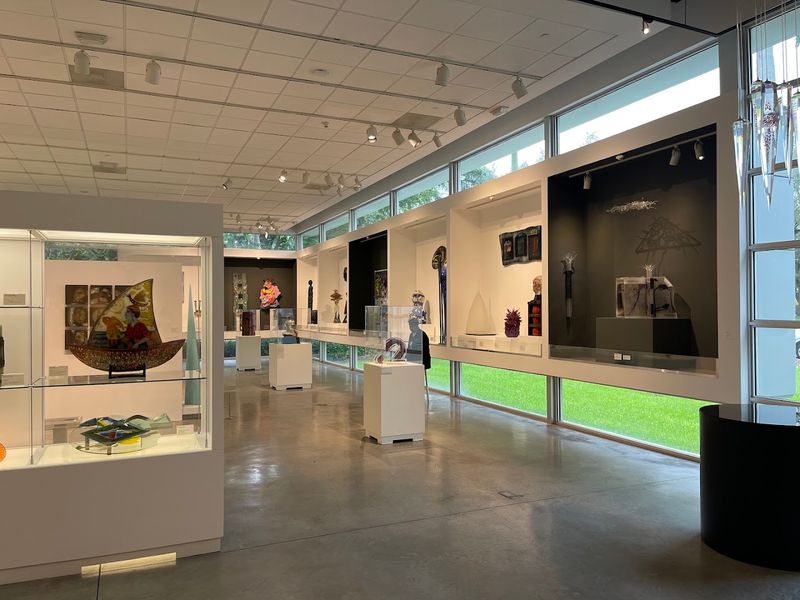
Art lovers who wander onto the University of Miami campus in Coral Gables will find one of South Florida’s most quietly impressive museum collections waiting for them at the Lowe Art Museum.
Established in 1950, the Lowe holds more than 19,000 works spanning ancient cultures to contemporary movements, but its Cuban and Caribbean collections stand out as genuinely rare and culturally rich treasures in the American museum landscape.
Paintings, sculptures, and decorative objects from the Caribbean basin tell stories of identity, migration, and artistic tradition that are not easy to find gathered in one place with this level of care and context.
The museum also holds strong collections of Native American art, Greco-Roman antiquities, and European Old Masters, making it a surprisingly versatile destination for a single afternoon visit.
Admission is free for University of Miami students and reasonably priced for general visitors, which makes the Lowe one of the best-value cultural stops in the entire Miami metro area.
Every gallery here feels like a conversation across centuries and continents, and the Caribbean rooms in particular leave a lasting impression.
The Biltmore Hotel: A Landmark That Has Seen It All
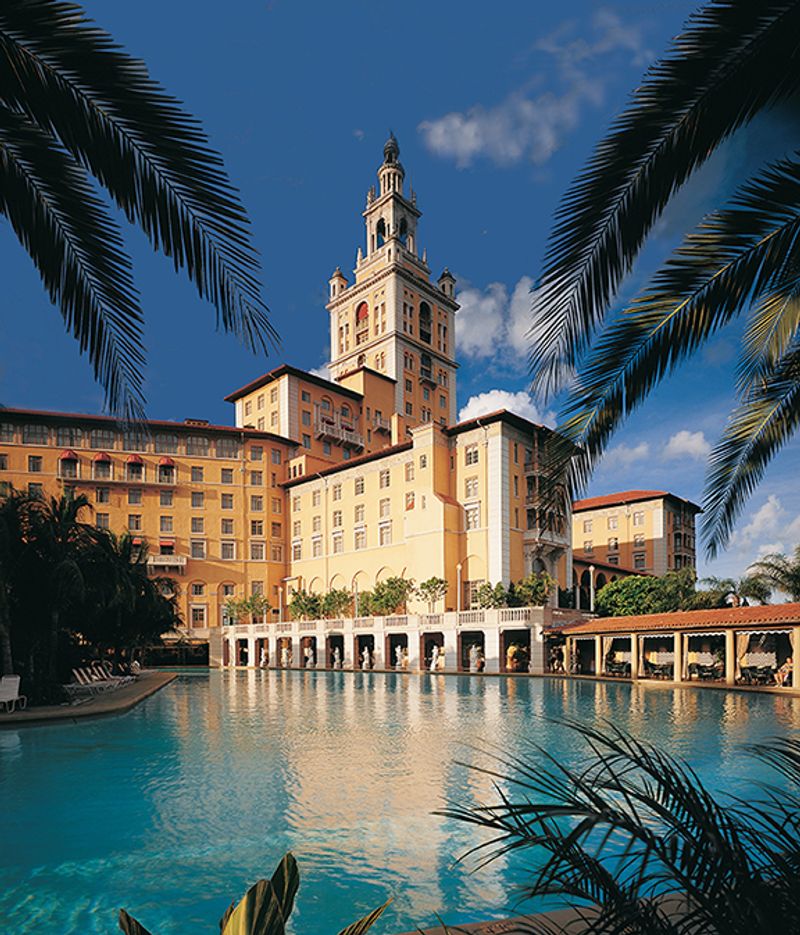
Opened in 1926 and rising 315 feet above Coral Gables with its iconic tower, the Biltmore Hotel is the kind of building that stops traffic without even trying.
Built by John McEntee Bowman and Merrick himself, the Biltmore was designed to attract wealthy tourists from the North who wanted luxury, sunshine, and elegance all in one place, and it succeeded spectacularly for decades.
During World War II, the hotel was converted into a military hospital, and it later served as a Veterans Affairs medical center before being restored to its original grandeur in the 1980s.
The Biltmore’s swimming pool, at one point the largest in the continental United States, hosted aquatic exhibitions that drew thousands of spectators to its poolside grandstands in the hotel’s glamorous early years.
Today the hotel operates as a AAA Five Diamond resort, offering guests a chance to sleep, dine, and swim inside a living piece of Florida architectural history.
Standing in the Biltmore’s grand lobby, surrounded by hand-painted ceilings and marble floors, the weight of a century of stories settles around you like a warm Florida evening.
Miracle Mile: Shopping, Dining, And Local Flavor
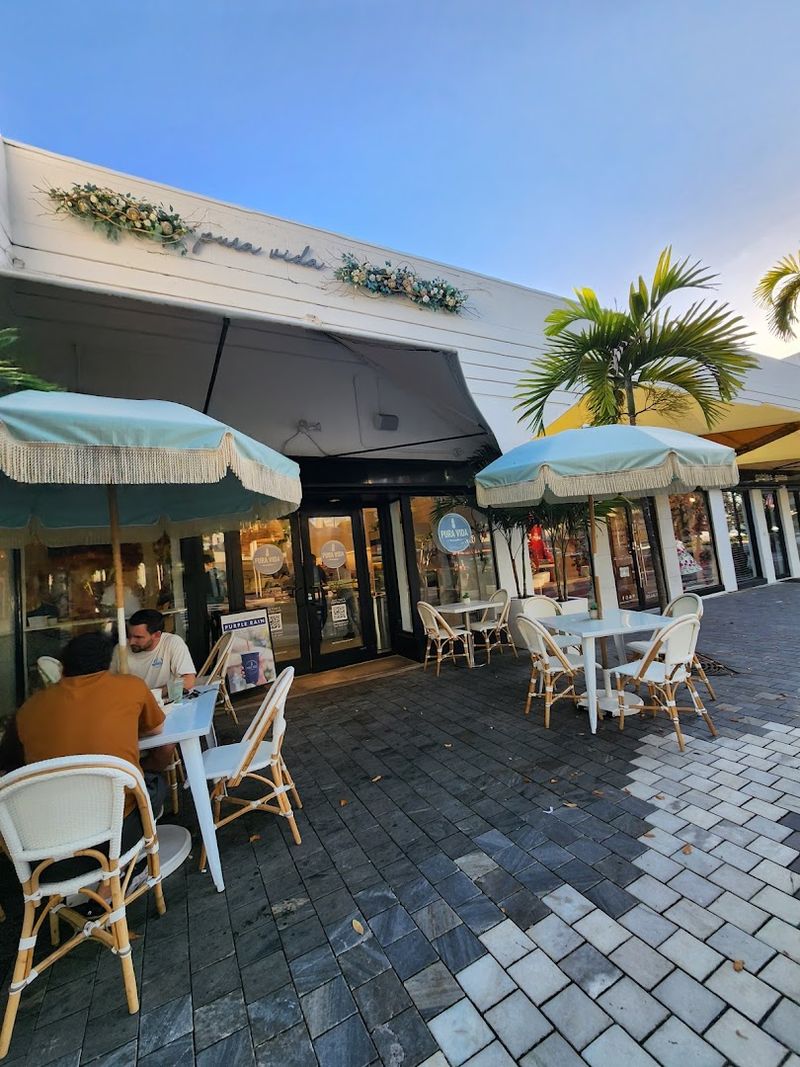
Miracle Mile is Coral Gables’ answer to the question of what a downtown shopping street looks like when it actually cares about the experience of being there.
Stretching for about half a mile along Coral Way between Douglas Road and LeJeune Road, the street is lined with independent boutiques, bridal shops, restaurants, and art galleries that give it a personality quite different from your average strip mall.
Local restaurants along and near Miracle Mile serve everything from Cuban sandwiches pressed to golden perfection to elegant multi-course dinners that make a reservation feel like an event worth planning around.
Street-level energy here is easy and unhurried, with covered walkways and shaded sidewalks that make browsing comfortable even during the warmest months of the year.
The area surrounding Miracle Mile, known collectively as Downtown Coral Gables, has grown significantly in recent years with new restaurants and boutique hotels adding fresh energy to an already lively neighborhood.
Spending a slow afternoon here, moving from a coffee shop to a gallery to a long lunch, is one of those simple pleasures that Coral Gables does especially well.
The Venetian Pool’s Daily Freshwater Refill System
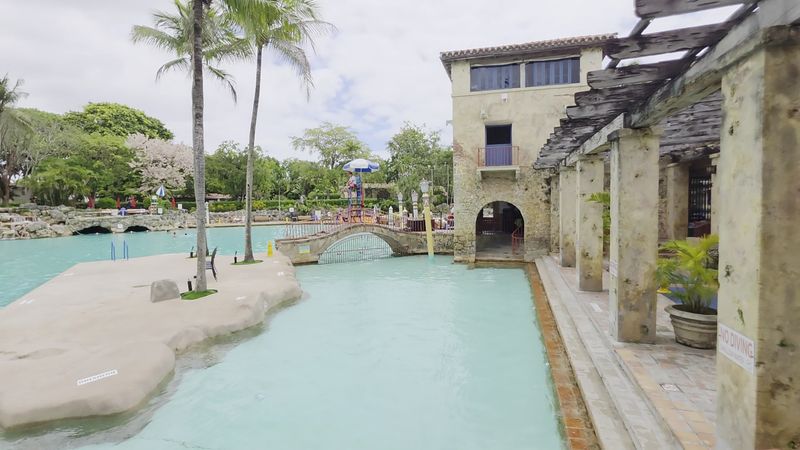
One of the most fascinating engineering details about the Venetian Pool is how it stays so refreshingly clean without relying on heavy chemical filtration systems the way modern public pools do.
Each evening during peak season, the pool is drained completely and then refilled overnight with fresh spring water pumped from underground artesian wells, delivering roughly 820,000 gallons of cool, clean water by morning.
This natural refilling process keeps the water temperature noticeably cooler than a typical outdoor pool, which is a welcome relief when South Florida temperatures climb into the upper 90s during summer months.
The Venetian Pool earned a spot on the National Register of Historic Places in 1981, recognizing not only its architectural beauty but also its unique and environmentally thoughtful water management approach.
Pool rules keep the experience family-friendly and orderly, with designated areas for different age groups and lifeguards stationed throughout the complex to make sure everyone stays safe.
There is something genuinely refreshing, both literally and figuratively, about swimming in water that arrives fresh from the earth each and every morning.
Coral Gables’ Canopy Of Banyan Trees
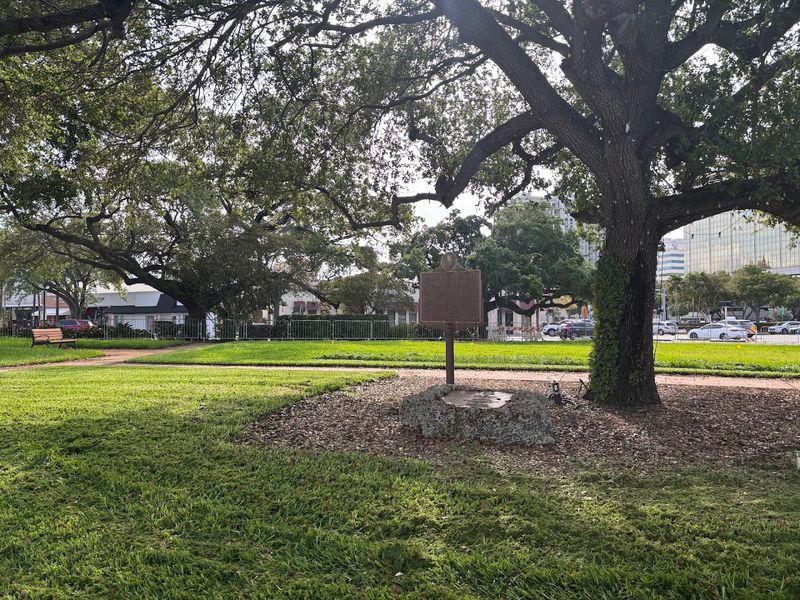
Some cities are defined by their skylines, but Coral Gables is defined at street level by its extraordinary canopy of banyan trees that arch over roads and sidewalks like a living cathedral.
Banyan trees, originally native to South Asia, were planted throughout Coral Gables in the early decades of the city’s development, and they have since grown into sprawling giants with aerial root systems that make them look like they are reaching for the ground from above.
Driving or cycling under a full banyan canopy on a bright afternoon creates a flickering, dappled light effect that photographers and casual visitors alike find irresistible.
The city actively protects its oldest and largest trees through heritage tree ordinances that make it illegal to remove or significantly alter them without city approval, treating them as living landmarks.
Alhambra Circle and Riviera Drive are two streets where the banyan canopy is particularly dramatic, offering the kind of shade and beauty that makes a slow neighborhood walk feel genuinely rewarding.
These trees are not just scenery here; they are part of the city’s identity, as rooted in Coral Gables as the Mediterranean architecture itself.
Planning Your Visit: Tips For Getting The Most Out Of Coral Gables
Timing matters a great deal when visiting Coral Gables, and the cooler months between November and April offer the most comfortable temperatures for exploring the city on foot or by bicycle.
The Venetian Pool operates seasonally and closes on Mondays year-round, so checking the official schedule before your visit will save you from a disappointing locked gate moment.
Parking in Coral Gables is generally manageable, with city-owned garages near Miracle Mile and metered street parking throughout most neighborhoods, making it easier to navigate than many South Florida destinations.
Combining a morning swim at the Venetian Pool with an afternoon at Fairchild Tropical Botanic Garden and an evening dinner along Miracle Mile creates a perfectly paced one-day itinerary that covers history, nature, and local flavor in a single sweep.
The Lowe Art Museum and the Biltmore Hotel are both worth building extra time around, especially if you enjoy architecture or art with historical depth.
Coral Gables rewards the visitors who slow down, look up at the trees, read the plaques, and let the city’s deliberate beauty sink in at its own quiet pace.