
A Legal Clam Dig Turns This Wild Washington Beach Into A Coastal Treasure Hunt
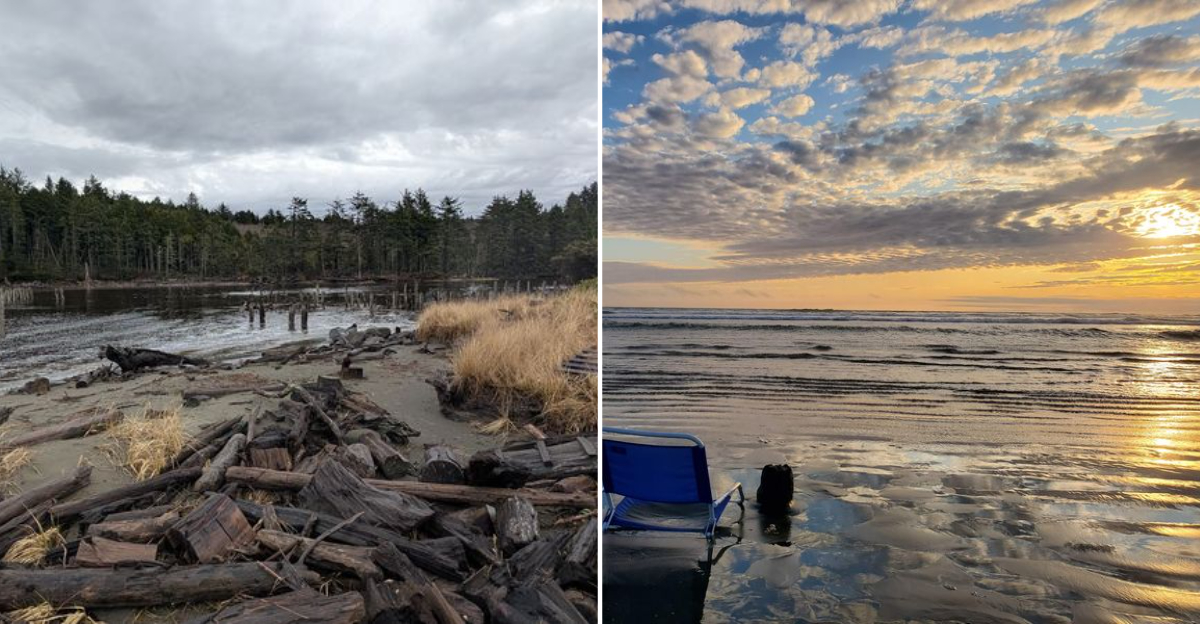
My mother always warned me not to play with my food, but she never said anything about aggressively chasing it through the dark with a headlamp.
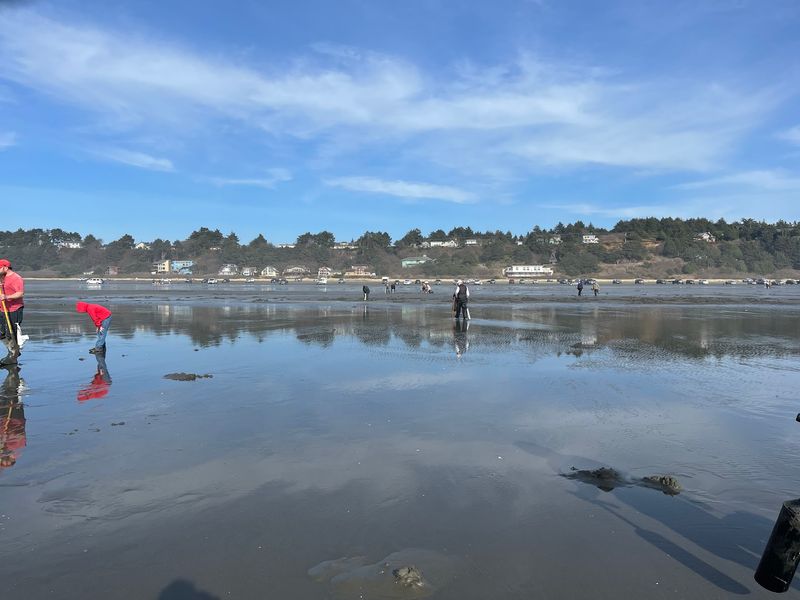
Picture this: me, shivering on a roaring Washington beach alongside hundreds of other hopeful hunters, all of us staring intensely at the wet sand like we were reading ancient hieroglyphics.
Thanks to some wonderfully generous state regulations, an ordinary shoreline transforms a few times a year into a chaotic, bucket-toting treasure hunt for the elusive razor clam.
It’s loud, it’s wet, and honestly, I looked ridiculous in my neon orange rain gear. But the sheer adrenaline rush of catching your first clam makes every splash of cold seawater entirely worth it. Trust me, once you experience this wild coastal circus, you’ll never look at seafood the same way again.
When the tides align and the Washington Department of Fish and Wildlife gives the green light, this expansive beach transforms into a uniquely Pacific Northwest experience where nature provides both the challenge and the reward.
The Perfect Location For Solitude Seekers
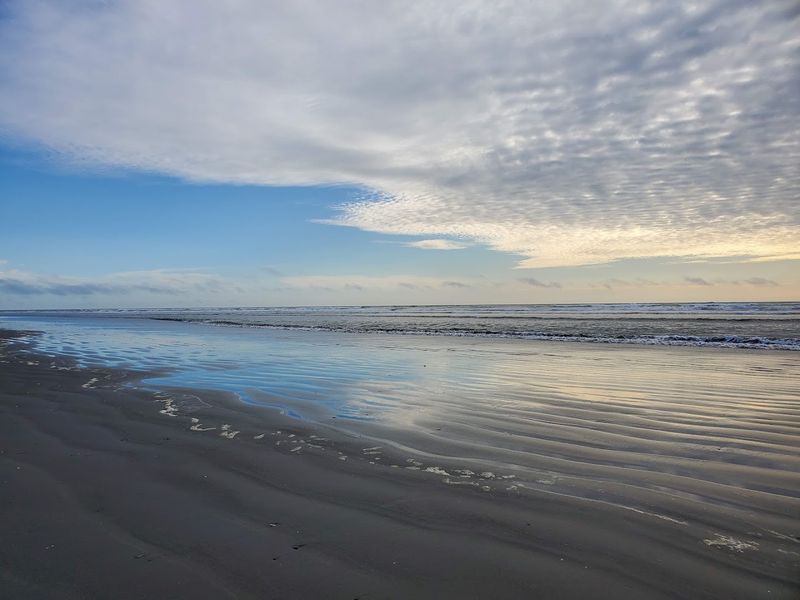
Mocrocks Beach sits roughly 15 miles north of Ocean Shores, perfectly positioned in that sweet spot where accessibility meets seclusion.
I’ve found that its location in Grays Harbor County gives it an advantage over busier beaches, offering miles of flat, pristine sand without the crowds that pack other coastal destinations.
The beach stretches between two natural landmarks, creating a distinct sense of place that feels both wild and welcoming. Standing here, you’ll notice what locals call that “liminal feeling,” where the everyday world seems to dissolve into nothing but sand, sky, and the rhythmic pulse of the Pacific.
What struck me most during my visits was the muted ocean roar, a gentler soundtrack than you’d expect from the Pacific. This tranquility makes Mocrocks ideal for long, contemplative walks or quiet moments watching the horizon.
The broad, flat expanse seems to go on forever, creating an almost otherworldly atmosphere that photographers and solitude seekers absolutely treasure.
Razor Clamming: The Main Event
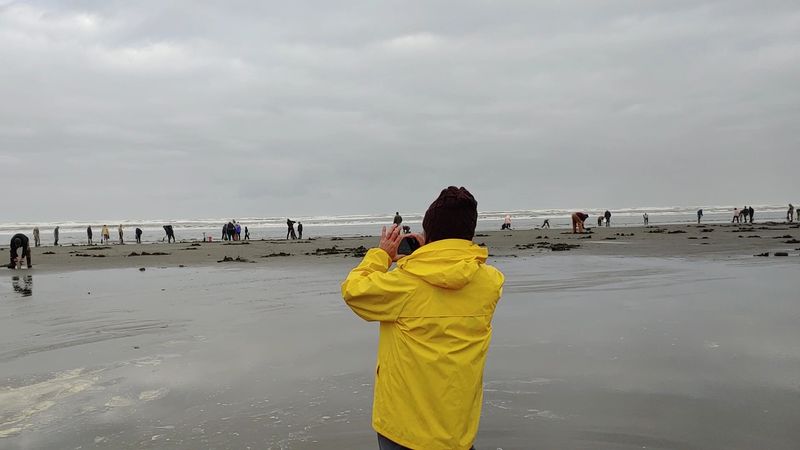
Razor clamming at Mocrocks isn’t just an activity, it’s a Pacific Northwest rite of passage that combines skill, timing, and a healthy respect for nature’s rhythms.
I learned quickly that successful clamming depends entirely on the Washington Department of Fish and Wildlife’s schedule, which opens digging only after rigorous marine toxin testing confirms the clams are safe to harvest.
The best action happens during low tides, typically starting one to two hours before the listed low tide mark. Each licensed digger aged 15 or older can collect up to 15 razor clams per day, and here’s the catch: once you dig it, you keep it, regardless of size or condition.
What makes this experience truly special is watching the beach transform during dig season.
Despite the activity, Mocrocks never feels overcrowded thanks to its generous size. I’ve spent hours perfecting my technique, learning to spot those subtle dimples and donut shapes that betray a clam’s hiding spot beneath the sand, and the thrill never gets old.
Essential Gear And Licensing
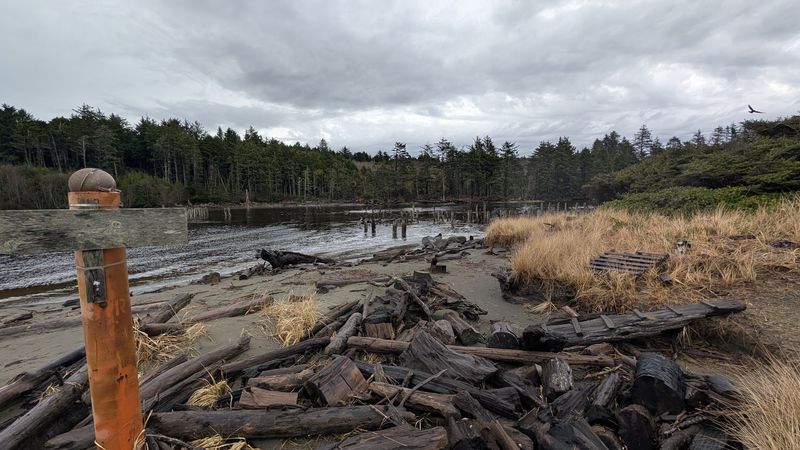
Before you set foot on Mocrocks with clamming on your mind, securing a Washington State shellfish license is absolutely essential. I picked mine up online through the WDFW website, though you can also grab one at local spots like the You & I Market in Pacific Beach if you prefer the personal touch.
The gear debate between clam gun enthusiasts and shovel loyalists runs deep in clamming circles. I’ve tried both, and honestly, each has its advantages depending on your strength and technique.
What’s non-negotiable, however, are waterproof rubber boots or waders, waterproof gloves, and layered clothing to handle the notoriously unpredictable coastal weather.
One lesson I learned the hard way: always respect the ocean’s power. Sneaker waves can appear without warning, soaking the unprepared and creating dangerous situations. I keep my eyes on the water constantly, especially when I’m focused on digging.
A headlamp for early morning or evening digs, a mesh bag for your catch, and a ruler to check size limits round out the essential kit.
Reading The Sand Like A Pro
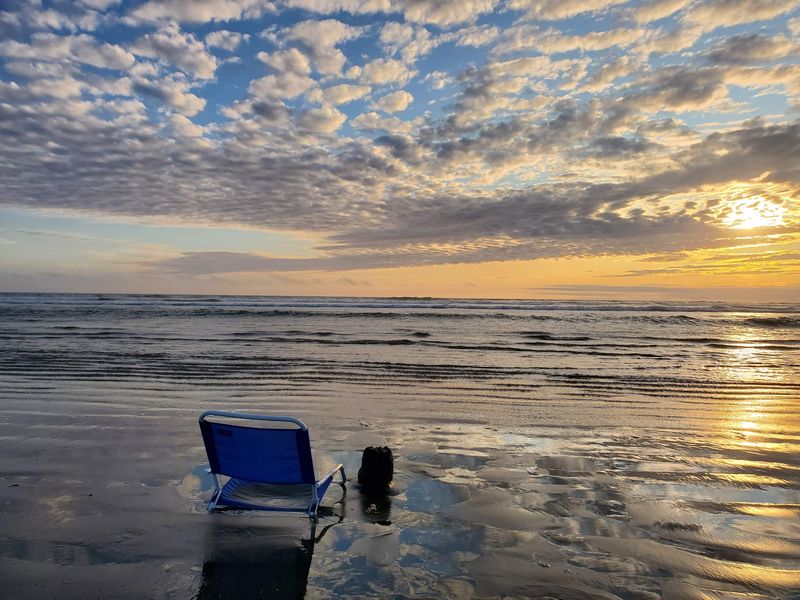
Spotting razor clams requires developing an eye for subtle signs that most beachgoers walk right past. Those “clam shows” I kept hearing about turned out to be small dimples or distinctive donut-shaped indentations in the wet sand, betraying the presence of a razor clam just below the surface.
Here’s a trick that changed my success rate dramatically: a gentle stomp near suspected clam territory can prompt the clam to react. Sometimes they’ll shoot a tiny squirt of water upward, or create a fresh dimple that confirms your target.
It’s like a conversation with the sand itself, once you learn the language.
Timing your approach with the receding tide gives you the best opportunities. I’ve found that positioning myself in that sweet zone where the sand is wet but firm yields the most productive hunting.
The clams burrow quickly, so speed matters once you’ve identified your target. Practice makes perfect, and after a few trips, you’ll develop an almost instinctive sense for where the clams are hiding beneath that seemingly uniform sandy surface.
Beyond Clamming: Other Beach Pleasures
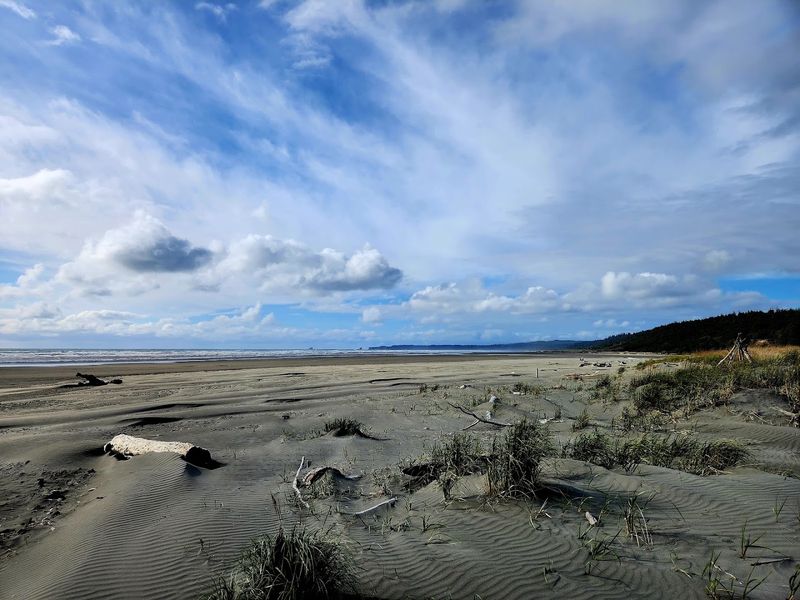
While razor clamming draws most visitors, I’ve discovered that Mocrocks offers plenty of rewards even when digging season is closed.
The sheer length of the beach makes it perfect for those long, meditative walks where your thoughts can wander as freely as your feet, accompanied only by seabirds and the steady rhythm of waves.
Beachcombing here yields fascinating finds: razor clam shells in various states of weathering, crabs scuttling in tidal pools, and sand dollars scattered like nature’s currency. I’ve spent entire afternoons just collecting shells and watching the ocean’s endless performance.
The beach also allows vehicle access, a unique feature that lets you drive along the sand for spectacular sunset viewing, though soft sand patches demand caution and experience.
Kite flying takes advantage of those consistent coastal breezes, and I’ve seen some absolutely stunning aerial displays on windy days. The flat, open expanse also invites impromptu sand art projects. It’s a beach that rewards whatever energy you bring to it, active or contemplative.
Exploring The Surrounding Area
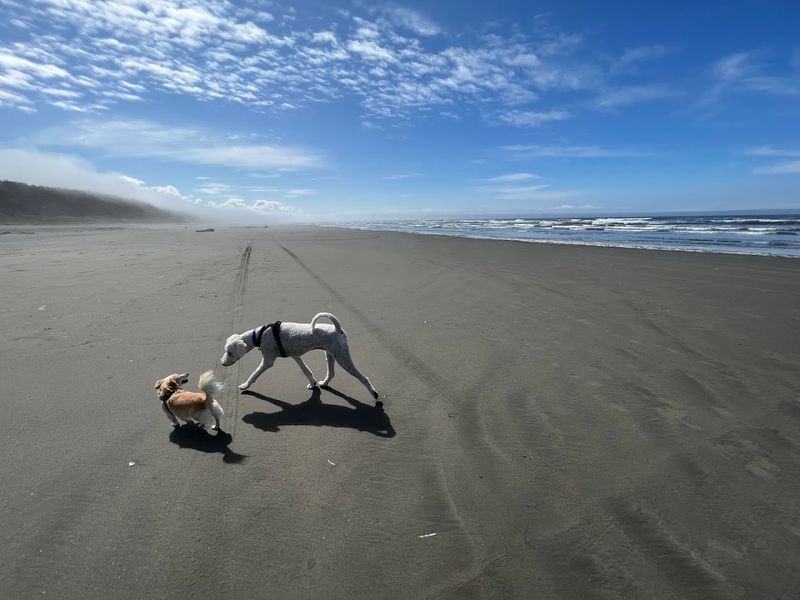
Mocrocks Beach serves as an excellent base for exploring the charming coastal communities that dot this stretch of Washington’s coast.
Moclips, the nearby town, carries echoes of its glamorous past as an early 1900s health resort destination, a history beautifully preserved at the Museum of the North Beach where I spent a rainy afternoon learning about the area’s fascinating transformation.
Pacific Beach, just a short drive away, offers that quintessential small-town coastal vibe with local markets and friendly faces. I’ve grabbed supplies, struck up conversations with locals who shared their best clamming spots, and soaked up the unhurried pace that defines life out here.
The You & I Market became my go-to stop for licenses and local intel. Ocean Shores, roughly 15 miles south, provides more extensive amenities when you need them: restaurants serving fresh seafood, charter fishing operations, and additional shopping options.
But honestly, I always found myself drawn back to Mocrocks’ wild simplicity, where the beach itself provides all the entertainment and nourishment I needed.
Connecting With Coastal Tradition
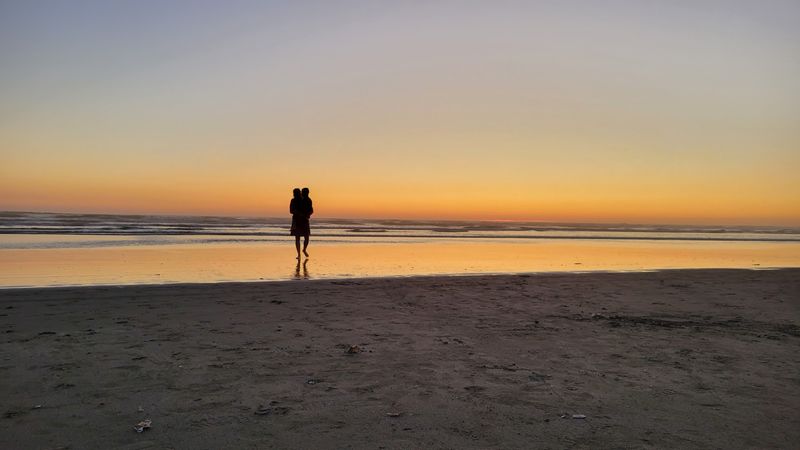
What keeps drawing me back to Mocrocks Beach isn’t just the clams or the scenery, it’s the sense of participating in something authentically Pacific Northwest.
Razor clamming here connects you to generations of coastal residents who’ve worked these same tides, reading the same sandy signs, feeling the same thrill when their shovel hits paydirt.
There’s something deeply satisfying about harvesting your own food directly from nature, especially when it’s managed sustainably and legally. The WDFW’s careful monitoring ensures that this tradition can continue for future generations, balancing human enjoyment with ecological responsibility.
I’ve come to appreciate the regulations not as restrictions, but as guardians of this special experience. Standing on Mocrocks Beach with salt spray on my face and a bucket of fresh clams at my feet, I feel connected to this wild coast in a way that no resort or tourist attraction could ever replicate.
It’s a reminder that the best treasures aren’t always buried deep, sometimes they’re just beneath the surface, waiting for those willing to show up, pay attention, and dig.
Timing Your Visit For Maximum Success
Razor clam season typically runs from October through May, with specific dates announced by the Washington Department of Fish and Wildlife. I always check their website before planning trips since they monitor toxin levels and adjust openings accordingly.
The magic happens during minus tides, usually two hours before and after the lowest tide. Early morning digs offer cooler temperatures and fewer crowds, though evening sessions can be equally productive.
Weather matters more than you’d think. Calm days make spotting shows much easier, while stormy conditions can bring clams closer to the surface, creating a trade-off between comfort and potential success.
A sturdy clam gun or shovel can make the digging much easier once you spot the telltale dimple in the sand. Waterproof boots are essential because the surf has a habit of reaching farther than expected. Bringing a bucket with a secure handle also helps when the beach gets crowded or the wind picks up.
New diggers should watch experienced visitors for a few minutes before choosing a spot. That little bit of observation can save plenty of effort and make the first successful dig far more satisfying.