
A Little-Known Maine Car Museum Where It’s Easy To Lose Track Of Time
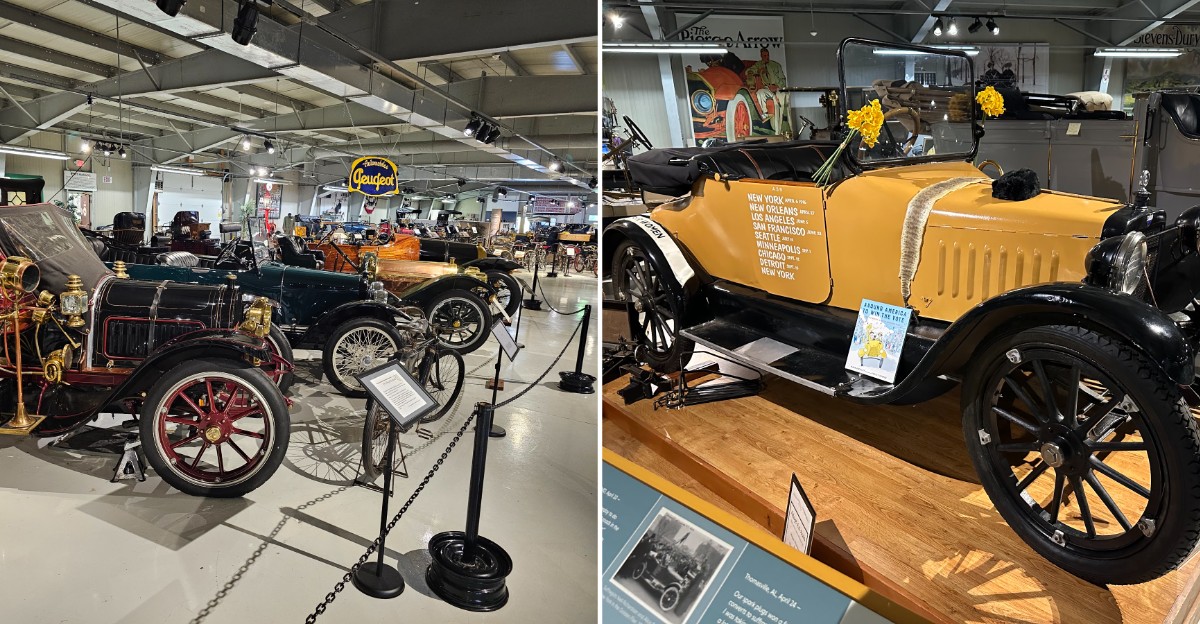
A quiet road on the calmer side of a Maine island leads to a museum that can make a quick stop stretch into an entire afternoon. I would probably lose track of time here too, especially once the brass lamps and wooden-spoked wheels start stealing the show.
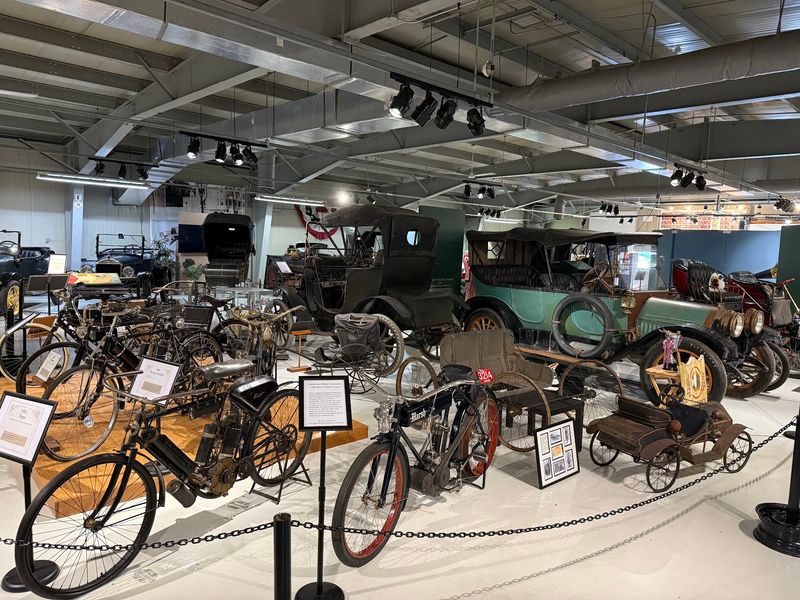
One early motorcycle even looks like a bicycle that got a little too confident.
More than 60 historic vehicles help tell the story of driving when cars were still strange new inventions. The oldest machines look so unusual that it is hard not to wonder how anyone trusted them on rough roads.
That sense of discovery is what makes the visit so much fun. On a rainy Maine day, this little-known museum offers an easy reason to slow down, look closer, and spend a few hours somewhere completely unexpected.
A Quiet Corner Of Mount Desert Island
Most people who visit Mount Desert Island head straight for Bar Harbor and the busy loop roads of Acadia National Park. Drive about a half hour toward the western side, though, and the crowds thin out like fog in the morning sun.
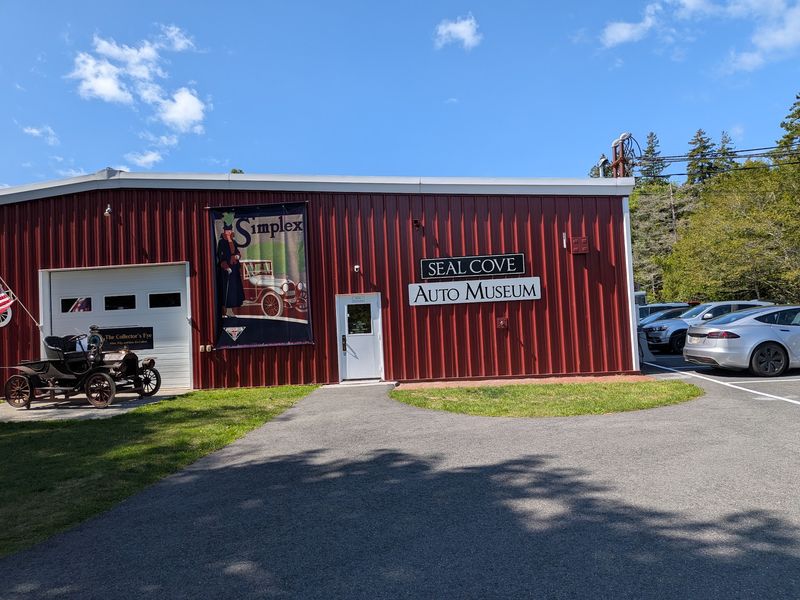
That is where you will find the Seal Cove Auto Museum, at 1414 Tremont Rd, Seal Cove, ME 04674, United States.
Locals call this part of the island the quiet side, and the name fits nicely. The roads wind past tall pine trees, small harbors, and sleepy villages.
The museum building itself looks simple and modest from the outside, so it is easy to cruise right past if you are not paying attention.
Here is a helpful tip for planning your day. Pair your museum visit with a scenic drive around the western shore, where you can spot lighthouses and rocky coves along the way.
Bass Harbor and Southwest Harbor are both nearby, making it simple to build a relaxed loop.
Bring a snack, fill up the gas tank, and leave your rushing habits behind. The best part of the quiet side is how calm it feels, and that calm follows you right through the museum doors.
One Collector With A Big Dream
Every great collection starts with one curious person, and this one started with Richard Paine. He was a passionate collector who loved early automobiles so much that he kept gathering them, year after year, until he had something truly special.
Instead of hiding his treasures in a private garage, Paine set up a nonprofit so the public could enjoy them. That decision changed everything.
Today, the museum preserves and displays the core of Paine’s collection, with vehicles owned by both the museum and the Richard C. Paine Jr. Automobile Charitable Trust.
Think about how rare that kind of generosity is. Many valuable cars sit behind locked doors where nobody can see them.
Here, the vehicles are kept safe, cared for, and shared with families, students, and curious travelers.
When you visit, take a moment to read about how the collection grew. You will notice that several cars once belonged to famous early collectors, including James Melton, George H.
Waterman Jr., and Henry Austin Clark Jr. Each car has a family tree of owners, which makes it feel almost like a celebrity.
One person’s hobby became a gift for everyone. That idea alone makes the trip feel worthwhile.
Shining Bright In The Brass Era
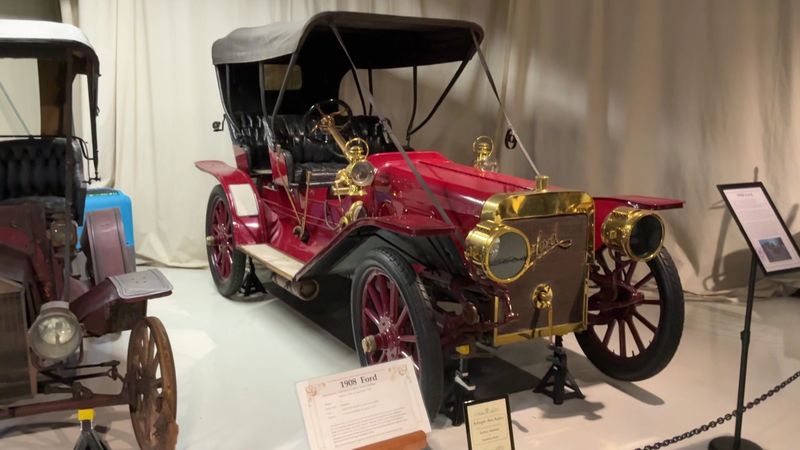
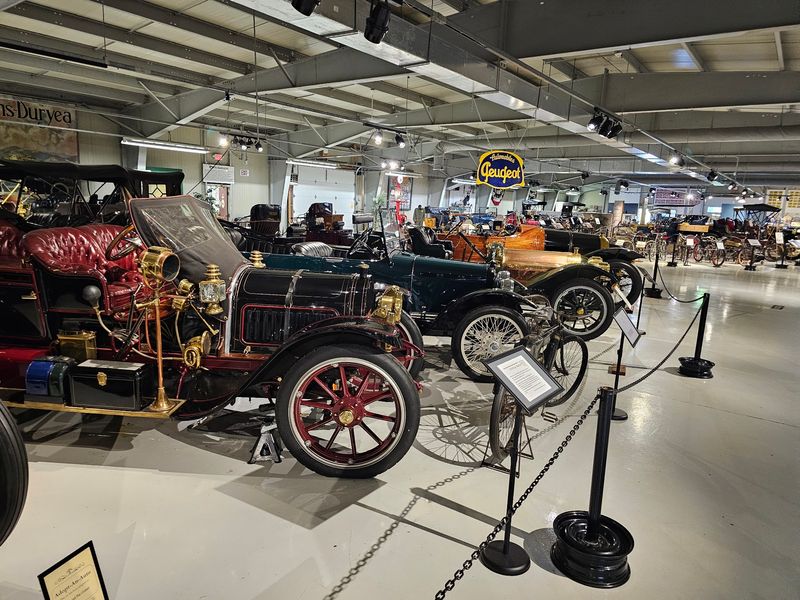
Polish your sunglasses, because things get shiny in here. The museum focuses on the Brass Era, generally dating from about 1895 to the mid-1910s, when cars often featured gleaming brass lamps, horns, and other fittings.
Back then, there were no giant factories pumping out identical cars every minute. Many automobiles were built in small shops, and each company tried its own wild ideas.
Some had steering tillers instead of wheels. Others had seats perched so high that drivers looked like they were sitting on a throne.
The collection includes more than 60 vehicles, along with early motorcycles that look like bicycles with big ambitions. The displays range from a replica of the groundbreaking 1886 Benz Patent-Motorwagen to vehicles dating into the late 1920s, showing how quickly automobiles changed.
A fun way to explore is to pick a detail and follow it through the building. Try comparing headlights, tires, or steering setups from car to car.
You will quickly see how fast inventors learned and improved.
By the end, you might be able to guess a car’s age just by looking at its brass. Consider it a brand new superpower, and a pretty bright one at that.
Meet The Grandparent Of Every Car
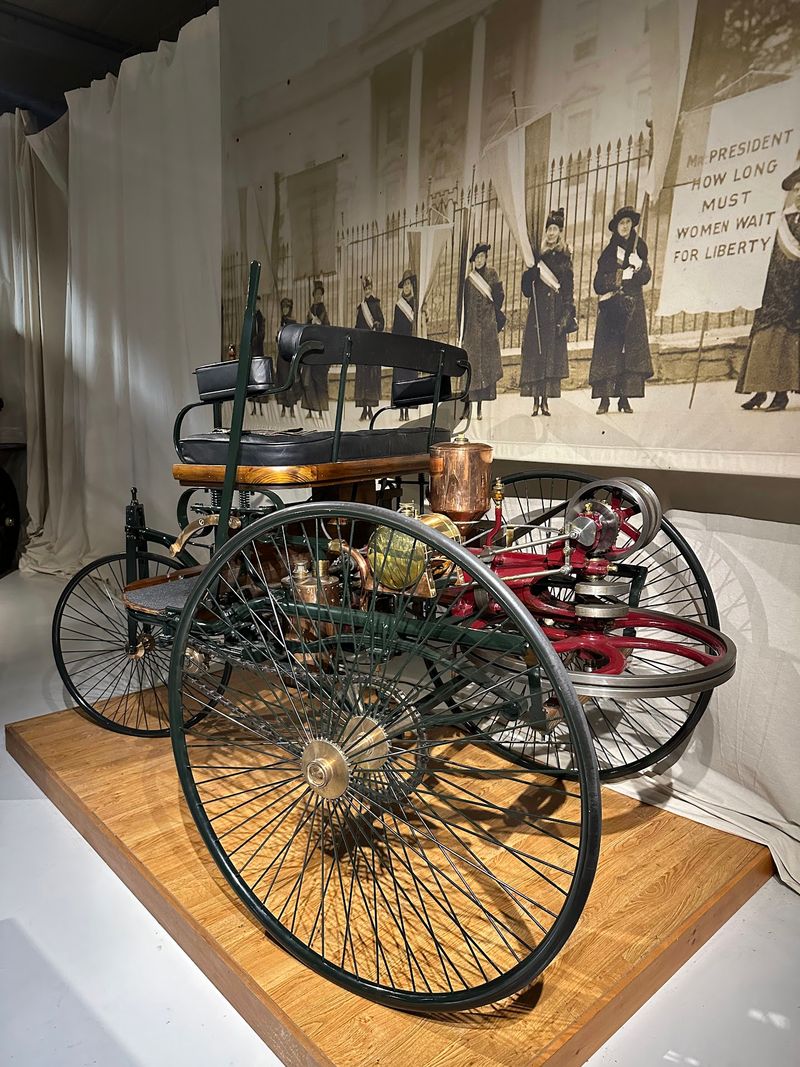
Long before minivans and pickup trucks, there was a funny little three-wheeled machine that changed the world. The 1886 Benz is widely considered one of the very first true motor vehicles, and the museum displays a version of it for visitors to admire.
At first glance, it looks more like a fancy tricycle than a car. It has thin spoked wheels, a small open seat, and an engine tucked in the back.
There is no roof, no windshield, and definitely no cup holder.
Still, this tiny vehicle started a chain reaction. Every car you have ever ridden in can trace its family line back to inventions like this one.
Standing next to it feels a bit like meeting the great-great-grandparent of your family car.
Here is a fun challenge for kids and adults. Look closely and try to list everything modern cars have that this one is missing.
Then think about which features you would miss the most on a long road trip.
Spend a few minutes here before moving on. Starting your visit with the oldest machine helps the rest of the collection make more sense, since you can see just how far engineers traveled in only a few decades.
Steam, Electricity, And Gasoline Battle It Out
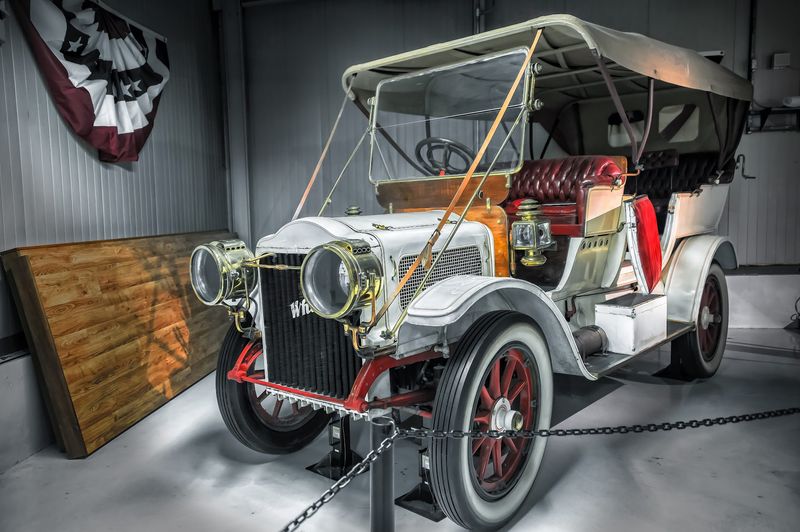
Here is a surprise that stumps plenty of visitors. Gasoline was not always the winner.
In the early 1900s, steam engines, electric motors, and gas engines all competed to become the main way cars would move.
The museum tells this story in a lively way. One standout is a 1914 Stanley steam-powered Mountain Wagon, a large passenger vehicle of the type once used around hotels and train stations.
Even better, it still runs, which means it is not just a pretty face.
Electric cars also show up in this tale, and many guests are amazed to learn how early they appeared. Back then, electric cars were quiet and clean, which made them popular in cities.
They simply could not travel very far before needing a charge.
As you walk around, think about which power source you would have picked in 1905. Steam was strong but slow to start.
Electric was smooth but limited. Gasoline was noisy and smelly but could go farther.
Learning about this race makes today’s talk about electric vehicles feel strangely familiar. History, it turns out, sometimes takes a long road trip and circles back to where it started.
Gadgets And Fashions That Rode Along
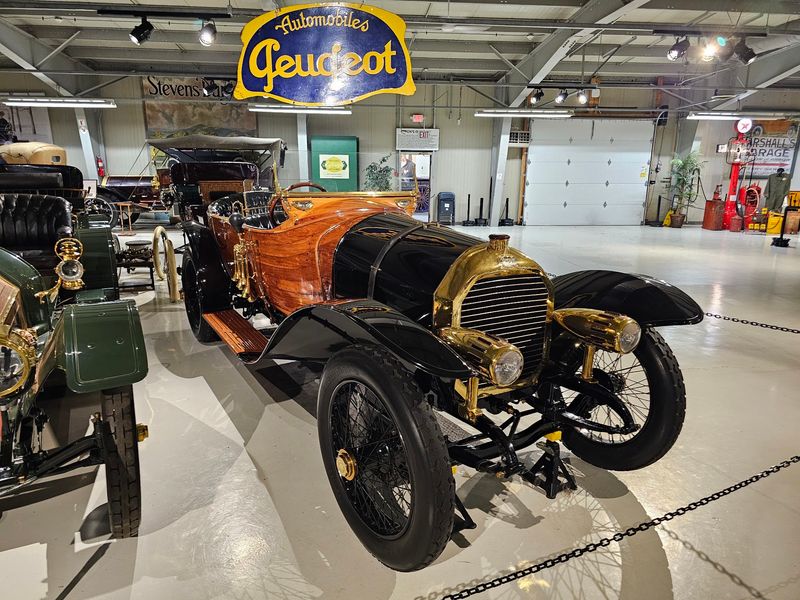
Cars are the stars, but the supporting cast deserves a round of applause too. Throughout the museum, you will find period clothing, accessories, and everyday objects displayed right beside the vehicles they matched.
Early drivers needed special gear because roads were dusty, bumpy, and often muddy. Long coats called dusters protected nice clothes, while goggles kept dirt out of travelers’ eyes.
You may also spot elegant dresses, hats, and picnic baskets that hint at what a Sunday drive looked like over a hundred years ago.
One of the coolest gadgets is the Jones Live Map. Long before phones could talk you through every turn, this device used a car’s odometer to show directions on a spinning paper disc.
It was basically the great-grandparent of GPS, minus the robot voice.
Kids will also enjoy spotting antique toys and pedal cars mixed into the displays. They show that children have always wanted wheels of their own.
Take your time reading the signs near these items. They add color and personality to each car, helping you imagine real people climbing aboard.
Suddenly, the vehicles feel less like museum pieces and more like members of someone’s family.
Stories That Changed The Way People Lived
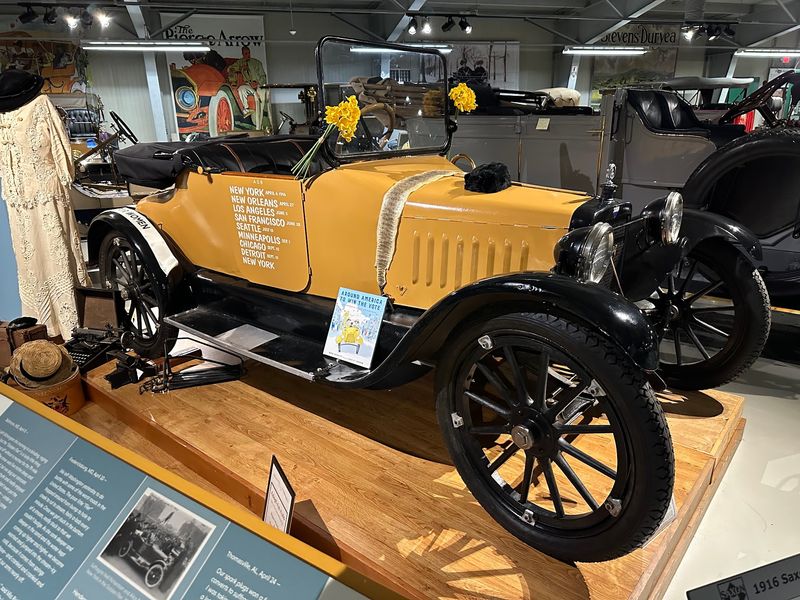
Picture life before cars, when a trip to the next town could take most of a day by horse. Early automobiles changed that, and the museum does a wonderful job showing how these machines reshaped everyday life.
The exhibits connect cars to bigger ideas like invention, art, design, and even women’s rights. Driving gave many women a new kind of independence, letting them travel, work, and take part in public life in fresh ways.
That story adds real meaning to the shiny paint and polished brass.
The placards beside each vehicle are packed with useful details, yet they stay short enough to read without feeling like homework. You will learn who built each car, what made it special, and how it fit into its time.
Visitors also discover surprising local connections, such as how many early machines were built in places like Buffalo, New York. Small facts like that make history feel closer and more personal.
A smart tip is to pick three cars and read every word about them. Going deep on a few, instead of skimming them all, makes the stories stick.
You might leave with a brand new favorite topic for dinner conversation.
Smart Tips For A Wheel-y Good Visit
Good news for planners: visiting is refreshingly simple. The museum is generally open from May through October, from 10 AM to 5 PM, with off-season visits available by appointment.
Families will appreciate that kids get in free, and a scavenger hunt keeps young explorers busy hunting for details among the cars. Friendly staff and volunteers often wander the floor, ready to share fun facts and answer questions.
Some team members work on restorations, so ask about the hidden features on certain vehicles.
Need a break? Period benches and seating are placed around the building, which helps anyone who cannot stand for long.
The museum also makes an excellent rainy day plan when hiking trails turn soggy.
Keep an eye on the events calendar too. Cars and Coffee gatherings, demonstration days, kids’ activities, and student programs bring the collection to life.
Students sometimes get to watch a 1908 REO in action or sit inside a 1916 Saxon.
Give yourself at least two hours. Trust us, the clock moves faster in here than any Brass Era car ever did.