
A Mini Grand Canyon Has Been Quietly Hiding In Washington This Whole Time And Almost Nobody Talks About It
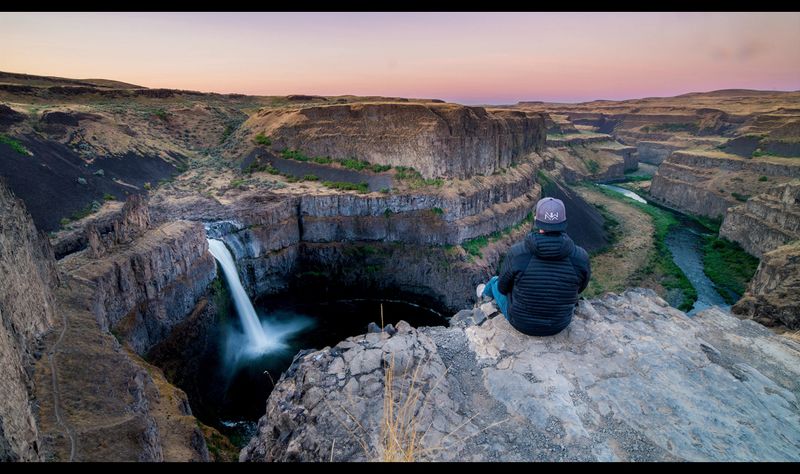
Picture driving through miles of flat, dry farmland in Washington, thinking there’s nothing much to see, and then the ground suddenly splits wide open. Down below roars a giant waterfall crashing into a canyon that looks like it belongs in the desert Southwest.
Almost nobody outside the area talks about it, yet it might be one of the most jaw-dropping spots in the entire state. If you love finding places that feel like a secret, this one is worth every mile of the drive.
Where Flat Farmland Suddenly Drops Away
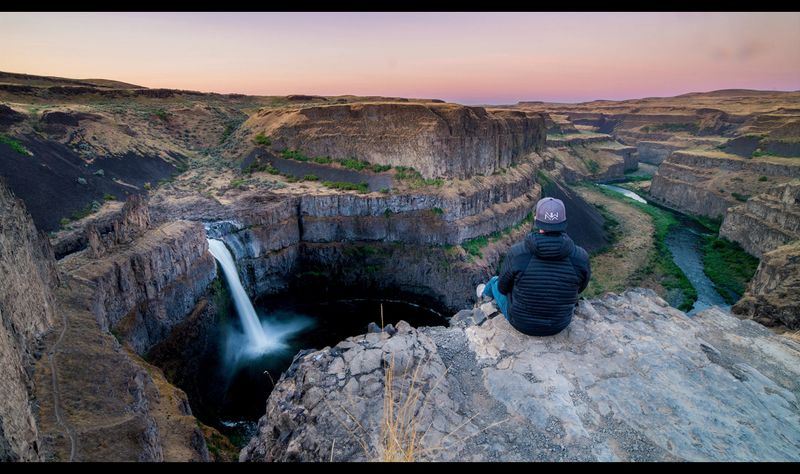
Tucked off Palouse Falls Road near LaCrosse in southeastern Washington, this state park hides in a corner of the state most travelers zip right past. You roll across open, treeless plains, and there’s almost no hint of what waits ahead.
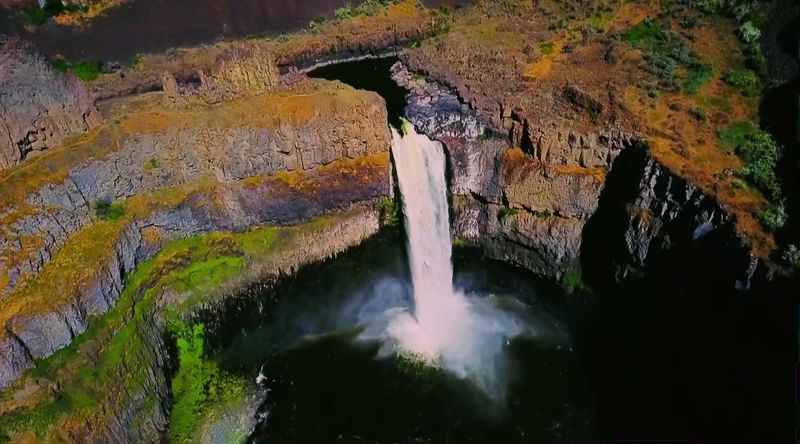
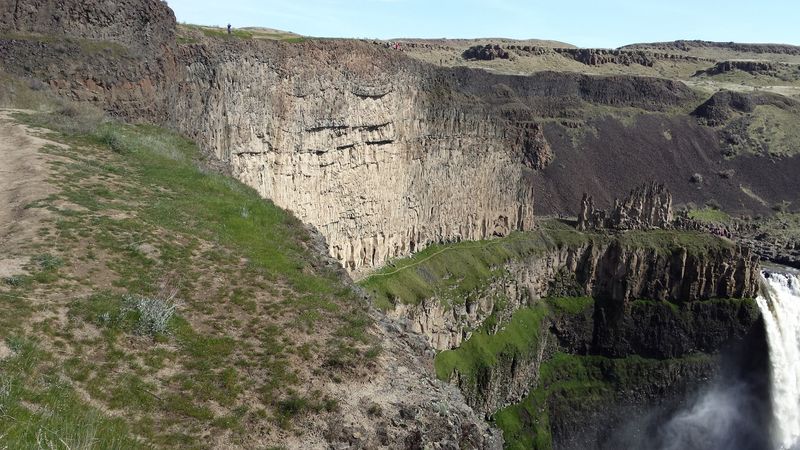
Then the land cracks open. A 198-foot waterfall thunders down into a stony basalt canyon, and visitors often say photos simply cannot capture how surreal it feels to stand there.
One longtime resident admitted living in Washington for fifty years before finally making the trip, and instantly wished they’d come sooner.
Officially, it’s the state waterfall of Washington, which is a fitting title in a state said to have around 3,000 of them. The nickname “mini Grand Canyon” fits because those jagged cliffs and the deep carved bowl really do echo the desert Southwest.
It sits far enough off the beaten path that crowds stay light, and that quiet only adds to the sense that you’ve stumbled onto something special almost nobody knows about.
A Canyon Carved By Ancient Ice Age Floods
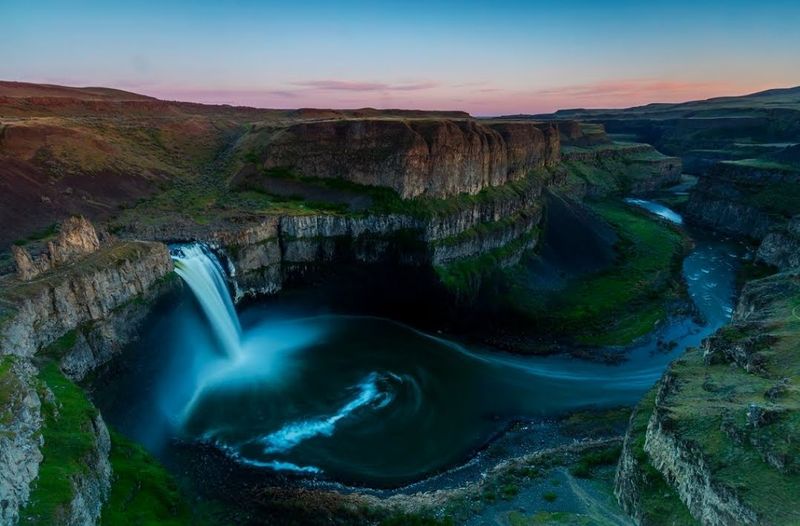
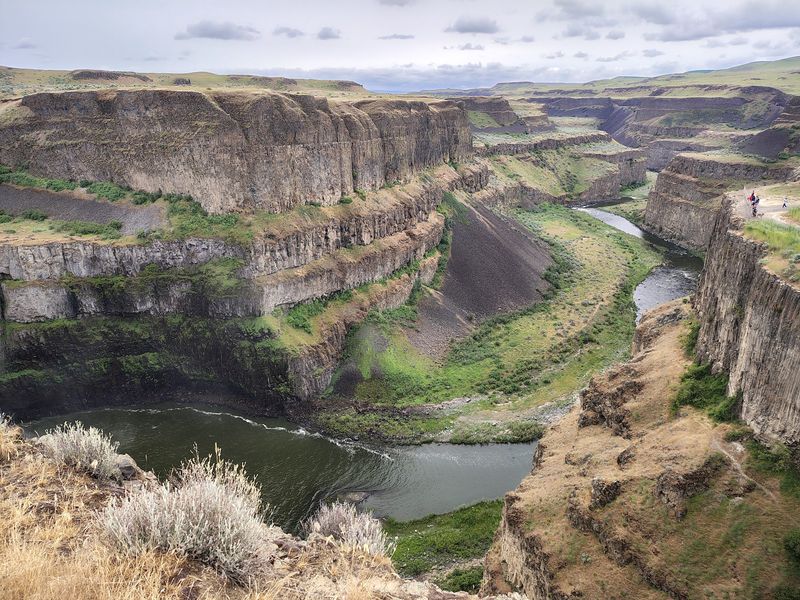
Long before anyone hung a “state park” sign here, unimaginable walls of water shaped this whole landscape. The famous Missoula Floods, unleashed near the end of the Ice Age, tore across eastern Washington and gouged out the canyon you see today.
Visitors say reading the plaques about that story adds a whole extra layer to the visit. The place isn’t just pretty, it’s powerful, carved by forces almost too big to picture standing at the overlook.
One guest described walking up to the edge and feeling like they were staring into an ancient scar in the earth, with jagged basalt cliffs splitting the sky. That geology is why the region is called the “scablands,” a mostly barren stretch that suddenly gives way to this cavernous gorge.
Fun bit of history: the science behind these floods was once so wild that experts struggled to believe it. Now the story is celebrated on signs throughout the park, turning a quick photo stop into a genuine lesson about how dramatically nature can rewrite the land.
The 198-Foot Waterfall That Steals The Show
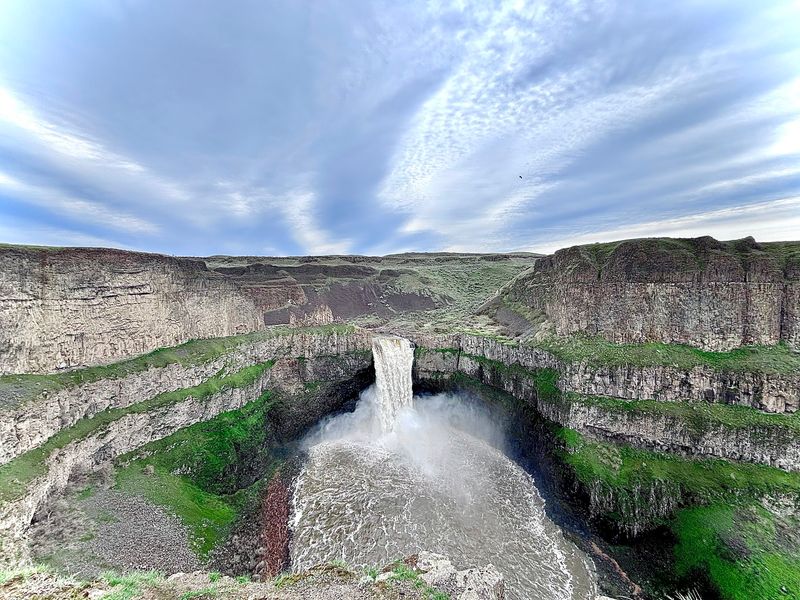
Nothing quite prepares you for the moment the falls come into view. From the parking area you take just a short walk, and there it is: water flung nearly 200 feet down into a churning bowl at the bottom of the canyon.
Regulars mention the sound first. The thunderous roar reaches you before you even peek over the edge, and it fills the whole gorge with a low, steady rumble that makes the drop feel alive.
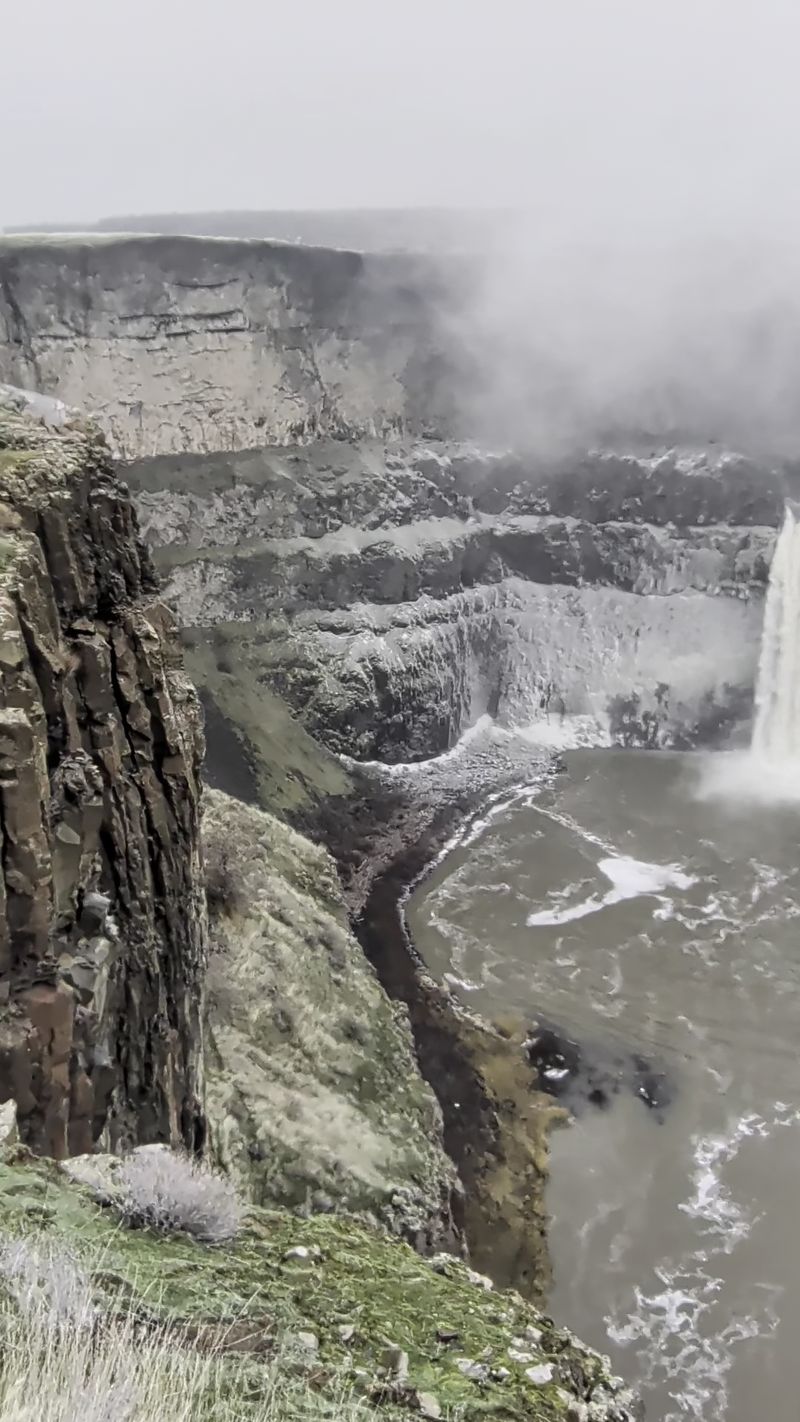
Spring is the showstopper season, when heavy rain and snowmelt swell the flow into a roaring curtain. One visitor arrived at the end of February right after a storm and found an incredible amount of water pouring over the lip.
Golden hour turns the surrounding cliffs to fire, which is why photographers love lingering here as the light shifts. Even folks who came expecting a quick peek often stay over an hour, mesmerized.
Swimming isn’t allowed and you can only view from up top, but honestly, the view alone earns the whole trip.
Short Trails With Big Payoffs
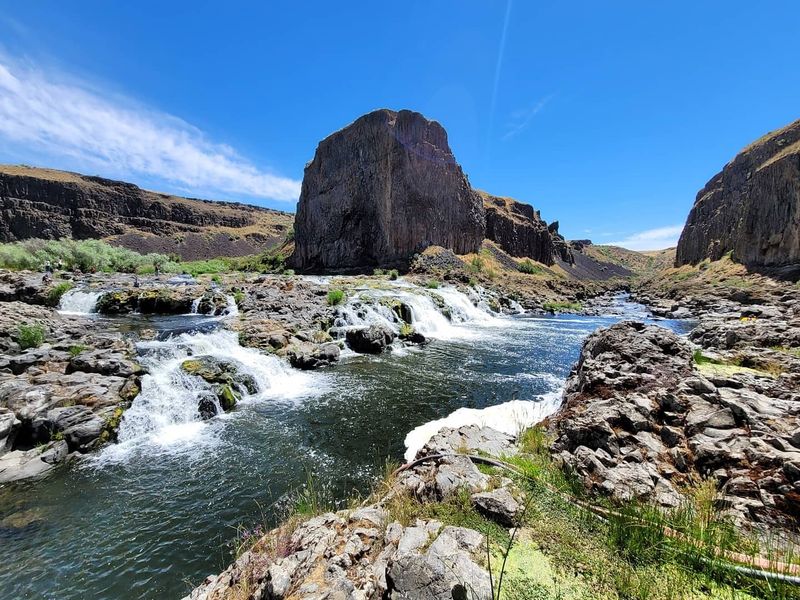
Don’t come expecting a long, sweaty hike, because that isn’t the deal here. The main loop runs roughly a mile round trip, and much of it is an easy paved path leading straight to a great view.
Guests appreciate that you get so much reward for so little effort. Less than a hundred feet from the parking lot, you’re already looking at one of the most stunning scenes in the state.
For those craving a bit more, side trails branch off to different angles, letting you peer at the falls and the water below from fresh vantage points. A few stretches get steep and rocky, so several visitors suggest bringing walking sticks and watching your footing near the exposed edges.
One helpful tip that comes up often: walk to the right of the restrooms for extra spectacular views many people miss. Because the trails are short, this makes a wonderful outing for families with kids, older visitors, or anyone who wants scenery without a strenuous trek across the canyon rim.
Marmots, Birds, And Little Wildlife Surprises
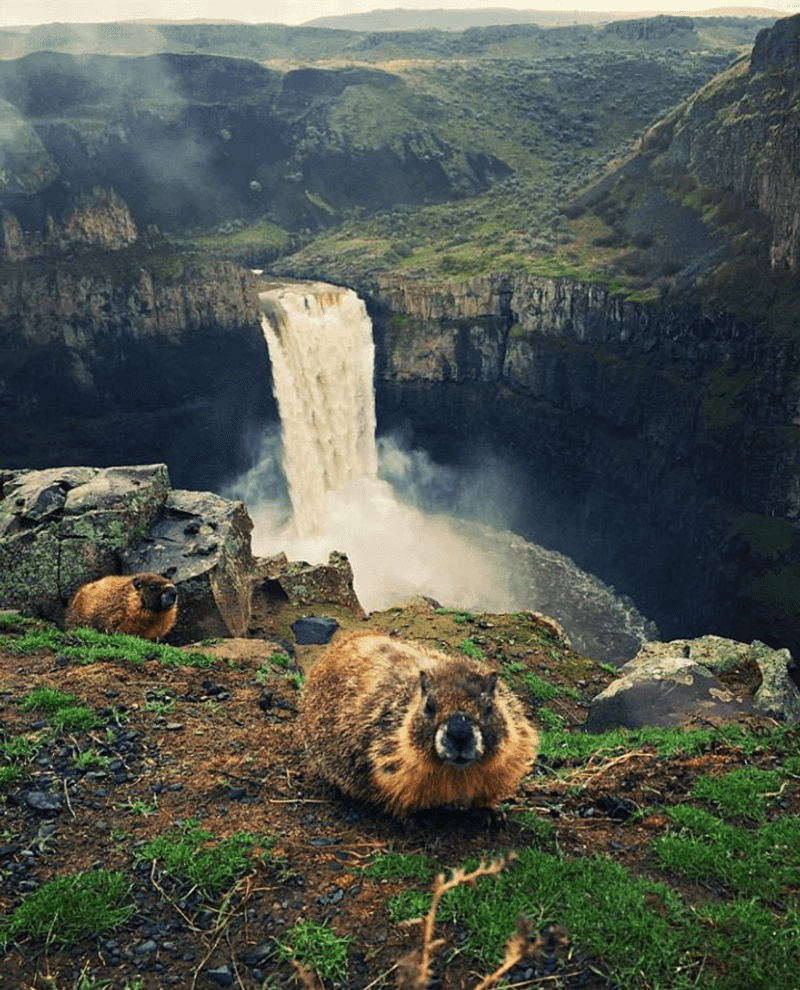
Keep your eyes open, because the falls aren’t the only stars of the show. Chubby marmots scurry across the rocks and hillsides, and springtime brings baby marmots that visitors describe as almost impossibly cute.
Overhead, the sky puts on its own performance. Guests love watching birds ride the thermals, soaring in wide circles as they catch the warm air rising off the canyon walls.
One family spotted a woodchuck ambling along the crest of a hill, an unexpected little bonus that turned a simple viewpoint stop into a fun wildlife moment. Between the marmots playing, the birds gliding, and the rainbows the falls sometimes throw into the mist, spring visits feel especially lively.
A quick word of caution that comes up in visitor notes: rattlesnakes live in this area too, so stay on the paths and watch where you step, particularly in warmer months. Treating the wildlife with respect keeps everyone safe.
Still, for kids and grown-ups alike, spotting a marmot poking its head out of the rocks is a genuine highlight.
A Picnic Spot With A View You Won’t Forget
Pack a lunch, seriously. One of the smartest moves at this park is bringing food, because once you’ve soaked in the falls there isn’t much else to do, and a picnic stretches the visit into something leisurely.
The good news is the setup makes it easy. There are plenty of picnic tables, mostly shaded, plus at least one covered table and BBQ grates for anyone who wants to cook up a simple meal on-site.
Visitors describe kicking back with a snack while a warm breeze rolls through the canyon, benches and shade keeping things comfortable even on busier days. A Memorial weekend guest found it busy but not crowded, with plenty of room to sit and relax.
Bugs occasionally show up, and one couple from the west side ended up eating in the car when the insects got a little pesky, so keep that in mind. Still, on a calm day, spreading out a blanket with that thundering waterfall in view makes for a picnic that’s hard to top anywhere in Washington.
The Gravel Road Adventure To Get There
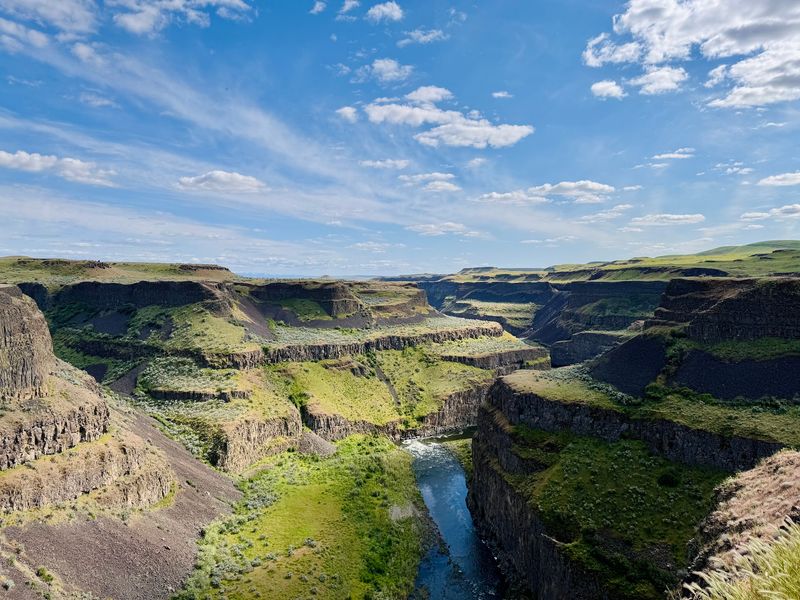
Getting here is part of the story, and it starts with a little gravel. The last couple of miles run along a groomed gravel road, which sounds intimidating but visitors consistently call it totally manageable and well worth it.
Plan your route carefully, though. Several guests warn that you should specifically ask your GPS for Palouse Falls STATE Park, because searching just “Palouse Falls” can send you down a dirt farm track to nowhere.
There’s also an older access point that has become private property and is now closed to the public, so the state park entrance is the only way in. Following the signs and driving slowly makes all the difference.
Coming off Highway 26, folks say the detour is absolutely worth it, describing the trip as a drive into the middle of nowhere that suddenly delivers something unforgettable. The flat, wide-open approach only makes the reveal more dramatic.
Just take your time on that final gravel stretch, pay attention, and you’ll roll into the lot ready to be amazed.
Parking, Restrooms, And Simple Comforts
For a spot this remote, the basics are handled better than you’d expect. Visitors repeatedly mention plenty of parking, with two lots that accommodate the crowds and then some, so arriving is refreshingly stress-free.
Restrooms are available too, described as a mix of fixed concrete buildings and porta potties. Even better, guests note they’re kept clean, with park attendants often walking around making sure the whole place stays tidy.
One visitor pointed out the parking near the falls can be a little more limited, around twenty spaces closest to the action, but the extra lot picks up the slack. A paved walking path connects the parking to the picnic area and overlooks, keeping the first stretch easy for nearly everyone.
The park attendants earn warm praise for being helpful and friendly, which adds to the welcoming feel. These aren’t fancy resort amenities, and the setting stays refreshingly natural, but having clean restrooms, solid parking, and staff who genuinely care makes the whole experience smoother.
For a place out in the middle of nowhere, it’s remarkably comfortable.
The Discover Pass And Wallet-Friendly Pricing
Good news for budget-minded day-trippers: getting in won’t break the bank. The park requires a Washington Discover Pass, or you can simply pay a $10 fee at the kiosk when you arrive.
If you don’t already have a pass, you can buy one right there on-site. A few visitors mention the machine accepts credit card payments only, so leave the loose change at home and bring a card just in case.
For families or retirees watching every dollar, that modest cost stretches a long way. Ten dollars covers your carload for a spot many people compare to natural wonders far more famous and far more expensive to visit.
When you weigh the roaring waterfall, the picnic tables, the wildlife, and the short scenic trails against that price, it’s easy to see why guests call it worth the drive. There are no pricey add-ons, no gift-shop pressure, just a straightforward pass and a whole afternoon of scenery.
In a state full of costly outings, this one lands squarely in the affordable, memory-rich category.
Hours And The Best Times To Visit
Timing your trip well can turn a great visit into an unforgettable one. The park welcomes visitors every day, opening at 6:30 AM and staying open until 8 PM, which gives you a wide window to plan around.
Spring is the crown jewel. That’s when the falls roar at full strength from rain and snowmelt, baby marmots dash across the rocks, and the mist sometimes paints rainbows across the canyon.
For photographers, golden hour is the magic slot, when late light sets the basalt cliffs glowing warm and cinematic. Arriving early or lingering near sunset rewards you with the softest, most dramatic scenery.
Weekdays tend to be blissfully quiet, with one Friday visitor finding only four cars in the lot and practically having the place to themselves. Even busy holiday weekends stayed manageable for others.
The wide-open canyon can get windy, so bring a jacket and hold onto your hat. Whether you swing by at dawn or catch the evening glow, planning around spring flows and off-peak days makes this hidden gem shine brightest.
Camping Under Wide Eastern Washington Skies
Want to stretch a day trip into an overnight escape? The park includes a campground, giving adventurous travelers the chance to wake up right beside one of Washington’s most striking natural landmarks.
Staying the night has real perks. You can catch the falls in that quiet early-morning light before the day-trippers arrive, then linger through golden hour without any rush to drive home across those long, dark plains.
Because the area is so wide open and far from big-city glow, the skies out here in eastern Washington feel enormous. Visitors often marvel at how remote and peaceful the whole setting is, describing it as gloriously out in the middle of nowhere.
Keep in mind the amenities stay basic, matching the rugged, natural spirit of the place, so pack like you’re heading into a genuine outdoor getaway. Bring water, snacks, and layers for the wind.
For families building a nostalgic memory or retirees craving a simple, affordable adventure, an overnight here delivers the kind of quiet, star-filled experience that’s getting harder and harder to find.
Why This Hidden Wonder Deserves Your Weekend
So is the long haul across the scablands really worth it? For nearly everyone who makes the trip, the answer is a resounding yes, with many calling it a hidden prize that feels almost too grand to be real.
What surprises folks most is how a spot they expected to be a quick photo stop becomes over an hour of wandering, reading plaques, and soaking in views that genuinely rival far more famous places. One visitor even felt it deserved to be counted among the wonders of the world.
It suits just about anyone: families with kids who love easy trails and marmot sightings, retirees seeking an affordable outing, and photographers chasing that fiery golden-hour light. The short walks and modest fee keep it accessible for all.
Come prepared with a picnic, water, sturdy shoes, and respect for the exposed edges, and you’ll leave feeling a little more awake than when you arrived. Washington has kept this mini Grand Canyon quiet for far too long.
Point the car east, take on that gravel road, and go see it for yourself.