
A Mysterious Trail At This Florida State Park Leads To The Haunting Ruins Of An Abandoned Sugar Mill
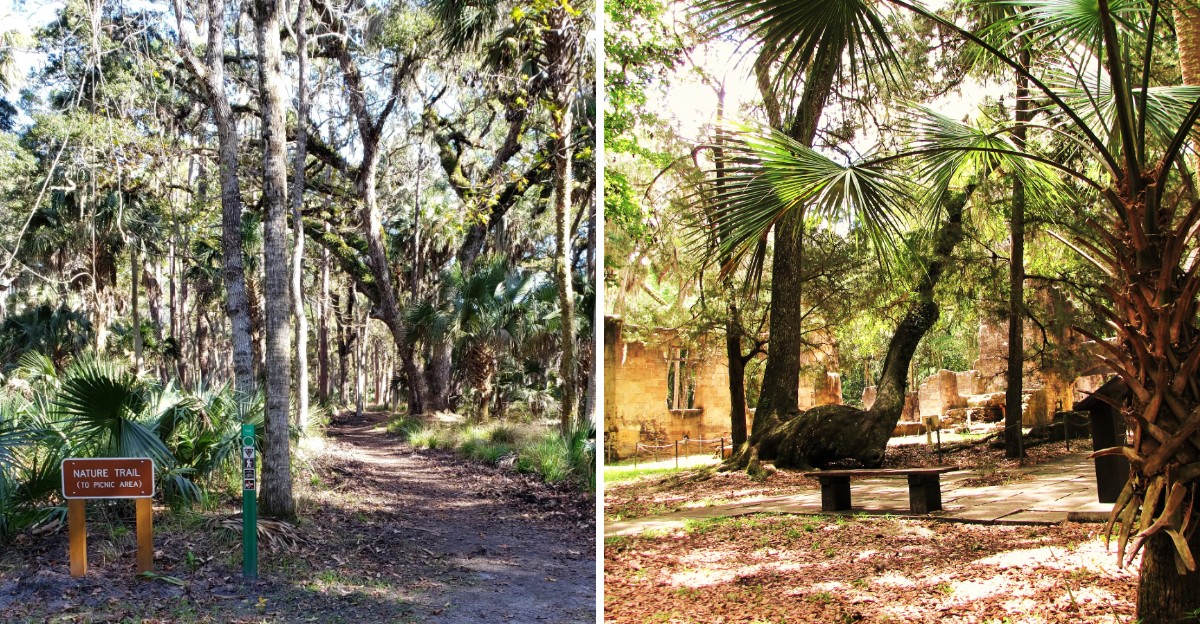
The towering coquina walls of an 1830s sugar mill still stand in a Florida forest. Nobody ever rebuilt them after the entire plantation burned in January 1836.
Getting there feels like part of the story. You follow a long, narrow dirt road shaded by old trees, and the modern world fades fast.
Then a short trail through the woods opens onto crumbling stone arches and wells.
I like how quiet this place feels. It once held the largest plantation in East Florida, and even John James Audubon stopped by.
Now ferns and oaks have taken over, and the ruins seem to hold their breath.
I believe some places teach history better than any textbook. You can touch the past here, paddle a calm creek, and spot bald eagles overhead.
So what really happened in these woods?
The Ruins Look Like Something From A Lost Kingdom
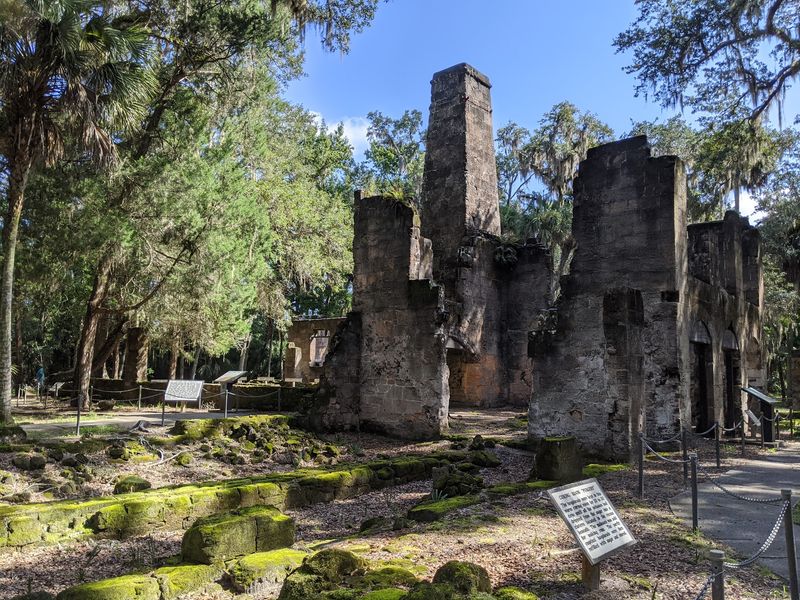
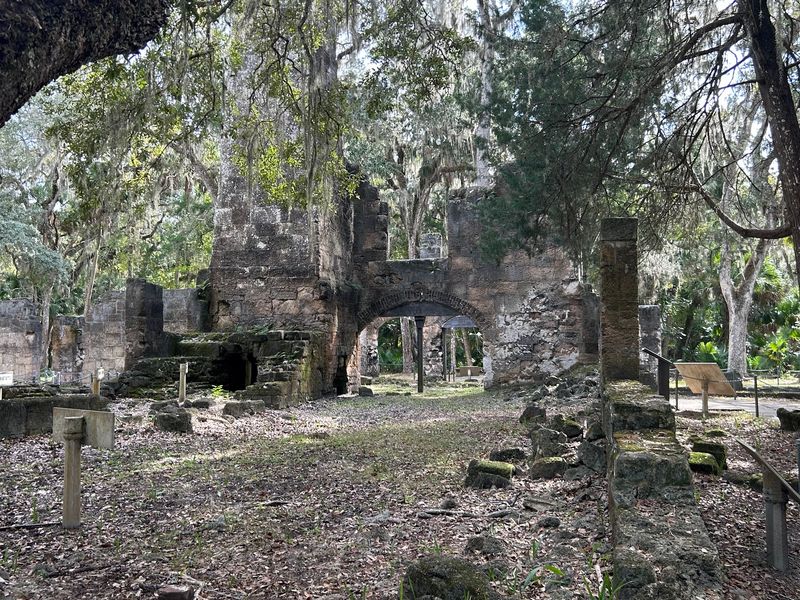
Coquina is a rock made of tiny crushed shells, and it built one of the most striking ruins in the South. At Bulow Plantation Ruins Historic State Park, the old sugar mill walls rise from the forest floor like an ancient castle.
Builders put the mill together around 1831 and 1832. Just a few years later, it was gone, burned during the Second Seminole War in 1836.
What remains today is honestly breathtaking. You can see rugged walls, arched openings, and the outlines of rooms where workers once boiled cane juice into sugar.
The site is listed on the National Register of Historic Places. It earned that spot on September 29, 1970, so these stones carry official bragging rights.
Bring your camera, but slow down too. Shadows shift across the coquina throughout the day, and every angle shows a different texture.
Signs around the ruins explain how sugar was made here. The process sounds exhausting, especially in steamy Florida heat.
Standing beside these walls puts a lot into perspective. It’s a powerful reminder of who did the hard work and what it cost them.
That Shady Dirt Road Is Half The Adventure
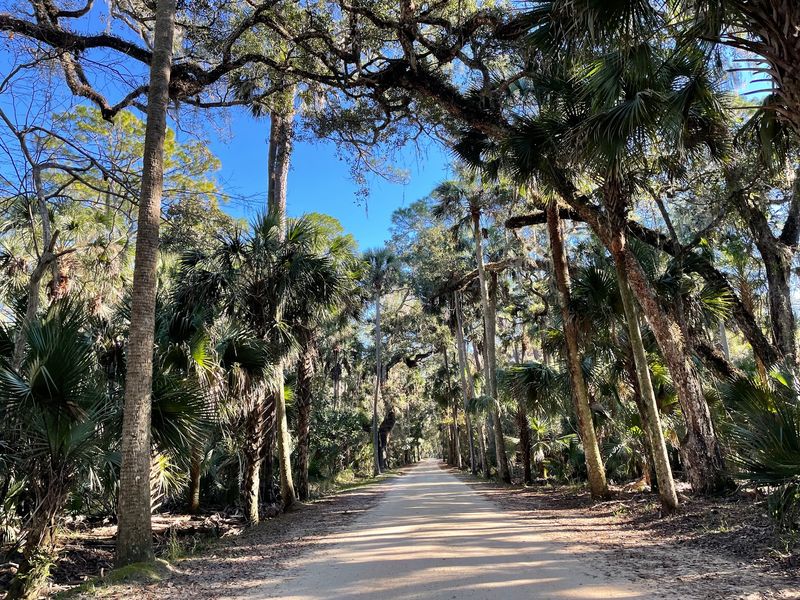
Some parks greet you with big signs and paved lots. This one makes you earn it with a long, narrow dirt road that feels straight out of old Florida.
That road follows the original laneway into the property. Trees crowd in close on both sides, and the canopy blocks much of the sky.
Drive slowly and enjoy it. The narrow lane isn’t a speedway, and rushing would spoil the whole mood anyway.
The park sits at 3501 Old Kings Rd, Flagler Beach, FL 32136. It feels remote, yet Flagler Beach and Ormond Beach are both close by.
Timing matters here. Gates open from 9 a.m. to 5 p.m., Thursday through Monday, and the park closes on Tuesdays and Wednesdays.
Admission works on the honor system with a small fee per vehicle. Pedestrians and cyclists pay even less, and a QR code option exists for card payments.
Tossing a little cash in your pocket is still smart. It saves a headache if your phone signal acts up out in the woods.
Once you reach the end, you’ll understand why the trip in feels so special. The road sets the stage perfectly.
Follow The Interpretive Trail And Uncover Every Clue
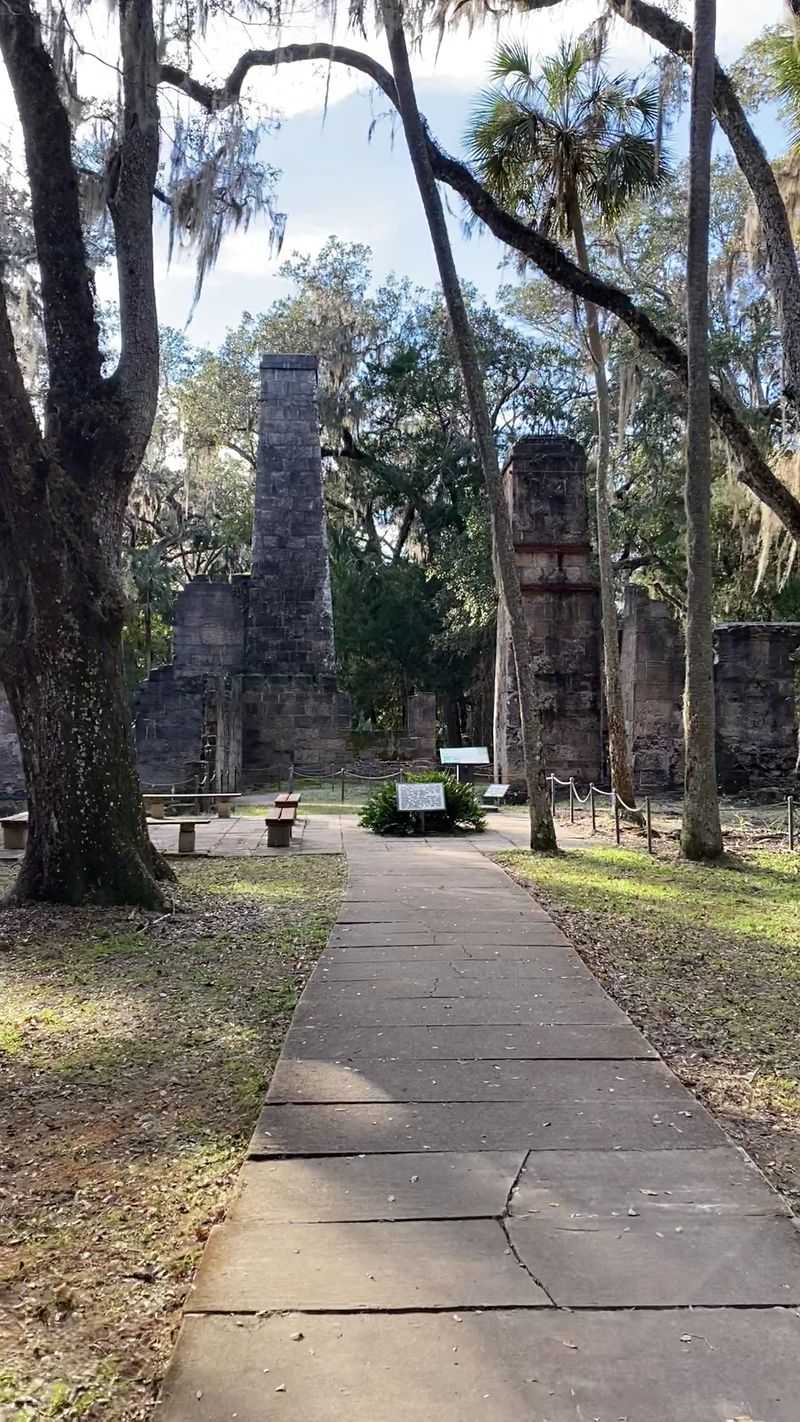
Mystery lovers, here’s your trail. A short path winds through the woods and connects the ruins with surprising stories along the way.
From the parking area, it’s roughly a 0.3-mile walk to the sugar mill. The trail is shaded, peaceful, and easy for most visitors.
Along the route, you’ll pass several wells and a spring house. Each stop adds another piece to the plantation puzzle.
The foundation of the main plantation house survives as an outline. It takes some imagination to picture the full building standing here.
Don’t skip the smaller path leading to the remains of the slave cabins. It’s easy to miss, but it tells an essential part of the story.
Archaeological research indicates that these cabins were wooden-frame structures with wooden floors and shingle roofs. Their remains offer important clues about the living conditions of enslaved people on the plantation.
Plaques explain what happened at each spot in clear language. Kids can follow along, and adults will likely learn plenty too.
Short on time or energy? You can also drive closer to the ruins and explore from there.
Meet The Teenager Who Ran Florida’s Biggest Plantation
John Joachim Bulow was only 17 when he took charge of a massive estate. That’s younger than most people are when they get their first car.
His father, Major Charles Wilhelm Bulow, bought about 4,675 acres in 1821. Enslaved workers cleared 2,200 acres to grow indigo, cotton, rice, and sugarcane.
The Major passed in 1823, and his son inherited everything. Under John’s management, the place grew into the largest plantation in East Florida.
People back then called the settlement Bulowville. It was a busy operation with fields, buildings, and the mill at its center.
Then came a famous guest. Naturalist and artist John James Audubon visited in late 1831 and early 1832.
Picture a celebrity bird painter wandering these same woods. Pretty wild, right?
The good times didn’t last. In January 1836, Seminole people resisting forced removal burned the plantation during the Second Seminole War.
Nobody rebuilt it. The forest slowly reclaimed the land, leaving behind the haunting walls you can visit today.
An Outdoor Museum Fills In The Missing Pieces
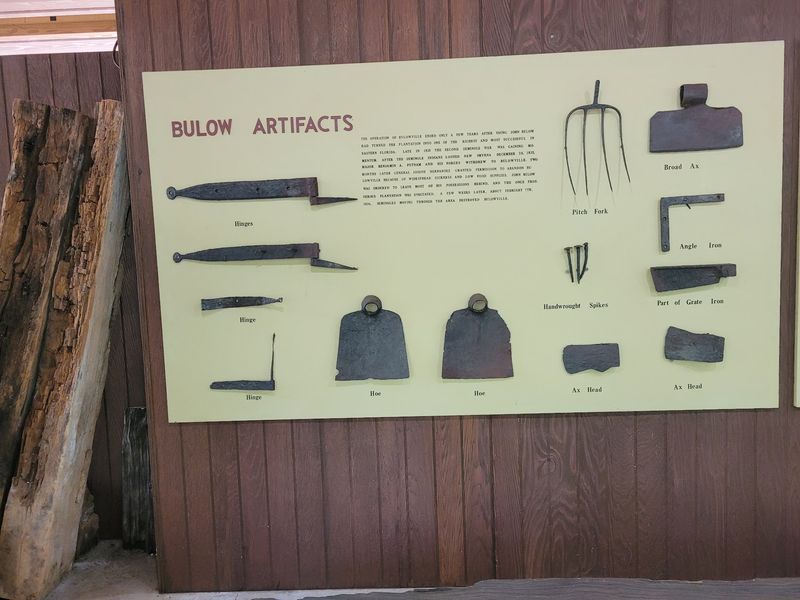
Ruins can only say so much on their own. That’s where the park’s interpretive center and outdoor museum step in.
Artifacts sit behind glass, including old tools and household items. They help you picture daily life during the Bulowville years.
Written accounts explain how the plantation operated. They also cover its sudden destruction and the conflict surrounding it.
I appreciate that the history here isn’t sugarcoated. The exhibits talk honestly about enslaved labor and the Seminole fight against removal.
That balance makes the visit more meaningful. You leave understanding the people involved, not just the buildings.
Ranger talks are sometimes offered too. A ranger can bring the stories to life in ways a sign simply can’t.
Families with curious kids should plan extra time here. Questions will come, and the displays provide great starting points for answers.
Restrooms are available nearby, which every parent will appreciate. A comfort break before the trail never hurts.
Think of this stop as the key to the mystery. Visit it first, then let the ruins tell the rest.
Lace Up For A 6.8-Mile Forest Trek
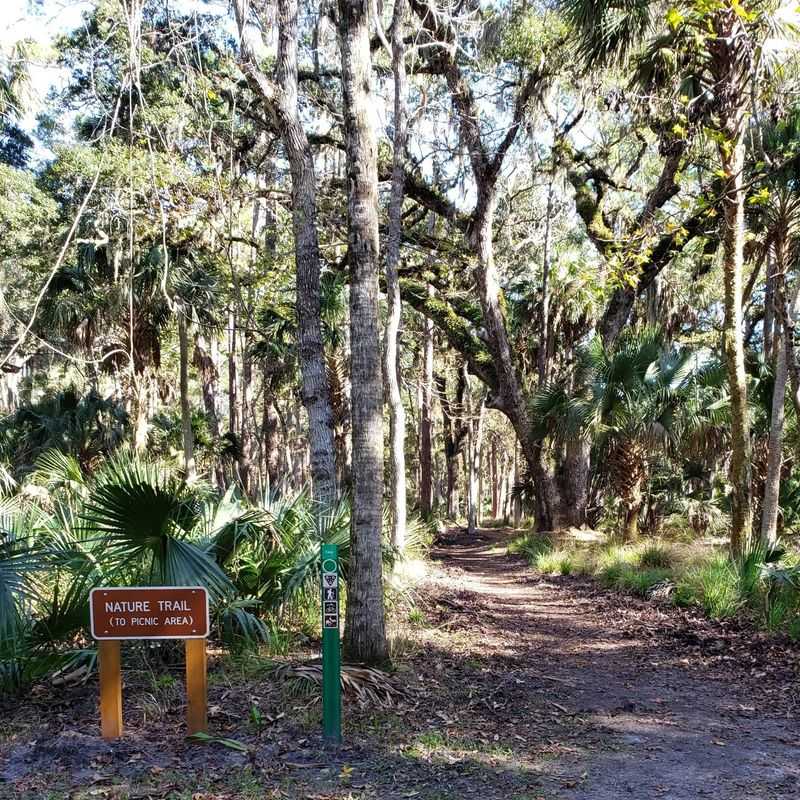
Ready for more than a stroll? The Bulow Woods Trail stretches 6.8 miles through some seriously lush Florida scenery.
Hikers and bikers both use it. The route passes oak hammocks, hardwood swamps, and salt marsh creeks.
At the far end, the trail connects to Bulow Creek State Park. That’s home to the Fairchild Oak, a huge and ancient live oak tree.
Hiking from the ruins to that old giant feels like a quest. Ruins on one end and a legendary tree on the other?
Not a bad deal.
Along the way, a footbridge crosses Cedar Creek. It’s a great spot to pause, sip water, and take in the view.
Florida humidity can sneak up fast, so prepare well. Bring plenty of water, bug spray, sunscreen, and sturdy shoes.
Portions of the Bulow Woods Trail are currently closed due to storm damage. Check the park’s official website for the latest closure updates before planning your hike.
Not up for the whole thing? Hike part of the way and turn back whenever your legs vote no.
Paddle A Calm Creek Where Manatees Might Say Hello
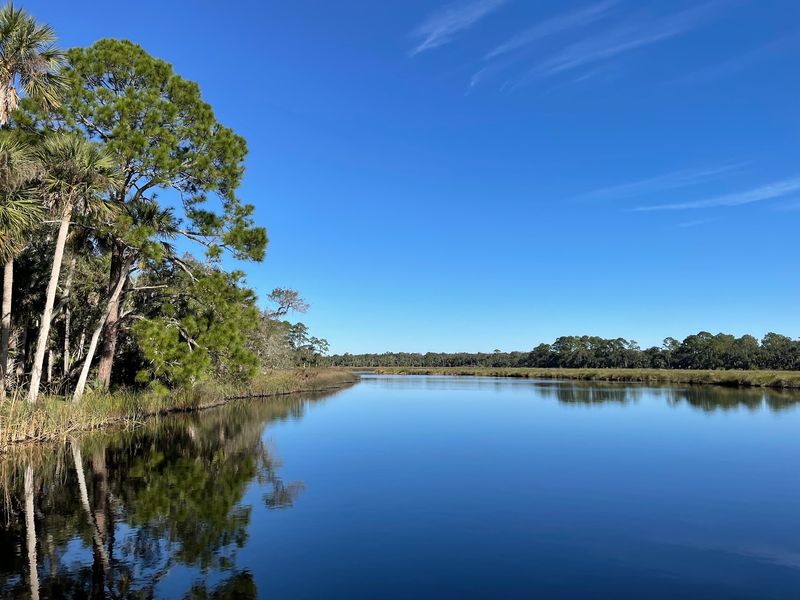
Bulow Creek isn’t just pretty. It’s an official State Canoe Trail, and its calm, tidal waters welcome beginners and pros alike.
No boat? No problem.
Canoes are available for rent at the park office.
Kayakers can use the roomy launch area. A boat ramp also gives easy access for trucks with trailers.
Out on the water, keep your eyes moving. Wading birds stalk the shallows, and manatees can often be spotted gliding past.
The tide affects how the creek behaves. Checking tide times before heading out makes for an easier paddle back.
Fishing fans have options too. Anglers cast from the dock or from boats, hoping for redfish, snook, and trout.
Remember your Florida fishing license if one is required. Rules matter, even in a peaceful spot like this.
Gliding quietly past marsh grass offers a whole new view of the park. History feels farther away out here, and nature takes center stage.
Morning paddles often bring cooler air. Either way, a hat and sunscreen belong in your boat.
Keep Your Binoculars Handy For Eagles And Bears
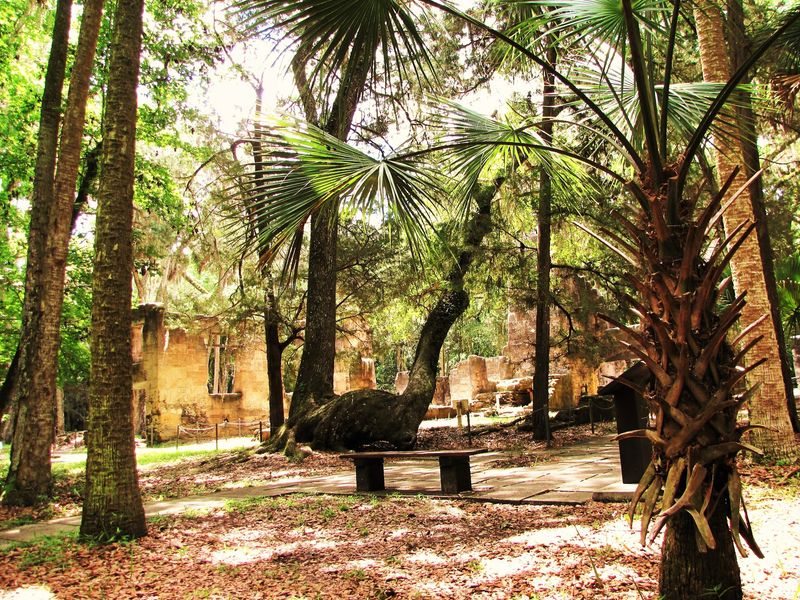
Bald eagles soar over these woods, and that alone makes binoculars worth packing. The wildlife list here is impressive.
Swallow-tailed kites, herons, and ospreys share the skies. Birders could spend hours just looking up.
On the ground, gopher tortoises dig their burrows. Deer roam the forest, and Florida black bears live in the area too.
Spotting a bear isn’t guaranteed, so don’t count on it. Still, knowing they’re around adds a little thrill to every rustle.
Give all animals plenty of space. Never feed wildlife, and store snacks securely during picnics.
Gopher tortoises are protected, so admire them from a distance. Their burrows also shelter many other creatures.
Dogs are welcome on a leash. Keeping them close protects both your pup and the local residents.
Quiet walkers usually see more. Talk softly, step lightly, and let the forest come to you.
Early and late in the day can be lively times for animals. Plan a visit around those hours if wildlife tops your list.
Save Time For A Creekside Picnic Before You Go
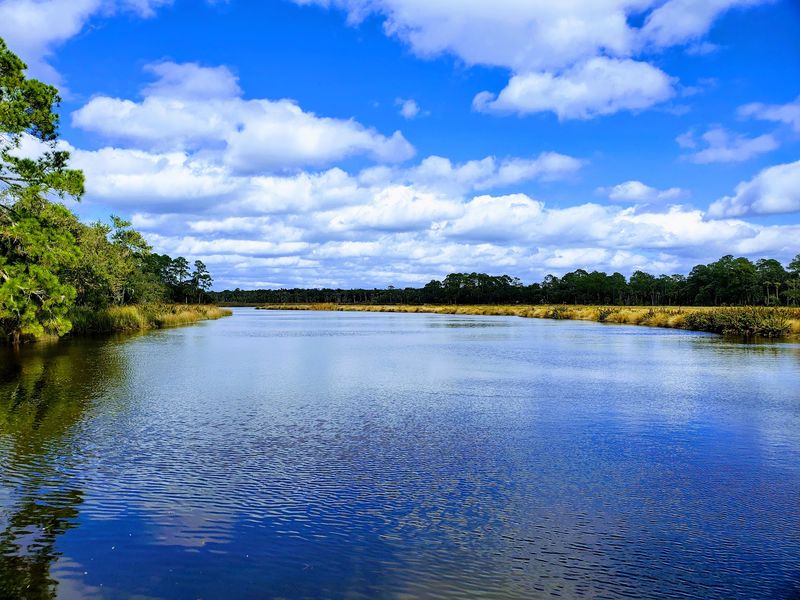
After hiking and exploring, a snack break sounds pretty perfect. The picnic area along Bulow Creek delivers a relaxing finish.
Tables sit in the shade beneath big trees. Grills are available, so you can cook up lunch beside the water.
Planning a group outing? A screened pavilion can be reserved for birthdays, reunions, or club gatherings.
Screens are a big win in Florida. Fewer bugs means more time enjoying your sandwiches.
Bulow Plantation Ruins Historic State Park doesn’t offer camping. Overnight visitors can look to nearby Tomoka State Park or Gamble Rogers Memorial State Recreation Area.
Both make handy bases for exploring this stretch of Florida. Beaches, trails, and scenic drives are all within easy reach.
Pack out your trash before leaving. Keeping the park clean helps protect wildlife and future visits.
The quiet creek makes it easy to linger. Watch the water, reflect on the ruins, and let the day wind down.
Once you’ve seen those coquina walls, they tend to stick with you. Honestly, that’s the best kind of souvenir.