
A Pennsylvania Bird Rescue Where Visitors Hand-Feed Colorful Parrots, Macaws, And Toucans
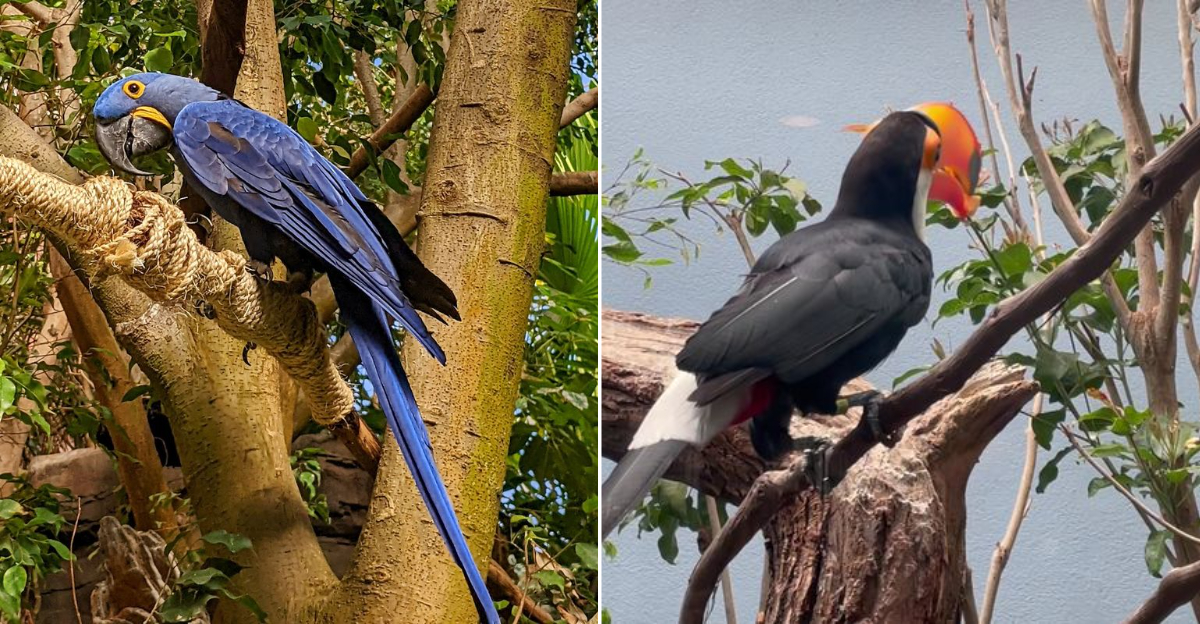
Colorful birds make even the most ordinary day feel brighter.
At a Pennsylvania bird rescue where visitors can hand-feed parrots, macaws, and toucans, the experience becomes more than just looking through glass.
It feels lively, personal, and wonderfully close to nature. The fun starts the moment a feathered visitor leans in, tilts its head, or gently takes food from your hand.
Bright wings, curious eyes, playful calls, and tropical colors turn the whole visit into something kids and adults can both remember. It is part animal encounter, part learning experience, and part pure delight.
I would probably start out trying to act calm, then completely lose my composure the second a parrot landed nearby or a toucan came close enough to make the moment feel unreal.
America’s Only National Aviary
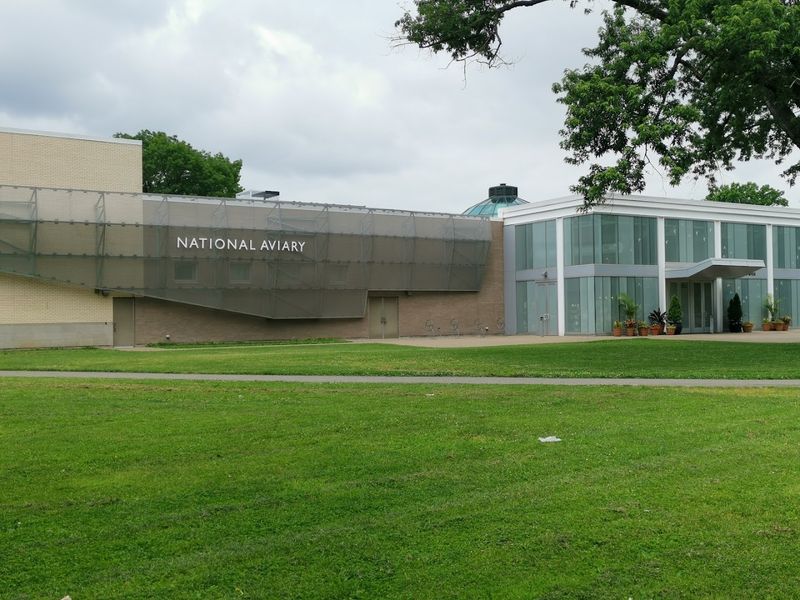
Most cities have a zoo, but Pittsburgh has something far more specific and far more spectacular.
The National Aviary is the only institution in the United States that holds the official title of “national aviary,” a designation granted by an act of Congress.
That title is not just a fancy label. It reflects the aviary’s commitment to bird conservation, education, and public engagement at a level that goes beyond a typical attraction.
Operating out of its current home at 700 Arch St in Pittsburgh’s North Side neighborhood, the aviary has been welcoming visitors for decades.
It draws bird enthusiasts from across the country who want to experience a place devoted so fully to birds.
With hundreds of birds and a national reputation, this is a place that genuinely earns its status every single day it opens its doors at 10 AM.
Over 500 Birds From 150-Plus Species
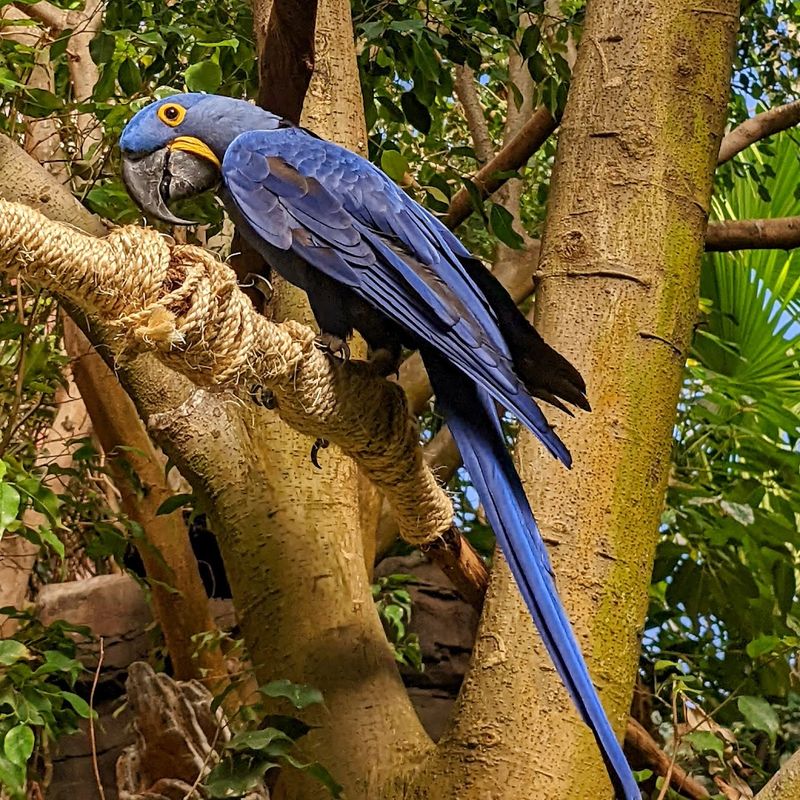
The sheer variety of birds at the National Aviary is enough to make any nature lover stop in their tracks. More than 500 birds and other animals representing over 150 species call this Pittsburgh facility home.
You might spot a brilliantly colored Superb Starling in one room and then find yourself face to face with a prehistoric-looking Northern Bald Ibis just a few steps later.
The range goes from tiny songbirds to enormous raptors, covering habitats from grasslands to tropical rainforests.
Visitors are often surprised by how much biodiversity is packed into a relatively compact space. The aviary does not try to be everything to everyone, but it does give birds the spotlight they fully deserve.
Each species gets thoughtful habitat design, knowledgeable staff nearby, and plenty of enrichment. Seeing 150-plus species in a single afternoon is genuinely one of Pittsburgh’s most underrated experiences.
Immersive Walkthrough Habitats
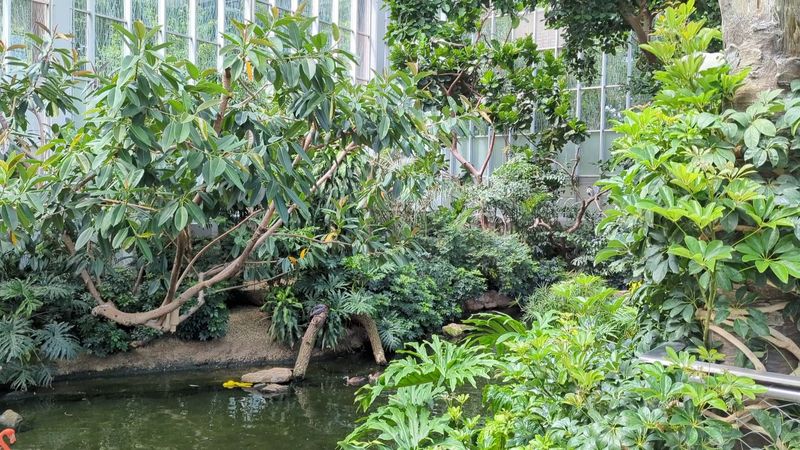
Forget standing behind thick glass and squinting at a distant bird perched on a fake branch.
At the National Aviary, many of the habitats are fully immersive, meaning you walk right into the birds’ environment and they fly, hop, and strut around you freely.
The grasslands habitat is a particular crowd favorite, where birds may flutter within feet of you without any net or barrier in between.
It feels less like visiting a zoo and more like stepping into a living, breathing ecosystem.
Families frequently mention that this open-habitat format is unlike what they have experienced at many traditional attractions.
The birds appear comfortable and relaxed around people, which makes the whole encounter feel natural rather than forced.
Staff members are positioned throughout to answer questions and make sure both birds and guests stay safe. The result is an atmosphere that feels interactive, educational, and genuinely exciting all at once.
The Famous Lorikeet Feeding Experience
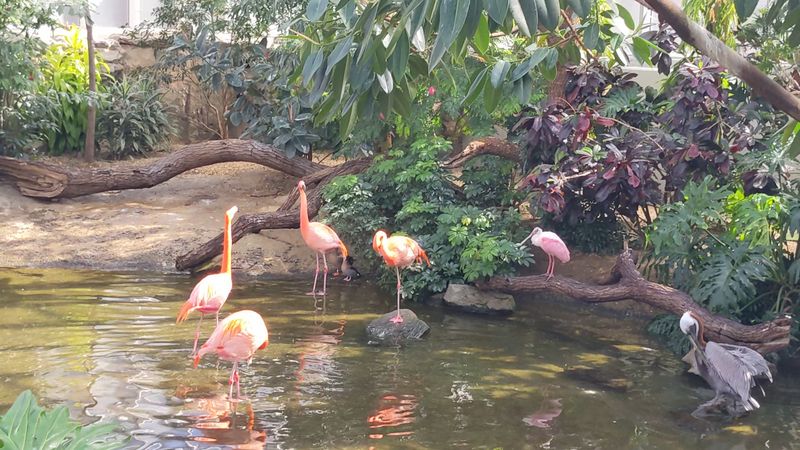
Few experiences at the National Aviary generate as much pure joy as the lorikeet feeding.
Rainbow lorikeets, known for their vivid plumage and bold personalities, will land directly on your hands and arms to sip nectar from a small cup you hold out for them.
It is one of those moments that makes adults laugh out loud and kids go completely wide-eyed.
The birds are quick, curious, and surprisingly confident around people, making each feeding session feel like a tiny adventure.
Visitors are strongly advised to check feeding times and availability in advance because popular sessions can fill quickly, especially on weekends.
Many guests say the lorikeet feeding alone is worth planning around.
At just a few extra dollars, it is one of the most affordable interactive wildlife experiences you will find anywhere in Pennsylvania, and the memories it creates are completely priceless.
Steller’s Sea Eagles Up Close
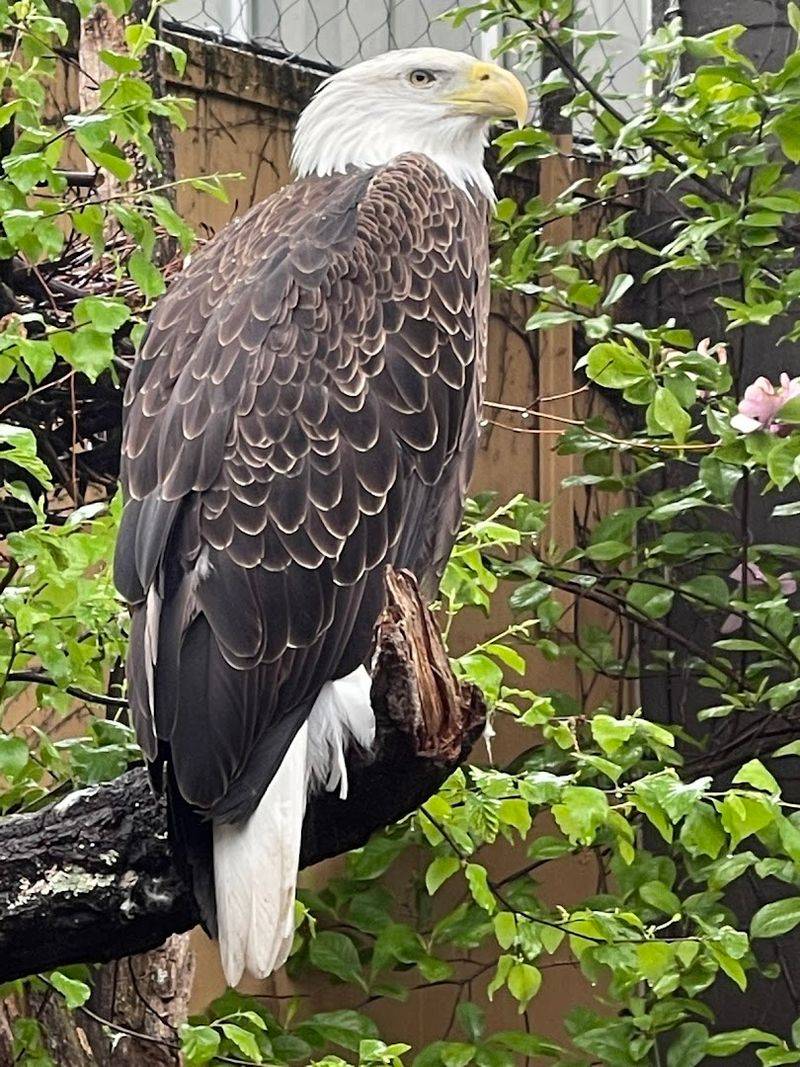
There is a moment at the National Aviary when you round a corner and suddenly realize just how large a bird of prey can actually get.
The Steller’s sea eagles on display are among the most jaw-dropping animals in the entire facility.
These birds are considered one of the largest and most powerful eagles in the world, and seeing their enormous talons, massive beaks, and broad wingspans up close is a genuinely humbling experience. Photos simply do not do them justice.
Multiple visitors, including many who made the drive from Ohio specifically to see the raptor collection, have described the sea eagles as worth the price of admission on their own.
That is high praise in a building full of extraordinary birds. The National Aviary gives these magnificent raptors spacious enclosures and regular care from expert staff.
Watching them move with quiet power and precision is a reminder of how remarkable the natural world truly is.
Penguins You Can Actually Get Close To
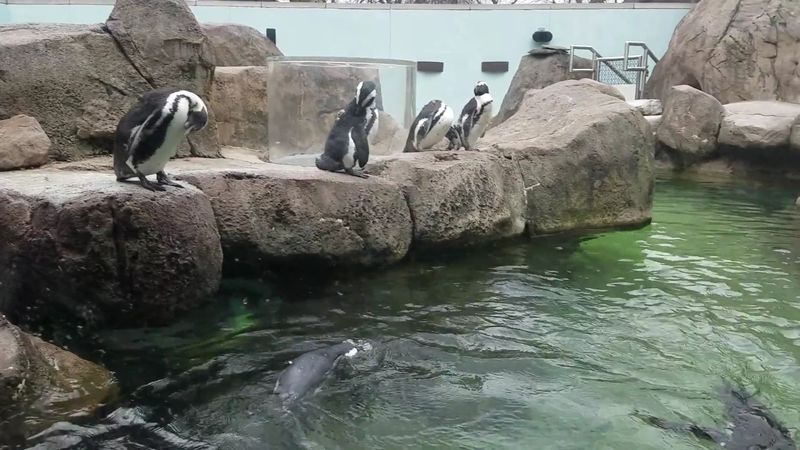
Penguins have a way of making everyone smile, and the National Aviary’s penguin programming delivers that feeling in full.
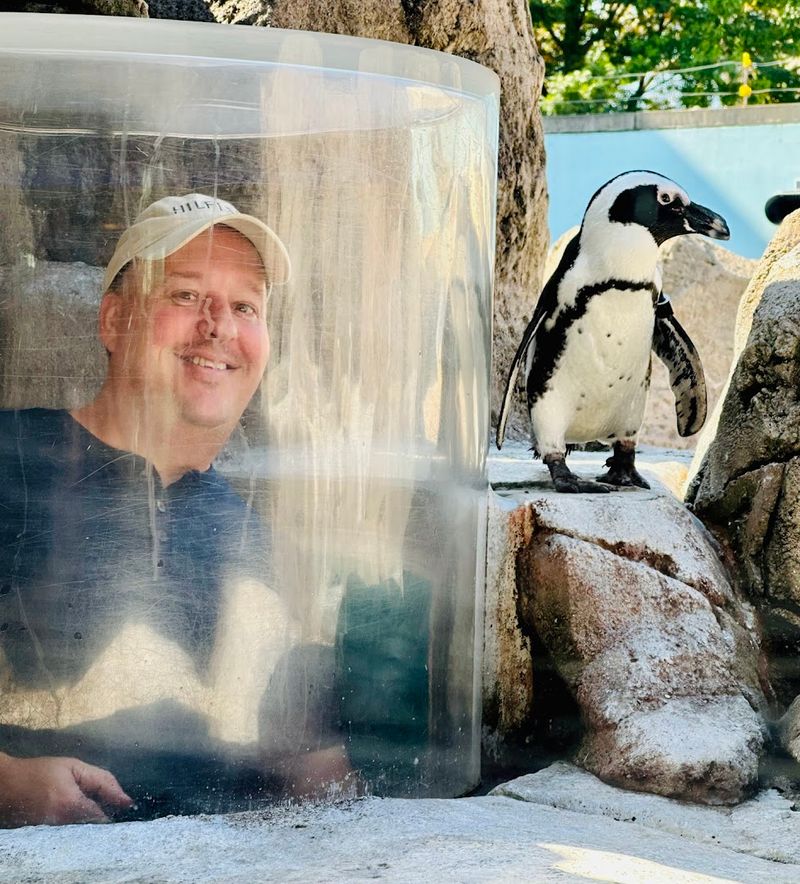
Visitors can meet an African Penguin Animal Ambassador during scheduled talks or book a Penguin Encounter for a closer experience.
Watching the birds rest, waddle, and interact with their caretakers from a short distance away feels surprisingly personal. The setup is designed with both animal welfare and visitor experience in mind.
Families with young children tend to linger around penguin programming whenever it is available.
The birds seem completely unbothered by the crowd of admirers watching their every move, which adds to the charm.
Visitors who have been to larger aquariums often note that the penguin experience here feels more intimate and accessible than what they have encountered at bigger facilities.
Sometimes a smaller, more focused setting is exactly what makes an encounter truly memorable.
Educational Shows Twice A Day
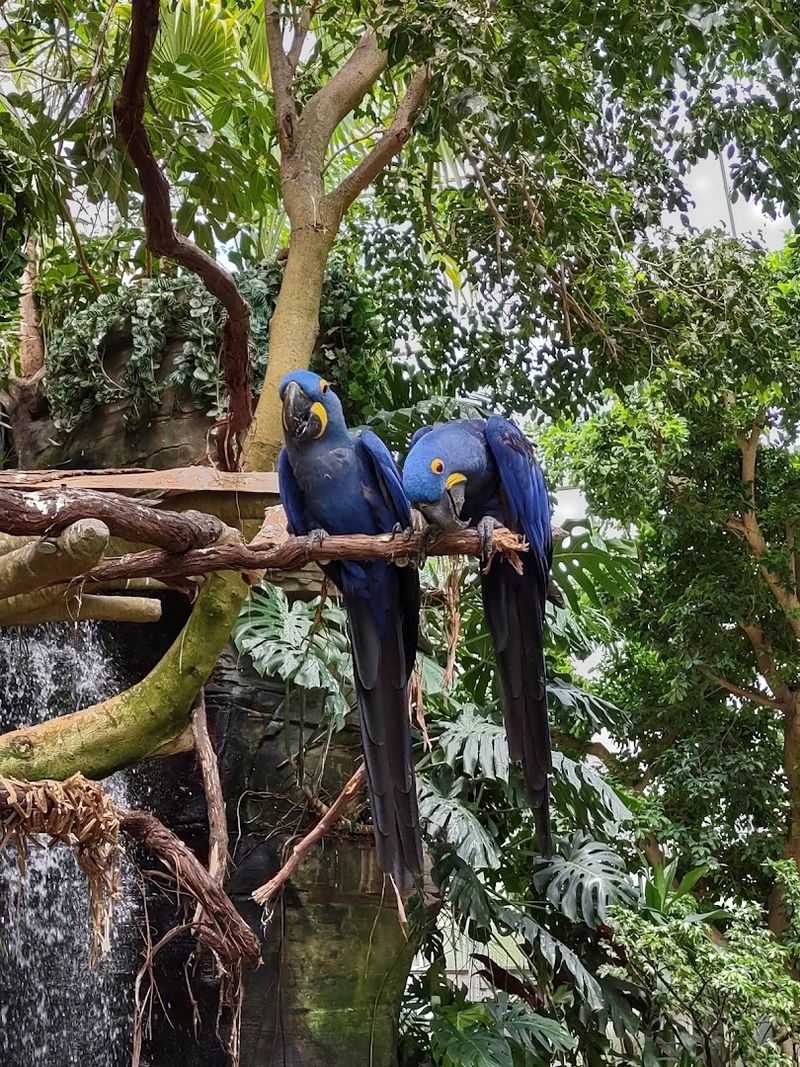
The National Aviary does not just let you look at birds.
It actively teaches you about them through live programs, daily activities, feedings, and immersive shows that help guests understand the species they are seeing.
These presentations are engaging, informative, and genuinely entertaining for all ages.
During programs, trained staff introduce birds and share details about their personalities, behaviors, and conservation status.
Guests come away with a much deeper appreciation for the birds they have been admiring throughout the day.
One popular ticketed show called Passport to Parks runs as a separate experience and is frequently described as well worth the small additional cost.
The storytelling format keeps both kids and adults fully engaged from start to finish.
Whether you are a lifelong birding enthusiast or someone who just wandered in out of curiosity, the shows add a layer of connection that transforms a simple visit into something genuinely educational.
Knowledge shared with enthusiasm has a way of sticking around long after you leave Pittsburgh.
A Conservation Mission Behind Every Bird
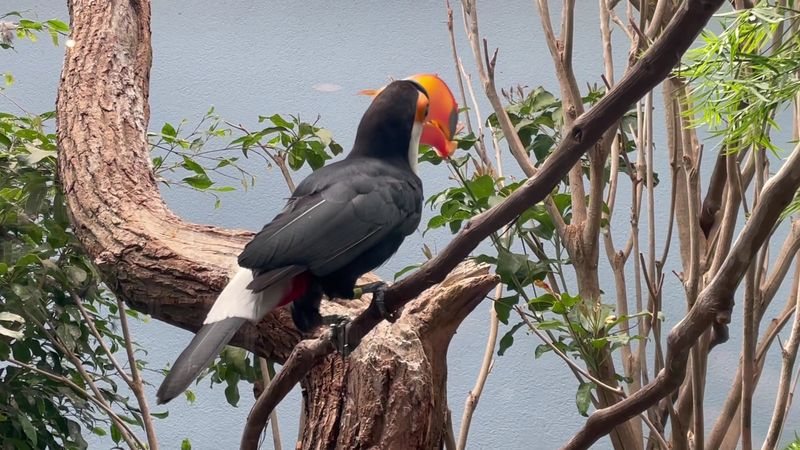
Every bird at the National Aviary has a story, and many of those stories are tied directly to conservation work happening both locally and around the world.
The aviary is deeply committed to protecting endangered species and educating the public about the threats birds face in the wild.
Several species on display are part of active breeding and recovery programs designed to help stabilize wild populations.
The staff’s passion for this work is visible in how they talk about each bird during shows and informal encounters throughout the day.
Visitors often remark that the aviary feels less like an entertainment venue and more like a place that genuinely cares about the animals in its care.
That distinction matters, and it shows in the health and behavior of the birds themselves. Supporters from as far away as Ohio have contributed to the aviary’s conservation programs.
The National Aviary proves that a single Pittsburgh institution can play a meaningful role in protecting bird species across the entire planet.
Perfect For Families With Young Kids
If you have ever tried to keep a five-year-old entertained at a traditional museum, you already know that attention spans and glass display cases are not always the best match.
The National Aviary solves that problem beautifully by putting the animals right there in front of you, no glass required.
The facility offers family-friendly activities, accessible restrooms, nursing rooms, and an all-family, gender-neutral restroom with an adult changing table in The Garden Room.
Everything is thoughtfully arranged to make a family visit smooth and enjoyable.
The layout is compact enough that younger children are not exhausted by the end of the visit, and the walking distances between exhibits are manageable even for toddlers.
Parents appreciate that there is always something to engage little eyes and curious hands. Families regularly travel from around the region specifically to bring their kids here.
The National Aviary has a well-earned reputation as one of Pittsburgh’s most family-friendly destinations, and it fully lives up to that billing.
Practical Tips For Planning Your Visit
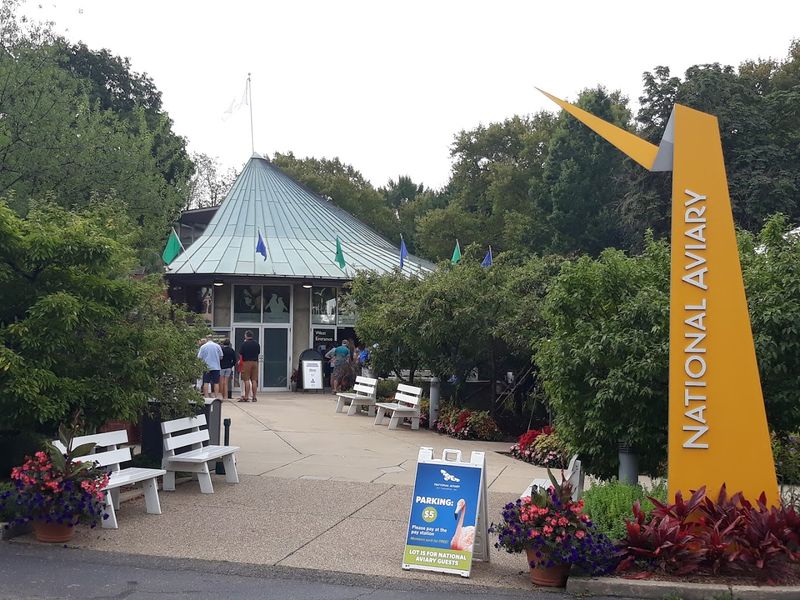
A little planning goes a long way when visiting the National Aviary, and a few smart moves can make the difference between a smooth trip and a stressful one.
The aviary is open daily during summer from 10 AM to 5 PM, which gives you plenty of flexibility to plan around your schedule.
Parking is available in the aviary’s own lot for a flat fee of $7, but the lot is limited and can get crowded on busy weekends.
Arriving early or finding nearby street parking and walking a short distance are both solid strategies.
Book any feeding experiences, shows, or special encounters in advance through the aviary’s website at aviary.org, because popular sessions like the lorikeet feeding can sell out quickly.
Visitors should budget around one and a half to two hours for a thorough visit. The aviary also has a gift shop full of bird-themed treasures that make for genuinely fun souvenirs to bring home from Pittsburgh.