
A Piece Of The World’s Longest Wheat Warehouse Became This Washington Museum
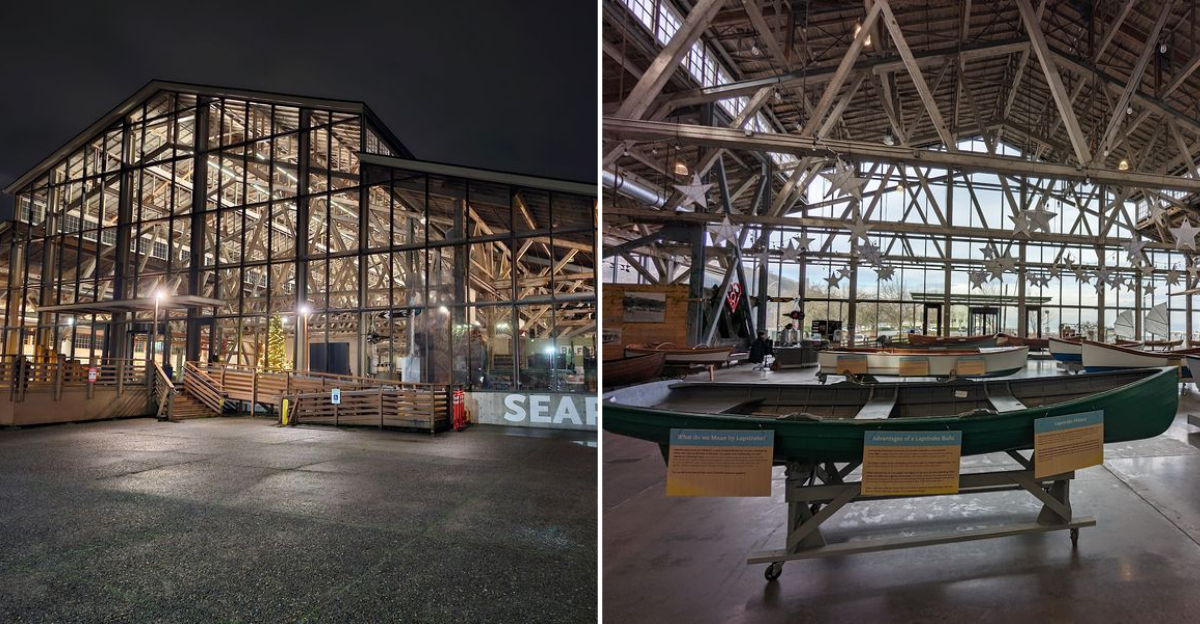
Some museums begin with a collection. This one begins with a building that already has a story worth telling.
I love that.
Long before visitors came here to learn about boats, trade, and waterfront life, this Washington structure was part of a massive wheat warehouse built for serious work. The scale still gives that away.
The first thing that caught me was how much of the old character remains. You can look around and almost picture cargo moving through, workers calling across the space, and the waterfront operating at a completely different rhythm.
I am always drawn to places where the walls do half the storytelling.
There is no need to force history into the room when the building itself has already lived through so much of it.
Washington has plenty of museums, but not many can say the museum building is one of the most interesting exhibits before you even start exploring. Grab a comfy seat, because Tacoma’s waterfront has some seriously good tales to tell.
Unearthing A Monumental Past
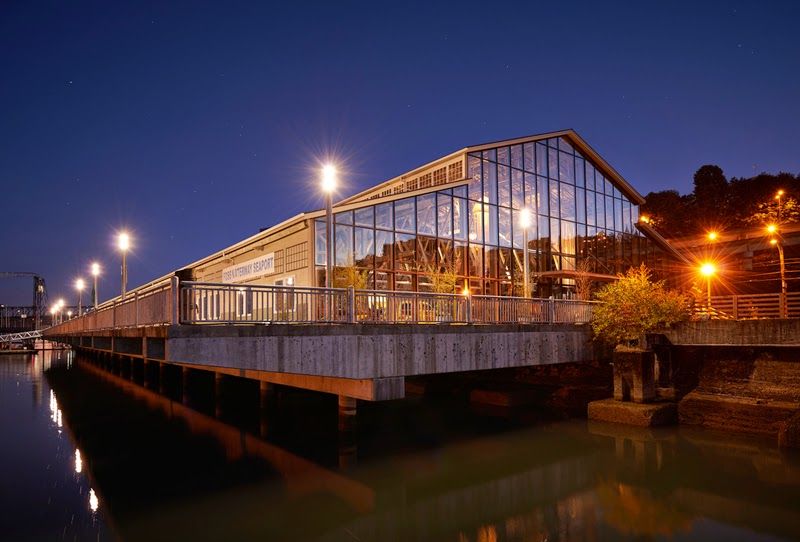
Walking into the Foss Waterway Seaport at 705 Dock Street, Tacoma, WA 98402, I felt like I had stepped back into an age of busy docks and roaring trains. The building itself is a survivor, the last remaining slice of the historic Balfour Dock Building.
Back in its heyday, this century-old wooden warehouse was famous as the longest wheat warehouse in the world.
Construction began in 1900, and the original complex stretched an amazing half-mile, running from the northern edge of Thea Foss Park all the way to the 11th Street Murray Morgan bridge.
Picture the size of that: a giant structure built to hold mountains of wheat that arrived by rail, ready to be loaded onto tall sailing ships headed across the ocean. This was Tacoma’s proud era when rails met sails.
Fires claimed much of the original building over time, but what stands today has been carefully restored. It now sits on the National Register of Historic Places, protecting a piece of Tacoma’s working heart.
A Waterfront Wonderland Of Discovery
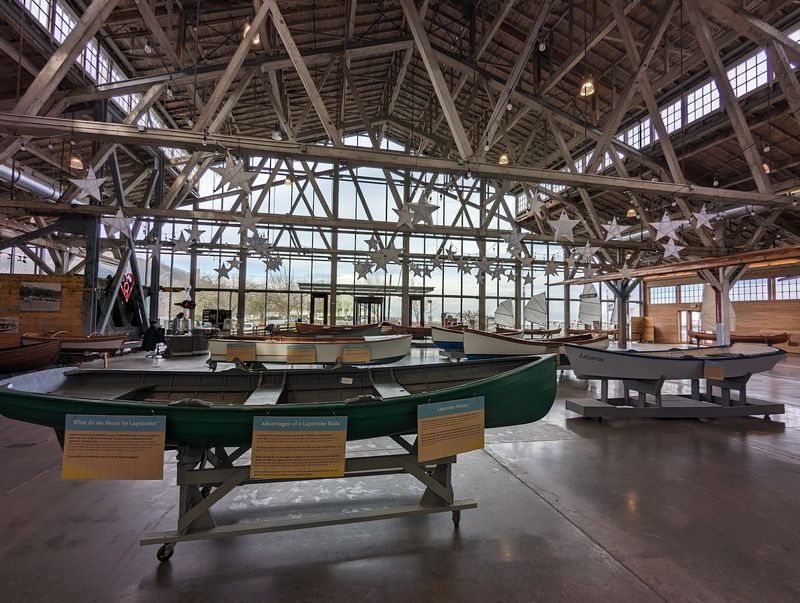
What surprised me most was how alive this place feels today. It serves as Puget Sound’s leading center for maritime heritage, education, and events, with something to spark curiosity for every age.
My visit revealed rooms packed with historic maritime exhibits, and plenty of them invite you to touch, pull, and explore. Kids and grown-ups alike get pulled into Tacoma’s seafaring stories.
One of the real treasures is the operating Heritage Boat Shop, where skilled carpenters and shipwrights still hand-build wooden boats. Watching them shape planks and join timbers felt like seeing living history unfold right before my eyes.
The museum also runs an education center focused on marine and environmental science, with programs that connect local students to topics like salmon conservation and boat rides along the waterway.
Outside, more than 1,200 feet of docks and floats offer free moorage for up to four hours. Even a self-declared landlubber like me could stand there and dream about a life spent on the waves.
Tales Of The Deep And The People Who Sailed Them
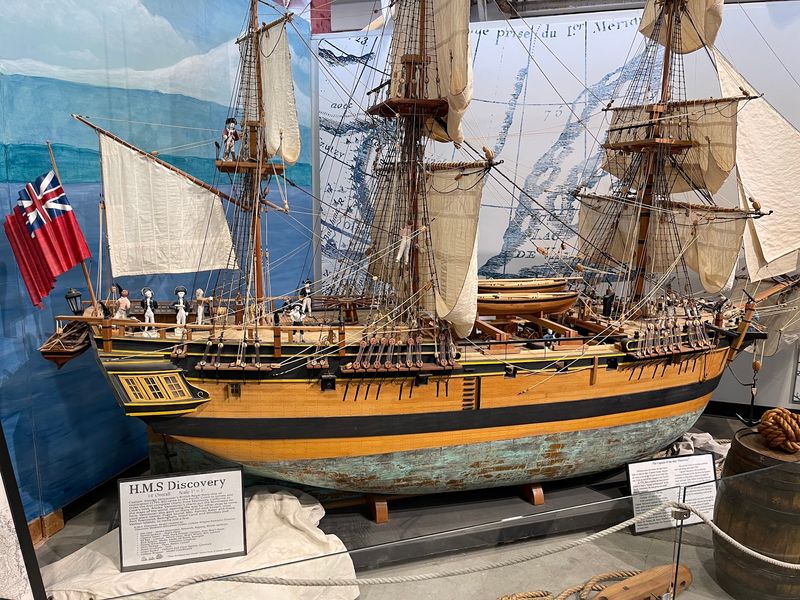
The stories inside match the energy of the space, and they cover a wonderfully wide range of Tacoma’s history. Exhibits here explore the cultural, commercial, and natural roots of the region.
I especially enjoyed the First on the Waterways exhibit, which honors the Puyallup people and their deep bond with the Puyallup River and the Salish Sea. Their canoes and their lasting relationship with salmon are shown with real care.
Another corner brings Thea Foss to life. She was a determined Norwegian immigrant who built one of the largest tugboat businesses in the world right here in Tacoma, powered by grit and probably gallons of coffee.
As I wandered past the rail exhibit, I could almost hear train whistles and feel the phantom rumble of freight cars on the tracks that once hauled wheat to the warehouse.
The dramatic glass wall welcoming visitors replaced an old brick firewall, tying the building’s sturdy past to its bright present in one clever stroke.
Charting Your Own Course To Visit
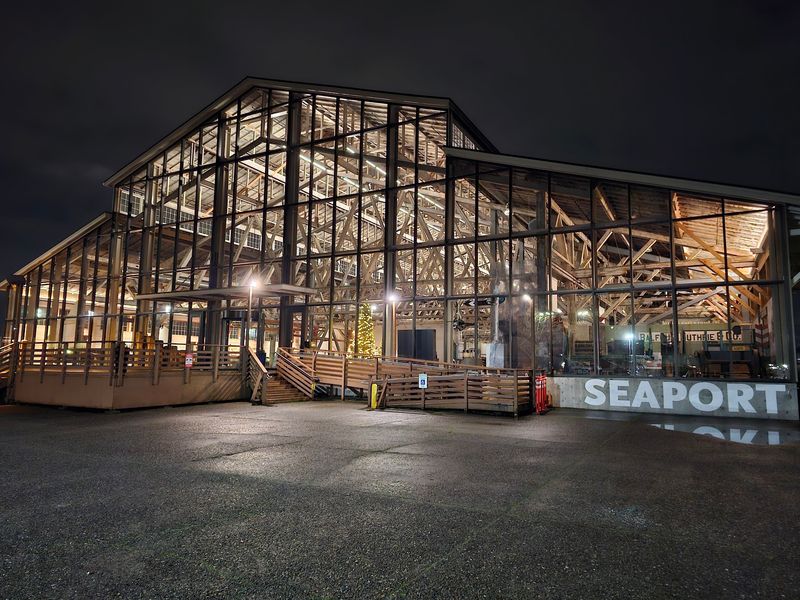
Good news for planners: getting to this historic haven is easy, and there are some fun perks waiting for modern explorers. The Foss Waterway Seaport welcomes guests Thursday through Sunday, from 10 AM to 4 PM.
On every third Thursday of the month, the doors stay open later, until 8 PM, giving you extra time to roam. And here is my favorite part for budget-minded travelers: general museum admission is completely free for everyone.
That means you can soak up all the history and hands-on fun without spending a dime, which makes it a smart pick for families or a relaxed afternoon outing.
You can even arrive by boat, pulling right up to the public docks for up to four hours of free moorage. Standing on the docks and gazing across Tacoma’s lively waterfront, I saw how neatly this restored space blends history with everyday life.
It is far more than a museum. It is a living reminder of Tacoma’s enduring maritime spirit, ready to pull you into its ongoing story.
Where Rails Once Met Sails
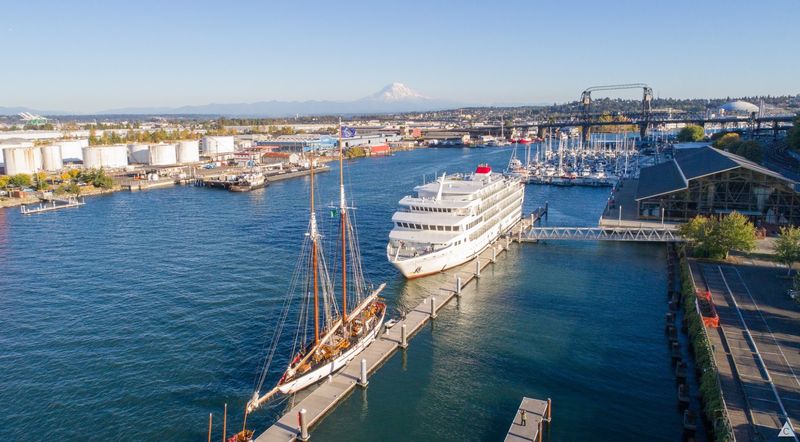
One phrase kept echoing in my head as I explored: rails meet sails. That simple idea sums up what made Tacoma such an important port city long ago.
Freight trains loaded with wheat came thundering into town from farms across the region. They pulled up right alongside the enormous warehouse, ready to unload their golden cargo.
From there, the grain was moved onto grand sailing ships waiting at the docks, bound for markets all over the world. The whole operation ran like a busy hive of workers, whistles, and creaking timbers.
Seeing the rail exhibit made this history click for me. It showed how transportation on land and sea worked together to build the city’s economy piece by piece.
Tacoma’s location on Puget Sound turned it into a natural meeting point for trade. Standing near those tracks, I could picture the sheer hustle that once filled this waterfront.
Understanding that connection made the rest of my visit feel richer, like I finally knew the beating heart behind the building.
Hands-On Fun For Curious Families
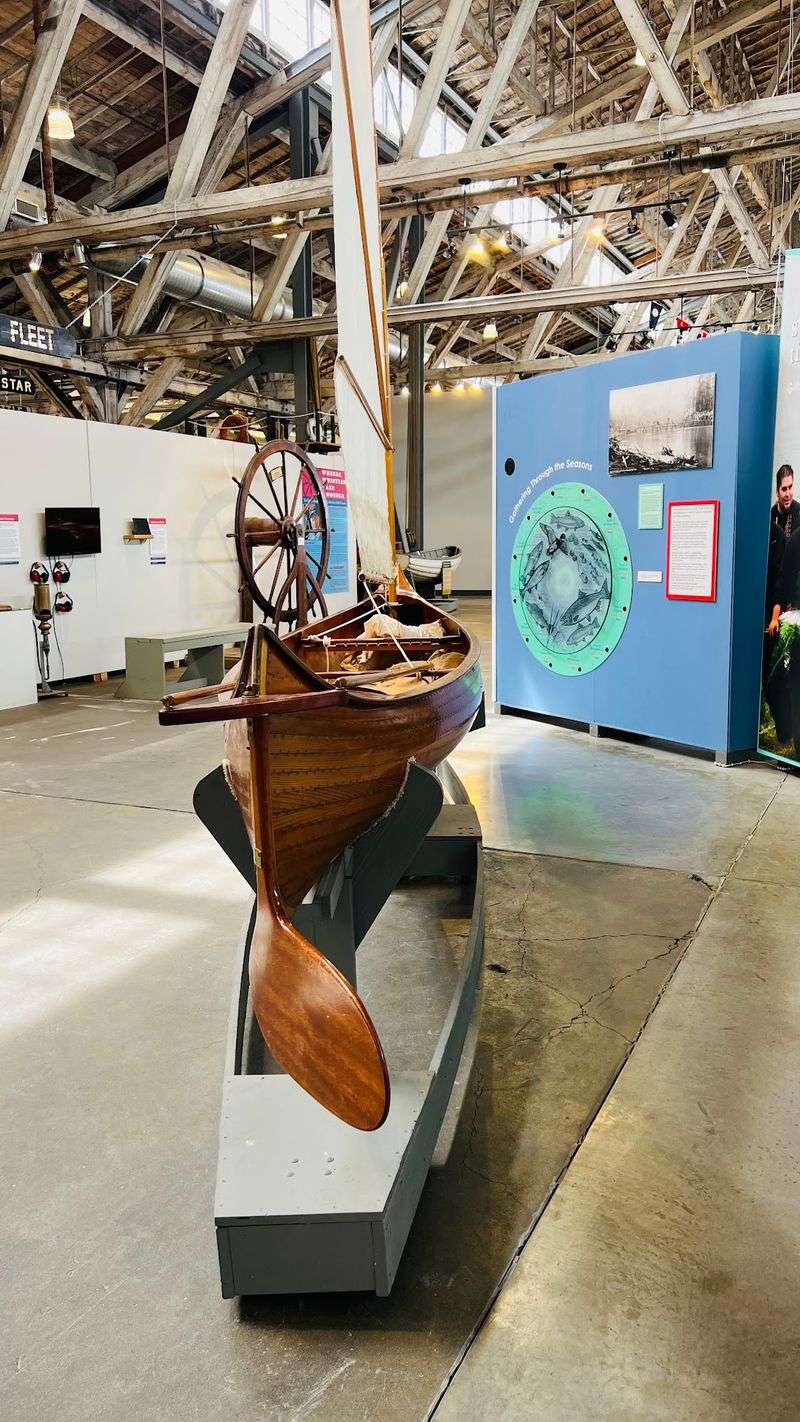
Families visiting Tacoma will find plenty to keep young minds buzzing at this seaport. The exhibits are built for exploring, not just looking, and that made a big difference for me.
Little ones can get their hands busy with interactive displays that teach about boats, water, and sea creatures. Learning feels like playing here, which is exactly how it should be.
The education center leans heavily into marine and environmental science. Programs cover topics like salmon conservation and healthy waterways, giving kids real lessons wrapped in adventure.
Guided boat rides along the waterway are another highlight, letting students feel the gentle sway of the water firsthand. It is a memory that sticks with them long after the trip ends.
Because admission is free, parents can bring the whole crew without stretching the wallet. That takes the pressure off and lets everyone wander at their own pace.
By the time we left, my curiosity felt fully recharged, and I could tell the younger visitors around me felt the same spark.
A Second Life Worth Celebrating
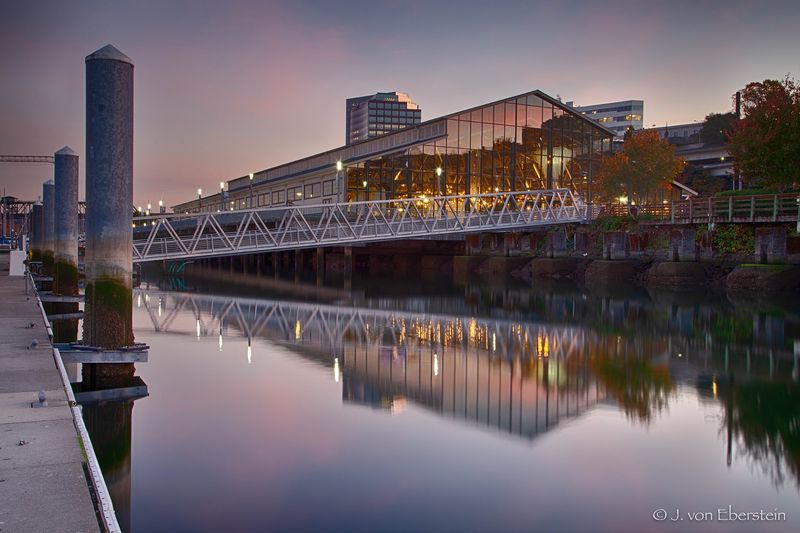
There is something moving about a building that gets a whole new purpose instead of fading away. That is exactly the story the Foss Waterway Seaport tells so well.
Once a colossal storehouse for grain, it now hums as a hub for maritime education and community gatherings. The transformation shows how history can be saved and reshaped for today.
The careful restoration kept the soul of the old warehouse intact. Sturdy timber beams from the past stand right beside bright, welcoming spaces built for modern visitors.
That mix of old and new gave my visit a special feeling, like I was walking through two eras at the same time. The famous glass wall really drives this blend home.
Events, exhibits, and educational programs now fill rooms that once held nothing but wheat. It proves that a place can honor its roots while looking ahead.
Leaving the seaport, I felt grateful that Tacoma chose to preserve this piece of its past. It stands as a bright invitation to become part of the city’s continuing tale.
Events That Bring The Waterfront To Life
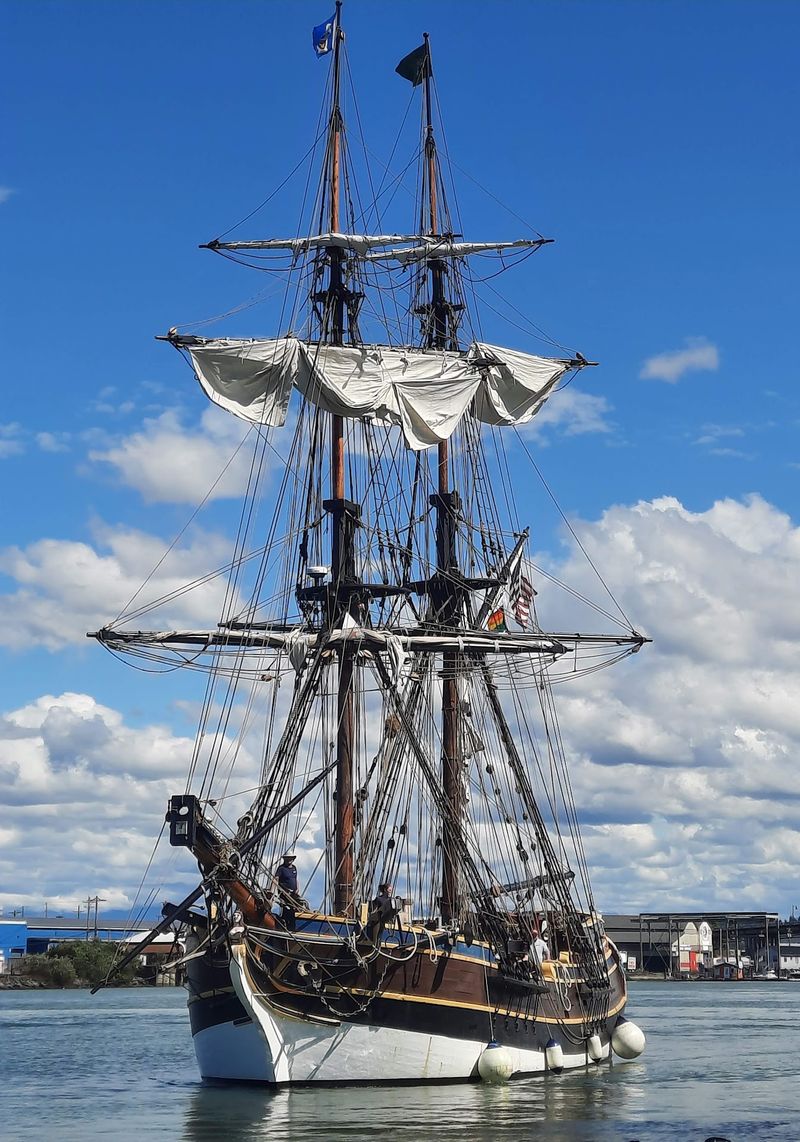
One thing that surprised me during my visit was learning how often this old warehouse buzzes with excitement. Far from being a quiet, dusty place, the Seaport hosts festivals, boat-building classes, and community gatherings all year long.
You might catch a wooden boat show, a science lecture, or even a private wedding filling those historic timbers with laughter. The wide-open space, framed by weathered beams and waterfront views, makes every event feel special.
Check their calendar before you go, because there is often something happening. It is a wonderful way to enjoy history while making brand-new memories of your own. The changing schedule also gives repeat visitors a reason to come back and experience the building in a completely different way.
Hands-on programs make the maritime history especially approachable for families and curious beginners. Community events keep the waterfront connected to daily life instead of turning the warehouse into a frozen piece of the past.
I liked seeing old industrial space used for something so lively and social. That mix of preserved history and present-day activity gives the building an energy you do not expect from a former warehouse.