
A Quiet Ohio Home Still Carries One Of The State’s Most Moving Freedom Stories
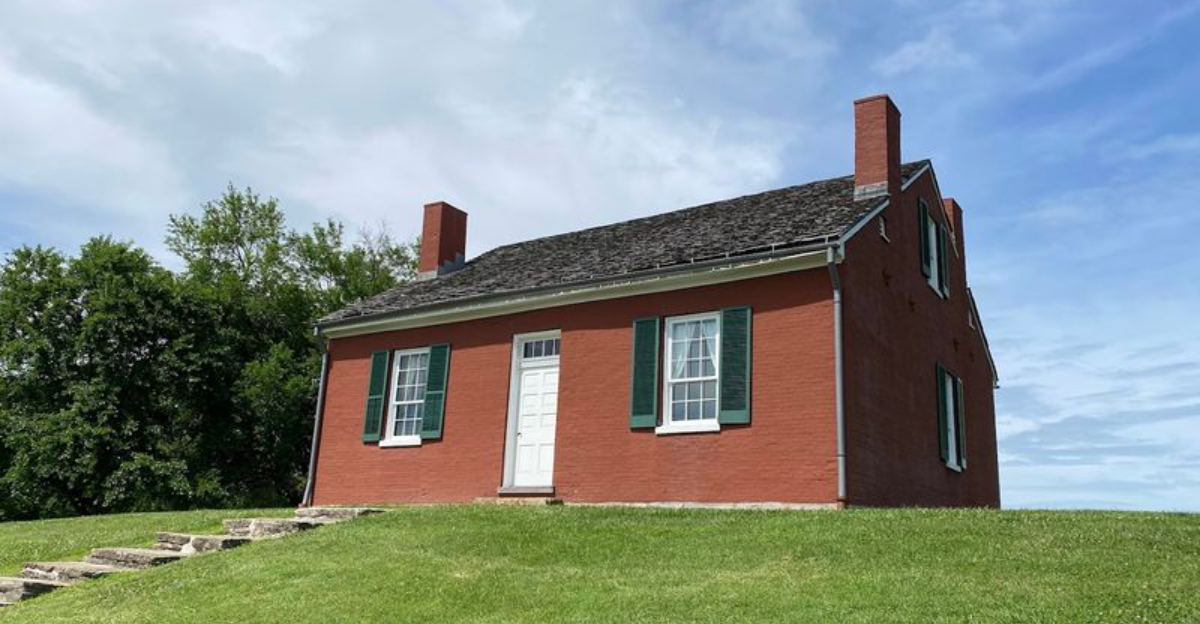
A quiet house above the Ohio River can feel ordinary for about three seconds. Then the hillside view, the lantern story, and the weight of what happened here begin to settle in, and the whole place becomes impossible to brush off.
This is not history sitting politely behind glass. It is a real Ohio home where a family helped freedom seekers find safe passage, using courage, faith, and a single light in the window to guide people toward something better.
The view is beautiful, but the story is what stays with you. A visit here feels calm, powerful, and deeply human, the kind of stop that reminds you how much history can live inside one small house on a hill.
The Hill That Held a Beacon of Hope
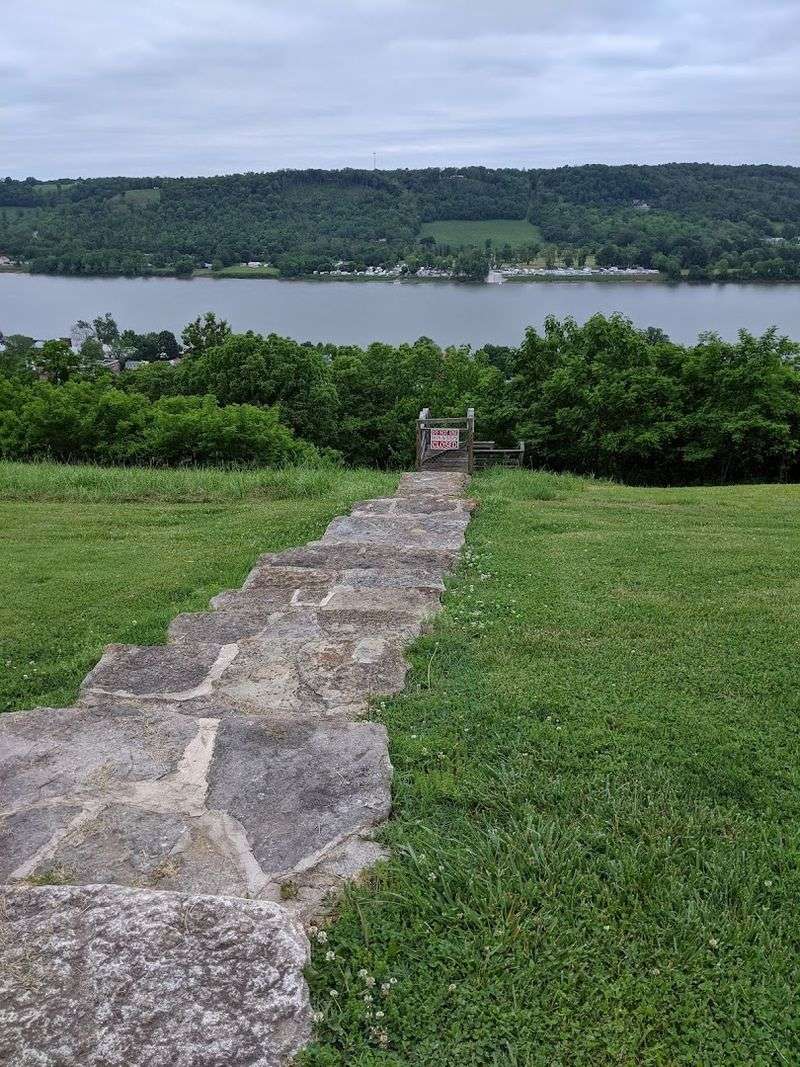
The first thing that caught me was the view, and honestly, it did not give me much choice.
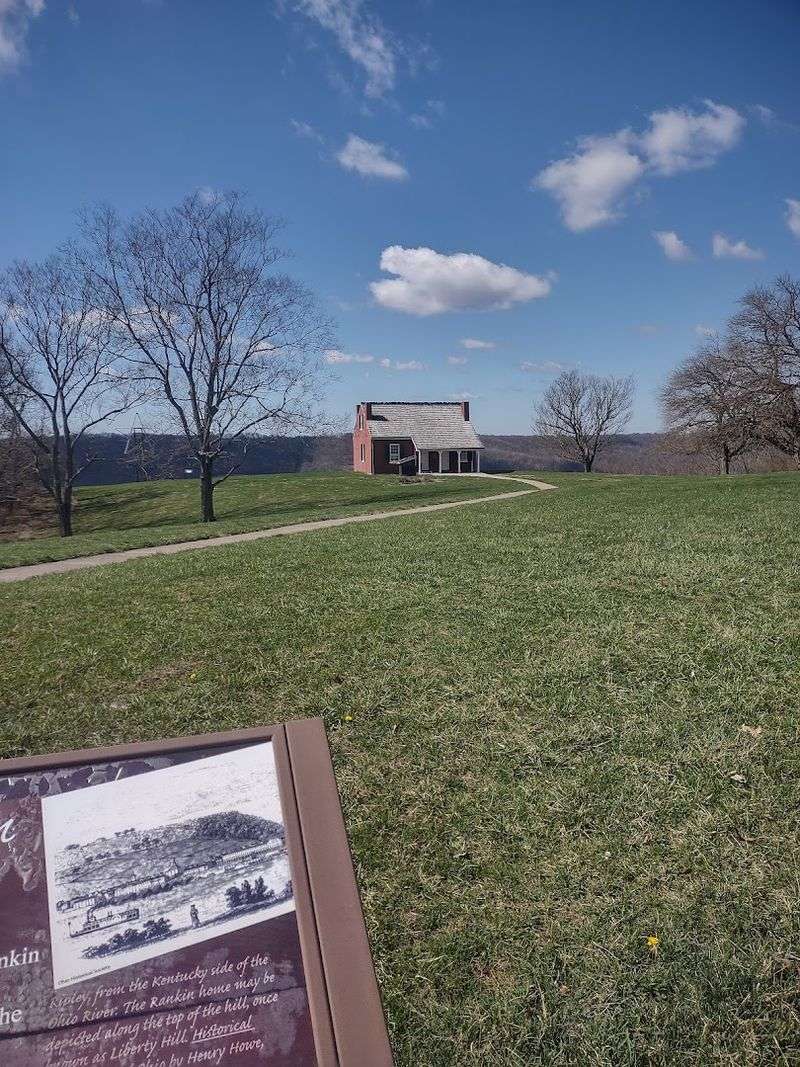
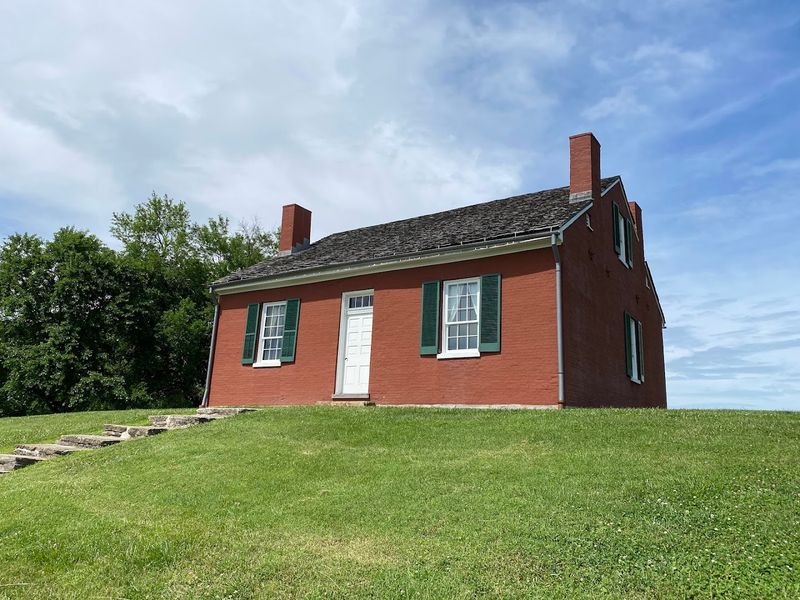
The house sits high on Liberty Hill, where the Ohio River spreads out below and makes the whole scene feel quiet, beautiful, and heavy with meaning.
The John Rankin House is a restored two-story brick home, but calling it just a historic house feels far too small for what happened here.
Throughout the early to mid-1800s, Reverend John Rankin and his family helped more than 2,000 freedom seekers from this hilltop location, making the home one of the most important Underground Railroad sites in Ohio.
The drive up is narrow and winding, with a one-lane road and a few sharp turns, so this is not the moment to pretend you are in a car commercial.
Once you arrive, the parking lot and visitor center make the visit feel organized before you even reach the house itself.
Standing on the grounds and looking south across the river toward Kentucky, it becomes easy to understand why this exact spot mattered so much.
A lantern in the window could be seen from the other bank, and for people searching for safety, that small light carried a meaning far bigger than the house around it.
You can visit the John Rankin House at 6152 Rankin Hill Rd, Ripley, OH 45167.
Who Was Reverend John Rankin
Not every hero carries a weapon. Some carry conviction, and Reverend John Rankin carried more of it than most people could imagine holding in a lifetime.
Born in Tennessee in 1793, Rankin was a Presbyterian minister who moved to Ripley, Ohio in 1822 with a fierce and unwavering belief that slavery was morally wrong.
He wrote a series of letters opposing slavery that were later published and reportedly influenced William Lloyd Garrison, Frederick Douglass, and Harriet Beecher Stowe, whose novel “Uncle Tom’s Cabin” was partly inspired by a story Rankin shared about a woman crossing the Ohio River with her child.
He faced repeated threats and danger from pro-slavery opponents over the years, yet he never stopped his work. His family, including his wife Jean and their 13 children, participated actively in helping freedom seekers move safely through their home and northward.
Learning about this man inside the very rooms where he lived and worked gives his story a weight that no textbook could fully capture. He was a quiet force who refused to be silenced by threats or violence.
Inside the Restored Farmhouse
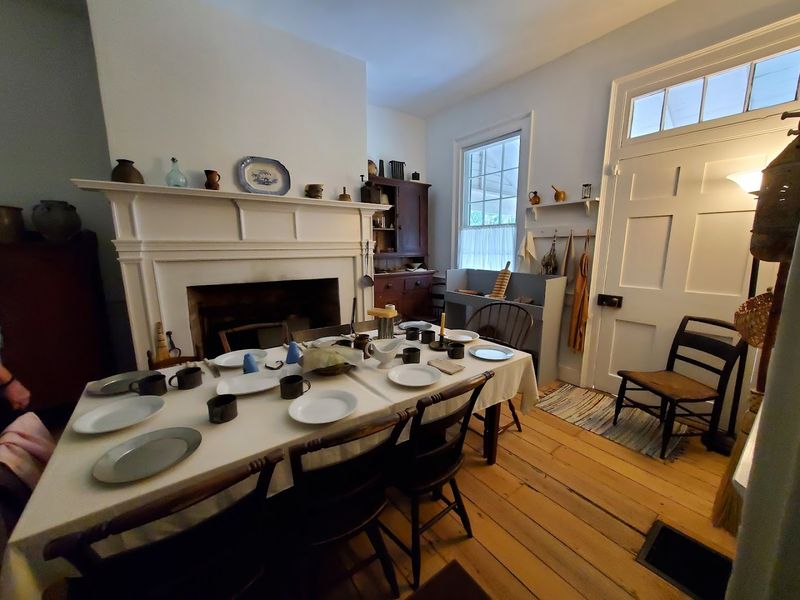
The inside of the house is compact, and that is exactly what makes it so powerful.
Knowing that the Rankin family, sometimes joined by freedom seekers hiding from slave catchers, all shared this modest space is something that genuinely takes your breath away.
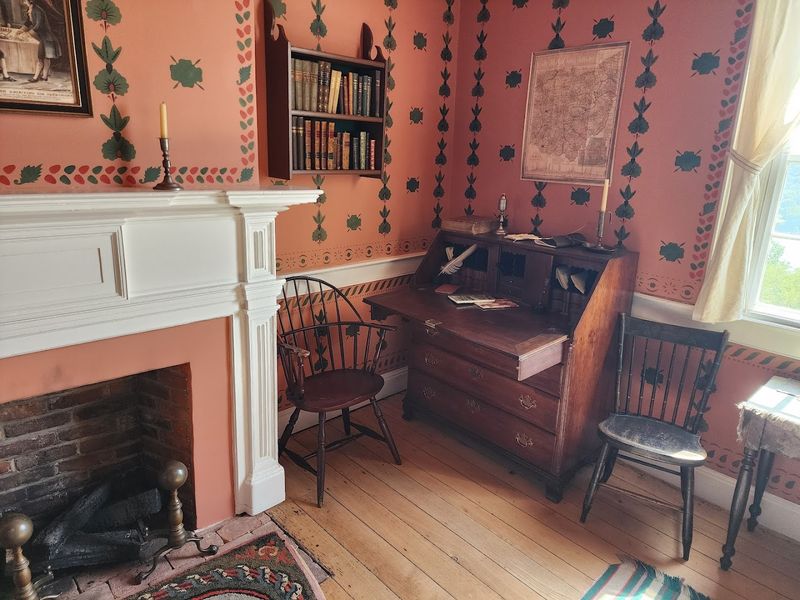
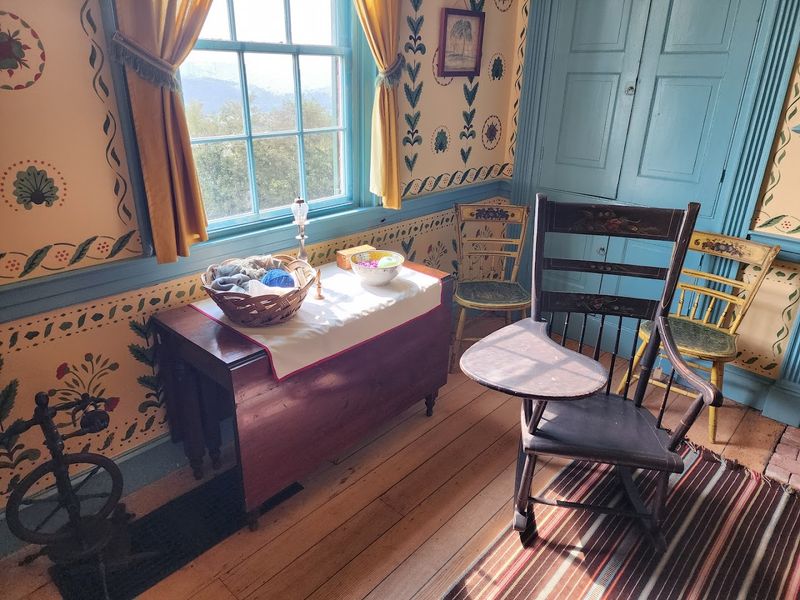
The home has been carefully restored to reflect how it would have looked during the years Rankin lived there. Period-accurate furniture, cooking tools, and personal items fill each room, and the attention to detail in the restoration is remarkable.
Researchers spent considerable effort making sure the house reflects its original appearance as closely as possible.
Small windows look out over the river, and you can almost picture the oil lantern burning in one of them on a dark night. The rooms feel lived-in rather than staged, which makes the whole experience feel more genuine than a typical museum display.
Tours run hourly and last about 50 minutes, which gives you enough time to absorb each room without feeling rushed. Groups can be small, and on the Wednesday afternoon I visited, the tour felt almost private.
The Tour Guides Who Bring It All to Life
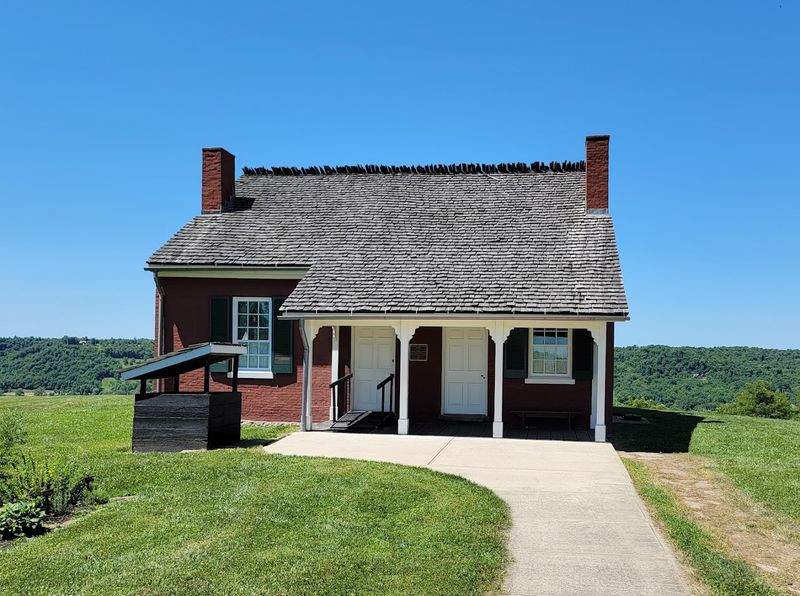
A historic site is only as good as the people telling its story, and the guides at this house are genuinely exceptional.
The one who led my tour wove together family histories, local context, and national significance in a way that felt more like a great conversation than a formal presentation.
Visitors have consistently praised guides by name, mentioning people like Diana, Tim, and Howard as standouts who bring real passion and depth to every tour. These are not people simply reading from a script.
They connect the past to the present in ways that feel relevant and alive.
One guide apparently shared details about how Ripley itself was founded by Revolutionary War veterans and former Virginia slave owners, which adds a complicated and fascinating layer to the town’s relationship with freedom. That kind of nuanced storytelling is rare and deeply appreciated.
The guides also field questions generously and seem genuinely happy to share extra details when visitors are curious.
By the time my tour ended, I felt like I had spent the afternoon with someone who truly cared about making sure this history was never forgotten.
The 100 Steps to Freedom
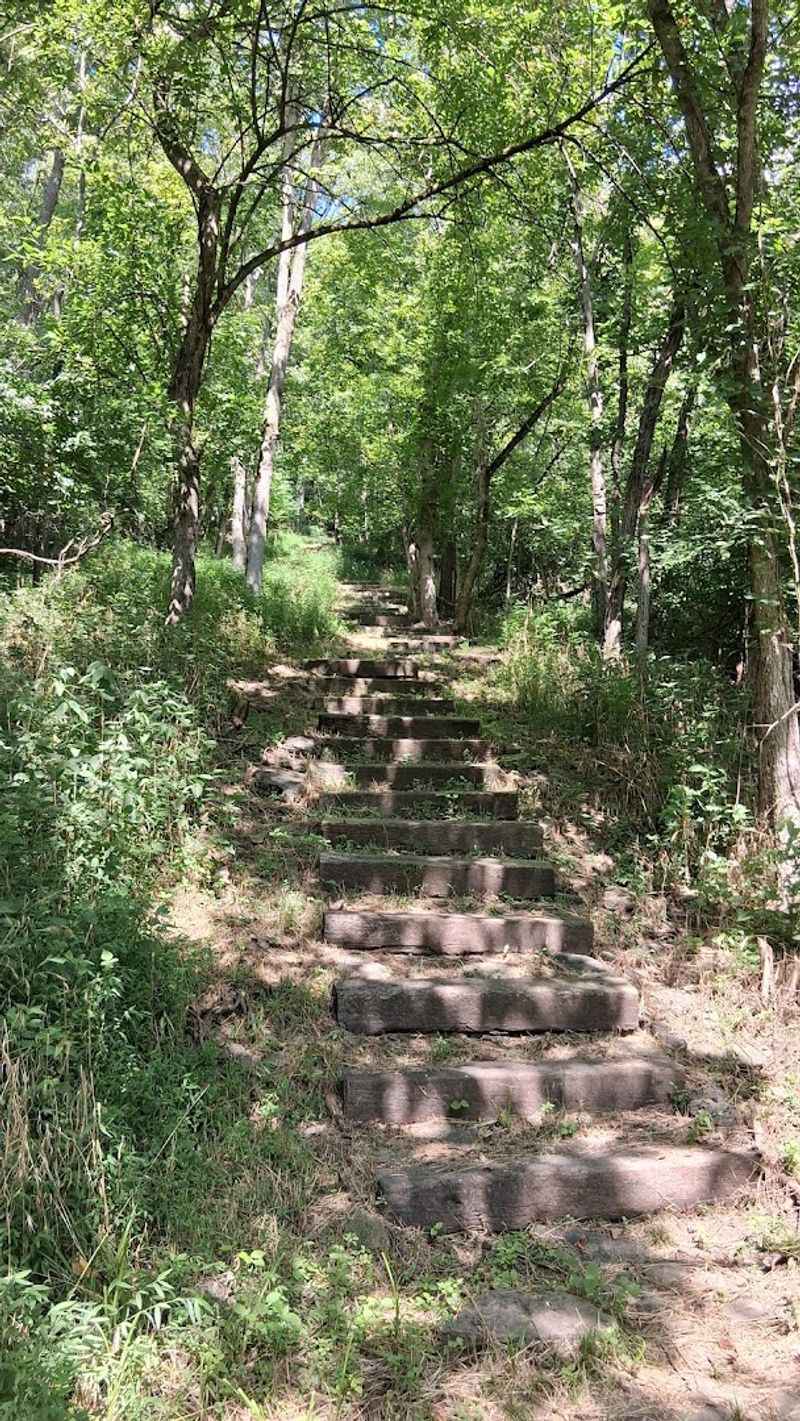
There is something humbling about standing on a hillside tied so closely to people who once climbed toward safety in the dark.
The steps leading from the Rankin House down toward Ripley are one of the most physically tangible connections to the Underground Railroad story you will find anywhere.
Often called the 100 Steps to Freedom, the staircase descends the steep hillside toward the town and the Ohio River below, though Ohio History Connection notes that the famous stairway includes about 150 steps.
The exact routes used by freedom seekers varied, but the hill itself remains central to the story of reaching the Rankin home above.
Walking the steps yourself, even in daylight, gives you a visceral sense of what that climb must have required.
At certain times, the steps or road access may be affected by conditions or construction, so it is worth calling ahead at 800-752-2705 to confirm current accessibility during your visit. The trail and grounds around the steps may also vary in access depending on site conditions.
Even if you only stand at the top and look down, the perspective alone is worth the trip. The river feels both close and impossibly far from up there, which is exactly the point.
The View of the Ohio River
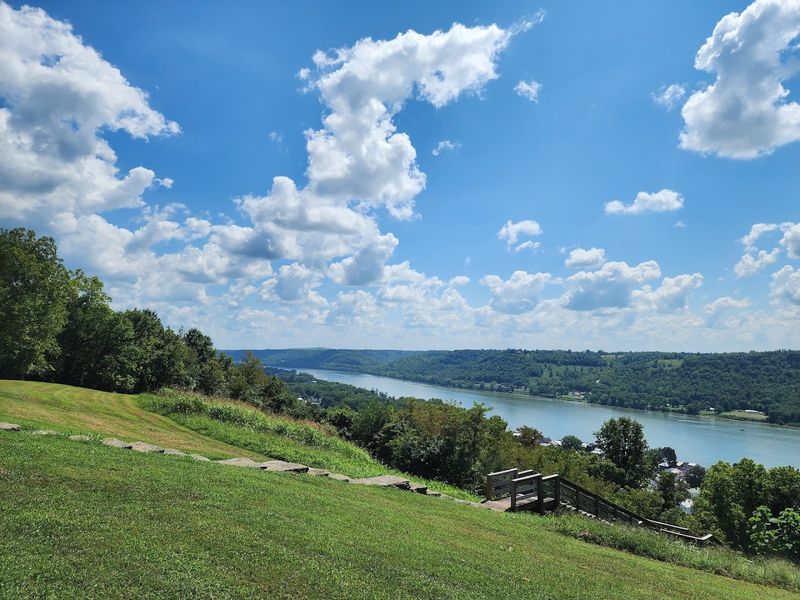
Few historic sites offer a view this good, and even fewer pair a stunning landscape with a story this significant.
From the grounds of the Rankin house, the Ohio River spreads out below in both directions, and on a clear day, the Kentucky shoreline is perfectly visible across the water.
That view is not just beautiful. It is historically loaded.
The Ohio River was the legal boundary between free states and slave states, and for people crossing it, the difference between those two banks was the difference between bondage and freedom. Standing there and looking across, that reality hits hard.
Multiple visitors have mentioned that the view alone made them emotional, and I completely understand why. There is something about seeing the actual geography of history that makes it impossible to stay detached.
This is not a map or a diagram. It is the real river, right there, exactly where it always was.
Sunny days make the river especially striking, so if you can plan your visit around good weather, the grounds will reward you with one of the most meaningful scenic overlooks in the entire region.
The Lantern in the Window
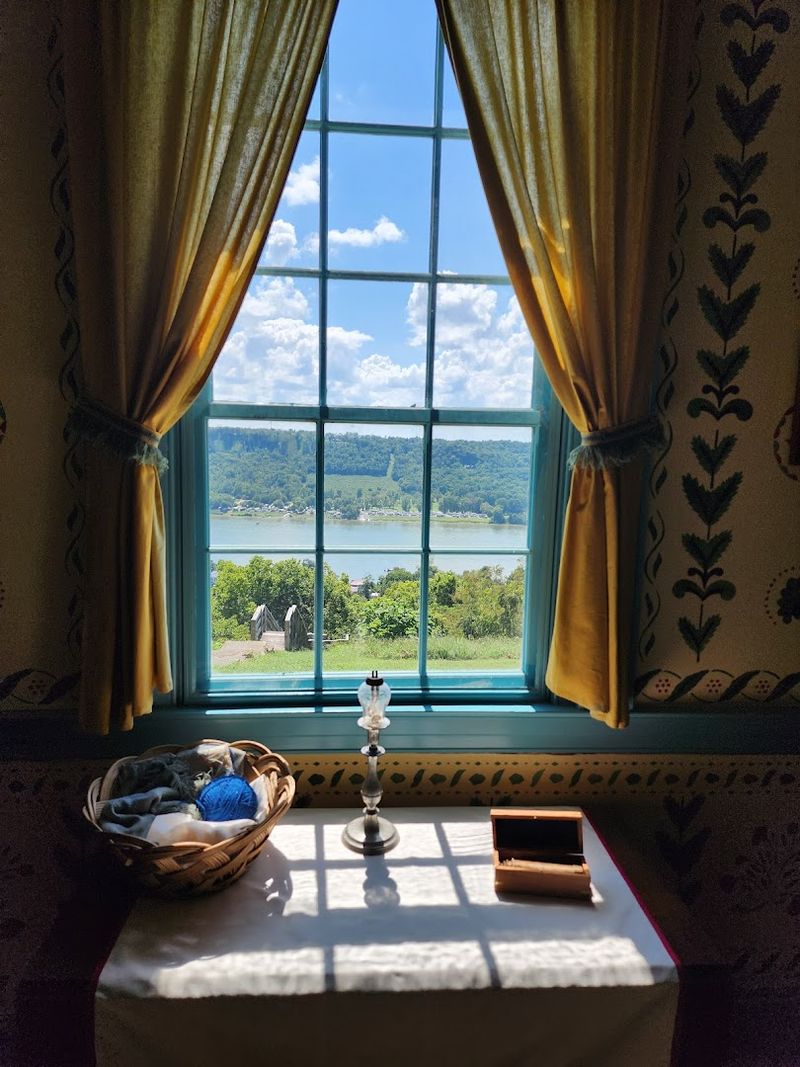
A single light in a window. That was the signal.
That was all it took to tell someone on the far bank of the river that this house was safe, that help was waiting, and that freedom was within reach.
Reverend Rankin kept a lantern burning in a window facing the river, and word spread among freedom seekers that the light meant sanctuary. The story of Eliza Harris, who crossed the frozen Ohio River with her child and reached the Rankin house, is one of the most famous tales connected to this beacon.
That story directly inspired a scene in Harriet Beecher Stowe’s “Uncle Tom’s Cabin.”
The museum shares this story in detail, and seeing the window where that lantern once burned makes the whole thing feel astonishingly real. It is a small architectural detail with an enormous historical weight attached to it.
There is a quiet power in the simplicity of it. No elaborate system, no secret code, just a light in the dark that told people exactly what they needed to know.
That lantern may be long gone, but its meaning has never dimmed.
The Underground Railroad Connection
The Underground Railroad was not a single route or a single organization.
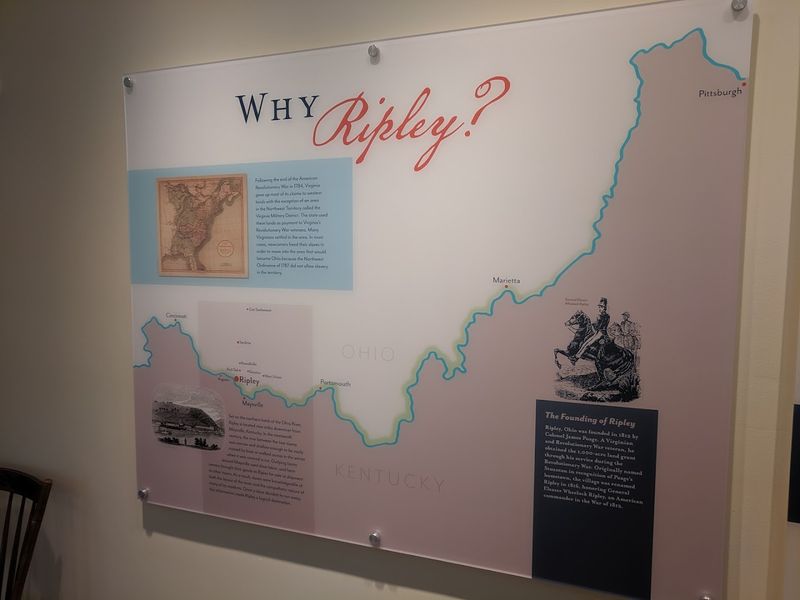
It was a decentralized network of brave individuals who took enormous personal risks to help people reach freedom, and the Rankin family was one of its most committed and prolific contributors.
Ripley, Ohio became one of the most active crossing points along the entire Underground Railroad, largely because of the Rankins and other local abolitionists like John Parker, a formerly enslaved man who himself helped hundreds of people cross the river.
The visitor center at the Rankin House site explains this broader network with clarity and depth.
The Rankin family reportedly assisted more than 2,000 people over roughly 40 years of continuous activity, which is a staggering number when you consider the danger involved in every single crossing. Slave catchers were active in the region, and the family faced real and repeated threats to their safety.
The museum presents this history without softening it, and that honesty is one of the reasons a visit here feels so impactful. This was not a comfortable or easy choice.
It was a daily act of moral courage repeated thousands of times.
The Visitor Center and Gift Shop
Before or after your tour of the main house, the visitor center gives you a solid foundation for understanding everything you are about to see, or a chance to process everything you just experienced.
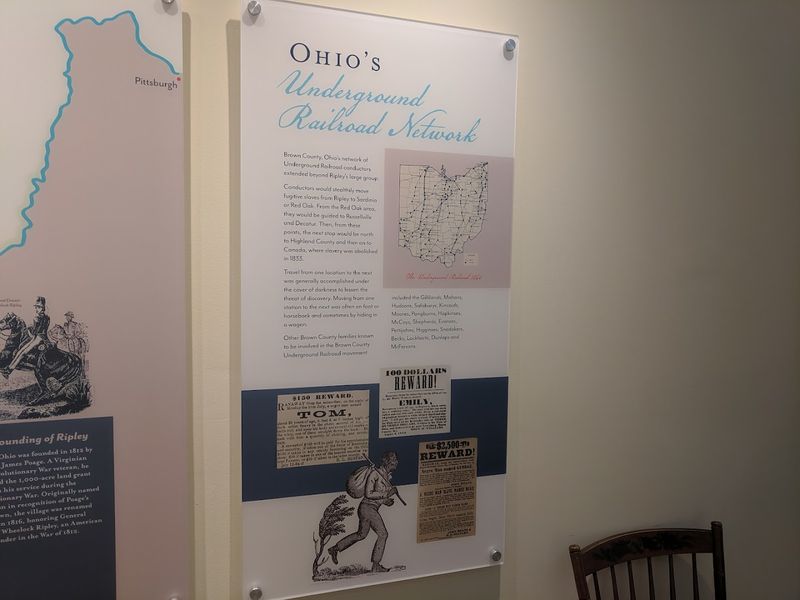
The small museum inside the visitor center displays photographs, artifacts, and interpretive panels that flesh out the story of Ripley’s role in the abolitionist movement. It is well organized and easy to follow even for younger visitors, making it a genuinely family-friendly stop.
The gift shop has been updated and restocked over the years, and visitors consistently mention it as a highlight. You will find books, educational materials, and locally relevant items that make for meaningful souvenirs rather than generic tourist trinkets.
Clean restrooms are also available inside, which is always a practical bonus.
The visitor center was added in more recent years, along with the parking lot, and both have made the site significantly more accessible and welcoming than it was a couple of decades ago.
The improvements show that the people managing this site take its mission seriously and want every visitor to leave informed, moved, and glad they came.
Planning Your Visit and Hours
Getting the timing right makes all the difference at a site like this, and a little planning goes a long way.
During the normal April-through-October season, the house is open Wednesday through Saturday from 10 AM to 5 PM, and on Sundays from noon to 5 PM.
It is normally closed on Mondays and Tuesdays, so double-check your calendar before you head out.
Tours run on the hour, and the last tour begins at 4 PM. The full tour lasts around an hour, so budget at least 90 minutes total to include the visitor center, grounds, and steps if they are accessible.
As of May 2026, Ohio History Connection notes that Rankin Hill Road construction may make access difficult or temporarily impassable, and the site is open on weekends only during May. Calling ahead is especially important while that road work is underway.
The drive up to the house is a narrow road with sharp turns, so approach it carefully and be prepared to yield to oncoming vehicles. It is manageable, just not the kind of road you want to take at speed.
You can reach the site by phone at 800-752-2705 to check current access, step accessibility, or group tour options. The website at ohiohistory.org also has updated information.
The site is part of the Ohio History Connection, which means membership holders may receive discounted or free admission.
Why Families and School Groups Love This Place
History class can feel abstract when it lives only in textbooks, but standing in the actual rooms where history happened changes everything.
The Rankin House is the kind of place that makes young visitors genuinely curious rather than just politely attentive.
School groups and family visitors are warmly welcomed, and the guides are skilled at adjusting their storytelling to suit different age groups. The themes of courage, moral choice, and standing up for what is right resonate powerfully with kids and teenagers, especially when the story is told in such a direct and specific way.
Parents who bring children here often mention that the visit sparked long conversations on the drive home, which is exactly the kind of impact a great historic site should have. The grounds also give kids room to move around and take in the scenery, which helps balance the more reflective indoor moments.
There is no flashy technology or interactive digital display here, and that is actually part of what makes it work. The story is compelling enough on its own, and the simplicity of the presentation lets the history speak without competition or distraction.
A Place That Deserves to Be on Every Ohio Road Trip
Some places earn their reputation quietly, without advertising campaigns or social media buzz, and this is absolutely one of them.
The Rankin House has a 4.8-star rating from more than 300 visitors, and nearly every review uses words like essential, unforgettable, and humbling.
Ripley itself is a small river town with its own character and history, and pairing a visit to the Rankin House with a walk through downtown gives you a richer sense of the community that produced this story.
The town’s connection to both Revolutionary War veterans and the abolitionist movement makes it one of the more layered small towns in the region.
Whether you are making a dedicated trip or passing through on a longer drive, this stop rewards the effort more than most. The combination of meaningful history, a knowledgeable and passionate staff, stunning river views, and a well-preserved historic home is genuinely rare.
I left the hillside that afternoon feeling quieter than when I arrived, in the best possible way. Some stories do not need embellishment or spectacle.
They just need to be told, and this one is told beautifully.