
A Secret Train Museum In Pennsylvania That’ll Make You Lose Track Of Time
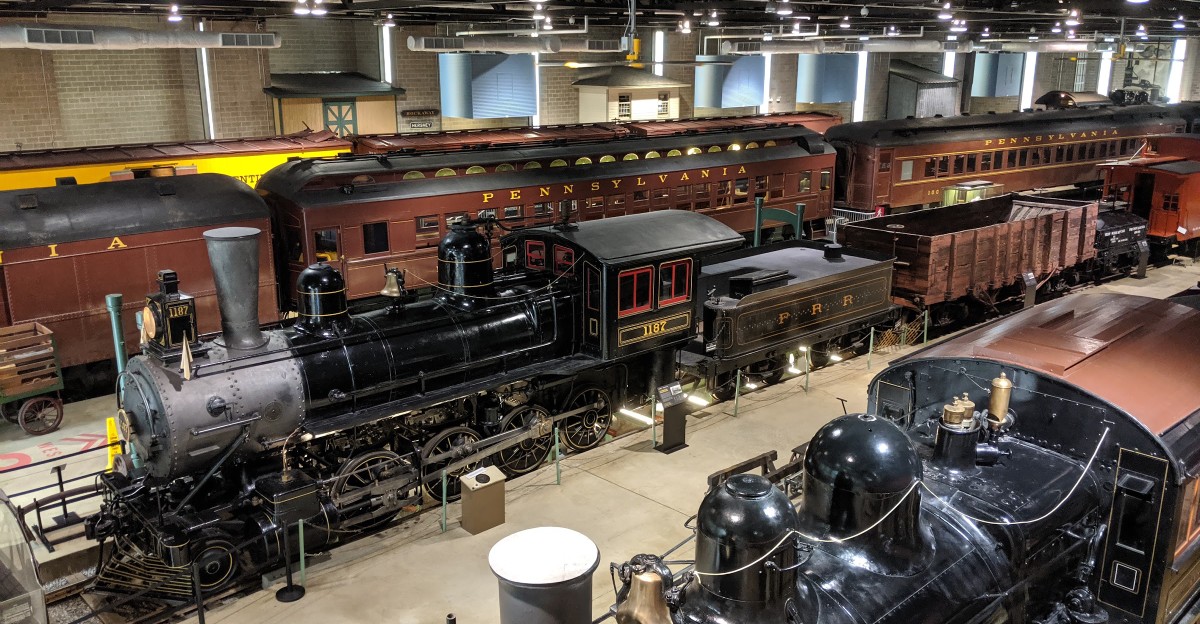
A locomotive built in 1838 sits indoors here, and it’s older than the telephone by decades. That alone made me stop and reread the fact twice.
The collection holds more than 100 historic locomotives and railroad cars.
You can walk beneath a steam engine through an observation pit. You can also take the throttle in a simulated run inside a real freight cab.
This spot sits in the heart of Pennsylvania’s Amish Country. I like how it blends serious history with plain, hands-on fun.
Kids climb aboard train cars while grown-ups quietly geek out over rivets and gauges.
I believe most people plan for an hour and end up staying all afternoon.
Some even say one engine has a resident ghost. So how long could you last before checking the clock?
A Building Made Just For Trains, And It Shows
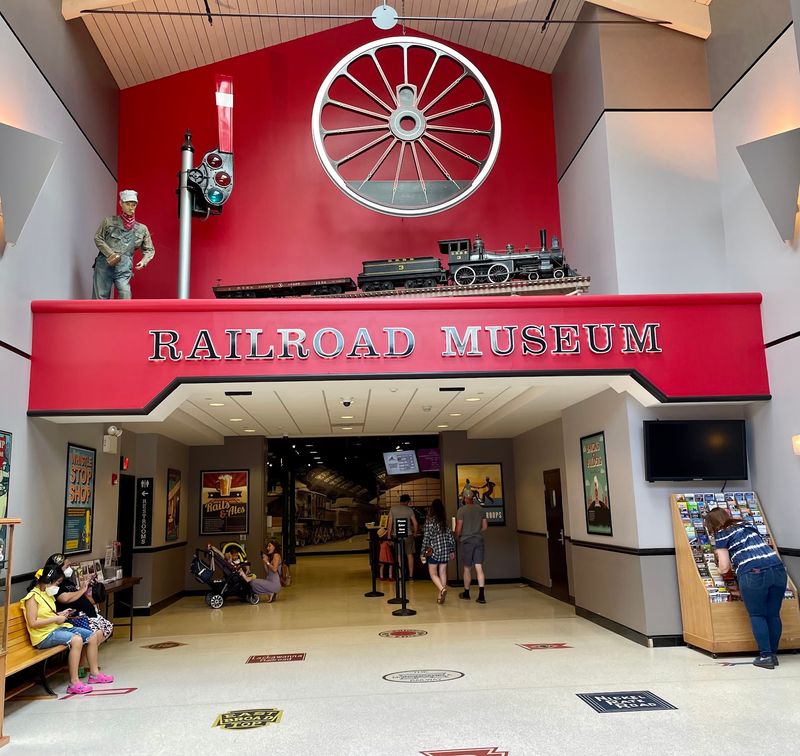
Long before most museums thought about trains, Pennsylvania lawmakers did.
The Railroad Museum of Pennsylvania was created by an act of the state legislature in 1963.
The museum opened to the public in April 1975. It became the first structure in North America built specifically to be a railroad museum.
That purpose shows the moment you arrive. The front has an early 20th-century style facade topped with a cheerful blue clock tower.
Inside, the scale feels almost unreal. The property covers 18 acres, with about 100,000 square feet of indoor exhibit space.
Growth never really stopped here. A 45,000-square-foot addition in 1995 was designed to look like an arched city train shed from the late 1800s.
The entrance got a fresh lobby atrium and museum store in 2007. Even the restoration shop came along in 1999, so the place keeps evolving.
The museum is run by the Pennsylvania Historical and Museum Commission. A nonprofit group, the Friends of the Railroad Museum of Pennsylvania, has supported it since 1983.
So yes, it’s a museum. But it’s also a building designed from the ground up to give giant machines the stage they deserve.
Rolling Stock Hall Is Where Your Jaw Drops First
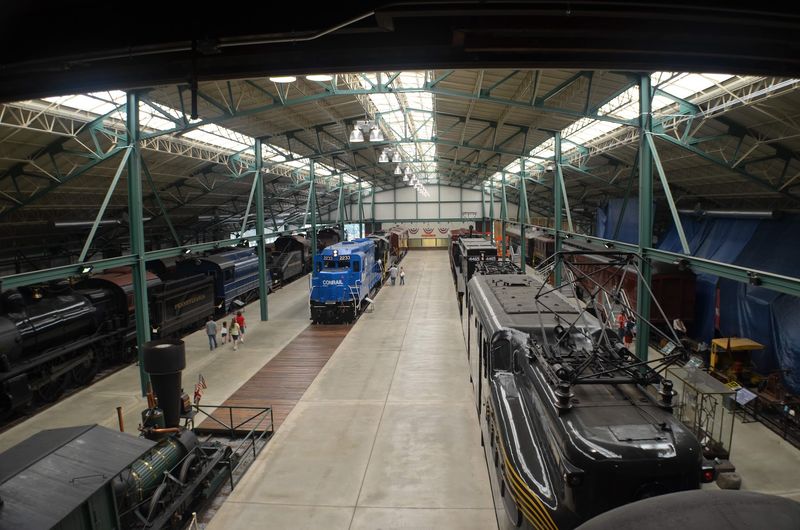
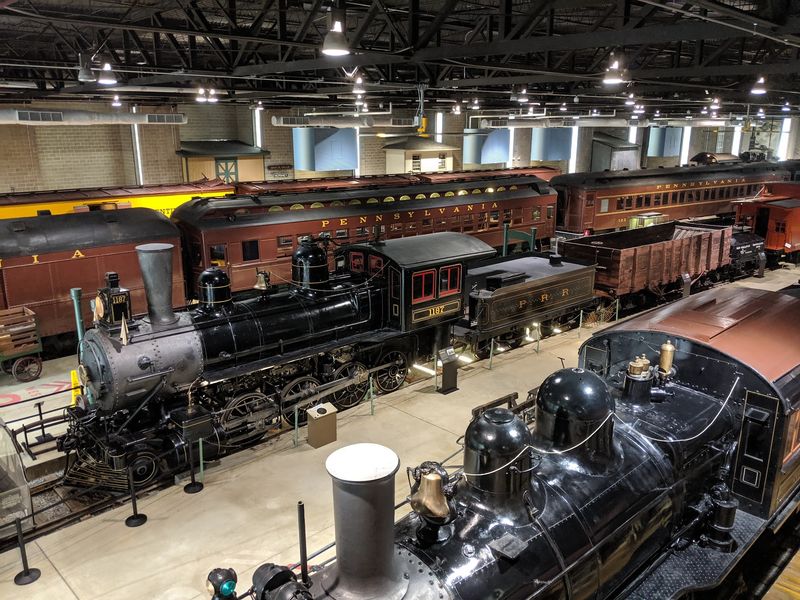
Massive is the only honest word for it. Rolling Stock Hall holds most of the museum’s restored locomotives and railroad cars on parallel tracks.
The collection tops 100 historically significant pieces. Many were built or operated right here in Pennsylvania, which makes the history feel personal.
Steam, diesel, and electric engines share the floor. Shiny paint and polished details make some look ready to leave the station.
For the best view, head to the observation bridge. From up there, rows of engines stretch out below like a sleeping giant’s toy box.
Heights not your thing? You can stay on the floor and still feel tiny beside wheels taller than most kids.
The hall is handicapped accessible, which helps everyone enjoy the space. Wide aisles let you circle the trains and study them from every angle.
Here’s a tip that saves frustration. Arrive with plenty of time, since last entry is at 3:30 PM and this hall alone can swallow hours.
Bring a camera with a full battery. Between the engines, the arched roof, and the bridge view, you’ll want more photos than you planned.
Go Ahead, Crawl Under A Locomotive And Grab The Throttle
Most museums say look, don’t touch. This one flips the script in some delightfully hands-on ways.
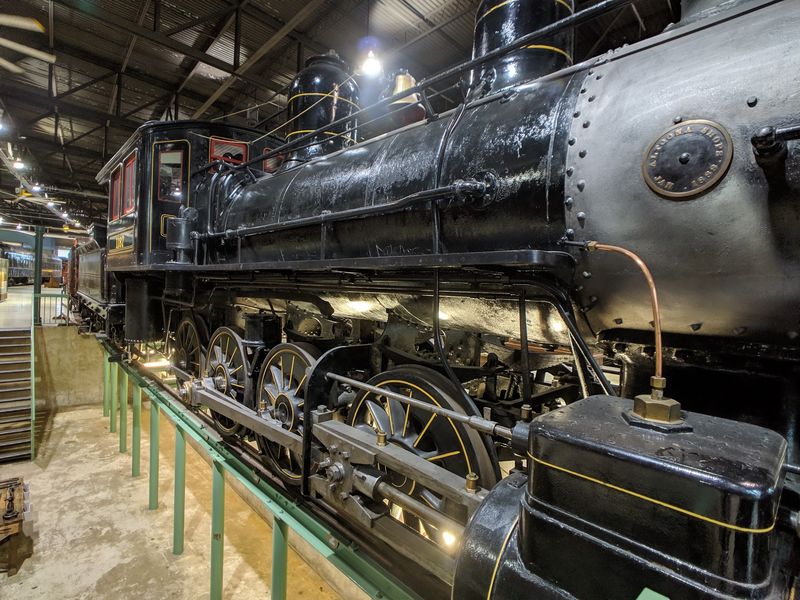
An observation pit lets you walk beneath a 62-ton locomotive. You’ll see the underside of a steam engine, a view usually reserved for mechanics.
It’s oddly thrilling to stand under all that iron. Somehow the machine feels even bigger from below.
Then comes the fun part for anyone who ever dreamed of driving a train. Inside an authentic freight locomotive cab, you can take the throttle in a simulated run.
Climbing aboard selected historic equipment is another possibility, but access is more limited than you might expect. For preservation and safety reasons, most locomotives and railroad cars remain closed to visitors.
Museum staff and volunteers occasionally open certain pieces for supervised exploration. Which ones are available depends on staffing, safety conditions, and the equipment itself.
That means two visits can offer different experiences. One day you might get a closer look inside a passenger car, while another visit might include an engineer’s cab.
My advice is simple. Ask which cars are open when you arrive, then plan your route so you don’t miss them.
Wear comfy shoes with good grip for the steps. Some cab entrances are steep, and you’ll want steady footing while exploring the equipment.
Even when a historic car isn’t open for boarding, the museum offers viewing platforms and virtual tours that reveal what its interior looks like.
A 1915 Main Street Hides Indoors
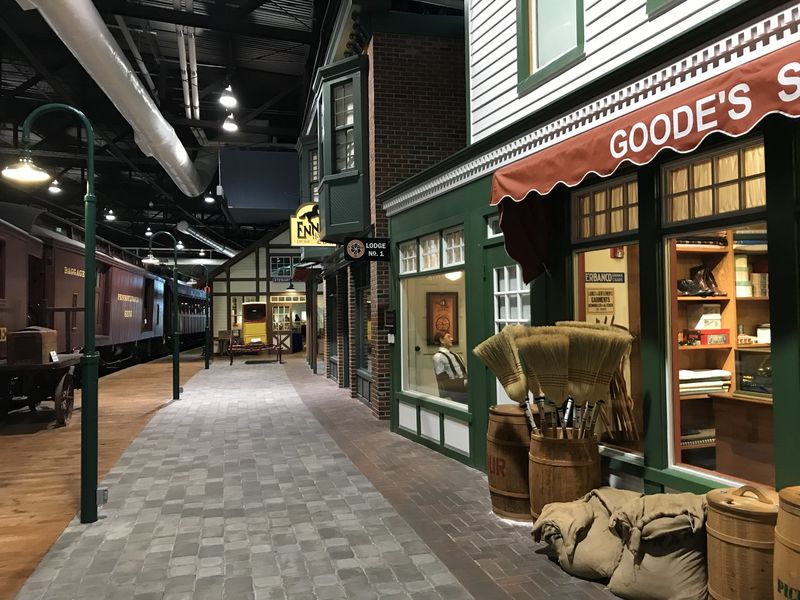
Somewhere between the giant engines, time quietly rolls back to 1915. The museum built an indoor Golden Age of Railroading street scene that feels like a movie set.
The centerpiece is Steinman Station. It’s a re-created early 20th-century passenger depot, added in 1988.
Next to it sits a furnished streetscape. Five period building vignettes were added between 2004 and 2010, each showing life in a railroad town.
Why does this matter? Trains didn’t just haul cargo, they shaped whole communities and the people inside them.
The museum focuses on that bigger picture. It tells the stories of manufacturers, workers, and travelers tied to Pennsylvania’s rail heritage.
Nearly 20,000 smaller artifacts help tell those stories. Think tools, uniforms, and telegraphy equipment that once powered daily railroad life.
Take your time peeking into each storefront. The small details often reveal more than any big engine could.
It’s a nice change of pace after Rolling Stock Hall. Your neck gets a break from looking up, and your imagination gets a workout instead.
Meet Rocket, The Old-Timer With Serious Bragging Rights
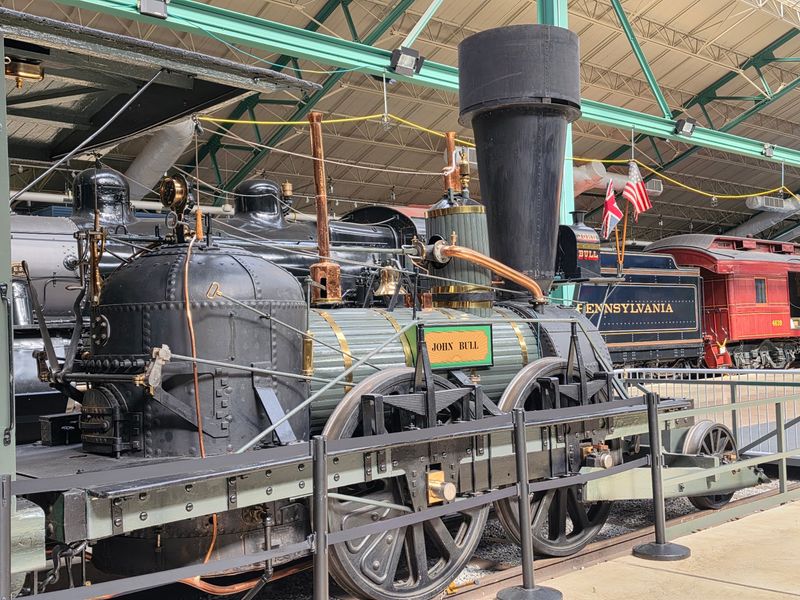
Built in 1838, Rocket has been around longer than most of America’s famous landmarks. It’s the oldest surviving steam locomotive with Reading Company ties.
Some pieces in the collection are approaching 200 years old. Standing beside them feels like meeting a living textbook.
The museum also holds the largest collection of Pennsylvania Railroad equipment in the country. Many treasures came from the Pennsylvania Railroad Historical Collection.
That collection started as a preservation effort after the 1939-1940 New York World’s Fair. Somebody had the good sense to save these machines, and we’re lucky they did.
Not everything is homegrown, though. You’ll find a locomotive from Nevada’s Virginia and Truckee Railroad.
There’s even a Hawaiian sugar plantation locomotive. Yes, a train from Hawaii ended up in Lancaster County, which is a fun road-trip story on its own.
Then there’s Tahoe, an engine some folks consider haunted. Its supposed ghost even has a name, Ralph.
Whether you believe in Ralph or not, give Tahoe a polite nod. It never hurts to be friendly with the locals.
Little Engineers Get Their Own Junction
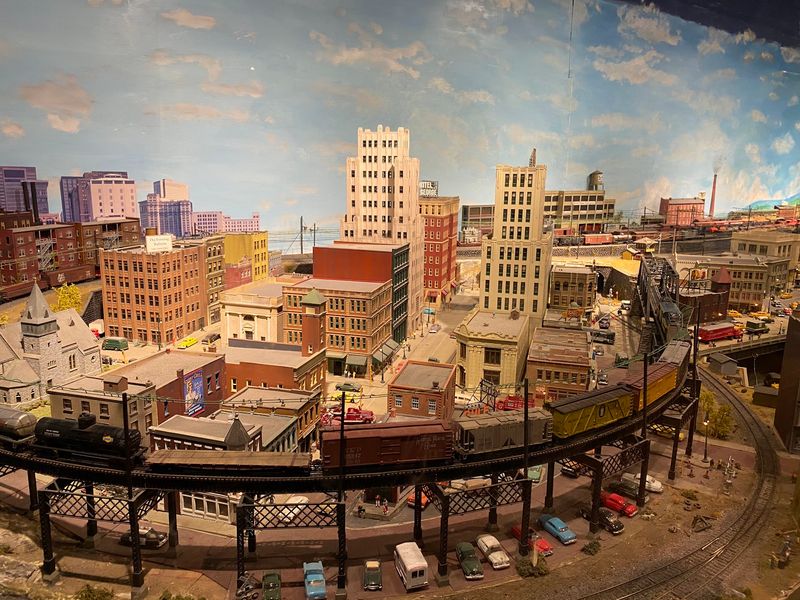
Kids who can’t stand still get a whole zone built for them. Stewart Junction, added in 2000, is an interactive railway education center for all ages.
Hands-on activities explain how trains actually work. Learning sneaks in while everyone thinks they’re just playing.
Young visitors can try tasks inspired by real railroad jobs. It turns big ideas about wheels and tracks into something they can touch.
Upstairs, another favorite waits. A detailed model railroad shows landscapes and operating scale trains moving through tiny scenery.
The model layout is worth slowing down for. Spotting miniature details can keep both kids and grandparents busy for a while.
A second-floor gallery hosts changing exhibits too. So even repeat visitors may find something new on the walls.
Families with toddlers should plan for short bursts of attention. Mix the big trains with play time, then take breaks before anyone melts down.
Free parking makes arrival easy, with spaces for buses as well. That small perk matters when you’re unloading snacks, strollers, and excited kids.
Step Outside For Trains, Sky, And Farm Country
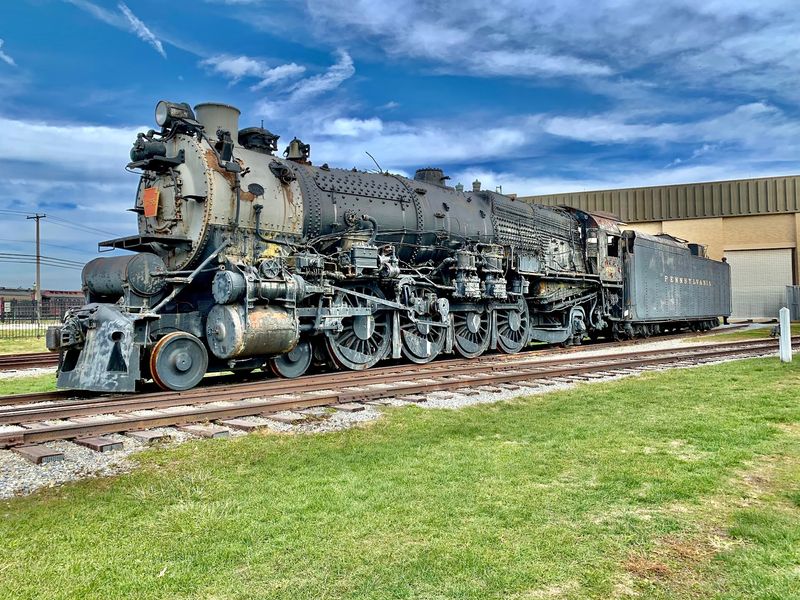
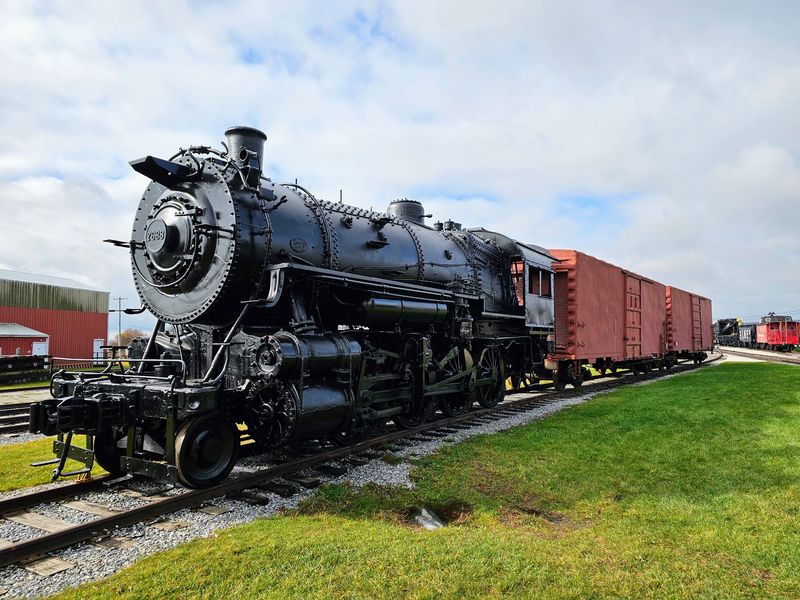
Fresh air usually comes with a side of locomotives out back. The Railroad Museum of Pennsylvania has an outdoor train yard filled with historic steam, diesel, and electric railroad equipment.
However, visitors should know about an important temporary restriction.
As of November 2026, the Train Yard is closed for general browsing while construction continues on the museum’s new roundhouse.
The museum sometimes offers escorted tours of accessible portions of the yard.
These tours depend on staffing, weather, and construction conditions, so calling ahead is the best way to find out whether one is available.
The yard is home to an important piece of railroad engineering. The turntable is also undergoing refurbishment as part of the roundhouse project.
Its surrounding tracks are being rebuilt, and additional safety fencing is being installed.
While unrestricted yard visits are unavailable, the museum’s indoor exhibits still offer plenty of impressive trains to explore.
Behind the scenes, preservation work keeps the collection alive. A fully equipped restoration shop sometimes lets visitors watch progress by closed-circuit TV.
The research library and archives hold more than half a million photographic images and documents. That’s a treasure trove for serious rail historians.
The roundhouse is expected to be completed in late 2026 or early 2027.
Big Plans Are Chugging Toward A Brand-New Roundhouse
Shovels hit the ground on July 29, 2025. That’s when construction began on a new 16,000-square-foot exhibit hall.
The building is designed as a roundhouse. It will have six temperature-controlled stalls for preserving delicate history.
Each stall will house a Pennsylvania Railroad steam locomotive. Six legendary engines getting a cozy new home sounds like a pretty good retirement plan.
The project is expected to wrap up in late 2026 or early 2027. So this is a great time to visit now and return later.
Roundhouses were classic railroad buildings for storing and servicing engines. Bringing that design back adds another layer of history to the visit.
Special events also keep the calendar lively. Past favorites include Trains and Troops and Home for the Holidays.
Event dates change, so check before planning a trip around one. Seasonal programs can add a festive twist to an already full day.
The museum is also a Smithsonian Affiliate. That partnership tells you the collection matters well beyond Pennsylvania’s borders.
Plan A Full Train Day Without Moving Your Car
Location might be the museum’s sneakiest superpower.
The Railroad Museum of Pennsylvania sits at 300 Gap Road, Strasburg, PA 17579.
Directly across the street runs the Strasburg Rail Road, an operating steam railroad. Many visitors pair the two in one easy day.
Want even more? The National Toy Train Museum and the Choo Choo Barn are less than a mile away.
That makes Strasburg a true magnet for rail fans. Few small towns can brag about this many trains in one tidy area.
Hours matter, so plan carefully. The museum opens Wednesday through Saturday from 10 AM to 4 PM, and Sunday from noon to 4 PM.
It’s closed Mondays and Tuesdays, plus some holidays. Last entry is 3:30 PM, which arrives faster than you’d think.
Save time for the Whistle Stop Shop on your way out. Railroad-themed goodies make easy souvenirs for young fans.
My best advice is to start early. Between giant engines, ghost stories, and tiny model trains, the clock will start running away from you.