
A Short Florida Trail Leads Straight To The State’s Tallest Waterfall
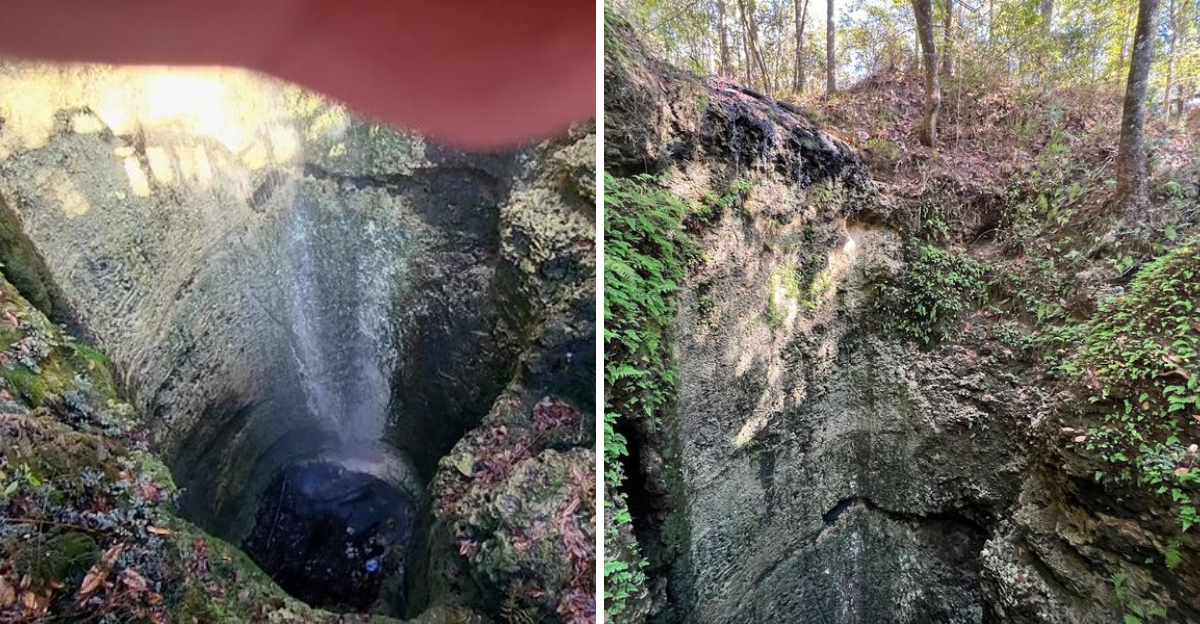
Florida is famous for beaches.
It is famous for springs.
It is famous for palm trees.
Waterfalls?
Not so much.
That is exactly why this place catches so many people by surprise.
Most visitors arrive expecting another pleasant state park and leave wondering how they never knew Florida was hiding something this unusual. A short walk leads to a dramatic waterfall plunging into a massive sinkhole, creating a landscape that feels more at home in the mountains than in the Sunshine State.
The experience is equal parts beautiful and bewildering.
The waterfall disappears into the earth.
The geology feels almost impossible.
And the entire setting challenges everything most people think they know about Florida.
Some attractions are impressive because they are famous.
Others are impressive because they completely defy expectations.
This one does both.
The Waterfall Drops Into A Sinkhole
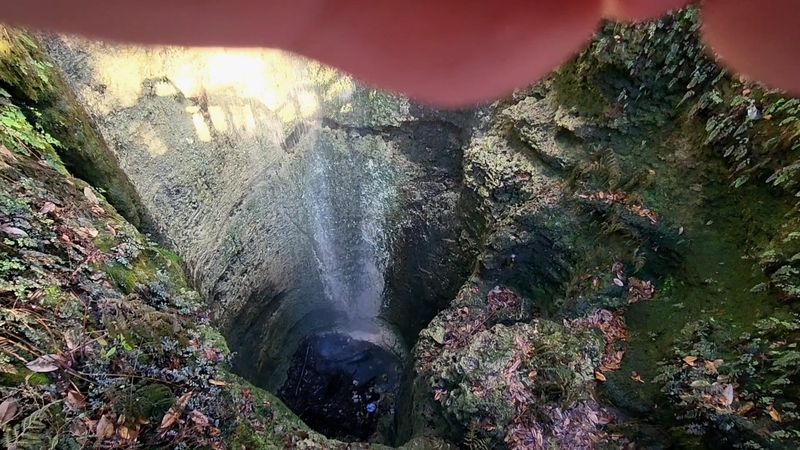
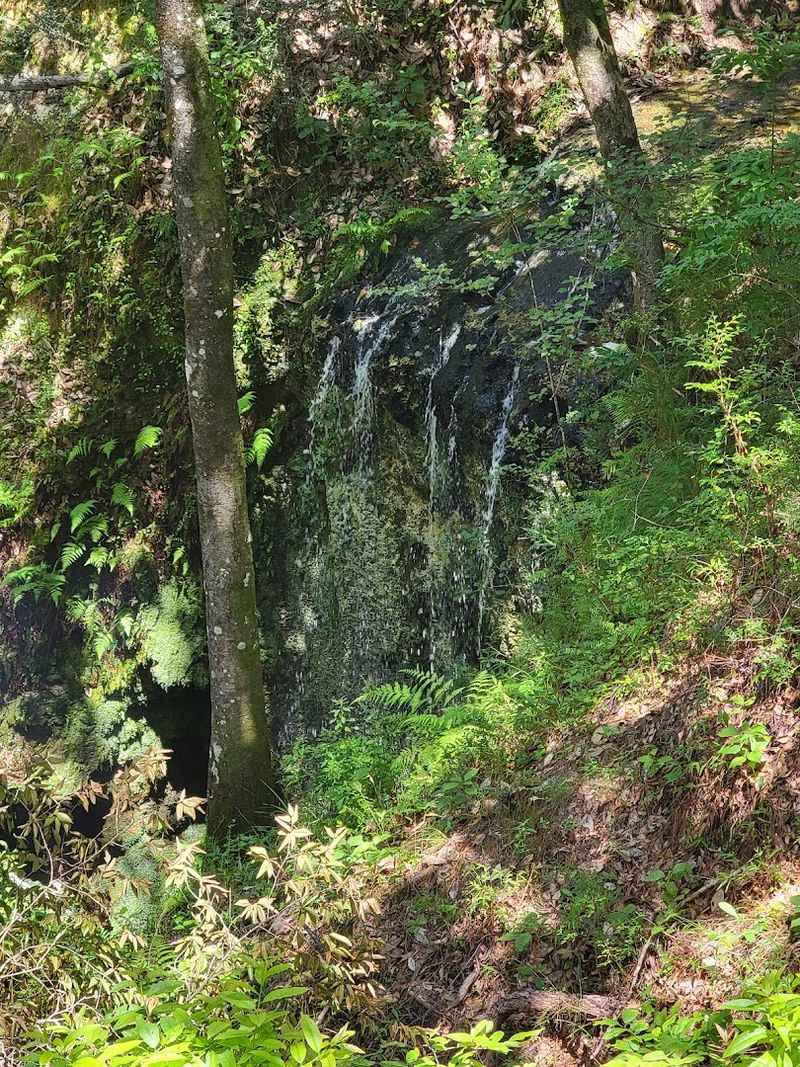
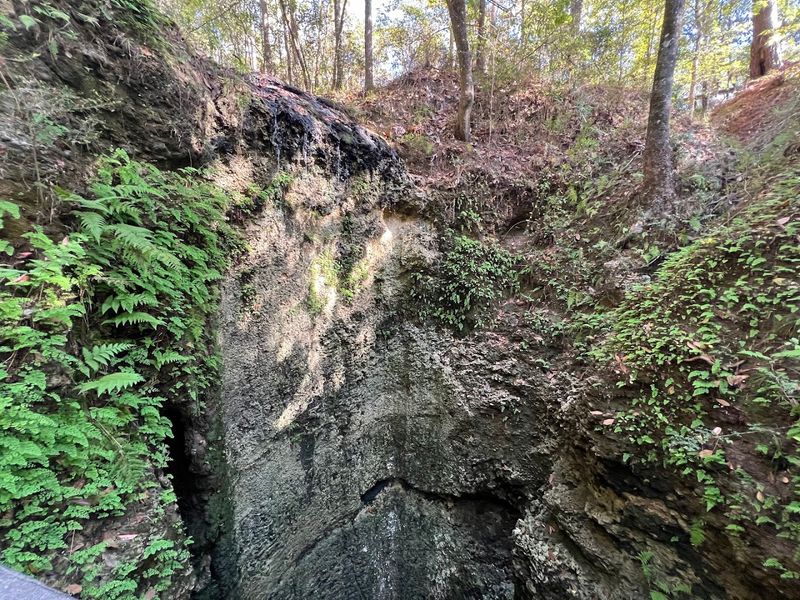
Standing at the observation deck, I watched water tumble 73 feet straight down into a limestone pit that seems to have no bottom. The waterfall doesn’t splash onto rocks or pool at your feet like most cascades.
Instead, it vanishes into a sinkhole so deep that scientists still aren’t entirely sure where all that water ends up. Some say it feeds underground rivers, others think it just seeps into the aquifer, but nobody’s gone down there with a flashlight to check.
The sound alone is worth the visit, a steady roar that echoes off the sinkhole walls and drowns out every other thought in your head. I leaned over the railing just enough to feel the mist on my face, which was both thrilling and slightly terrifying.
The park built two viewing platforms so you can see the falls from different angles, and both offer that perfect mix of awe and vertigo. Watching that water disappear into the earth never gets old, no matter how many times I visit.
The Trail Is Shorter Than Your Morning Coffee Run
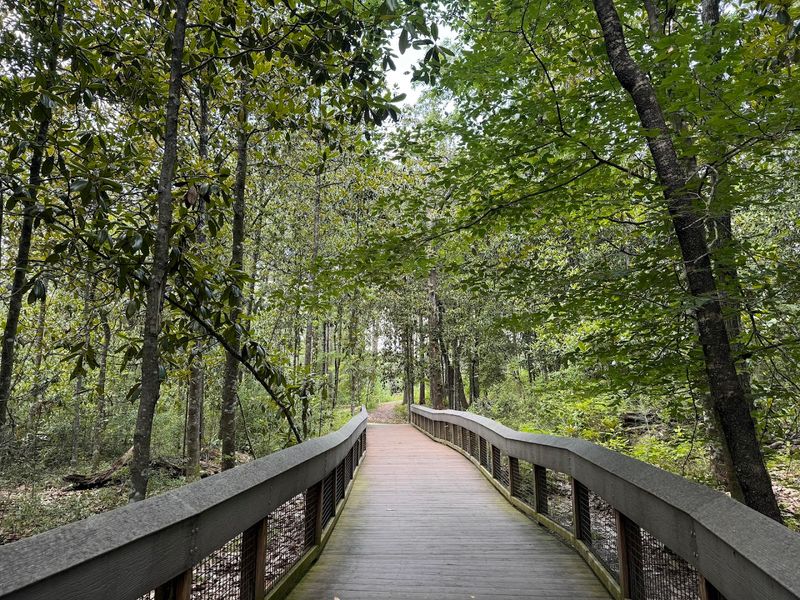
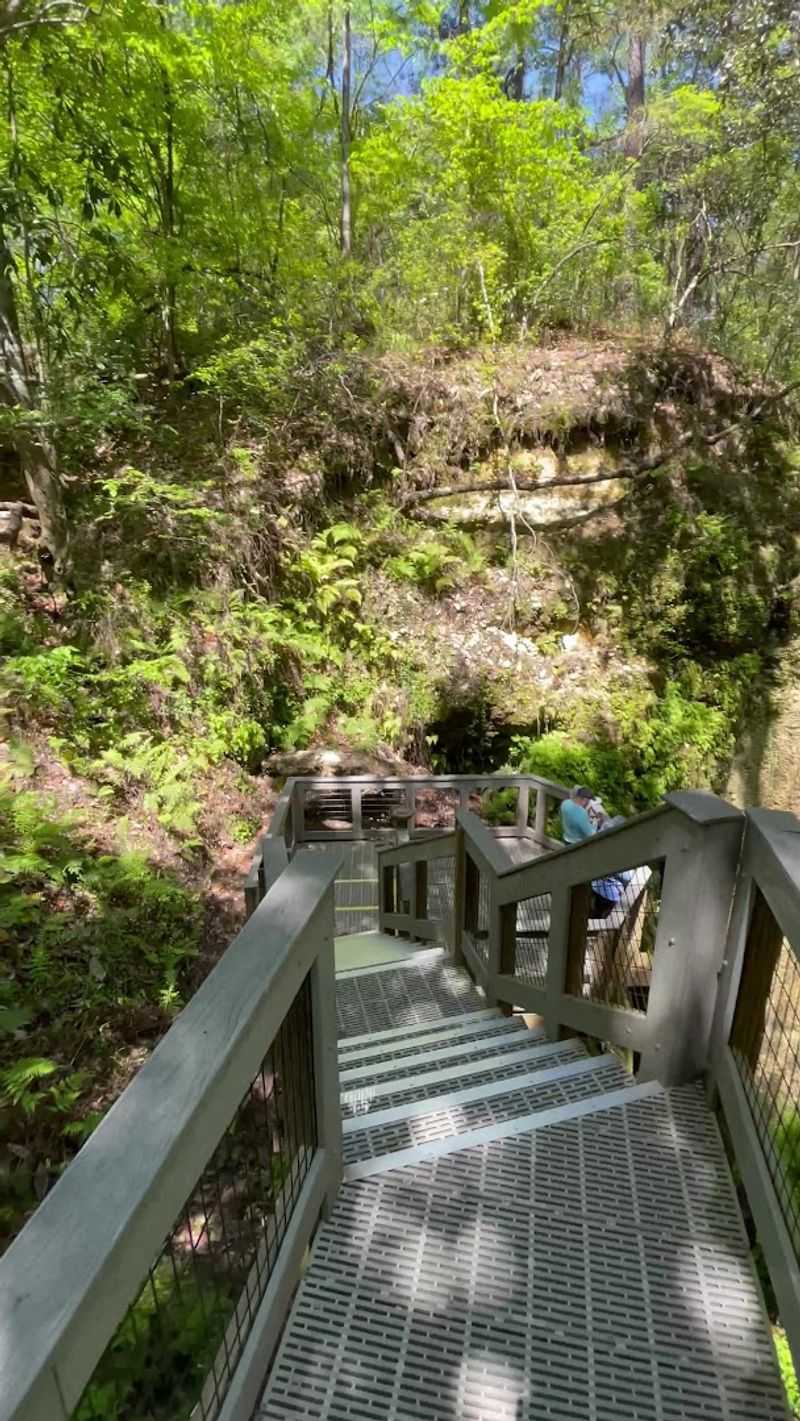
I’ve done hikes that required protein bars, backup socks, and a will to live, but this isn’t one of them. The main trail to the waterfall from the parking lot is paved, flat, and takes about five minutes if you’re moving at a leisurely pace.
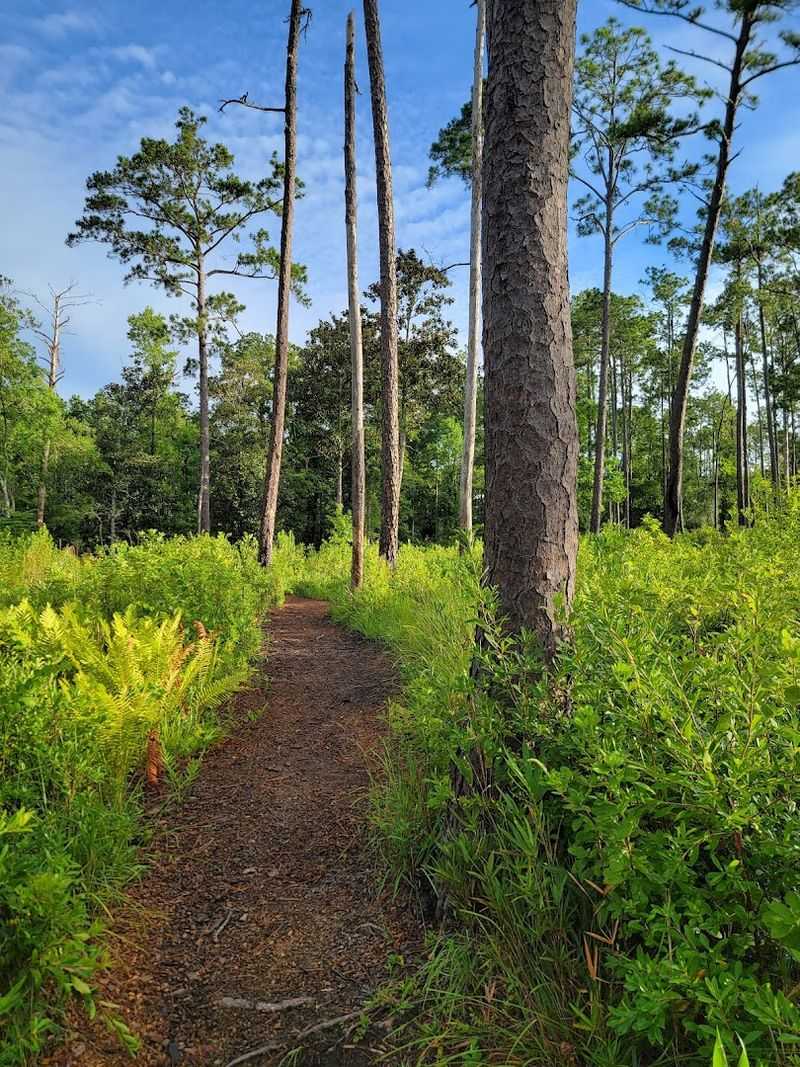
Even my friend who insists she’s “not outdoorsy” made it without complaint, which tells you everything you need to know. The path winds through pine trees and past a few sinkholes, giving you a preview of the geology before you reach the main event.
Wheelchair users can access the upper observation platform via a ramp, which is rare for natural attractions in Florida. I’ve seen toddlers, grandparents, and people in flip-flops all make the trip without breaking a sweat.
There are benches along the way if you need a breather, but honestly, you’ll reach the waterfall before you even think about sitting down. It’s the kind of trail that proves you don’t need to suffer to see something spectacular.
Water Flow Depends Entirely On Rain
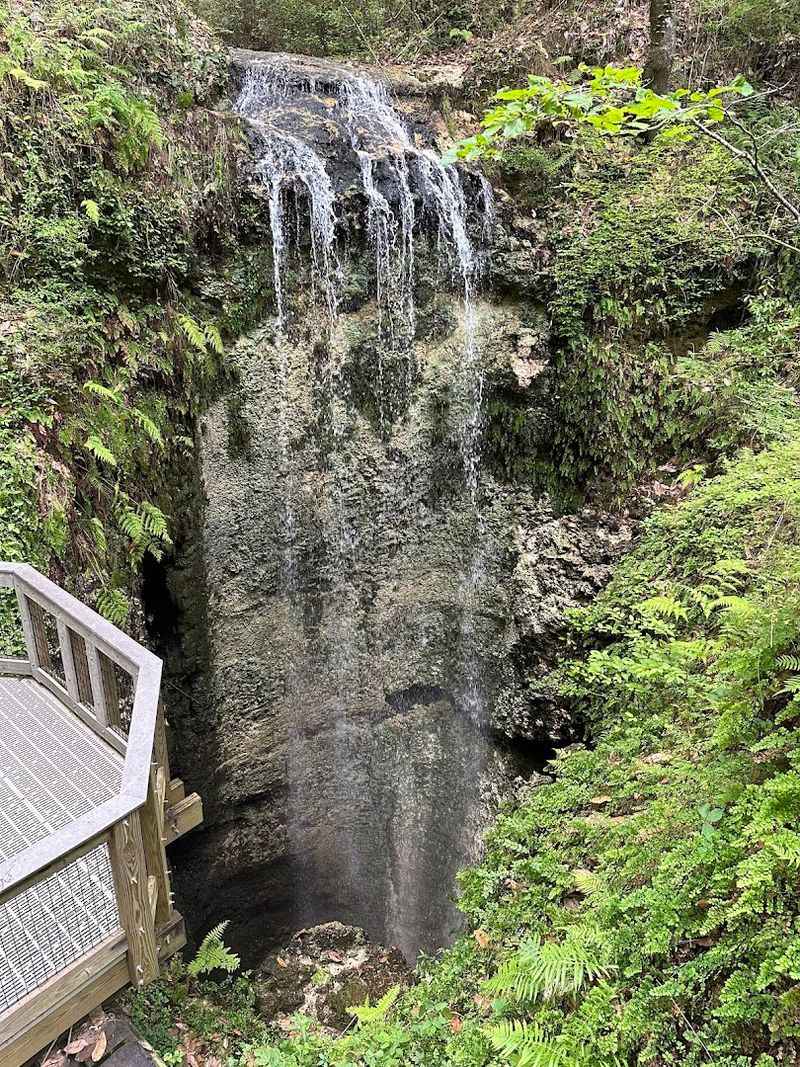
Here’s the catch: this waterfall is a total diva about precipitation. After a good rainstorm, the falls roar to life with enough force to make you feel the vibration through the observation deck.
During dry spells, though, it can shrink to a disappointing trickle that barely makes it over the edge. I called the park office before my second visit to ask about water levels, and the ranger basically told me to check the weather forecast for the past week.
If it’s been raining, you’re in for a show. If it hasn’t, you’re looking at what one reviewer accurately described as “a damp disappointment.”
The park can’t control Mother Nature, so timing your visit matters more here than at most attractions. I learned to aim for late winter or early spring when Florida’s rainy season kicks in and the falls are at their most dramatic.
Even during low flow, the sinkhole itself is impressive, but let’s be honest, you came for the waterfall.
Sinkholes Outnumber The Waterfalls
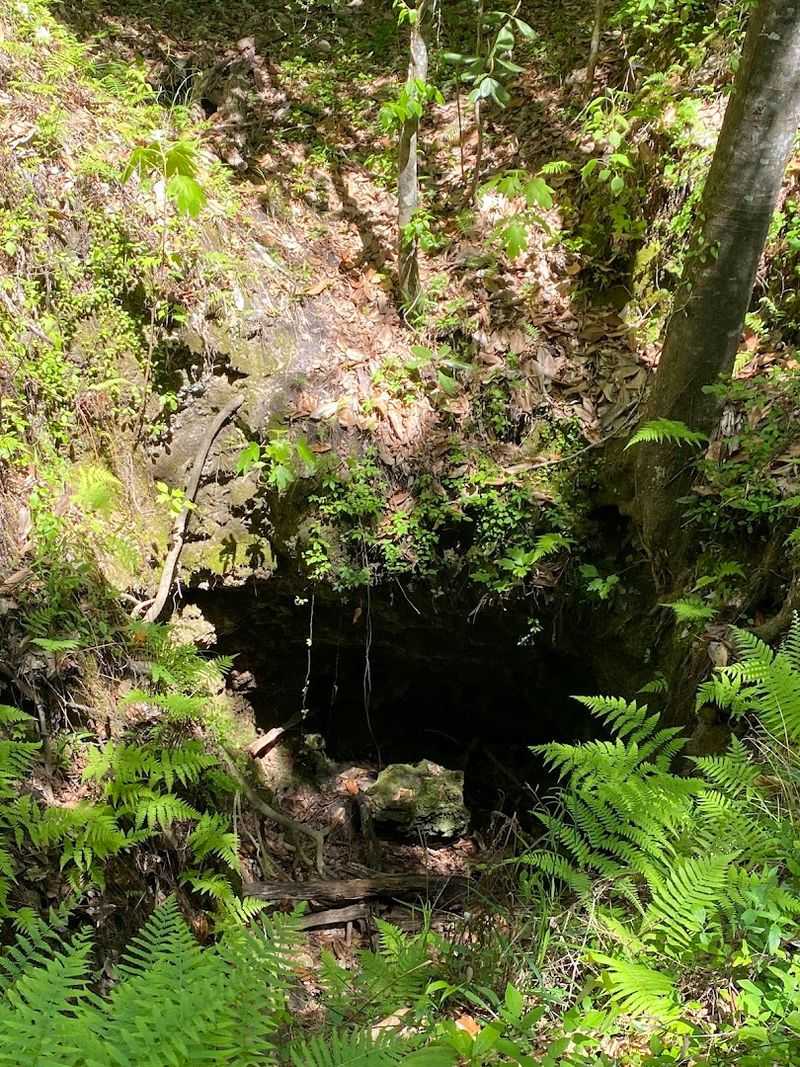
Most people show up for the waterfall and completely miss the fact that this park is basically Swiss cheese underneath. Seven or eight major sinkholes dot the property, ranging from shallow depressions to gaping holes that could swallow a small house.
I walked the sinkhole trail on my first visit and felt like I was touring the earth’s dental problems, each crater deeper and more unsettling than the last. Some have railings, some have viewing platforms, and some just have a sign that politely suggests you don’t get too close.
The formations happen when the limestone bedrock dissolves over time, leaving voids that eventually collapse under their own weight. It’s the same process that created the waterfall’s cylindrical pit, just without the dramatic water feature.
I found the sinkholes oddly mesmerizing in a way I didn’t expect, like staring into the earth’s plumbing system. They’re both boring and fascinating, which is exactly how one reviewer described them, and I couldn’t agree more.
The Park Sits Just Off Interstate 10
Getting here doesn’t require a treasure map or a four-wheel-drive vehicle. Falling Waters State Park sits at 1130 State Park Rd, Chipley, FL 32428, just a few minutes off Interstate 10, making it perfect for a road trip pit stop.
I’ve used it as a leg-stretching break between Tallahassee and Pensacola more times than I can count. The exit is clearly marked, and once you turn onto State Park Road, you’re there before your GPS even finishes recalculating.
The location also means you don’t need to pack a lunch or plan an entire day around the visit, though the park does have picnic areas if you want to make an afternoon of it. I’ve rolled in, seen the falls, walked a trail, and been back on the highway in under an hour.
That convenience is rare for natural attractions, which usually require driving down unmarked dirt roads and questioning all your life choices. This park welcomes you with ample parking, clean bathrooms, and a paved path to the main attraction.
A Butterfly Garden Fights The Weather
Near the parking lot, the park maintains a butterfly garden that’s either thriving or recovering, depending on when you visit. I saw it after a hard freeze, and it looked like a plant graveyard with pruned-back stems and optimistic labels describing what should be blooming.
The concept is solid: native plants arranged to attract Florida’s butterfly species, complete with educational signs explaining which flowers feed which insects. When the weather cooperates, it’s probably lovely.
When it doesn’t, you’re basically reading plant obituaries while standing in a dirt patch. The garden sits right next to the playground, so kids can run around while adults pretend to appreciate horticulture.
I appreciated the effort even in its winter-damaged state, because at least someone’s trying to teach people about native ecosystems. Come back in spring or summer, and you’ll likely see actual butterflies instead of just the promise of them.
It’s the kind of feature that adds value without being the main attraction, which is exactly what a good state park should offer.
Camping Options Include Gravel And Concrete Sites
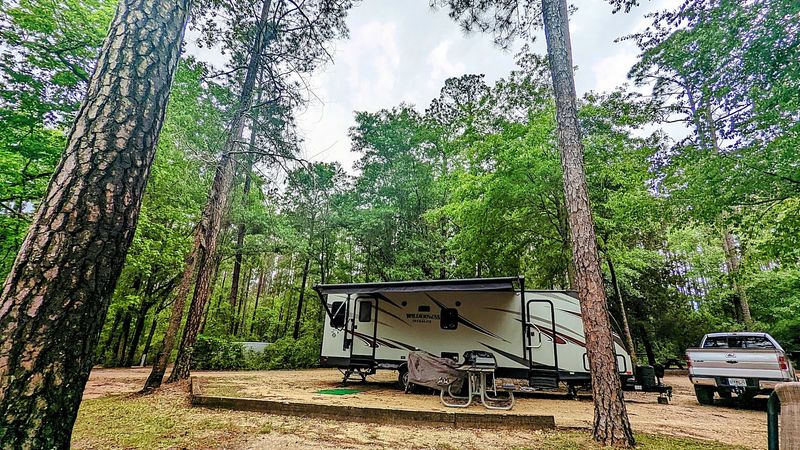
I’ve never camped here myself, but the reviews from people who have paint a pretty clear picture. The campground offers 24 sites, most with gravel pads and a few with concrete, plus electric hookups for RVs.
One family mentioned having to set up their tent on gravel, which sounds uncomfortable but apparently worked fine once they got over the initial surprise. The bathrooms and showers get consistent praise for being clean and well-maintained, which is saying something for a state park facility.
Sites vary in size and privacy, with some offering more space than others, so booking ahead and requesting a specific spot might save you some hassle. The campground sits within walking distance of the waterfall and trails, making it easy to explore without moving your vehicle.
Several reviewers mentioned the park feels small compared to other state parks, with limited activities beyond the main attractions. That could be a positive or negative depending on whether you want peace and quiet or endless entertainment options.
Turtle Lake Offers Swimming When It’s Open
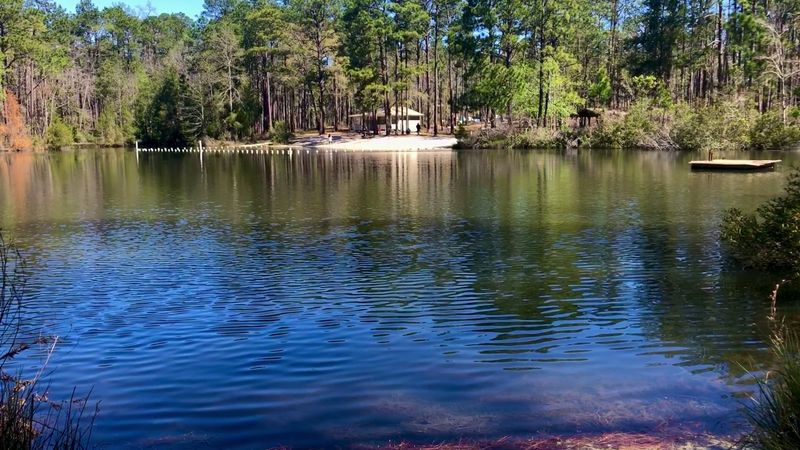
The park’s two-acre lake, called Turtle Lake, provides a swimming spot when water levels cooperate and the ecosystem is healthy. I say “when” because several reviews mention closures due to low water or environmental management needs.
The lake is man-made, which means it depends on rainfall and groundwater just like the waterfall does. During dry periods, the water drops and the park closes swimming access until things stabilize.
When it’s open, though, you get a roped-off swim area, a small beach, and a chance to cool off after walking the trails. It’s not a resort pool, but it’s refreshing on a hot Florida afternoon.
The lake also feeds the waterfall, so if you see it looking full and healthy, that’s a good sign the cascade will be flowing nicely too. I haven’t swum there yet, but it’s on my list for a summer visit when the water is up and the weather is cooperating.
Just call ahead to confirm it’s open before you pack your swimsuit.
The Site Holds Indigenous History
Long before this became a state park with paved trails and parking lots, Indigenous peoples gathered here and left behind pottery, tools, and even cave paintings. Archaeologists have documented evidence of human activity dating back centuries, proving this land held ceremonial and practical importance.
I didn’t know this until I read a review from someone who clearly did their research, and it completely changed how I saw the place. The sinkholes and waterfall weren’t just geological curiosities to the people who lived here first.
They were part of a landscape that provided water, shelter, and spiritual significance. The park doesn’t make a huge deal of this history, which feels like a missed opportunity for interpretation and education.
Still, knowing the story adds depth to your visit, even if you have to seek it out yourself. Walking the trails with that context in mind, I felt more connected to the land and less like a tourist checking off a bucket list item.
History lives in this soil, whether we acknowledge it or not.
Facilities Include Playgrounds And Picnic Areas
The park makes it easy to turn a waterfall visit into a full family outing. Near the main parking area, you’ll find a playground with swings and slides that keep kids entertained while adults unpack lunch or just sit on a bench.
Covered picnic pavilions with tables offer shade and a place to eat without getting rained on, assuming you remembered to bring food. I’ve seen birthday parties set up here, complete with balloons and cake, which seems like a solid use of the space.
The bathrooms sit right at the trailhead, convenient for anyone who needs a pit stop before or after seeing the falls. During my visits, they’ve been clean and functional, though one reviewer mentioned the water fountains were out of order, so don’t count on them.
The playground equipment looked newer and well-maintained, which matters when you’re trusting it with your kids. All these amenities sit within a short walk of each other, so you’re not hiking across the park to find a bathroom or a place to sit.
It’s the kind of practical setup that makes a state park feel welcoming instead of intimidating.