
A Sprawling Underground Labyrinth Waits To Be Discovered Deep Beneath The Arizona Desert
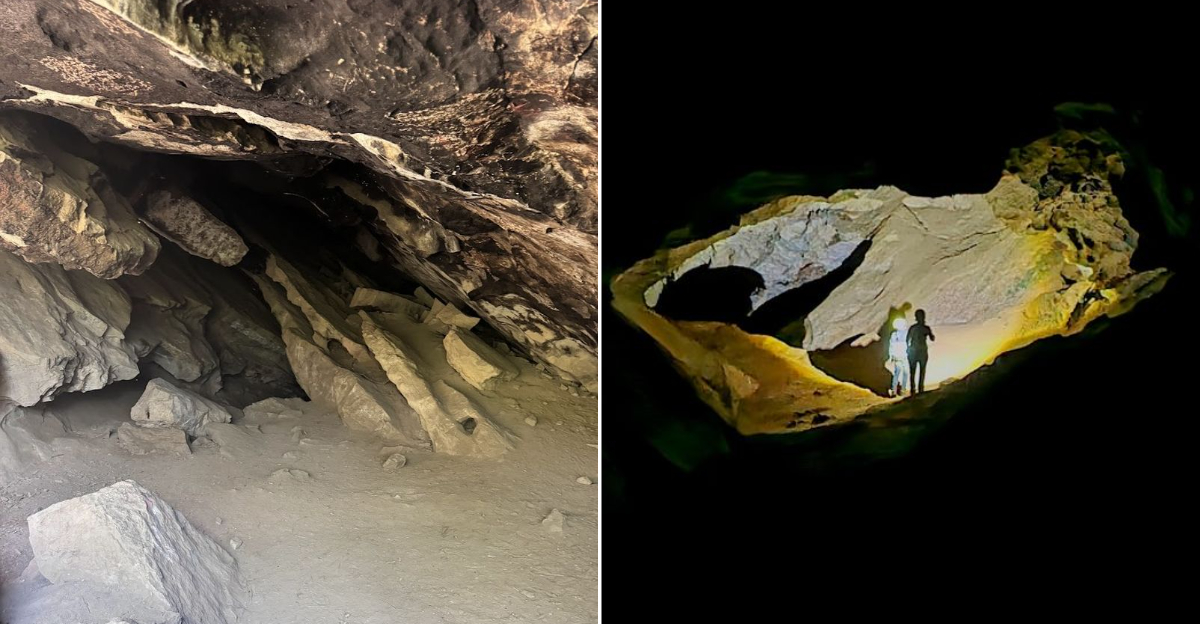
Looking for an adventure that takes you off the beaten path and straight into the earth? Beneath Arizona’s sun-baked desert landscape lies an underground wonder that most travelers completely overlook.
Forget the usual tourist traps and crowded attractions, here, the real magic happens when you descend into darkness and discover a sprawling limestone labyrinth that has been millions of years in the making.
The moment you step away from the blazing desert heat and into the cool embrace of these ancient passages, you realize you’ve stumbled upon something truly special.
Massive chambers stretch overhead, decorated with stalactites that look like frozen waterfalls, while narrow corridors invite you to explore deeper into the mountain’s heart. This hidden world offers an escape unlike anything else the desert has to share.
No ticket booth, no guided tour, no handrails coated in safety paint. Just you, your headlamp, and a cave that has been quietly forming for thousands of years. If you have ever wanted to feel like a real explorer crawling through passages that most people will never see, this place will absolutely deliver that feeling.
The Discovery That Brought This Arizona Cave To Light
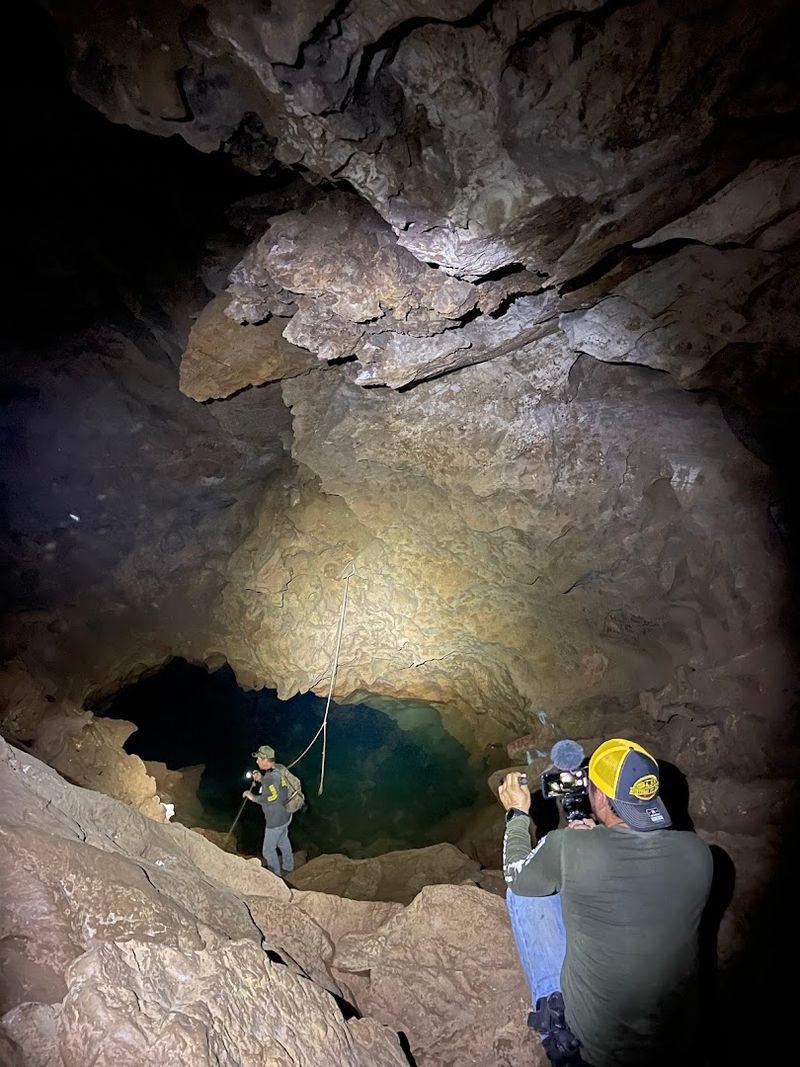
Long before Peppersauce Cave appeared in any magazine, it was likely a well-kept secret among Native Americans, miners, and hunters who roamed the Santa Catalina Mountains.
The cave’s public story began in February 1948, when Desert Magazine published an article crediting deer hunters Charles Yerington and Dick Throp with its discovery. That single article sent curious readers straight to Oracle, Arizona, and the cave’s reputation started growing fast.
Three years later, National Geographic Magazine ran a feature that pushed Peppersauce Cave into a much wider spotlight. Suddenly, people from across the country knew about this sprawling underground world tucked inside Coronado National Forest.
The name itself has a charming frontier feel, though its exact origin remains a bit of a mystery.
What makes this history so fascinating is that the cave was always there, patient and unhurried, waiting for the world to catch up. Today, visitors still arrive with that same sense of wonder that those first published accounts sparked decades ago.
What The Cave Actually Looks Like Inside
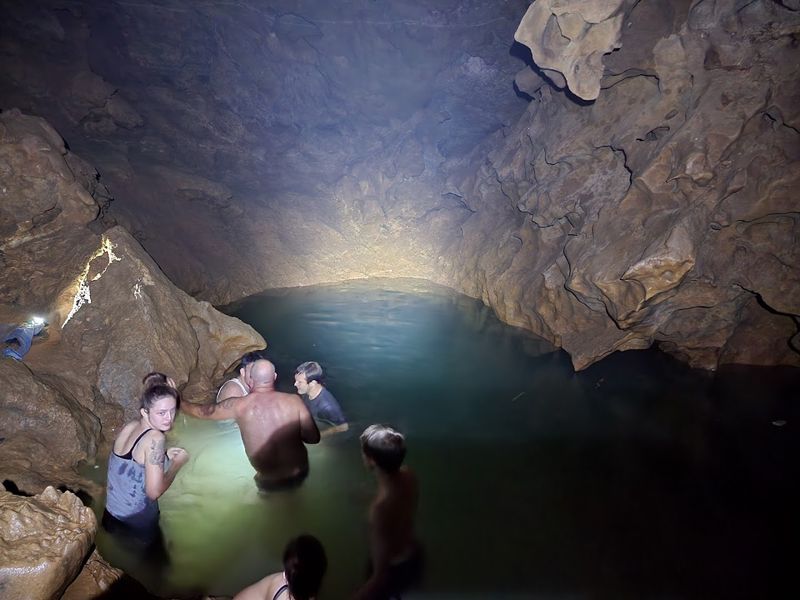
Stepping inside Peppersauce Cave for the first time feels like the earth just swallowed you whole. The cave is a naturally formed limestone system with roughly one mile of mapped passages and a total estimated length of about 7,000 feet.
Large open rooms give way to narrow squeezes, and the contrast between those two experiences keeps every turn feeling fresh and a little unpredictable. The temperature inside holds steady at around 70 degrees Fahrenheit year-round, which sounds comfortable until the humidity hits you.
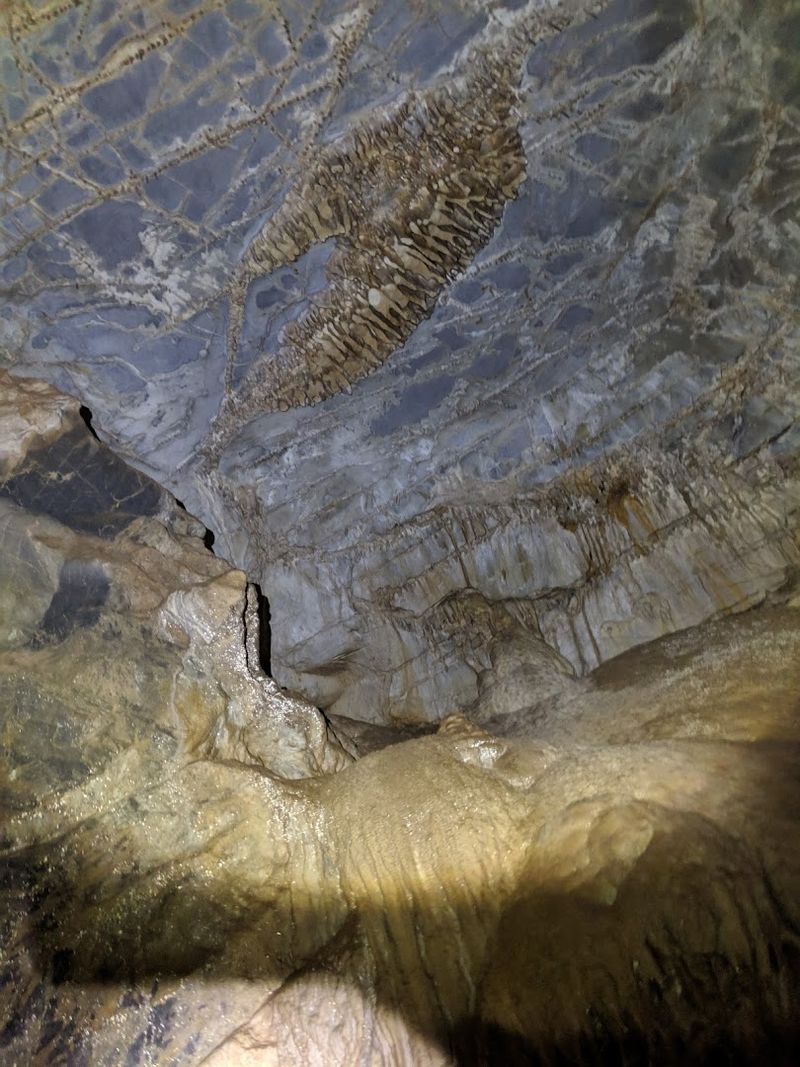
The air feels thick and earthy in a way that is oddly pleasant once you settle into it. Slow-forming draperies and stalagmites cling to the walls and ceilings, reminding you that this cave is still alive and growing, just at a pace that makes a glacier look impatient.
A main lake sits deeper in the system, and several named passages branch off in different directions. Metal ladders have been installed in certain spots to help visitors reach the lower sections without needing professional climbing gear.
The Famous Passages And Their Colorful Names
Every great cave has its characters, and Peppersauce Cave delivers a whole cast of them in passage form. The Slide is exactly what it sounds like, a sloping section where you let gravity do most of the work and try not to think too hard about your jeans.
Then there is the rabbit hole, also called the birthing canal, which is a tight squeeze that earns its nickname the moment your shoulders meet the rock walls on both sides. The Signing Room holds a different kind of energy.
It is a space where visitors have historically left their names on the walls, creating an informal record of everyone who made it that far.
While modern conservation efforts now discourage new graffiti, the older signatures give the room a layered, time-capsule quality that is genuinely interesting to read.
Each named passage tells a small story about what it feels like to move through it. Together, they give the cave a personality that maps and diagrams simply cannot capture, and that personality is best experienced firsthand.
Gearing Up Right Before You Go Underground
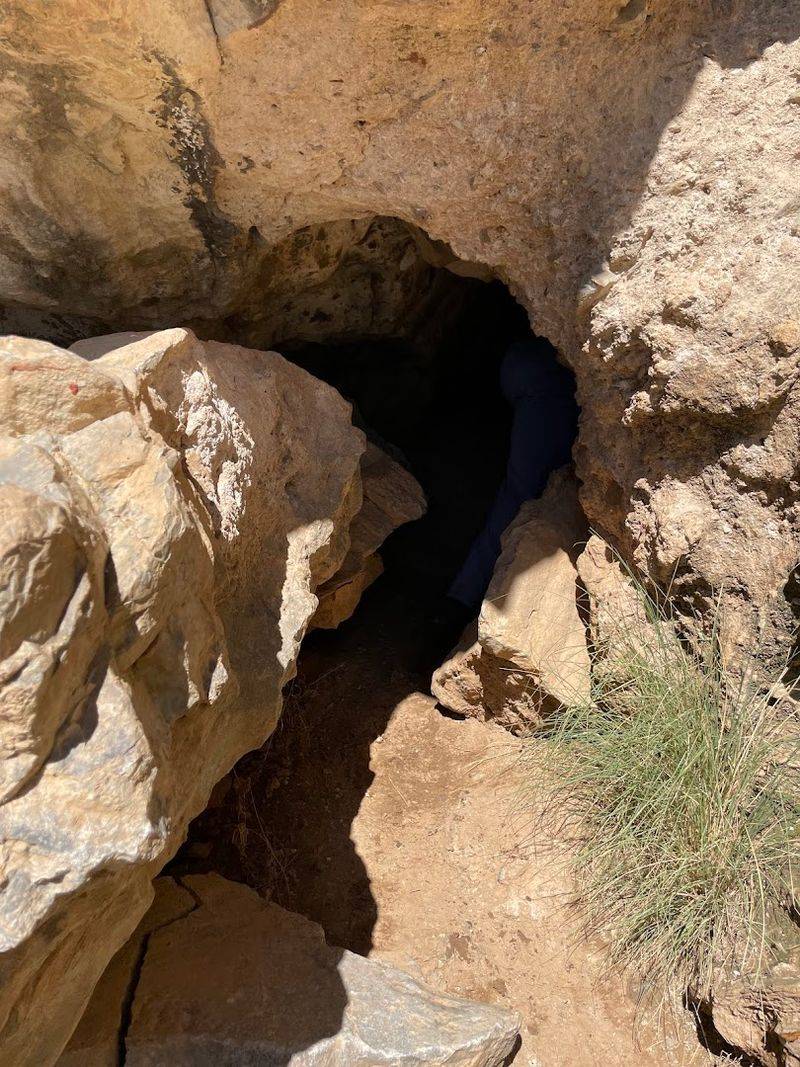
Preparation is the difference between a great cave adventure and a miserable one, and Peppersauce Cave has some specific needs worth knowing before you head out.
Wear clothes you genuinely do not mind ruining. The cave is muddy, tight in places, and completely indifferent to your favorite hiking pants. Old jeans and a long-sleeve shirt you can toss in the wash afterward are the smart call.
Footwear matters more than most people expect. Sturdy boots with solid ankle support handle the uneven, slippery terrain far better than trail runners or sneakers. Knee pads are a quiet hero for anyone planning to push deeper into the cave, especially through the crawling sections that show up without much warning.
Bring at least two reliable light sources per person.
This is not a suggestion, it is a safety rule that experienced cavers take seriously. A headlamp as your primary and a backup flashlight with fresh batteries gives you a real margin of comfort if one light fails deep in the passages.
Water is equally non-negotiable.
Conservation Efforts And The Cave’s Complicated Past
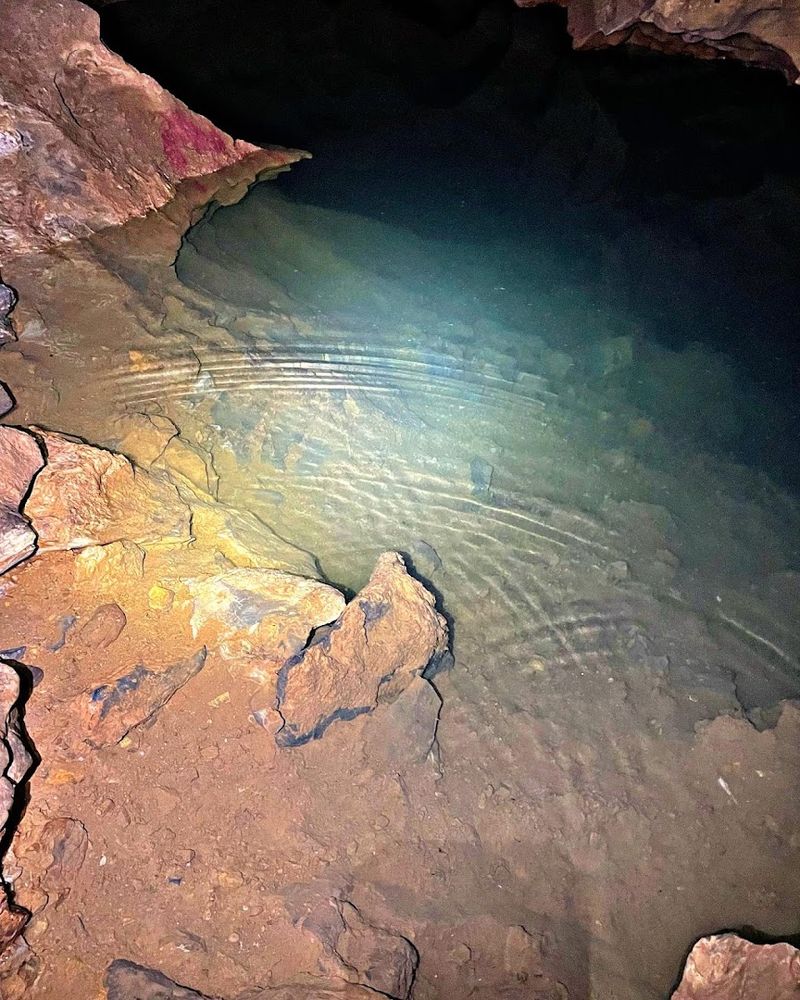
By 1958, most of Peppersauce Cave’s original formations had been taken by visitors who treated the cave like a souvenir shop rather than a natural wonder.
Graffiti covered the walls, litter accumulated in the passages, and what had once been a beautifully decorated cave became a cautionary tale about what happens when public access goes unmanaged. It is a genuinely sad chapter in the cave’s story.
The turning point came in 2001, when the Peppersauce Cave Conservation Project launched in response to discovered E. coli and coliform bacteria in the cave’s lakes. Volunteers working alongside the Arizona Department of Environmental Quality began regular cleanup efforts, removing graffiti and hauling out years of accumulated waste.
The guiding message became simple and direct: leave the cave better than you found it. That ethic has slowly reshaped the culture around visiting.
The water in the cave’s pools remains unsafe for swimming or drinking due to bacteria levels, so keeping clear of those areas is a firm rule every visitor should follow without question.
Getting There And What To Expect On Arrival
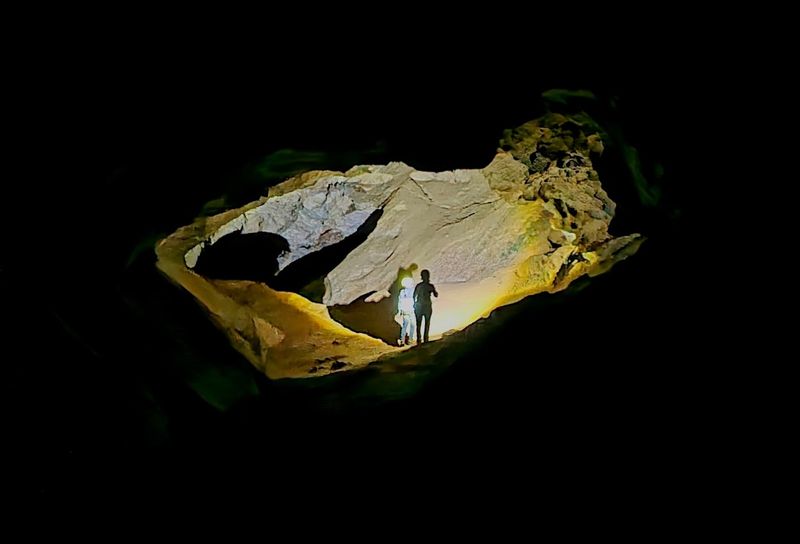
Reaching Peppersauce Cave requires a bit of commitment, which honestly acts as a natural filter keeping casual visitors from wandering in unprepared.
The access road is a narrow gravel and dirt route that begins near Oracle, Arizona, and runs approximately 2.2 miles past Peppersauce Campground. High-clearance vehicles handle this road far more comfortably than standard sedans, and after rain, the road can become genuinely rough.
There is no formal parking lot waiting for you at the end. Roadside parking along the edge of the road is your only option, so arriving early on busy weekends makes a noticeable difference.
The cave sits within Coronado National Forest, and no entrance fee is required to visit, which keeps the whole experience wonderfully low-barrier for anyone willing to make the drive.
Two entrances mark the cave’s opening, with a sign near the main entrance that includes a partial map of the passages inside. That map is worth studying before you step in, since orientation underground is a skill that takes practice to develop.
Who Should Visit And Who Might Want To Think Twice
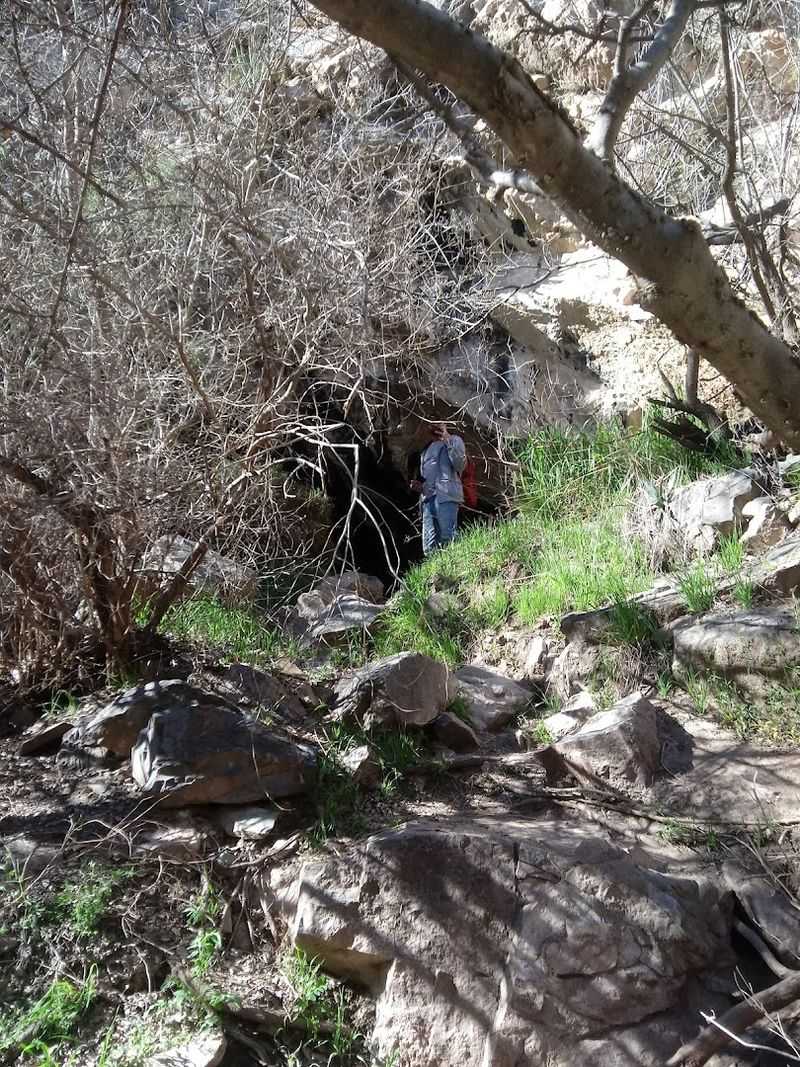
Peppersauce Cave has earned a reputation as one of the more accessible wild caves in Arizona, particularly for beginner spelunkers who want a genuine underground experience without needing technical climbing skills.
The main route leading to the lake is well-marked and manageable for most reasonably fit visitors who come prepared with the right gear and a sense of adventure. That said, the cave is not a universal fit. Anyone with claustrophobia should think carefully before committing to a visit.
The tight squeezes in passages like the rabbit hole are not theoretical challenges. They are real, narrow, and surrounded by solid rock on every side. Some people discover their claustrophobia in caves rather than before them, and that is not the ideal time for the revelation.
Rainfall and snowmelt can flood certain sections of the cave, making conditions unpredictable depending on the season.
Checking local weather and recent visitor reports before heading out is genuinely useful planning, not just cautious overthinking. The cave rewards those who arrive ready.
Why Peppersauce Cave Stays With You
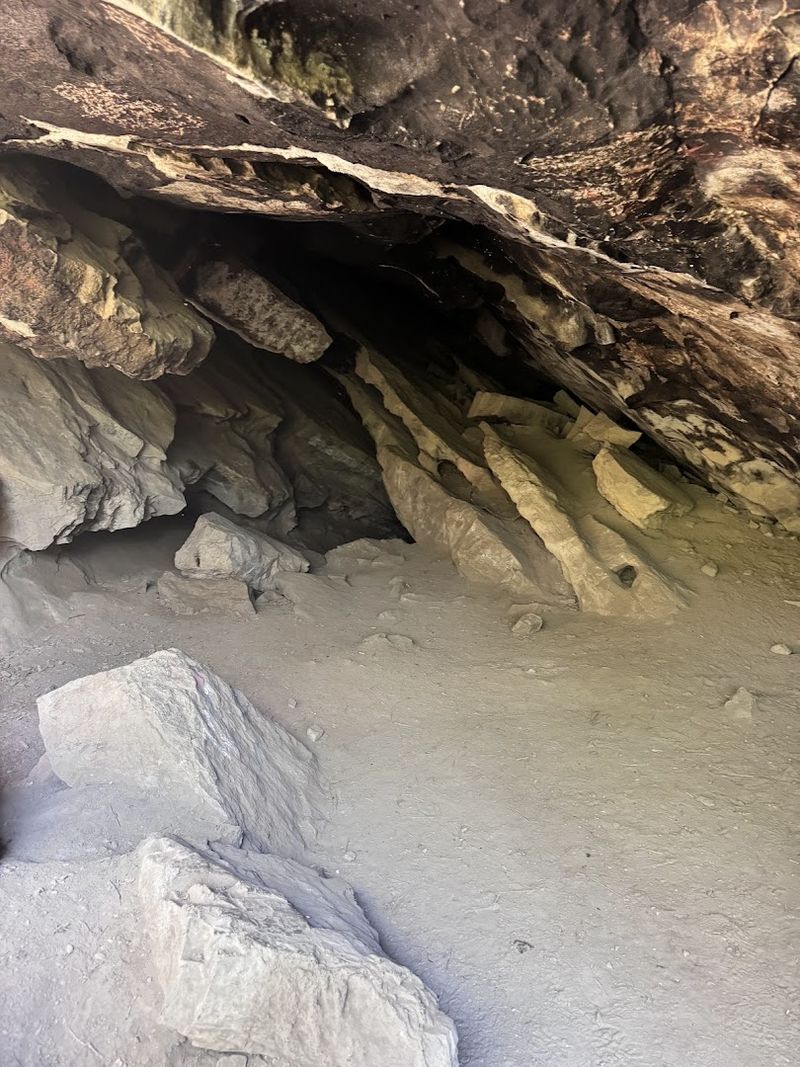
There is something quietly powerful about a place that asks nothing from you except respect and preparation. No gift shop, no timed entry window, no audio guide narrating what you should feel at each turn.
Peppersauce Cave simply exists, and the experience of moving through it belongs entirely to you and whoever came along for the trip. I came out of that cave covered in mud, slightly humbled by the rabbit hole, and genuinely glad I had brought a backup flashlight.
The formations that remain after decades of damage are still beautiful in an understated way, and knowing that volunteers show up regularly to protect them adds a warmth to the whole visit that is hard to explain but easy to feel.
Wild caves like this one remind you that not every great destination comes with a polished entrance and a printed brochure. Sometimes the best experiences are the ones you have to work for a little, crawl through a tight passage to reach, and carry home as a story worth telling.