
A Stunning New Mexico Canyon Hike To Ancient Cliff Dwellings
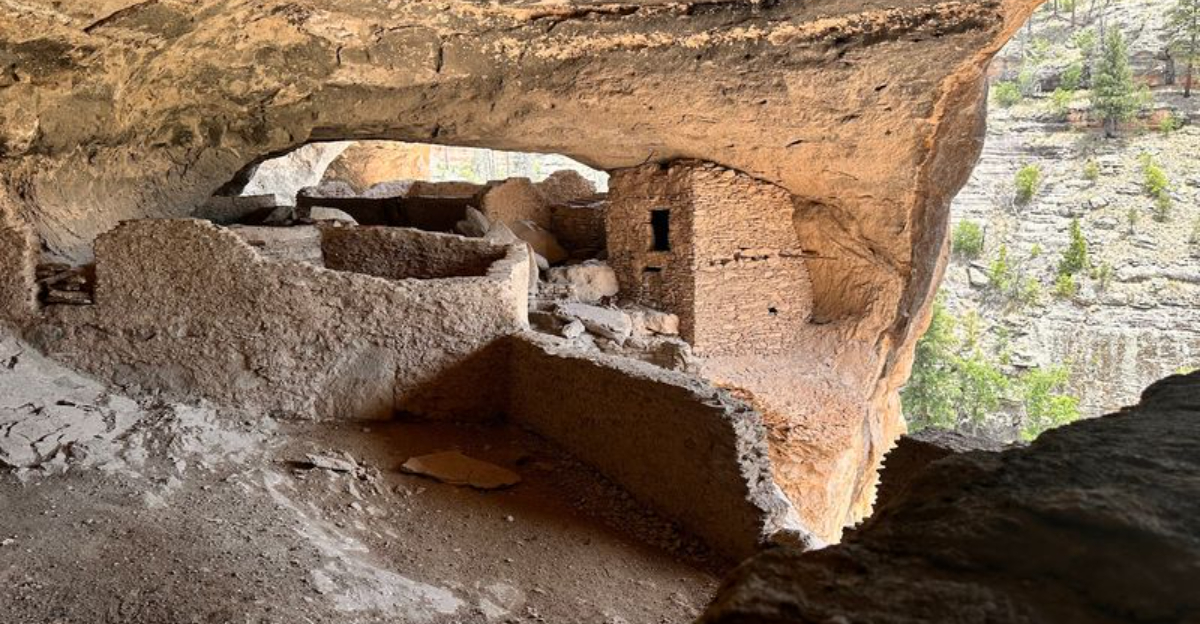
Forget crowded trails and lookout selfies, this hike ends inside a 700-year-old home carved into a canyon wall. No ropes. No glass barriers.
Just ladders, stone, and a direct line to the past. Hidden deep in the wilds of New Mexico, this national monument feels less like a park and more like a discovery.
Built by the Mogollon people centuries ago, these rooms still stand. Quiet, intact, and surprisingly accessible. The trail isn’t long, but it builds anticipation with every step.
Then suddenly, the canyon opens up and history is right there, close enough to touch.
A Scenic Prelude Worth Every Curve
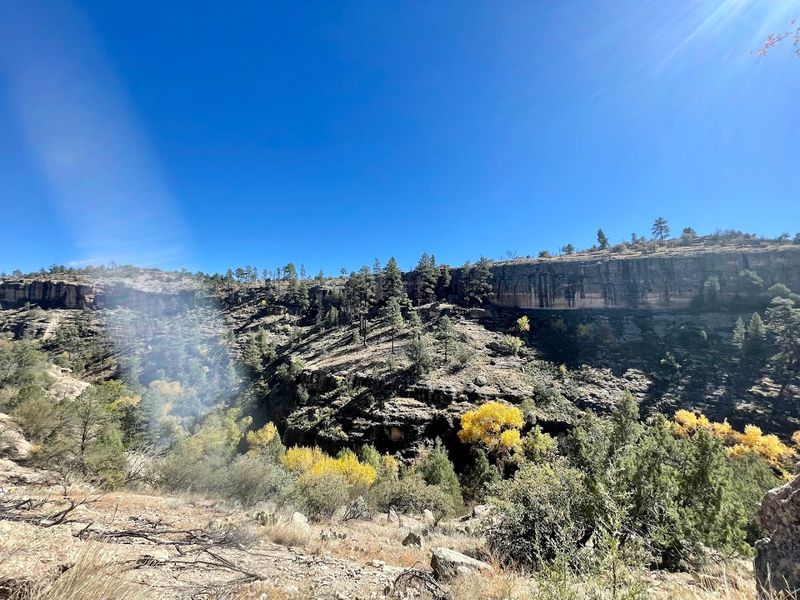
Before you even set foot on the trail, the drive to Gila Cliff Dwellings National Monument already starts earning its reputation. The road into the monument from Silver City stretches about 43 miles through the Gila National Forest, and it is genuinely one of the most beautiful drives in New Mexico.
Towering pines, canyon overlooks, and the occasional lake view make it feel like a road trip highlight reel.
The road is paved the entire way, which is great news. However, it is narrow and curvy with some elevation changes, so taking it slow is genuinely smart advice.
Signs along the way remind drivers to shift into lower gear on the descent, and that is not just a suggestion. Your brakes will thank you later.
Along the drive, wildlife sightings are surprisingly common. Mule deer, coyotes, roadrunners, and javelinas have all been spotted by visitors making their way in.
Keep your eyes on the road, but also keep them open for these incredible moments.
The journey from entrance to trailhead takes roughly two hours, but it honestly flies by when the scenery is this good. Think of the drive as the opening credits of an epic film.
It sets the tone, builds the anticipation, and by the time you park, you are completely ready for whatever comes next. The monument opens daily at 9 AM, so plan your departure from Silver City accordingly.
Where The Magic Begins
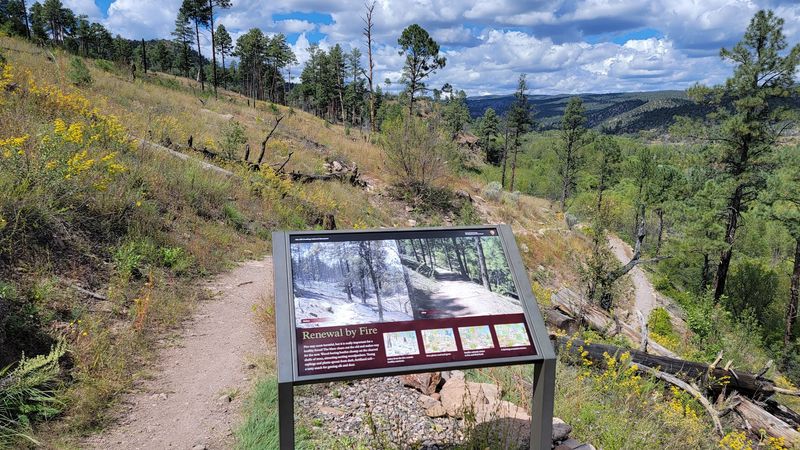
Standing at the trailhead of 26 Jim Bradford Trail in Mimbres, New Mexico 88049, you get this electric feeling that something extraordinary is about to happen.
The parking area is well-maintained, and rangers are stationed right there to greet visitors and walk through a few simple rules before the hike begins. That personal touch sets a warm, welcoming tone from the very start.
Rangers will mention the 616 steps you are about to climb. Yes, 616 steps.
Before you panic, know that the trail is only about one mile long as a loop, and the steps are spread across the entire route.
Plenty of benches are positioned along the way for anyone who needs a breather, and the shaded canyon sections make the climb feel much more manageable than the step count suggests.
The trail crosses several wooden bridges over a small, clear stream, which adds a lovely rhythm to the hike. The sound of water trickling beneath your feet is oddly calming, especially when you are mid-climb and your legs are starting to question your life choices.
AllTrails is a helpful companion here since a few junctions can feel unclear on first visit. The trailhead also has information about a nearby Trail to the Past, which leads to additional pictographs and a smaller dwelling worth exploring.
Starting early gives you the most time to soak everything in before the 4 PM closing time.
Ancient Architects Of The Canyon
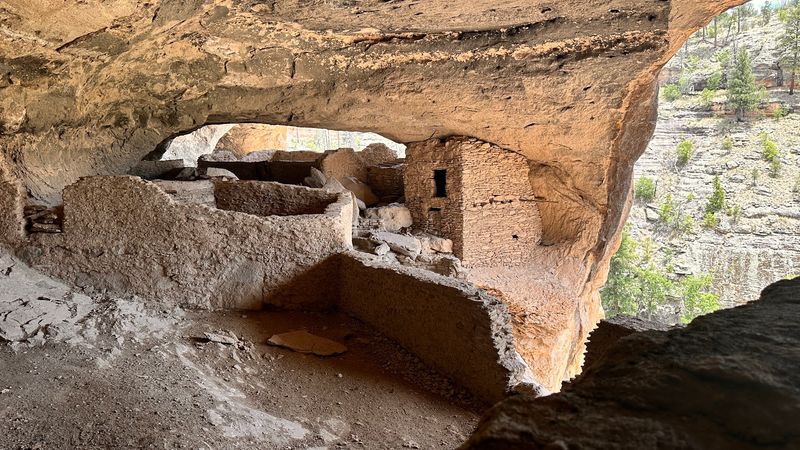
Seven hundred years ago, a group of resourceful and remarkably skilled people called the Mogollon built homes inside natural caves along the Gila River canyon walls.
They were not hiding. They were thriving.
The cliff dwellings at Gila were occupied roughly between 1275 and 1300 AD, a relatively short window that makes the preservation of these structures even more astonishing.
The Mogollon culture had been developing in the region for centuries before they built these particular dwellings. They farmed the canyon floors, hunted the surrounding wilderness, and created pottery that is still celebrated for its artistry today.
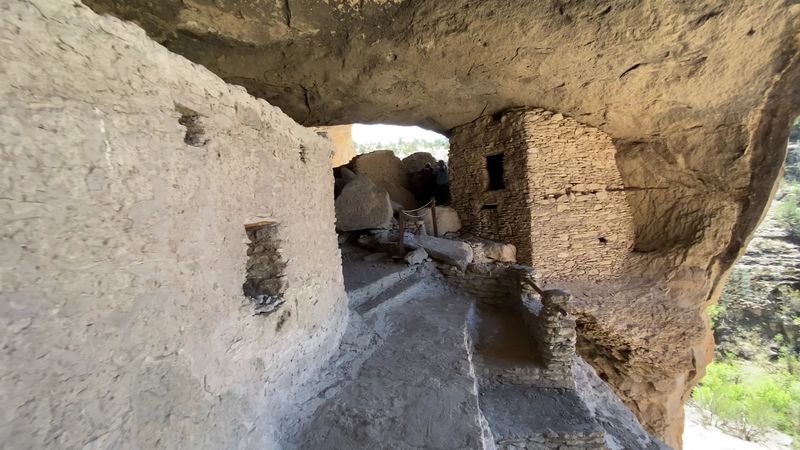
The cliff dwellings themselves contain around 40 rooms spread across five natural caves, and walking through them feels like flipping through the pages of a history book that never got written down.
One of the most talked-about details inside the caves is the corn cob bin, a small storage feature that gives a real, tangible sense of daily life centuries ago.
Seeing something as simple as a corn storage space somehow makes the whole experience click into place. These were real people with real routines, and this canyon was their home.
The visitor center before the hike offers excellent context and background on Mogollon culture, so stopping there first is genuinely worthwhile. Understanding who built these rooms makes standing inside them feel profoundly different than just admiring old stone walls.
Natural Wonders Turned Into Homes
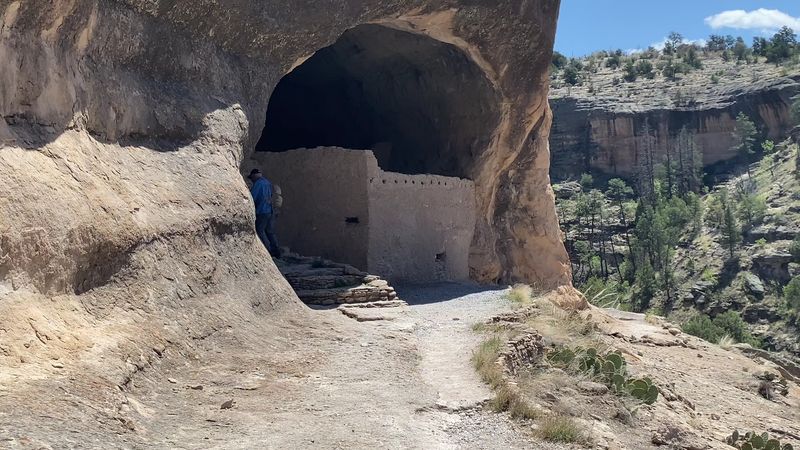
Not every cliff dwelling in the Southwest lets you actually walk inside, and that is what makes Gila so genuinely special.
Five natural caves are tucked into the canyon walls, and each one contains stone rooms that the Mogollon built using the cave as both shelter and structure. The result is a kind of architecture that feels both ancient and surprisingly logical.
The caves vary in size and depth, with some rooms requiring a crouch and others opening into surprisingly spacious chambers. Wooden ladders are provided at certain points to help visitors access higher rooms and peer into spaces that would otherwise be inaccessible.
Those ladders are not just functional, they are part of the adventure. Climbing up to look into a room where someone slept, cooked, and lived 700 years ago is a genuinely surreal feeling.
Natural light filters into the caves in beautiful, dramatic ways depending on the time of day. Morning visits tend to offer softer light inside the caves, while afternoon visits create more contrast and shadow.
Both are photogenic in completely different ways. The stone walls inside still show traces of soot from ancient fires, and in some spots, you can see the original wooden beams that supported the roofs.
Preservation here is remarkable, and it is a direct result of the dry desert climate protecting these structures for centuries.
Every corner of these caves has a story, and the silence inside them feels almost intentional.
Nature Puts On A Show
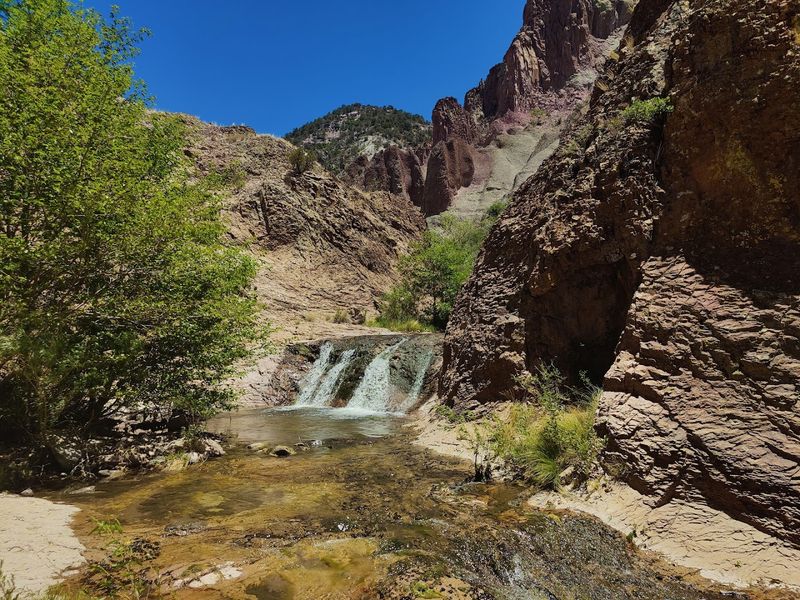
Gila Cliff Dwellings National Monument sits inside the Gila National Forest and the broader Gila Wilderness, which is the first designated wilderness area in the United States. That protected status means the wildlife here is abundant, varied, and wonderfully unimpressed by human visitors.
Animals go about their business, and you get a front-row seat if you are paying attention.
Javelinas are perhaps the most entertaining surprise for first-time visitors. These bristly, pig-like creatures have been spotted trotting near the parking area, and they carry an energy that is equal parts alarming and hilarious.
Mule deer are common along the drive in, and roadrunners occasionally dart across the road with the kind of confidence that only a cartoon-famous bird can pull off. Coyotes have also been spotted by visitors making the scenic drive to the trailhead.
Bird activity along the trail itself is excellent, especially in the riparian zone near the stream. The mix of water, shade, and diverse plant life creates ideal habitat for a surprising variety of species.
Bringing binoculars is a genuinely good idea.
The Gila Wilderness surrounding the monument also supports populations of black bears, mountain lions, and elk, though sightings of those are much rarer on the main trail.
The wildlife here is a reminder that this landscape has been alive and wild long before the Mogollon arrived, and it continues to thrive in spectacular fashion today.
Your Pre-Hike Secret Weapon
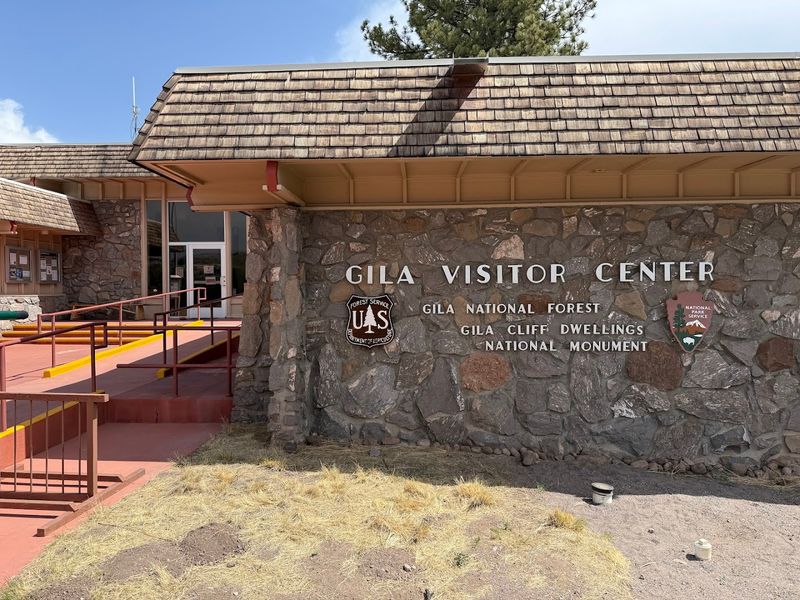
Skipping the visitor center would be a mistake, and not a small one. The visitor center at Gila Cliff Dwellings National Monument sits a short drive from the main trailhead, and it provides context that genuinely transforms the experience of walking through the dwellings.
Exhibits cover Mogollon history, regional geology, and the ecology of the Gila Wilderness in an engaging and accessible way.
Rangers stationed here are knowledgeable, enthusiastic, and happy to answer questions before you head up the trail.
They can also point out specific things to look for inside the caves, like the corn cob bin, the soot marks, and the original wooden beams, details you might otherwise walk right past. Some visitors have also noted that the ranger station has walking sticks available, which is a thoughtful touch for anyone who finds the steep sections challenging.
The visitor center also has a small bookstore with regional guides, maps, and Mogollon-related reading material.
Picking up a trail map here is smart, especially since a few junctions on the loop can feel ambiguous. The center is open during the same hours as the monument, 9 AM to 4 PM daily, so arriving early enough to spend time here before hiking is the ideal strategy.
There is no entrance fee to the monument, though donation boxes are available and contributions genuinely support preservation efforts. A free hike through 700-year-old cliff dwellings is honestly one of the best deals in the entire national park system.
Another Ancient Canyon Adventure
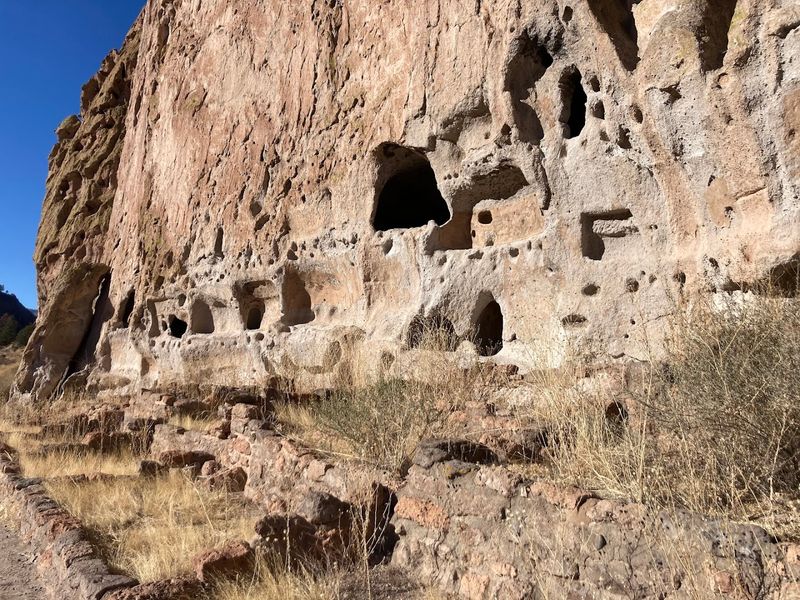
If the Gila Cliff Dwellings spark a serious interest in ancient canyon architecture, Bandelier National Monument near Los Alamos is the natural next chapter in that story.
The main trail follows Frijoles Canyon through a landscape that feels completely different from the Gila region but carries the same sense of deep, layered history. Ancestral Puebloans carved homes directly into the soft volcanic tuff of the canyon walls here, a technique that is visually stunning and architecturally fascinating.
The trail at Bandelier is well-maintained and features ladders that take visitors up to cliffside dwellings with sweeping canyon views.
The Tyuonyi village ruins on the canyon floor add another dimension to the visit, giving a sense of how the community functioned both at ground level and high on the cliff face. The scale of the site is larger than Gila, which makes it feel like a different kind of exploration.
Bandelier sits at a higher elevation than Gila, so the climate and vegetation differ noticeably. Ponderosa pines dominate the landscape, and the canyon feels cooler and more forested than the desert-edged terrain of the Gila Wilderness.
Both sites complement each other beautifully as part of a broader New Mexico archaeological road trip. Visiting both in a single trip is absolutely possible and gives a richer understanding of how diverse ancient Puebloan and Mogollon cultures were across the region.
Two canyons, two cultures, and endlessly fascinating stories carved into stone.
Sacred History Near Espanola
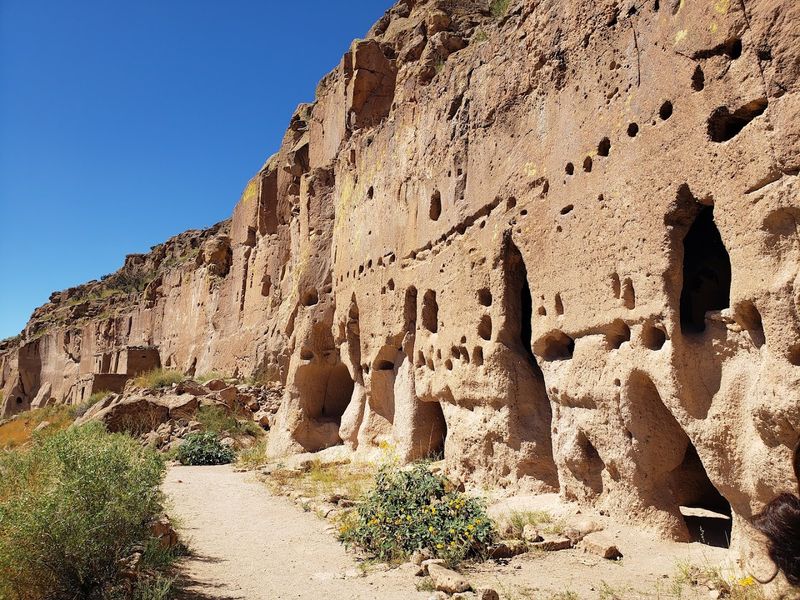
Puye Cliff Dwellings near Espanola carry a different kind of weight than most archaeological sites. These dwellings are located on the land of the Santa Clara Pueblo, and visiting here means engaging with a living culture that traces direct ancestry to the people who built these structures.
That connection makes the experience feel less like a museum visit and more like an introduction.
The site was established in the late 1200s or early 1300s and was occupied until around 1600 AD, a much longer habitation period than Gila.
Two levels of cliff dwellings are accessible, along with surface ruins on top of the mesa. The variety of architectural forms here is genuinely impressive, ranging from carved cave rooms to freestanding masonry structures, all within the same compact site.
Access to Puye is managed by the Santa Clara Pueblo, and a fee is required to visit. That fee directly supports the pueblo community and preservation of the site, which feels like exactly the right arrangement.
Guided tours are available and highly recommended since the context provided by a knowledgeable guide transforms the ruins into a coherent story.
The mesa views from the top of Puye are breathtaking, with the Jemez Mountains visible to the west and the Rio Grande valley stretching out below. For anyone building a New Mexico ancient history itinerary, Puye belongs on the list without question.
It is sacred, stunning, and completely unlike anything else in the region.
Planning Your Trip
Getting to Gila Cliff Dwellings requires a bit of planning, but the effort pays off in a big way. The monument is open daily from 9 AM to 4 PM, and arriving early is strongly recommended.
The drive from Silver City takes about two hours on winding mountain roads, so leaving by 7 AM gives you comfortable time to visit the visitor center and complete the hike before closing.
Water is essential and non-negotiable. The trail is physically demanding despite its short distance, and the New Mexico sun can be intense even on mild days.
Plain water is the recommended choice, and bringing more than you think you need is always the right call. Trekking poles are genuinely helpful on the steeper sections, especially on the descent where loose gravel can make footing tricky.
Comfortable, closed-toe shoes with good grip are a must.
There is no entrance fee to the monument, which makes it one of the most accessible national sites in the country. Donations are welcome and appreciated at the trailhead.
Cell service in the area is limited, so downloading offline maps or the AllTrails route before departing is a practical move.
November visits bring frost on shaded sections of the trail, while summer mornings offer the best combination of cool temperatures and soft light. Whenever you go, this place will stay with you long after you leave.
So, are you ready to step back 700 years?