
A Stunning Underground Cave Hides Inside This Washington Park Most Visitors Walk Right Past
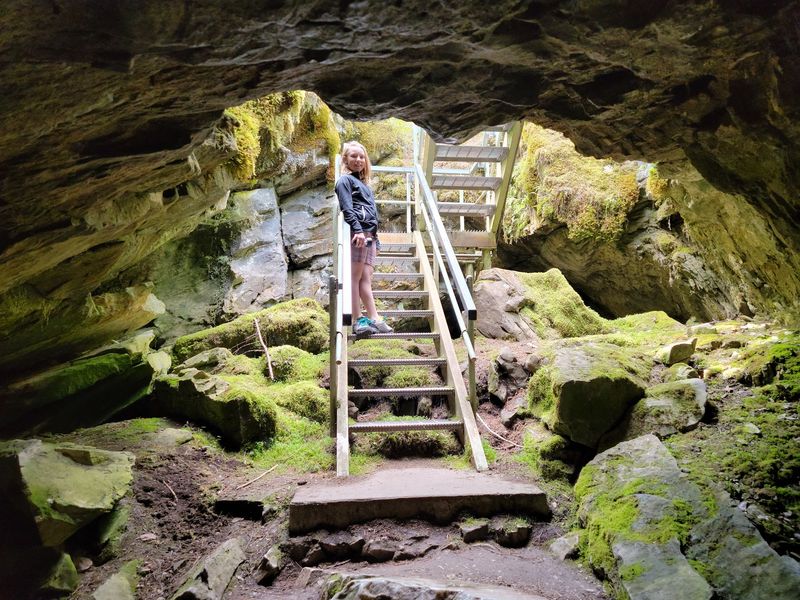
Just a short walk from a quiet parking lot in the far northeast corner of Washington, a hole in the ground opens into one of the state’s most jaw-dropping natural wonders. Most folks drive right past this little park without ever guessing what waits underneath their feet.
The best part? The guided tour that takes you down into it costs nothing at all.
For families or retirees hunting for an affordable, memory-making weekend, this could be the surprise trip you never knew you needed.
Where Washington Runs Out of Road
Roughly 12 miles north of the tiny town of Metaline, the pavement thins out and the forest thickens until you reach a small, unassuming state park pressed right up against the Canadian line. This is about as far north and east as you can drive in Washington before you’d need a passport.
Crawford State Park Heritage Site sits in the Selkirk Mountains, a peaceful pocket of the state that most travelers never think to explore. The address, 425 Gardner Caves Rd, feels almost too quiet to hide something remarkable.
Getting here takes patience. Regulars mention it’s a two-hour drive from Spokane, and cell service disappears entirely inside the park boundaries, even above ground.
What makes the trek worthwhile is the payoff waiting below. The park is small and unhurried, more of a doorway to an underground adventure than a sprawling recreation area.
Visitors often describe it as a seldom-seen slice of Washington, the kind of place you stumble on and immediately want to tell everyone about.
The Limestone Marvel Below Your Feet
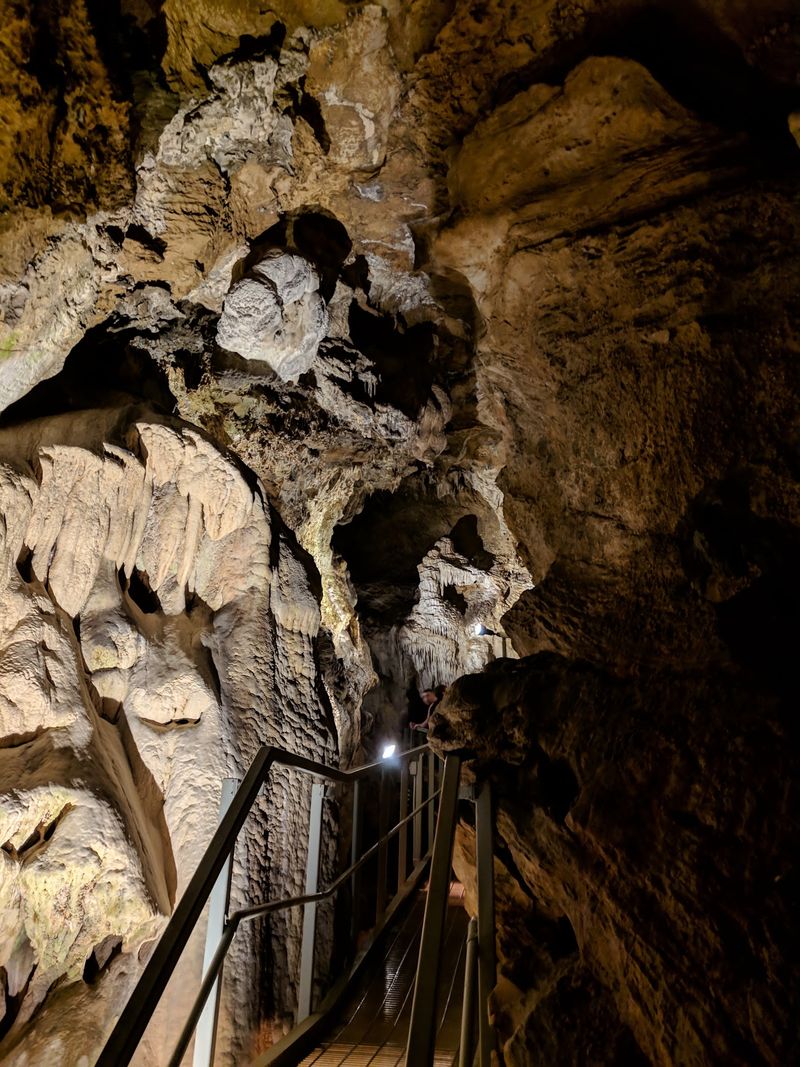
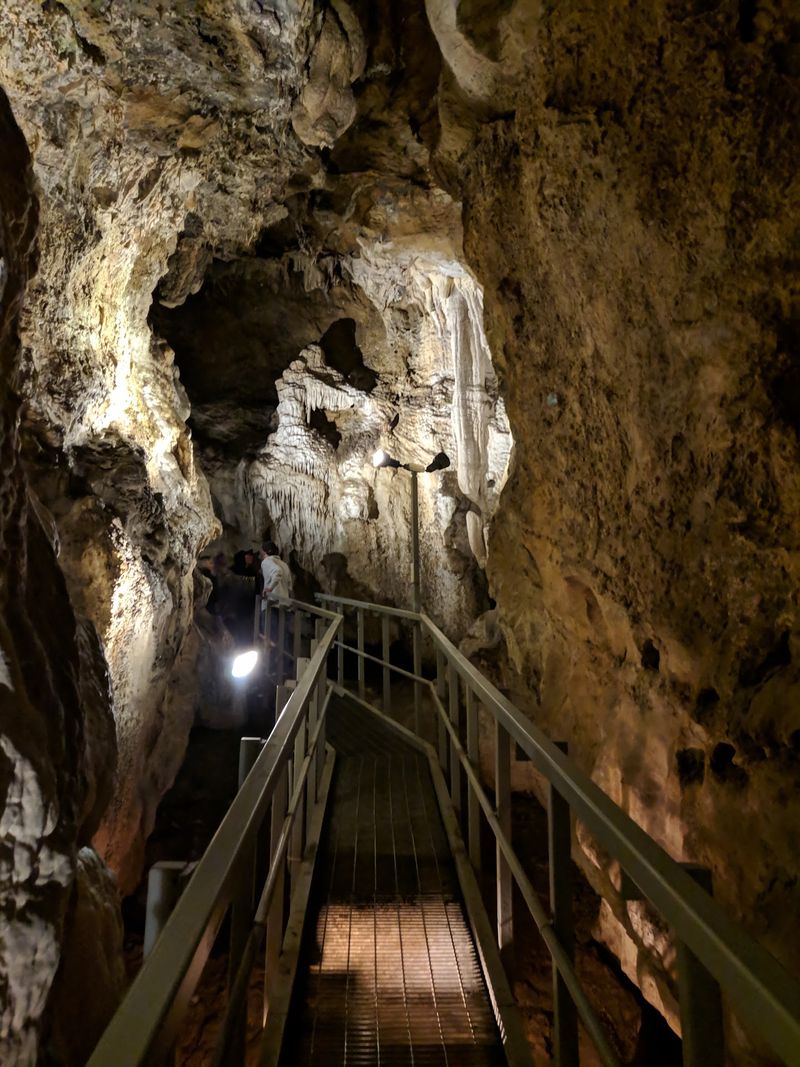
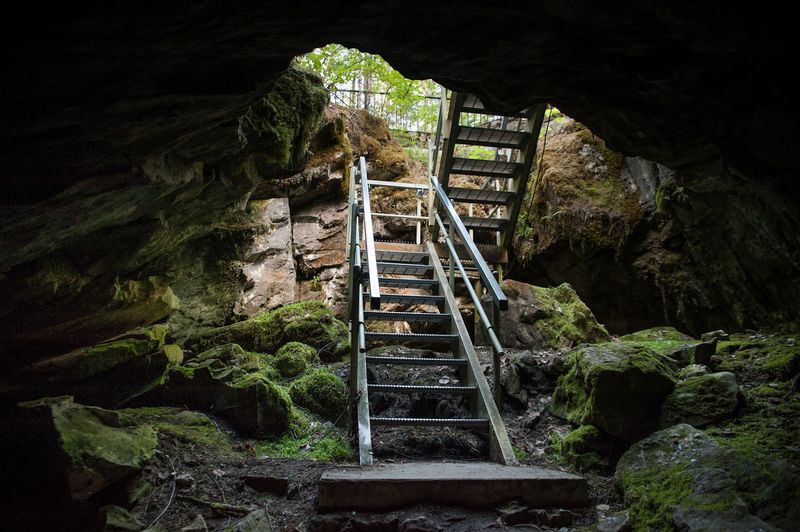
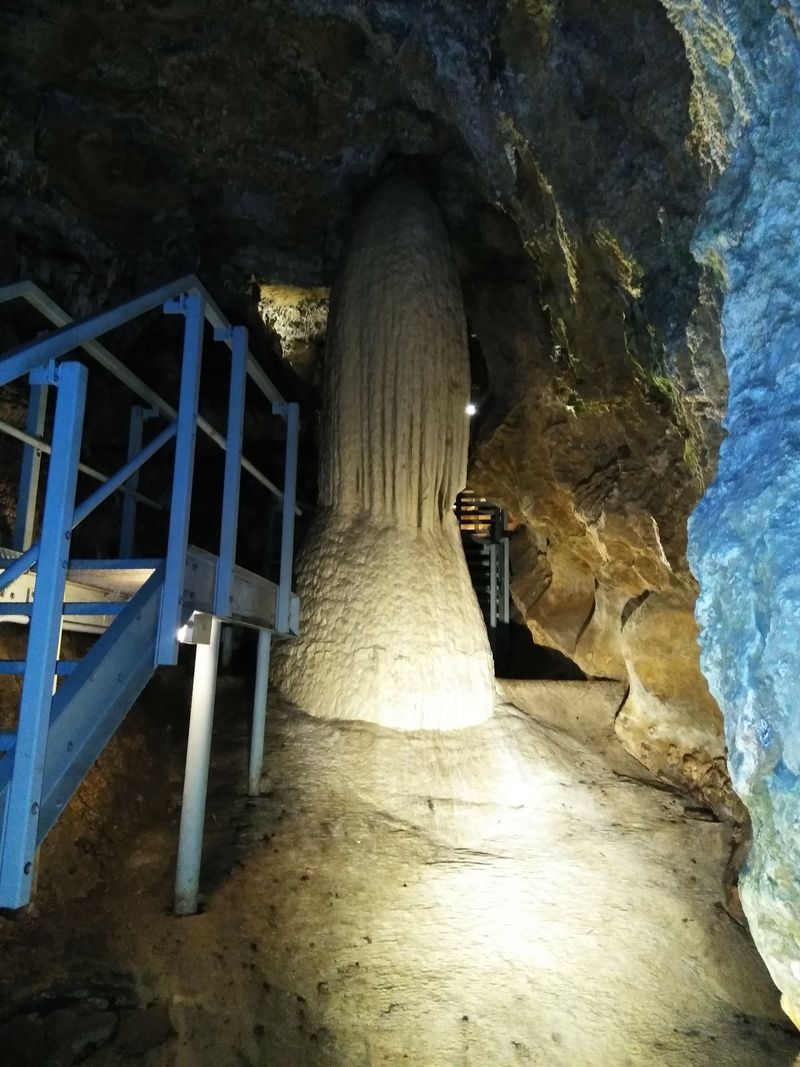
Peel back the surface and you’ll find Gardner Cave, a limestone masterpiece carved over countless centuries by dripping water and patient time. From the outside, it honestly looks like nothing special, just a modest opening in the hillside behind a locked gate.
Step through that gate, though, and everything changes. A metal staircase drops you into a world of formations that photos simply can’t capture.
Visitors are quick to admit that no picture or video comes close to standing there in person.
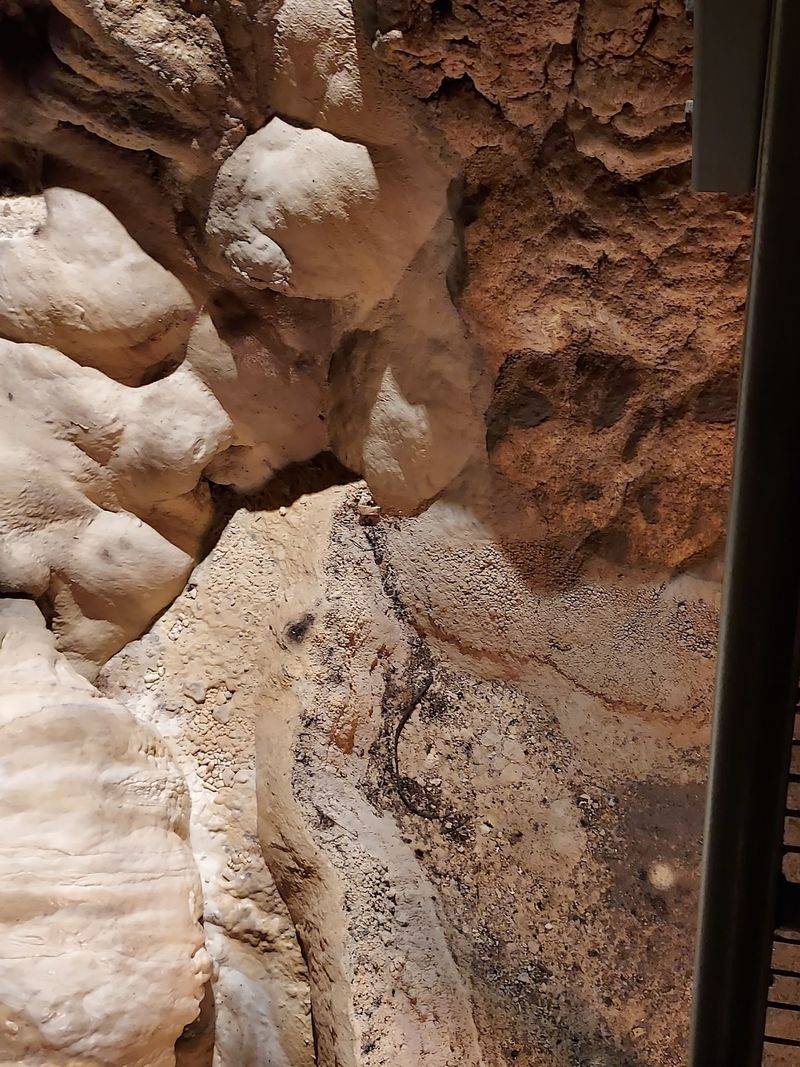
The cave stretches deep into the earth with stalactites hanging overhead and stalagmites rising from the floor, each one still slowly growing. Guides remind everyone that touching the walls stops those formations from developing, so the cave stays wild and alive.
Folks who have explored bigger caverns elsewhere still rave about this one. It may not be the largest, but the intimacy and detail make it feel intensely personal.
For many, it becomes the clear highlight of the entire trip north.
A Guided Tour That Won’t Cost a Dime
Here’s the detail that surprises nearly everyone: the cave tour itself is completely free. In an era when so many attractions come with a hefty ticket price, a ranger-led walk through a natural wonder at no charge feels almost too good to be true.
The tour runs roughly 45 minutes to an hour and a half, depending on the group and the pace. Rangers lead the way, unlocking the gate and guiding visitors safely down into the cave and back out again.
You do need to cover parking, which we’ll get to shortly, but the experience below ground costs nothing. Families traveling on a budget often single this out as the reason the long drive pays off.
Groups are kept small on purpose, which keeps the whole thing feeling personal rather than rushed. Because it’s free and reservation-based, spots fill fast, so planning ahead matters.
Still, walking away from an unforgettable underground adventure without spending a fortune is exactly the kind of value that keeps people driving back.
Rangers Who Turn Rocks Into Stories
Ask anyone who has taken the tour what they remember most, and the answer often isn’t the rock formations at all. It’s the guides.
These naturalists have a gift for turning geology and history into something that keeps even restless teenagers hanging on every word.
Visitors frequently praise guides like Sandie, Erika, and Corey for blending natural history, safety rules, and genuine humor into one seamless hour or two underground. Dry jokes, fascinating backstories, and patient answers to questions all come standard.
The rangers shine especially with kids. On the children’s tour, one guide kept the young ones engaged by asking them questions and drawing them into the discovery, turning what could be a boring lecture into an adventure.
What lands with most families is how riveting the storytelling stays throughout. The tale of how the cave was first discovered is a favorite moment, though guides save that surprise for the tour itself.
Their knowledge and warmth transform a walk through cold stone into a lasting memory people happily drive hours to relive.
Forty Degrees, Even in July
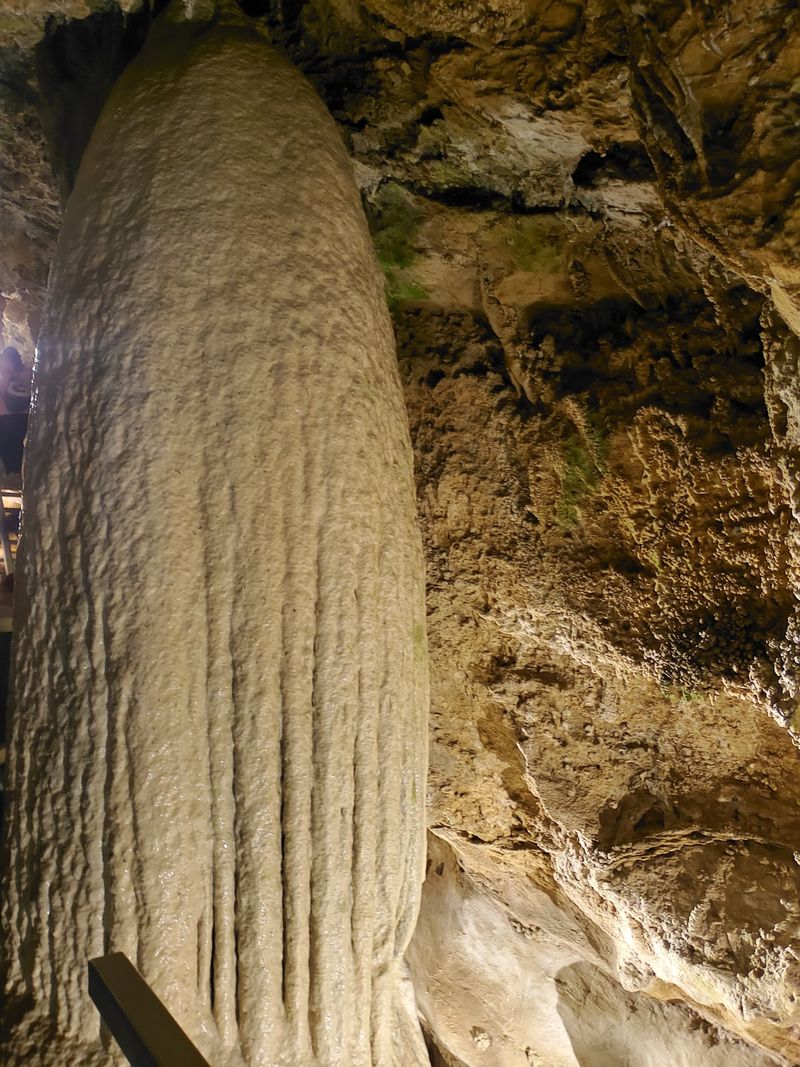
Bring a jacket, no matter how warm the day is outside. The cave holds a steady temperature of about 39 to 40 degrees Fahrenheit year round, which comes as a genuine shock when you’ve just hiked up in summer sunshine.
That constant chill is part of the magic. While the world above bakes, the cave stays cool and damp, a natural refrigerator tucked into the hillside.
Regulars are firm about this: dress appropriately or you’ll spend the tour shivering instead of marveling. A long-sleeved shirt or light jacket makes all the difference between comfort and distraction.
The temperature drops noticeably the deeper you go, so those first minutes above ground don’t quite prepare you for the cold that settles in as you descend. Kids especially love the novelty of needing a coat in the middle of a hot afternoon.
It’s a small thing to pack, but forgetting it is the one regret visitors mention most. Toss a jacket in the car and you’ll thank yourself the moment that metal staircase carries you down into the cool dark.
The Moment the Lights Go Out
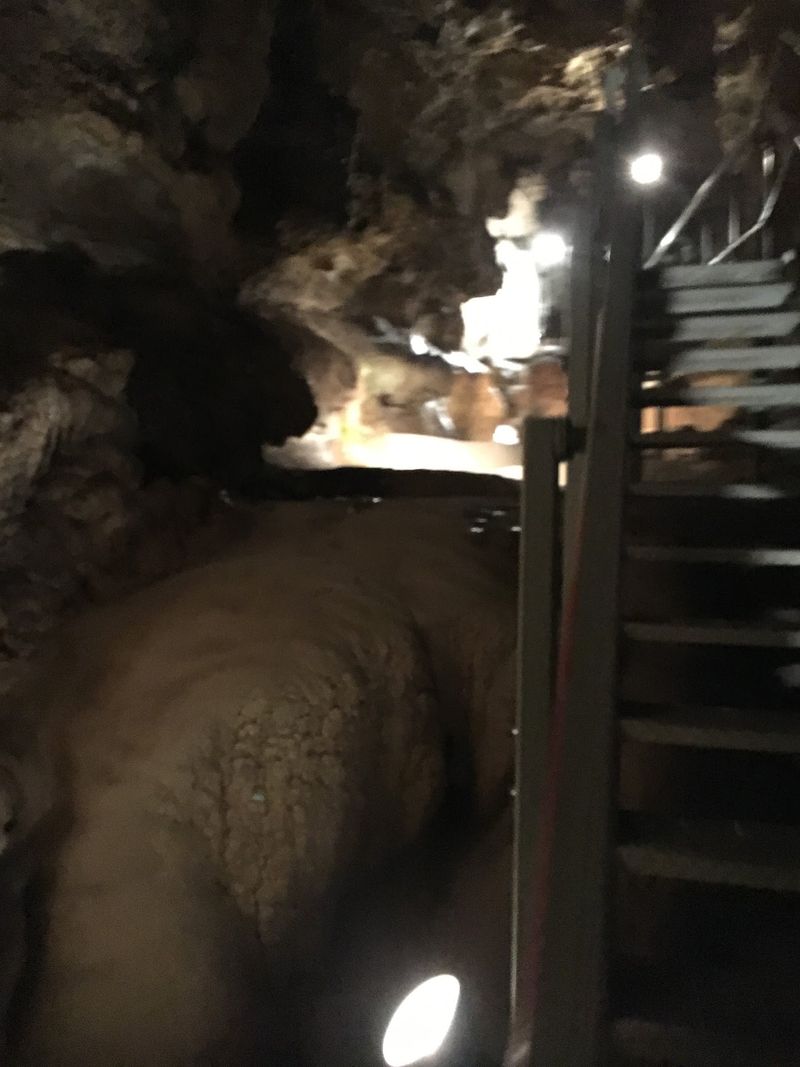
Near the end of the tour, something unexpected happens. Everyone gathers onto a platform, the guide gives a quiet warning, and then the lights click off, plunging the cave into complete and total darkness.
For many, this is the unforgettable highlight. Experiencing true darkness, the kind you almost never encounter in daily life, leaves visitors genuinely awestruck.
There’s no glow from a phone, no distant streetlight, just pure black stillness.
Guides use the moment to show how the cave would have looked to its earliest explorers, then bring in other forms of light to reveal the space in a fresh way. It’s part science lesson, part goosebump-inducing theater.
A gentle heads-up: if you’re uneasy in the dark or feel cramped in tight spaces, it helps to stand near the back so you can slip out first. The final five to seven minutes on that platform can feel snug with a full group.
Still, most people count those dark moments among the best few minutes of the entire experience.
A Steep Little Climb to the Entrance
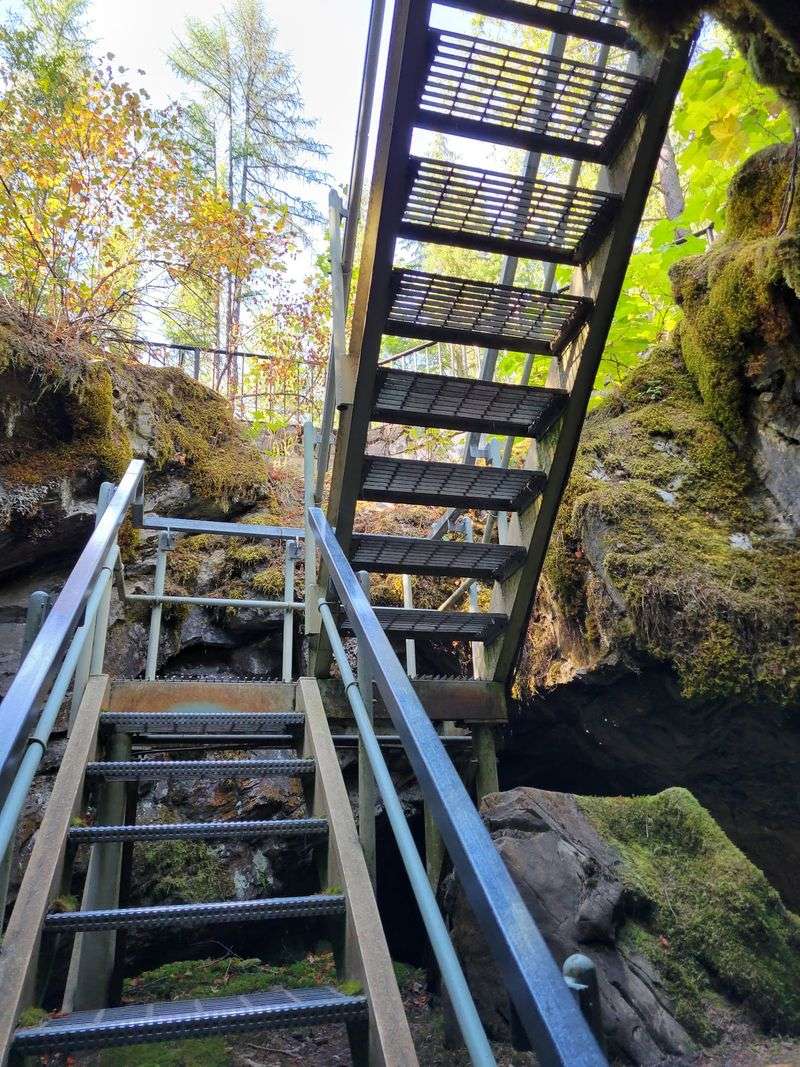
Before you ever reach the cave, there’s a paved path that zigzags up the hillside from the parking lot, and it earns its reputation for being steep. Some visitors estimate the incline at around 30 degrees in spots.
Good shoes make the walk far easier. The path is smooth and well maintained, but the climb can leave you a little winded, especially on a warm day.
Thoughtfully placed benches offer a few chances to sit and catch your breath along the way. At the top, there’s a spigot for a drink of water and a picnic table where you can rest before heading in.
Fair warning for anyone with mobility concerns: this trip involves uneven ground and several sets of stairs both on the path and inside the cave. Regulars gently suggest it may not suit those who struggle with steep walks or steps.
For most families and reasonably active retirees, though, the climb is completely manageable. Take it slow, pause at the benches, and treat the short workout as part of the adventure.
A Short Stroll Into Canada
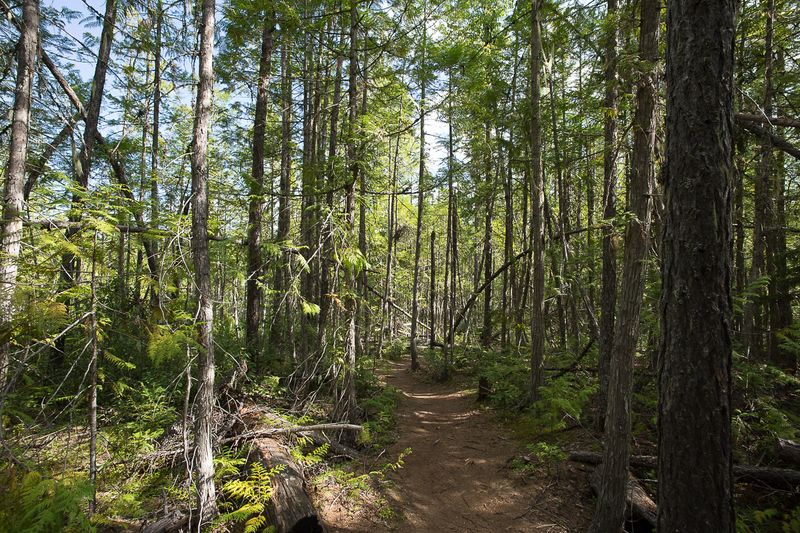
Once your cave tour wraps up, there’s a fun little bonus tucked into the park: a trail that walks you right up to the Canadian border. The round trip runs only about 30 minutes and stays fairly easy.
Kids get a huge kick out of it. One family shared how their girls thought it was the coolest thing to be able to simply walk up to Canada on foot, no lines or checkpoints, just a peaceful path through the trees.
The trail itself is beautiful and quiet, an easy stroll that makes a lovely companion to the underground adventure. Wildlife sometimes makes an appearance too, and one visitor even spotted a bear pausing calmly nearby along the way.
Because the park’s main draw is the cave, this walk gives you a reason to linger a little longer and stretch your legs. It’s the kind of small, memorable extra that turns a single stop into a fuller day out.
Pack a bit of insect repellent, though, since the mosquitoes can get thick in the warmer months.
Reservations Are the Golden Rule
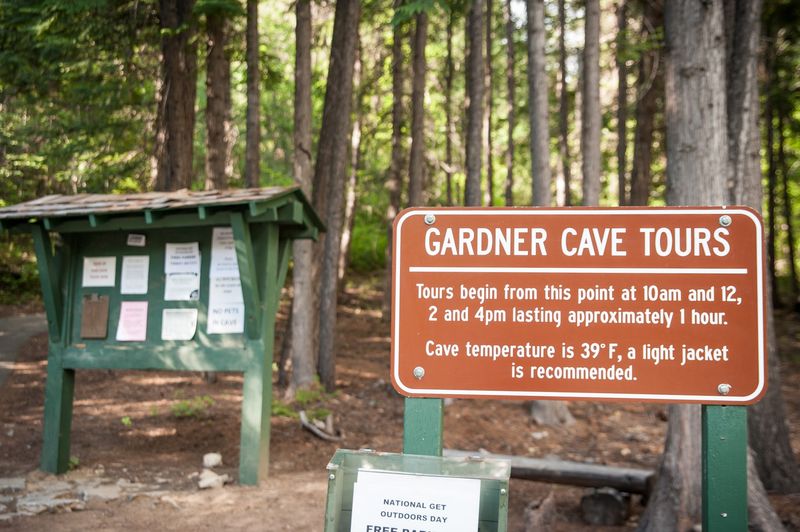
If you take away one piece of advice, let it be this: book your tour in advance. Spots are limited, and visitors repeatedly warn that walk-ups often get turned away when tours fill up.
Reservations are made online, and popular dates can vanish weeks ahead of time. More than a few travelers made the long drive only to find every tour already full, ending up on the border trail instead of underground.
Each tour caps out at roughly 25 to 30 people, kept small for safety and for a better experience. Some regulars even feel a group closer to 15 would be ideal, giving everyone room to see and hear clearly.
Because there’s no cell signal in the park, you can’t just book on the spot when you arrive. Everything needs to be arranged before you leave home.
Guided tours also run seasonally, generally from mid-May through mid-September. Plan your visit within that window, reserve early, and arrive with time to spare, and you’ll spare yourself the disappointment of a locked gate.
What Parking Costs and How to Pay
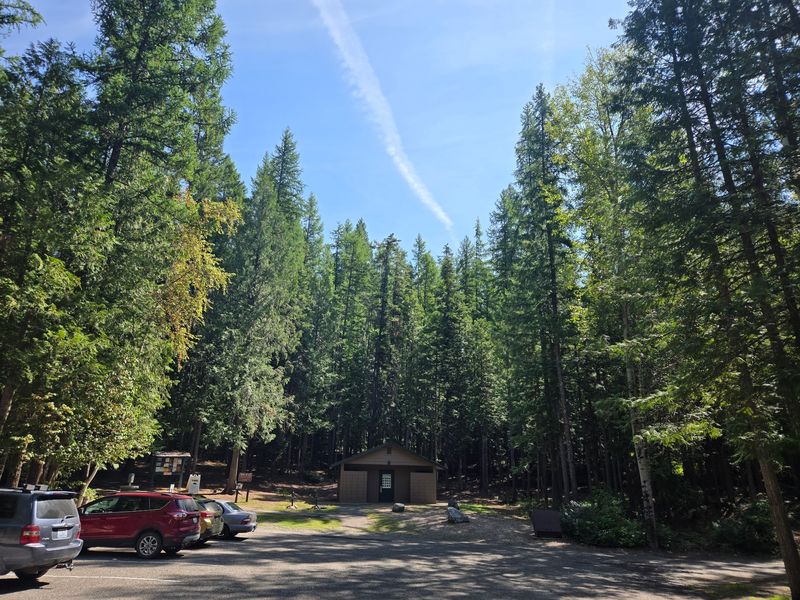
While the tour is free, the parking is not, and there’s a small catch worth knowing before you go. You’ll either pay a $10 day-use fee or show a Washington Discovery Pass, which runs about $30 for the whole year.
For anyone who visits state parks regularly, that annual pass quickly pays for itself and saves the hassle at every stop. Families planning a summer of Washington outings might find it the smarter buy.
Here’s the important part: because there’s zero cell service in the park, you cannot pay by card over the phone. Bring $10 in cash if you don’t already have a pass, or you could find yourself stuck.
Parking is also limited, which is one more reason to arrive early. On busy tour days, spaces near the lot can fill quickly.
Once you’ve sorted the pass or cash, the rest of the day costs almost nothing. For a budget-minded trip, paying a single modest fee to unlock a whole underground world feels like a genuine bargain.
Clean Restrooms and Quiet Picnic Spots
Small comforts go a long way on a day trip, and this park handles the basics surprisingly well. The restrooms earn steady praise for being clean and tidy, and one visitor even joked about the impressively strong water pressure.
Don’t expect fancy touches like automatic flushing or motion-sensor faucets. These are simple, no-frills facilities, but they’re well kept and dependable, which is exactly what you want after a long drive.
A smart tip from regulars: use the restroom before you head up to the cave. You won’t want to make that steep climb twice, and there are no facilities up at the entrance.
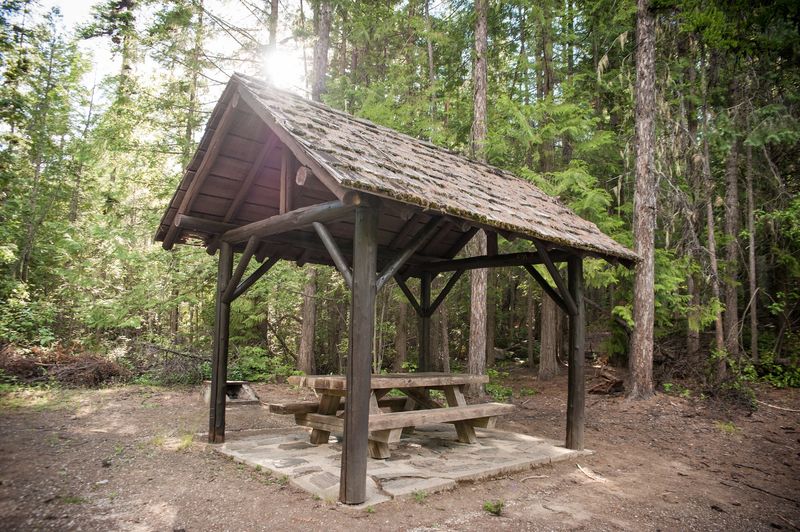
For eating, the park offers one covered picnic table plus around seven uncovered ones scattered about. Many families pack a lunch and enjoy a peaceful bite in the parking area after their tour.
The whole setting stays calm and pleasant, the kind of quiet spot where you can spread out a blanket, let the kids roam a little, and unwind. It’s modest, but it covers everything a comfortable outing needs.
Why This Hidden Gem Is Worth the Drive
Add it all up and you’ve got a rare kind of outing: genuinely memorable, remarkably affordable, and unlike anything else in Washington. Families drive two hours from Spokane and leave saying they’d happily do it all over again.
The formula is simple. A free guided tour, a jaw-dropping limestone cave, warm and funny rangers, a stroll to Canada, and a peaceful forest setting far from the crowds.
Your only real costs are gas and a modest parking fee.
It suits almost everyone, from curious kids to retirees looking for an easy, meaningful adventure, as long as steep paths and stairs aren’t a barrier. Just remember the essentials: reserve ahead, bring cash and a jacket, wear sturdy shoes, and pack some bug spray.
Tours run seasonally, roughly mid-May through mid-September, with the park open Thursday through Monday from 9 AM to 6 PM. Plan around those windows and the day comes together beautifully.
Most who make the journey call it a hidden gem, and after standing in that cool, dark cave, you’ll understand exactly why.