
A Tiny Pennsylvania Village With A Creekside Main Street And Storybook Woods That Feel Frozen In Time
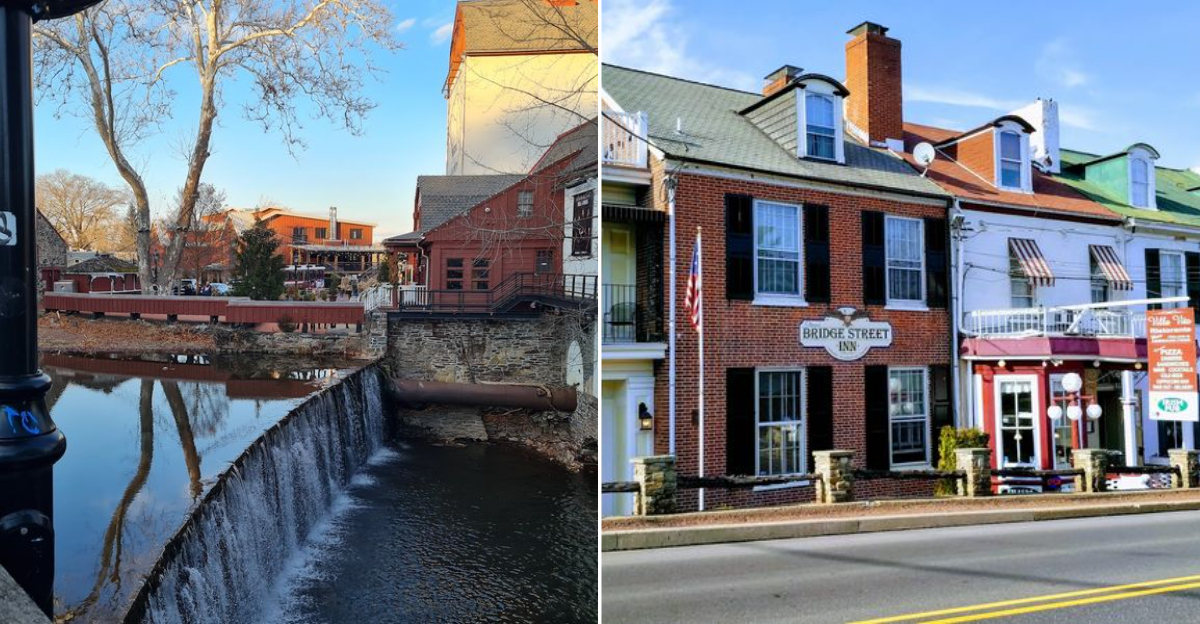
Some places feel like they belong to another era the moment you arrive.
Quiet streets, charming storefronts, and the gentle sound of water nearby can make the whole world seem to slow down for a while.
In Pennsylvania, there is a tiny village where a stroll down the main street feels like stepping into a storybook scene. Here, the rhythm of the day moves at a comfortable pace.
A peaceful creek winds past inviting shops and cozy cafes, while nearby woods seem to hold a sense of quiet wonder.
It is the kind of place where every turn reveals something charming, from scenic views to little details that make you pause and look a bit longer.
The atmosphere carries a timeless quality that makes it easy to forget the rush of everyday life.
I remember wandering along the creek one afternoon with no real plan, just following the path and enjoying the calm around me.
At some point I realized I had been walking for quite a while, completely lost in the moment. Places like this have a way of doing that.
A Creekside Main Street Unlike Any Other
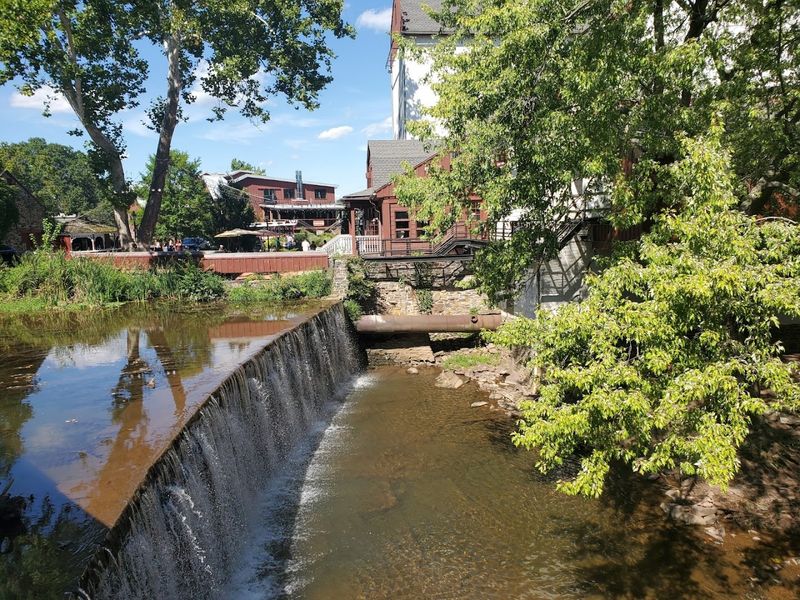
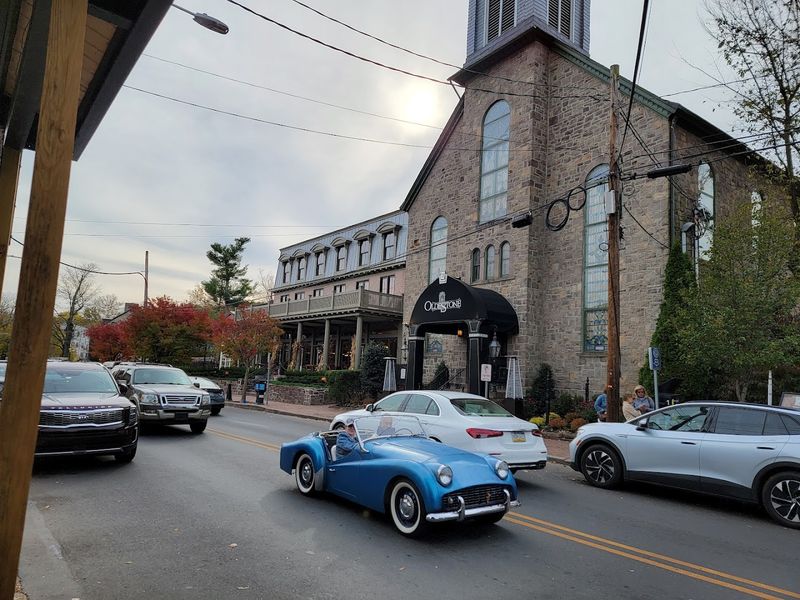
Walking along Main Street in New Hope, Pennsylvania, feels less like a stroll through a shopping district and more like stepping into a painting someone never finished.
The road curves gently beside the Delaware Canal, and moving water follows you through downtown from block to block.
Brick sidewalks, gas-style lampposts, and buildings dating back to the 1700s create a backdrop that no city planner could manufacture from scratch.
Every storefront seems to have its own personality, from hand-painted signs above doorways to window displays filled with local artwork and handcrafted goods.
Unlike the wide commercial strips you find in Ohio and other states, this street stays narrow and walkable by design.
The scale of everything here keeps the atmosphere personal and easy to enjoy at a slow pace, making it one of the most photographed spots in all of Bucks County.
Verified against downtown/canal descriptions from official tourism and park sources.
The Delaware Canal and Its Towpath Trail
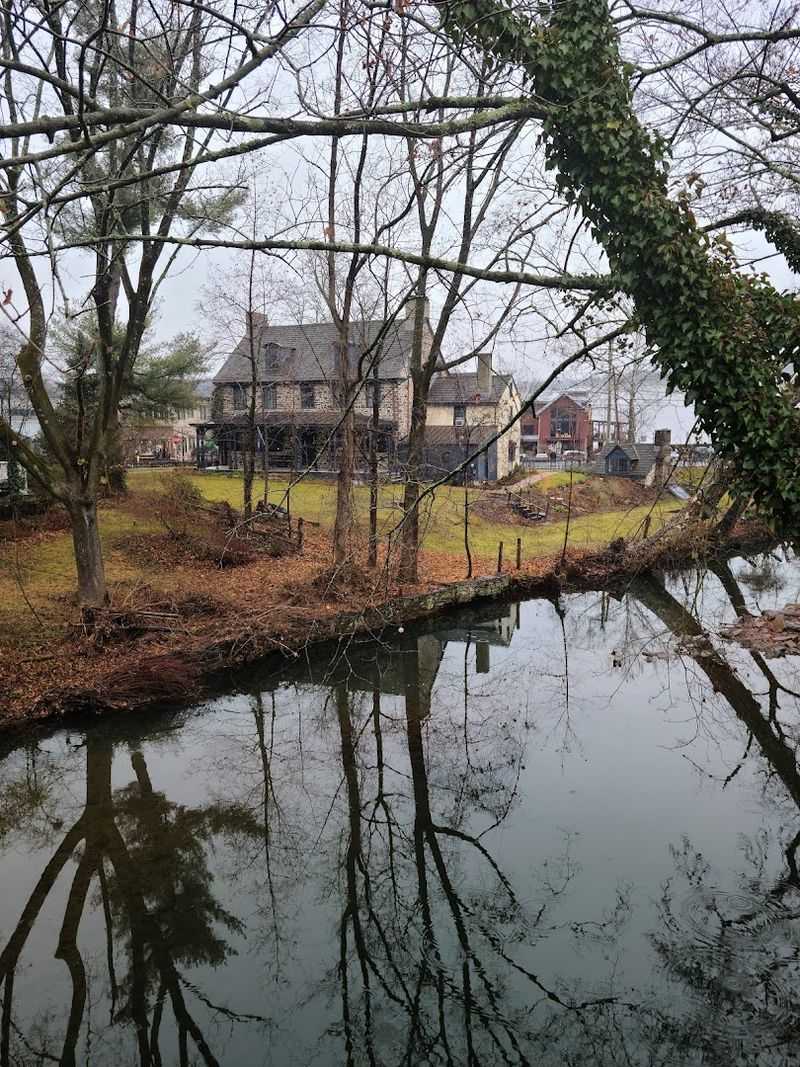
Few things in New Hope carry as much quiet drama as the Delaware Canal, a 60-mile waterway built in the 1830s to transport coal from the mountains to Philadelphia.
The canal runs right through town, and its towpath has been converted into one of the most scenic walking and cycling trails in the entire northeastern United States.
The path stays flat and shaded for most of its length, making it accessible for families, older visitors, and casual walkers who are not looking for a serious workout.
In autumn, the tree canopy turns gold and amber, and the reflections in the still canal water are genuinely breathtaking.
Traveling through Ohio or other landlocked states, you rarely find a historic working waterway preserved this carefully.
The Delaware Canal State Park, which protects this corridor, is the only remaining continuously intact canal from that era still standing in the country.
The Storybook Woods That Surround the Borough
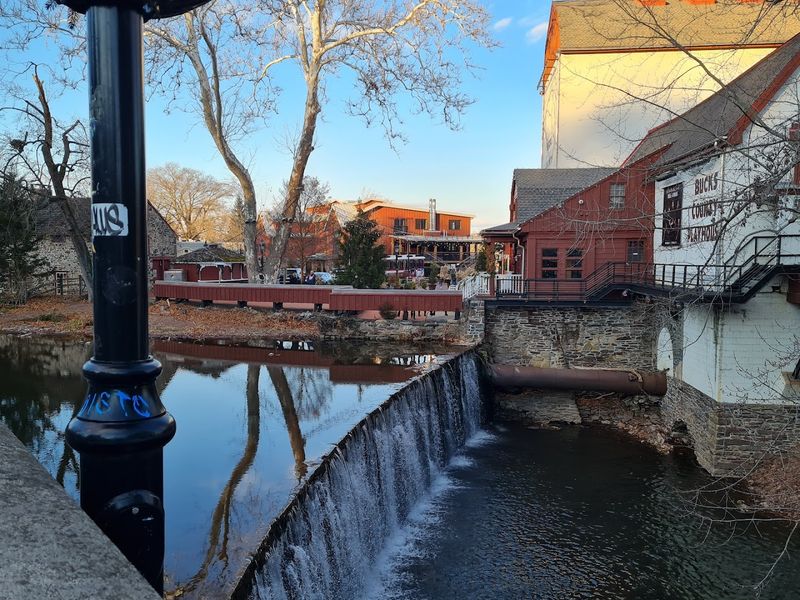
Step just outside the main commercial area and the woods close in around you in the most satisfying way.
The forests surrounding New Hope are old-growth in character, full of towering oaks, mossy stone walls, and trails that feel like they belong in a fairy tale rather than a Pennsylvania suburb.
The Thompson-Neely grounds and nearby Bowman’s Hill Wildflower Preserve sit within easy reach by car for visitors, offering wooded paths where native plants bloom in every season.
Spring brings trillium and wild ginger carpeting the forest floor, while winter strips the trees bare and reveals the dramatic ridgeline shapes above town.
Anyone who has spent time in the flat cornfields of Ohio knows exactly how special it feels to suddenly find yourself surrounded by hills and dense woodland. These woods are not decorative.
They are ancient, layered, and alive in a way that genuinely changes the mood of the whole visit. Verified against the preserve’s posted location/hours and Washington Crossing’s current Thompson-Neely pages.
The Historic Roots of a Colonial River Town
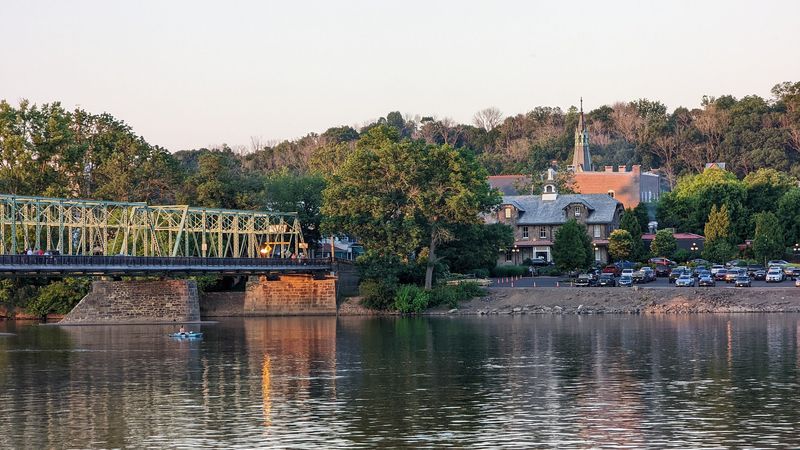
New Hope has been a river crossing point since the early 1700s, when a ferry service operated here long before any bridge existed.
The town grew around that crossing, attracting tradespeople, millers, and travelers moving between Philadelphia and New York along the King’s Highway.
A fire in 1790 destroyed much of the original settlement, but the rebuilding effort gave the town its current name.
The owner of the local tavern and ferry, Benjamin Parry, reportedly called his rebuilt property New Hope Mills, and the name spread to the entire community from there.
That kind of origin story, born from setback and reinvention, seems fitting for a place that has reinvented itself multiple times since then.
From colonial trading post to artist colony to tourist destination, New Hope has always found a way to stay relevant without losing the architectural bones that make it so visually distinct from places like Ohio river towns.
The New Hope-Ivyland Railroad Experience
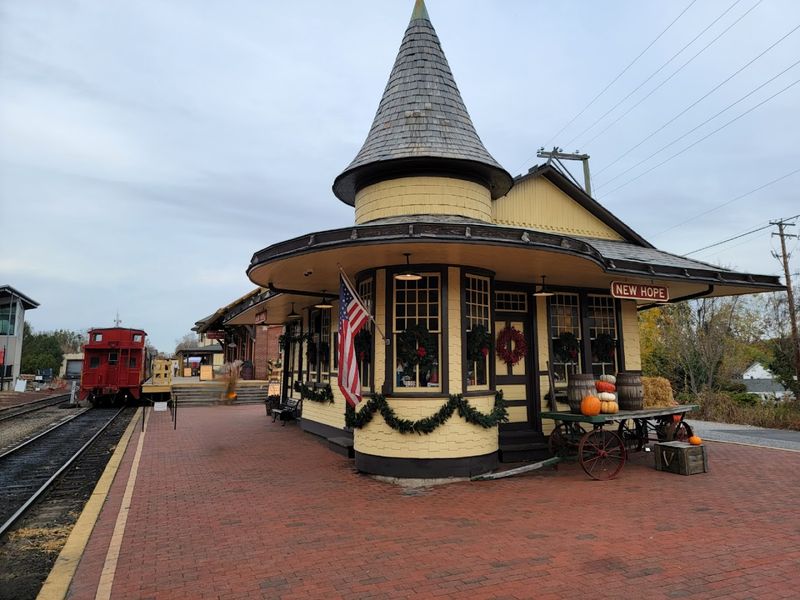
There are not many places left where you can board a genuine vintage train and roll through countryside that looks almost unchanged from a century ago.
The New Hope Railroad has been running excursion trips since 1966, still using restored coaches and classic locomotives that pull passengers through the Bucks County hills at a relaxed, unhurried pace today.
The route follows historic track through meadows, over small bridges, and alongside stretches of forest and rolling foothills that feel completely removed from modern life.
Seasonal rides, including a popular holiday train, draw families from across the mid-Atlantic region every year.
Compared to the flat rail corridors you find cutting through Ohio, this line has genuine topographic variety, with curves and small grades that make the ride feel more like an adventure.
The station building itself is a restored Victorian structure that adds to the sense that you have genuinely traveled somewhere different in time.
Verified against the railroad’s current branding, excursion pages, and official site history material referencing 1966 startup.
The Bucks County Playhouse and Its Artistic Legacy
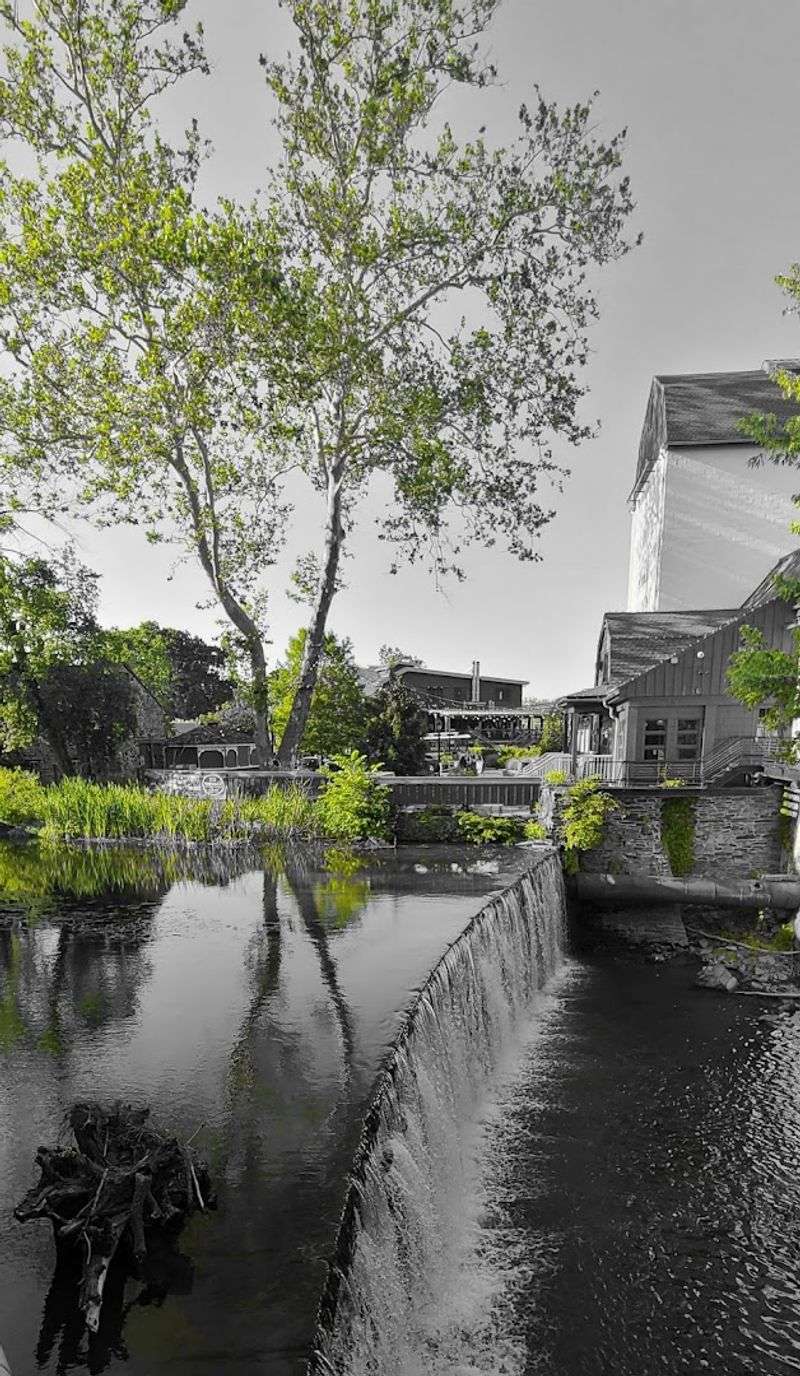
Housed in a converted grist mill beside the Delaware River, the Bucks County Playhouse has been one of the most respected regional theaters in the country since it opened in 1939.
Productions staged here over the decades have served as launching pads for Broadway shows and have featured performers who went on to major national careers.
The building itself is worth seeing even if you have no interest in theater.
The stone walls, the millrace still visible beneath the structure, and the riverside setting give it a character that no purpose-built theater could replicate.
It was fully restored in 2012 after falling into disrepair, and the renovation preserved everything historically significant while updating the technical infrastructure.
For a town this small, having a venue of this caliber feels almost improbable.
Most towns the size of New Hope, whether in Pennsylvania or across in Ohio, simply do not sustain professional theater at this level, which makes the Playhouse a genuine point of local pride.
Art Galleries and the Creative Community
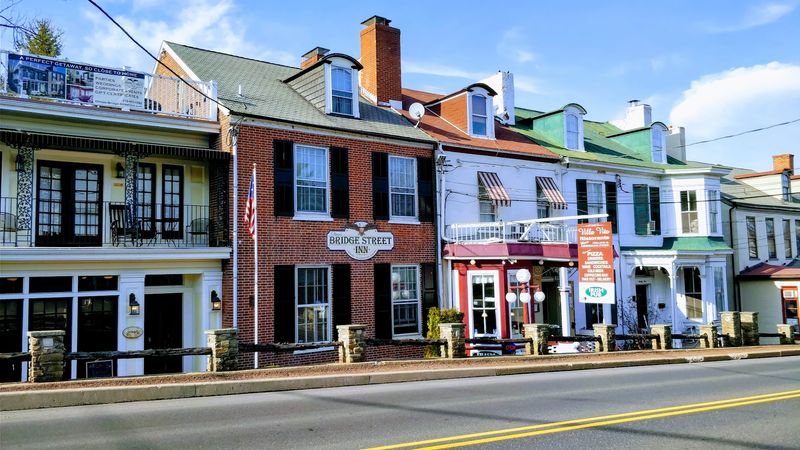
New Hope has been a magnet for artists since the early twentieth century, when a group of painters known as the New Hope School began capturing the local landscape in impressionist style.
Their work drew other creative people to the area, and that momentum never really stopped building.
Today the borough supports a remarkable density of galleries, studios, and craft shops for a community of roughly 2,500 residents.
Painters, sculptors, jewelers, and printmakers all maintain storefronts or studio spaces within walking distance of each other, creating an informal arts district that operates at a relaxed, accessible pace.
This is not the kind of intimidating gallery scene you find in major cities. The atmosphere here is warm and curious, and artists are often present in their own spaces and happy to talk about their process.
It is the sort of creative culture that Ohio art towns aspire to build, and New Hope has been doing it organically for over a hundred years.
The Lambertville Connection Across the River
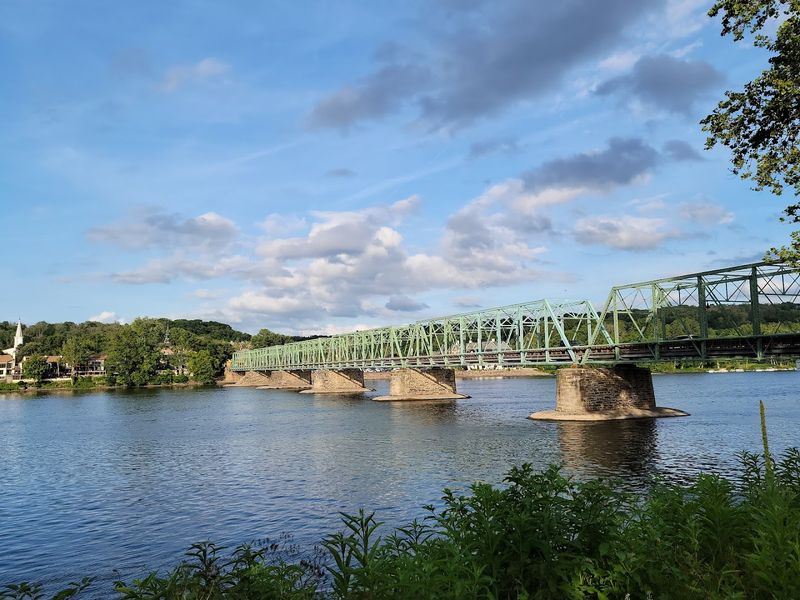
Cross the iron bridge at the end of Bridge Street and you step from Pennsylvania into New Jersey, landing in the town of Lambertville.
These two communities face each other across the Delaware River and have developed a complementary relationship that makes visiting one almost inseparable from visiting the other.
Lambertville is known for its antique dealers, and the combination of both towns creates one of the most concentrated antique-shopping corridors on the East Coast.
The bridge itself is a free pedestrian crossing, and the walk across it offers some of the best river views available without getting on a boat.
The pairing feels like a natural geographic partnership, two small towns leaning toward each other across a shared waterway.
You do not get this kind of cross-state walking experience in landlocked places like Ohio, and the novelty of strolling between two states in under three minutes never quite wears off no matter how many times you do it.
Bowman’s Hill Tower and the Panoramic Views
Perched on a wooded ridge just south of town, Bowman’s Hill Tower stands 125 feet tall and offers one of the most rewarding viewpoints in all of Bucks County.
The stone tower was built from 1929 to 1931 as a memorial associated with Revolutionary War history, and it has been drawing visitors to its top ever since.
Climbing the internal staircase takes only a few minutes, and the reward at the top is a 360-degree view that stretches across the Delaware River valley, into New Jersey, and across miles of forested Pennsylvania countryside.
On clear days the view extends far enough to feel genuinely expansive.
For a state that sometimes gets overshadowed by its neighbors in travel conversations, this kind of elevated perspective reminds you how beautiful Pennsylvania really is.
Ohio has its own scenic spots, but very few places there combine Revolutionary War history, a river valley, and a climbable stone tower in such a compact and walkable package for so many travelers today.
Verified against the park’s current tower page and posted hours.
Planning Your Visit to New Hope

New Hope sits about 40 miles north of Philadelphia and roughly 70 miles from New York City, making it an easy day trip or weekend destination from either metro area.
The town is also reachable from Ohio in a single day’s drive, which makes it a realistic option for a longer road trip through the northeastern states.
Spring and fall are widely considered the best seasons to visit.
Spring brings blooming wildflowers along the canal and in the preserve, while fall transforms the surrounding hills into a display of color that photographers travel significant distances to capture.
Parking is available in several small lots around town, and the entire commercial area is compact enough to cover on foot without any particular effort.
Weekday visits tend to be quieter and easier for browsing at a relaxed pace. New Hope rewards slow exploration, and the less you rush, the more the place reveals itself to you in small, satisfying details.