
A Tiny Wild West Town Hides Arizona’s Most Complete Collection Of Mining Relics In Its Museum
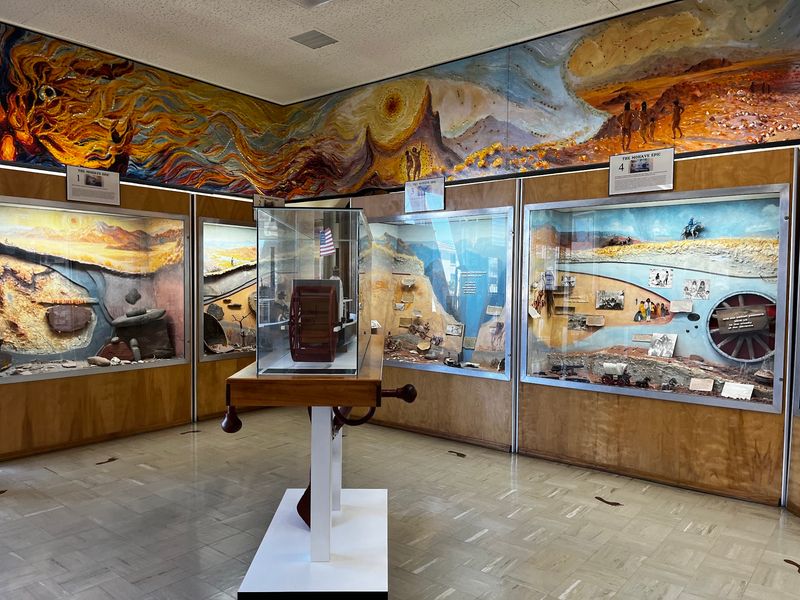
One museum ticket here can unlock three separate museums, and the receipt doubles as a pretty decent bookmark. That alone made me sit up and pay attention.
Inside the main building, rows of portraits honor U.S. presidents and first ladies. A few rooms later, you reach mining relics, colorful mineral specimens, and a preserved piece of B-17 bomber nose art.
I love how a small northwestern Arizona town ended up guarding so much of its own story. Old gold-mining camps, ranch life, and Native American history all share the same roof.
The labels are typed, the vibe is pleasantly retro, and nothing feels rushed.
So how does a modest museum near Route 66 pack this much history into one stop? And why does it stay off so many road-trip lists?
A Pocket-Size Museum With A County-Size Story
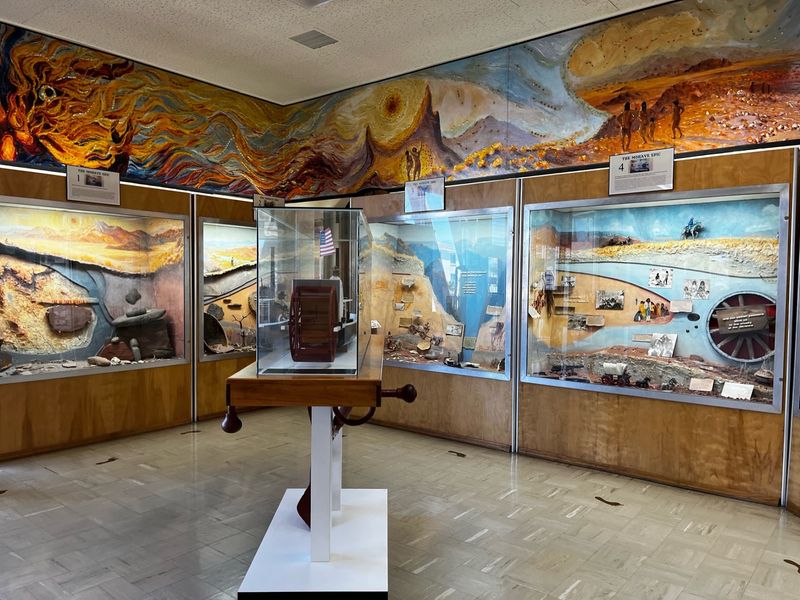
Kingman sits right on historic Route 66 in northwestern Arizona, and its downtown holds a surprise. The Mohave Museum of History and Arts covers the full sweep of Mohave County history under one roof.
Its story starts with the earliest Native American residents and the arrival of settlers from the East. The timeline then rolls forward through ranching, trains, mining camps, and modern life.
The building itself carries a retro feel, with typed labels and classic displays. Honestly, that old-school charm suits a museum about a place this rich in frontier history.
Volunteers help run the operation, and their knowledge of local history shows up in the details. A friendly front desk helps point you in the right direction from the start.
Space is another advantage, since the museum has more room than many small-town history stops. That extra square footage lets indoor galleries and outdoor exhibits stretch out.
There’s also an on-site library, a small movie theater, and a gift shop near the exit. Yes, you’ll exit through it, and yes, it’s stocked with local souvenirs and handicrafts.
For a town of Kingman’s size, the sheer number of artifacts feels almost cheeky. It’s the kind of place that quietly rewards anyone curious enough to stop.
Pickaxes, Ore, And The Gold Camps That Built Mohave County
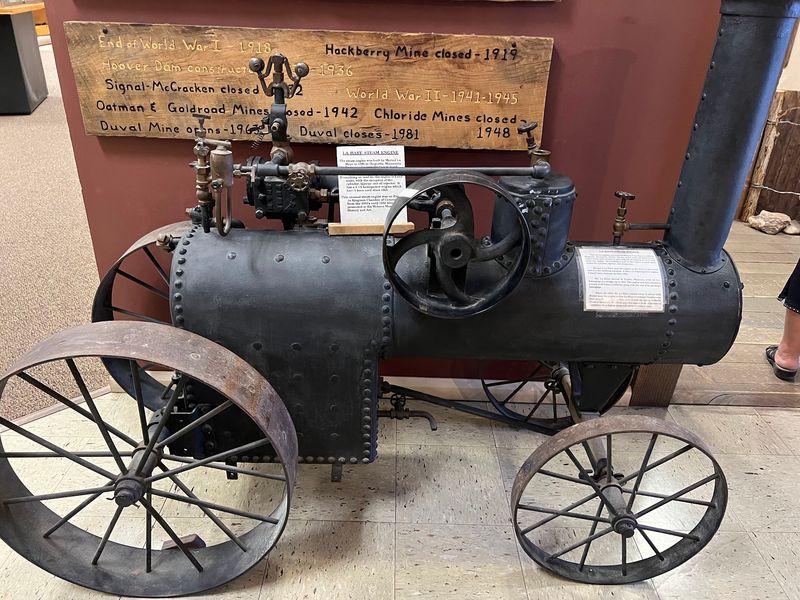
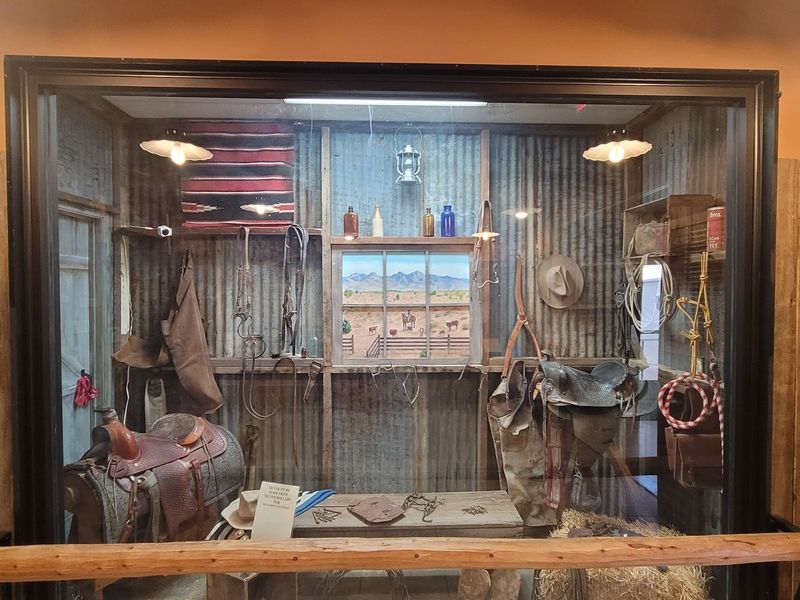
Gold and silver once pulled fortune seekers into the hills around Kingman, and the museum keeps that chapter close. A dedicated section traces the area’s mining history alongside its ranching roots.
Those two industries shaped Kingman’s early economy, so they get serious attention here. You’ll learn about the local mining towns that rose in the surrounding Arizona backcountry.
Mining relics and artifacts fill the displays, each paired with signage explaining why the object mattered. Plan to read, because the context is where these old tools really come alive.
Then there’s the mineral exhibit, a favorite stop for rock lovers of every age. Local rocks and gem specimens show off what the ground around here actually holds.
That display connects neatly to the mining story told nearby. Seeing the raw material helps the whole boom-and-bust saga make a lot more sense.
Kids who catch rock fever have an easy cure in the gift shop. Small bags let you fill up on gems of your choice, a fun souvenir that won’t bust the budget.
I like how the museum treats mining as a human story, not just a list of machinery. The camps, the ranches, and the people who worked them all share the spotlight.
Dioramas That Start The Story Long Before The Prospectors
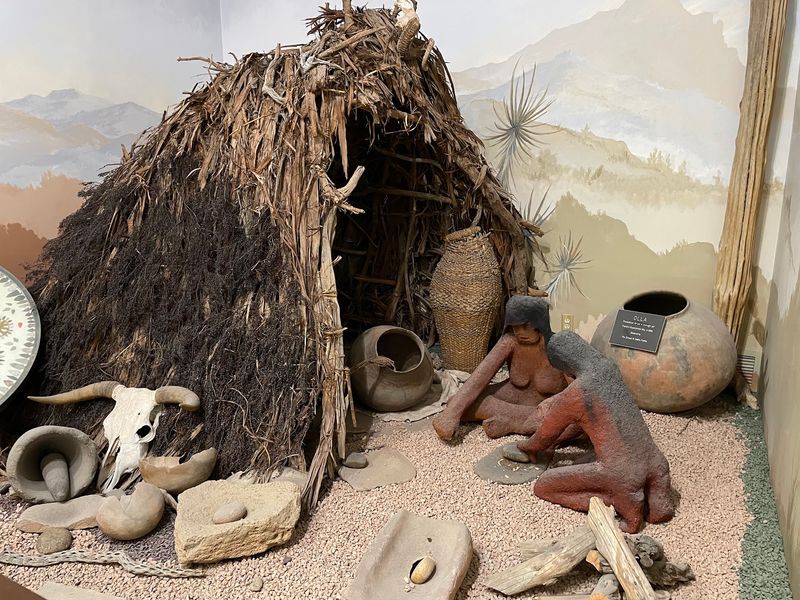
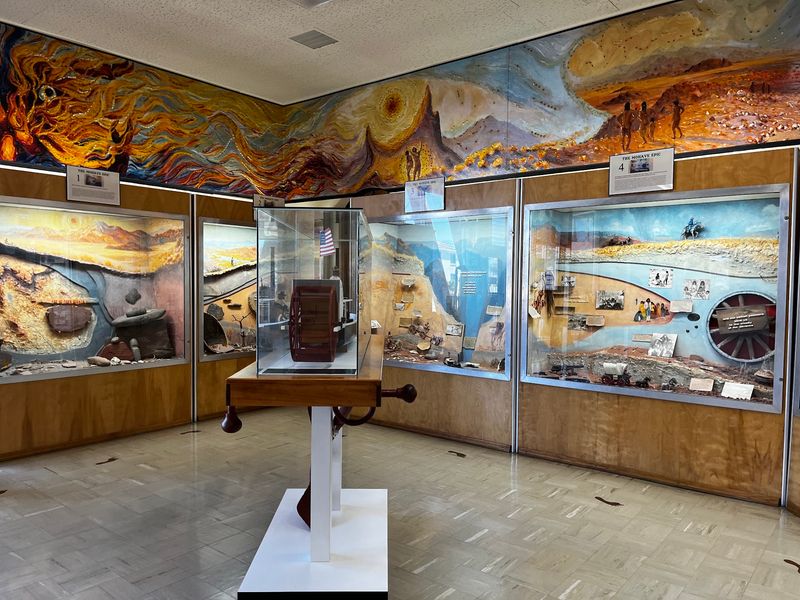
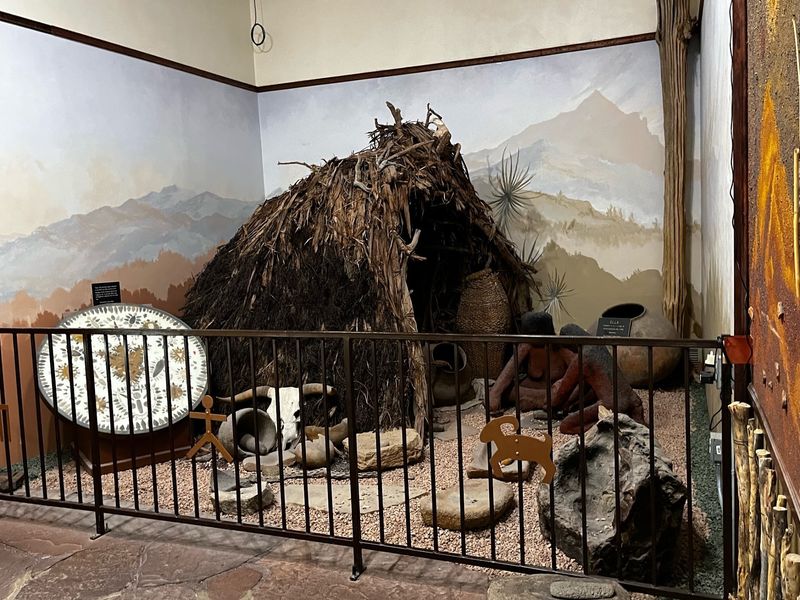
Long before anyone staked a claim, Native peoples called this corner of Arizona home. The museum opens that chapter with a set of dioramas depicting the region’s earliest inhabitants.
Those scenes give the whole timeline a proper foundation. Everything that follows, from wagon trails to Route 66, makes more sense after you see who came first.
Native American crafts appear in their own displays, too. The handiwork adds texture and color to a history that too often gets squeezed into a single paragraph elsewhere.
These exhibits on Indigenous history and culture stand out as some of the richest parts of the collection. Spend real time here rather than breezing past on the way to the shiny stuff.
The diorama sequence then continues with settlers arriving from the East. It’s a clear, walkable way to watch Mohave County change over centuries.
The museum also explores Asian American representation in Mohave County, a topic smaller museums often skip. That broader view of who shaped this place deserves a nod.
Bring patience for the reading, since the signage carries much of the storytelling. Reading a few panels aloud can help younger visitors stay hooked through each scene.
A Hall Of Presidents And First Ladies You Won’t Expect In The High Desert
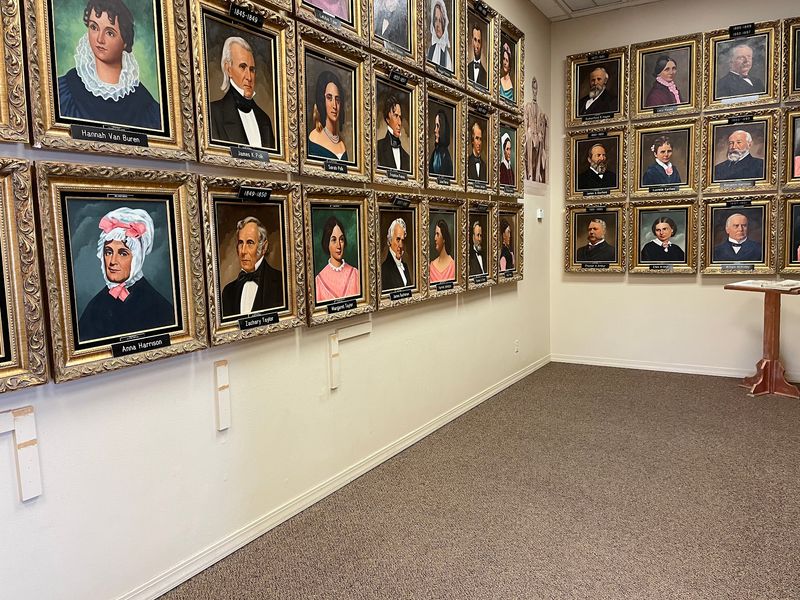
Of all the things to find in a Route 66 town, a gallery of presidential portraits ranks near the bottom of most guesses. Yet the Mohave Museum of History and Arts proudly displays portraits of U.S. presidents and first ladies.
The collection greets visitors early in the tour, setting a surprisingly formal tone. Then the museum swerves into mining camps and desert wildlife, which is half the fun.
Portraits rank among the most talked-about features of the whole museum. For many history fans, this hall alone justifies the stop.
The portraits invite a slower pace than the artifact-packed rooms elsewhere. You can take your time matching faces to names and testing what you remember from history class.
First ladies get equal billing here, which feels like a nice touch. Their portraits remind you that White House history includes far more than election results.
Kids might enjoy turning the hall into a game. See who can spot their favorite president first, or guess which decade each portrait came from.
It’s an unexpected detour inside an already eclectic building. Honestly, that unpredictability is exactly what makes this Arizona museum so easy to like.
Bomber Nose Art, Doll Houses, And Other Delightful Detours
A preserved piece of B-17 bomber nose art hangs out in a museum otherwise packed with desert history. It connects to Kingman’s former army air field, an important chapter in local history.
Aviation buffs will want to linger near those artifacts. They show how much the airfield shaped the town during the 1940s.
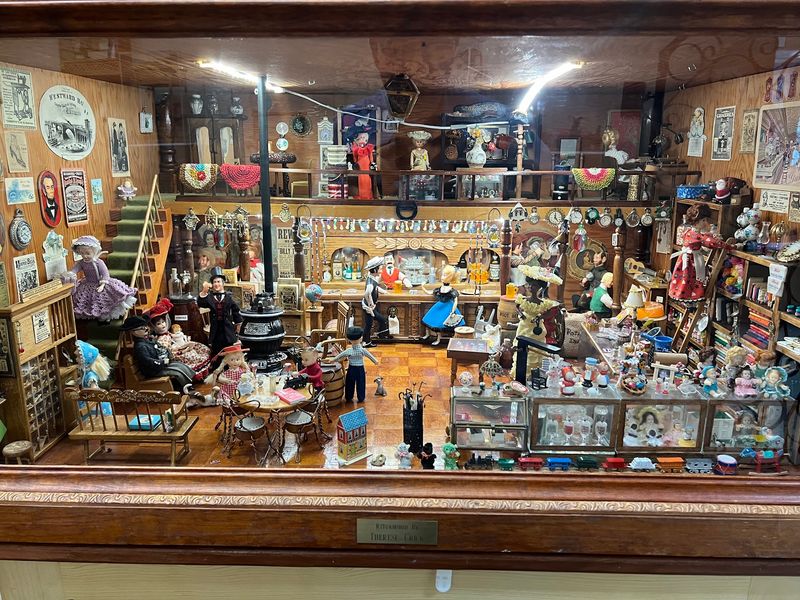
Then the collection takes a charming turn toward the miniature. Doll houses made by locals sit on display, full of tiny details worth leaning in to study.
Hometown pride shows up too, with exhibits on local figures who made it big. Actor Andy Devine, a familiar Kingman name, gets his own spotlight.
Train history rolls through as well, along with a little Route 66 lore. The museum saves the deeper highway story for its sister museum across the street.
A taxidermy display introduces the local animals that share this rugged landscape. It’s a handy primer before any scenic drive through the surrounding high desert of northwestern Arizona.
Put together, the mix feels wonderfully eclectic, like a county attic organized by people who truly care. You never quite know what the next room holds, and that’s the appeal.
Little Hands Get A Turn At The Exploration Table
Ever dialed an antique phone? The museum’s hands-on exploration area lets kids and adults handle different types of vintage telephones.
That table offers a welcome break from reading panels. Items here are meant for closer examination, which feels like a small miracle in museum terms.
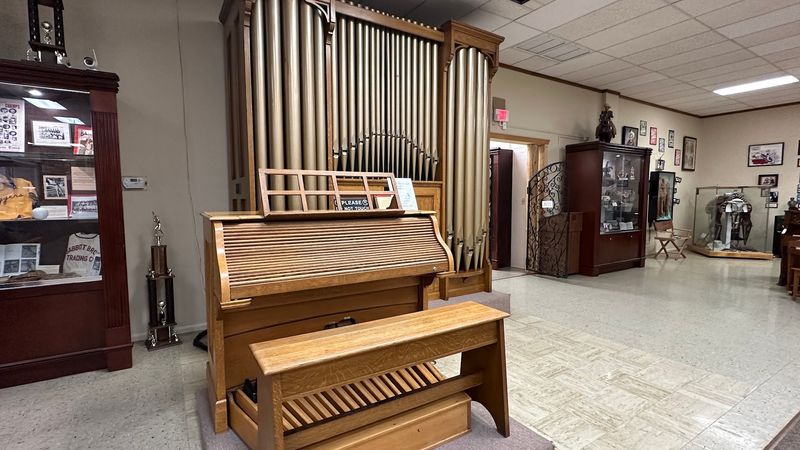
Music lovers get a treat, too, since visitors can play a real working organ. Few museums let you press the keys, so enjoy the rare permission.
Families with young kids should know the signage leans text-heavy. Pacing your visit and reading aloud can keep little ones engaged from room to room.
The good news is that the topics change often. Animals, gems, trains, and doll houses give short attention spans plenty to chase.
Children 12 and under have typically entered free, which makes a family stop easier on the wallet. Confirm current admission details at the front desk before you plan around it.
Accessibility gets attention as well, with well-maintained restrooms designed for wheelchair users. That thoughtful detail matters for multigenerational trips with grandparents in tow.
And when the tour wraps up, the gift shop waits with reasonably priced finds. Gem bags make an easy reward for kids who stayed patient through the presidential portraits.
One Ticket, Three Museums, And A Receipt Worth Guarding
Budget travelers, take note: one admission here covers three Kingman museums. Your ticket opens the Mohave Museum of History and Arts, the Arizona Route 66 Museum, and the historic Bonelli House.
The Route 66 museum sits across the street in the old powerhouse building. That makes hopping between the two about as easy as crossing Beale Street.
The Bonelli House rounds out the trio as a historic house museum. Seeing all three gives you a fuller picture of how the town grew.
Hang on to that ticket, because the front desk has allowed visitors to use it on another day. That flexibility lets you split the trio across an afternoon and the following morning.
Seniors over 60 have historically received a discounted rate. Prices can change, so check current rates when you arrive.
Paying once for three stops is a rare value on any Arizona road trip. It also turns a quick leg-stretch into a satisfying half-day of history.
Bonus: the slim paper ticket works nicely as a bookmark afterward. Just don’t lose it before you reach the third door.
Gift shop purchases also help support the museum’s work. That’s a feel-good way to round off a visit that already cost so little.
Timing Your Visit Around Tuesday-Through-Saturday Hours
Plan around the calendar, because the museum keeps a Tuesday through Saturday schedule. Doors open at 9 a.m. and close at 4 p.m. on those days.
Sundays and Mondays are closed, which matters for weekend road-trippers. Ticket sales may end around 3:30 p.m., so aim to arrive with time to spare.
You’ll find the Mohave Museum of History and Arts at 400 W Beale St, Kingman, AZ 86401. It sits in the heart of town, close to other museums and parks.
Getting there is simple for drivers on Interstate 40 or historic Route 66. Kingman also makes a natural stop between Las Vegas and Grand Canyon National Park.
After touring, downtown Beale Street offers spots to grab a bite. A barbecue joint on the same street makes an easy lunch plan for hungry history buffs.
Give yourself a couple of hours for this museum alone, since the reading adds up. If you want all three museums, consider spreading them over two days.
Arizona summers run hot, so morning visits make sense from May through September. Indoor galleries make it a smart pick when the afternoon sun gets intense.
Why This Modest Museum Earns A Spot On Your Route
Small towns rarely get credit for big collections, and Kingman deserves a correction on that front. The Mohave Museum of History and Arts holds more than its size suggests.
Mining relics, mineral specimens, and ranching history make a strong case on their own. Add Native American dioramas, presidential portraits, and bomber nose art, and the case closes itself.
Sure, the displays carry a dated, retro look in places. I believe that’s part of the charm, like flipping through a well-loved family album.
The value is hard to beat, especially with three museums tied to one ticket. That makes it ideal for budget travelers, retirees, and families watching every dollar.
History buffs will feel right at home among the reading-heavy panels. Casual visitors can still breeze through the highlights and leave with a few great stories.
It also fits neatly into a longer Arizona road trip along Route 66. Pull off the highway, stretch your legs, and let the county tell its story.
I can’t imagine a better way to spend a slow morning in Kingman. Just remember your ticket, your patience for reading, and a little room in your bag for rocks.