
A University Of Michigan Museum Puts Prehistoric Giants And Active Research Side By Side In Ann Arbor
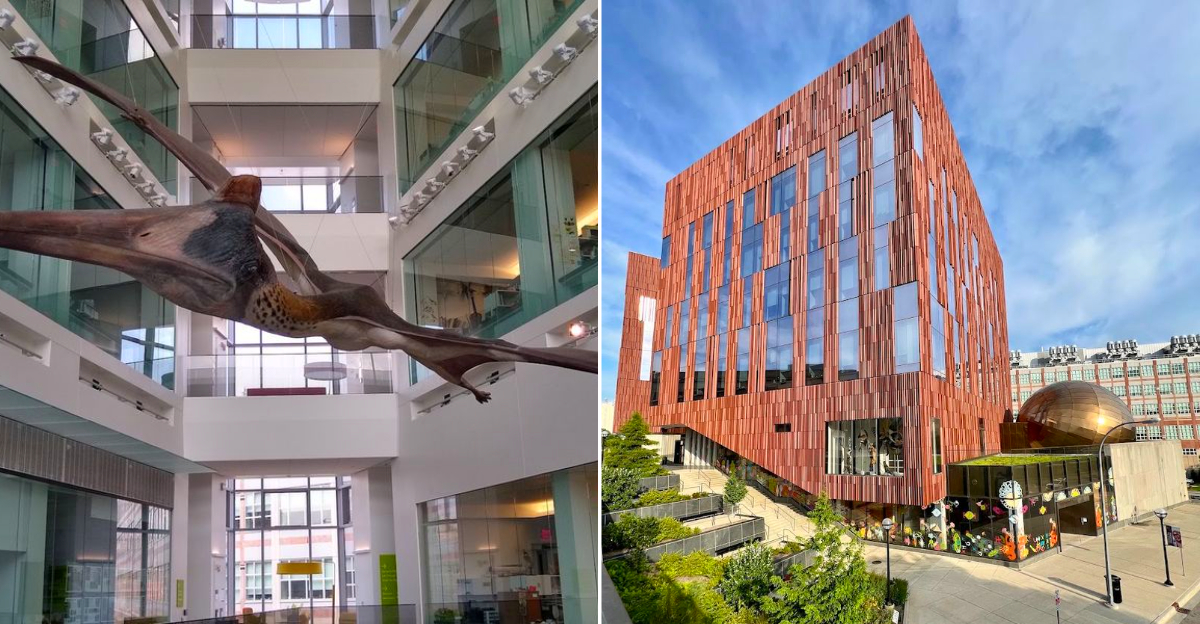
The mastodon skeleton in the main hall is real, and so are the second-floor labs where researchers sort through fossils most visitors never see. This museum does not separate science from display.
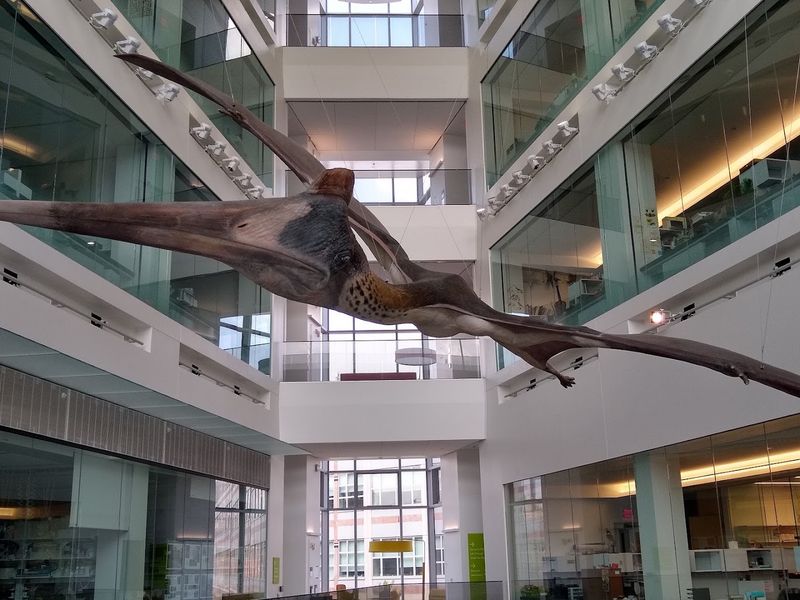
Walk past a paleontology lab, turn a corner, and come face to face with a prehistoric whale skeleton hanging from the ceiling. The planetarium runs on the hour. Interactive exhibits let kids excavate replicas and identify species.
A gallery rotates seasonal displays from ancient ecosystems to climate research. The building sits on a university campus, meaning the people answering your questions are the same ones writing the papers.
Spend an afternoon reading plaques, looking at bones, and eavesdropping on researchers excited about a fossil they found.
Walking through the doors feels less like visiting a cabinet of curiosities and more like stepping into a building where the past and the present are having an ongoing conversation that you get to listen in on.
Start With Michigan Rather Than The Dinosaurs
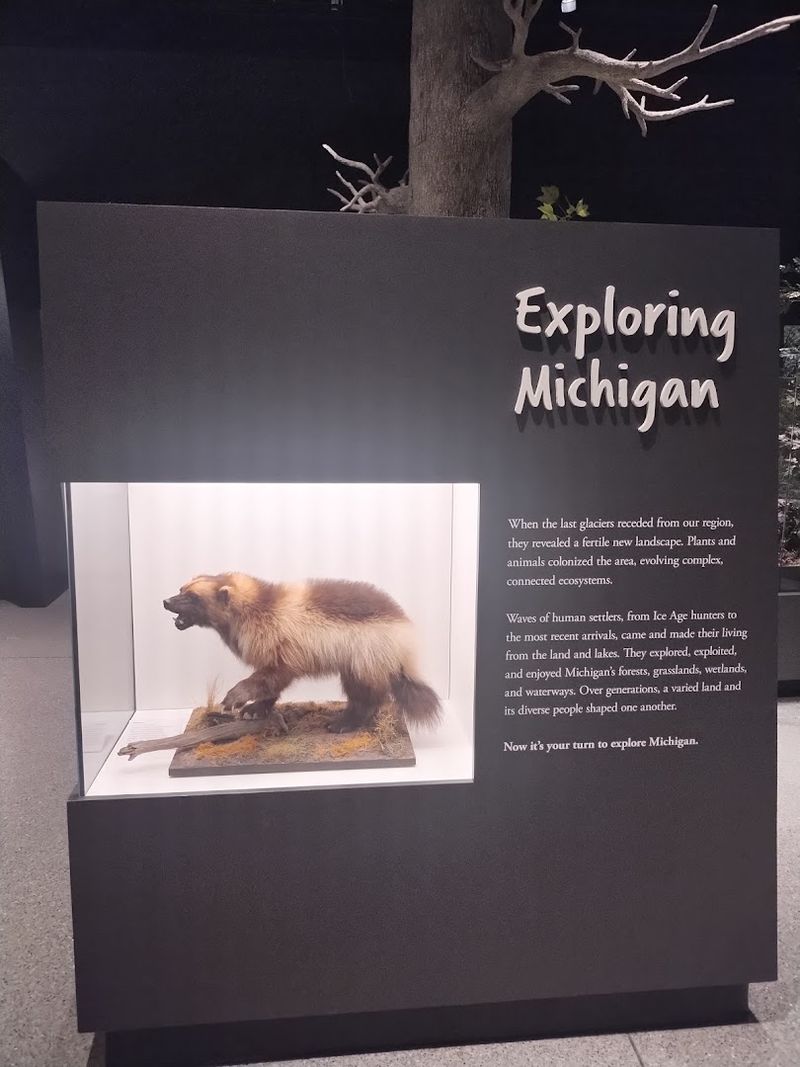
There is a small but useful trick to visiting this museum: begin with the state, not the global greatest hits. The Exploring Michigan gallery grounds everything in local geology, ecosystems, and Ice Age animals, including the Bristle Mammoth found in a Chelsea farmer’s field in 2015.
Suddenly natural history stops floating in abstraction. You are not just reading about ancient life somewhere else. You are seeing how Michigan’s own landscapes, sediments, and species fit into the bigger timeline.
That shift makes later dinosaur and evolution displays feel richer, because the museum has already handed you a local frame. For anyone traveling through Ann Arbor, that sense of place is one of the building’s quietest strengths.
The Golden Dome Solves The Campus Maze
The University of Michigan Museum of Natural History is inside the Biological Sciences Building at 1105 North University Avenue in Ann Arbor, Michigan. Approach the central campus from Washtenaw Avenue, using the museum’s gold-colored Planetarium & Dome Theater as the clearest final landmark.
The last few blocks can be busy with buses, pedestrians, bicycles, and university traffic, especially on weekdays during the academic year. Continue toward the Biological Sciences Building just north of Geddes Avenue rather than the museum’s former home in the nearby Ruthven Building.
The recommended visitor parking is Palmer Drive Structure at 200 Washtenaw Avenue. Take the structure’s south elevator to Plaza Level P, turn right after exiting, and follow the outdoor plaza to the museum entrance on the south side of the Biological Sciences Building.
Use The Mastodons As Your Scale Lesson
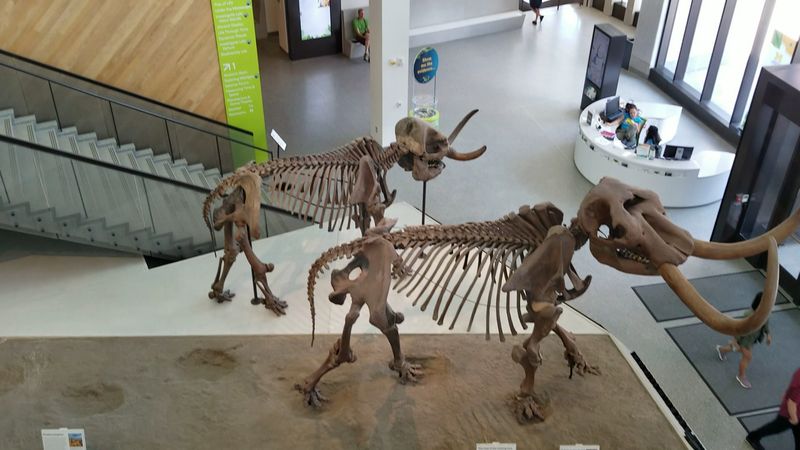
The mastodons in the atrium do more than announce the museum. They teach scale in a way labels alone never can, especially because this is a male and female pair, a combination the museum highlights as unique.
Nearby, the cast of the Saline mastodon trackway and the replicated footprint deepen the effect.
Stepping into that footprint is one of those museum gestures that could have felt corny but does not. It simply works, because your body suddenly enters the story.
The tusk cast adds another useful jolt. Even if some display elements are replicas, the interpretation is clear, tactile, and honest about helping visitors understand Michigan’s Ice Age giants.
Treat The Building As Part Of The Exhibit
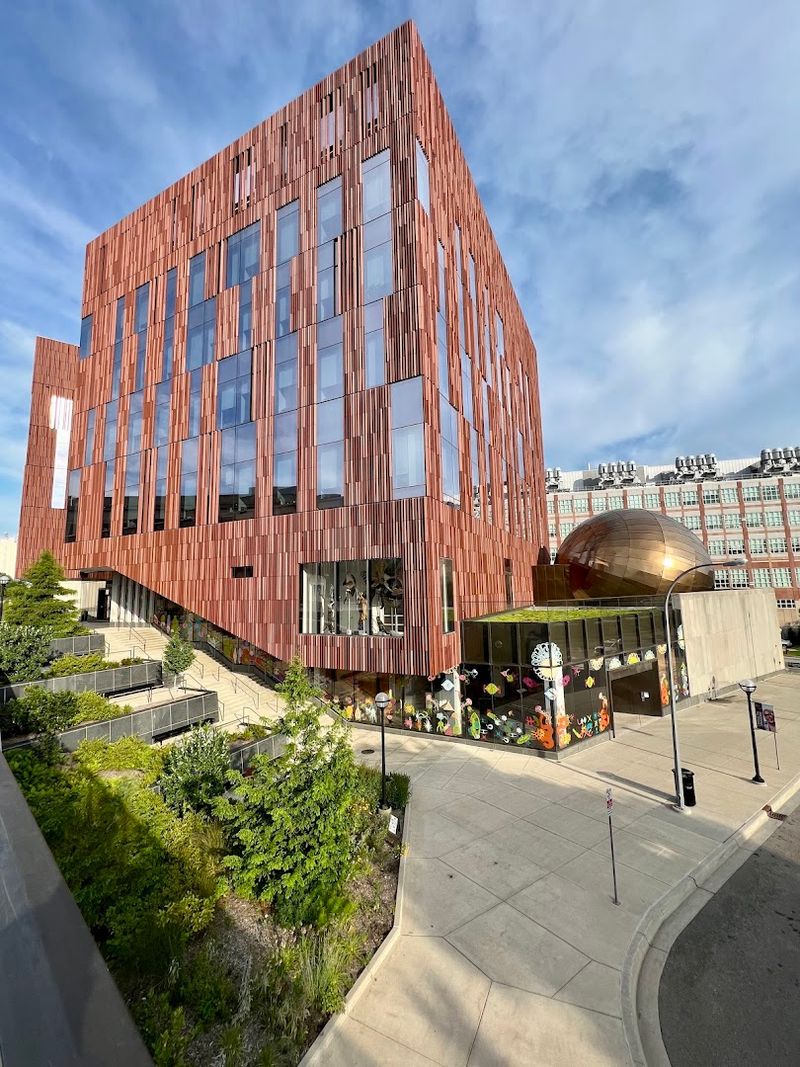
This museum lives inside the Biological Sciences Building, and that matters more than the address line suggests. Opened in this location in 2019, the museum now occupies a structure by Ennead Architects with three six-story towers connected by glass atria, designed to reveal science rather than hide it.
The architecture is part argument, part invitation. Instead of sealing galleries away from research, the building lets the two coexist. That transparency changes the mood from nostalgic display to active inquiry.
You can feel the institution nudging visitors to notice how knowledge gets made. If you enjoy museums that show their working parts, this place rewards attention to windows, corridors, and sightlines just as much as bones and minerals.
Watch For Science Happening In Real Time
One of the most distinctive pleasures here is catching research in plain view. The Science at Work: Fossil Prep Lab lets visitors look in on paleontologists preparing fossils, and the surrounding research stations and student showcases extend that feeling across the museum.
The place is not pretending discovery ended when the skeletons went up. That matters, especially in a university setting where science can otherwise seem hidden behind doors and credentials. Here, process becomes visible and strangely calming.
I would not promise constant action at every moment, because lab activity varies. Still, even the possibility of seeing preparation work changes how you read the galleries, reminding you that evidence is handled, studied, and argued over by real people nearby.
Save Time For The Hands-On Labs
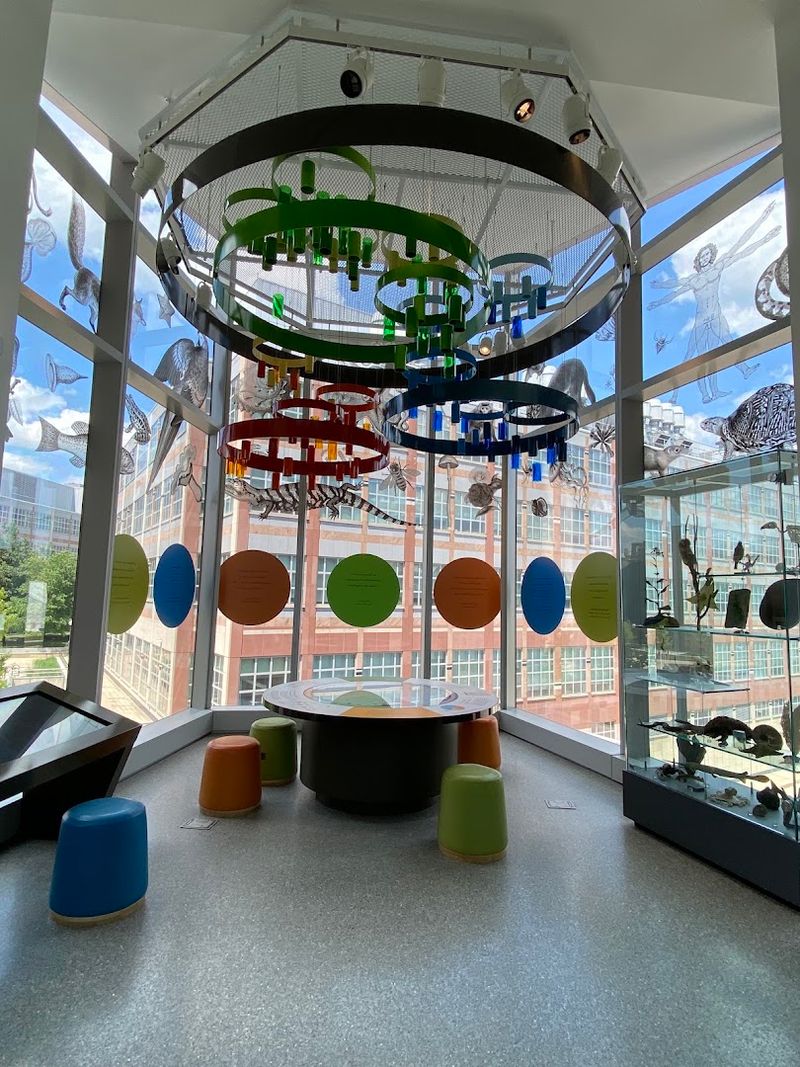
The hands-on rooms give this museum its pulse. In the Investigate Labs, including the Nature Lab and Micro Worlds Lab, activities can involve microscopes, specimen observation, or extracting strawberry DNA, which is a wonderfully straightforward way to make science feel physical instead of abstract.
These spaces skew family friendly but never feel exclusively child sized.
Adults who stay curious rather than aloof tend to have the better time. The museum’s interactive style is thoughtful, not noisy.
Schedules and availability can vary, so it is wise to check what is open that day instead of assuming every station will be running. When things are active, the energy shifts noticeably from looking to testing, comparing, and asking better questions.
Do Not Skip The Evolution Galleries
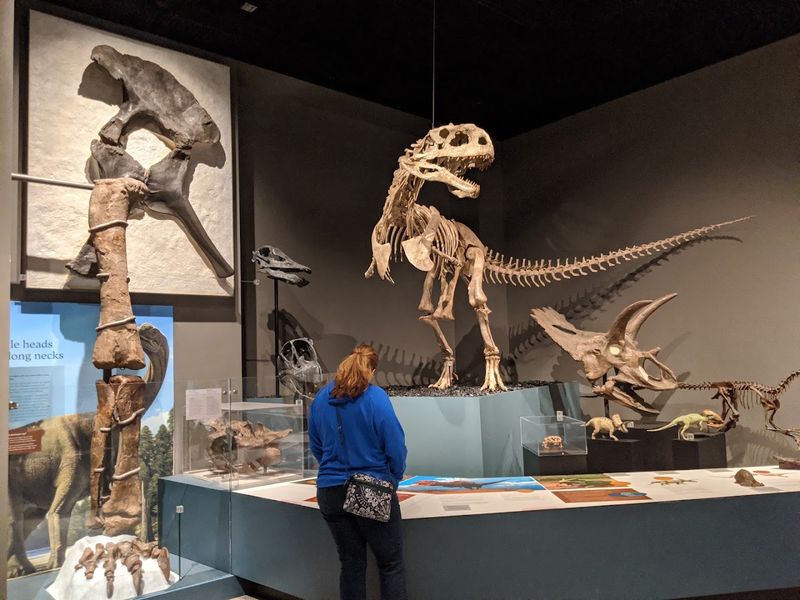
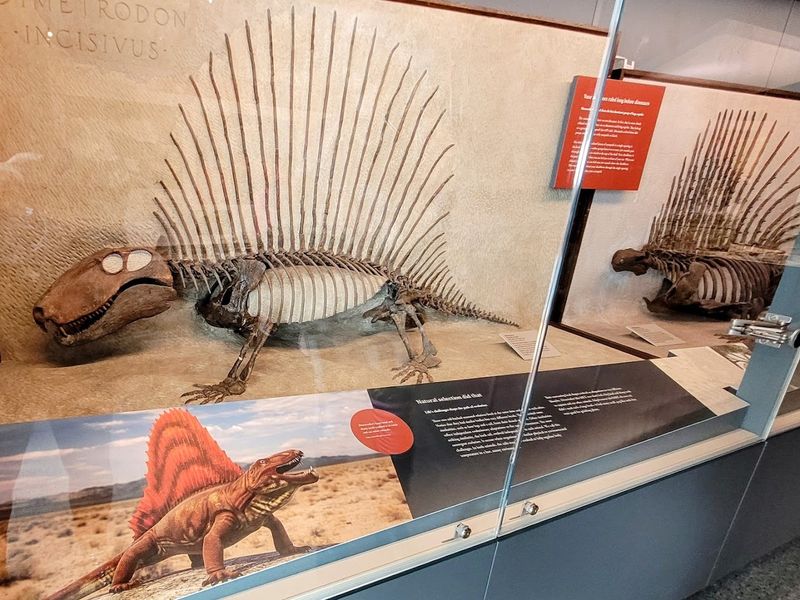
The Evolution: Life Through Time galleries carry the broadest narrative load, and they do it with admirable clarity. Moving through roughly four billion years of life, the exhibit threads together early organisms, prehistoric transitions, dinosaur skeletons such as Majungasaurus, and ancient whale displays without collapsing into textbook monotony.
It feels paced for actual human attention.
A cast replica of a Tyrannosaurus rex skull that visitors can touch helps break the trance of label reading. Contact restores scale and menace in a second.
Because the museum is not enormous, this long timeline stays digestible. You can follow the sequence without the numbness that bigger institutions sometimes create, and that compactness is a genuine advantage for thoughtful travelers.
Give The Collections Cases Real Attention
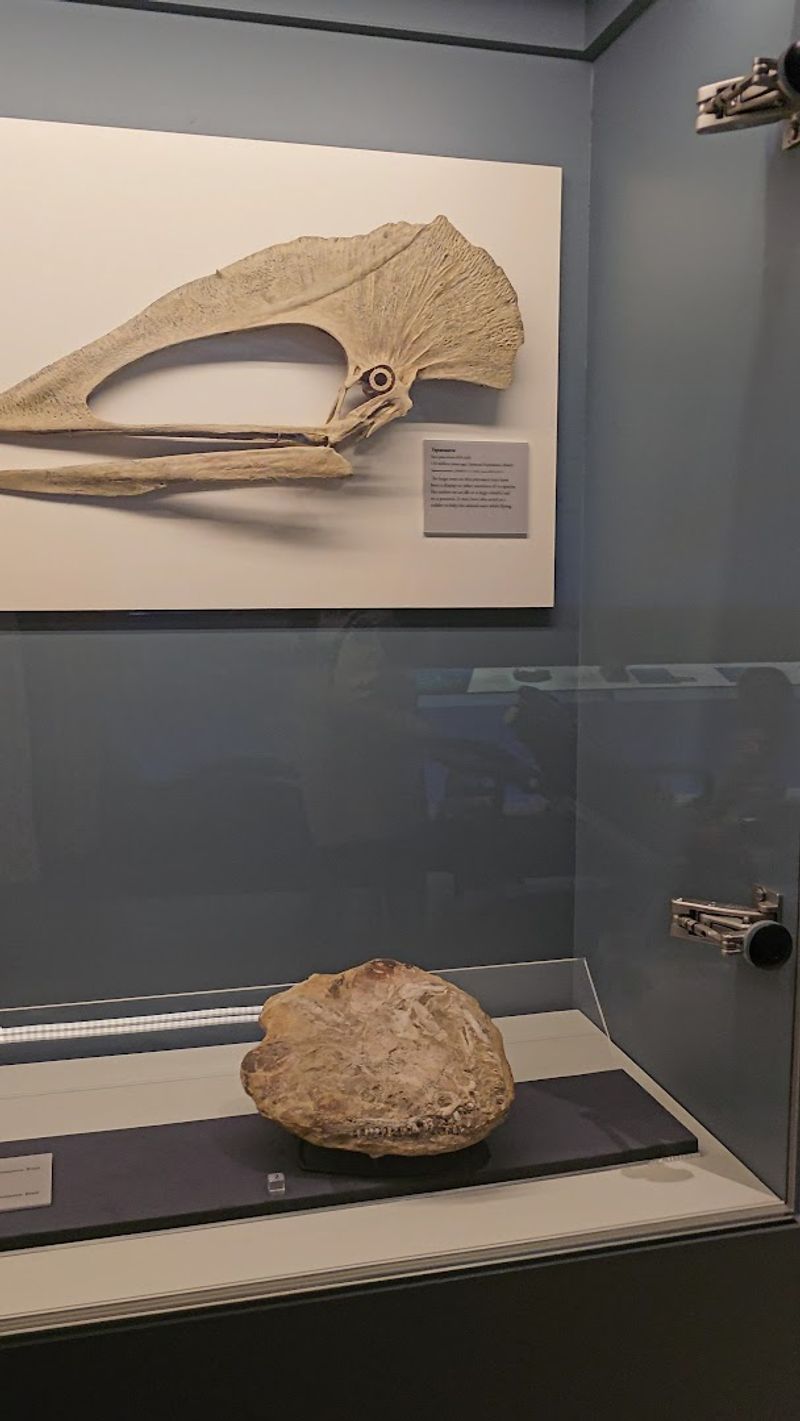
Some of the most revealing moments sit in quieter cases that many visitors pass too quickly. The Collections Case display highlights university research collections across paleontology, botany, zoology, and anthropology, showing how specimens keep generating knowledge long after they are stored, labeled, and cataloged.
That idea is less flashy than a mastodon, but arguably more important.
The exhibit also hints at how newer technology allows researchers to extract fresh information from old material. Suddenly preservation looks like a future-facing act, not an archival habit.
This is where the museum’s university identity comes into sharp focus. Stay with these cases a little longer than instinct suggests, and the whole building starts reading less like entertainment and more like infrastructure for discovery.
Book The Dome If You Want A Different Rhythm
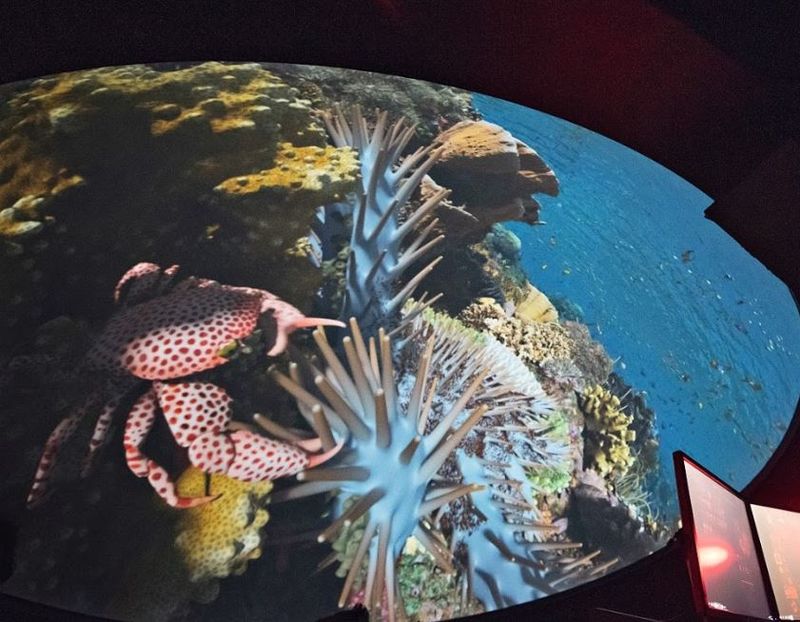
The Planetarium and Dome Theater adds a different tempo to the visit. After galleries full of bones, minerals, and labels, the 360-degree domed screen offers a seated, immersive reset that shifts your attention from objects to projection, motion, and scale in the sky.
It is the museum’s one notable paid extra, with tickets available at the Museum Store.
Showtimes vary, so this part benefits from planning rather than improvisation. If a presentation fits your schedule, it can round out the day beautifully.
Not every traveler needs it, especially if you prefer to keep the visit brief and free. But for anyone building a slower afternoon on campus, the dome broadens the museum’s scientific range beyond Earth history.
Plan The Entrance And Parking In Advance
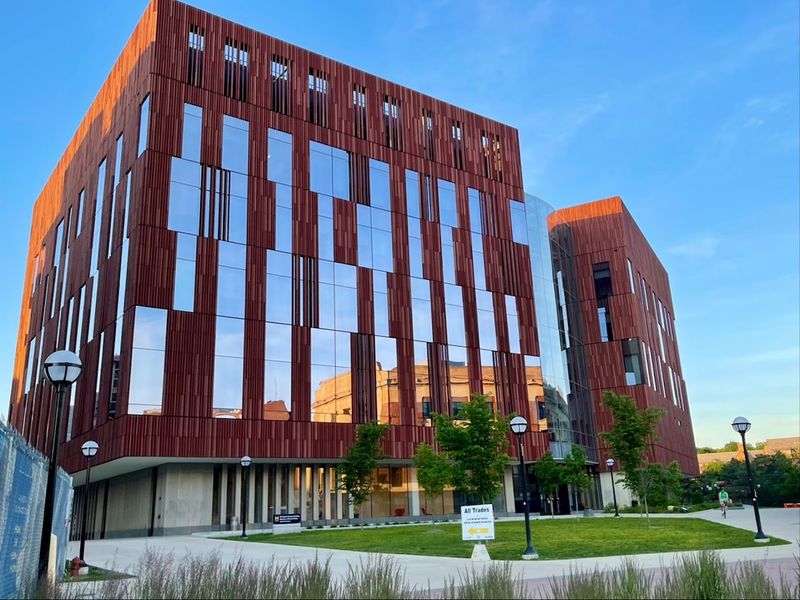
This is a museum where a little practical planning protects your mood. Because it sits on campus within the Biological Sciences Building, the approach can feel less obvious than a standalone museum, and nearby parking may take some patience.
Knowing the address exactly, 1105 N University Ave, helps, but so does allowing extra arrival time.
The museum is open daily from 10 AM to 5 PM, and general admission is free, with donations appreciated. There is also a fully accessible entrance on Washtenaw Avenue.
That logistical homework pays off once you are inside, where the visit becomes refreshingly easy to navigate. In other words, spend your problem-solving energy before the first fossil, not after it.
End Slowly Instead Of Treating It As A Quick Stop
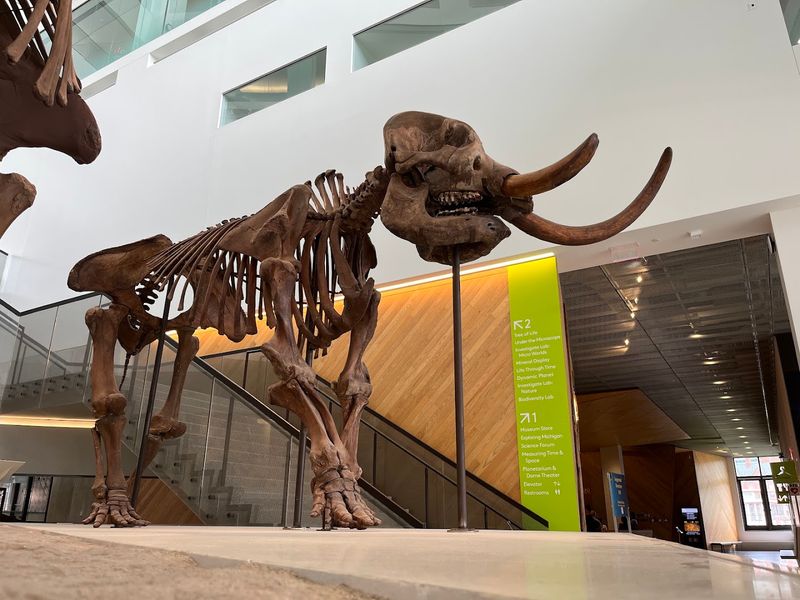
Because admission is free and the museum is manageable in size, there is a temptation to treat it like an easy, brisk add-on. That would miss its particular gift, which is not sheer quantity but the unusual side-by-side presence of prehistoric display, Michigan context, and visible research culture.
The place reveals itself best at a measured pace.
Pause for a second circuit through the atrium or one more look into the galleries that felt quiet at first. Small museums often improve on the return pass.
I left thinking less about spectacle than about continuity: bones, labs, students, and visitors all sharing one building devoted to asking what the natural world means and how we know it.