
10 Abandoned Ghost Towns In California Where Silence Tells A Dark Story
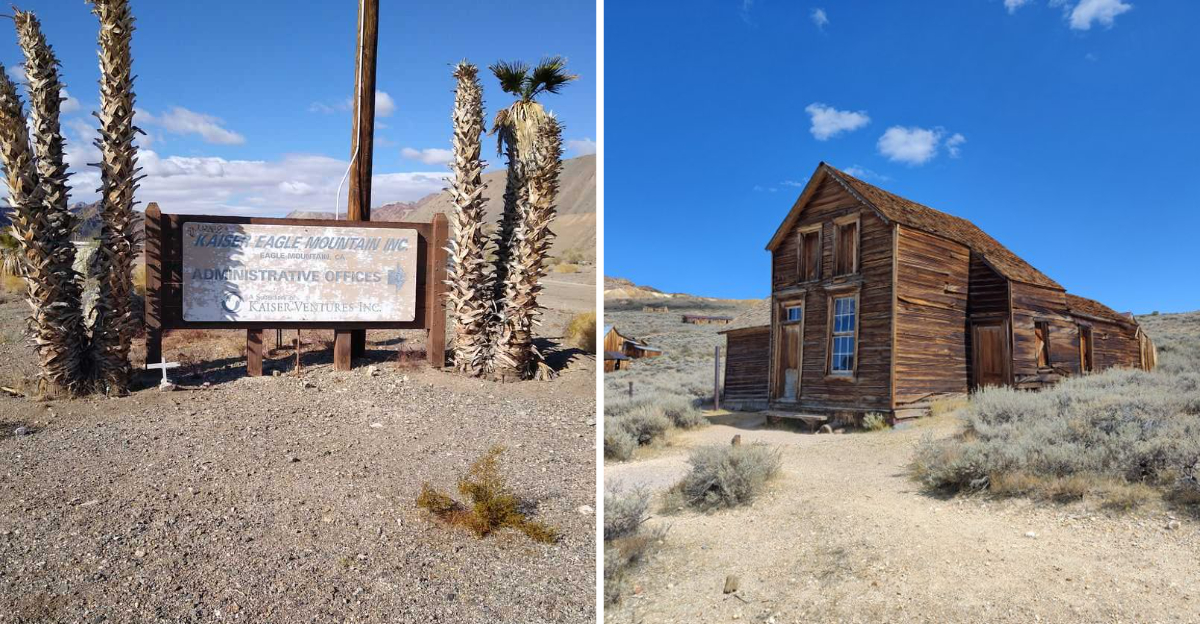
Silence in California is never truly empty.
Out beyond the highways and coastal noise, there are places where it settles heavy, almost deliberate, as if the land itself remembers what happened there.
I didn’t go looking for haunted houses or cheap thrills, I followed old roads, mining trails, and forgotten turnoffs, chasing towns that once burned bright and then disappeared just as fast.
What I found wasn’t abandonment, but a lingering presence that refuses to fade.
California’s ghost towns tell a darker story that their postcard images suggest.
These weren’t places that slowly aged into ruin, most collapsed under the weight of gold fever, environmental destruction, economic greed, or sudden disaster.
There’s an eerie feeling that comes with standing in a room where life clearly stopped mid routine.
From remote mountain mining camps to toxic shoreline settlements, each of these abandoned places carries its own version of loss.
Together, they form a shadow map of California, one that runs parallel to the state’s glossy, modern image.
These are ten ghost towns where silence tells a dark story, and once you step into it, you don’t walk away unchanged.
1. Bodie State Historic Park

High in the cold, dry mountains east of the Sierra crest, Bodie sits with a stubborn kind of quiet.
It doesn’t feel abandoned, it feels paused, like the town is holding onto its last breath.
Walking through the preserved homes and saloons, I could see dishes still on tables and beds left unmade, frozen exactly where life stopped in the late 1800 gold boom.
I wandered along Main Street, crunching gravel and smelling dry pine and old dust, while hearing shutters tick in the gusts.
Legend says the cemetery held more stories than the newspaper ever printed, and I swear I could feel that weight by the picket fences.
The wind cut through the empty street with a hollow howl that felt intentional, almost staged.
Rangers call it “arrested decay”, but standing there, it felt more like the town refused to let go.
I stood by the Methodist church, staring at flaking paint, and all I could think about were the miners who chased luck until it fled.
Bodie did not die in one moment, just in a long, thin exhale.
I left feeling like I’d been watched the entire time.
2. Calico Ghost Town
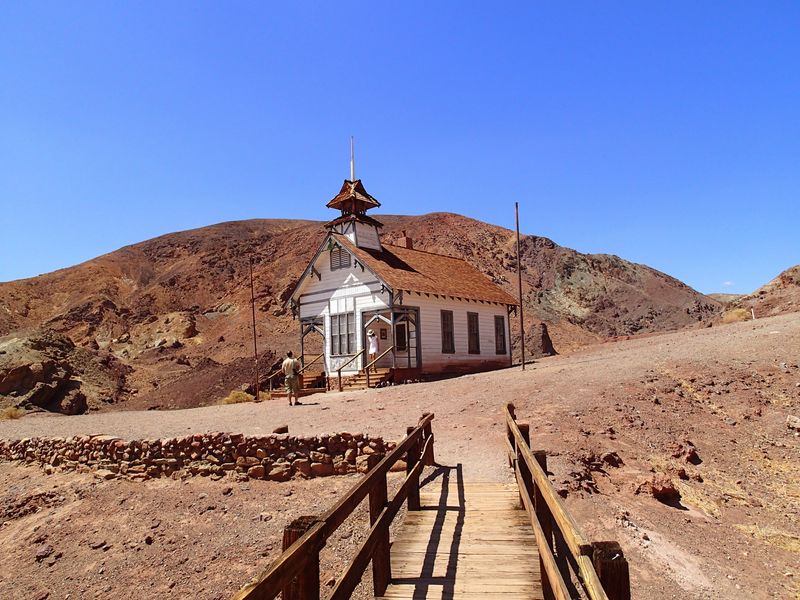
After Bodie, I found myself heading toward Calico Ghost Town.
Calico rises from red desert hills east of Barstow, its color matching the cliffs that named it.
Born in 1881 on silver riches, Calico quickly boomed with claims, stamp mills, and rowdy nights, until silver prices collapsed in the 1890s and the town faded back into sand and memory.
As I moved through the abandoned mine entrance and among the worn down buildings, it felt like the walls were still murmuring about silver riches.
There is lore about the famous Maggie Mine and saloons that rang until dawn.
Despite the sun soaked desert setting, something about the place felt off, like a smile hiding rotten teeth.
The creaking wood and empty jail cells made it easy to imagine the desperation that once lived here.
It felt like I was trapped in a Western theme park haunted by its own past, and I realized I was walking faster than necessary, suddenly keen to leave before the sun went down.
3. Cerro Gordo Mines
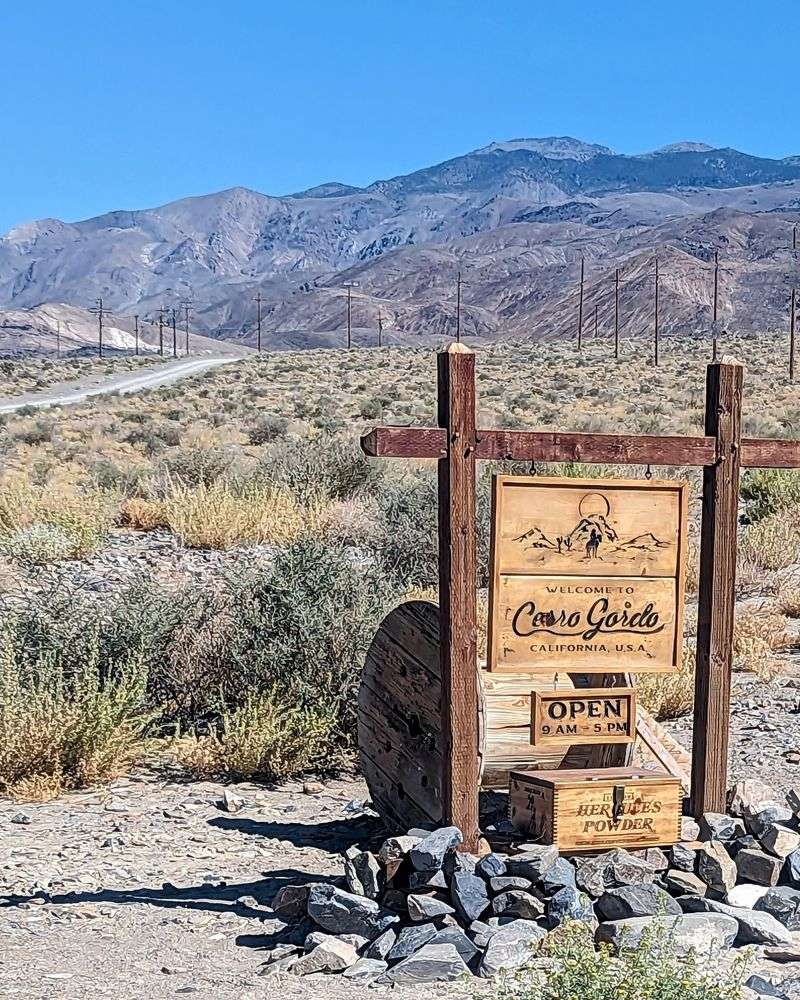
Perched above Owens Lake in the Inyo Mountains, Cerro Gordo feels isolated in a way that’s deeply unsettling.
This precious metals giant from the late 1860s caught fire where mines quieted and the town thinned to wind and rumor.
The place once fueled Los Angeles with silver and lead, yet now it feels cursed by its own success.
I was exploring the mining ruins and abandoned hotel, when I noticed that the silence was so complete it rang in my ears.
I swear the air smelled of sage and dry timber, and the ground was salted with broken ore, and I know it’s hard to believe, but it’s even harder to explain.
Standing there, I understood how a city far away was built on this high loneliness.
When the light goes, the temperature drops fast, and the quiet lands with purpose.
And I didn’t hesitate to leave, once the sun dipped behind the mountains.
4. Ballarat
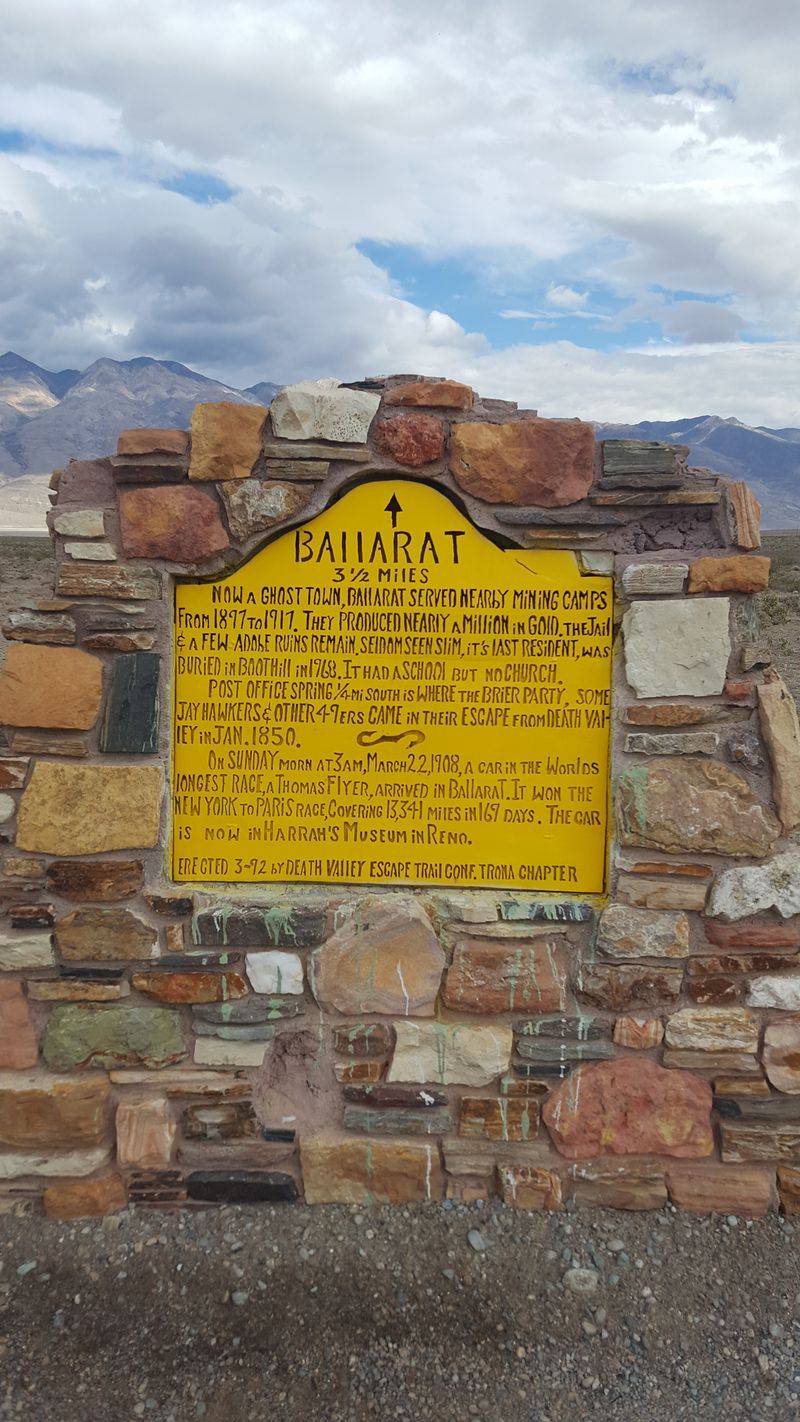
The yellow sign met me at the edge of this abandoned, haunted town, like an early warning about whatever might happen next, mysteries it couldn’t even explain itself.
Ballarat lies on the margin of Death Valley, like a forgotten outpost waiting to crumble.
While exploring, I walked past rusted vehicles, collapsing buildings, and a cemetery close to the living world.
This town once served miners and outlaws, including Charles Manson’s group decades later, which only deepened its eerie reputation.
Ballarat’s best known footnote might be tales of drifters and desert rats, even a truck tied in rumor to the Manson years.
That shadow lingers, though the real story is humbler, logistics and water and stubbornness.
The desert heat pressed down hard, making the silence feel oppressive.
Every footstep I took, echoed too loudly, like I wasn’t supposed to be there.
Ballarat doesn’t jump out to frighten you, it slowly drains you into a feeling of unease.
There’s nothing staged here, only empty space and the remnants of hard work.
When I left, I felt scrubbed clean in a strange way, pared back to the quiet basics.
5. Panamint City
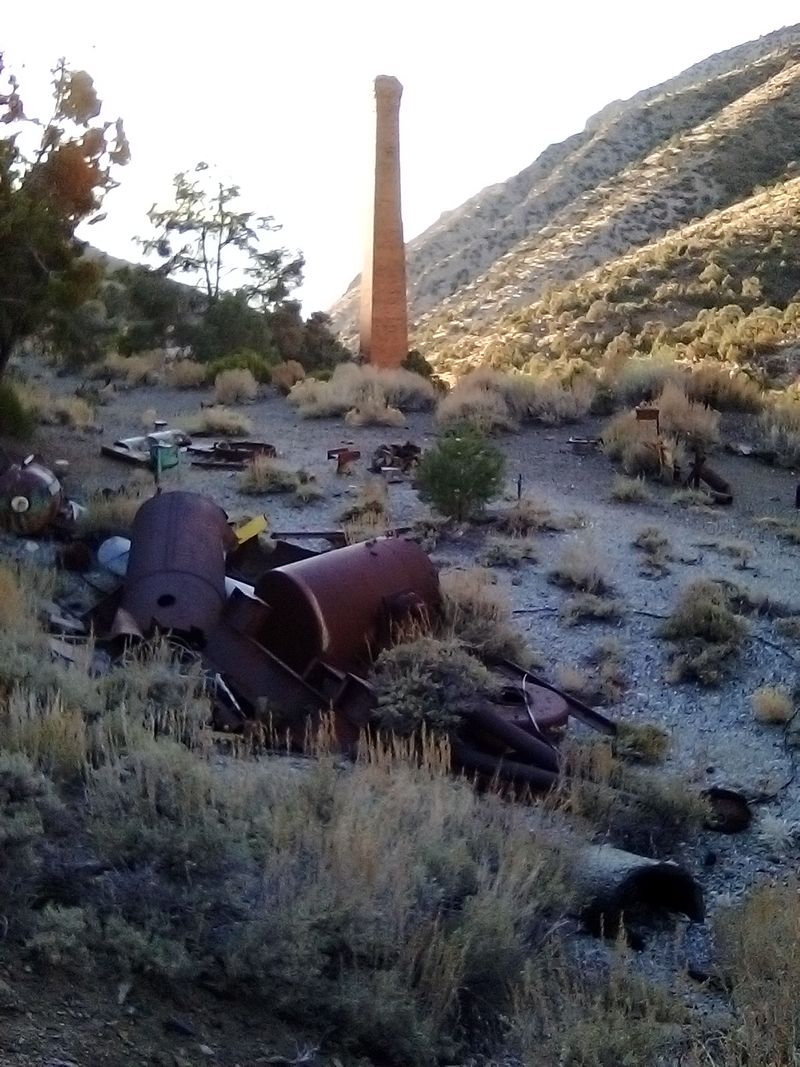
Panamint City hides in the Panamint Range, a mountain ghost reached by a rough hike through canyons and washed gravel.
Getting there was a struggle, and at one point I wasn’t sure it was worth it, but then I realized that the “suffering” I felt belonged more to the ghosts of this town than to me.
The hike was brutal, and by the time I reached the ruins, the isolation felt absolute.
Once a booming silver town, it collapsed almost overnight, leaving behind scattered cabins and mine shafts.
At one point, the wind funneled through the canyon making a wavering whistle that rode my nerves.
Storytellers talk about a town so rowdy even Wells Fargo pulled out.
It had serious The Hills Have Eyes energy, beautiful but deeply uncomfortable.
I knew that this is not a roadside ghost but a memory I’ll hike to, mile by mile.
When I turned back, the silence followed me down the trail, and the place demanded respect, not curiosity.
6. Shasta State Historic Park / Old Shasta
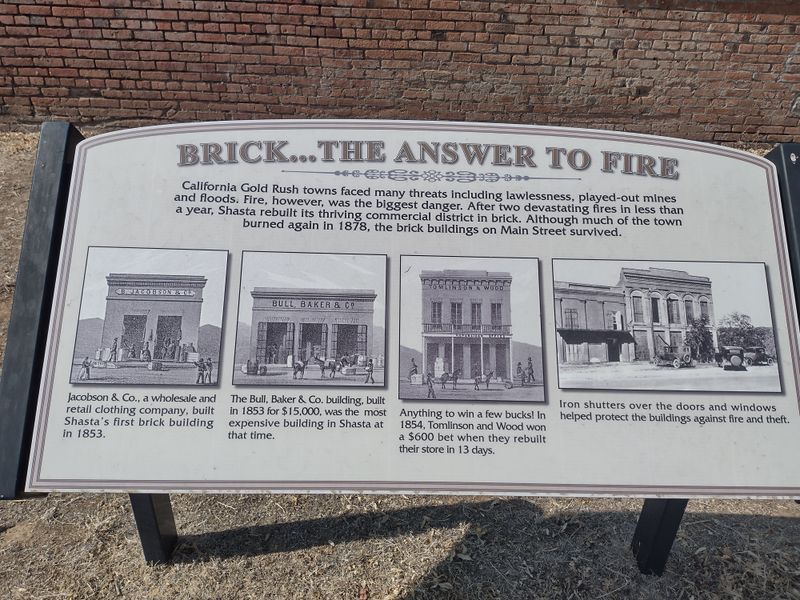
Yet again, a sign was waiting for me at the entrance to town.
It wasn’t offering instructions so much as brief hints about what happened here once, written in a slightly odd way.
Along Highway 299 near the forested folds west of Redding, Old Shasta sits like a row of brick teeth.
Old Shasta carries a polished look, but the darkness is still there beneath the surface.
As I walked past the courthouse and the old jail, I couldn’t shake the feeling that justice here had once been swift and unforgiving, especially knowing that trials held in that very building helped shape regional law back when gold fever was running hot.
Fires tore through the town more than once, and what’s left feels more like scars than simple ruins.
But even with all that damage, there’s a kind of dignity here, less a collapse than a memory carefully arranged for anyone willing to look closely.
I left feeling uneasy, like I had learned too much by being there.
7. Malakoff Diggins & North Bloomfield

While I was researching and came across Malakoff Diggins, I knew it would be abandoned, but I wasn’t prepared for just how wrecked it would look in person.
Standing at the edge of the massive hydraulic mining pit, I felt dwarfed by how violently gold reshaped this land.
The famous Woodruff v. North Bloomfield lawsuit eventually reigned in the damage and changed mining practices forever, and that legal echo gives the town a thoughtful kind of gravity, as if the land itself remembers being heard in court.
North Bloomfield’s remaining buildings sit quietly nearby, like survivors of an environmental crime scene.
The stillness feels heavy, almost accusatory, an eerie reminder that human ambition carved into this place so deeply it never fully recovered.
Walking here felt less like exploration and more like standing in the middle of a warning.
8. Empire Mine State Historic Park

I went in expecting one thing and came out with something else entirely.
This place isn’t like the previous towns I visited, neatly kept and shielded from ruin and memory loss.
Unlike tumble down ghosts, Empire is preserved with care, machinery gleaming under dust, maps etched with veins like arteries.
As I wandered past the machinery and empty offices, I felt like the mine simply stopped breathing one day and never restarted.
This was once one of the richest gold mines in California, and now it is eerily pristine and lifeless.
Cornish miners once brought their hard rock skills, and their pasties, reshaping the town’s daily rhythm. Today, interpretive signs walk you through that history, keeping any romance firmly grounded in numbers, sweat, and labor.
The neat lawns outside feel almost too tidy for what went on deep underground.
It’s funny to think about how wealth built this place, and silence buried it.
9. Bombay Beach

On the salted edge of the Salton Sea, Bombay Beach looks like a postscript written in sun glare and peeling paint.
Once a glamorous resort town, it now looks like the aftermath of an environmental apocalypse.
Midcentury dreams turned this place into a resort town, all boats and beach parties skimming the shine of an inland sea.
Then salinity and agricultural runoff made the water harsh, the fish died, and the crowds stopped coming.
It’s strange to stand on a deserted California beach you’d never call part of the “golden coast.”
Places like this make California Dreamin’ hit differently, you get why The Mamas & The Papas longed for a sunny L.A., even while this version of California feels anything but.
It reminded me of a dystopian indie film set where civilization quietly faded.
I felt an emptiness here different from mountain ghosts, more electric, less forgiven.
Maybe because Californian beaches are always connected to sun and fun, rather than ghosts on the run.
10. Eagle Mountain
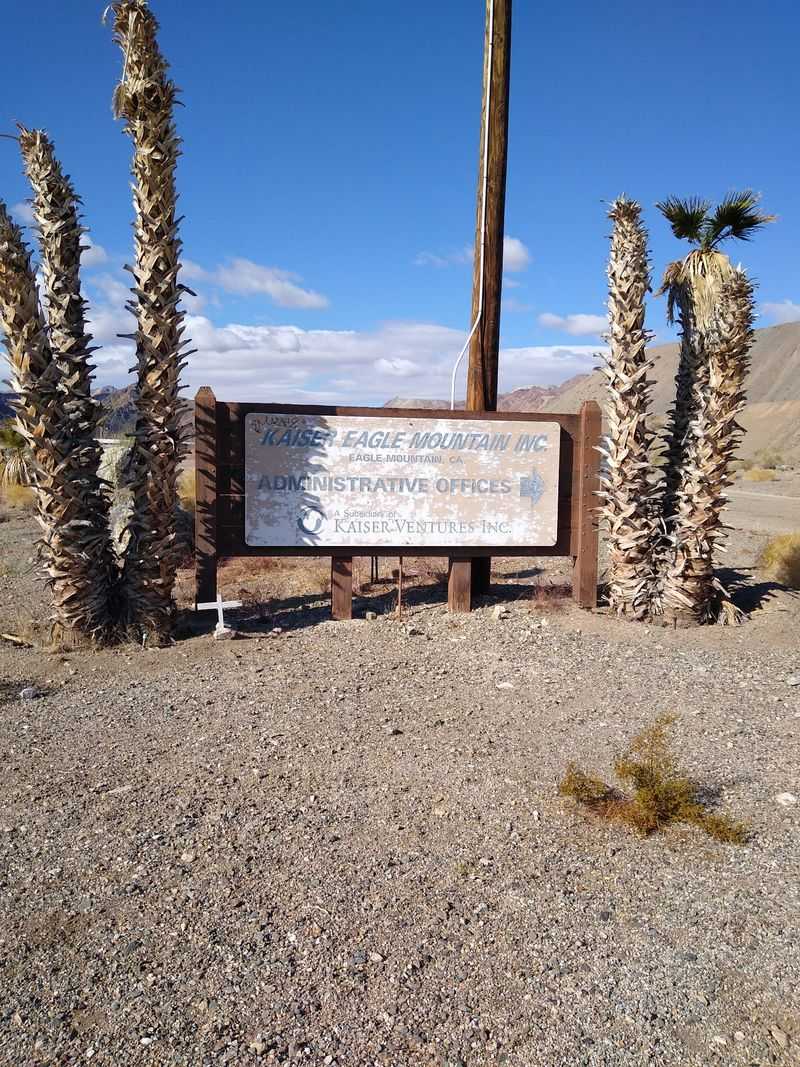
The last place I visited on this bold and exciting adventure was sitting at the edge of the Chuckwalla Valley,
Eagle Mountain.
A small modern ghost town for the end.
But that’s what makes it creepier, isn’t it?
Built for mine workers and abandoned almost overnight, its empty streets and intact homes feel unnaturally fresh.
The town looks like a storyboard, panels of labor, ambition, and retreat.
While I drove through, it felt like residents had vanished midday without explanation.
The desert wind rattled signs and doors like a warning.
Even here, a lone sign waited for me, pointing toward what I was about to see, and what I never would.
I didn’t get out of the car much, some places don’t need footsteps to tell their story.
Leaving Eagle Mountain, I realized that California’s ghost town doesn’t scream for attention, they whisper, and that’s what makes them unsettling.
These places were not lost to time by accident, they were abandoned by ambition, disaster, and human greed.
Long after I drove back toward the noise of civilization, that quiet stayed with me, and honestly, I think it always will.