
8 Abandoned Ghost Towns In Missouri That History Buffs Love To Explore
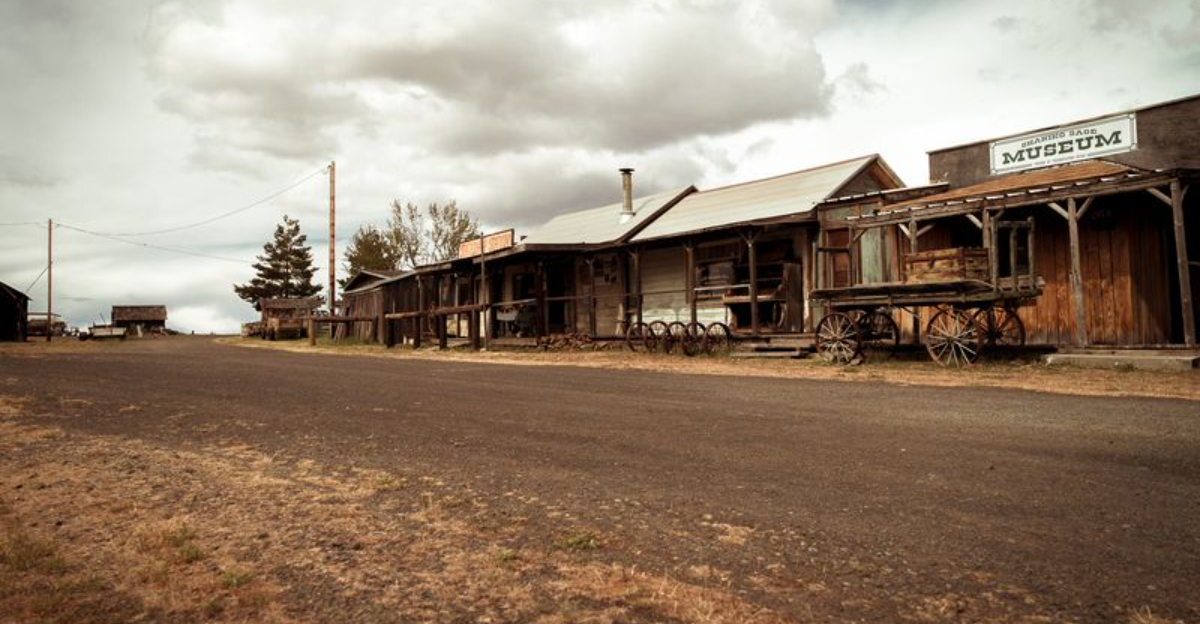
The thrill of walking through a truly abandoned place is unmatched for any dedicated historian or urban explorer. Missouri holds a surprising number of these silent settlements, relics of a time when lead mining, timber, and the burgeoning railroad system carved out temporary towns across the landscape.
These places tell powerful stories of boom-and-bust cycles, economic hardship, and the sheer unpredictability of pioneering life. We’ve mapped out eight fascinating ghost towns in Missouri that history buffs should prioritize-places where you can literally feel the past under your feet.
1. Arlington
Route 66 once brought travelers streaming through Arlington, a thriving lumber and resort town that promised prosperity. Families stopped for gas, lodging, and meals while trucks hauled timber to distant markets.
Everything changed when highway planners rerouted the famous road, cutting Arlington off from the steady flow of commerce. Businesses shuttered their doors within months as customers vanished and revenue dried up completely.
Today only skeletal building frames and moss-covered foundations mark where shops and homes once stood. Walking through the site feels like stepping into a black-and-white photograph where progress forgot to include you.
2. Bloodland
Federal bulldozers rolled through Bloodland when the government needed land for Fort Leonard Wood during World War II. Entire families packed belongings and left homes their grandparents built, watching their community disappear for national defense.
The military claimed fields, churches, and cemeteries, erasing a settlement that had stood for generations. Scattered gravestones now peek through thick underbrush where a vibrant community once gathered for Sunday services and summer picnics.
Foundation outlines barely visible beneath leaf litter hint at where kitchens warmed and children played. Visiting requires permission since the area sits within military property, adding mystery to an already haunting location.
3. Avilla
Avilla earned its stripes as a transportation hub where stagecoaches rumbled past and merchants traded goods heading west. Civil War skirmishes left bullet holes in buildings that still stand, silent witnesses to brother-versus-brother conflicts.
Route 66 later brought a second wave of travelers, though the town never regained its early glory. A handful of historic structures survive today, making Avilla what enthusiasts call a living ghost town.
You can actually walk through original buildings and touch walls that heard countless conversations across two centuries. I remember photographing the old general store and feeling goosebumps imagining soldiers buying supplies before battle.
4. Zeta
Railroad companies built Zeta as a siding where trains could pass and crews could rest between longer hauls. The community never grew beyond a few essential buildings serving railroad workers and their families.
When rail traffic patterns shifted and trains stopped using the siding, Zeta lost its only reason for existence. Maps still mark Zeta’s location, though visitors find virtually nothing except empty fields and perhaps a rusted rail spike.
The town vanished so completely that even foundation stones were hauled away or buried under decades of soil. Ghost town hunters consider Zeta a challenge because finding any physical evidence requires serious detective work and local knowledge.
5. Melva
Melva bustled with railroad workers and farming families until nature delivered a crushing blow in 1920. A tornado roared through town, flattening homes. Some residents had no warning or shelter.
Survivors rebuilt briefly, but the community’s spirit was gone with those lost in the storm. Railroad traffic eventually declined, removing any economic reason to stay in a place haunted by tragedy.
The site now serves as a somber reminder of how quickly natural disasters can erase human achievement. Scattered timbers and metal fragments still surface after heavy rains, physical echoes of lives interrupted mid-sentence by a monster wind nobody saw coming.
6. Flory
Big dreams launched Flory as a trading post where settlers could buy supplies and mail letters home. The post office opened with optimism but closed within years when expected growth never materialized.
Farmers preferred larger towns with better selection, leaving Flory’s handful of buildings empty and purposeless. Almost nothing visible remains today except perhaps a depression in the ground where the trading post stood.
Nature reclaimed the site so thoroughly that even longtime locals struggle to pinpoint exact building locations. Flory represents countless tiny settlements that appeared on frontier maps but vanished before cameras could document their brief existence or children could inherit their stories.
7. Moselle
Miners flocked to Moselle in the mid-1800s when ore discoveries promised wealth and steady work. The settlement thrived as long as mines produced, with saloons, boarding houses, and supply stores serving rough-and-tumble prospectors.
Ore quality declined over decades, and aging infrastructure made operations too expensive to continue profitably. A few weathered buildings still stand among rusted mining equipment slowly sinking into Missouri soil.
Foundation stones and collapsed tunnel entrances mark where hundreds once labored underground in dangerous conditions. My grandfather told stories about relatives who worked Moselle’s mines, describing twelve-hour shifts in darkness that aged men before their time and left lungs scarred from dust.
8. Garber
Garber served families near Branson with a schoolhouse, general store, and community gathering spaces until fire consumed key buildings. Railroad companies then chose routes that bypassed the damaged town, eliminating any hope of recovery or rebuilding.
Parents moved children to communities with better prospects, leaving Garber to the elements and eventual oblivion. Stone foundations poke through weeds and saplings where merchants once weighed flour and children memorized multiplication tables.
Overgrown lots hide rusted farm equipment and broken pottery fragments that surface when curious explorers kick through leaf piles. The site sits close enough to Branson’s tourist bustle that the contrast feels jarring and poignant.