
9 Alabama BBQ Terms That Outsiders Always Misuse (But Locals Know by Heart)
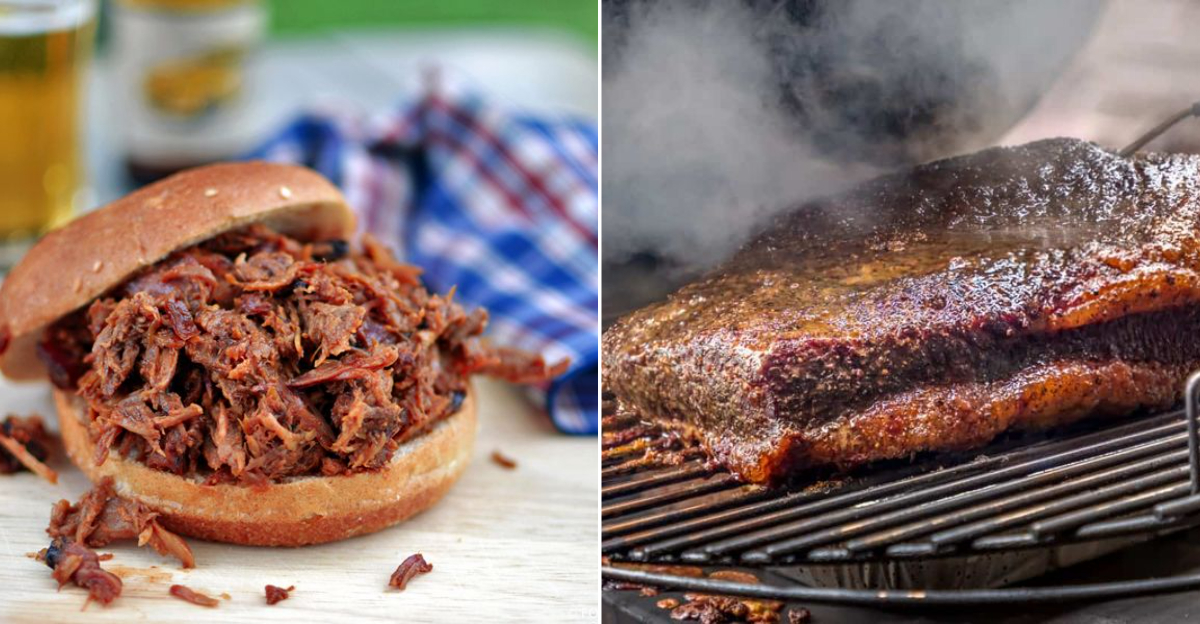
Alabama barbecue has its own language, rich with tradition and smoky expertise that locals live and breathe every day. Visitors often stumble over terms they think they understand, only to reveal they have missed the mark entirely.
Understanding these words is not just about sounding smart at a cookout; it is about respecting the craft and history behind every perfectly smoked bite. Get ready to learn what these terms really mean, straight from those who know best.
1. Alabama White Sauce
Slathering any pale, mayo-looking sauce on pulled pork and calling it Alabama white is like wearing cowboy boots to a beach party. Alabama white sauce is a specific mayonnaise-and-vinegar creation born in northern Alabama, famously tied to Big Bob Gibson in Decatur.
Locals know it belongs on grilled or smoked chicken, not as a blanket replacement for every regional sauce. The tangy, peppery kick of authentic white sauce complements poultry beautifully, cutting through the richness with vinegar brightness.
When outsiders dump it on pork shoulders or brisket, pit masters shake their heads knowingly. Respect the chicken, respect the sauce, and you will earn your place at any Alabama barbecue table with confidence and flavor.
2. Whole Hog
Claiming you cooked a whole hog when you smoked a big shoulder is like saying you ran a marathon after jogging around the block. Whole hog literally means cooking an entire pig, from snout to ham, over coals or in a pit using old-school, labor-intensive methods.
This tradition involves mopping with vinegar, managing different cuts that cook at different rates, and honoring techniques passed down through generations. Outsiders throw the term around casually, but locals know the effort and skill required to pull it off right.
Each section of the hog offers unique textures and flavors, creating a symphony of pork perfection. True whole hog barbecue is a badge of honor, not just a big portion.
3. Boston Butt Versus Picnic Shoulder
Calling every pork shoulder cut a butt reveals you have not spent much time around serious pit masters. The Boston butt sits on the upper shoulder, loaded with marbling that makes it the go-to choice for juicy, tender pulled pork.
Meanwhile, the picnic shoulder comes from the lower part, slightly tougher and often handled with different techniques to coax out its best qualities. Professionals choose their cuts deliberately, knowing that texture and yield depend on which section they select.
Confusing the two is a rookie mistake that locals spot immediately. My uncle once lectured me for twenty minutes about butt versus picnic after I mixed them up at a family cookout, and I have never forgotten the difference since.
4. Bark
Outsiders see blackened edges and immediately think something went wrong in the smoker. Bark is actually the prized dark crust that forms on smoked meat through a beautiful combination of Maillard reaction, smoke, and rub working together over hours.
Locals request extra bark because that is where concentrated flavor lives, delivering peppery, smoky intensity with every bite. Achieving perfect bark requires the right balance of seasoning, temperature control, and patience that only experience can teach.
Calling it burnt is like calling a perfectly seared steak ruined. Smart diners know to ask for plenty of bark, and pit masters smile when they hear that request because it signals someone who truly understands barbecue.
5. Mop Sauce Versus Barbecue Sauce
Grabbing thick, sweet barbecue sauce and slathering it on meat during the long cook shows you have missed the point entirely. Mop sauce is typically a thin, vinegar-based liquid applied with a mop or brush throughout the cooking process to keep meat moist and help develop flavor and bark.
Table sauce comes later, after the meat has finished its smoky journey and is ready to serve. Locals understand this crucial distinction because using the wrong sauce at the wrong time can ruin hours of careful work.
Mop sauce builds layers of taste without interfering with smoke penetration or bark formation. Confusing the two marks you as an outsider faster than asking for ketchup at a serious barbecue joint.
6. Smoke Ring Equals Flavor Or Quality
Visitors often judge barbecue quality by how deep and pretty the pink smoke ring appears under the crust. That ring is simply a chemical reaction between wood smoke gases and myoglobin in the meat, not a direct indicator of actual flavor or tenderness.
Scientists and experienced pit masters know that amazing barbecue can exist with or without a prominent ring, and a beautiful ring does not guarantee delicious results. Locals appreciate the ring for its visual appeal but never mistake it for the real test of quality.
Seasoning, tenderness, and smoke flavor do the heavy lifting, not a pretty chemical reaction. Judging meat by its ring alone is like judging a book by its cover.
7. Barbecue Versus Grilling
Calling every backyard cookout barbecue makes Southern pit masters cringe harder than nails on a chalkboard. In Alabama and across the South, barbecue refers specifically to low-and-slow cooking with smoke, transforming tough cuts like pork shoulder, brisket, or whole hog into tender perfection over many hours.
Grilling, on the other hand, means high-heat, quick cooking for items like steaks, burgers, and hot dogs that need just minutes over flames. The two methods are related but require completely different skills, equipment, and mindsets.
Locals never confuse a Saturday steak sear with the all-day commitment of smoking shoulders. Respecting this distinction shows you understand the craft, not just the food.
8. Pulled Versus Chopped Pork
Using pulled and chopped interchangeably suggests you have never paid attention to texture and regional tradition. Pulled pork is shredded into long, tender strands by hand or with forks, creating a soft, stringy consistency that soaks up sauce beautifully.
Chopped pork is cut into coarser, chunkier pieces, often preferred in certain regions for a heartier, more substantial sandwich with varied bite textures throughout. Different barbecue joints and areas have strong preferences, and locals know exactly which style their favorite spot serves.
Texture matters as much as flavor when it comes to the perfect pork sandwich. Asking for the right style shows you have done your homework and respect local traditions deeply.
9. Pit Or Pit Barbecue
Calling your backyard kettle grill a pit is like calling a bicycle a race car. Historically, a pit was a dug trench used for cooking whole animals over live coals, requiring serious skill and endurance.
Today, pit can refer to the cooking apparatus itself, whether a traditional dug pit, a custom offset smoker, or a specialized rig built for low fuel and live-fire techniques that honor old traditions. Not every grill qualifies as a pit, and context matters deeply to those who cook this way.
Locals know the difference between propane convenience and the hard-earned flavor that comes from tending a real wood pit for hours. Authentic pit barbecue tastes different, smells different, and commands respect earned through fire and smoke.