
Alaska’s Secret Island That Hosts One Of The World’s Largest Walrus Gatherings
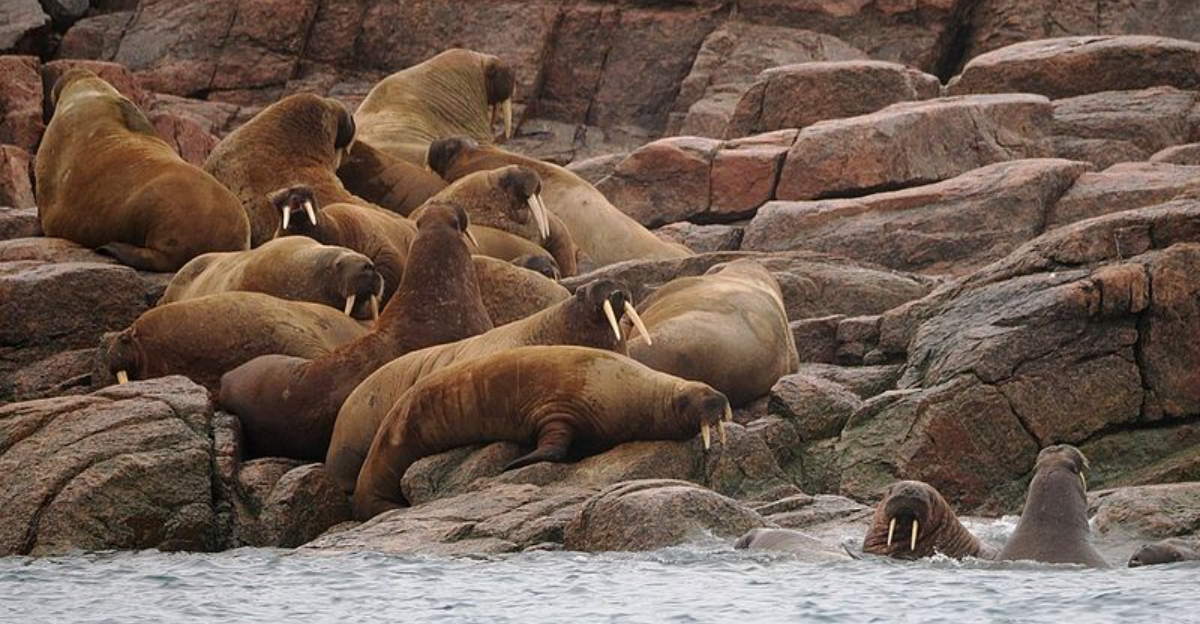
These are animals you don’t just stumble across. Not on a random hike, not on a casual trip, and rarely even in controlled places like a zoo.
To see walruses in their real world, you have to go far. Out to the edge of Alaska, where land breaks into cold water and everything feels harder to reach.
Out there, nature is not arranged for visitors. It is protected because it has to be.
Because without that distance and care, it would stop being what it is. And that’s what makes it jaw-dropping.
Thousands of walruses packed along a remote shoreline, turning one of the most isolated islands into something you don’t forget.
The Walrus Capital Of The World
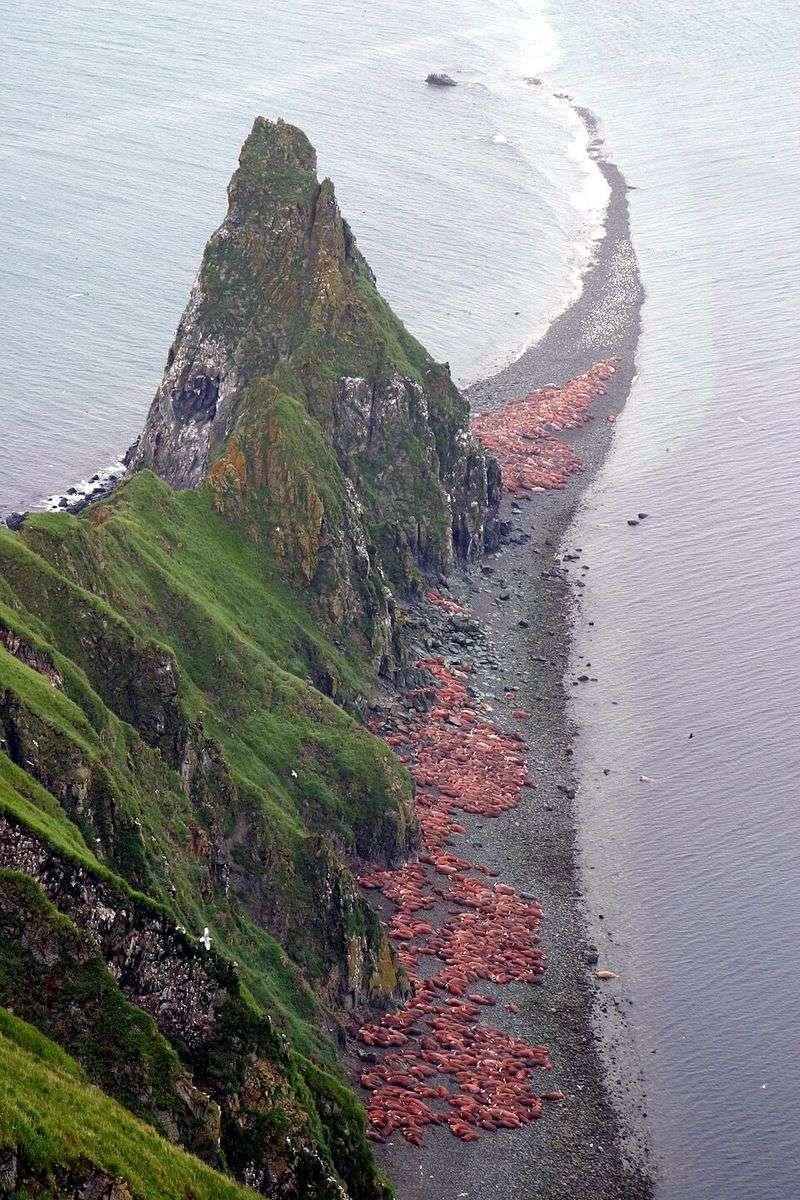
Forget Times Square on New Year’s Eve. Round Island during walrus season is the real crowded event worth talking about.
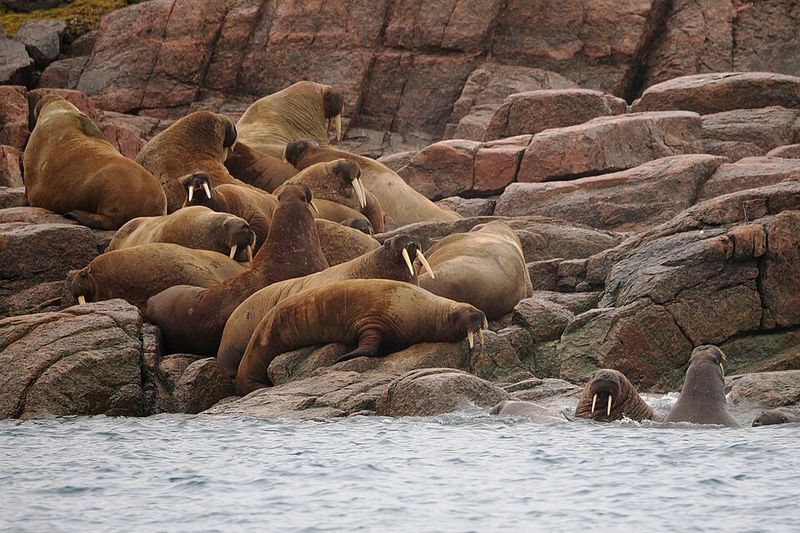
This small, craggy island in Bristol Bay is one of just four major terrestrial haul-out sites for Pacific walruses in all of Alaska.
Every spring, as the sea ice retreats northward, male walruses make their way to Round Island’s rocky beaches.
They arrive in late May and stick around through mid-July, creating a spectacle that genuinely has no equal anywhere else on the continent. The island itself is rugged and wild, with steep cliffs dropping into cold, grey waters below.
What makes Round Island special isn’t just the numbers, it’s the energy. Thousands of massive animals sharing a small rocky space creates a constant soundtrack of grunts, splashes, and general walrus chaos.
The Walrus Islands State Game Sanctuary was established in 1960 specifically to protect this extraordinary gathering, recognizing its global significance early on.
Visiting requires advance planning and permits, but standing on that island watching thousands of walruses below you is one of those moments that rewires your brain permanently.
Nature’s VIP Lounge
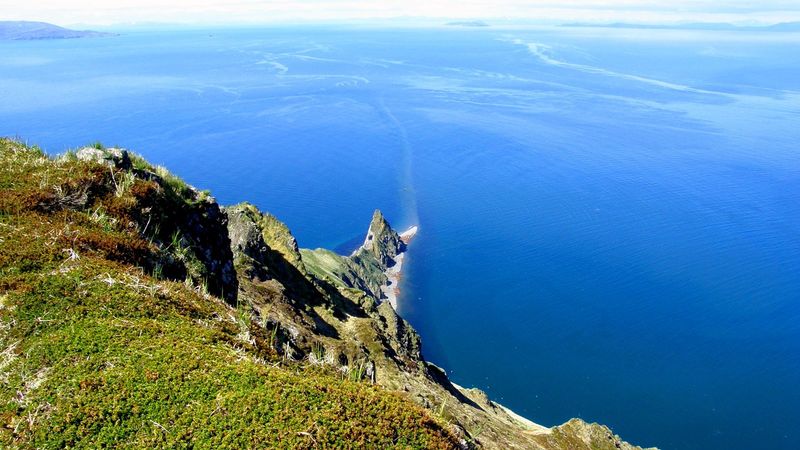
Not every wildlife sanctuary earns its name quite this literally. The Walrus Islands State Game Sanctuary is a collection of seven small, rocky islands in Bristol Bay, and it exists for one very specific, very impressive reason: protecting the walruses who call it home each summer.
Established in 1960 by the state of Alaska, the sanctuary was created to safeguard one of North America’s largest terrestrial haul-out sites for Pacific walruses.
That kind of forward-thinking conservation was genuinely ahead of its time. The sanctuary covers the islands and their surrounding waters, creating a protected zone where walruses can rest, feed, and generally live their best lives without major human interference.
Round Island is the crown jewel of the sanctuary, drawing the most attention from wildlife enthusiasts and researchers alike.
But the other six islands also play important ecological roles, supporting a diverse range of marine and bird life throughout the year.
The sanctuary’s rules are strict for good reason: permits are required, visitor numbers are limited, and behavior on the island is carefully regulated.
This isn’t a zoo. It’s a wild, functioning ecosystem that earns your full respect the moment you arrive.
The Numbers Are Staggering
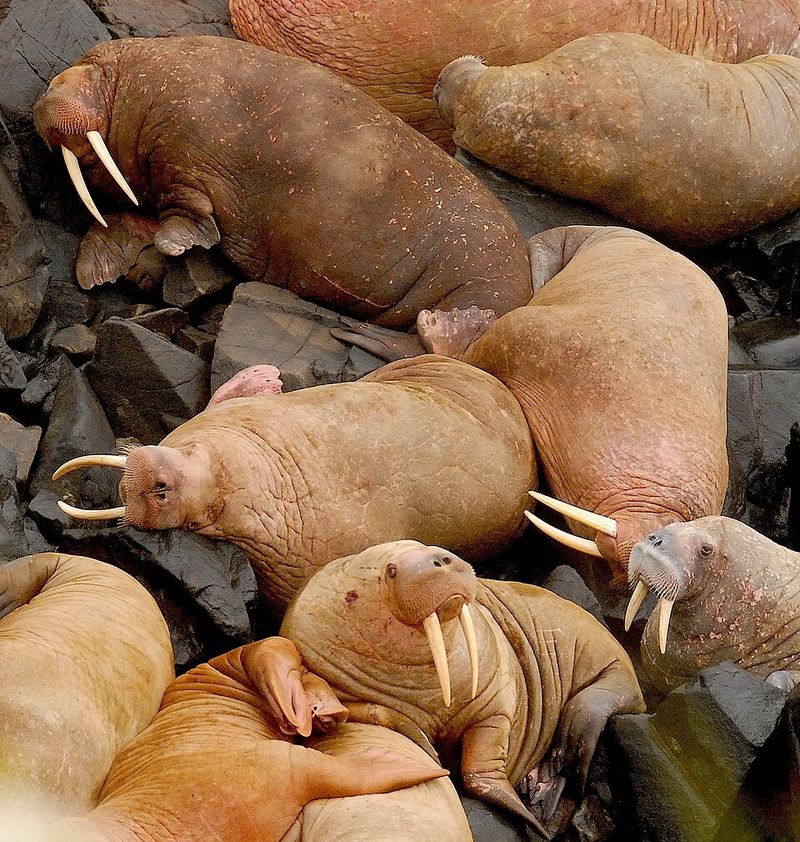
Let’s put this into perspective for a second. Fourteen thousand walruses in one place, on a single day, on a small island.
That’s roughly the population of a mid-sized town, except everyone weighs up to 3,700 pounds and has tusks. The math here is absolutely wild.
These aren’t random stragglers who wandered in by accident. These are male Pacific walruses who return to Round Island every year with impressive consistency.
After the mating season, the males head here to rest and rebuild their energy reserves. The island’s rocky beaches offer the perfect combination of space, proximity to feeding grounds, and protection from the elements.
Peak gathering typically happens between late May and mid-July, coinciding with the northward retreat of the sea ice.
Researchers and wildlife managers monitor the population closely during this period, conducting counts that help track the long-term health of the Pacific walrus population.
Seeing thousands of these enormous animals packed together on the rocks is one of those experiences that photography can capture but never fully replicate. The scale of it simply has to be felt in person to be truly understood.
The Bachelor Beach Explained
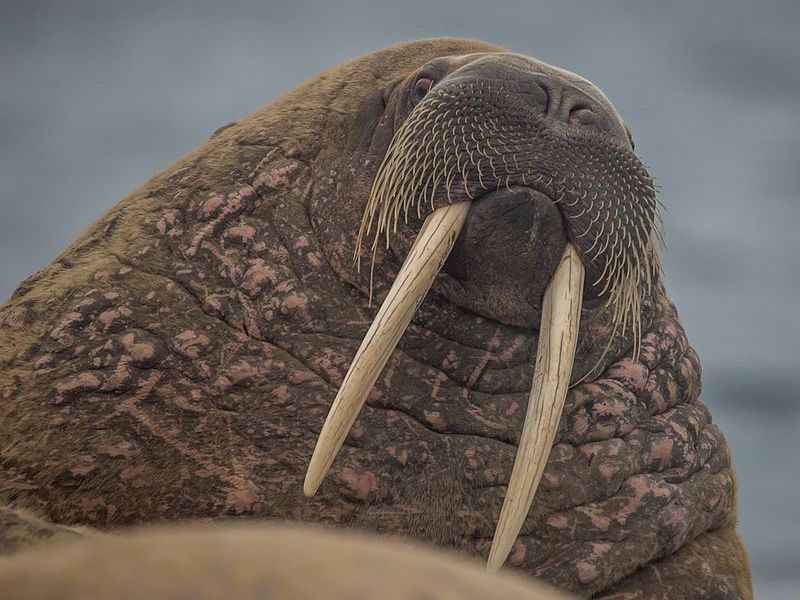
Round Island is essentially the world’s most exclusive bachelor retreat, and the dress code requires tusks. Every single walrus that hauls out here during summer is male, which makes this gathering biologically fascinating and visually spectacular.
After the spring mating season wraps up, male Pacific walruses separate from the females and calves. The females and young walruses tend to follow the sea ice further north into the Chukchi Sea.
The males, meanwhile, head to reliable haul-out sites like Round Island to rest, recover, and basically recharge before the whole cycle begins again.
Male walruses can weigh anywhere from 1,700 to 3,700 pounds, and their tusks, which are actually elongated canine teeth, can grow up to three feet long.
On Round Island, you’ll see every size and tusk length imaginable, from younger males with shorter tusks to massive older bulls who look like they’ve been around since the beginning of time. The social dynamics are endlessly entertaining to watch.
There’s jostling for prime beach real estate, occasional tusk-waving standoffs, and a whole lot of snoring. It’s basically a nature documentary playing out live, right in front of you.
The Adventure Starts Long Before You Arrive
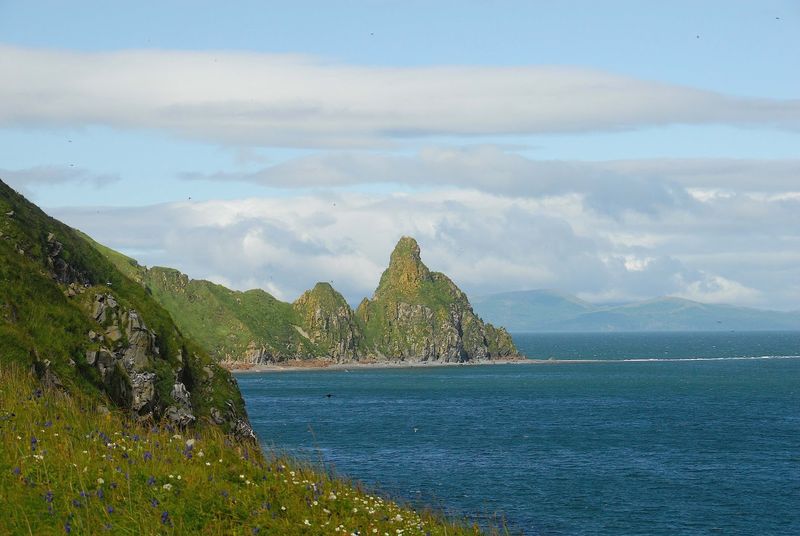
Getting to Round Island is not something you do on a whim. It requires planning, permits, patience, and a genuine sense of adventure.
The journey itself is half the experience, and honestly, it sets the tone perfectly for what awaits you on the island.
Most visitors start by flying into Dillingham, the largest nearby hub, which sits about 65 miles northeast of Round Island. From there, an air taxi takes you to Kulukak Bay on the Alaska Peninsula.
Then comes the boat ride out to the island itself, which can take anywhere from one to two hours depending on conditions. Bristol Bay is not a calm, gentle body of water.
It’s wild and unpredictable, which only adds to the sense that you’re heading somewhere truly remote and extraordinary.
A permit from the Alaska Department of Fish and Game is required before you even step foot on the island. Visitor numbers are strictly limited to minimize disturbance to the walruses.
Primitive camping facilities are available for those who want to stay overnight, and many serious wildlife photographers spend multiple nights to maximize their observation time.
The remoteness isn’t a barrier, it’s part of what makes the whole experience feel genuinely earned and unforgettable.
Clam Diggers Of The Bering Sea
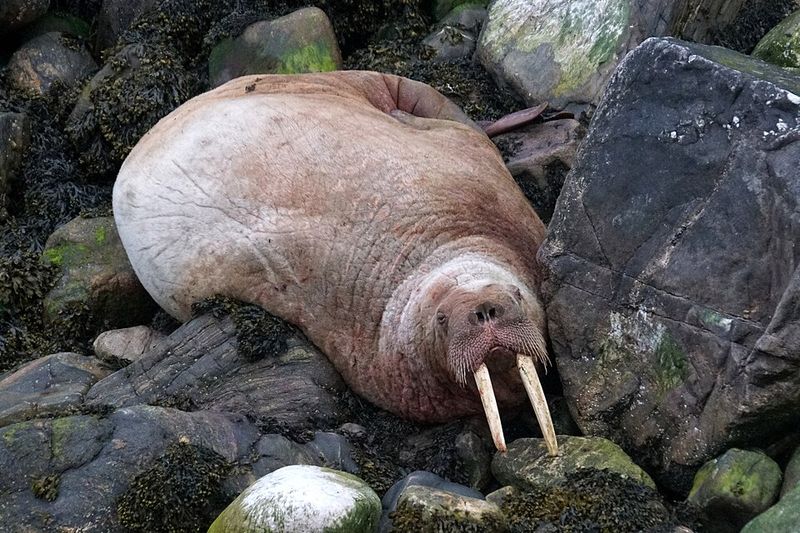
Walruses are not picky eaters, but they do have clear favorites. These massive animals are highly skilled foragers, and the shallow waters surrounding Round Island offer a buffet that keeps them coming back year after year.
The primary food source for Pacific walruses is bivalve mollusks, particularly clams. They use their highly sensitive whiskers, called vibrissae, to detect prey along the seafloor in waters typically 100 meters deep or less.
Once they locate a clam, they use powerful suction to extract the soft tissue, leaving the shell behind. It’s an incredibly efficient feeding technique that nature refined over thousands of years.
Beyond clams, walruses also consume sea cucumbers, crabs, and various worms found along the seafloor.
An adult walrus can eat enormous quantities of food in a single feeding session, which is why access to productive shallow-water feeding grounds near a comfortable haul-out site is so critical to their survival.
Round Island sits in a sweet spot, close enough to rich Bering Sea feeding grounds that walruses can head out to eat and return to rest without burning excessive energy.
It’s a perfectly optimized lifestyle that these animals have been running for a very long time.
More Than Just Walruses
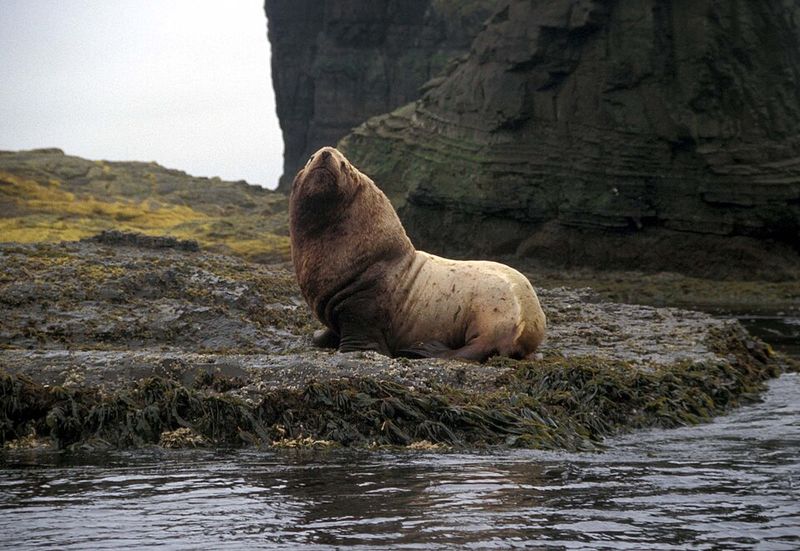
Round Island didn’t get famous on walruses alone. The island is a full-blown wildlife extravaganza, packed with creatures that would headline any nature documentary on their own.
The walruses just happen to steal every scene they’re in.
Steller sea lions share the rocky beaches with the walruses, adding another layer of noise and energy to an already chaotic scene.
These are massive animals in their own right, and watching them navigate the same rocky real estate as the walruses is endlessly entertaining. High above the beaches, the cliffs host nearly 250,000 nesting seabirds, including murres, puffins, and kittiwakes.
The noise level is extraordinary, and the aerial activity above the cliffs is constant throughout the summer months.
Red foxes roam the island’s interior, taking advantage of the rich food sources the bird colonies provide. Out in the surrounding waters, gray whales, orcas, humpbacks, and minke whales have all been spotted making appearances near the island.
Round Island is not just a walrus haul-out. It’s an entire ecosystem functioning at full capacity, and every layer of it rewards close attention.
Wildlife photographers who visit for the walruses often leave with their most stunning bird and marine mammal shots as unexpected bonuses.
Timing Is Everything

Timing a trip to Round Island takes some thought, but the reward for getting it right is absolutely extraordinary. The walrus season is tied directly to the behavior of sea ice in the Bering Sea, making it a genuinely seasonal experience with a relatively defined window.
Walruses typically begin arriving on Round Island in late May as the sea ice retreats northward. The population builds steadily through June, with peak numbers usually occurring in late June and early July.
Mid-July marks the beginning of the departure phase, as the ice continues moving north and the walruses follow it.
Planning a visit for late June gives you the best shot at seeing the highest concentrations of animals on the beach.
Weather in Bristol Bay is famously unpredictable, and fog, wind, and rain are all part of the experience regardless of when you visit.
Dressing in layers and bringing waterproof gear is non-negotiable. The primitive camping setup on the island means there’s no shelter beyond what you bring yourself.
But waking up on Round Island with thousands of walruses just below your campsite, listening to the ocean and the distant barking of sea lions, is the kind of morning that makes every inconvenience completely irrelevant.
Conservation And The Future Of Walruses
Round Island isn’t just a spectacular wildlife destination. It’s a living indicator of the health of the Pacific walrus population and the broader Arctic ecosystem.
What happens here every summer tells researchers a great deal about what’s happening much further north.
The Walrus Islands State Game Sanctuary was established in 1960 because people recognized early on that protecting these haul-out sites was critical to the species’ long-term survival.
The sanctuary limits human access, regulates visitor behavior, and ensures that the walruses can use the island without significant disturbance. That protection has allowed the gathering to persist and thrive across decades of environmental change.
Monitoring programs track walrus numbers on Round Island each season, contributing valuable data to the broader understanding of Pacific walrus population trends.
Changes in arrival timing, peak numbers, and departure patterns all serve as indicators of shifting conditions in the Bering Sea. Round Island is a reminder that some of the world’s most remarkable wildlife experiences are also among its most fragile.
Protecting places like this isn’t just good conservation policy. It’s how we ensure that future generations get to experience the same jaw-dropping spectacle that has been drawing people to this rugged little island for decades.
Have you ever witnessed something in nature that completely changed your perspective?