
Allentown, Pennsylvania’s Largest International Market Packs A Massive Space With Rare Finds
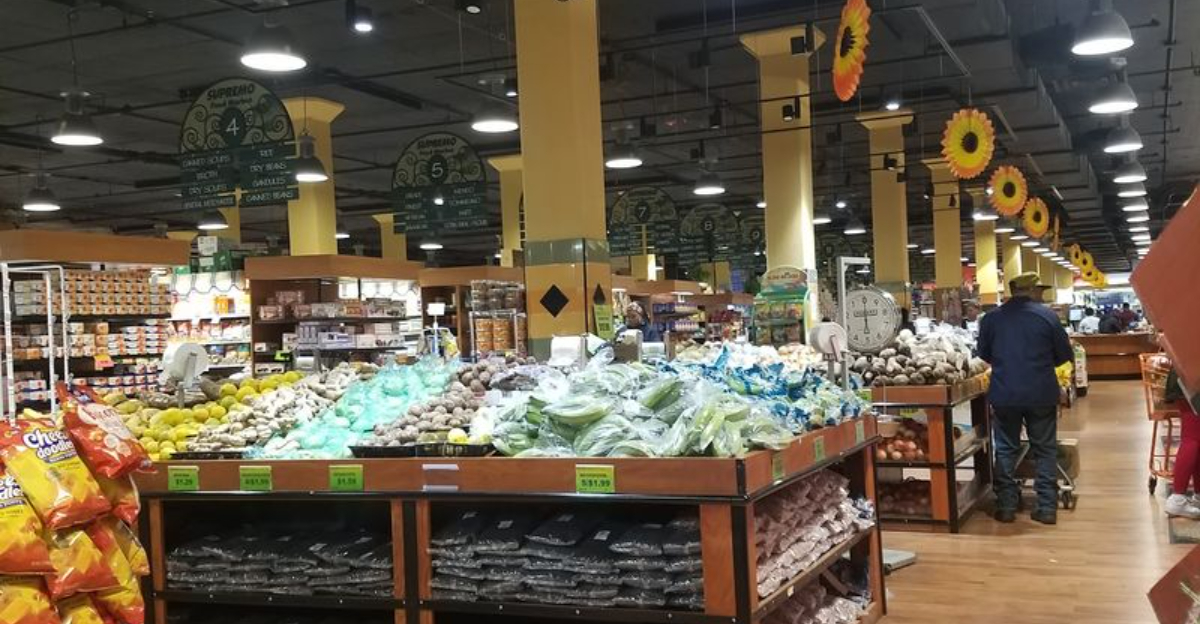
A grocery trip gets interesting fast when half the shelves make you stop and ask, “What is that?” Allentown has a massive international market where curiosity can easily take over the cart.
The appeal is not just size. It is the chance to come across ingredients and products that do not usually show up during a standard Pennsylvania supermarket run.
That makes the whole visit feel less like an errand and more like a small food adventure.
The best part is discovering something unfamiliar enough to send you home with a brand-new dinner idea. One unexpected find can completely change what you thought you were shopping for.
I am terrible at sticking to a list in markets like this. I can walk in needing one basic item, spot a product I have never tried, and immediately start wondering what I could make with it.
By checkout, the original list barely matters. Curiosity has usually taken over, and honestly, that is half the reason I enjoy the trip.
A Grocery Store That Feels Like Ten Countries Under One Roof
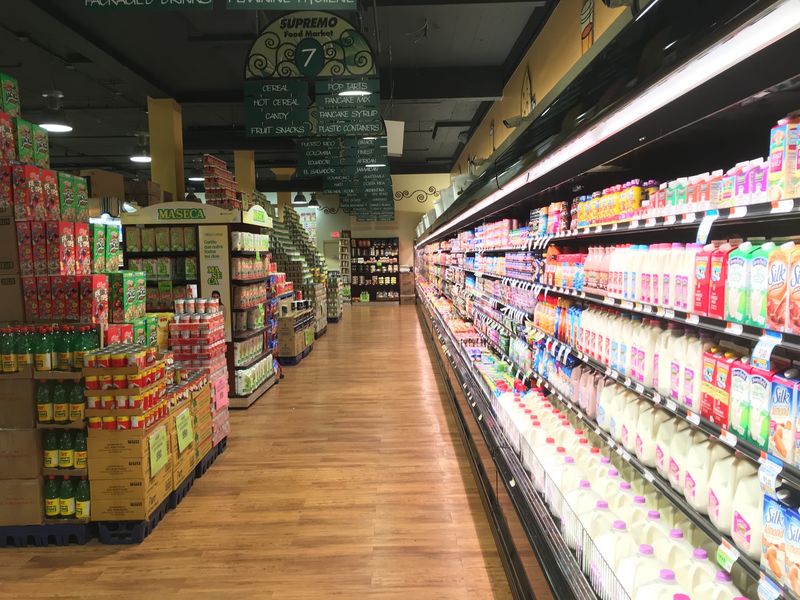
Walk in expecting a corner store and you will be very wrong about the square footage.
The shelves here carry products from Puerto Rico, Colombia, Peru, Costa Rica, the Dominican Republic, Venezuela and beyond, all lined up in one long shopping trip.
Supremo Food Market of Allentown leans hard into that international identity, which is exactly why people drive in from other Lehigh Valley towns instead of settling for a limited ethnic foods shelf somewhere else.
My own rule with places like this is simple. Give yourself an extra twenty minutes, because you will stop and read labels you have never seen before.
Aisles are wide enough for two carts, and the layout stays fairly logical once you learn the flow. Sauces near sauces, dried goods near dried goods, produce holding down its own big section.
You will find it at 602 N 7th St, Allentown, PA 18102, right in the middle of the city. Pennsylvania shoppers treat it as a destination, not a quick stop.
Seven Days A Week, Fifteen Hours A Day
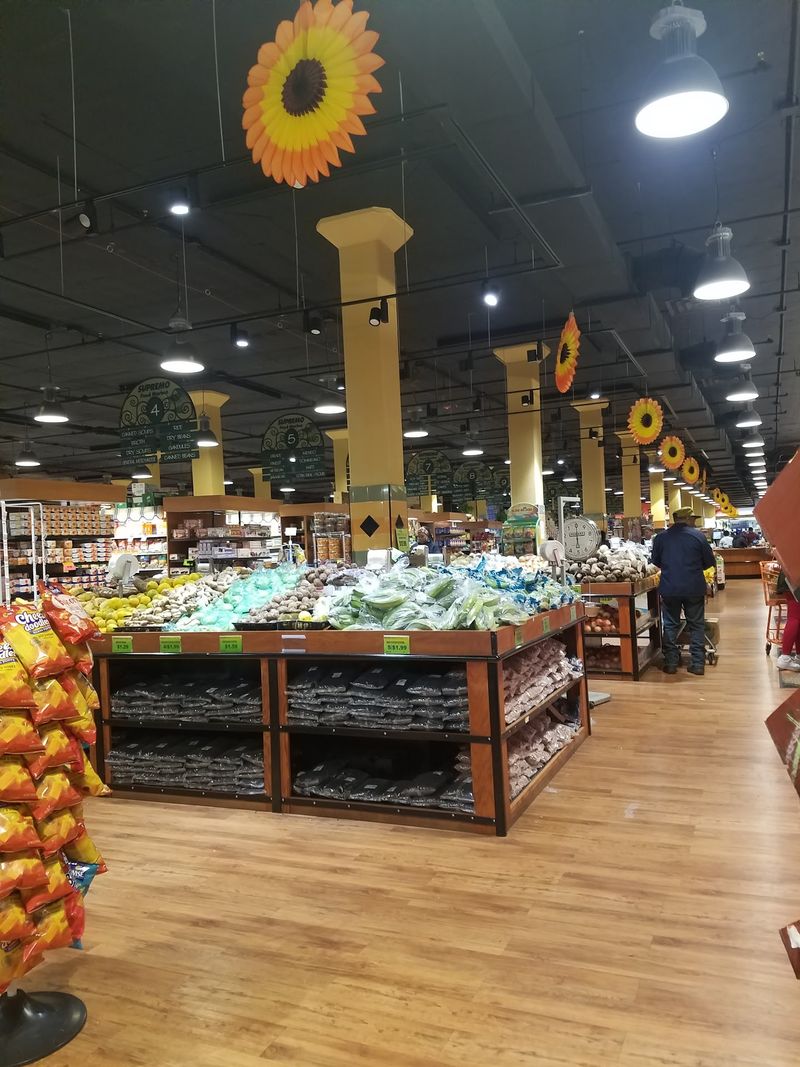
Doors open at seven in the morning and stay open until ten at night, every single day.
No weird Sunday closures, no odd early cutoff, just consistent hours that work for people juggling shifts and school pickups.
That schedule matters more than it sounds. If you cook dinner late or you shop after a long day, having a full international grocery still lit up at nine in the evening is a real gift.
Holiday hours can vary, though. The regular schedule is seven to ten daily, so check the store before making a special Thanksgiving trip to avoid unexpected closure.
My habit with big markets like this one is going early, closer to opening, when the produce section looks freshly stocked and the checkout lines barely exist.
Late evening works well if you hate crowds. Midday Saturday is the busiest stretch, so bring patience or bring a plan.
Either way, Pennsylvania shoppers rarely find the doors locked.
The Butcher Counter Is Where Regulars Head First
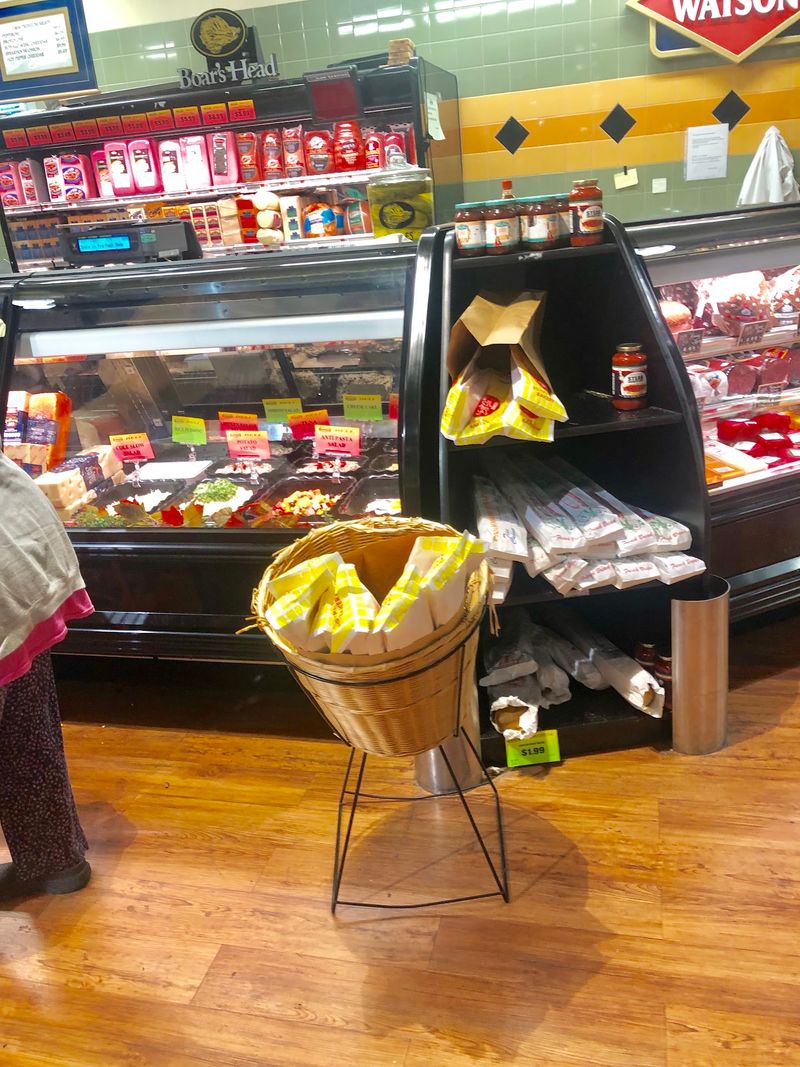
Behind the glass sits a full service butcher department, and it is the heart of the operation.
Custom cuts, pork, beef, chicken, and the specific portions Latin recipes actually call for rather than whatever a chain store pre-wraps.
Shoppers who know the store well skip the packaged shelf meat entirely and go straight to the counter. Ask for what you want, watch it get cut, walk away happy.
Seafood also pulls a crowd. Whole fish, fillets, and the salted and dried varieties that anchor so many traditional dishes show up regularly.
A small tip I have learned over years of shopping this way. Buy meat the day you plan to cook it, or freeze it as soon as you get home.
Fresh means fresh, not indefinite.
Prices on some cuts run competitive with bigger chains, which surprises first timers. The counter staff move fast, so know your order before your turn arrives.
Sofrito Season Never Really Ends Here
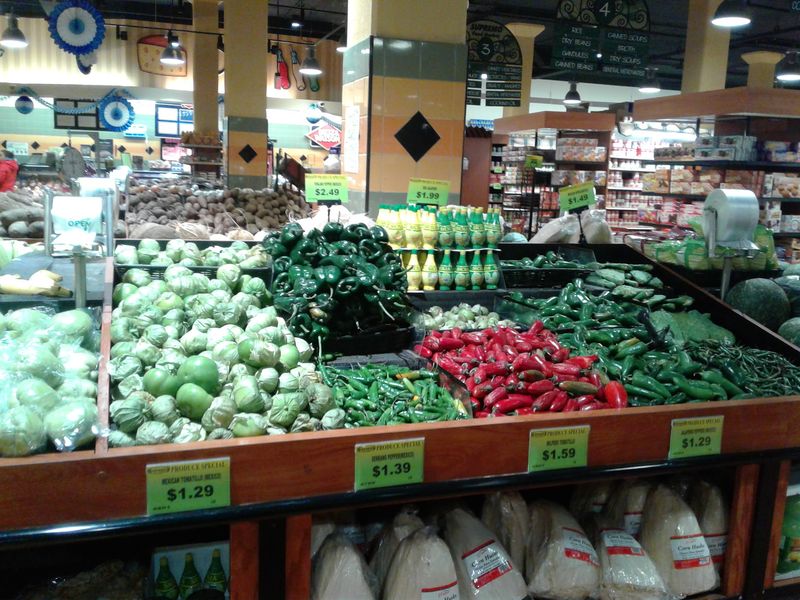
Culantro, ajies dulces, cubanelle peppers, garlic by the bag.
The sofrito shelf here is not a token gesture, it is a genuine supply line for home cooks who make the base fresh instead of buying it frozen.
Plenty of shoppers name this exact reason for coming. The herbs and peppers that vanish from ordinary produce sections sit here in real quantity.
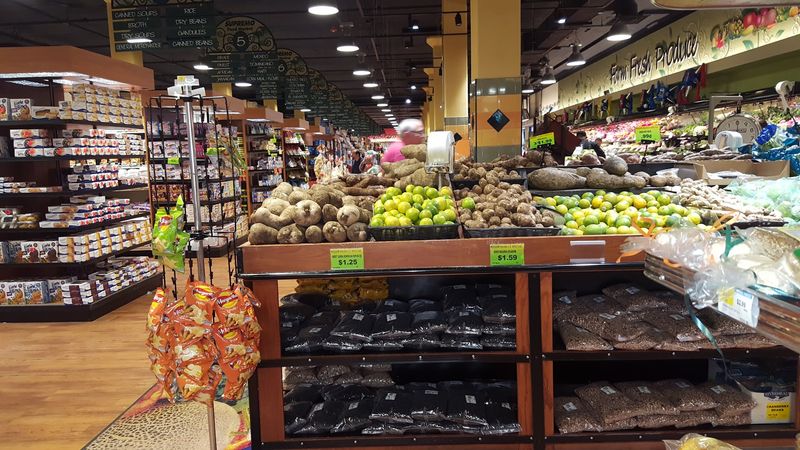
Root vegetables get serious space too. Yuca, batata, plantains at every stage of ripeness, name, and calabaza cut into wedges.
I made sofrito from scratch once using ingredients I could only find at a market like this, and the difference against store bought was not subtle. The color alone was brighter.
Buy plantains in mixed ripeness if you cook often. Green ones for tostones, blackened ones for maduros later in the week.
Supremo Food Market of Allentown keeps that produce section stocked heavily, which is part of why it has built an international reputation in the area.
Hard To Find Seasonings Line The Shelves Like Trophies
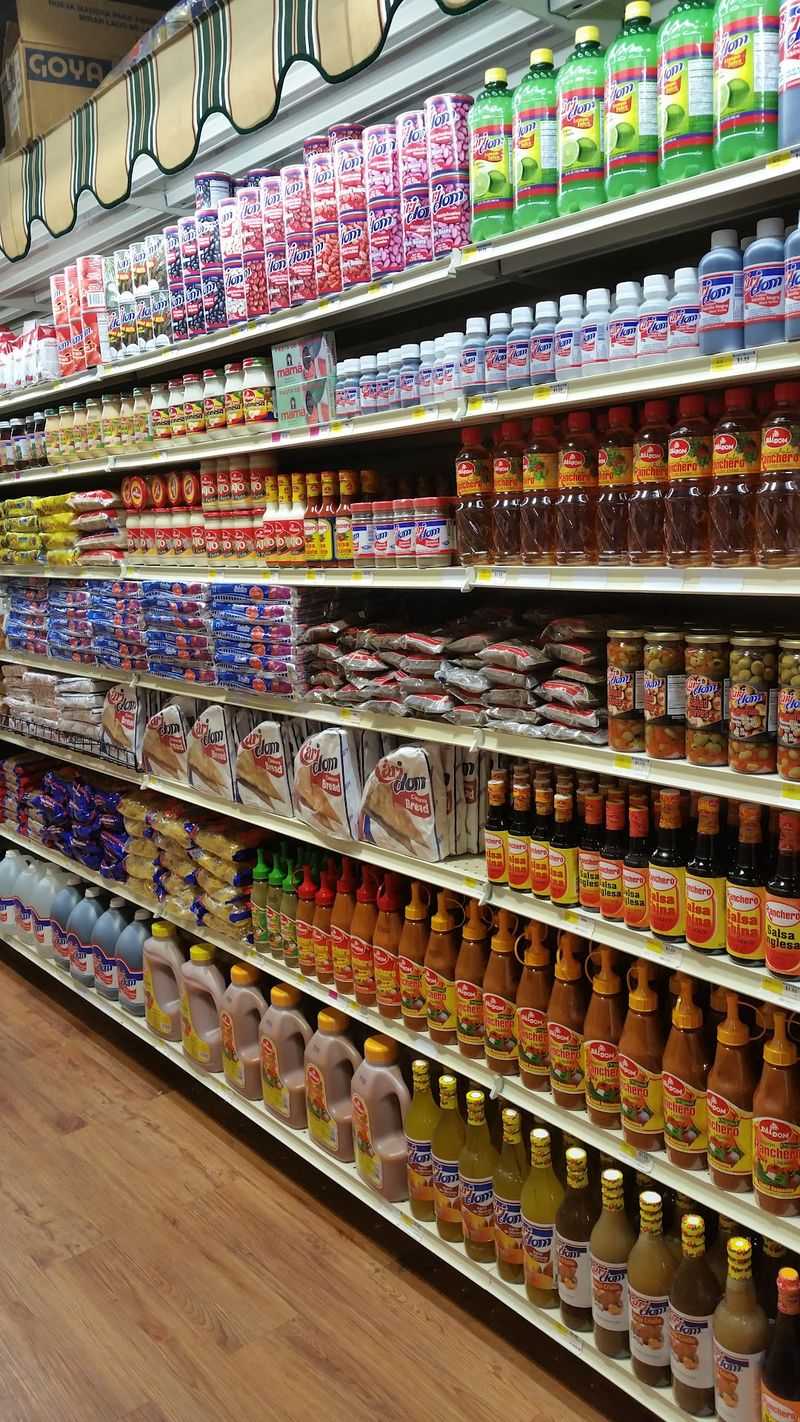
Spice hunters, consider this your happy place.
Adobo, sazon in several colors, achiote, bijol, annatto, dried oregano brought in from different countries, plus bouillon brands most American shoppers have never encountered.
Recipes handed down through families often depend on one specific seasoning packet.
Losing access to it means losing the dish, which is why this aisle carries such weight for people who moved here from somewhere else.
Multiple brands of the same seasoning sit shoulder to shoulder, letting you compare. That kind of choice is rare.
My advice after years of collecting spices is to write down the exact brand name your recipe wants before you shop. Similar labels can taste noticeably different.
Prices vary item to item, so glance at the shelf tags. Some imported goods cost more than a chain equivalent, and others cost less.
Pennsylvania cooks chasing an authentic flavor tend to make this aisle their first destination, then work backwards through the rest of the store.
Bags Get Checked At The Door, And There Is A System
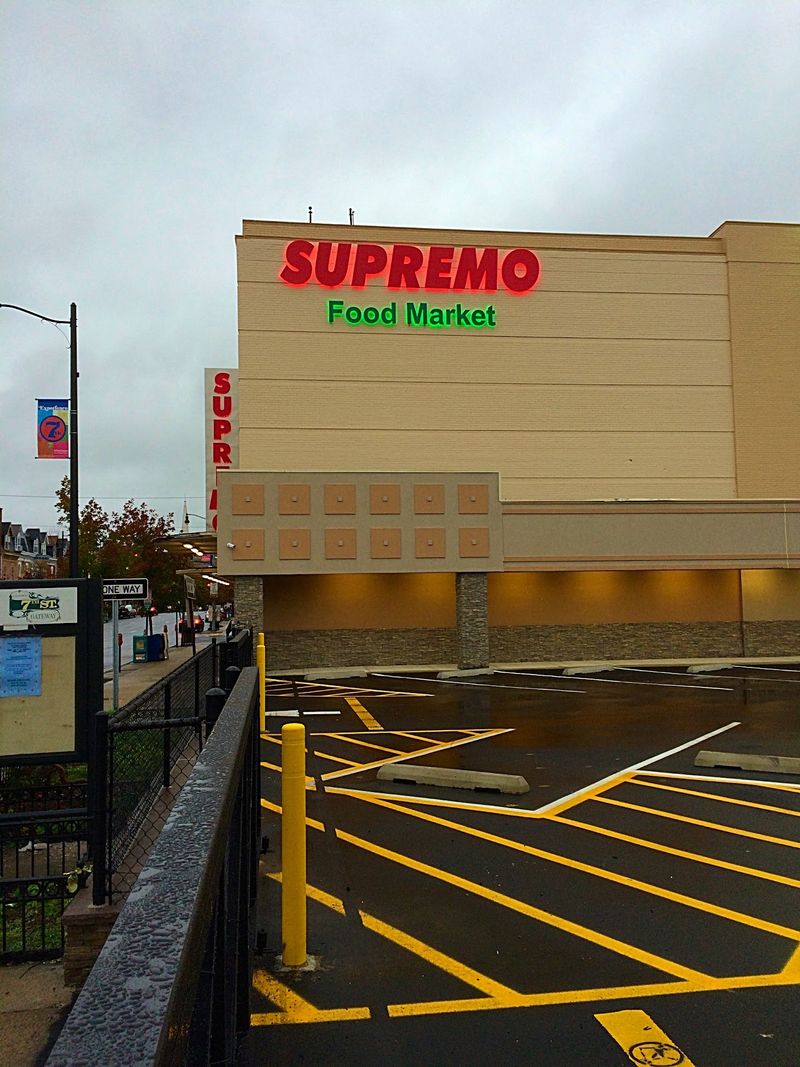
First timers get caught off guard by the bag policy.
Backpacks and large bags stay at the customer service counter near the entrance, and you get a numbered chip in exchange.
Simple, organized, and the numbering means your stuff comes back to you and nobody else. Bring a small purse or leave the tote in the car and skip the step entirely.
Reusable shopping bags are worth keeping in your trunk for the same reason. Grab them after checkout rather than carrying them in.
Another practical note. Current listings show credit cards and contactless payments are accepted, so carrying cash is not generally required at checkout.
Home delivery exists for shoppers who would rather not haul heavy items like cases of water or fifty pound rice bags across the lot.
Parking sits right at the property, and finding a spot rarely turns into a hunt. Small logistics, but they make the Allentown run smoother.
Two Thousand Reviews And A Four Star Standing
Numbers tell a story. Over two thousand people have weighed in and the average lands at four stars, which for a busy urban grocery is genuinely solid.
Stores this size and this busy get judged on everything from stock levels to checkout speed. Holding four stars across that many opinions suggests the fundamentals work.
What keeps the score up is selection. Shelves stay well stocked, and shoppers repeatedly mention finding items no other local store carries.
Checkout lines move reasonably fast, which is not something every big market can claim. I have walked out of far smaller stores after waiting twice as long.
Like any grocery, checking dates on packaged goods before you buy is smart practice anywhere in Pennsylvania. Two seconds of looking prevents an annoying return.
Supremo Food Market of Allentown has clearly built a loyal base of repeat shoppers, the kind who know which aisle holds what without reading a single sign.
Neighbors With Another Market, And Still Winning Shoppers
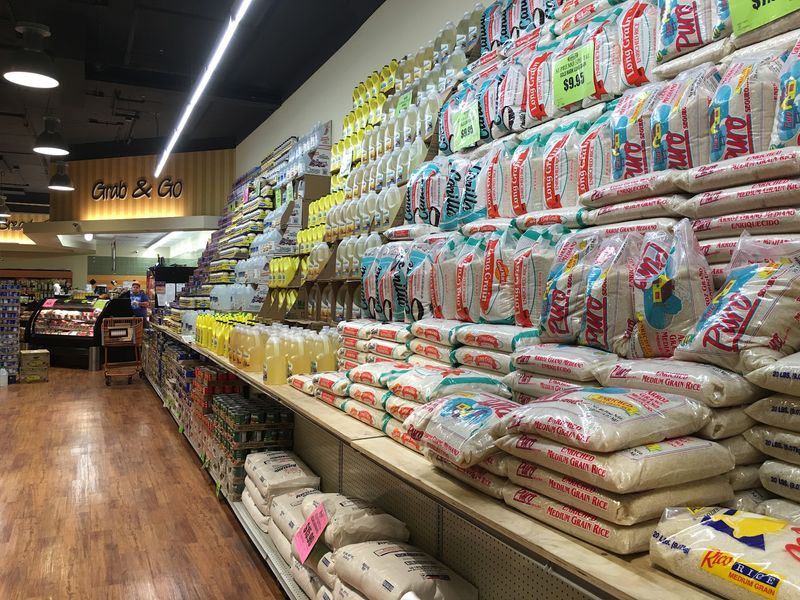
Competition sits right next door, which makes the loyalty here interesting.
Another grocery operates within steps of the entrance, yet shoppers consistently pick this one for meat and imported goods.
Selection is the reason. When one store carries the specific brand of canned goods, cheese, or dried fish you need, the extra few yards of walking stop mattering.
Center city location helps enormously. People without cars can reach it on foot, and that accessibility shapes the whole rhythm of the place.
Being located at 602 N 7th St puts it in a genuinely walkable pocket of Allentown, surrounded by rowhomes and small businesses.
I always find it telling when a store thrives with a direct neighbor competing. That usually means it does something specific very well.
Here the specific thing is range. Latin American, Caribbean and South American products stacked deep enough that Pennsylvania shoppers stop settling for substitutes and start cooking the way they actually want to.
Comfortable Walking Space Instead Of Cramped Aisles
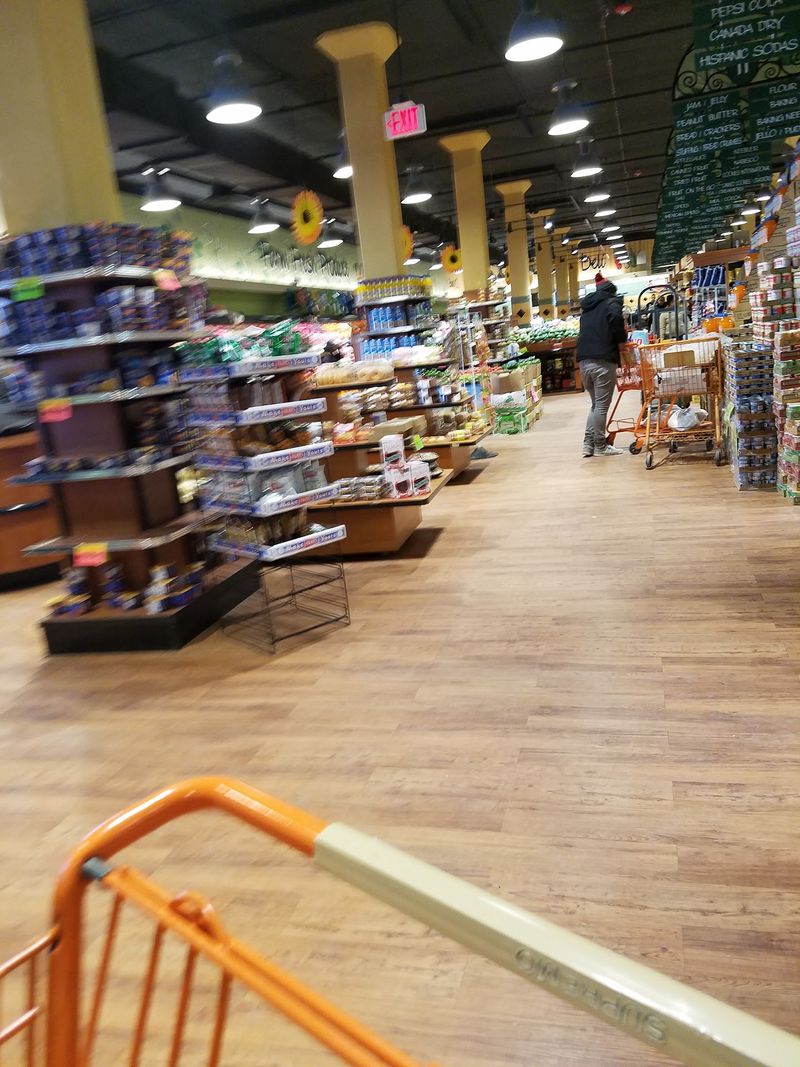
Room to move changes how shopping feels. Aisles here stay wide, carts pass each other without a standoff, and the floor plan gives you space to stop and think.
Anyone who has wrestled a cart through a cramped specialty shop understands the value. Comfort matters when you are buying a full week of groceries.
Shelves run tall and stay packed, so the visual is dense while the walking paths remain clear. Good balance.
Long shopping trips feel less exhausting because of it. I tend to plan bigger hauls at stores with this kind of space and quick trips elsewhere.
Departments are grouped sensibly. Produce, meat, seafood, dairy, canned goods and household items each hold real territory rather than sharing one cramped shelf.
For families shopping together, the extra width helps a lot. Kids, carts and a shopping list coexist better when nobody is squeezing sideways past a display in the middle of an Allentown Saturday rush.
Part Of A Larger Family Of Neighborhood Markets
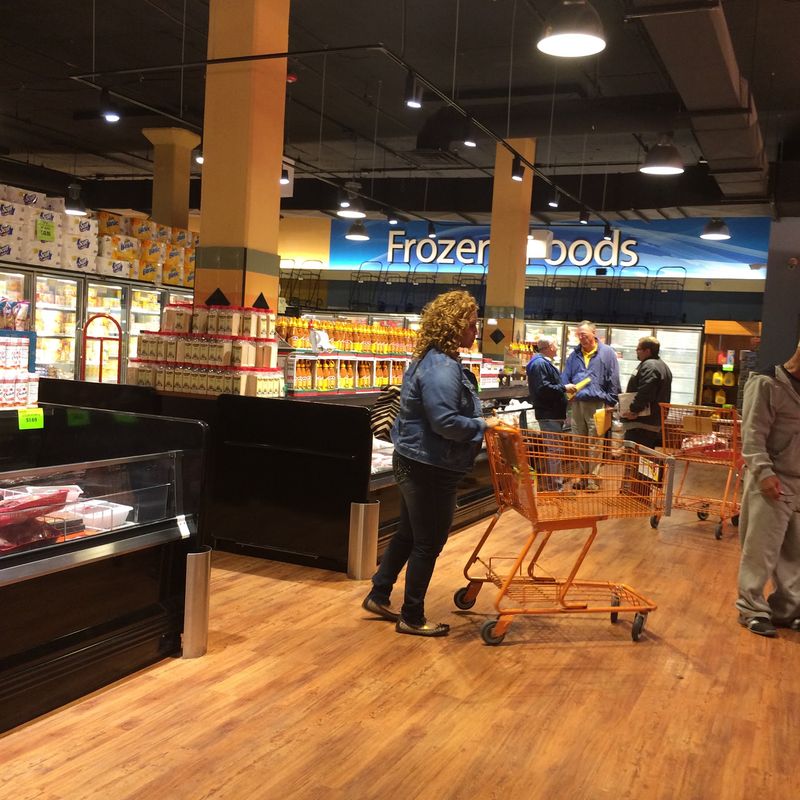
Behind the single storefront sits a bigger operation.
Supremo Food Market of Allentown belongs to a chain built around serving Latin American communities across the mid-Atlantic, which explains the buying power behind those imported shelves.
Chain backing is what allows a single location to stock products from a dozen countries at once. Small independents rarely manage that depth.
The model stays neighborhood focused though. Stores operate in both urban neighborhoods and suburban areas, keeping them useful to the people living nearby every day.
Growth like that says something about demand. Pennsylvania has a large and growing Latin population, and grocery stores that serve it well end up becoming community anchors.
I appreciate markets that pick a lane and commit. Trying to be everything to everyone usually produces a thin, forgettable selection.
Here the commitment is obvious the moment you turn down the first aisle. Come with a list, leave with three things you did not plan on, and start cooking something new.