
8 Amtrak Trips From Arizona Along The Southwest Chief Worth Taking
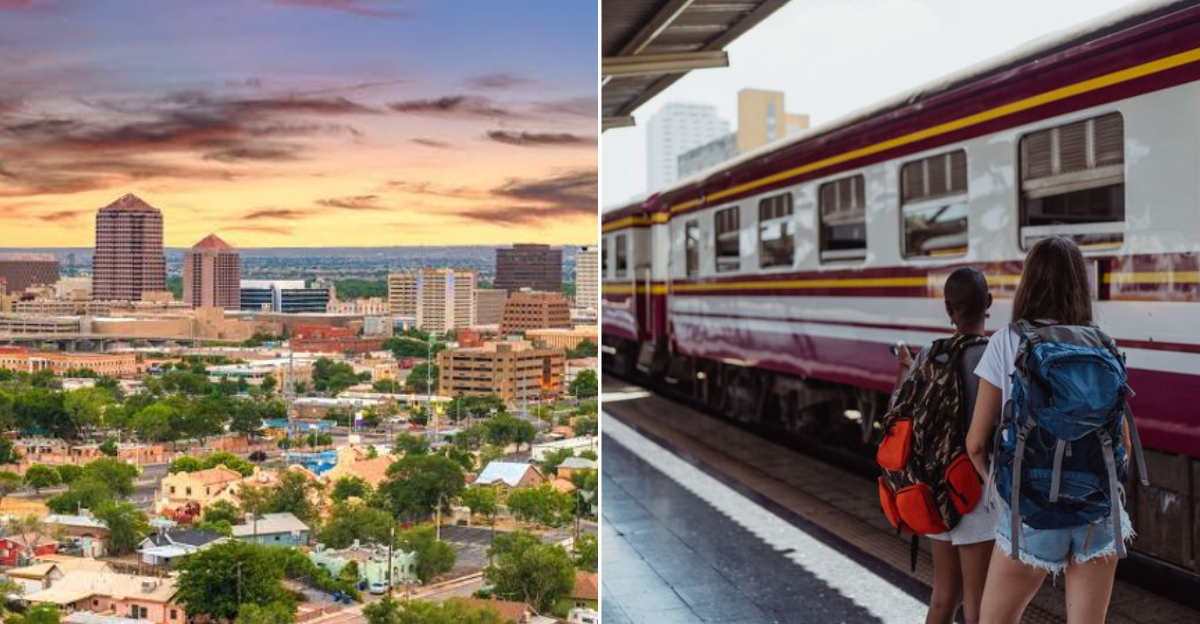
Boarding the Southwest Chief in Arizona makes the Southwest feel suddenly much bigger and much easier to explore. One minute you are settling into a window seat, and before long desert towns, rugged mesas, and long stretches of open country are sliding past the glass.
I picked eight stops along the route that give travelers a reason to get off, look around, and turn the train ride into part of the adventure. Some lean heavily into railroad history, others bring Route 66 nostalgia, local food, art, or mountain scenery into the mix.
For me, that is the fun of traveling this way. I can watch the landscape change without worrying about traffic, directions, or where to pull over next.
There is also something satisfying about arriving somewhere by rail and stepping straight into a new town.
The pace feels slower, but never boring.
Grab a window seat, bring a camera, and see where the tracks take you.
1. Flagstaff, Arizona
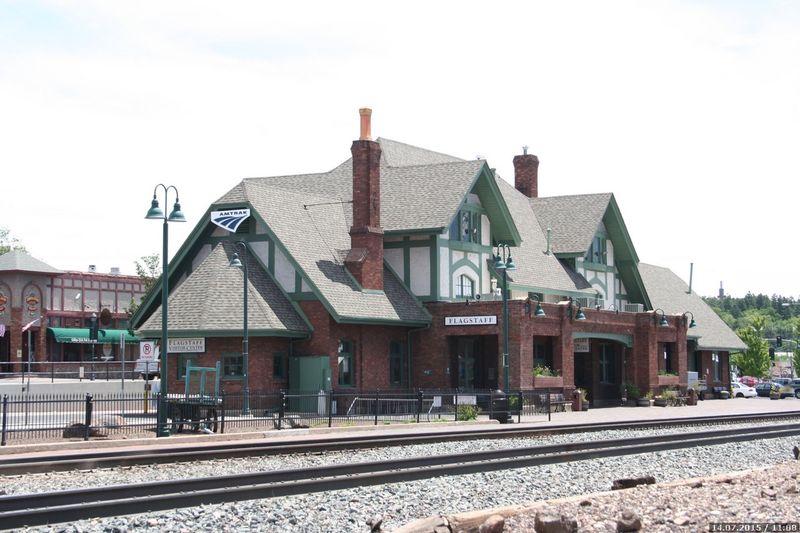
Cool mountain air greets you the moment you step off the train in Flagstaff, a lively town tucked among tall pine trees in northern Arizona. The Southwest Chief pulls right up to a charming downtown station, so you are only steps from cafes and shops.
History buffs love strolling the old Route 66 sidewalks, and stargazers can visit Lowell Observatory, where Pluto was discovered back in 1930. The nearby San Francisco Peaks offer hiking trails in summer and snowy fun in winter.
Flagstaff also makes a smart launch point for day trips to the Grand Canyon, which sits about ninety minutes north by car or shuttle. Bring layers, because the elevation here keeps things chilly even when the desert below is baking.
Between the friendly locals, the tasty bakeries, and the mix of forest and mountain views, this stop never feels like a rushed pit stop. Flagstaff proves that a train town can be a full adventure all on its own.
2. Winslow, Arizona
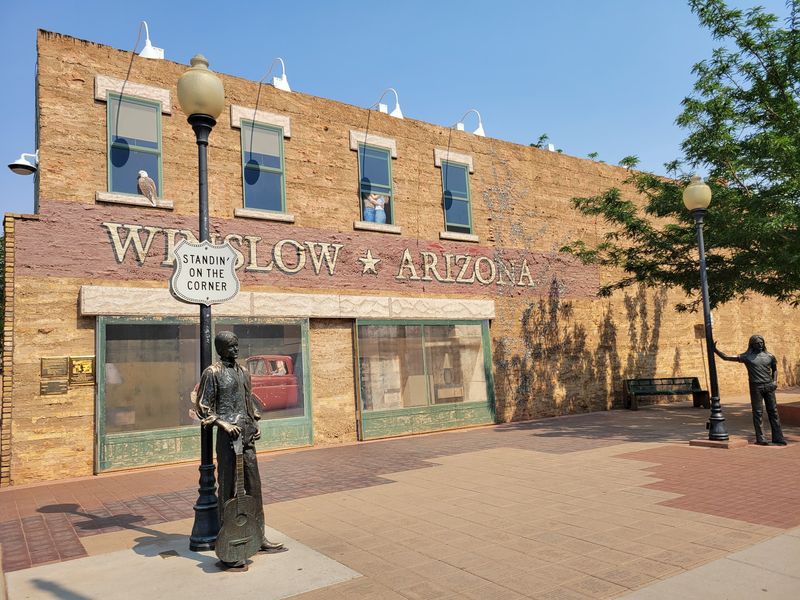
You might already be humming a famous tune the second you arrive in Winslow, a small desert town that turned a single song lyric into a beloved roadside attraction. Standin on the Corner Park draws visitors from all over who want a photo beside the statue and the painted flatbed truck.
Beyond the music fun, Winslow holds real Route 66 charm with old storefronts and the beautifully restored La Posada Hotel. That hotel was designed in the 1920s and feels like stepping into a Spanish hacienda.
The Amtrak platform sits close to the action, making this an easy stop to stretch your legs and grab a bite. Local shops sell Native American crafts and turquoise jewelry made by nearby artisans.
Sunset here paints the wide sky in shades of orange and pink that seem almost too perfect. Winslow is small, but it packs plenty of personality into just a few walkable blocks.
The compact downtown makes it easy to explore without worrying about arranging extra transportation. A short walk can take you from Route 66 landmarks to local shops, historic buildings, and plenty of photo-worthy corners.
That mix of railroad history, pop-culture fame, and small-town character makes Winslow one of the easiest Southwest Chief stops to enjoy on foot.
3. Kingman, Arizona
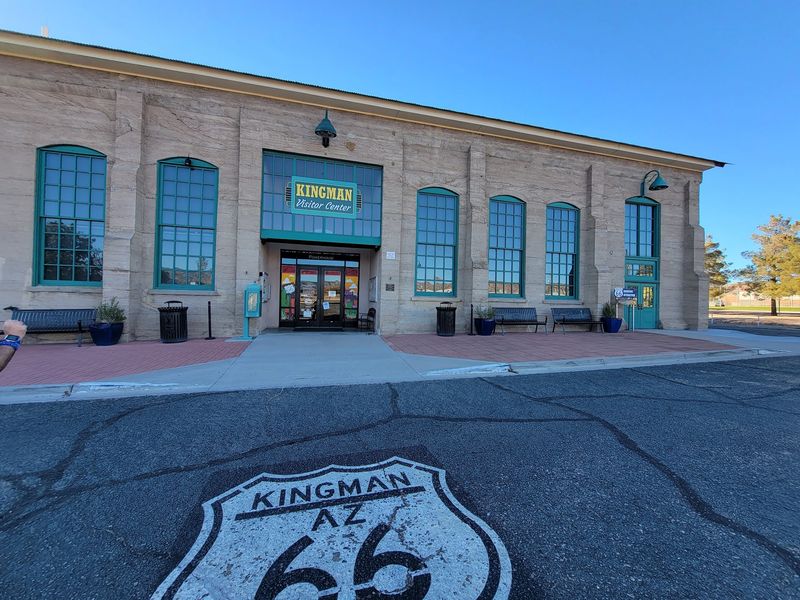
Motorheads and road trip fans will feel right at home in Kingman, a friendly Arizona town that proudly calls itself the heart of Route 66. The Powerhouse Route 66 Museum tells the story of the famous highway with vintage cars and clever displays.
The Southwest Chief brings you into a region ringed by rugged mountains and wide desert valleys. Walking the historic downtown, you will spot old railroad buildings, murals, and diners serving hearty plates.
Nature lovers can drive a short way to Hualapai Mountain Park, where cooler temperatures and pine forests offer a break from the desert heat. Rock hounds also enjoy hunting for local minerals in the surrounding hills.
Kingman is a handy jumping off point for adventures toward the Grand Canyon Skywalk and even Las Vegas. The town moves at a relaxed pace, so you can slow down and soak in that classic highway spirit. Every corner here whispers stories of travelers who rolled through decades ago.
The railroad history becomes even more interesting once you realize how closely Kingman’s growth was tied to travelers moving across the Southwest.
Its compact downtown also makes it easy to mix museums, murals, shops, and a meal without spending the whole visit in transit. For a Southwest Chief stop with strong Route 66 character, Kingman gives you plenty to explore before it is time to board again.
4. Gallup, New Mexico
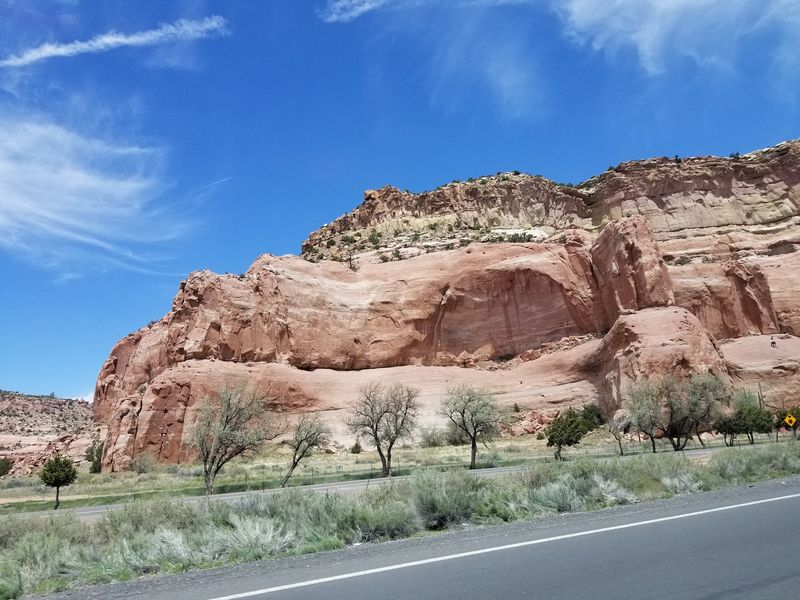
Cross into New Mexico and Gallup welcomes you with vivid murals, red rock cliffs, and one of the richest Native American art scenes in the region. This town sits proudly along the old Route 66 and hums with creativity.
Trading posts and galleries fill the downtown, offering handmade rugs, pottery, and stunning silver and turquoise jewelry crafted by Navajo, Zuni, and Hopi artists. Buying directly here supports the very people who keep these traditions alive.
The Amtrak station drops you close to the heart of it all, so exploring on foot is easy. If you time your visit for summer, you might catch nightly Native American dances performed downtown.
Surrounding sandstone formations glow at golden hour and invite short hikes for those with time. Gallup blends deep cultural roots with a warm, welcoming feel that stays with you long after the train pulls away. It is a stop that rewards travelers who love art, history, and genuine hospitality.
The downtown trading posts add another layer to the visit, especially for travelers interested in regional craftsmanship and long-standing cultural traditions. Because so much of central Gallup is walkable from the station, it is easy to build a full afternoon without needing a car.
That combination of art, Route 66 history, and striking desert scenery makes Gallup one of the most distinctive stops along the Southwest Chief.
5. Albuquerque, New Mexico
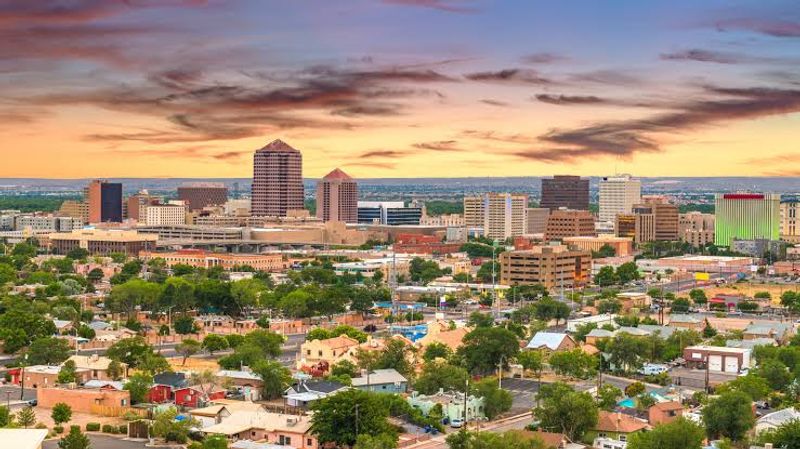
Ever seen a sky filled with hundreds of colorful hot air balloons? Albuquerque, the largest city in New Mexico, is famous for exactly that during its yearly Balloon Fiesta each October.
The Southwest Chief makes a longer stop here, giving you time to wander the historic Old Town with its adobe buildings, twisting alleys, and shops selling chile ristras and pottery. The smell of roasting green chile drifts through the air and hints at the tasty meals waiting nearby.
Ride the Sandia Peak Tramway for sweeping views, or explore museums that celebrate the area’s Pueblo and Spanish heritage. Foodies should try a plate smothered in both red and green chile sauce, a local favorite locals call Christmas style.
The city mixes big city comforts with small town warmth and a strong artistic streak. Albuquerque is easily one of the most rewarding stops on the whole route. Give yourself extra hours here, because this desert city keeps surprising you at every turn.
6. Lamy, New Mexico
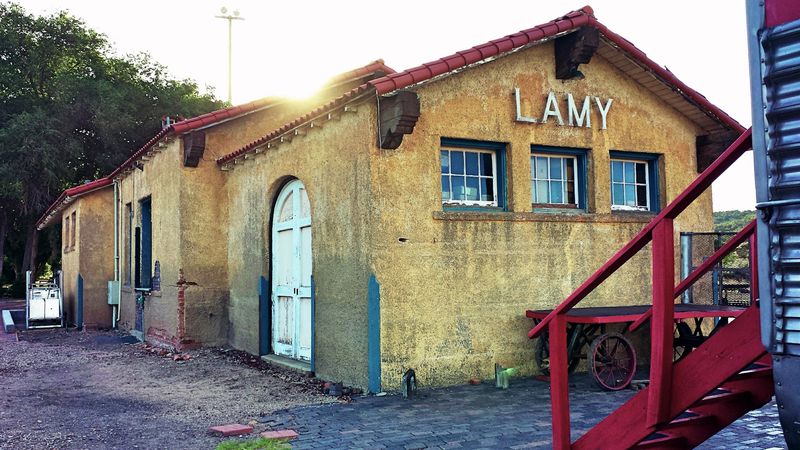
Tiny but mighty, Lamy is the little village that serves as the gateway to Santa Fe, and it charms travelers the moment they arrive. This quiet spot in northern New Mexico feels like a peaceful pause in the journey.
The historic depot sits among rolling high desert hills, and a shuttle can whisk you into artsy Santa Fe in under half an hour. Many visitors treat Lamy as their doorway to that famous capital city full of galleries and adobe charm.
Right near the platform, you can admire vintage rail cars and soak in the calm, wide open landscape. Photographers love the golden light that spills across the grasslands in the late afternoon.
There is no crowd here, just fresh air and a slower rhythm that feels refreshing after busy stops. Lamy reminds you that sometimes the smallest places offer the biggest sense of calm. Step off, breathe deep, and let the stillness work its quiet magic.
7. Las Vegas, New Mexico
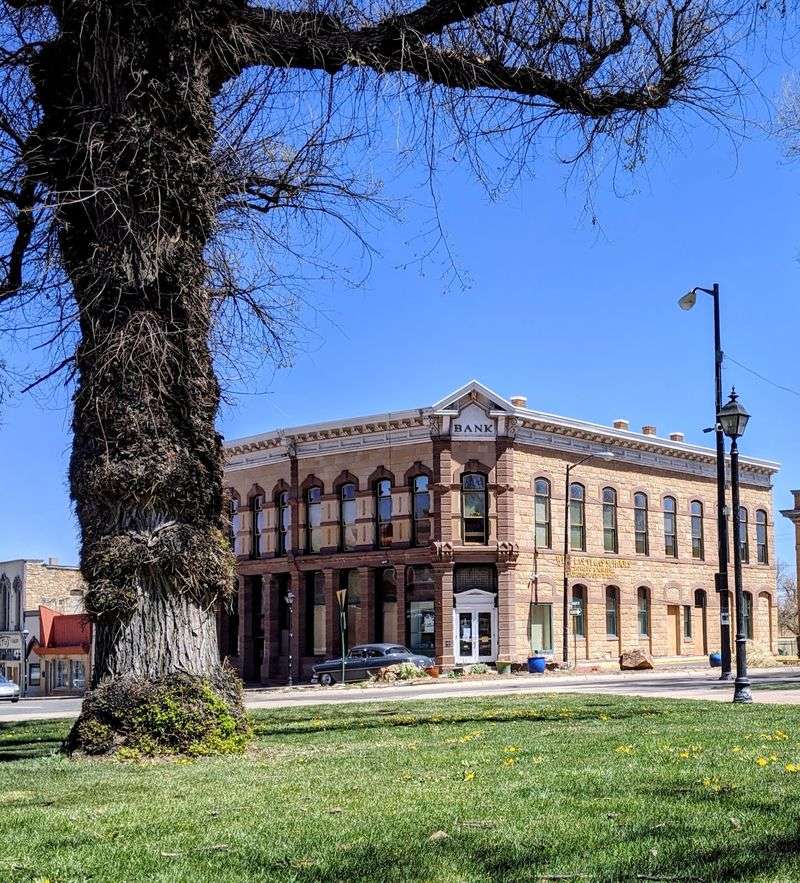
Do not confuse this with the neon city in Nevada, because Las Vegas, New Mexico, is a whole different kind of treasure. This old west town is packed with more than nine hundred historic buildings, many with beautiful Victorian details.
The Southwest Chief stops in a place where movie makers love to film, thanks to its perfectly preserved streets and grand old plaza. Strolling downtown feels like walking through a living history book.
Outdoor fans can visit the nearby Montezuma Castle, a striking old resort building, or explore the wildlife refuge where migrating birds gather. The surrounding foothills mark the edge of the Sangre de Cristo Mountains.
Cozy cafes and local shops give you plenty of reasons to linger a while. The pace here is unhurried, and the friendly residents are happy to share stories about their storied town.
Las Vegas proves that the Southwest Chief has plenty of hidden surprises waiting for curious explorers who want something off the usual path.
8. Raton, New Mexico
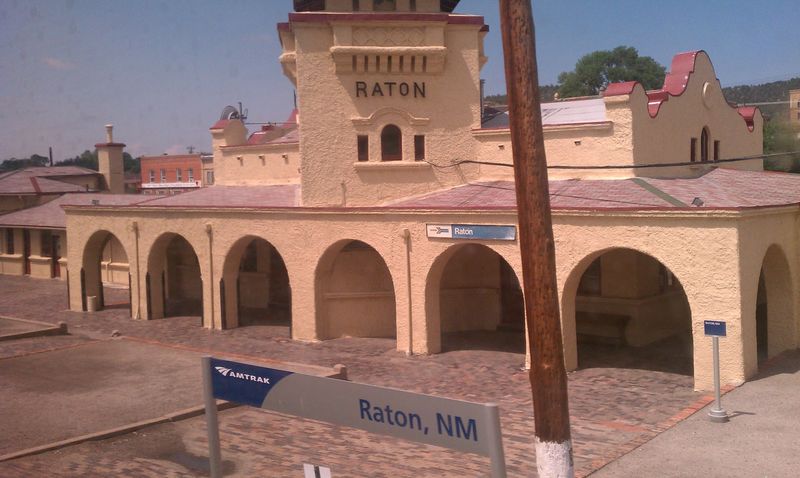
Perched near the Colorado border, Raton is the last New Mexico stop before the train climbs over a scenic mountain pass, and it makes a memorable finale to a southwestern ride. This former railroad and mining town wears its history with pride.
The First Street Historic District showcases restored buildings and an old theater that hint at the town’s busy past. Walking these streets, you can almost hear the whistle of trains from a century ago.
Nature calls loudly here, with Sugarite Canyon State Park just outside town offering hiking trails, fishing spots, and quiet camping areas. Wildlife including deer and wild turkeys often wander through the canyon.
The nearby Raton Pass climbs to nearly seven thousand seven hundred feet, giving passengers gorgeous mountain views as the Chief chugs upward.
Cool breezes and small town friendliness make this a peaceful place to end or extend your trip. Raton sends you off with wide horizons and memories worth keeping.
The elevation change gives this stop a noticeably different atmosphere from the lower desert towns farther south. Downtown is compact enough to explore at an easy pace before heading back toward the station.
For travelers who want mountain scenery mixed with railroad history, Raton makes a fitting final stop on the route.
Let The Southwest Chief Do The Driving

There is something refreshing about building a day trip around the train instead of the highway. The Southwest Chief gives Arizona travelers a different way to explore, with the scenery changing outside the window while someone else handles the miles.
Some routes lead to historic downtowns, others stretch farther into New Mexico, and a few make the ride itself the biggest part of the adventure.
That slower pace is part of what makes these trips memorable. You have time to look around, settle into your seat, and actually notice the desert, mountains, and small towns passing by instead of watching the next exit sign. For me, that is the appeal of rail travel.
I can read, snack, stare out the window, and somehow feel like I am doing something productive just by moving. Arizona road trips will always have their place, but every once in a while, letting the train take over makes the journey feel completely different.
Sometimes The Ride Is The Best Part
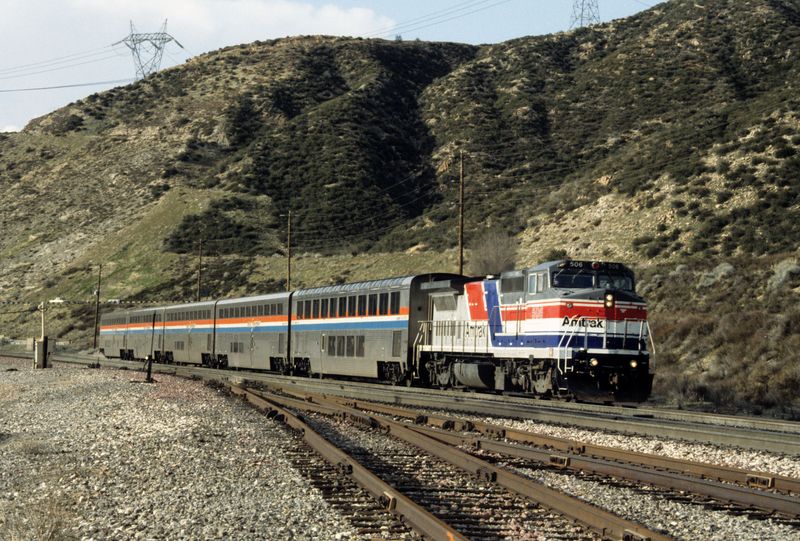
Not every day trip needs to be packed with stops, reservations, and a schedule that feels like homework. Some of the best ones are simple: board the train, pick a window seat, and let the route decide the pace.
The Southwest Chief makes that possible across Arizona, especially for travelers who enjoy the journey just as much as the destination. A few of these trips require early starts or late returns, but that is part of the character of long-distance rail travel.
I like the way train trips remove the temptation to rush. There is nowhere to speed up, no shortcut to chase, and no reason to keep checking the map every five minutes.
You simply watch the landscape change and wait for the next station. By the end of the day, even familiar parts of Arizona can look a little different from the rails.
Sometimes leaving the car behind is exactly what turns an ordinary outing into a story worth remembering.