
An Easy Shaded Stroll In Arizona Leads You To A 900-Year-Old Home Built 90 Feet Up A Cliff
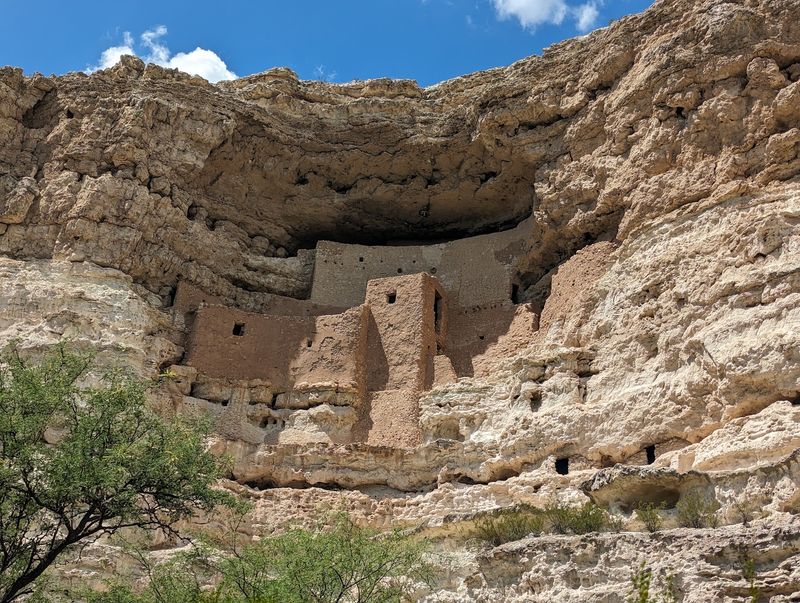
Ninety feet up a pale limestone cliff, a 20-room apartment building has been hanging on for roughly 900 years. Nobody has been allowed inside since 1951.
Somehow, that makes it even harder to stop staring.
The builders hauled limestone chunks from the base of the cliff and bonded them with mud mortar. They framed ceilings with timbers from Arizona sycamore trees.
Up to 30 people may have called it home around 1300 AD.
I like how the whole experience fits into one easy, shaded stroll. A paved loop curves beneath tall sycamores, and the dwelling slowly appears through the branches.
Kids under 16 get in free, which makes it a friendly pick for families.
I can’t imagine a better excuse to pull off the highway. So who in your crew would spot the ceiling beams first?
An Ancient High-Rise Waiting Just Off The Freeway In Arizona
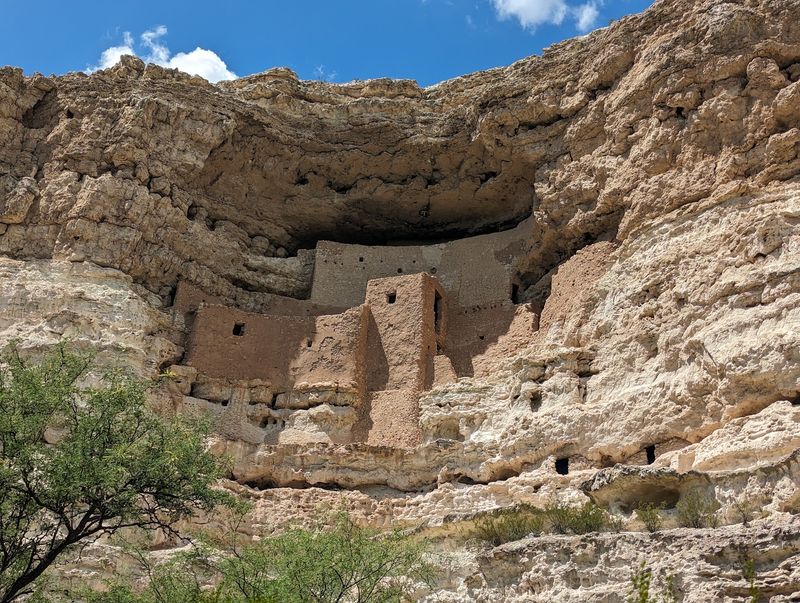
Few road trip detours deliver this much history for so little effort. Montezuma Castle National Monument sits in Camp Verde, Arizona, in the heart of the Verde Valley.
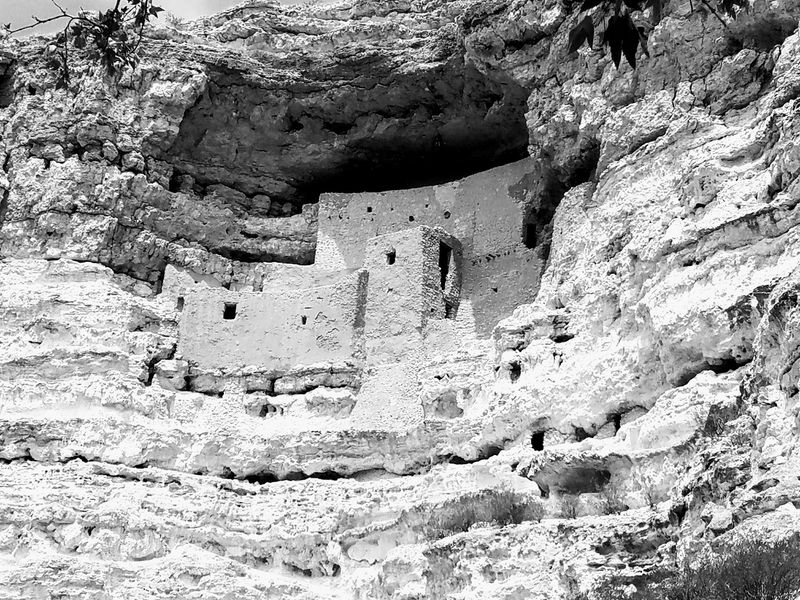
The star here is a five-story cliff dwelling built by the Sinagua people. It perches about 90 feet above the valley floor inside a natural limestone alcove.
That sheltered spot is a big reason the structure still looks so complete. The overhang helped protect it from rain and flooding for centuries.
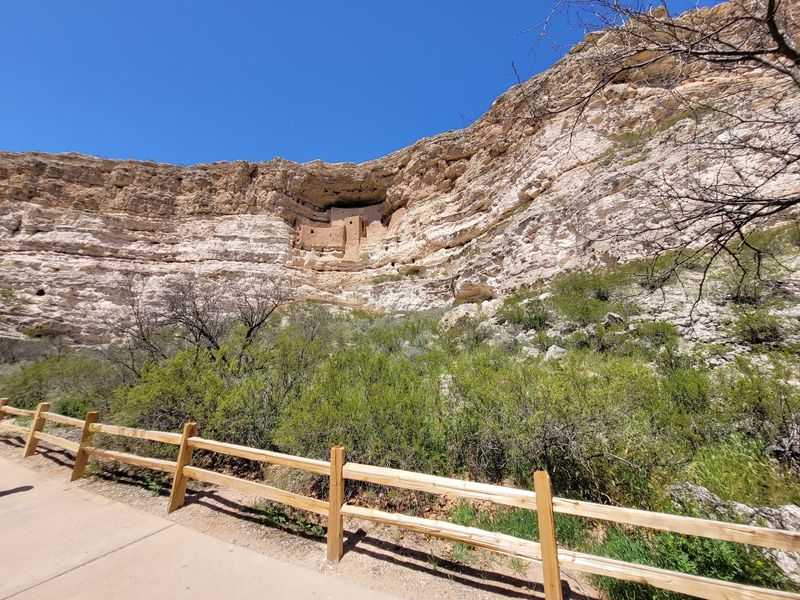
You won’t climb ladders or crawl through doorways here. Visitors view the dwelling from a paved trail below, which keeps both people and walls safe.
The location also makes it a handy stop for travelers heading toward Sedona, Cottonwood, or Flagstaff. It works as a stretch break that feels far more meaningful than a gas station snack run.
Plan on roughly an hour for the main site. That leaves plenty of daylight for the other spots tied to the same monument.
Honestly, the hardest part may be convincing everyone to get back in the car. A cliff home this old tends to hold attention longer than expected.
And yes, it’s just as dramatic as the photos suggest, maybe more so.
The Sinagua Builders Who Made A Cliff Feel Like Home
Construction may have started as early as 1125 AD. That’s centuries before most of the buildings we call historic even existed.
The Sinagua were a pre-Columbian culture who lived throughout the Verde Valley. They are related to other Indigenous peoples of the Southwest, including the Hohokam and Ancestral Puebloan peoples.
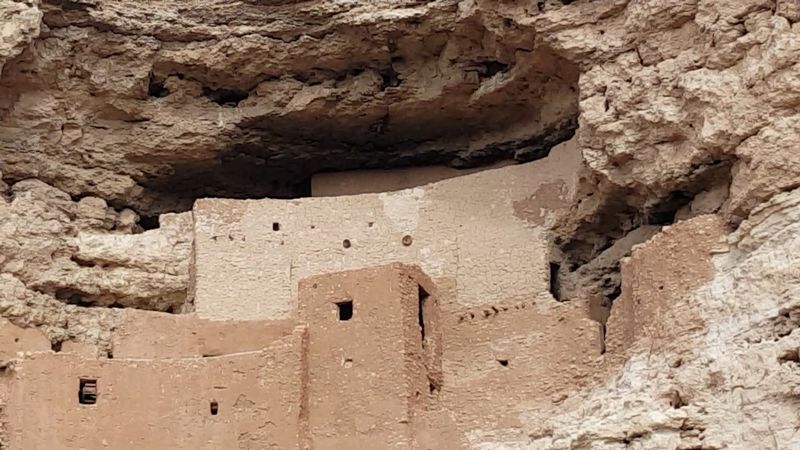
Their building methods were practical and clever. Walls rose from limestone chunks gathered at the base of the cliff, held together with mud mortar.
Ceilings used sectioned timbers, mostly from Arizona sycamore trees that still grow along the creek today. Bring binoculars, and you may spot original beams and plasterwork from the trail.
Around 1300 AD, the dwelling likely reached its peak population. Up to 30 people may have lived across its roughly 20 rooms.
Occupation continued until somewhere around 1395 to 1425 AD. After that, the Sinagua moved on from their settlements in the area.
Standing below, it’s easy to wonder about daily life up there. Hauling water, cooking, and visiting neighbors all happened on a cliff face.
That kind of everyday courage deserves a little awe. It certainly makes climbing the stairs at home feel easy.
Blame The Aztec Mix-Up For That Royal-Sounding Name
Spoiler alert: Montezuma never lived here. He never even visited.
The name comes from 19th-century European-American explorers and settlers. They mistakenly assumed the ruins were connected to the famous Aztec emperor.
The timeline doesn’t work at all. The Sinagua had left the area around 1425 AD, long before that emperor was born.
It isn’t a castle either, at least not in the moat-and-drawbridge sense. It’s a cliff dwelling, a home built for families rather than royalty.
Still, the name stuck through the decades. When the site gained federal protection, the nickname came along for the ride.
On December 8, 1906, President Theodore Roosevelt designated Montezuma Castle National Monument. It was among the first four national monuments created under the Antiquities Act.
The National Park Service took over management in 1916. Later, on October 15, 1966, the site joined the National Register of Historic Places.
So the name is a historical goof, but the protection is the real headline. Thanks to those early decisions, the walls are still standing for us to admire.
Consider it a fun fact to share on the drive home.
A Shady Paved Loop That Almost Anyone Can Stroll
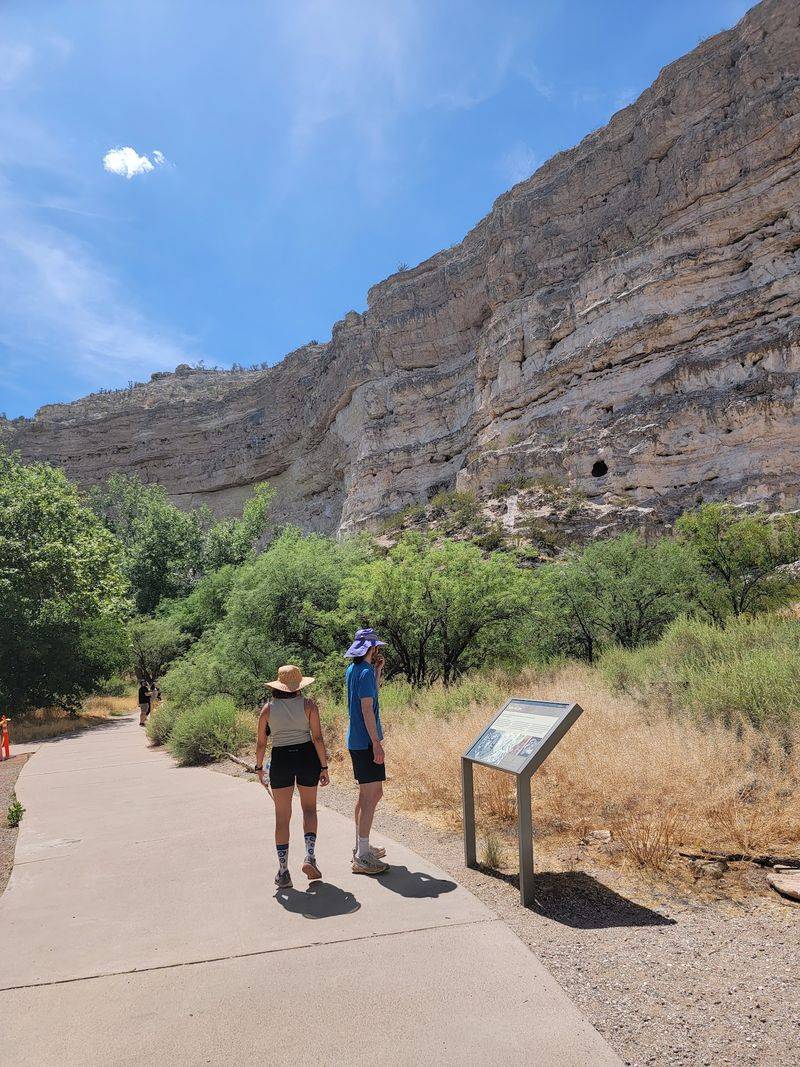
One-third of a mile. That’s the whole loop, and it packs in a surprising amount.
The paved trail starts near the visitor center and curves along the base of the cliff. It’s wheelchair accessible and works nicely for strollers too.
Big Arizona sycamore trees provide welcome shade along the way. Benches give anyone a chance to pause and look up.
Informative signs line the path and explain the history and daily life of the Sinagua. They add context without turning the walk into homework.
Leashed dogs are welcome, which keeps four-legged travelers in the family plan. The site also offers a BARK Ranger program for pups who like earning badges.
Bird-watching and nature walks are popular along this trail as well. Keep your eyes moving between the cliff, the branches, and the sky.
The pace stays relaxed, so there’s no reason to rush. Most visitors finish the main site in under an hour, even with photo stops.
For grandparents, little kids, and everyone in between, this kind of access matters. Ancient history shouldn’t require hiking boots and a trail map.
Castle A, The Older Neighbor Most People Walk Past
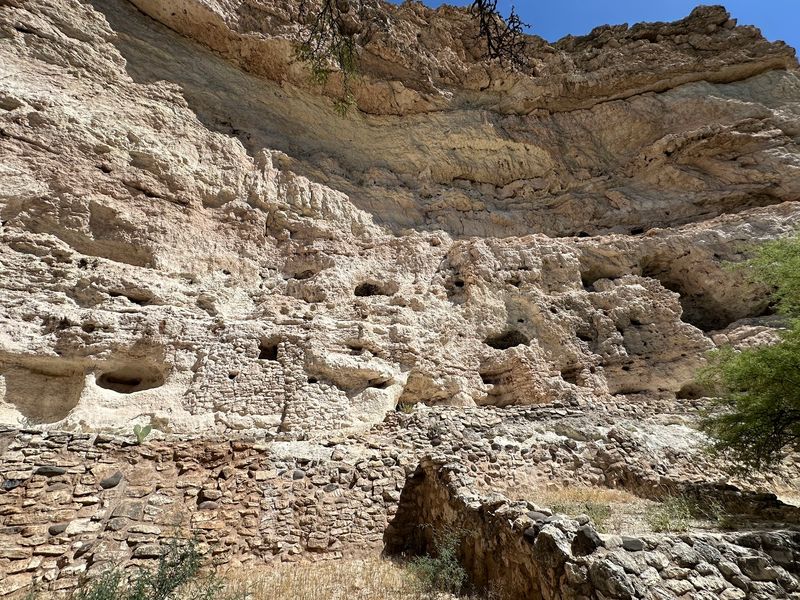
Turns out the famous dwelling had company. Along the same loop trail sits Castle A, an older site near the cliff base.
Castle A was a larger dwelling that burned down in the late 1300s. Today, its remains offer a quieter look at how people lived here.
Compare the two sites as you walk. One stands proudly in its alcove, while the other shows how fragile these homes could be.
Together, they remind visitors that this valley once held a whole community. The famous five-story building was just one part of the neighborhood.
Look for the trail signs that point it out. Without them, it’s easy to stroll by while staring up at the cliff.
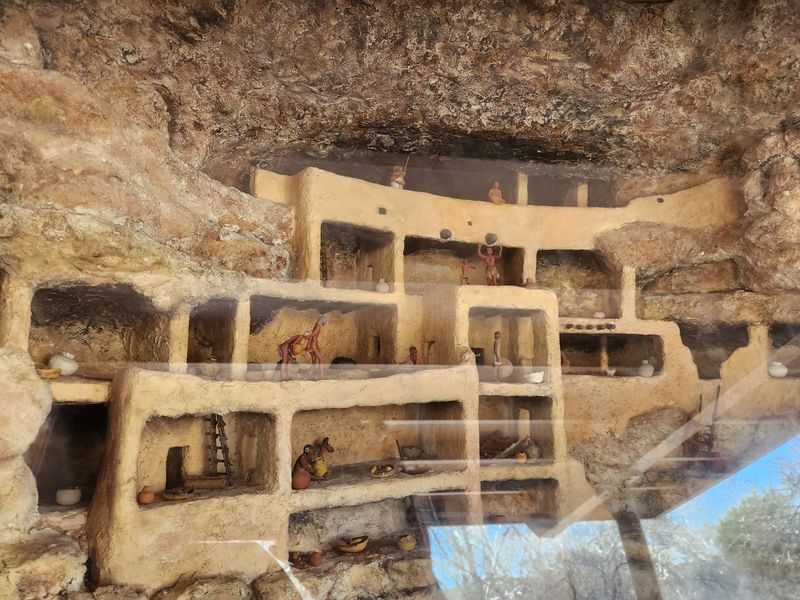
A small diorama along the trail also helps bring the main dwelling to life. It shows the levels of the castle and includes recorded audio about possible daily life.
That little model can be a hit with curious kids. It turns tiny windows on the cliff into rooms you can actually picture.
Spend a few extra minutes here before heading back. The story makes a lot more sense with both pieces in view.
Artifacts, Books, And Passport Stamps At The Visitor Center
Before the trail, there’s the doorway everyone passes through. The visitor center doubles as the entrance fee station.
Inside, a small museum displays artifacts tied to the people who lived here. Tools, trade goods, and daily life items help fill in the story.
A Western National Parks Association bookstore offers regional books and souvenirs. It’s a good place to grab something educational for curious young readers.
Collectors can stamp their national park passport books here. Junior Rangers will find a stamping station as well.
Restrooms are available too, which every road tripper appreciates. Staff can also share information about Montezuma Well, the monument’s other unit.
Rangers offer formal programs that typically last about 25 minutes. Topics vary, so it’s worth asking what’s scheduled during your visit.
Those talks can turn a quick look into something memorable. Knowing how the walls were built makes them even more impressive from below.
Give yourself time to wander the exhibits before or after the loop. The museum is compact, so it won’t eat up your whole afternoon.
Think of it as a short preview that makes the main event shine brighter.
Pack A Lunch For The Picnic Spot Along Beaver Creek
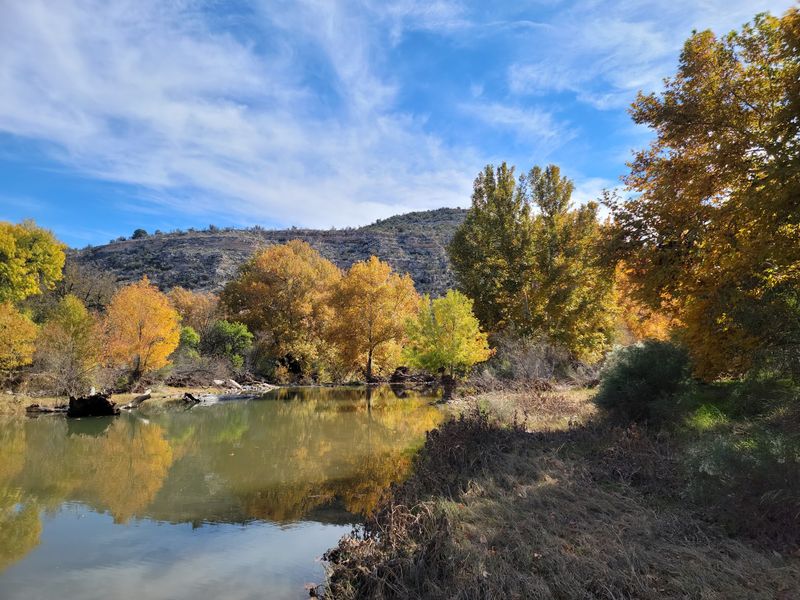
Sandwiches taste better under cottonwoods. That’s not science, but it feels true beside Beaver Creek.
A picnic area sits along the creek shore, shaded by sycamore and cottonwood trees. It’s a pleasant place to rest after the loop.
Outside food is allowed, so packing a cooler makes sense. Bring your favorite snacks and plenty of water.
The creek and trees give the setting a calm, peaceful feel. It balances the drama of the cliff with something softer and greener.
Families with kids often need a refuel break anyway. This spot turns that pause into part of the adventure.
Keep in mind that there’s no WiFi here, and cell service is limited. That might be the best feature of all for some people.
Put the phones away and just enjoy the shade. Listen for birds and let the conversation wander.
A budget-friendly lunch outdoors also stretches your day trip dollars. You get history, scenery, and a meal without spending much.
Just remember to pack out everything you bring in. Keeping the creekside tidy helps protect this lovely corner of Arizona for the next picnic crew.
Montezuma Well Deserves A Spot On The Same Itinerary
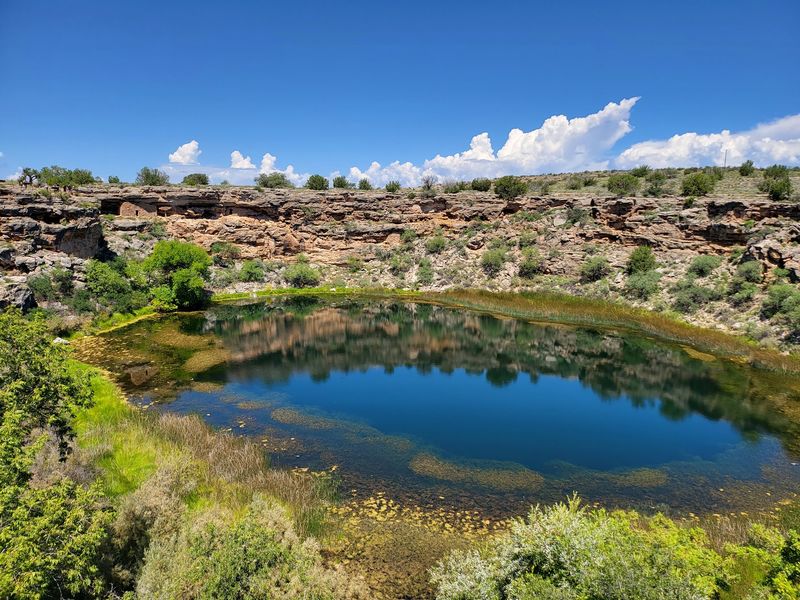
About 11 miles northeast, a different kind of wonder waits. Montezuma Well is a separate unit of the same national monument.
The drive takes roughly 20 minutes. The reward is a spring-fed limestone sinkhole that feels almost unreal in the high desert.
The Well pours out more than 1.5 million gallons of water every day. Its temperature stays steady at 74 degrees.
Ancient irrigation canals still trace the landscape nearby. You’ll also find smaller cliff dwellings, pueblo remains, and a pithouse.
A half-mile loop trail winds around the Well. Some sections are paved, while others are rockier.
Unlike the main castle trail, this route isn’t fully wheelchair accessible. Steep grades and stairs make parts of it more challenging.
Wear comfortable shoes and take your time on the uneven spots. The views from the rim make the effort worthwhile.
Pairing both sites creates a fuller picture of Sinagua life. One shows where people lived, while the other shows the water that made life possible.
If your schedule allows, don’t skip it. Seeing both turns a quick stop into a true Verde Valley day trip.
Why Families, Dog Lovers, And History Buffs All Fit Right In
Here’s a rare thing: an outing that pleases nearly everyone in the car. The short trail and big payoff work for many kinds of travelers.
Kids under 16 get in free, which helps families keep costs down. The diorama and Junior Ranger stamps give young visitors something hands-on to enjoy.
Dog owners can bring leashed pets along the trail. The BARK Ranger program adds a fun bonus for furry companions.
History lovers will appreciate the signs along the path. They explain farming, daily routines, and how the Sinagua used the creek and land.
Photographers get a striking subject too. Pale rock, deep blue sky, and earthy walls make for memorable shots.
Travelers with mobility needs benefit from the paved, accessible loop. Benches offer resting spots without missing the view.
The atmosphere stays peaceful and relaxed. Trees, birdsong, and the nearby creek help the whole place feel calm.
Retirees looking for affordable Arizona day trips will find a lot to love. It’s easygoing, meaningful, and close to Sedona and Cottonwood.
Basically, everyone gets something. That’s a pretty good track record for a building this old.
Hours, Fees, And Smart Timing Before You Go
Set your GPS for 2800 Montezuma Castle Rd., Camp Verde, AZ 86322. The monument sits just off Interstate 17, which keeps the drive simple.
The visitor center opens daily from 9 AM to 4:45 PM. The park gate closes at 4:45 PM and locks at 5 PM.
Holidays bring a few exceptions. The monument closes on Thanksgiving, Christmas, and New Year’s Day.
It may also close early on December 24, December 31, and the day before Thanksgiving. Check ahead if you’re planning a holiday visit.
Entry is charged per adult, and children under 16 are admitted free. Your pass covers seven days and includes Tuzigoot National Monument too.
That bundled access makes the visit a strong value. You can explore more Verde Valley history on the same pass.
Summer in Arizona can get very hot here. Arriving close to opening helps you beat the heat and find easier parking.
Pack sunscreen, a hat, and water during warmer months. Fall, winter, and spring offer more comfortable weather for strolling.
Download maps before arriving, since cell service is limited. A little planning keeps the day smooth.
A Small Stop That Leaves A Surprisingly Big Impression
Nine centuries is a long time to hold your ground. This cliff home has managed it with quiet grace.
Montezuma Castle National Monument proves that great Arizona outings don’t need to be complicated. An hour, a short walk, and a curious mind are enough.
The five-story dwelling stays the clear highlight. Still, the shady trail, creekside picnic spot, and museum round out the day nicely.
Add Montezuma Well and Tuzigoot, and the trip grows into something bigger. Suddenly, you’re tracing a whole cultural landscape across the Verde Valley.
Families save with free entry for kids. Dog owners, history fans, and photographers all have reasons to smile.
The setting feels peaceful without trying too hard. Sycamores sway, the creek flows, and the cliff keeps its old secrets.
It’s the kind of place worth saving for your next drive north. Tag the friend who always wants to stop at roadside wonders.
Maybe bring binoculars and a picnic basket. Look closely for those ancient sycamore beams.
And when someone asks why it’s called a castle, you’ll have the perfect story ready. Not bad for a quick detour off the highway.