
An Ohio Cafe Where Chili Dogs And History Share The Same Plate
I still remember the first time I followed Front Street in Toledo and realized my lunch plan had quietly turned into a history lesson. There are restaurants that feed you, and then there are places like this that sit you down and start telling stories before the menu even opens.
At 1902 Front Street, chili dogs and nostalgia share the same counter, and somehow neither feels like a gimmick. I came in hungry and left feeling like I had borrowed a piece of Toledo’s past for an afternoon.
This is the kind of Ohio cafe where recipes stay loyal, walls do the talking, and every bite feels connected to something bigger than lunch. If a place can make a simple hot dog feel meaningful, it probably deserves your full attention.
A Hungarian Heart Beating on Front Street
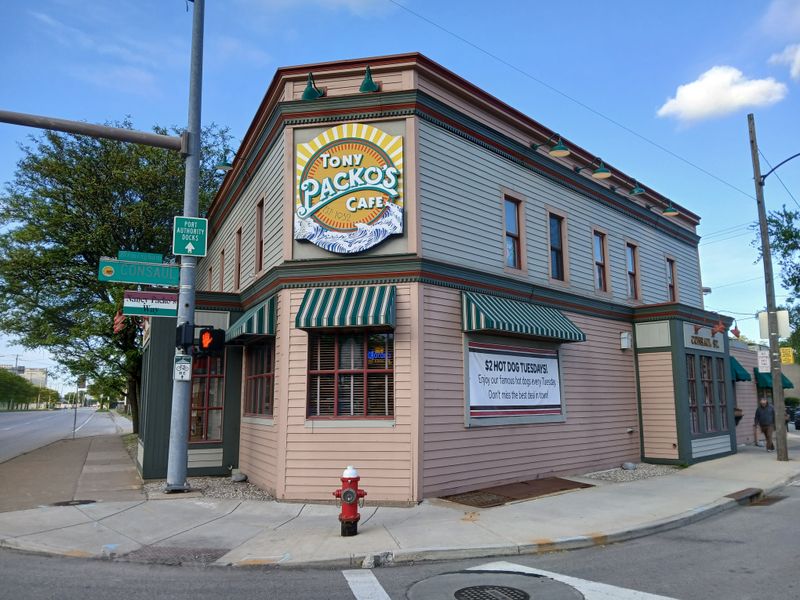
Right there at 1902 Front Street in Toledo, Ohio, stands a building that has witnessed nearly a century of culinary tradition. Tony Packo opened his doors in 1932 during the Great Depression, bringing Hungarian flavors to a neighborhood that desperately needed affordable, hearty meals.
His wife Rose worked alongside him, and together they created something that would outlast them by generations.
The location itself sits in the historic Hungarian neighborhood of Birmingham, where immigrant families settled and built their new lives. Walking distance from the Maumee River, the restaurant became a gathering place for factory workers, families, and anyone looking for a warm meal and warmer company.
Today, the original location still operates with the same spirit Tony and Rose instilled all those years ago. The building has been expanded and updated, but the soul remains unchanged.
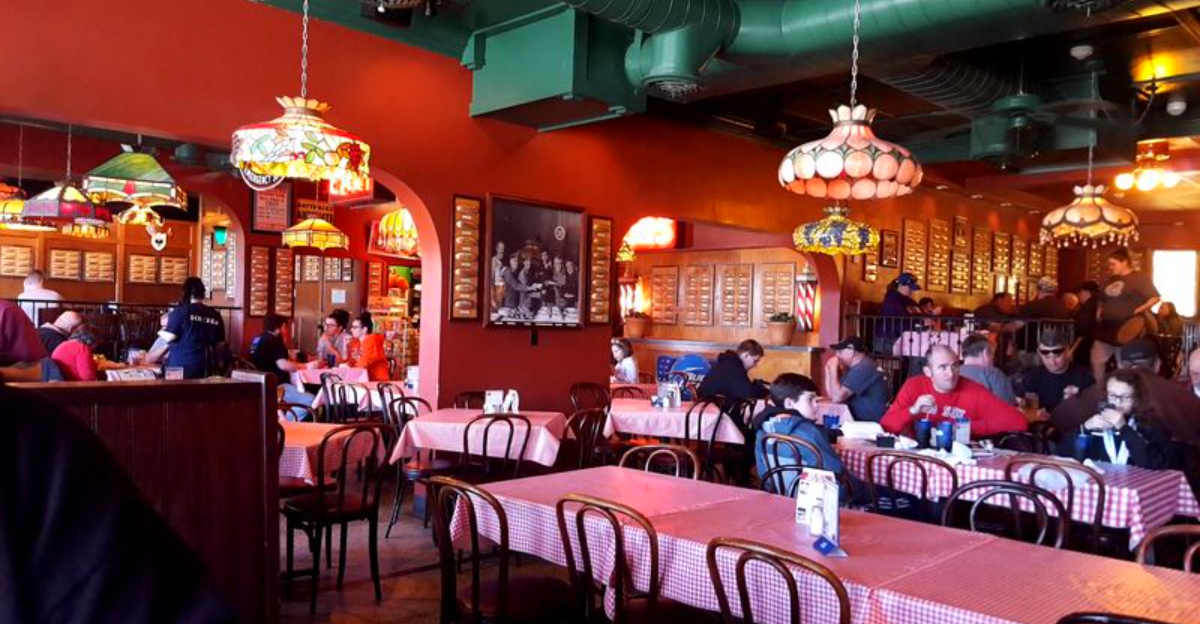
You can feel the history in every corner, from the worn wooden booths to the vintage photographs lining the walls.
This isn’t some corporate recreation of a classic diner. It’s the real deal, still rooted in the same Ohio soil that nourished its founders.
The Hot Dog That Made History
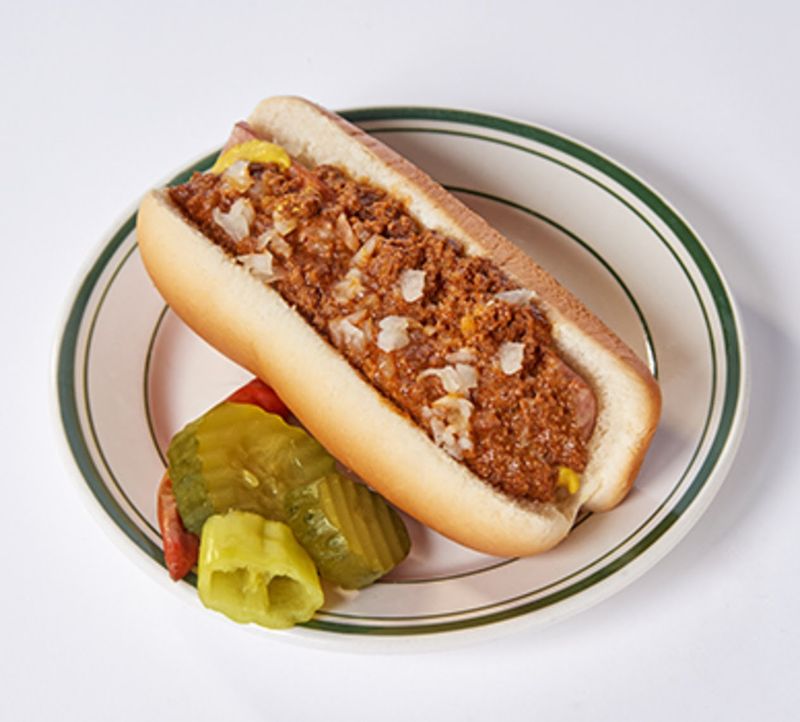
Let me tell you about the Hungarian hot dog that put this place on the map. It’s not your ballpark frank slapped with ketchup and called a day.
This creation features a quarter-pound dog with a natural casing that snaps when you bite into it, releasing that garlicky, smoky flavor that makes your taste buds stand at attention.
The magic happens when they top it with Tony’s original chili sauce, a sweet-and-savory concoction that’s been made the same way since the beginning. Add some chopped onions and a stripe of yellow mustard, and you’ve got what locals simply call perfection on a bun.
The chili has a depth of flavor that hints at paprika and other Hungarian spices without overwhelming the dog itself.
I watched the kitchen crew assemble these beauties during my visit, and there’s a rhythm to it that speaks of thousands of repetitions. Each dog gets the same careful attention, whether it’s the first one of the morning or the five hundredth.
The buns are steamed soft, creating the perfect pillow for all those toppings. One bite and you understand why people drive hours just for this experience.
When M*A*S*H Made Packo’s Famous
Jamie Farr grew up in Toledo and ate at Tony Packo’s as a kid. When he landed the role of Corporal Klinger on the television show M*A*S*H, he found a perfect way to honor his hometown.
Starting in a 1976 episode, Klinger began mentioning Tony Packo’s as his favorite place back home, dreaming about those hot dogs while stuck in a war zone thousands of miles away.
That single reference turned into multiple mentions throughout the show’s eleven-season run. Suddenly, people across America wanted to know where this magical hot dog place was located.
The restaurant went from being a beloved local spot to a national curiosity practically overnight.
The M*A*S*H connection runs deep here. You’ll find memorabilia from the show scattered throughout the dining room, including photographs of Jamie Farr and other cast members who eventually made the pilgrimage to Toledo.
The gift shop sells M*A*S*H-themed merchandise alongside traditional Hungarian items.
Farr himself remains a friend of the restaurant and occasionally stops by when he’s in Ohio. His endorsement wasn’t paid advertising.
It was genuine love for a place that shaped his childhood, and that authenticity resonated with millions of viewers.
The Bun Wall That Broke the Internet Before the Internet Existed
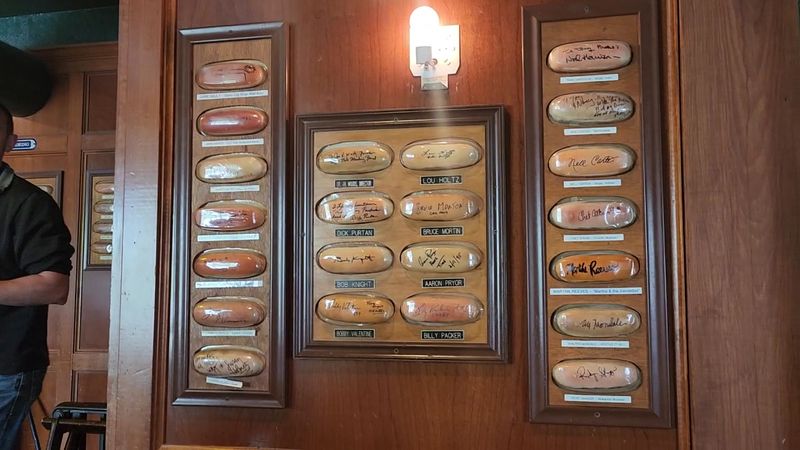
Burt Reynolds started it all in 1972. During a visit to promote a film, someone handed him a hot dog bun to autograph as a joke.
He signed it, they shellacked it, and mounted it on the wall. What began as a one-time gag became an institution within an institution.
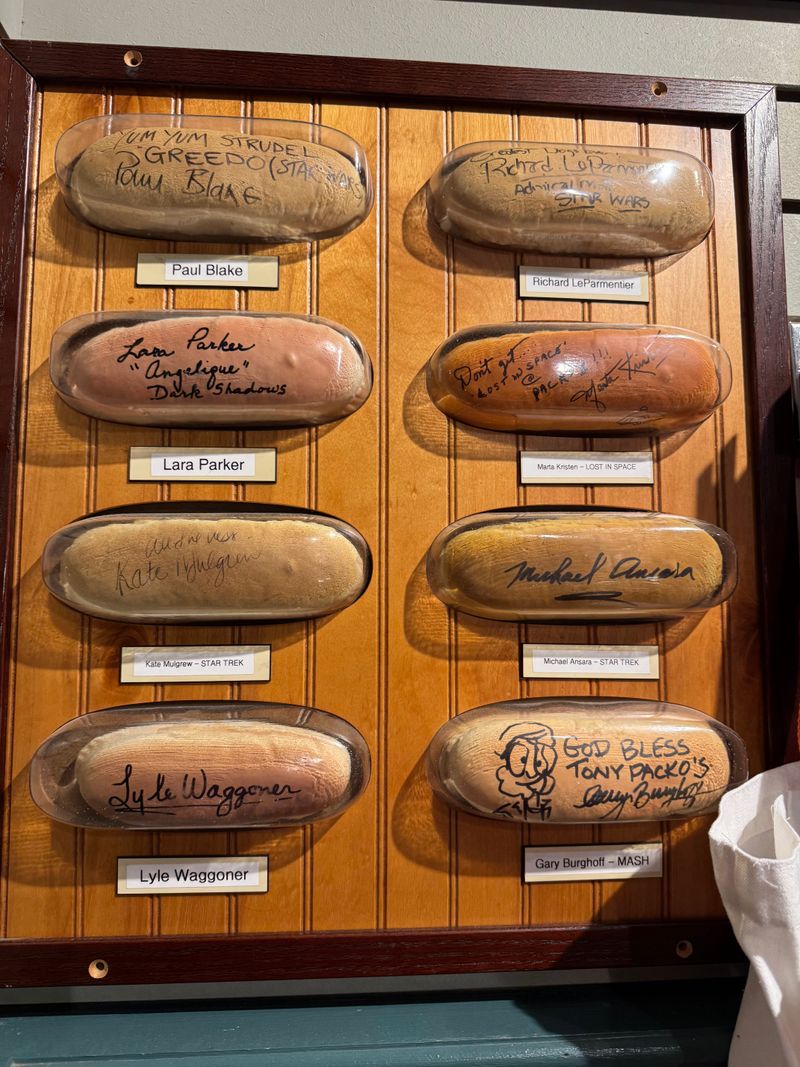
Now the walls are covered with hundreds of autographed buns from celebrities, politicians, athletes, and musicians who have passed through Toledo. You’ll spot signatures from presidents, Academy Award winners, rock stars, and sports legends.
Today, the signatures are typically displayed on foam bun replicas, with labels noting who signed and when.
I spent a good twenty minutes just wandering around, craning my neck to read names. Some made me laugh, some made me nostalgic, and some made me realize just how many famous people have made this pilgrimage.
It’s like a three-dimensional autograph book that spans five decades of pop culture.
The tradition continues today. Whenever someone notable comes through town, there’s a good chance they’ll add their bun to the collection.
It’s become part of the Toledo experience, a quirky tradition that perfectly captures the restaurant’s playful spirit.
Hungarian Classics That Warm the Soul
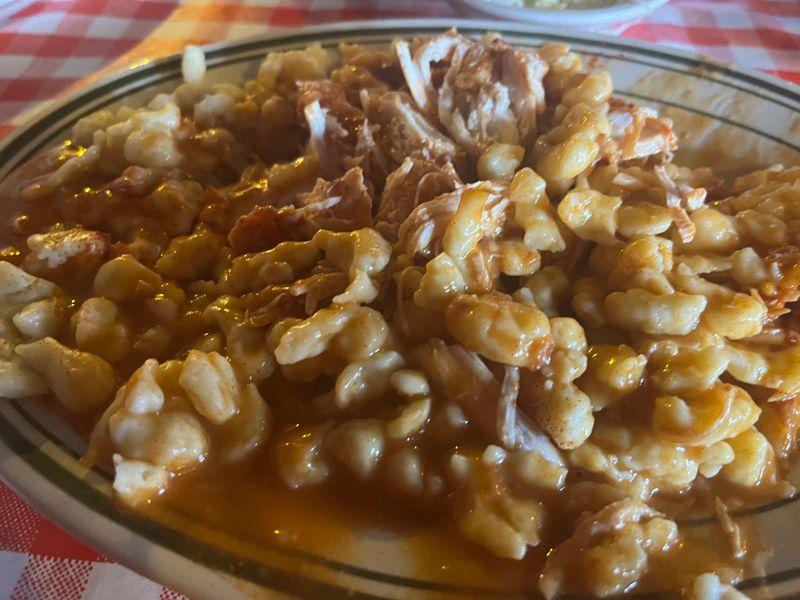
Beyond the famous hot dogs lies a menu filled with authentic Hungarian dishes that Tony’s grandmother would recognize. The stuffed cabbage rolls arrive at your table steaming hot, each one carefully wrapped around a mixture of seasoned ground meat and rice, swimming in a tomato sauce that tastes like it simmered for hours.
Chicken paprikash is another star, featuring tender chicken pieces in a rich, creamy sauce heavily seasoned with Hungarian paprika. It comes served over homemade spaetzle, those little German dumplings that soak up every bit of that glorious sauce.
The paprika here isn’t just a garnish or an afterthought. It’s the foundation of the flavor profile, providing both color and a gentle, earthy heat.
Pierogies make an appearance too, pan-fried until the edges get crispy and served with a dollop of paprika-infused sour cream. The potato filling is creamy and well-seasoned, providing comfort food at its finest.
I watched a table of regulars order a platter to share, and the way they dove in told me everything I needed to know.
These aren’t trendy fusion dishes or modern interpretations. They’re the real recipes, passed down and protected, served with pride to anyone curious enough to try them.
The Gift Shop Where Nostalgia Lives
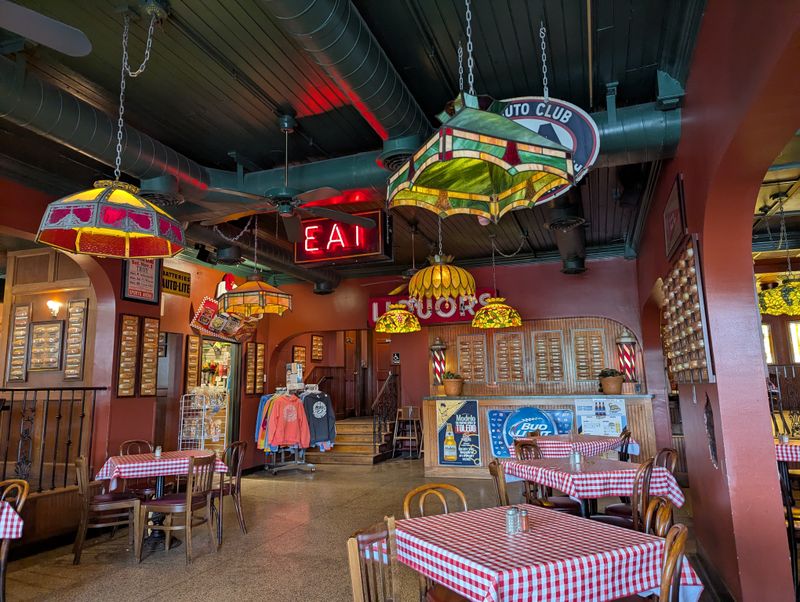
Right next to the dining room sits a gift shop that deserves its own visit. This isn’t one of those sad little corners with dusty postcards and forgotten keychains.
It’s a full retail experience packed with Tony Packo’s branded merchandise, Hungarian specialty foods, and quirky Toledo souvenirs.
You can buy jars of the famous chili sauce to take home, along with packages of the Hungarian hot dogs themselves. They also sell frozen stuffed cabbage rolls, pierogies, and other menu items for people who want to recreate the experience in their own kitchens.
The shelves hold Hungarian paprika, noodles, and other imported ingredients that can be hard to find elsewhere.
The clothing section features everything from basic t-shirts to hoodies, hats, and even aprons. Many items reference the M*A*S*H connection, while others simply celebrate the restaurant’s legacy.
I noticed several customers loading up on gifts, clearly planning to share their Packo’s experience with friends and family back home.
There’s also a selection of local products from other Ohio makers, turning the shop into a showcase for regional pride. Before you leave, grab a jar of that chili sauce.
Your future self will thank you when the craving hits at home.
Service That Feels Like Family
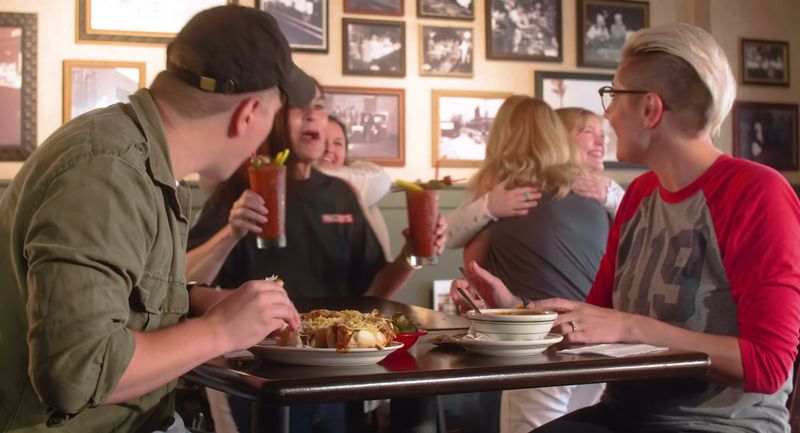
During lunch rush, the place fills up fast. A line forms at the counter where you place your order, snaking past the hot dog buns and toward the door.
But here’s the thing: nobody seems to mind waiting. The staff keeps things moving with practiced efficiency while still taking time to chat and joke with regulars.
I watched one server who had been there sixteen years, according to a customer who pointed her out. She knew people’s usual orders, asked about their kids by name, and made everyone feel like they were the most important person in the room.
That kind of genuine hospitality can’t be trained. It comes from actually caring about the people you serve.
The ordering system might seem chaotic if you’re new, but there’s a method to it. You order at the counter, grab your drinks, find a seat, and they bring the food out to you.
If you’re new, it helps to follow the posted signs or ask a staff member, because the system is simple once you know it.
Even when they’re slammed, the kitchen gets food out remarkably fast without sacrificing quality. My hot dog and pierogies arrived within minutes, both hot and exactly as promised.
That’s the mark of a well-oiled operation that’s been perfecting its craft for decades.
Planning Your Visit to an Ohio Institution
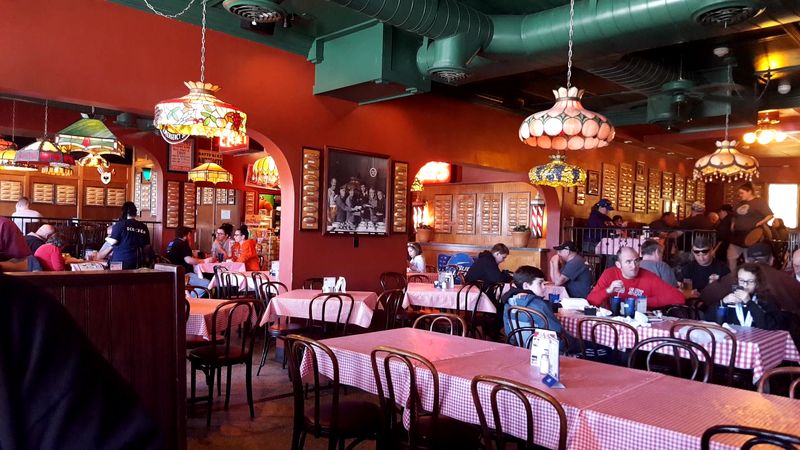
Tony Packo’s opens at 10:30 in the morning most days, making it perfect for an early lunch before the crowds descend. They stay open until nine on weeknights and ten on Fridays and Saturdays.
Sundays they open a bit later at 11:30, giving the staff a slight break after the weekend rush.
Parking is plentiful across the street in a large lot, so don’t stress about circling the block. The restaurant sits right in the heart of Toledo’s old Hungarian neighborhood, within easy reach of downtown and the riverfront.
If you’re visiting Ohio and making a Toledo stop, this should be at the top of your list.
Prices are reasonable, especially considering the generous portions. Most hot dogs run under ten dollars, and even the full Hungarian entrees won’t break the bank.
It’s the kind of place where a family of four can eat well without wincing at the check.
Come hungry, bring your appetite for both food and history, and don’t be in a rush. Take time to read the buns, chat with the staff, and soak in the atmosphere.
This isn’t fast food, even though it arrives quickly. It’s an experience that deserves your full attention and appreciation.
Toledo, Ohio, is lucky to have it.