
10 Areas In Florida Where Rattlesnakes Have Been Spotted
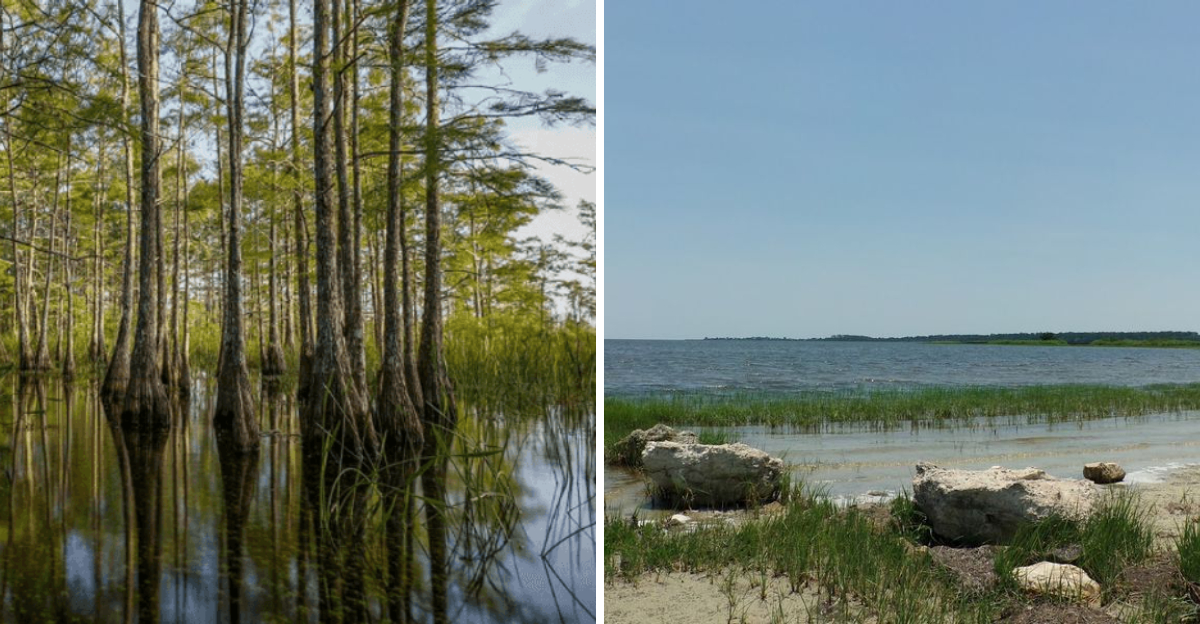
Florida’s wildest residents are not the alligators everyone talks about.
Some are hiding in the grass beneath your feet.
That sounds unsettling, but it is also part of what makes the Sunshine State such an incredible place to explore. Vast wetlands, pine forests, coastal dunes, and quiet prairies are home to remarkable wildlife that has lived here long before hiking trails and boardwalks ever appeared.
The key is not to fear it, but to understand it.
That is where this guide comes in.
Florida offers some of the most spectacular outdoor adventures in America, and rattlesnakes are simply one part of those natural ecosystems. Knowing where they are most commonly found, recognizing the habitats they prefer, and staying alert on the trail allows you to explore with confidence while respecting the wildlife around you.
The goal is not to avoid Florida’s wilderness.
It is to experience it wisely, safely, and with a deeper appreciation for everything that calls it home.
1. Everglades National Park
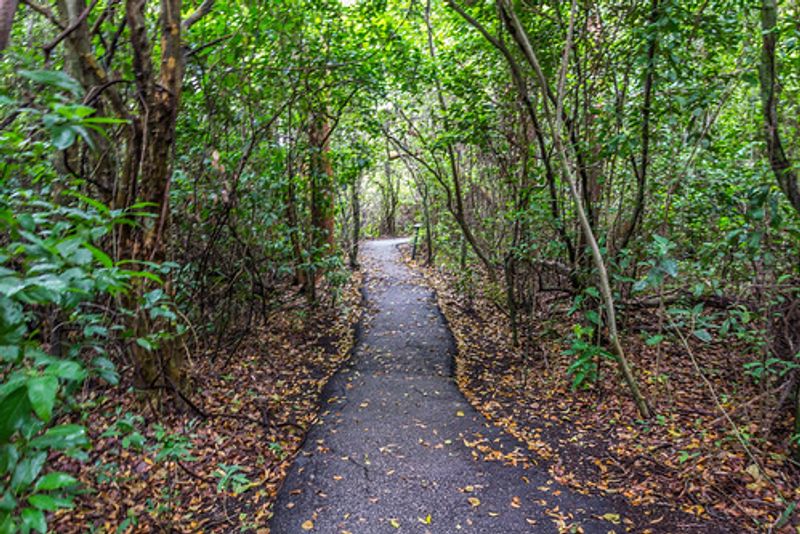
Few places on Earth carry the same raw, untamed energy as Everglades National Park, and the rattlesnakes here seem to know it.
Located at the southern tip of Florida, this sprawling 1.5-million-acre park is home to the Eastern diamondback rattlesnake, the largest venomous snake in North America.
I spotted my first one sunning on a raised trail levee near the Anhinga Trail, completely unbothered by the hikers passing just feet away.
The park’s mix of sawgrass prairies, hardwood hammocks, and mangrove edges creates ideal habitat for these reptiles year-round.
Rangers recommend staying on marked trails and watching where you step, especially during the cooler morning hours when snakes bask for warmth.
The Eastern diamondback can reach up to eight feet in length, making it an impressive and powerful presence in this ecosystem.
Visiting the Everglades with open eyes and a little respect for its residents turns every walk into something genuinely extraordinary.
2. Ocala National Forest
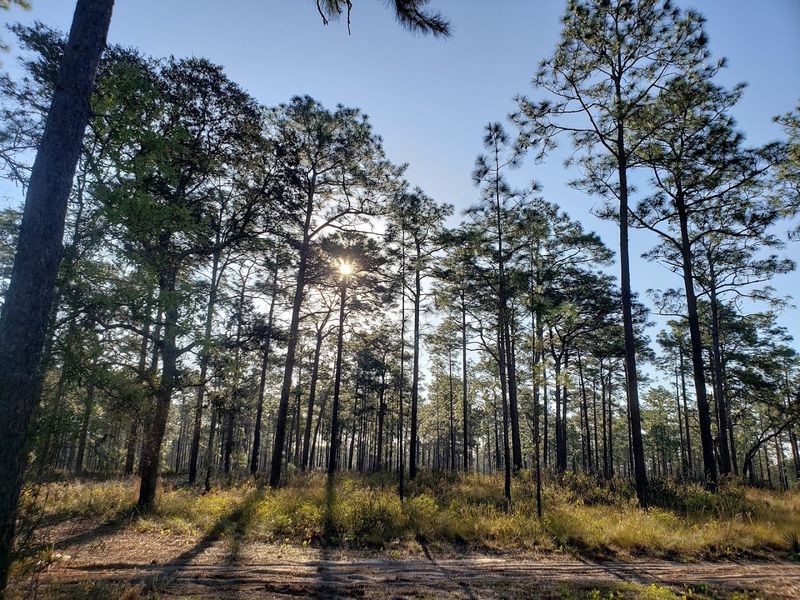
Wander deep enough into Ocala National Forest and you will quickly understand why locals treat the trails here with a certain quiet respect.
Situated in north-central Florida between the Ocklawaha and St. Johns Rivers, Ocala is the southernmost national forest in the continental United States and shelters both the Eastern diamondback and the timber rattlesnake.
The timber rattlesnake, though less common here than its diamondback cousin, tends to blend into the leaf litter with almost supernatural skill.
I once nearly stepped on one along the Florida Trail near Hopkins Prairie, and I will tell you that my hiking pace slowed considerably after that.
The forest’s longleaf pine flatwoods and scrub habitats are prime rattlesnake territory, particularly during spring and fall when temperatures are mild.
Carrying a walking stick and wearing thick boots are smart habits that any seasoned trail visitor will back without hesitation.
Ocala rewards the careful explorer with wildlife encounters that simply cannot be replicated anywhere else in the state.
3. Apalachicola National Forest
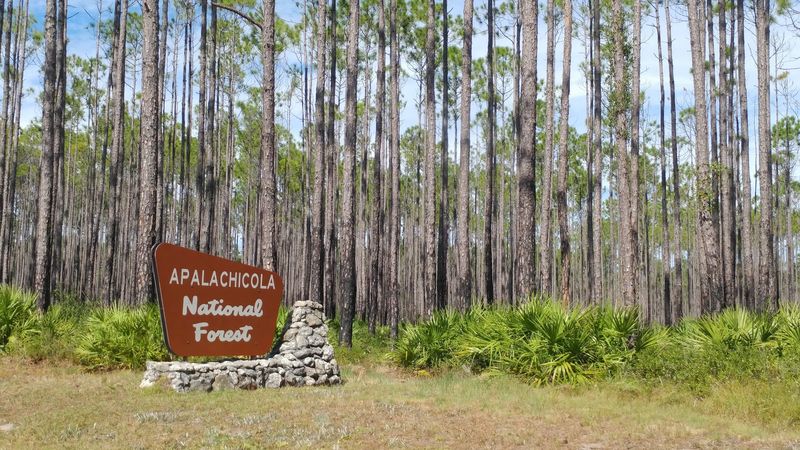
There is something almost mythic about Apalachicola National Forest, the largest national forest in Florida, stretching across more than 630,000 acres in the Panhandle.
Its longleaf pine savannas and pitcher plant bogs create one of the most biologically rich environments in the entire Southeast, and rattlesnakes are very much part of that story.
The Eastern diamondback rattlesnake thrives in the dry, sandy upland areas, while the dusky pygmy rattlesnake favors wetter, more vegetated zones near cypress strands.
I spent a weekend camping near Camel Lake and came across fresh rattlesnake tracks pressed into a sandy fire line just outside my tent site.
The pygmy rattlesnake is smaller than its Eastern diamondback relative but carries a bite that demands immediate medical attention all the same.
Wildlife biologists have long studied the forest’s snake populations due to the exceptional diversity and health of its reptile community.
A slow walk through Apalachicola at dawn, with your eyes scanning the ground ahead, feels like stepping into a living field guide.
4. Big Cypress National Preserve
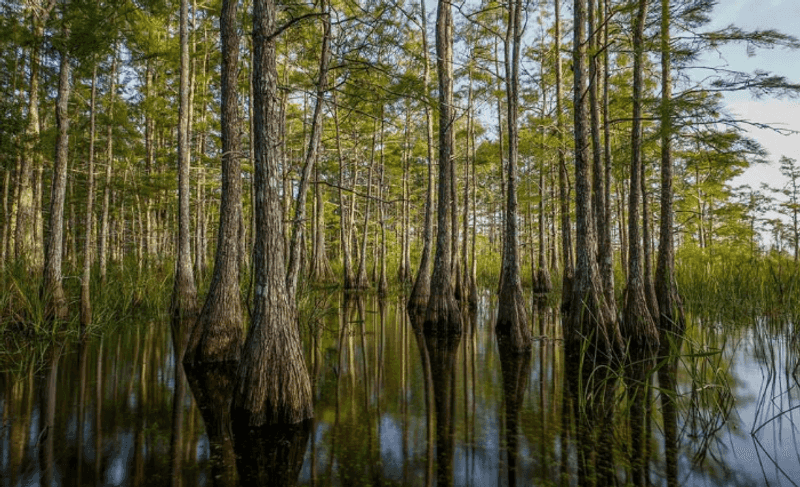
Big Cypress National Preserve sits just north of Everglades National Park and shares its neighbor’s taste for dramatic, swampy scenery and equally dramatic wildlife.
Covering over 720,000 acres of south Florida, the preserve is a mosaic of cypress swamps, wet prairies, and pine islands that rattlesnakes navigate with impressive ease.
The dusky pygmy rattlesnake is the species most commonly reported here, often spotted near the edges of wet prairies and along the Loop Road scenic drive.
What makes the pygmy rattlesnake particularly tricky is its size, often under two feet long, which means it can hide in plain sight among grasses and debris.
I pulled over along Loop Road one afternoon and watched a pygmy rattlesnake hold its ground at the road’s edge, tail buzzing in a surprisingly high-pitched rattle.
The preserve also records occasional Eastern diamondback sightings in its drier pine flatwood zones, adding to its reptile credentials.
Big Cypress has a way of making you feel very small and very alert at the same time, which is honestly a wonderful combination.
5. Osceola National Forest
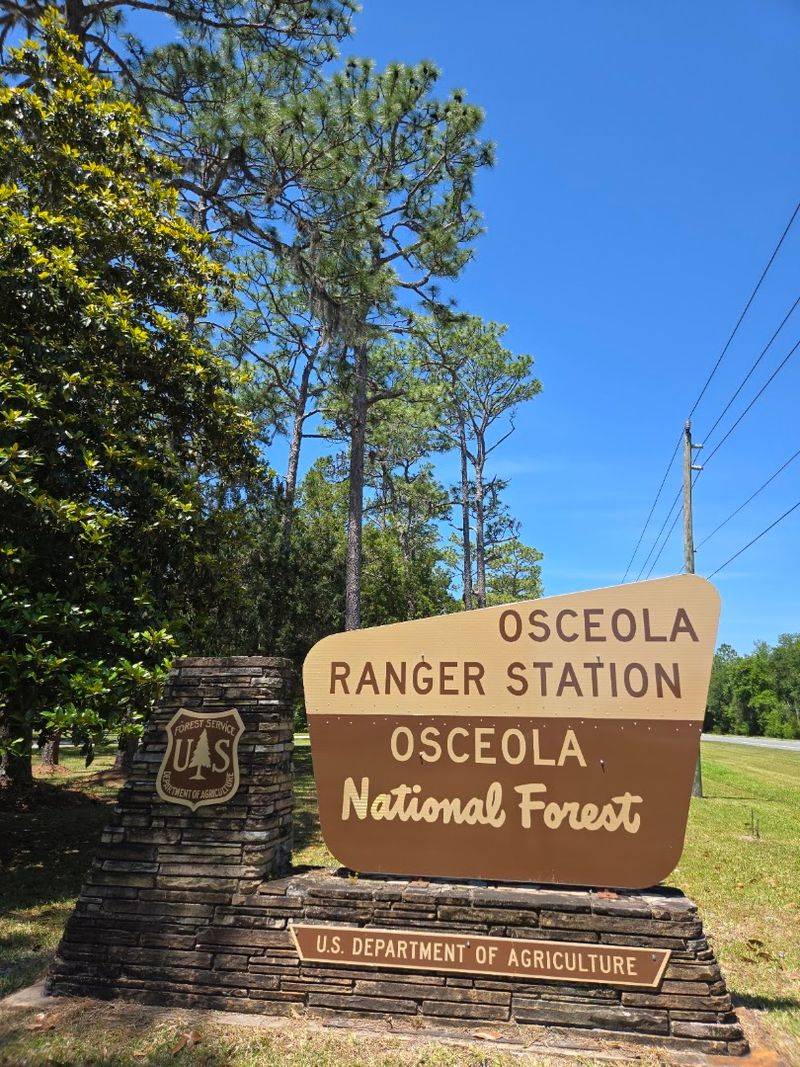
Tucked into the northeastern corner of Florida near the Georgia border, Osceola National Forest is a quieter, less-visited gem of the state’s public lands system.
Its 157,000 acres of longleaf pine flatwoods, cypress bays, and open bogs provide reliable habitat for the Eastern diamondback rattlesnake throughout the year.
Osceola is also part of the Florida Trail corridor, and hikers passing through the Ocean Pond area have reported rattlesnake sightings close to the campground perimeter.
The Eastern diamondback here tends to be particularly well-fed thanks to the healthy populations of rabbits, squirrels, and other small mammals that share the forest.
I found the forest unusually peaceful during a late October visit, with the cooler air bringing snakes out to bask on open sandy patches along the trail.
Photographers especially appreciate Osceola for its clean sightlines through the pines, which make spotting ground-level wildlife a more realistic prospect than in denser forests.
Osceola may not headline Florida’s outdoor scene, but it delivers encounters that stick with you long after you have driven back to the highway.
6. Kissimmee Prairie Preserve State Park
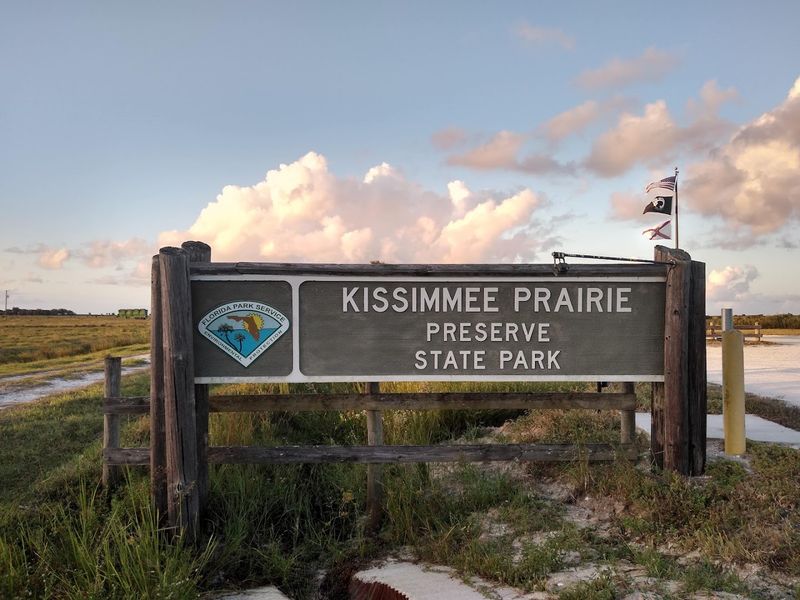
Standing at the edge of Kissimmee Prairie Preserve State Park, you get a sense of what central Florida looked like long before theme parks and strip malls arrived.
Located in Okeechobee County, this 54,000-acre park protects one of the largest remaining dry prairies in the United States, and it is prime rattlesnake country.
The Eastern diamondback rattlesnake is the star of the show here, using the open grassland and scattered palmetto patches to hunt and thermoregulate throughout the day.
Park rangers have noted that sightings tend to increase in late winter and early spring when snakes become more active after cooler months.
I visited on a clear February morning and spotted a large diamondback moving deliberately through a patch of wire grass not far from the main trailhead.
The park’s flat, open terrain actually makes snake-watching safer than forested areas because you can see the ground ahead of you with far greater clarity.
Kissimmee Prairie reminds you that Florida’s wildest experiences do not always require dense jungle or deep water.
7. Green Swamp Wilderness Preserve
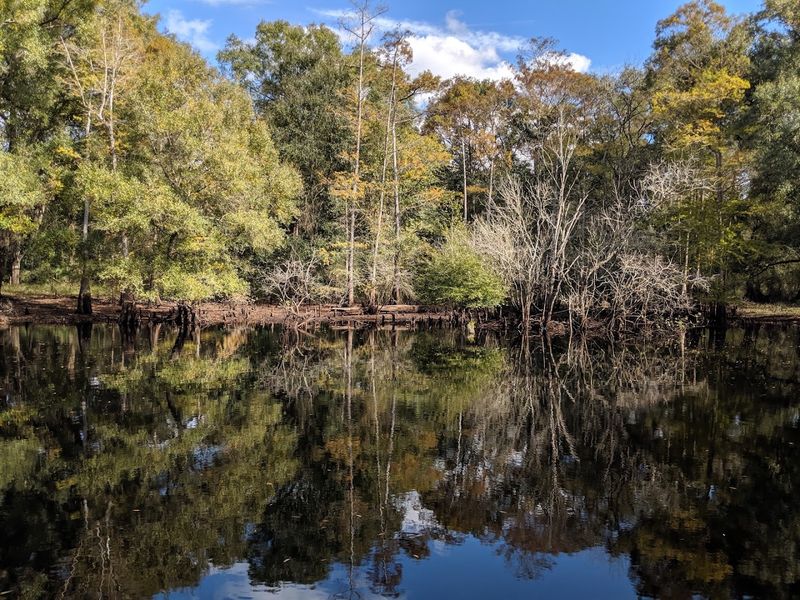
The name alone should tell you something about what to expect at Green Swamp Wilderness Preserve, a sprawling 110,000-acre tract in Polk and Lake Counties.
This preserve serves as the headwaters for four of Florida’s major rivers, and its dense mix of swamp forest, upland scrub, and wet flatwoods creates layered habitat that rattlesnakes use year-round.
Both the Eastern diamondback and the dusky pygmy rattlesnake have been documented here, with the pygmy being especially common near the wetter, low-lying trail sections.
I hiked the Green Swamp’s western tract one spring morning and kept finding shed snake skins along the trail, a subtle but clear reminder of who else uses the path.
The preserve is less trafficked than many Florida state parks, which means wildlife tends to be less wary and encounters feel more genuinely wild.
Wearing gaiters and staying on the center of the trail rather than brushing the edges is advice worth taking seriously in this particular preserve.
Green Swamp has a quiet intensity that rewards patience and punishes distraction in equal measure.
8. Myakka River State Park
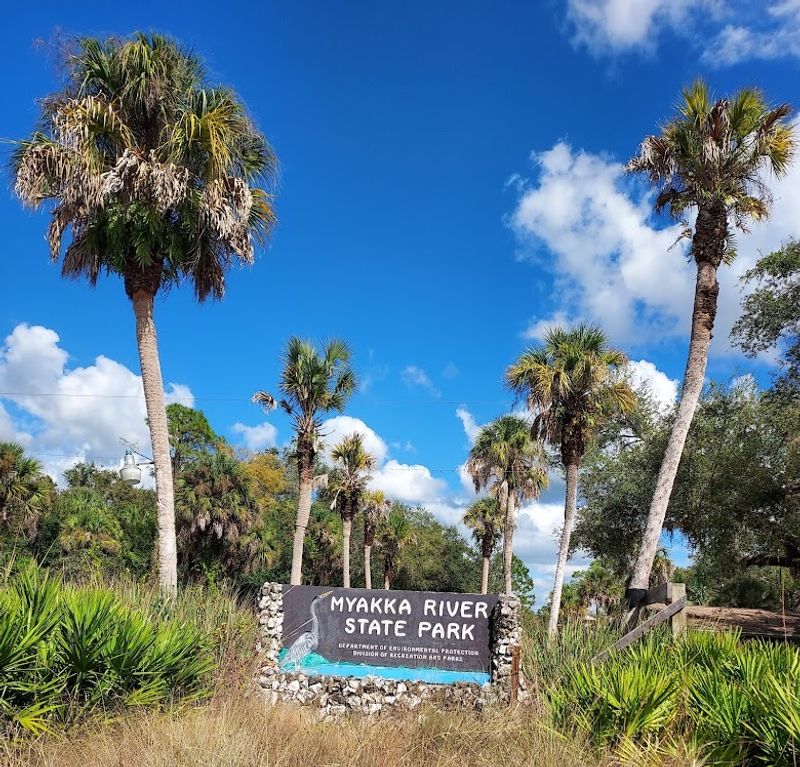
Myakka River State Park in Sarasota County is one of Florida’s oldest and largest state parks, and its 58 square miles hold an impressive roster of wildlife.
The park’s blend of prairies, hammocks, wetlands, and pine flatwoods makes it a reliable location for Eastern diamondback rattlesnake sightings, particularly in the drier upland zones.
Visitors have reported encounters along the park’s unpaved roads and near the edges of the upper and lower Myakka Lakes, especially during cooler parts of the day.
I spent a slow afternoon driving the park’s interior road and spotted a large diamondback coiled in the shadow of a cabbage palm, completely motionless and perfectly camouflaged.
The park’s active wildlife management, including prescribed burns, keeps the palmetto scrub habitat open and healthy, which directly benefits the snakes and their prey base.
Myakka also offers tram tours and airboat rides, giving visitors multiple ways to explore the terrain while keeping a respectful distance from its more assertive residents.
Every visit to Myakka feels like a full-volume reminder of how alive Florida really is beneath its polished surface.
9. Blackwater River State Forest
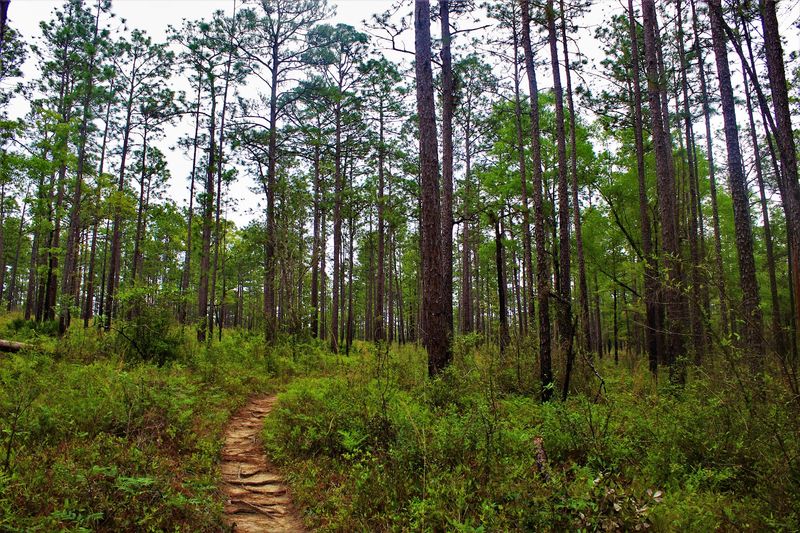
Up in the Florida Panhandle, Blackwater River State Forest carries a completely different character from the swampy south, with rolling sandhills and crystal-clear spring runs defining the landscape.
Covering roughly 190,000 acres in Santa Rosa and Okaloosa Counties, it is the largest state forest in Florida and home to both the timber rattlesnake and the Eastern diamondback.
The timber rattlesnake, known for its bold black-and-yellow banding, tends to favor the more heavily forested ridges and river floodplains found throughout Blackwater’s interior.
Sightings along the Jackson Red Ground Trail and near the Coldwater Recreation Area have been reported by hikers and equestrians over the years.
I visited in early October when the canopy had just begun to shift color, and the cooler temperatures had coaxed a timber rattlesnake out onto a sun-warmed sandy road.
The snake held its position for nearly ten minutes before sliding silently into the leaf litter, a performance I could not have scripted better if I tried.
Blackwater is proof that Florida’s Panhandle deserves far more attention than it typically receives from wildlife enthusiasts.
10. St. Marks National Wildlife Refuge
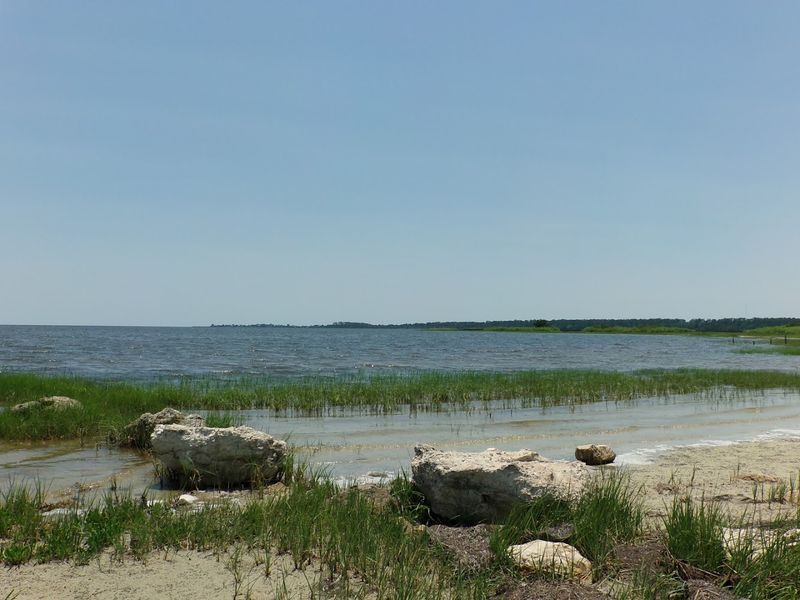
St. Marks National Wildlife Refuge stretches along the Gulf Coast in the Big Bend region of Florida, where the land slowly dissolves into tidal marsh and open water.
Established in 1931, this 70,000-acre refuge in Wakulla County protects a remarkable mix of pine uplands, freshwater impoundments, and saltmarsh edges that rattlesnakes navigate with ease.
The Eastern diamondback is the primary rattlesnake species documented here, often spotted along the refuge’s main lighthouse road during morning and late afternoon hours.
Wildlife photographers in particular have found the road to the historic St. Marks Lighthouse to be a productive route for reptile sightings year-round.
I drove the lighthouse road on a cool November morning and counted two separate rattlesnake sightings within the first three miles, both Eastern diamondbacks crossing from one side of the road to the other.
The refuge’s prescribed burn program keeps the upland habitat open and productive, which consistently supports healthy rattlesnake populations across its interior zones.
St. Marks manages to feel both serene and electric at once, and that combination is something I keep coming back to find.