
11 Areas In Pennsylvania Where Black Bears Have Been Seen This Summer
Black bear sightings have a way of making summer feel a little wilder.
One minute a Pennsylvania trail, backyard, or quiet roadside seems perfectly ordinary, and the next there is a reminder that nature still has its own schedule.
That mix of fascination and caution is exactly what makes these sightings so interesting. Bears are not showing up for drama, but their presence instantly changes the way people pay attention.
Suddenly, every rustle feels more important, trash cans seem less innocent, and a peaceful outing comes with a sharper sense of awareness.
It is a summer story with real outdoor energy and a little nervous curiosity built in.
I always think I am brave about wildlife from a safe distance, but if I actually saw a bear nearby, my calm voice would probably arrive several minutes after I did.
1. Lebanon, Pennsylvania

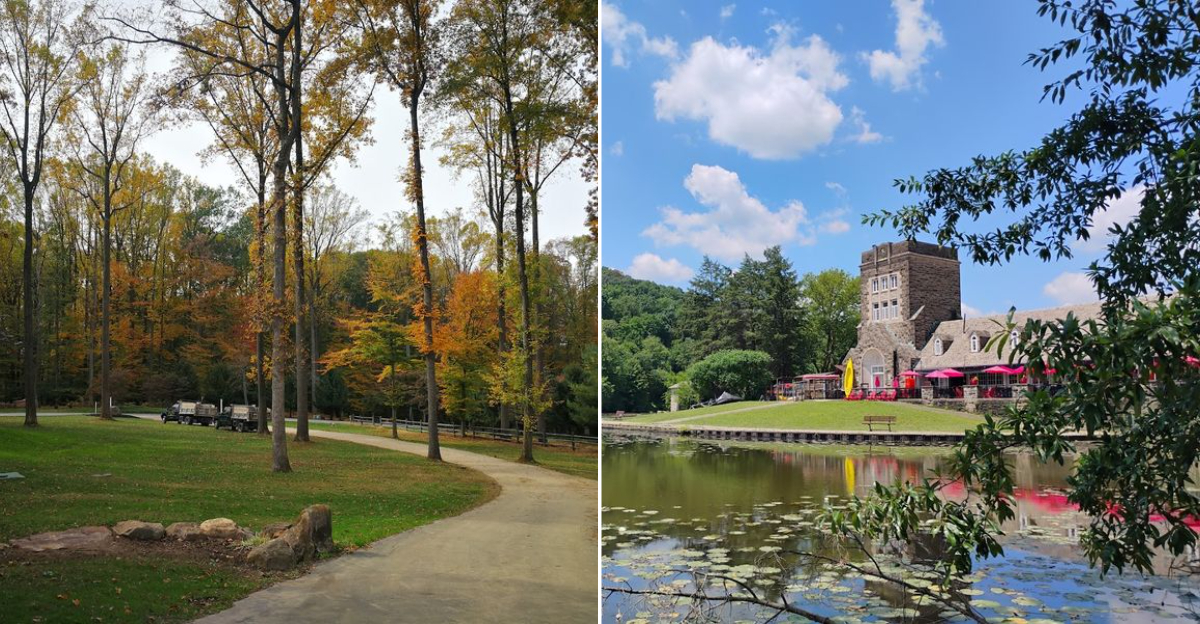
Lebanon might be better known for its bologna than its wildlife, but this summer the city made headlines for a different kind of visitor.
Officials confirmed black bear sightings around Coleman Park, Aspen’s, and Canal Commons, prompting reminders about trash, bird feeders, pets, and keeping a safe distance.
The City of Lebanon confirmed sightings in those three areas and directed residents to report bears to the Pennsylvania Game Commission, allowing wildlife officials to track additional activity across the city there.
If you spot a bear in Lebanon, stay calm, give it plenty of space, and never approach it.
Secure your trash, remove bird feeders during spring and summer, keep pets inside or supervised, and report the sighting through the Pennsylvania Game Commission’s official wildlife hotline.
Lebanon sits in central Pennsylvania, roughly between Harrisburg and Reading, and its combination of neighborhoods, parks, and nearby wooded land gives roaming bears places to move nearby.
Seeing one is memorable, but keeping a safe distance is always the smartest move.
2. Cumru Township, Pennsylvania
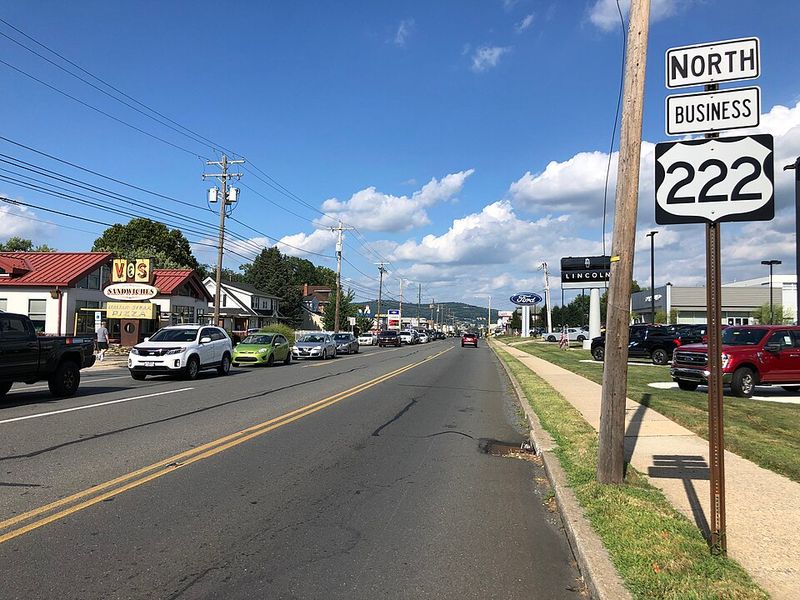
Situated in Berks County just south of Reading, Cumru Township recorded a confirmed black bear sighting this summer.
Police said the animal was last seen June 30 along the 300 block of Gouglersville Road and shared a photograph with the public in the township.
The available report documents one roaming bear, not repeated incidents near Angelica Creek or animals raiding compost bins and bird feeders.
The Pennsylvania Game Commission asked residents to report sightings so officials could follow the bear’s movements through the area during the summer.
Bears seen in southeastern Pennsylvania are often transient rather than permanent residents, but that does not make an unexpected encounter any less startling for nearby residents and visitors. Knowing what to do beforehand still matters.
If you notice a bear outside in Cumru Township, stay indoors or keep a safe distance rather than stepping closer.
Secure pet food and garbage, never feed the animal, and report the sighting so officials can monitor its movement right away. Coexisting with black bears starts with simple, consistent habits at home.
3. Montgomery Township, Pennsylvania
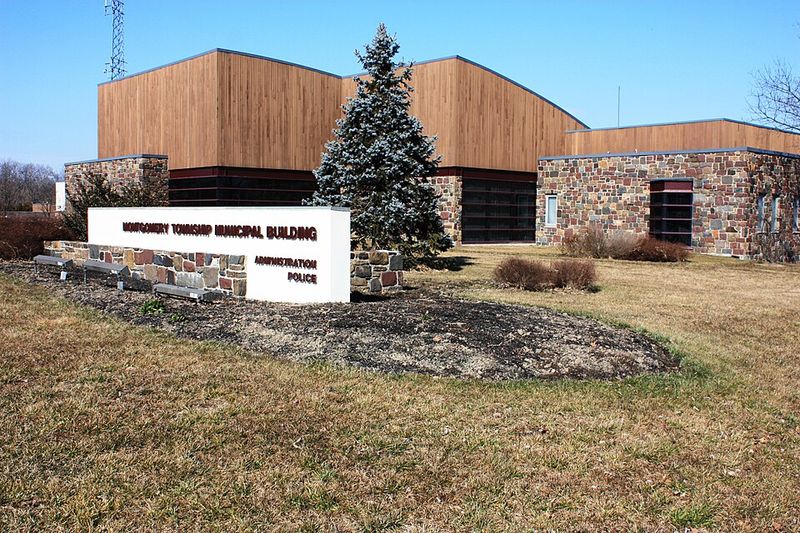
Montgomery Township in Montgomery County is one of the more densely populated suburbs north of Philadelphia, which made a June 26 black bear report especially surprising.
Police responded to the 300 block of North Wales Road, where the animal was seen before running toward nearby woods by Montgomery Commons that evening.
The bear was last observed entering the wooded area between North Wales Road and 1200 Welsh Road.
The official report did not document multiple animals or connect its route specifically to the Wissahickon Creek watershed in the official account of that evening.
Montgomery Township police asked residents to report sightings and shared straightforward safety guidance: stay calm, do not run, back away slowly, never approach or feed the bear, and make noise if it comes close.
Residents should also contact police or the Game Commission with sightings. The good news is that black bears are naturally shy animals and typically want nothing to do with people.
In Montgomery Township, awareness and prevention go a long way toward keeping both residents and wildlife safe throughout the summer season.
4. O’Hara Township, Pennsylvania
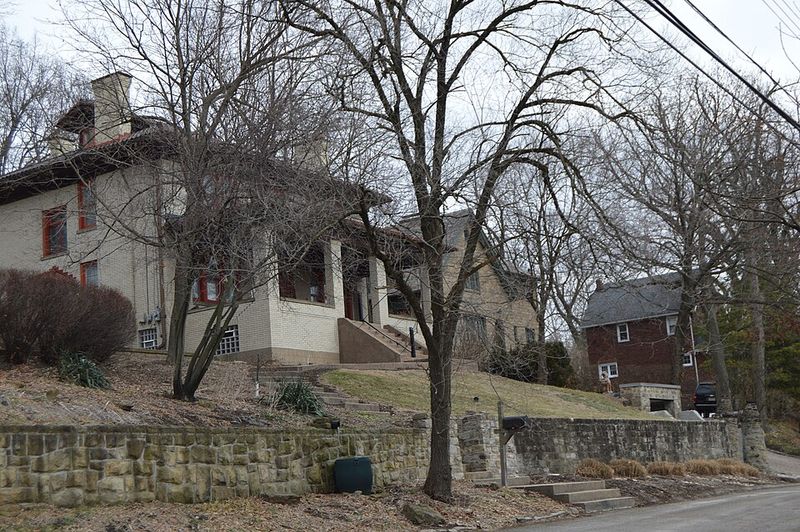
O’Hara Township sits along the Allegheny River in Allegheny County, and its steep, wooded hillsides provide habitat for many kinds of wildlife.
On the evening of June 20, the township reported one bear on its west side, confirming a summer encounter without identifying several residential streets or a broader local pattern across the township.
The township notice did not publish the bear’s exact route, neighborhood, or nearby food sources.
It confirmed only that police received a west-side report, so claims linking the animal specifically to Fox Chapel Golf Club remain unverified in the township’s short public notice.
Residents should remove bird feeders when bears are active, especially during spring and summer, and secure other outdoor food sources.
A bear that finds reliable food near a home may return, making prevention more effective than waiting for repeated visits near neighborhoods during warmer months.
The township’s river and wooded slopes may offer wildlife cover, but officials did not determine how this bear reached the west side.
O’Hara Township still shows that suburban bear encounters can happen in places residents may not expect during summer in western Pennsylvania.
5. Upper Makefield Township, Pennsylvania
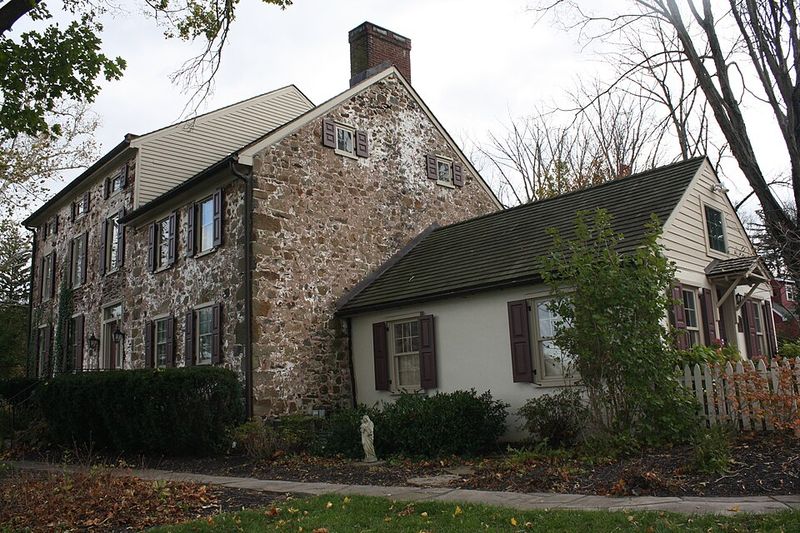
Upper Makefield Township in Bucks County is one of the most scenic areas in southeastern Pennsylvania, with rolling farmland, historic stone buildings, and the Delaware River forming its eastern border.
In June, police reported bears near Stoneybrook Road and Dunkin Drive, including a juvenile captured on residential video that same week.
The available reports do not establish that the bear crossed the Delaware River or identify where it originated.
Pennsylvania wildlife officials note more generally that young male bears often disperse widely, particularly through areas outside the state’s core forest habitat as they search for new home ranges.
Upper Makefield police publicized the sightings so residents could remain aware and avoid approaching the animal.
The reports documented specific locations and video, but did not verify community responses or an organized Facebook warning network operating across the township during that week.
If you encounter a bear around Upper Makefield Township, stay calm, do not run, and back away slowly while giving it an escape route.
Never approach or feed it, and report the sighting to local police or directly through the Pennsylvania Game Commission’s official wildlife reporting line.
6. North Park, Pennsylvania
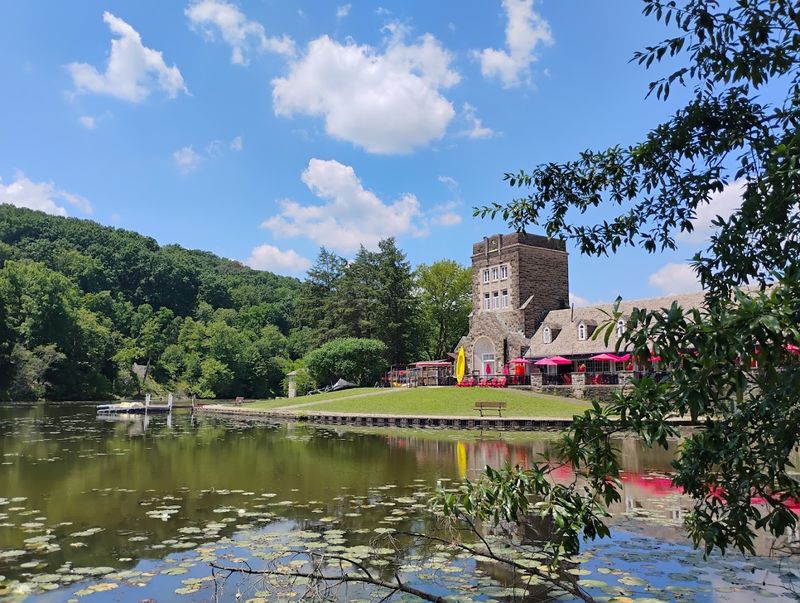
North Park is one of Allegheny County’s most beloved outdoor spaces, covering over 3,000 acres of forest, meadows, and recreational facilities in the northern suburbs of Pittsburgh.
On June 17, a black bear was filmed swimming across North Park Lake, creating one clearly documented summer sighting during a daytime crossing.
Allegheny County Parks notified the Pennsylvania Game Commission, which began monitoring the situation.
Officials did not describe repeated bears throughout the park, but they noted that black bears are common in western Pennsylvania and move through populated areas.
No report linked this animal’s route to Bear Run or explained why it entered the lake.
County officials asked visitors to use caution, give the bear plenty of space, keep dogs leashed, and avoid trying to interact with it.
Additional sightings should be reported promptly, while every encounter should remain wildlife observation rather than an invitation to approach.
North Park is a genuinely wonderful place to spend a summer day, and a bear sighting there is something most visitors will remember for years.
Just appreciate the moment from a respectful distance and let the animal go about its business undisturbed.
7. Media, Pennsylvania

Media, the county seat of Delaware County, is a charming small town with a walkable downtown, tree-lined streets, and a strong sense of community.
On June 9, one black bear appeared on a resident’s security camera, catching people across the borough off guard that night.
The report did not establish that the bear came from Ridley Creek State Park or that food competition pushed it into Media.
Pennsylvania wildlife officials say bears seen in the heavily developed southeastern region are commonly transient animals moving through unsuitable long-term habitat during that reported visit.
Pennsylvania law prohibits intentionally placing food that causes bears to congregate or become accustomed to an area.
Unsecured pet food, compost, garbage, or birdseed is not automatically a fine, though wardens can order wildlife feeding stopped when it attracts a conflict bear under a written temporary directive.
Media is worth visiting any time of year for its restaurants, boutique shops, and community events. This summer, the borough also recorded one memorable but isolated wildlife appearance.
Keep your distance if a bear appears, secure outdoor food sources, bring pets inside, and allow one of Pennsylvania’s iconic animals room to leave.
8. Penn Hills, Pennsylvania

Penn Hills is a large township in Allegheny County located just east of Pittsburgh, and its hilly, wooded terrain supports plenty of wildlife.
On June 2, officials reported black bear sightings around Ross Street Park and Runette Street between Lincoln Road and Mount Carmel, identifying two specific areas in the township that morning for residents.
The municipal alert confirmed sightings in those two areas but did not say that Allegheny County 911 received several calls or that the Game Commission handled persistent cases.
It also did not establish whether reports involved one bear or multiple animals moving through Penn Hills during the township’s initial public notice.
Penn Hills residents should secure garbage, remove accessible birdseed, and bring pet food indoors whenever a bear is nearby.
Those attractants can encourage repeat visits, while removing them usually gives a roaming bear reason to continue moving through the area.
The township’s public alert helped residents identify where the sightings occurred and remain cautious around Ross Street Park and Runette Street.
Sharing verified locations is useful, but unconfirmed assumptions about the bear’s route or behavior should not replace official guidance during any future bear encounter.
9. East Goshen Township, Pennsylvania
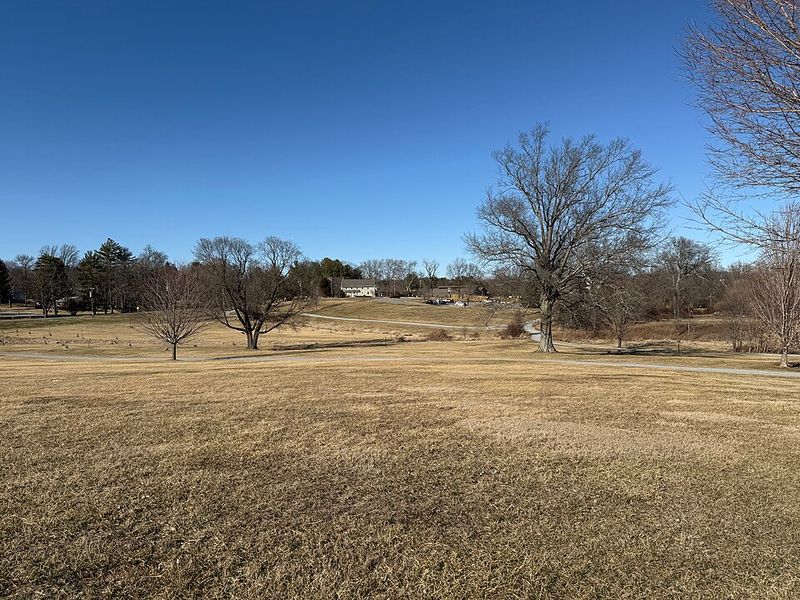
East Goshen Township in Chester County sits in the heart of the Brandywine Valley, a region famous for scenic landscapes, historic estates, and preserved open space.
In early June, officials reported numerous bear sightings in the Wentworth Estates and Bow Tree developments, including video from a residential porch within those neighborhoods.
The documented activity occurred around residential properties, not specifically along township parks and trail corridors.
Police and news reports showed a bear visiting a porch, while additional sightings nearby helped officials follow what may have been the same animal moving through Chester County during the first week of June in 2026.
Pennsylvania officials say black bear sightings have occurred in every county, although the developed southeastern region lacks extensive core habitat and many bears observed there are transient.
That description is more accurate than claiming a documented decade-long expansion into East Goshen during the summer.
If you encounter a bear in East Goshen Township, stay calm, do not run, and back away slowly.
Secure garbage and remove bird feeders rather than approaching the animal, report sightings so officials can follow its movements safely, and avoid blocking any available escape route for it.
10. Willistown Township, Pennsylvania
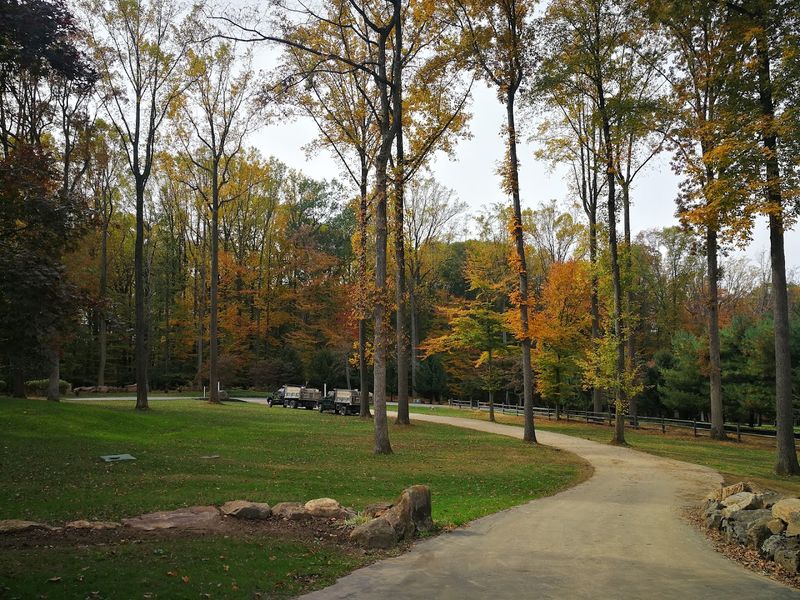
Just west of Malvern and south of Paoli, Willistown Township in Chester County is a quiet, largely residential community with preserved farmland and woodland.
In early June, a homeowner reported a black bear after finding bird feeders knocked down and later seeing the animal beyond his property line during an outdoor visit.
Police believed it might have been the same bear seen about three miles away on an East Goshen porch.
The report did not establish a specific route through conservation land or show that protected properties formed the animal’s travel corridor during the cluster of early June sightings.
The Willistown homeowner first noticed that a bird-feeder pole had been pushed almost flat, then saw the bear while sitting outside.
Available reporting does not identify the Crum Creek headwaters as a sighting center, establish predictable encounter times, or document a pattern involving other township residents.
Willistown Township is a lovely area to explore on foot or by bicycle, and the chance of a bear encounter, however slim, adds a touch of wild unpredictability to any outing.
Respect the animals, give them space, and the experience is one you will not soon forget.
11. Northampton Township, Pennsylvania
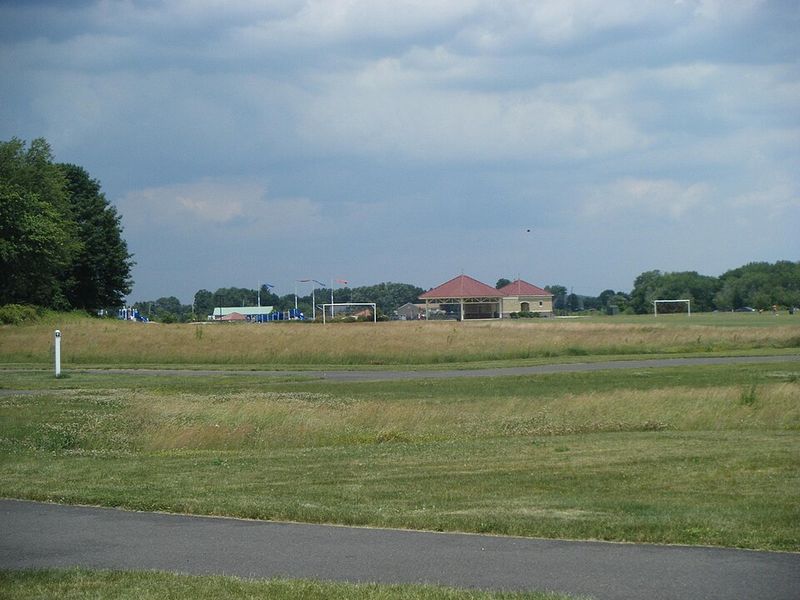
Northampton Township in Bucks County recorded a notable wildlife encounter this summer.
In early June, a black bear was captured on home surveillance video, and the Pennsylvania Game Commission confirmed it was aware of the reported sighting in the Holland section.
The video came from Doris Avenue in the Holland section, while police received another report near St. Leonards and Middle Holland roads.
Officials also believed the same bear may have appeared in nearby Newtown, but did not link its route specifically to Tyler State Park during the same week.
Northampton Township police urged residents not to approach the bear and to report sightings immediately.
Securing garbage, pet food, birdseed, grills, and other outdoor attractants can reduce the likelihood that a roaming animal returns close to homes during future visits.
The Pennsylvania Game Commission notes that bears seen in southeastern Pennsylvania are often transient, but they remain large wild animals.
Northampton Township residents should keep a safe distance, back away slowly rather than running, protect pets, and contact authorities if a bear lingers, appears injured, behaves unusually, or repeatedly returns to a developed area near homes. Awareness is truly the best tool anyone has.