
14 Arizona Food Traditions That Confuse Outsiders Until They Try Them
The state of Arizona sits at a crossroads of cultures, where Mexican heritage meets Native traditions and modern American appetites collide with desert survival wisdom.
The result is a food landscape that makes perfect sense to locals and zero sense to everyone else. Outsiders squint at bacon-wrapped hot dogs buried under beans, at cactus served like vegetables, at beef drying on rooftops under the blazing sun.
But one taste changes everything, and suddenly the strange becomes essential.
1. Sonoran Hot Dogs – A Hot Dog That Looks Like It Lost a Bet
To visitors, the Sonoran hot dog looks like someone dared a street vendor to put everything on one bun: a bacon-wrapped frank tucked into a sweet, pillowy bolillo roll, then buried under pinto beans, diced tomato, onions, jalapeños, mayo, mustard, and salsa.
In Tucson, where the style is legendary, stands and carts light up at dusk, turning parking lots into impromptu food festivals.
Tucson has been named a UNESCO Creative City of Gastronomy, and the Sonoran dog is one of the plates that gets talked about in the same breath as carne seca and breakfast burros.
Outsiders stare at the overloaded tray, wondering how you’re supposed to eat it without a disaster. Locals just lean in, grab extra napkins, and know that once you’ve had a proper Sonoran dog, a plain ballpark hot dog will never quite cut it again.
2. Navajo Fry Bread Tacos – A Whole Meal on a Puffy Circle of Dough
Fry bread, on its own, is already puzzling to newcomers: a round of dough, deep-fried until it bubbles and blisters, then handed to you with honey or powdered sugar, or topped with savory fillings.
Its history is complicated and tied to Native communities in Arizona, who created it from government rations of flour, sugar, and lard in the 19th century.
Then come Navajo tacos: that same fry bread buried under beans, spiced meat, cheese, lettuce, and salsa.
To an outsider, it’s not quite a taco, not quite a tostada, and definitely not a pizza, just a wobbly, knife-and-fork situation on a paper plate at powwows, roadside stands, and fairs across the state.
One bite of the crisp-outside, soft-inside bread soaking up chile and melted cheese, and all the confusion turns into quiet, concentrated eating.
3. Arizona Cheese Crisp – Not Just a Quesadilla
Somebody from out of state looks at a cheese crisp and says, oh, a flat quesadilla. And that’s how locals know you’re not from around here.
An Arizona cheese crisp is a flour tortilla brushed with butter, baked until crackling crisp, then blanketed with shredded cheese and often green chiles, baked again until everything is molten and bubbly.
It’s an Arizona-born bar-and-family-restaurant staple, with Tucson spots like El Charro Café credited for popularizing it so thoroughly that you almost never see it outside the state.
The first time visitors try to pick up a wedge, they’re surprised: no fold, no second tortilla, just a thin, shattering base with rivers of cheese. It’s simple, messy, and somehow exactly what you want.
4. Chimichangas – When Arizona Deep-Fried Its Burrito
To a newcomer, a chimichanga sounds like a joke, so you took a burrito and deep-fried it? But in Arizona, the chimi is local lore.
Stories swirl around Tucson’s El Charro Café and Phoenix’s Macayo’s, both claiming to have accidentally dropped a burrito into hot oil and discovered greatness.
What arrives at the table is a golden, blistered parcel, stuffed with beef, carne seca, or chicken, smothered in sauce and cheese.
Outsiders are usually skeptical until their fork cracks the crisp tortilla and steam billows out. It’s rich, indulgent, and very much an only-on-vacation kind of plate that locals secretly eat far more often than they admit.
5. Carne Seca – Sun-Dried Desert Beef From the Rooftop
Carne seca doesn’t look confusing at first glance; it’s just shredded beef. The strange part is how it gets that way.
In Tucson, especially at iconic restaurants like El Charro Café, thin slices of marinated beef are hoisted up into mesh cages on the rooftop to dry in the Sonoran sun and breeze before being cooked, shredded, and served.
Visitors hear we dry the meat on the roof and instinctively picture every dust storm they’ve ever seen.
Then the plate arrives, carne seca sautéed with chiles, tomatoes, and onions, tucked into tacos or piled beside tortillas, and the flavor is deep, smoky, and a little wild, like the desert itself.
Suddenly, the rooftop cages make perfect sense.
6. Prickly Pear Drinks – Neon Cactus in a Glass
If you’ve never seen prickly pear before, Arizona’s bright magenta drinks look suspicious. They’re too pink, like someone spiked your lemonade with melted cotton candy.
But that color comes from the ripe fruit, called tunas, of the prickly pear cactus, long used in Sonoran Desert cooking and now turned into syrup for lemonades and aguas frescas across Tucson and beyond.
Guides even call prickly pear drinks among Arizona’s most iconic refreshments.
Outsiders expect something artificial; instead, they get a tart-sweet flavor somewhere between watermelon, raspberry, and kiwi, plus the sense that they’re literally drinking the desert at sunset.
I remember my first sip felt like tasting a sunrise.
7. Tepary Beans & Desert Crops – Ancient Beans on Modern Plates
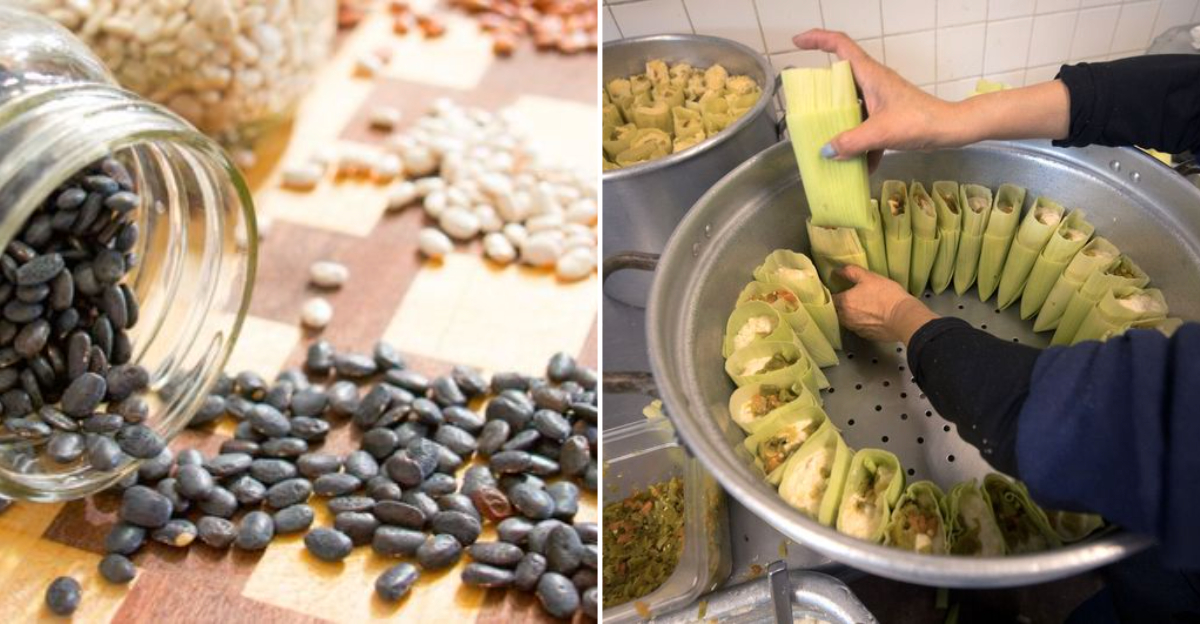
Ask for beans in most states and you get pintos or black beans. In Arizona, especially around Tucson and Tohono O’odham communities, you might be handed tepary beans instead, small, pale beans that have been grown in the Sonoran Desert for centuries because they thrive in brutal heat and drought.
Tepary beans, cholla cactus buds, mesquite flour, and prickly pear fruit and pads show up on menus as symbols of a revived desert food culture, celebrated by groups like Native Seeds and local farms.
To visitors, it’s odd to see beans that come with a story about Indigenous agriculture, climate resilience, and even myths about the Milky Way.
Then they taste the earthy sweetness of teparies in a stew or salad and realize desert food can be both practical and delicious.
8. Mesquite-Smoked and Mesquite-Floured Everything
In other places, mesquite is a random bag of charcoal for backyard grills. In southern Arizona, it’s a heritage.
Mesquite pods are milled into a naturally sweet, nutty flour that bakers fold into pancakes, cookies, and bread alongside heritage grains like White Sonora wheat.
Then there’s the smoke, used to flavor everything from grilled meats to baked goods, crafting flavors explicitly marketed as tasting like the Sonoran Desert, campfire embers and toffee in every bite.
Outsiders might assume it’s a gimmick until they bite into a mesquite-flour cookie and realize this tree quietly runs through half the menu.
I’ve baked with mesquite flour myself, and it transforms even the simplest recipes into something unforgettable.
9. Green Corn Tamales – Summer Tamales, Not Christmas Ones
A lot of people think of tamales as winter food, especially Christmas food. In Arizona, particularly Tucson, locals also wait for summer, when green corn tamales start popping up.
Instead of dried masa harina, these tamales use fresh, tender corn scraped right off the cob, giving them a lighter, almost pudding-like texture and a gentle sweetness.
Tucson institutions have been selling them as a seasonal treat for decades, and they’re regularly listed among the city’s must-try dishes.
Visitors expecting the dense, holiday version bite in and get something soft, fragrant, and almost dessert-like even when it’s wrapped around cheese and chiles.
It feels backwards, tamales in the heat, but once you taste them, it makes all the sense in the world.
10. Tamale Marathons at Christmas – Entire Weekends of Masa
Then, of course, come the winter tamales. In Arizona, tamales at Christmas aren’t just a dish; they’re a project.
Families and friends turn kitchens and garages into assembly lines: one table spreading masa on corn husks, another adding fillings like red chile beef, green chile pork, sometimes olives, then a steaming station finishing the job.
Markets in Phoenix and Tucson sell tamales by the dozen to those who don’t have the stamina for an all-day tamalada, and lines snake out the doors anyway.
For outsiders, the idea of spending an entire weekend rolling the same food can seem absurd.
Then somebody hands them a still-steaming tamale on Christmas Eve, and suddenly the whole exercise feels like the most sensible holiday tradition anyone ever invented.
11. Frozen Fruit Drinks and Ranch Fries – Tucson’s Brain Freeze Ritual
Some visitors first see a sign for a local chain and assume it’s just another sandwich shop. Tucsonans know better.
Since the 1970s, Tucson has been home to a beloved spot serving soft, slushy frozen fruit drinks alongside subs and crinkle-cut fries drenched in ranch dressing.
The chain has weathered rough patches, even filing for bankruptcy and closing a few locations in 2024, but it’s since been bought out with a plan to keep its remaining Arizona restaurants open and operating.
To locals, grabbing a frozen fruit drink and ranch fries after a hot day or a high-school game is practically a rite of passage.
Outsiders stare at the fluorescent drinks and the amount of ranch involved, laugh, and five minutes later are chipping the last frozen bits out of the cup.
12. Chiltepin Heat – Tiny Wild Chiles That Hit Like a Truck
Visitors usually expect giant jalapeños or neon-orange habaneros. In southern Arizona, someone might hand you a tiny bead-sized chile and say, careful, that’s chiltepin.
Chiltepin peppers are wild, pea-sized chiles native to the Sonoran Desert and long used in Indigenous and Mexican cooking.
Gastronomy boosters list them right alongside tepary beans and prickly pear as key local ingredients, and you’ll sometimes see them crushed into salsas or offered whole at the table.
Outsiders pop one in their mouth, underestimate it, and spend the next sixty seconds blinking back tears while everyone else nods approvingly.
It’s a tiny reminder that the desert doesn’t need to be big to be powerful.
13. Eating Cactus – Nopales and Prickly Pear Pads on the Plate
For many people, cactus is a landscaping choice, not a lunch option. Arizona blurs that line.
The same prickly pear cactus that gives those magenta drinks also shows up on plates: the pads, called nopales, are cleaned of spines, sliced, and grilled or sautéed until tender, then tucked into tacos or served in salads.
Local guides to Tucson’s traditional foods list prickly pear fruit and pads right alongside tepary beans and mesquite as core flavors of the region.
Visitors eye the glossy, green strips suspiciously, is that cactus, and then discover the flavor is surprisingly familiar, a little like green beans or okra with a citrusy edge.
After that, the cactus on the menu stops feeling strange and starts feeling like Arizona.
14. Breakfast Burros the Size of Your Forearm
Elsewhere, breakfast might be a dainty sandwich or a polite bowl of oatmeal. In parts of Arizona, especially Tucson and Phoenix, it can be a tortilla-wrapped commitment: the breakfast burro.
These massive flour-tortilla burritos come jam-packed with eggs, potatoes, bacon or chorizo, cheese, and often green chile.
Food writers describe grilled breakfast burros as part of the city’s everyday eating, right up there with Sonoran dogs and carne seca.
Outsiders pick one up with both hands, realize it weighs about as much as a small dumbbell, and wonder who decided this was a reasonable morning portion.
Halfway through, they stop asking questions, lean back in their chair, and understand why Arizona mornings start a little slower but a lot happier.