
14 Arizona Ghost Towns Forgotten By Time But Stunningly Beautiful
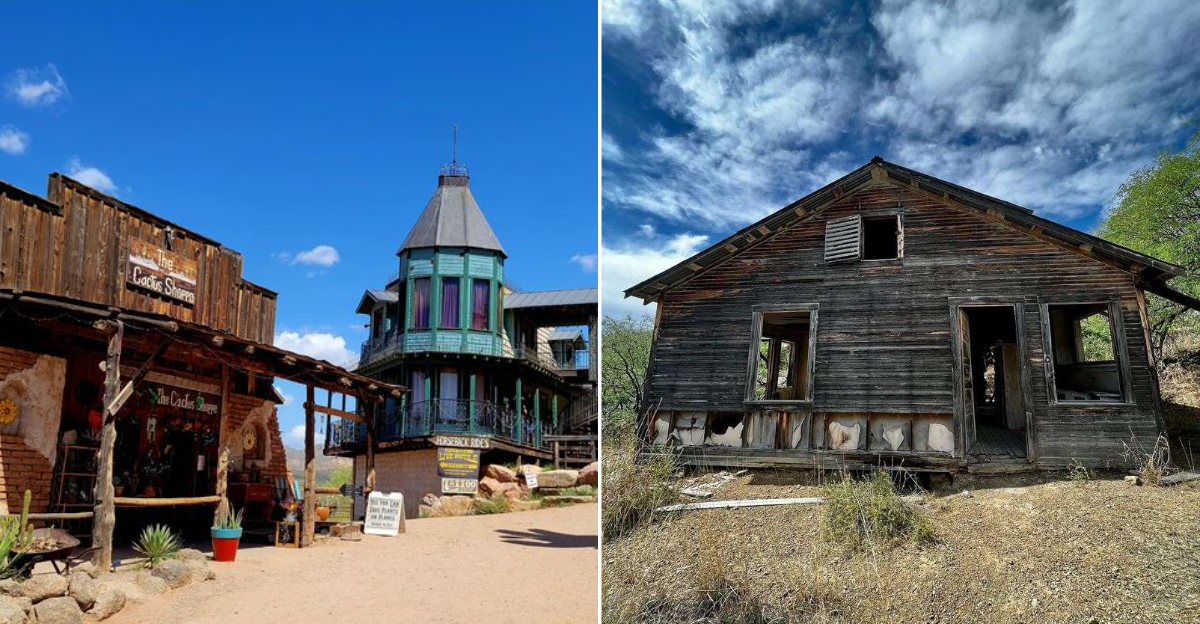
Arizona is full of ghost towns that feel frozen in time, each with its own story etched into weathered buildings and deserted streets.
From tiny settlements tucked into rugged desert landscapes to once-bustling mining towns, these locations capture the imagination.
Visiting addresses scattered across the state, you’ll find hauntingly beautiful ruins, colorful sunsets, and a quiet charm that’s impossible to ignore.
These forgotten towns prove Arizona’s history can be as breathtaking as its scenery.
1. Oatman
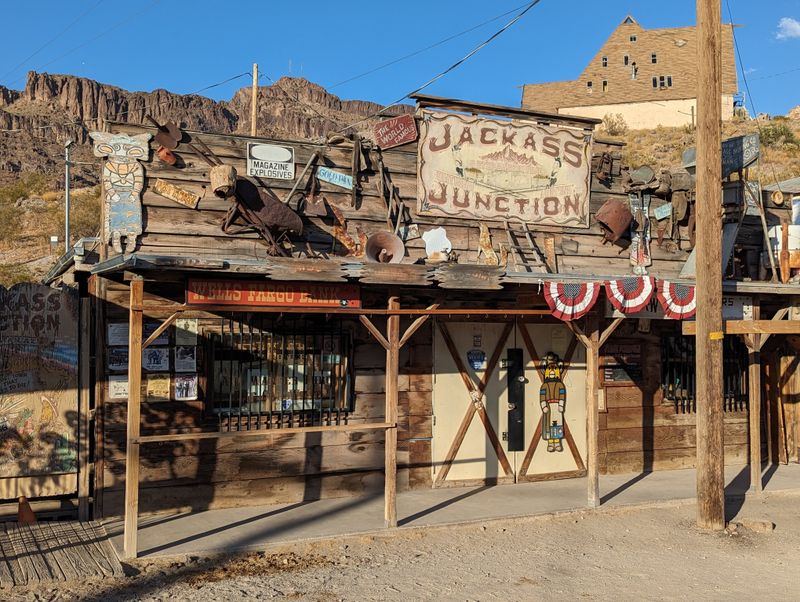
Wild burros roam freely through the streets, descendants of pack animals left behind by miners decades ago.
Route 66 runs right through the heart of town, making this spot a favorite for road trippers seeking authentic Old West vibes.
The main street looks like a movie set with weathered wooden buildings and creaky boardwalks.
Gunfight reenactments happen regularly, drawing crowds who gather to watch cowboys settle scores the old-fashioned way.
Gift shops sell everything from turquoise jewelry to burro feed, because yes, you can hand-feed these friendly four-legged locals.
The Oatman Hotel, where Clark Gable and Carrie Lombard honeymooned in 1939, still stands proud.
Located in the Black Mountains near the California border, Oatman sits about 30 miles southwest of Kingman.
Summer temperatures soar, so visit during cooler months when exploring feels less like walking through an oven.
2. Goldfield Ghost Town
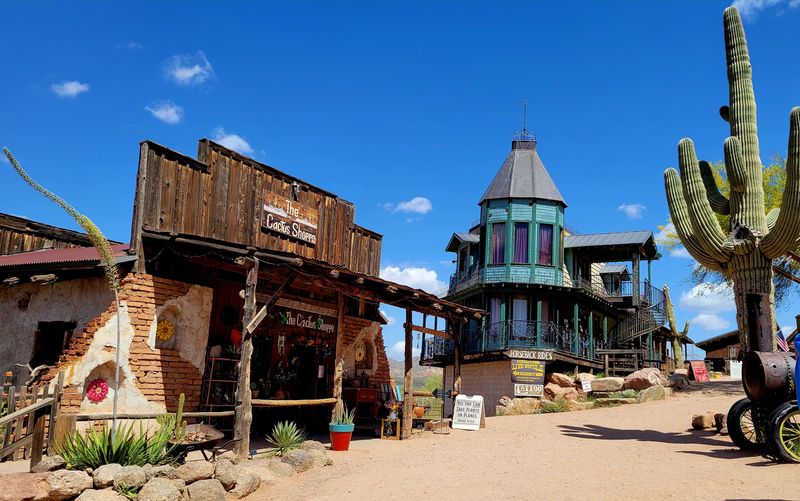
Reconstructed buildings bring the 1890s mining era back to life at the base of the legendary Superstition Mountains.
A narrow-gauge railroad chugs visitors around the property, offering views of the rugged desert terrain that once promised gold to hopeful prospectors.
The mine tours take you underground where miners once swung pickaxes in search of precious metal.
Staged gunfights and can-can dancers perform throughout the day, creating entertainment that feels pulled straight from a Western film.
The Mystery Shack defies gravity with optical illusions that leave visitors scratching their heads.
A working blacksmith demonstrates traditional metalworking techniques using century-old tools and methods.
Find this attraction on North Mammoth Mine Road in Apache Junction, just off Highway 88.
The Superstition Mountain backdrop makes for incredible photos, especially during golden hour when the rocks glow orange and purple.
3. Vulture City
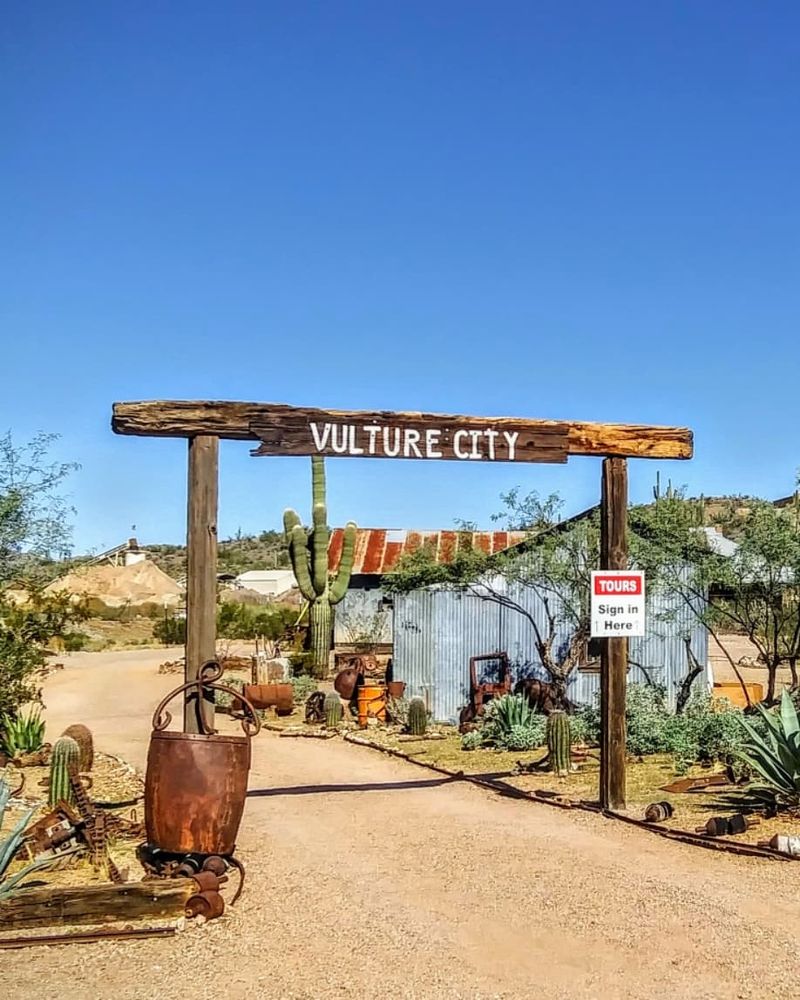
Henry Wickenburg discovered gold here in 1863 after following a vulture to its roost, and the mine that followed became Arizona’s most productive.
Original structures still stand, including the assay office, blacksmith shop, and schoolhouse, all slowly surrendering to the desert sun.
Rusted mining equipment dots the landscape like sculptures in an open-air museum.
The infamous hanging tree remains on site, where justice was swift and final for those caught stealing gold from the mine.
Self-guided tours let you wander through buildings frozen in time, with artifacts and tools scattered as if workers just stepped out for lunch.
Photography enthusiasts go wild capturing peeling paint, weathered wood, and the stark beauty of decay.
Located about 12 miles south of Wickenburg off Vulture Mine Road, this privately owned site opens for tours on weekends.
Wear sturdy shoes because the terrain is rough and uneven.
4. Ruby
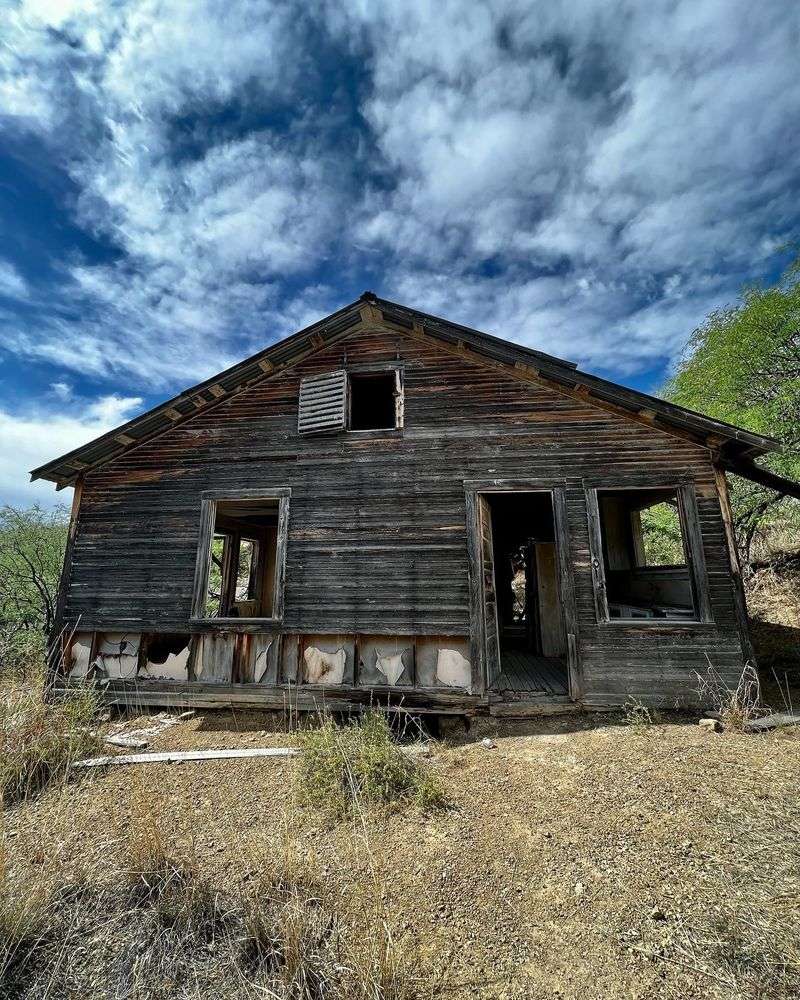
Tucked in the remote mountains near the Mexican border, Ruby remains one of Arizona’s most intriguing ghost town sites.
Mining operations here extracted lead, zinc, and silver until around 1940, when the company finally shut down and workers scattered.
More than two dozen structures have been associated with the townsite over time, including the jailhouse, schoolhouse, and the mine superintendent’s home.
The town earned notoriety for the Ruby Murders of 1920-1921, when bandits killed four people during store robberies, creating headlines across the Southwest.
Ruby sits on private property, so access can be limited, and you may need to be satisfied with viewing what remains from the road depending on current rules.
The journey requires driving a rough dirt road that keeps casual tourists away, preserving the site’s haunting authenticity.
Find Ruby near Arivaca in Santa Cruz County, reached via Ruby Road in the Coronado National Forest area.
The isolation adds to the eerie atmosphere, making you feel like you’ve stepped back a century.
5. Swansea
Copper brought miners to this desolate spot in 1909, and within a few years, Swansea boasted a population of 750 residents.
The massive stone smelter still dominates the landscape, its walls standing defiant against decades of desert winds and scorching heat.
Unlike some restored ghost towns, Swansea remains genuinely abandoned, with no gift shops or staged shootouts to break the spell.
Stone foundations mark where homes, saloons, and businesses once thrived in this community that vanished almost overnight when copper prices dropped.
The remoteness keeps crowds away, giving adventurous visitors a chance to explore undisturbed ruins and imagine life in this harsh environment.
Bring plenty of water because shade is scarce and temperatures climb quickly.
Located off Highway 95 between Bouse and Parker, reaching Swansea requires navigating rough dirt roads suitable only for high-clearance vehicles.
The Bureau of Land Management manages the site as a historical area.
6. Hackberry
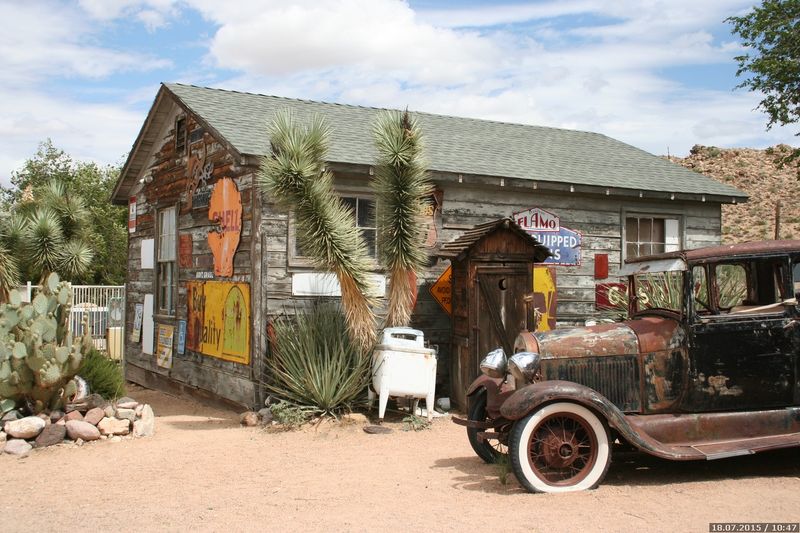
Route 66 nostalgia reaches peak levels at the Hackberry General Store, a time capsule packed with vintage signs, classic cars, and roadside Americana.
This tiny settlement served travelers on the Mother Road for decades before the interstate system rendered it nearly obsolete.
The general store, lovingly restored and crammed with memorabilia, functions as both museum and gift shop.
Old gas pumps stand out front like sentries guarding memories of cross-country adventures in tail-finned Chevrolets and wood-paneled station wagons.
The owner has collected an astounding array of Route 66 artifacts, creating an Instagram-worthy backdrop at every turn.
Vintage Corvettes and pickup trucks parked around the property add to the retro atmosphere.
Find Hackberry on Historic Route 66 between Kingman and Seligman, about 25 miles northeast of Kingman.
Stop in for cold drinks, souvenirs, and conversations with fellow road trippers chasing that classic American highway experience.
7. Agua Caliente
Natural hot springs gave this settlement its name, attracting travelers and settlers to what seemed like an oasis in the harsh Sonoran Desert.
A small community once took shape around the springs, tied to ranching and the occasional flow of travelers.
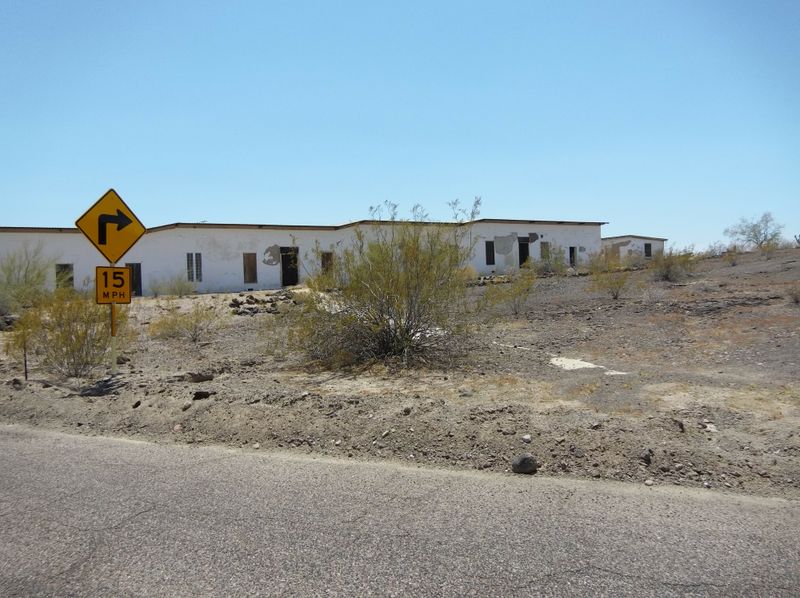
Today only scattered ruins remain, slowly melting back into the earth.
Adobe walls crumble while mesquite trees reclaim the land, creating an atmosphere of peaceful abandonment.
The hot springs still bubble up from underground, though accessing them can require permission from private landowners.
Photographers appreciate the way desert light plays across the ruins, especially during early morning hours.
Located in the Agua Caliente area southeast of Tucson, reaching these ruins involves navigating backcountry roads through remote desert terrain.
The isolation means you’ll likely have the place to yourself, perfect for quiet reflection.
8. Kentucky Camp
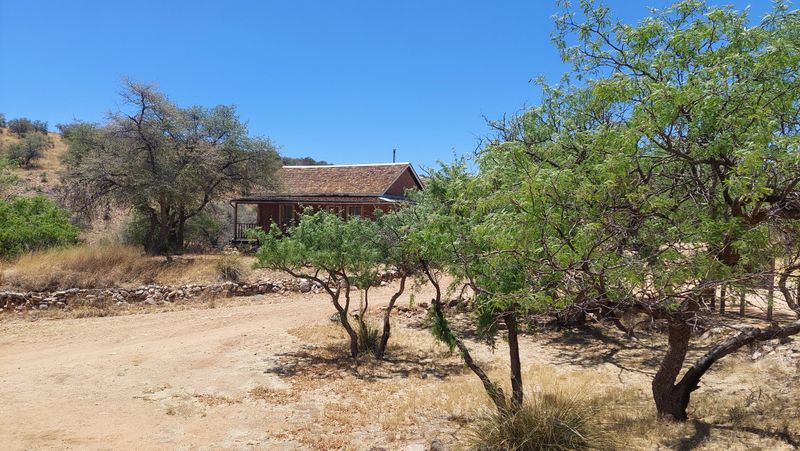
Unlike most ghost towns baking in desert heat, Kentucky Camp sits in oak-studded hills at 5,000 feet elevation where temperatures stay pleasant.
Built in 1904 as headquarters for the Santa Rita Water and Mining Company, the camp processed ore from nearby mines using innovative methods.
Five original buildings survive in remarkable condition thanks to restoration efforts by volunteers and the Forest Service.
The headquarters building, bunkhouse, and other structures feature wooden construction that has weathered surprisingly well in this mountain climate.
Interpretive signs explain the mining operations and daily life of workers who lived in this isolated spot.
The drive in follows a scenic dirt road through beautiful high desert landscape dotted with oak trees.
Find Kentucky Camp in the Santa Rita Mountains about 25 miles south of Tucson off Gardner Canyon Road.
The site makes a perfect picnic destination combined with a step back into Arizona’s mining heritage.
9. Fairbank
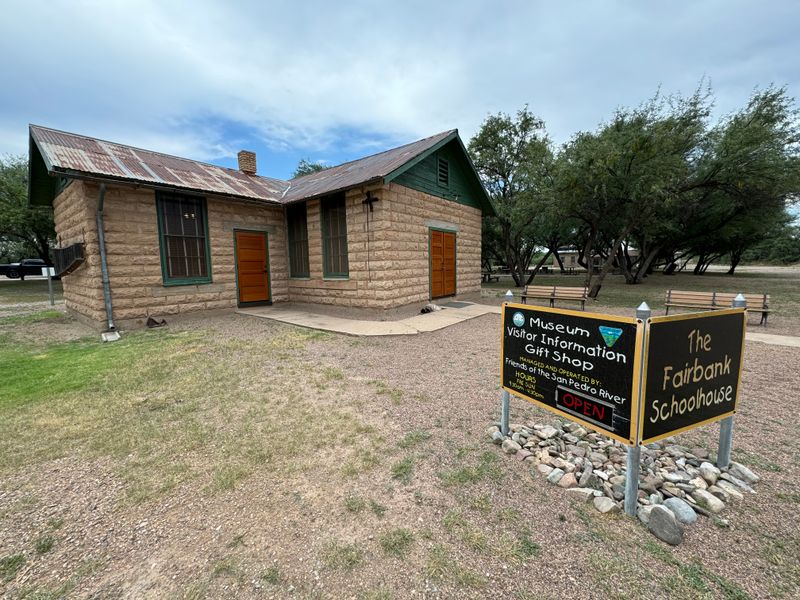
Railroad tracks brought prosperity to Fairbank when it served as a transportation hub for nearby mining communities like Tombstone and Charleston.
The town sprang up in 1881 along the San Pedro River, quickly becoming a vital link in the region’s mining economy.
At its peak, Fairbank boasted hotels, saloons, a general store, and a Wells Fargo office that survived an attempted robbery in 1900.
The old schoolhouse still stands, along with several other structures maintained by the Bureau of Land Management.
Unlike rowdy mining camps, Fairbank served more as a supply and shipping point, giving it a slightly more civilized character.
Walking trails connect the various buildings, and interpretive panels tell stories of the families who built lives here.
Located off Highway 82 between Tombstone and Sierra Vista, Fairbank offers easy access with a maintained parking area.
The San Pedro Riparian National Conservation Area surrounds the site, adding bird watching opportunities to your ghost town exploration.
10. Courtland
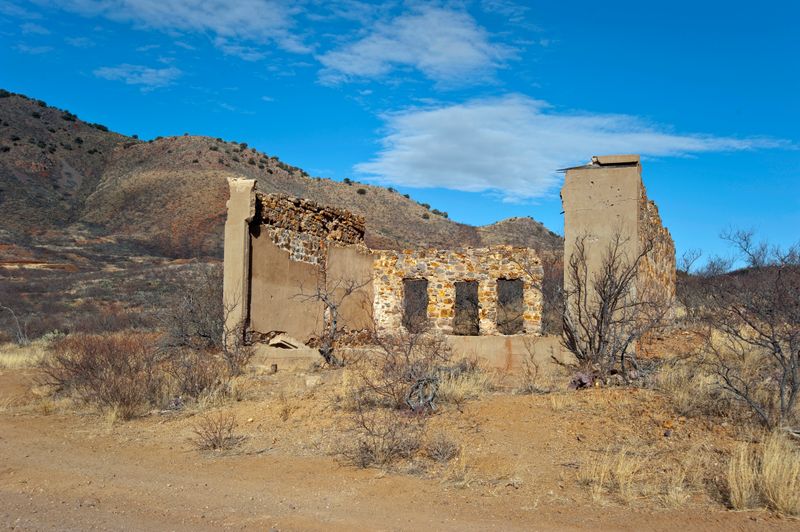
Copper fever gripped this area in 1909, and within months Courtland mushroomed into a town of 2,000 residents complete with electric lights and running water.
Two newspapers competed for readers, while saloons and businesses lined streets that buzzed with activity day and night.
The Great Western Smelter processed ore from local mines, filling the air with smoke and the promise of prosperity.
By 1942, the party was over, and Courtland joined the ranks of Arizona’s abandoned mining camps.
Today you’ll find mostly foundations and scattered debris, with one notable exception: the old jail still stands, its barred windows staring blankly at the desert.
The site requires imagination to picture the bustling community that once occupied this windswept spot.
Find Courtland off Highway 80 near Pearce in southeastern Arizona.
The ruins sit on a mix of public and private land, so respect boundaries while exploring what little remains.
11. Pearce
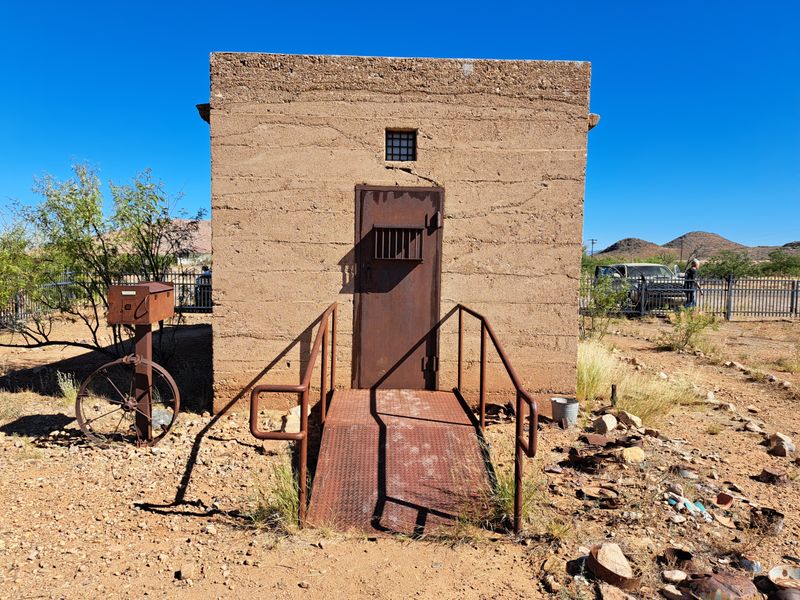
Gold discovery in 1894 sparked Pearce’s creation, and the Commonwealth Mine eventually produced millions of dollars in precious metal.
Unlike completely abandoned ghost towns, Pearce maintains a tiny population of residents who live among the historic structures.
The old general store, built in 1896, operates as a museum showcasing artifacts from the town’s glory days.
Original buildings line the main street, creating a fascinating mix of occupied homes and empty shells slowly succumbing to time.
The Commonwealth Mine produced gold until 1904, then silver until finally closing in the 1930s when mineral deposits played out.
Walking through Pearce feels like visiting a living museum where past and present coexist uncomfortably.
Located on Highway 191 between Sunsites and Cochise in southeastern Arizona, Pearce sits about 30 miles north of Bisbee.
The museum keeps limited hours, so check ahead if you want to explore the interior exhibits and collections.
12. Gleeson
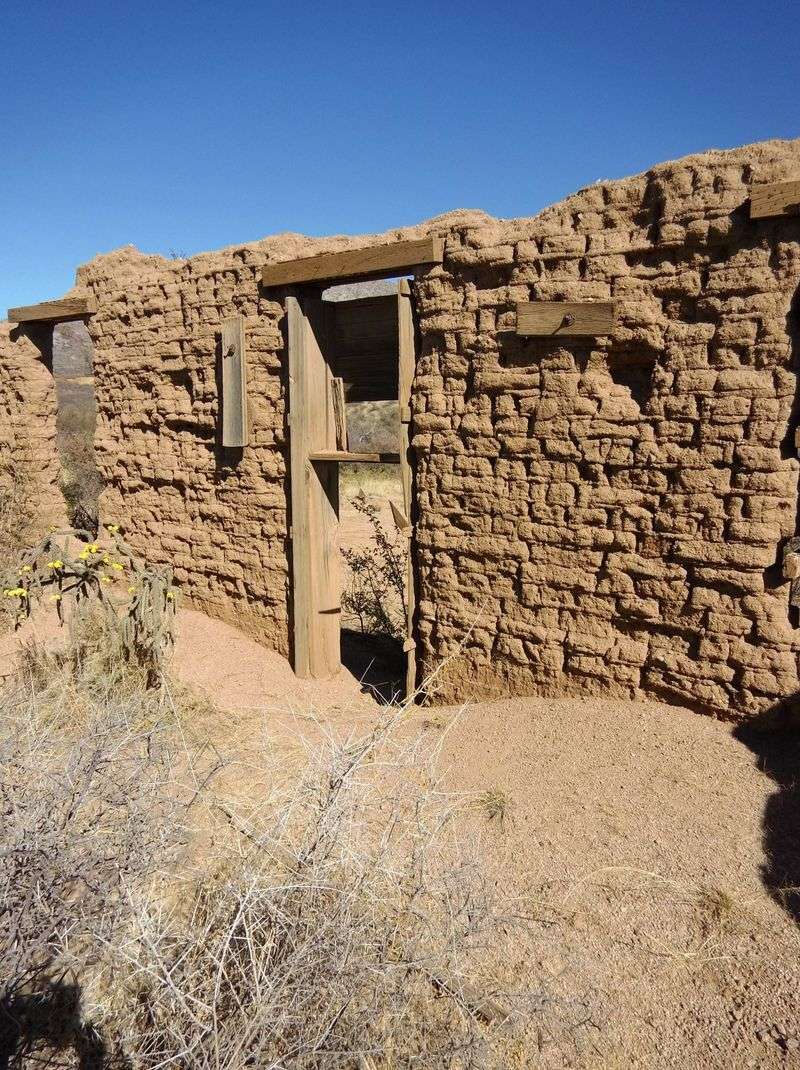
Turquoise and copper lured prospectors to Gleeson starting in the 1870s, but the real boom came after 1900 when high-grade ore deposits were discovered.
The town grew to support 500 residents who worked the mines and patronized numerous saloons that made Gleeson famous for rowdy behavior.
The jail, built from native stone, worked overtime housing drunks and troublemakers who got too enthusiastic on payday.
That jail remains the most photogenic structure, its thick walls and barred windows looking like something from a Western movie.
A few other ruins dot the landscape, including foundations and partial walls that hint at the community’s former size.
The cemetery on a nearby hillside contains weathered headstones marking the graves of miners and their families.
Find Gleeson off Highway 80 near Tombstone in southeastern Arizona.
The site sits on private property, but the jail and cemetery are visible from the road for photography and exploration.
13. Chloride
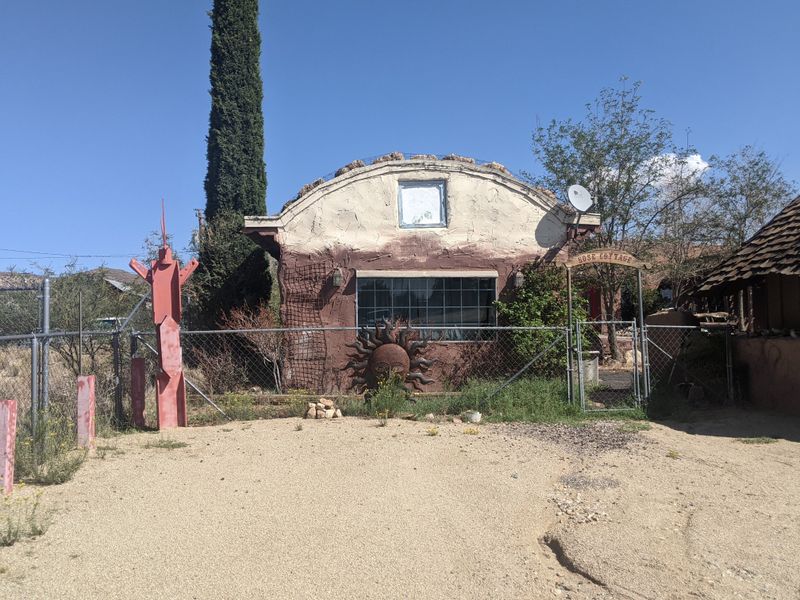
Silver strikes in 1863 founded Chloride, making it Arizona’s oldest continuously inhabited mining town.
Unlike truly abandoned ghost towns, about 250 hardy souls still call this place home, keeping the spirit of the Old West alive through sheer determination.
Original buildings line the main street, housing antique shops, a general store, and the Yesterday’s Restaurant serving comfort food to visitors and locals alike.
Murals painted on rocks outside town by artist Roy Purcell create a psychedelic contrast to the weathered wooden structures.
Mock gunfights happen on Saturdays, drawing crowds who appreciate the tongue-in-cheek performances.
The surrounding mountains hide abandoned mines and hiking trails that reward explorers with stunning desert vistas.
Located about 20 miles northwest of Kingman off Highway 93, Chloride makes an easy day trip.
The town celebrates its heritage with special events throughout the year, including Old Miners Day each June.
14. Two Guns
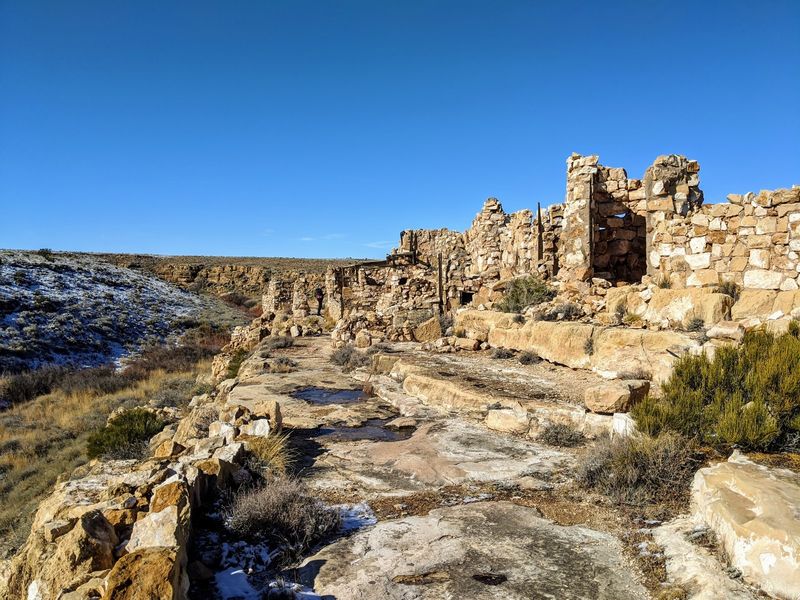
Route 66 travelers once stopped by the thousands at this roadside attraction built atop ancient ruins and a natural bridge over Canyon Diablo.
Entrepreneurs created a tourist trap complete with a zoo, trading post, and attractions that promised thrills and souvenirs.
The Apache Death Cave nearby became a grim selling point, where guides recounted tales of a massacre said to have occurred in the late 1800s.
Fire and economic changes killed the business, leaving behind crumbling stone buildings covered in graffiti that some consider art and others vandalism.
The ruins have appeared in music videos and photographs celebrating Route 66’s faded glory.
Exploring requires caution because structures are unstable and rattlesnakes appreciate the shade provided by collapsed walls.
Find Two Guns along I-40 east of Flagstaff, visible from the interstate near Exit 230.
The site sits on private property with no trespassing signs, though photographers often shoot from the roadside to capture the haunting atmosphere.