
Arizona Has A Haunted Museum And It’s Every Bit As Curious As You’d Hope
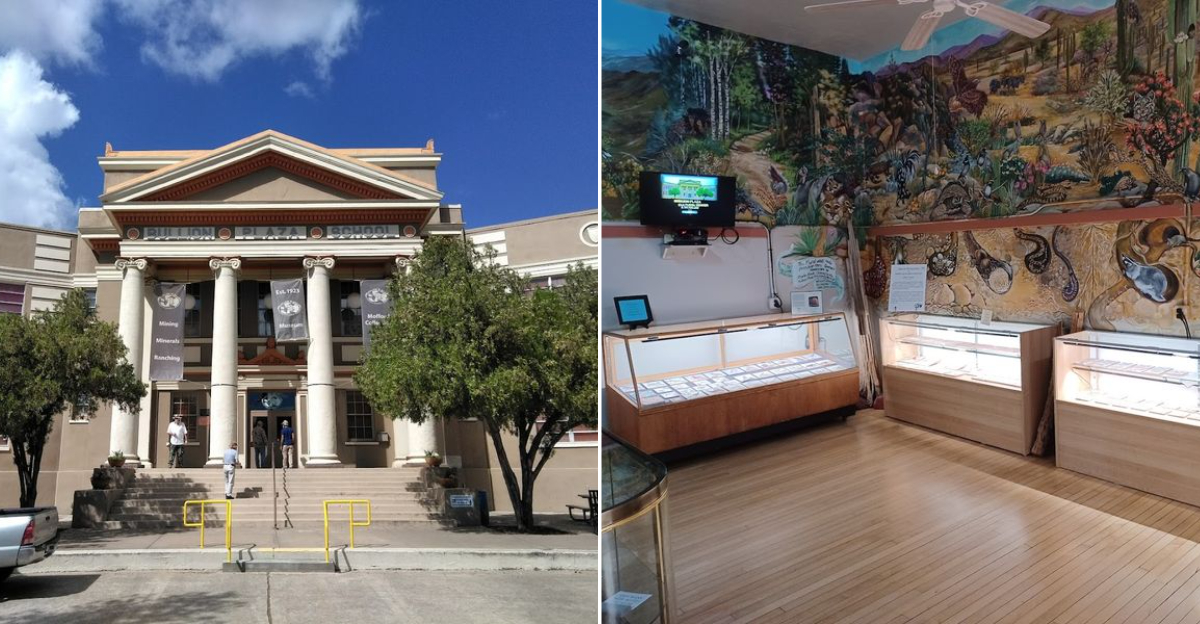
Most people go on vacation to relax by a pool, but I prefer my getaways with a side of existential dread. I’ve trekked across the globe searching for places where the veil between the past and present is thin enough to poke a finger through, and I think I finally hit the jackpot.
This isn’t your typical sanitized exhibit with glass cases and boring plaques. It’s a living, breathing time capsule that feels like it’s being watched from the rafters.
The sprawling, sun-scorched expanse of Arizona pulls you into a dreamlike trance where time loses its meaning and the whispers of the miners seem to echo off the canyon walls.
Built in 1923 and designed by the acclaimed architectural firm Trost and Trost, this building has spent over a hundred years collecting history, culture, and apparently a ghost or two.
The Historic Schoolhouse That Started It All
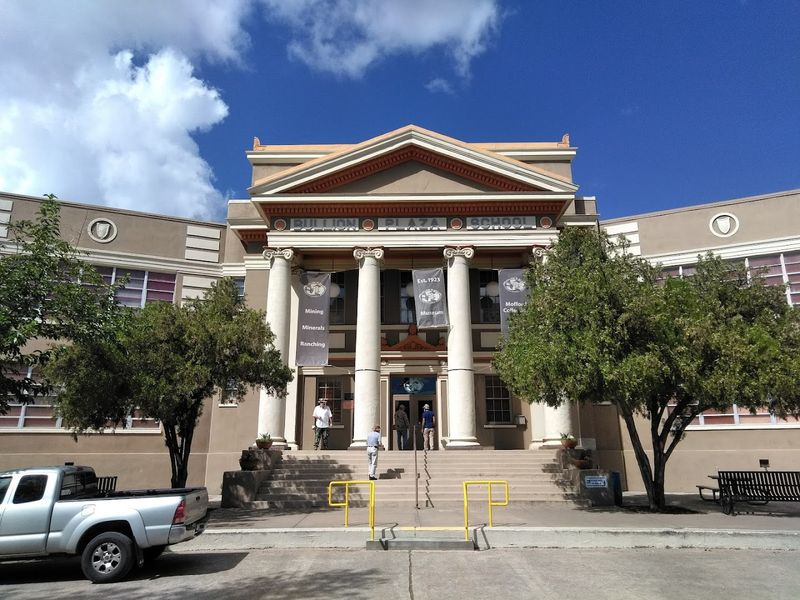
Before it ever housed a single museum exhibit, this building shaped the minds of generations of children growing up in a tough copper-mining community.
Constructed in 1923 and designed by the El Paso-based architectural firm Trost and Trost, the Bullion Plaza School served as a grammar school for over seven decades, finally closing its classroom doors in 1994.
The Town of Miami acquired the property in 1997 and transformed it into a cultural center and museum dedicated to preserving the rich and layered history of the Globe-Miami region. Walking through the front entrance, you can still feel the weight of all those school years in the wide hallways and tall ceilings.
The building itself is a registered piece of Arizona architectural history, and its sturdy brick construction has held up remarkably well for its age. Visiting feels less like a museum trip and more like stepping inside a living chapter of the Southwest’s story, one that began long before the exhibits arrived.
Its classrooms, memorabilia, and local artifacts give the space a deeply personal quality that sets it apart from more polished museum experiences. That strong sense of history is exactly what makes the place feel so compelling, and for some visitors, maybe even a little eerie.
Mining Heritage That Runs Deeper Than the Copper Veins
Miami, Arizona, was essentially built on copper. The mines that once roared with activity defined every part of daily life here, from the jobs people worked to the neighborhoods where they raised their families.
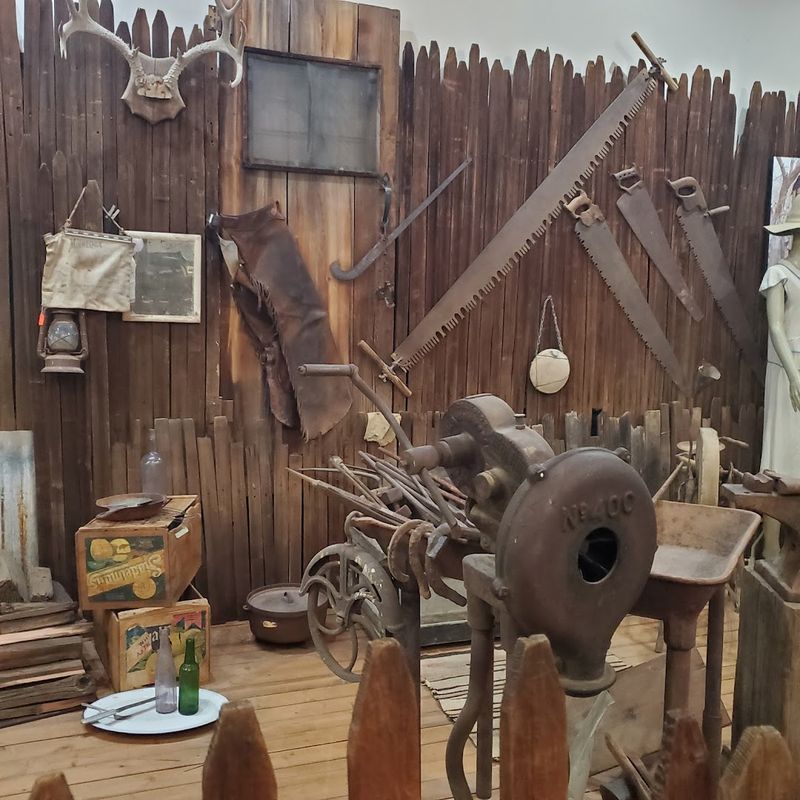
The museum honors that legacy with exhibits that give visitors a real sense of just how physically demanding and economically vital the mining industry was to this corner of the American Southwest.
You will find tools, photographs, equipment, and personal stories that paint a picture of the miners themselves rather than just the industry. These were real people with real lives, and the museum does a thoughtful job of making that human connection feel immediate and genuine.
What struck me most was how the exhibits connect mining history to broader themes of immigration, labor rights, and community identity. The copper veins may have thinned over the decades, but the cultural imprint they left on Miami and Globe is still very much alive in every corner of this building.
What gives these exhibits even more depth is the way they show how entire families and communities were shaped by the rhythm of the mines. By the end of it, the history feels far bigger than copper alone, touching everything from survival and sacrifice to the lasting character of the town itself.
Native American Culture And The Stories Held In These Walls
Long before the miners arrived, this land belonged to Indigenous communities whose traditions, craftsmanship, and connection to the landscape shaped everything that came after.
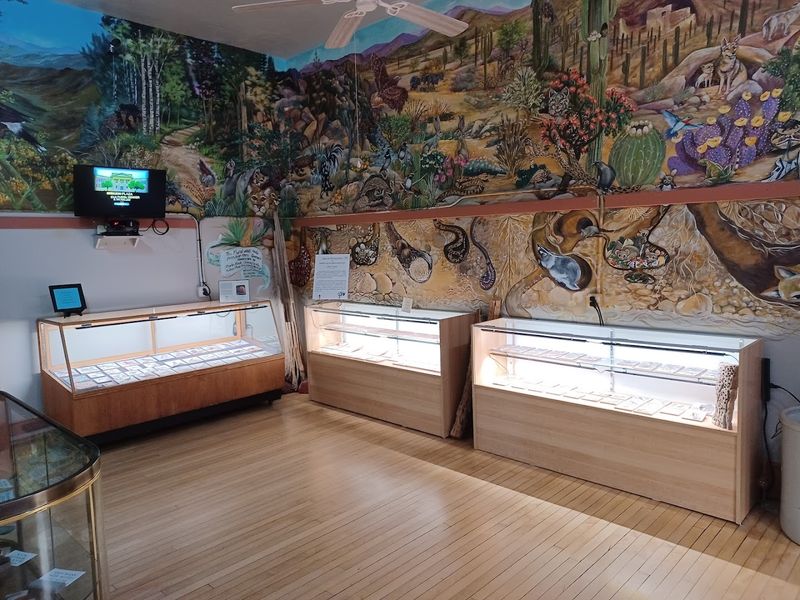
The museum takes this history seriously, dedicating meaningful exhibit space to Native American culture in the Globe-Miami region, including artifacts, artwork, and historical context that help visitors understand the depth of that presence.
I spent a good stretch of time in this section, reading carefully and studying the pottery and woven pieces on display. There is something grounding about standing in front of an object made by human hands centuries ago and recognizing the skill and intention behind every detail.
The museum approaches Indigenous history with care, presenting it not as something frozen in the past but as a living cultural thread that continues today.
For younger visitors especially, this section offers a powerful reminder that history is not just dates and events, but people, relationships, and traditions passed down through time with great purpose.
It adds an important layer of perspective that makes the museum feel fuller, more honest, and far more meaningful.
Slavic And Mexican Heritage Woven Into The Community Fabric
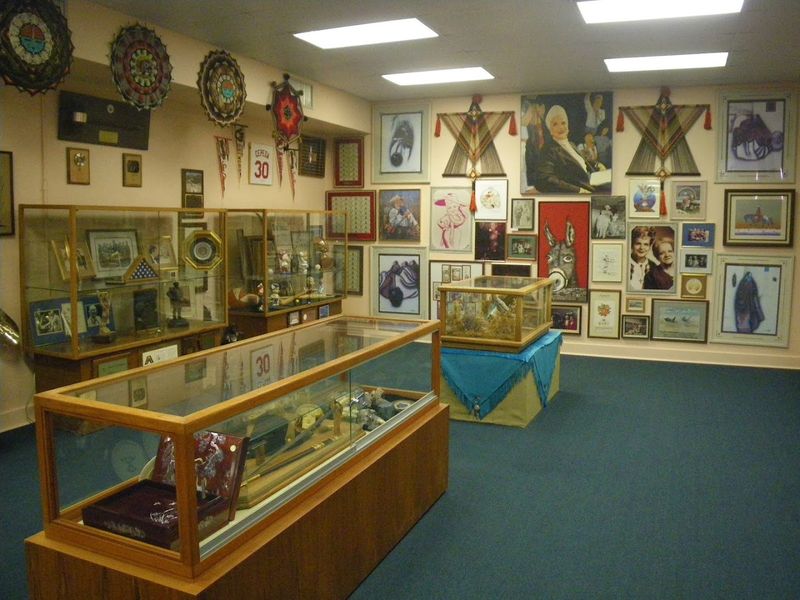
One of the most surprising and genuinely moving parts of my visit was learning about the diverse immigrant communities that built Miami alongside the copper industry.
The museum features dedicated exhibits on both the Slavic and Mexican heritage that shaped the town’s cultural identity, and it does so with real warmth and specificity rather than broad generalizations.
Families from Croatia, Serbia, and Mexico arrived in Arizona seeking opportunity, and they brought their food, music, faith, and traditions with them. Over generations, those cultures blended and layered themselves into the local identity in ways that are still visible in Miami today.
Seeing old family photographs, handmade clothing, and community documents displayed together in one room made the history feel personal rather than academic.
It reminded me that American towns are rarely built by one kind of person, and the Bullion Plaza Museum is quietly insistent on making sure every community that shaped this place gets its proper recognition.
Rose Mofford And Arizona’s First Female Governor
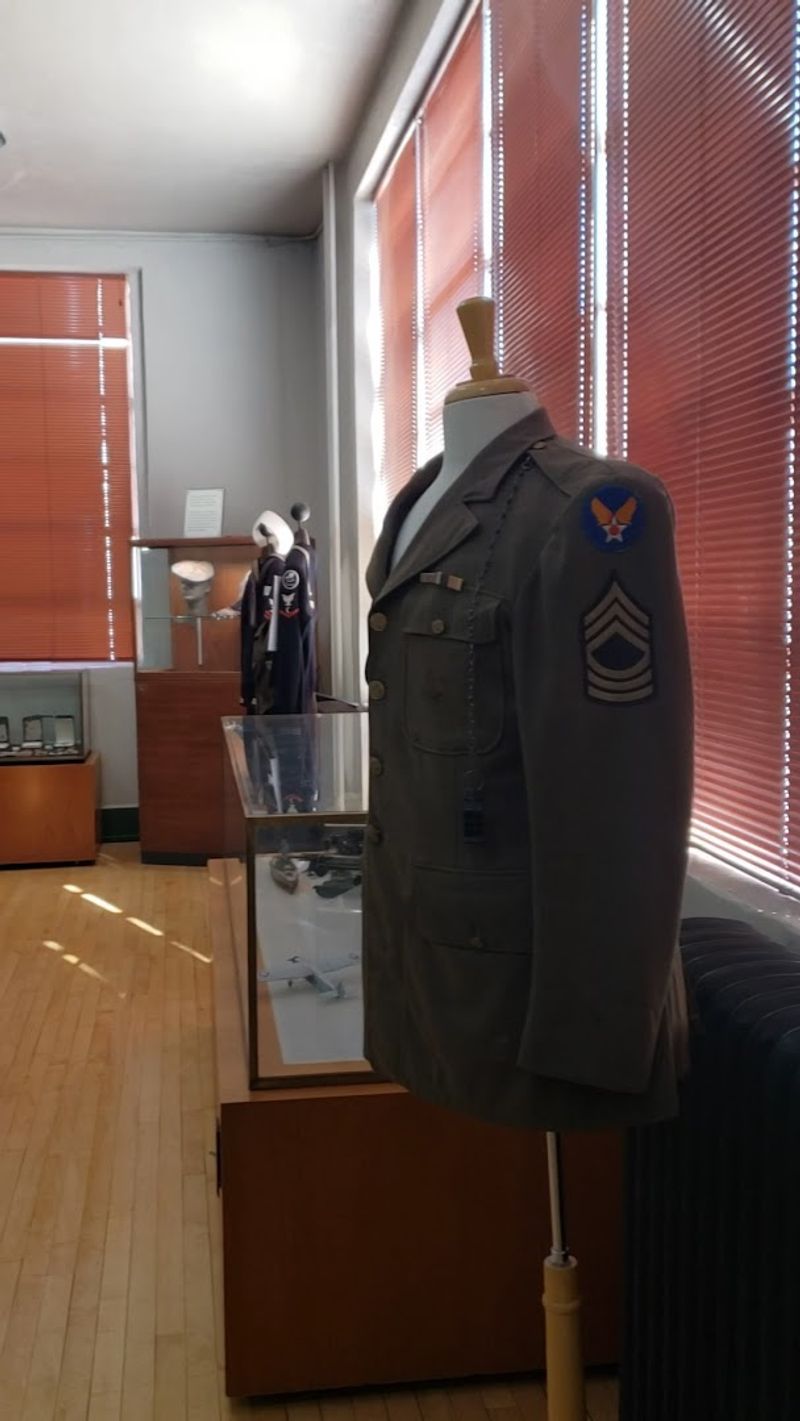
Among the many stories preserved inside Bullion Plaza, one of the most fascinating belongs to Rose Mofford, a Miami native who went on to become Arizona’s first woman governor.
The museum houses a collection of her personal memorabilia, and it is one of those exhibits that genuinely stops you in your tracks once you understand the significance of what you are looking at.
Mofford served as governor from 1988 to 1991 after the impeachment of her predecessor, and she became known for her down-to-earth style and her remarkable silver beehive hairstyle, which was practically iconic across the state.
Seeing her personal items displayed in the very town where she grew up adds a layer of meaning that no history book can fully replicate.
For visitors who enjoy discovering the unexpected connections between small towns and big history, this exhibit is a genuine highlight. Miami may be small, but it has produced figures whose impact stretched far beyond the Gila County line.
The Ghost In The White Dress And Other Unexplained Encounters
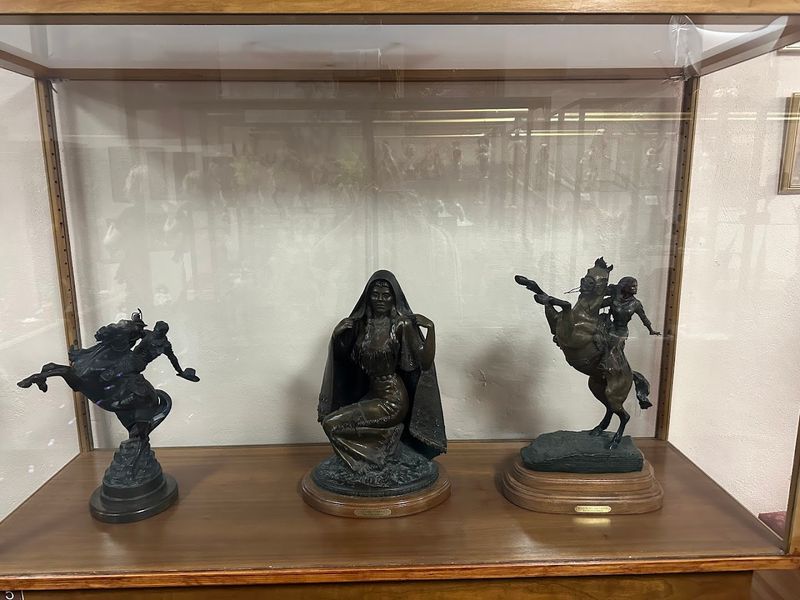
Now here is where things get interesting. The Bullion Plaza Museum has earned a reputation in paranormal circles for reports that go well beyond creaky floorboards and flickering lights.
Visitors and staff have described seeing a beautiful woman in a flowing white dress moving through the building, appearing and vanishing without any obvious explanation.
The third floor carries its own reputation entirely, with multiple accounts of an unsettling presence that feels distinctly different from the rest of the building. I will be honest with you: I felt something odd up there, though I cannot tell you exactly what it was.
The air felt heavier, and I found myself walking a little faster than usual.
These reports are unverified and largely part of local folklore, but they add a genuinely thrilling layer to what is already a rich and textured visit. Whether you believe in the paranormal or not, the atmosphere on that third floor is not something you will forget in a hurry.
Planning Your Visit To Bullion Plaza
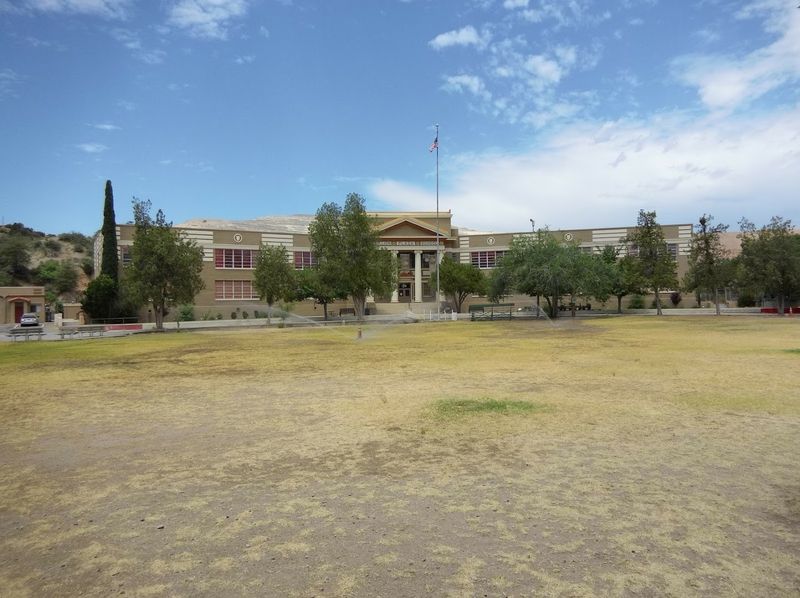
Getting to Bullion Plaza is straightforward if you are already exploring the Globe-Miami corridor along US-60, which is one of Arizona’s most scenic drives on its own.
The museum is located at 150 N Plaza Circle, Miami, AZ 85539, and admission is completely free, though donations are warmly welcomed and genuinely help keep this community treasure running.
Current hours run Thursday through Saturday from 11:00 AM to 3:00 PM and Sunday from noon to 3:00 PM, with the museum closed Monday through Wednesday. Since hours can shift seasonally or for special events, checking the official website or calling ahead before your visit is always a smart move.
The museum is compact enough to explore thoroughly in a couple of hours, making it a perfect addition to a broader day trip through the area. Pair it with a walk around downtown Miami or a drive up to the Tonto National Forest, and you have the makings of a truly memorable Arizona afternoon.
What makes it especially easy to recommend is how much history and character you get without needing to plan your entire day around it. It is one of those rare small museums that fits effortlessly into a road trip while still leaving a lasting impression long after you leave.