
Arizona Is Home To The Only Native American-Owned Zoo In The Country
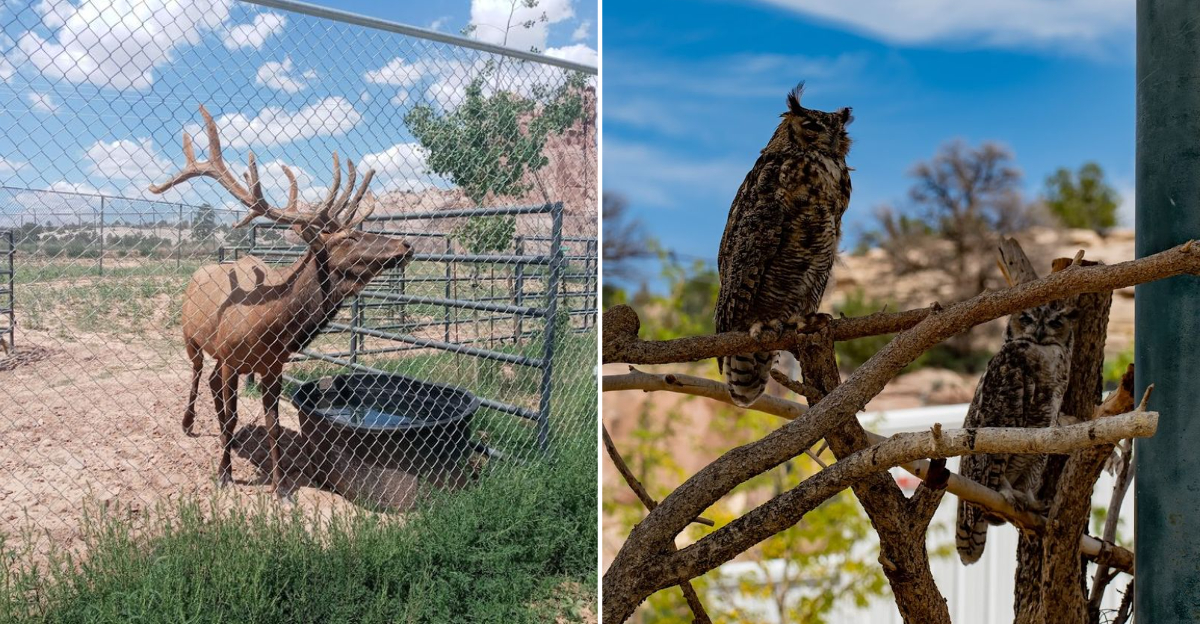
I like to think I’m pretty good at spotting wildlife, but after spending an hour squinting at an empty rock, I realized I’m actually terrible at it.
Thankfully, the inhabitants here have a bit more personality than my backyard squirrels. There is something genuinely refreshing about a place that doesn’t put on a plastic, theme-park show.
Surrounded by red sandstone and the scent of juniper, I realized that while I might need glasses, the animals here are doing just fine in their natural element.
I had no idea what to expect when I pulled off Highway 264 and followed the signs toward Tse Bonito Tribal Park, but what I found was something far more meaningful than a typical zoo visit.
This Arizona gem carries the weight of culture, the quiet dignity of rescued animals, and a deep respect for the land that you can feel the moment you walk through the gate. Read on, because this story is absolutely worth your time.
A Bear Named Yogi Started It All
Every great institution has an unlikely origin story, and this one belongs to a bear. After the 1963 Navajo Nation Fair wrapped up, a bear named Yogi was simply left behind.
Rather than turning him away, the community took him in, and that single act of care quietly planted the seed for what would become the Navajo Tribal Zoo.
Over the following decades, that humble beginning grew into something extraordinary. The zoo relocated to its current 14.7-acre home in Window Rock in the mid-1970s, expanding its animal family one rescued creature at a time.
In September 2006, it formally became part of the Navajo Nation Department of Fish and Wildlife. Knowing that a forgotten fair bear sparked all of this makes every exhibit feel a little more personal and a lot more remarkable.
The Only Native American-Owned Zoo
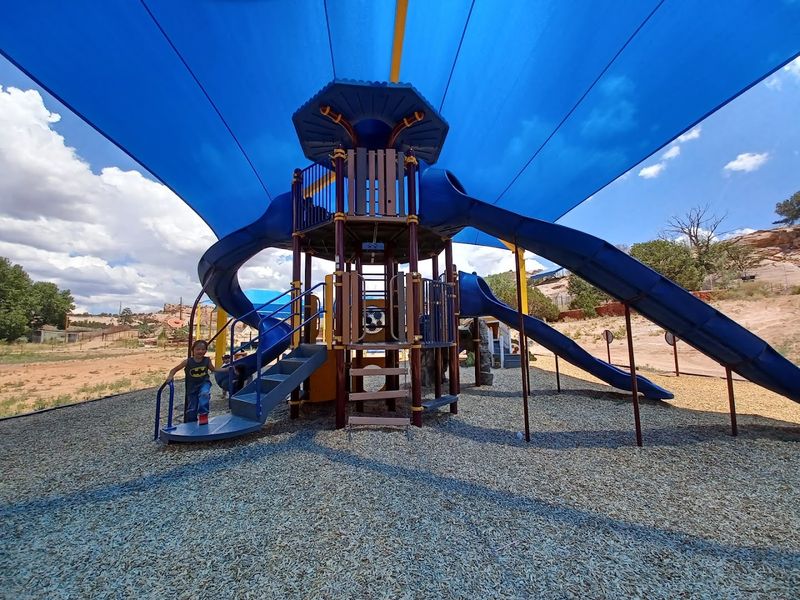
Walking through the entrance of the Navajo Nation Zoo and Botanical Park, you immediately sense that this place operates on its own terms.
Officially known as the Navajo Nation Zoological and Botanical Park, it carries the proud distinction of being the only zoo in the country that is both owned and operated by a Native American nation.
Located at Hwy. 264, Bldg. 34, Window Rock, AZ 86515, within the Tse Bonito Tribal Park, the facility is funded by the Navajo Nation Government itself. That tribal investment shows in every thoughtful detail, from the bilingual signage to the culturally grounded animal care philosophy.
Visiting here feels less like a tourist attraction and more like being welcomed into a living expression of Navajo identity and stewardship of the natural world.
Sandstone Scenery That Doubles As A Natural Exhibit
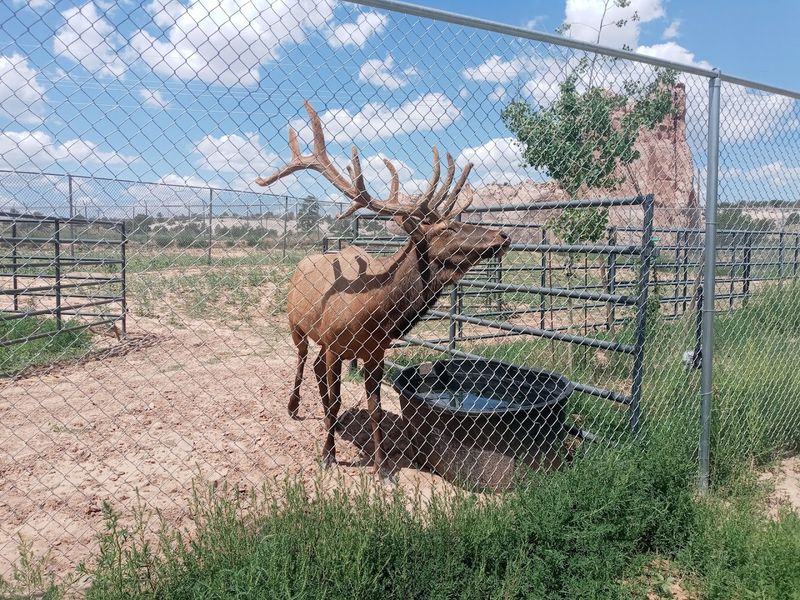
Forget flat concrete enclosures and chain-link fences. The setting here does something most zoos could never pull off, because nature already did the heavy lifting long before any construction began.
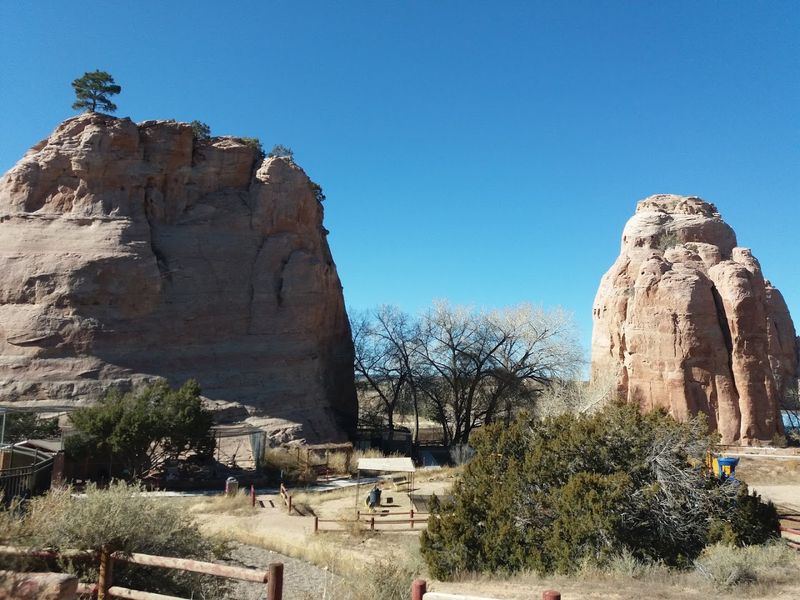
The zoo is nestled among dramatic sandstone haystack formations that rise organically throughout the 14.7-acre property.
Many of the animal enclosures are carefully designed around these natural rock outcroppings, so the animals live within landscapes that genuinely resemble their wild habitats. The result feels less curated and more like a quiet canyon you stumbled upon by happy accident.
Portions of the grounds are landscaped with native plants in xeriscapes, adding texture and color without wasting a drop of water in the arid Arizona climate. The whole environment rewards slow walkers who pause, look around, and let the scenery settle in.
Over 100 Animals, All With A Story To Tell
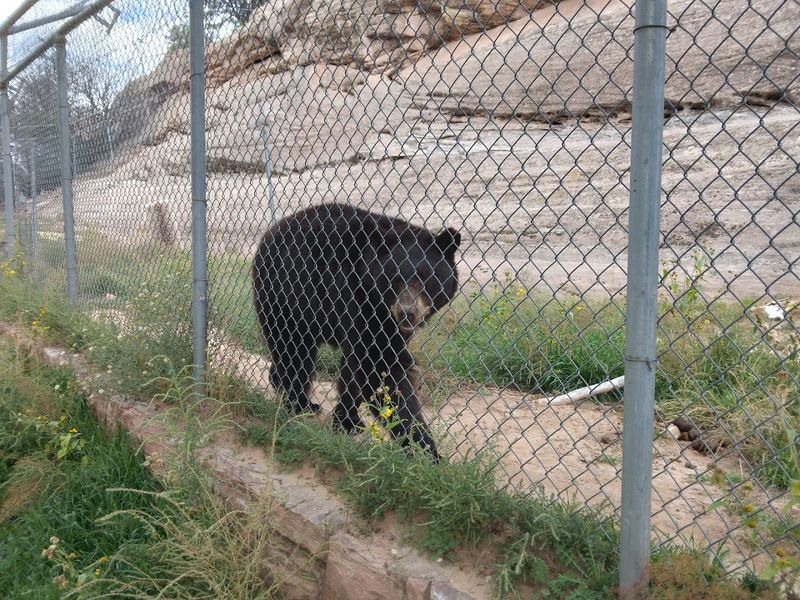
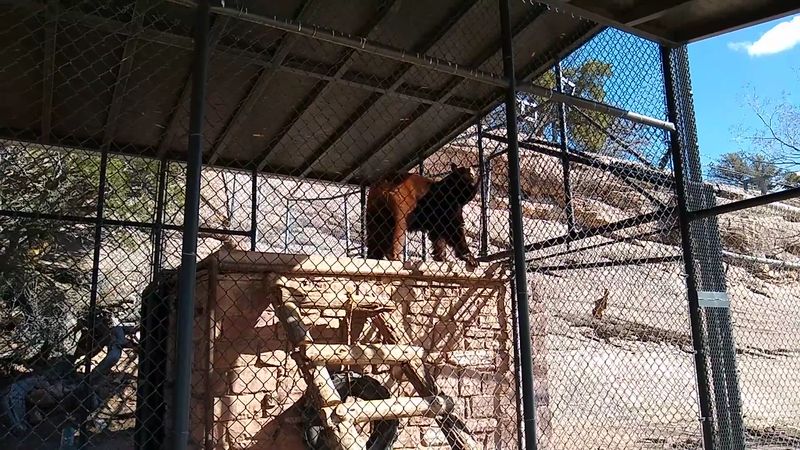
Most of the animals living here did not arrive by choice. Black bears, Mexican wolves, golden eagles, cougars, and more than 50 other species call this zoo home, and nearly all of them were rescued after being injured or orphaned in the wild.
They are the ones who could not safely return to their natural habitats.
That backstory changes how you look at every enclosure. You are not just watching animals pace in a pen. You are meeting survivors, each one given a second chance through the zoo’s conservation and wildlife care mission.
With over 100 individual animals on the grounds, there is plenty to see, but the mood here encourages you to slow down and really observe rather than rush from exhibit to exhibit. Each animal here has earned its space.
The Golden Eagle Sanctuary And Its Sacred Purpose
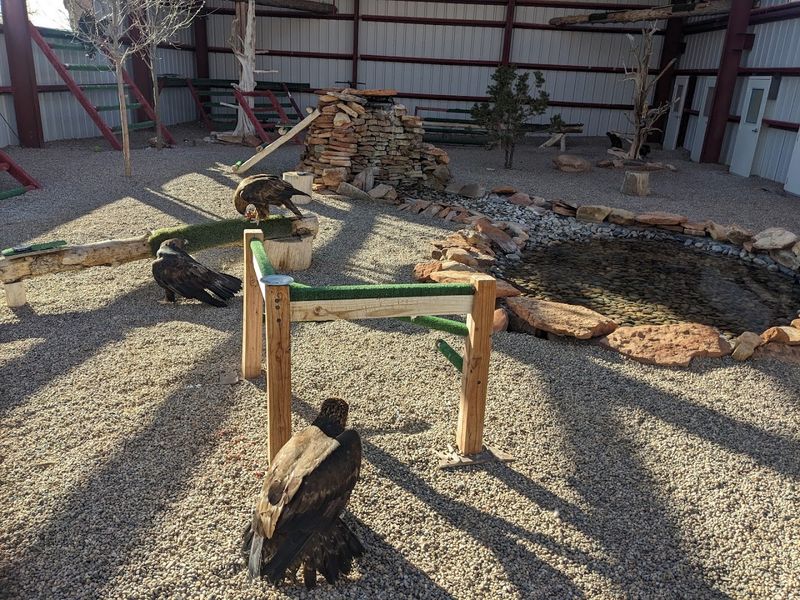
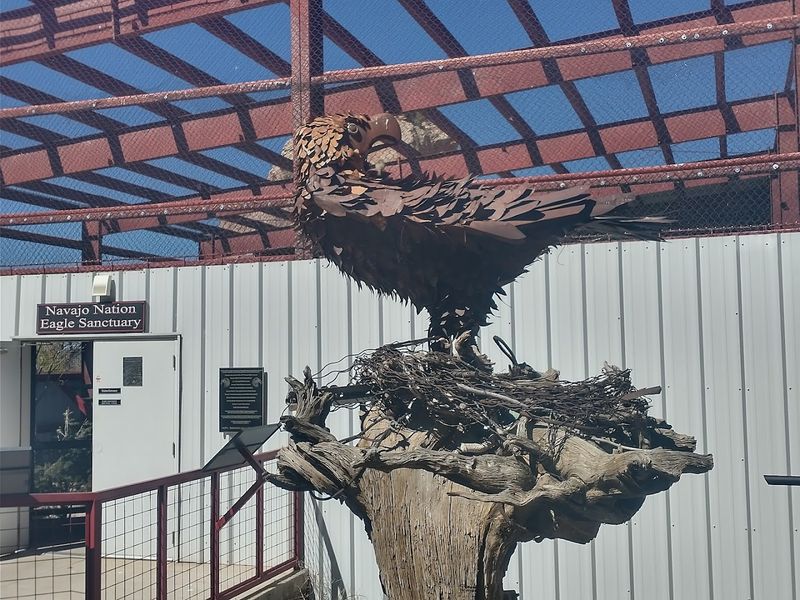
Opened on July 1, 2016, the Golden Eagle Sanctuary is one of the most culturally significant exhibits at the zoo, and it is unlike anything you will find at any other zoo in the country. It provides a permanent, protected home for golden eagles that cannot be released back into the wild.
What makes this sanctuary truly extraordinary is its legal and ceremonial role. It serves as an approved source of molted feathers for Navajo people and other Native American communities, feathers that hold deep spiritual and ceremonial importance in their traditions.
The golden eagle, called Atsaszhiin in Navajo, is considered a sacred bird in Navajo culture. After being properly blessed by a medicine man, these feathers can be respectfully kept and used. Standing near the sanctuary, you feel the weight of that significance in a way words barely capture.
Culture Woven Into Every Corner Of The Park
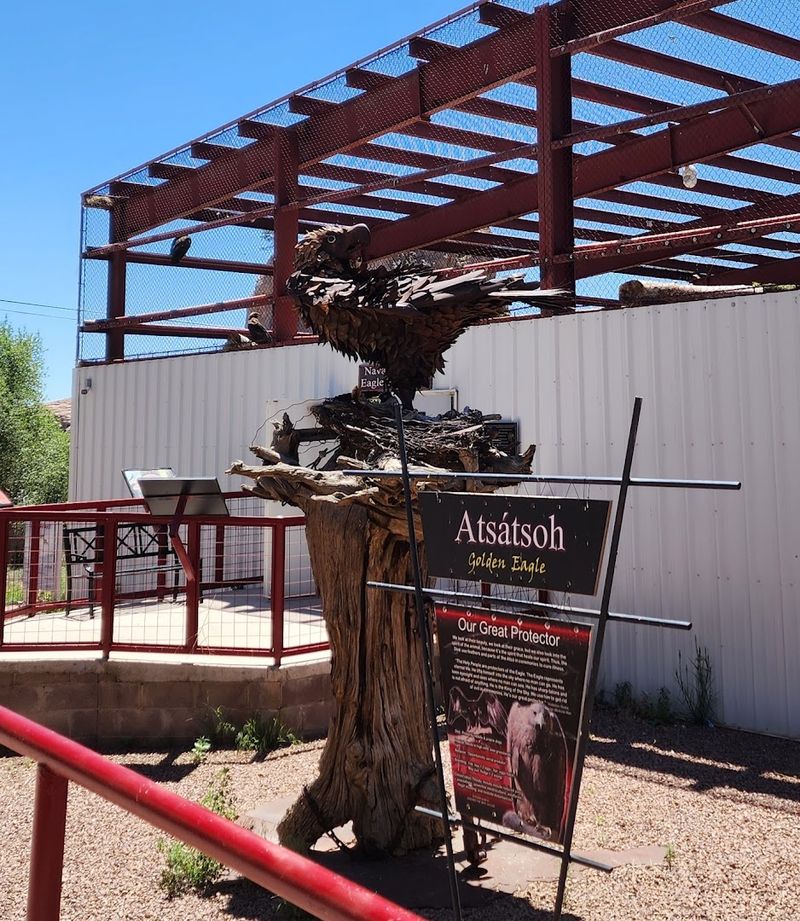
Right from the first exhibit sign you read, it becomes clear that this zoo is doing something beyond animal care. Every sign throughout the park is written in both English and Navajo, a deliberate effort to keep the Navajo language visible and alive for younger generations who visit.
The zoo also accepts appointments for offerings and traditional ceremonies to be held on the grounds, reflecting its deep respect for Navajo spiritual practices. Plants and animals featured in the park are specifically chosen for their significance in Navajo history and ceremonial life.
The Discovery Center, which was updated in 2008, adds another layer of engagement by sharing traditional Navajo stories about animals alongside information about invertebrates.
It is the kind of cultural integration that feels completely natural here rather than performative, because this is simply how the zoo was built from the very beginning.
A Tranquil Atmosphere Unlike Any Other Zoo
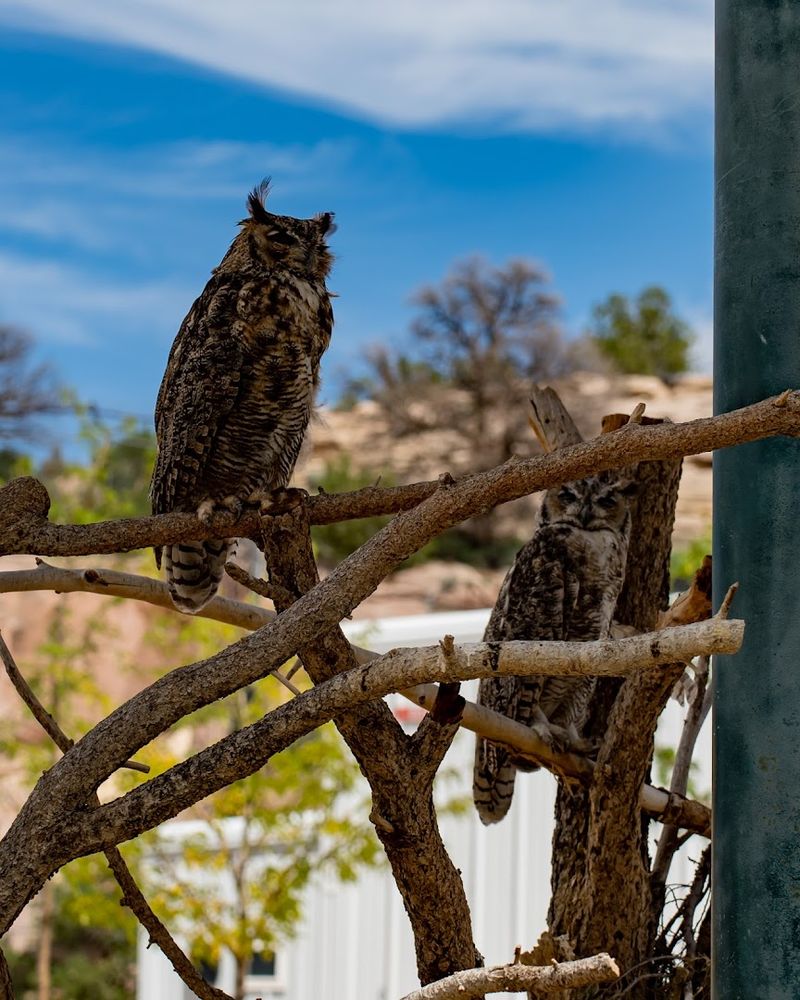
Some zoos feel like sensory overload, with crowds, noise, and souvenir carts at every turn. The Navajo Nation Zoo and Botanical Park operates at a completely different frequency.
With roughly 45,000 to 50,000 visitors per year, the park maintains a genuinely calm and reflective atmosphere that is rare to find.
The park describes itself as a sanctuary for nature and the spirit, and that phrase is not just marketing. You actually feel it on the paved paths between exhibits, where the only sounds are wind moving through the sandstone and the occasional call from a bird of prey overhead.
Concrete sidewalks make the grounds easy to navigate, and the paved parking lot keeps arrivals stress-free. For anyone craving a slower, more meditative outdoor experience in Arizona, this park delivers something that larger, busier zoos simply cannot replicate.
Planning Your Visit: What You Need To Know
One of the most refreshing things about visiting here is that admission is completely free for everyone. The zoo is tribally funded by the Navajo Nation Government, which means no ticket booth, no tiered pricing, just an open gate and a welcoming space.
Donations are gratefully accepted and go directly toward supporting the animals and programs.
The zoo is open Monday through Saturday from 10 a.m. to 4:30 p.m. Plan accordingly, because it is closed on Sundays as well as New Year’s Day, Thanksgiving, and Christmas. If you want to do a little extra good before you leave, the Adopt-an-Animal program lets you contribute directly to the care of a specific resident.
Window Rock sits in northeastern Arizona, and the drive through the surrounding landscape is a worthy part of the experience. Come curious, leave changed.
Botanical Gardens That Bring Navajo Plant To Life
Long before modern medicine, the Navajo people understood the healing and spiritual power of plants. The botanical garden at the Navajo Nation Zoo is a quiet, living library of that knowledge.
Native grasses, wildflowers, and desert shrubs are carefully arranged to show visitors how these plants connect to Navajo traditions and daily life.
Walking through the garden feels grounding in a way that is hard to describe. Each plant comes with information about its cultural significance, making it educational without feeling like a classroom.
Families and curious visitors often spend more time here than they expect. It is a surprisingly moving part of the experience. The garden also encourages visitors to notice how much knowledge can be carried through something as simple as a leaf or seed.
Seasonal changes give the space a different character throughout the year. Interpretive details help connect the plants to food, ceremony, medicine, and the surrounding landscape.
Nothing here feels rushed, which makes the garden a natural place to pause between animal exhibits. By the time visitors leave, the plants often feel just as memorable as the zoo’s wildlife.