
Arizona Off-Grid Retreat With Steamy Pools And A Storied Past
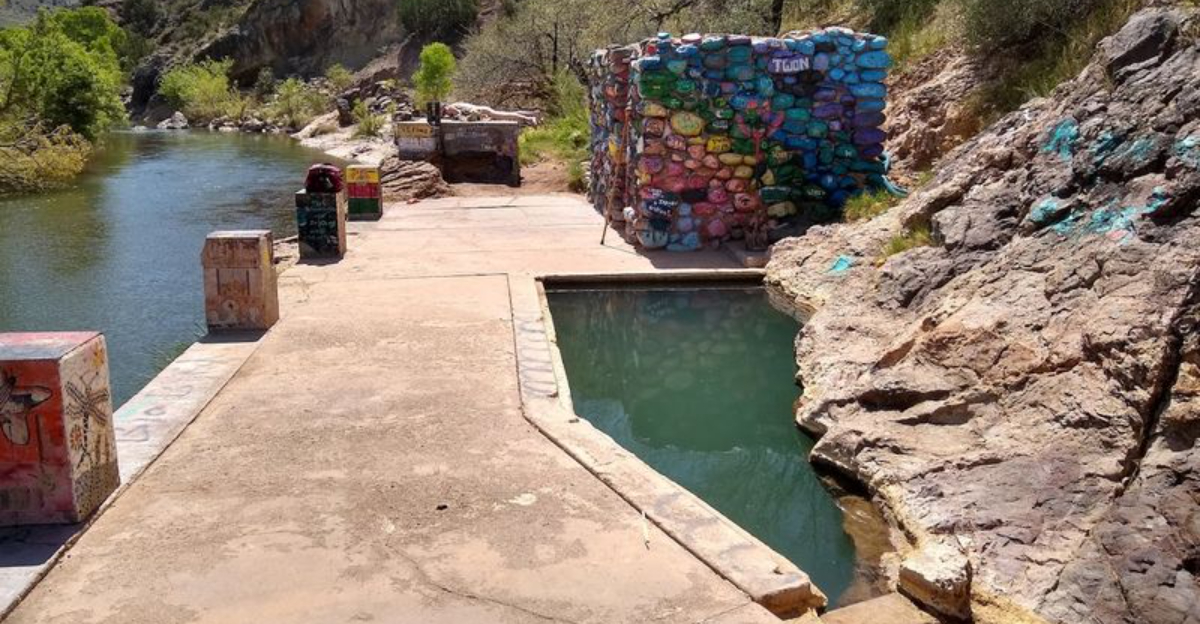
I first heard about it from a local who casually mentioned an abandoned resort hidden along the Verde River, accessible only by dirt road and river crossing. The idea of soaking in natural thermal pools built into the remains of a 1920s spa sounded too intriguing to pass up.
What started as a commercial resort nearly a century ago now exists as a rustic escape where hikers and soakers gather year-round, drawn by the promise of steaming water against the backdrop of Arizona wilderness.
I tossed a towel and an extra pair of shoes in the car, because “river crossing” is the kind of detail that always turns into a story.
By the time the road narrowed into ruts and the cottonwoods started closing in, it felt like I was slipping off the map on purpose. When the first curl of steam showed up between the ruins, I could already tell this was going to be one of those Arizona moments that resets your whole brain.
The Journey Down Childs Power Road
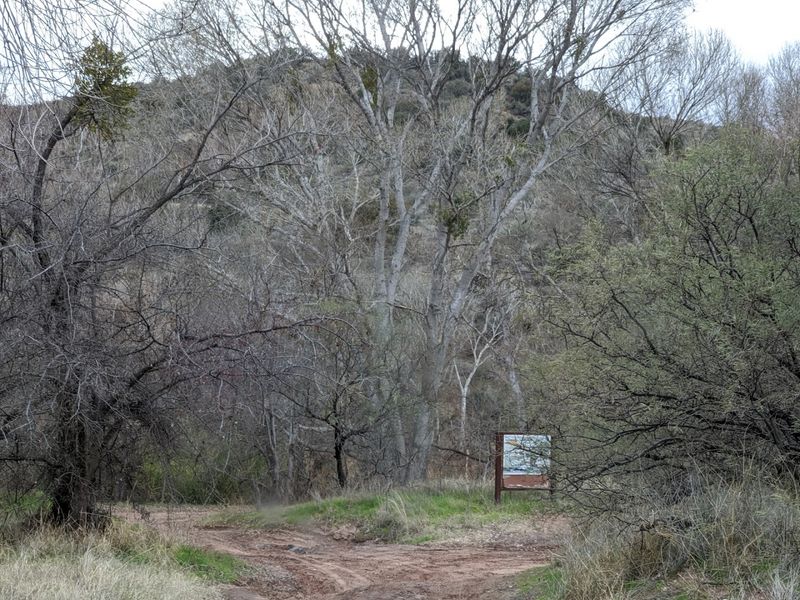
Getting here means committing to an adventure before you even see the pools. The approach via Childs Power Road stretches roughly 16 to 20 miles depending on your starting point, and every review I read beforehand warned about the primitive conditions.
High clearance vehicles handle the route best, though I watched a determined minivan make it halfway before wisely turning back. The road surface shifts between packed dirt and loose gravel, with sections that turn treacherous after rain when red clay becomes slick.
I gave myself nearly two hours for the drive down, taking it slow around the curves where the road hugs cliff edges with no guardrails. The scenery makes up for the bumps, with views opening up across ridges and valleys as you descend toward the river.
Cell service disappears quickly at Verde Hot Springs, so I downloaded offline maps before leaving Camp Verde. The road conditions change seasonally, and flash flooding can make sections impassable, so checking recent trip reports proved essential before heading out.
The River Crossing Challenge
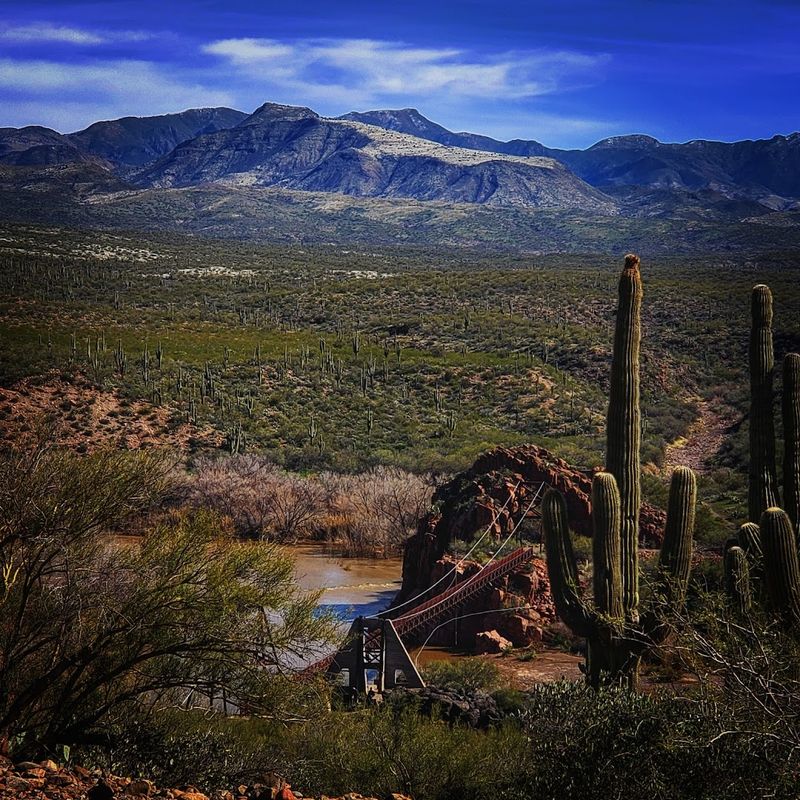
Located at 8375 AZ-179 in Camp Verde, Arizona, this off-grid destination requires effort to reach but rewards visitors with three distinct hot spring pools, each progressively warmer than the last. After parking at the dispersed camping area near the old power plant, I faced the part that makes every first-timer pause.
The trail leads to the Verde River, where you must wade across cold, flowing water to reach the hot springs on the opposite bank.
Water depth varies throughout the year, ranging from ankle-high in dry months to thigh-deep during spring runoff. I visited in late fall and found myself crossing knee-deep current that moved faster than expected.
The trick involves wearing shoes you don’t mind soaking, or bringing sandals specifically for the crossing. I tied my boots around my neck and hoisted my backpack overhead, picking my way across the rocky bottom while the cold water shocked my legs awake.
Spray-painted arrows on rocks mark the crossing point, though the path becomes obvious once you spot other hikers making the journey. The water temperature provides stark contrast to what awaits on the other side, making that first dip into the hot pools feel even more rewarding after the icy wade.
The Three Pools And Their Personalities
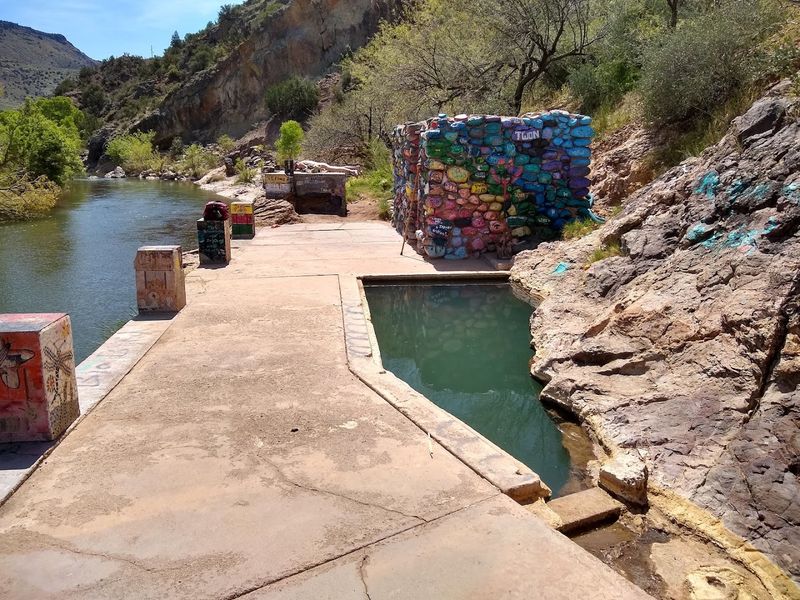
Verde Hot Springs offers three distinct soaking experiences, each with its own temperature and character. The largest main pool sits open to the sky, accommodating several people comfortably while providing views down to the Verde River below.
This primary pool maintains a pleasant warmth without becoming uncomfortably hot, making it ideal for extended soaking sessions. During my December visit, the contrast between cool desert air and warm water created perfect conditions.
The second pool tucks inside a cave-like structure, creating an intimate space with higher temperatures and dimmer light. I appreciated the shelter it provided from wind, though one visitor warned about occasionally finding bats roosting in the darker recesses.
The smallest pool functions as a single-person plunge, reaching the hottest temperatures of the three. I could only manage a few minutes before needing to cool off, rotating between pools to regulate my body temperature.
Each pool features slightly different mineral content and temperature, allowing you to customize your soak based on preference and tolerance for heat.
The Resort Ruins And Historical Echoes
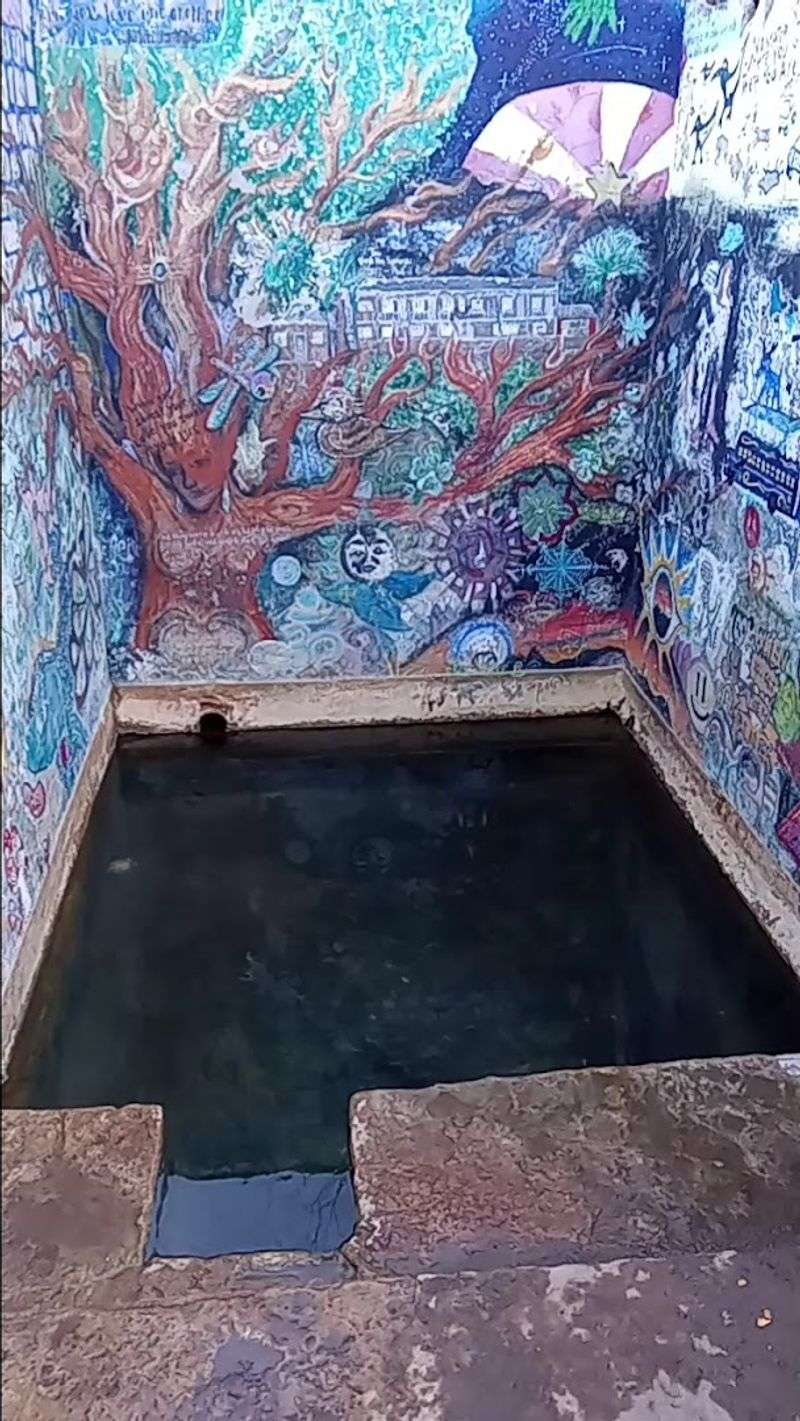
Walking around the hot springs site reveals remnants of the original resort that operated here in the early 20th century. Concrete foundations, partial walls, and the pool structures themselves speak to the ambition of developers who recognized the therapeutic potential of these natural thermal waters.
The resort catered to guests seeking relaxation and healing through mineral-rich soaking, accessible by a different route than today’s challenging approach.
I found myself imagining well-dressed visitors arriving by automobile when the road was maintained and the facilities included amenities now long vanished.
What remains carries an artistic layer added by decades of visitors who painted murals and graffiti across the concrete surfaces. Some pieces show genuine talent, transforming the ruins into an outdoor gallery that divides opinion among purists and those who appreciate the evolving cultural expression.
The site holds significance for various communities, and several reviews emphasized treating it as a sacred space deserving respect. Pack out what you pack in, and leave the structures undisturbed for future visitors to discover.
The Overnight Camping Experience
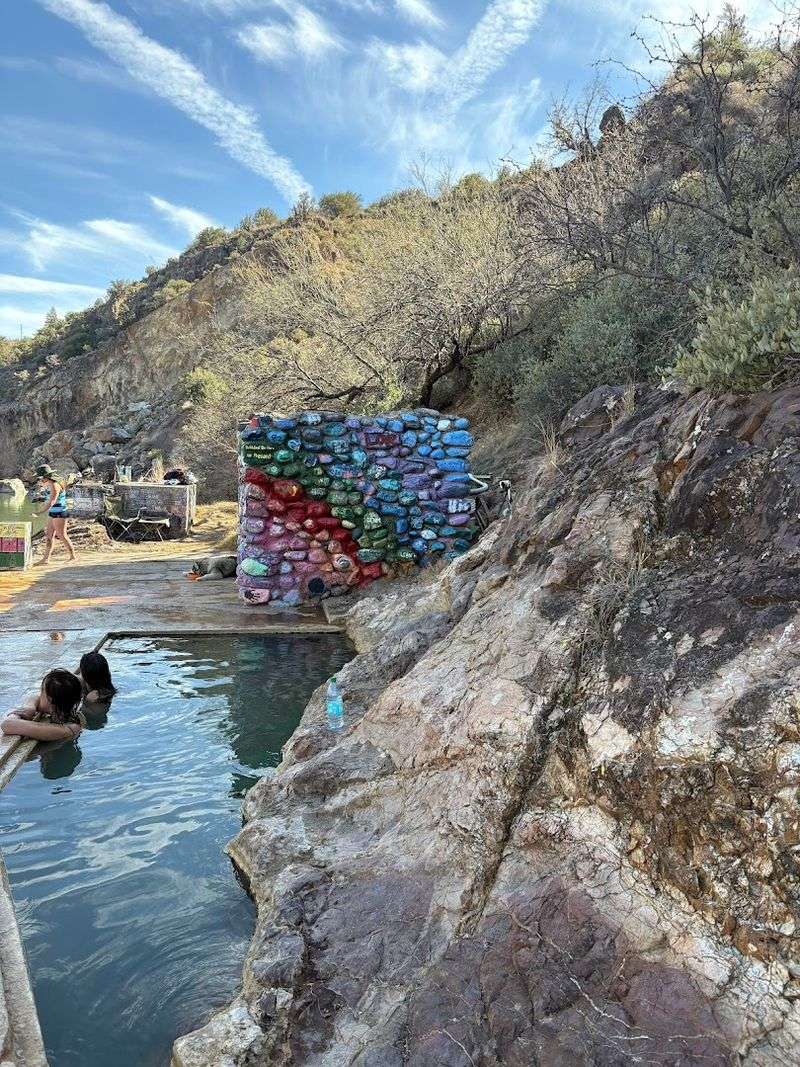
Dispersed camping near the Childs Power Plant allows visitors to extend their stay beyond a day trip. I noticed a mix of tent campers and van dwellers who seemed to have settled in for longer stretches, taking advantage of the open-access policy and natural amenities.
The camping area provides no facilities, meaning you bring everything you need and pack out all waste. I appreciated having the hot springs within walking distance, making multiple soaking sessions possible without repeating the long drive.
Night soaking offers a completely different atmosphere, with stars visible overhead and the sounds of the river providing constant background music. The pools stay accessible 24 hours, and I found pre-dawn soaks particularly peaceful before other visitors arrived.
The social dynamic shifts throughout the day, with some visitors embracing clothing-optional soaking while others prefer more modest approaches. Reviews mention encountering both friendly fellow travelers and those seeking solitude, so reading the vibe and respecting personal space becomes important.
Winter camping here requires proper gear for cold nights, though the hot springs provide welcome warmth during evening sessions.
Seasonal Timing And Water Levels
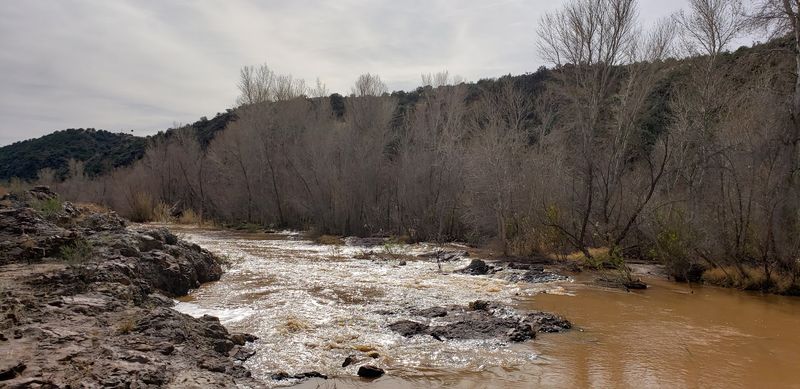
Timing your visit to Verde Hot Springs dramatically affects the experience. Summer heat makes the hot pools nearly unbearable during midday, with temperatures already soaring before you add thermal water to the equation.
I chose a winter visit specifically because cooler air temperatures make soaking comfortable and enjoyable. December through March provides ideal conditions, with crisp mornings and evenings that make the warm water feel luxurious rather than oppressive.
Spring brings higher river levels from snowmelt, potentially making the crossing more challenging or even dangerous during peak runoff. Several reviews mentioned turning back when water reached unsafe depths, so checking recent conditions before attempting a spring visit makes sense.
Summer also brings the risk of dried-up springs, as one disappointed visitor discovered in June when the thermal flow had stopped completely. Fall and winter generally offer the most reliable water flow and comfortable soaking temperatures.
The road conditions vary seasonally too, with summer monsoons creating washouts and winter occasionally bringing ice to higher elevations along the route.
I also learned that arriving right after sunrise can be the sweet spot, when the river is calmer, the air is clean and cold, and the pools feel like they were made just for you.
Essential Tips For First-Time Visitors
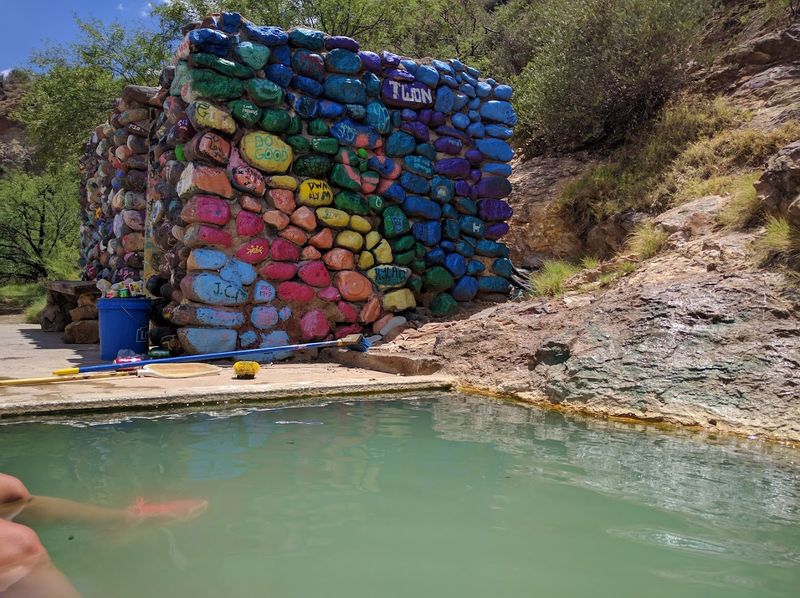
Preparation makes the difference between a memorable adventure and a difficult ordeal at Verde Hot Springs. I learned to download offline maps before losing cell service, marking the parking area and trail route so I could navigate confidently.
Water shoes or sturdy sandals proved essential for the river crossing, while a dry bag protected electronics and clothing during the wade. I packed a towel, plenty of drinking water, and snacks since no facilities exist anywhere along the route.
The mile-long hike from parking to pools stays relatively easy, but the river crossing demands attention and care. Trekking poles helped me maintain balance against the current, and I watched where others crossed to find the shallowest route.
Bringing a headlamp allowed flexibility for early morning or evening soaking, while sunscreen and a hat protected against intense desert sun during the hike. I also carried a small trash bag, committed to leaving no trace despite evidence that not everyone shares this ethic.
Checking your vehicle’s clearance and capabilities honestly before attempting Childs Power Road prevents getting stuck miles from help. I also tossed a spare set of dry clothes in the car, because nothing kills the post-soak glow faster than driving home in damp gear.