
12 Arizona Spring Day Trips That Feel Like A Little Bit Of Magic
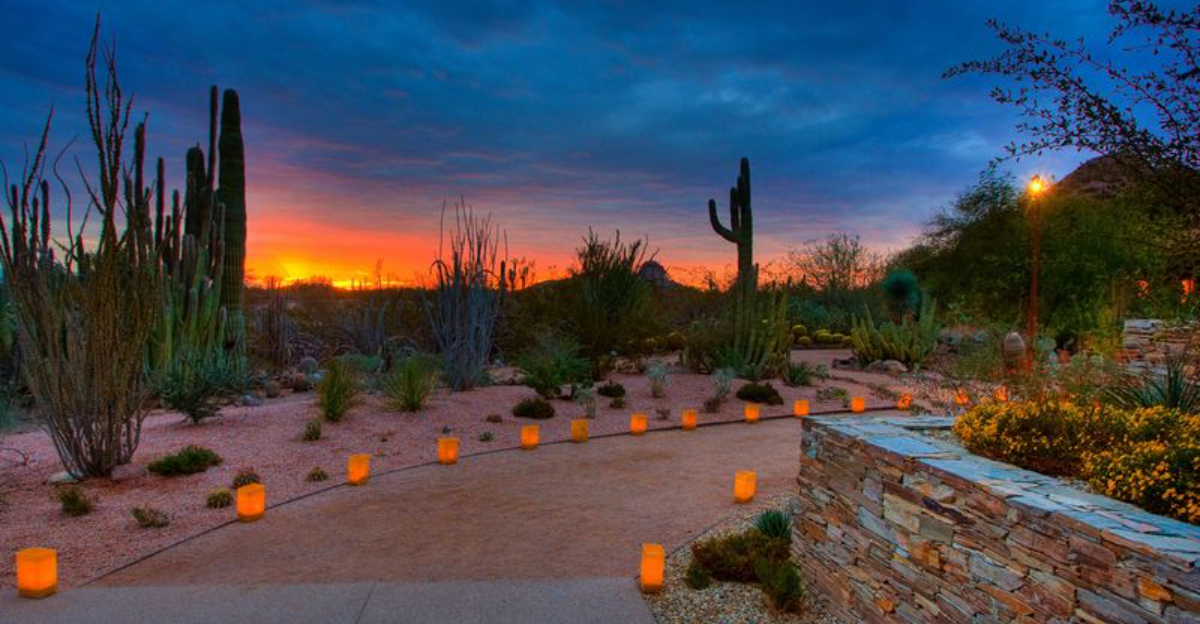
Spring in Arizona hits different. I have done enough Arizona day trips to know that the best ones are not always the loudest or most famous. Some of my favorite spring outings have been the quieter ones, the kind where the weather is just right, the scenery feels extra alive, and the whole day somehow turns out better than I expected.
Arizona really knows how to show off this time of year, with blooming gardens, cooler trails, little historic towns, and peaceful spots that make it easy to slow down and enjoy where you are.
These day trips all gave me that slightly unreal feeling that I had stumbled onto something special. If you are craving a spring escape that feels easy, beautiful, and just a little magical, these are the places I would point you toward.
1. Boyce Thompson Arboretum, Superior, Arizona
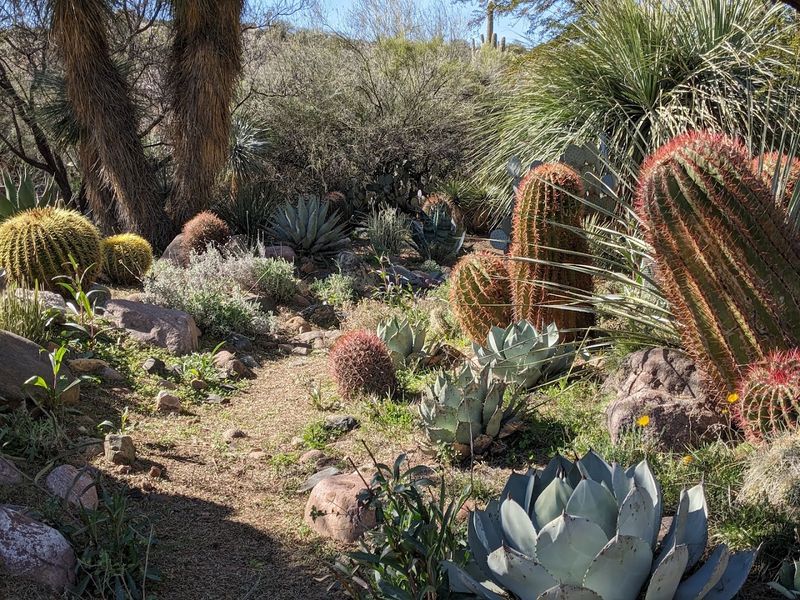
Boyce Thompson Arboretum on a warm spring morning feels like the desert decided to show off everything it has. Arizona’s oldest and largest botanical garden sits just outside Superior, and the spring season is genuinely its best chapter.
Wildflowers push through the rocky soil, birds call from every direction, and the trails feel lively without being crowded.
Founded in the 1920s by mining magnate William Boyce Thompson, this arboretum spans 392 acres and features plants from deserts around the world, not just the Sonoran. Spring bird migration turns the garden into a birdwatcher’s favorite stop, with dozens of species passing through.
The Ayer Lake trail is especially rewarding this time of year.
Admission is affordable, parking is easy, and the gift shop stocks some genuinely good field guides. It sits about an hour from Phoenix, making it one of the most rewarding short drives in the state when the desert is this alive.
2. Tonto Natural Bridge State Park, Payson, Arizona
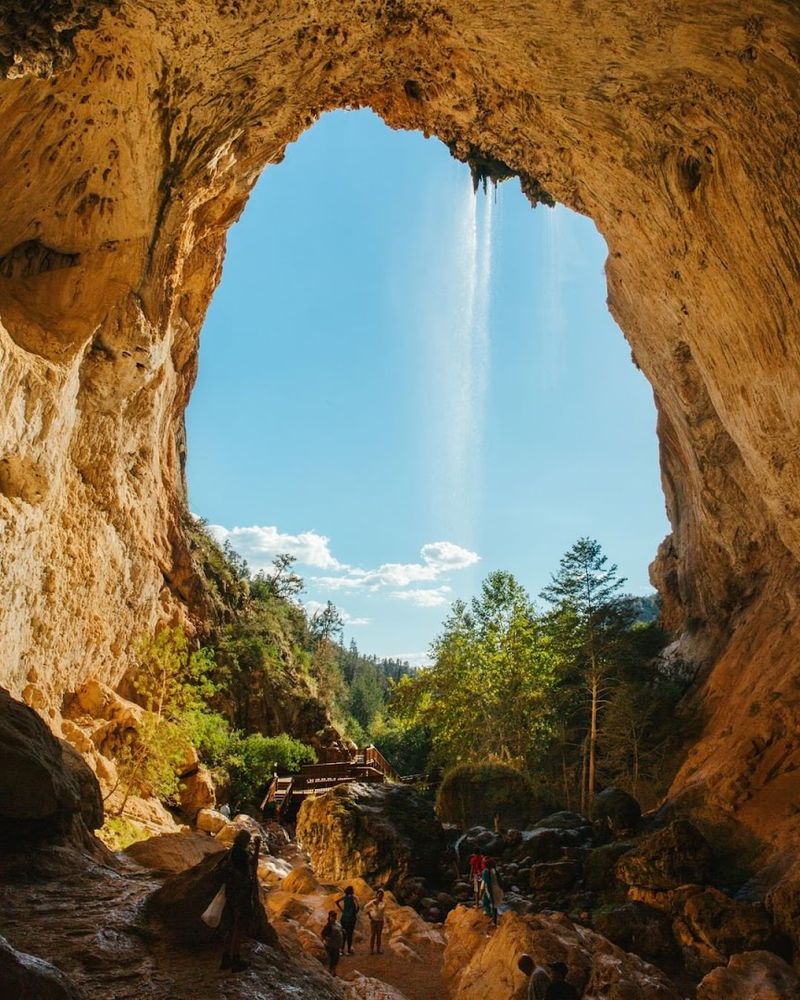
In pine country near Payson, Tonto Natural Bridge State Park holds what is believed to be the largest natural travertine bridge in the world, and standing below it for the first time is genuinely hard to put into words.
The bridge stretches 183 feet high and 400 feet long, arching over a turquoise pool fed by a natural spring. Spring is the ideal season to visit because water levels are good and temperatures at this higher elevation stay comfortable.
Several short but steep trails lead down into the canyon, including one that brings you right to the water’s edge beneath the bridge. The hike is not long, but it is worth wearing shoes you don’t mind getting wet.
The surrounding pine and juniper forest adds a layer of green that feels refreshing after a winter in the desert.
The park is open year-round, but spring crowds stay manageable. Arrive before 10 a.m. on weekends to get the best parking and the most peaceful experience.
3. The Arboretum At Flagstaff, Flagstaff, Arizona
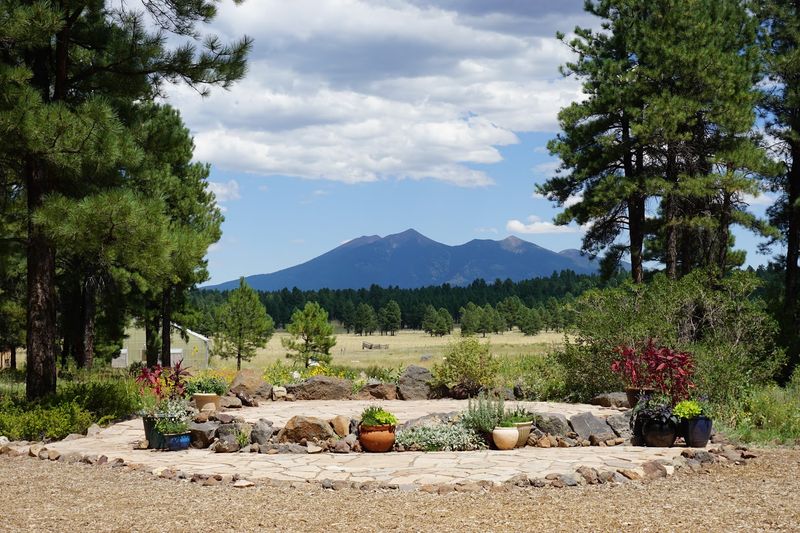
Most people drive through Flagstaff on their way somewhere else, which means the Arboretum at Flagstaff stays refreshingly uncrowded even during peak travel months. Sitting at 7,150 feet elevation, this 200-acre botanical garden and nature preserve offers something genuinely different from the lower-desert gardens scattered across the state.
The air is cooler, the trees are taller, and the views of the San Francisco Peaks provide a backdrop that feels almost theatrical.
Spring here runs a bit later than in Phoenix, which means wildflowers and early bloomers are often at their peak in May and into June. The woodland trails wind through meadows, wetland areas, and forest patches, making each stretch feel like a new environment.
Birdwatching is excellent, and the garden hosts regular guided tours and educational programs throughout the season.
The Arboretum is open from April through December, so timing your spring visit right is key. It is one of those places that rewards slow walkers and curious minds more than anyone rushing through.
4. Tubac Presidio State Historic Park, Tubac, Arizona
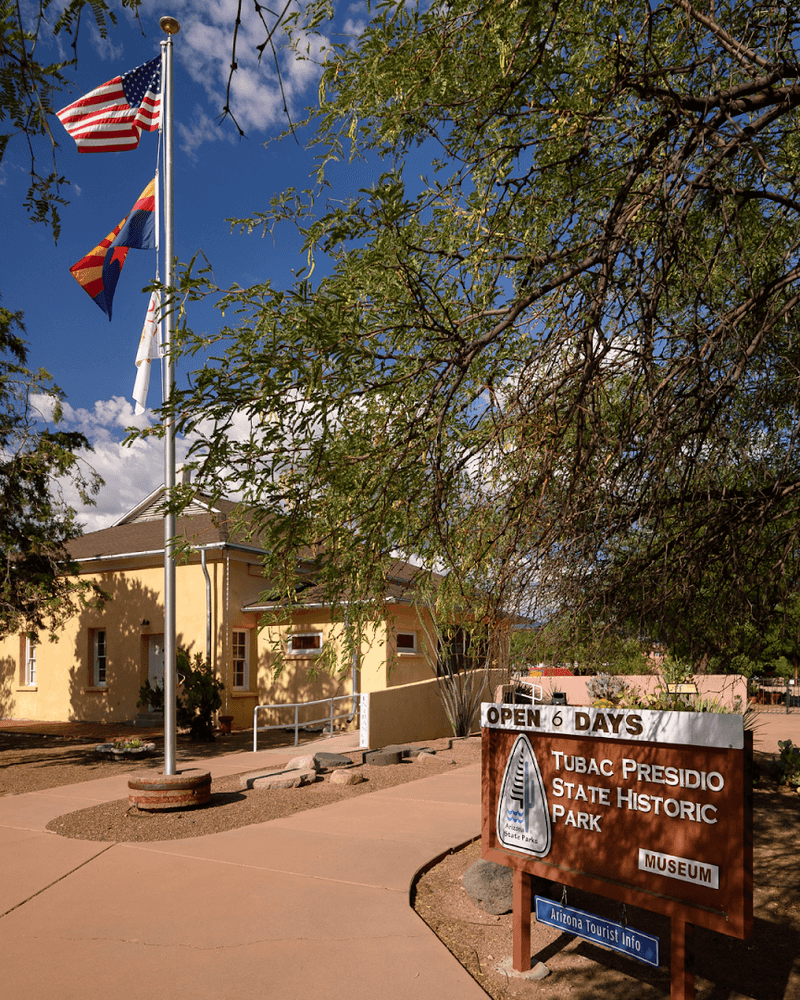
There is something quietly powerful about standing on the grounds of Arizona’s oldest Spanish presidio, established in 1752 in what is now the small arts town of Tubac. Tubac Presidio State Historic Park does not try to be flashy, and that restraint is exactly what makes it so good.
The ruins, the underground excavation viewing area, and the small but well-curated museum tell a layered story about Spanish colonial Arizona that most people have never heard before.
Spring is a particularly good time to visit because the surrounding area comes alive with color and the temperatures in southern Arizona stay pleasant before summer arrives.
Tubac itself is worth wandering through, with local galleries, artisan shops, and a relaxed small-town energy that pairs well with the historic site. The two together make for a very full and satisfying day trip.
The park is open daily, and admission is low. Pairing this stop with a walk along the Anza Trail nearby adds mileage and meaning to an already rich visit.
5. Patagonia Lake State Park, Patagonia, Arizona
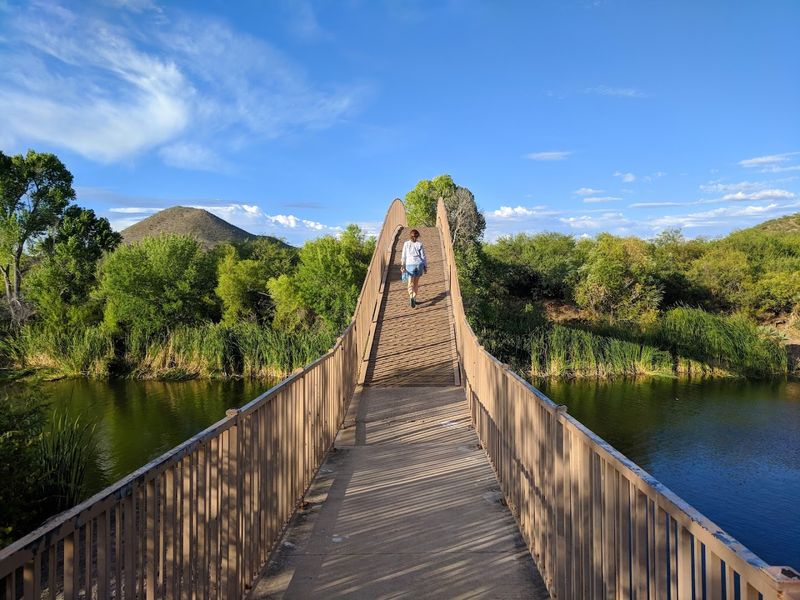
Southern Arizona does not always get the credit it deserves for scenic variety, and Patagonia Lake State Park is a good example of why that needs to change. The lake sits in a green, rolling landscape that looks almost nothing like the classic Arizona postcard, and in spring the surrounding hills turn a vivid shade of green that feels almost surprising.
Boating, kayaking, and fishing are all popular here, and the campground fills up for good reason. Birdwatching at Patagonia Lake is exceptional, particularly during spring migration when the lake and its surrounding riparian habitat attract a wide variety of species.
The area is well known among serious birders, but you do not need binoculars and a field guide to appreciate the energy of the place. Just sitting near the water on a clear spring morning is enough.
The park is about 12 miles from the town of Nogales and roughly two hours from Tucson. Plan to arrive early on spring weekends, as day-use parking fills up faster than you might expect.
6. Colossal Cave Mountain Park, Vail, Arizona
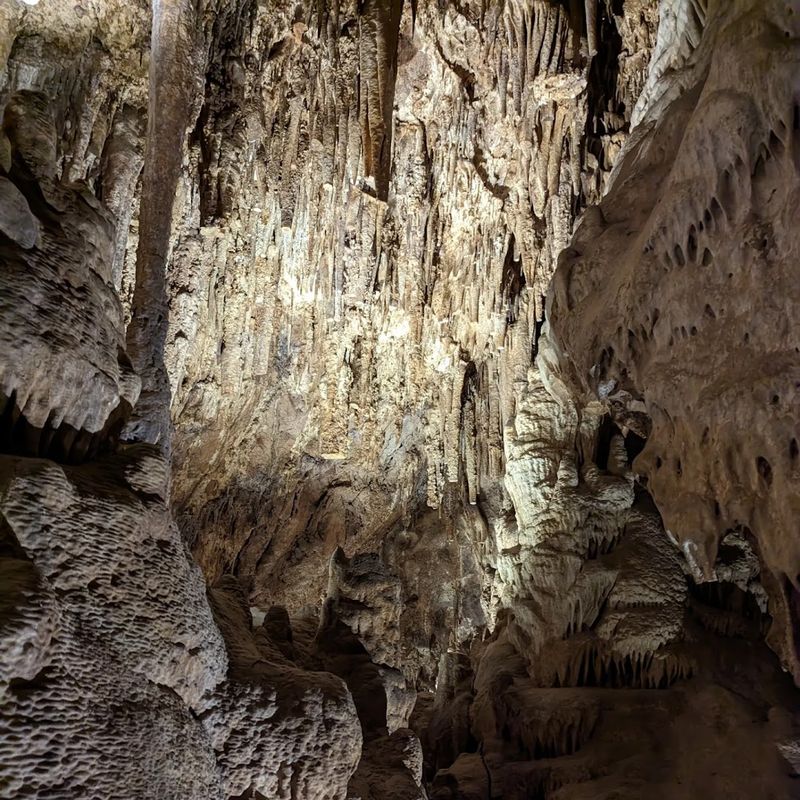
Colossal Cave Mountain Park near Vail has been drawing visitors since the 1930s, and it still manages to feel like a genuine adventure rather than a theme park experience.
The cave itself is a dry cave, meaning it stopped actively forming thousands of years ago, which gives it a distinct and ancient atmosphere unlike the wet caves found elsewhere in the state. Guided tours run regularly and take you through chambers with names that lean into the drama of the place.
Spring is a strong season for a visit here because the surrounding desert landscape is at its most colorful, and the cave’s stable 70-degree interior temperature feels refreshing without being cold.
Beyond the cave, the park includes a ranch area, horseback riding, and hiking trails that wind through typical Sonoran Desert scenery. It is open seven days a week, which makes spontaneous planning easy.
Located about 30 minutes southeast of Tucson, Colossal Cave is the kind of place that works well for mixed groups, whether you are bringing curious kids or friends who just want something a bit off the beaten path.
7. Oracle State Park, Oracle, Arizona
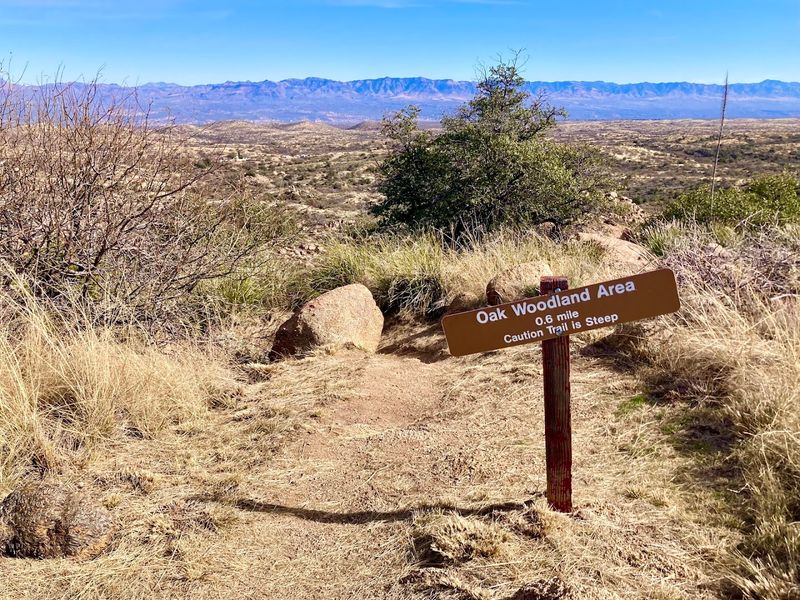
Not many people outside of Tucson know Oracle State Park well, and that low profile is honestly part of its appeal. Spanning 4,000 acres in the foothills of the Santa Catalina Mountains, the park offers more than 15 miles of trails through a landscape that blends grasslands, desert scrub, and oak woodland in a way that feels distinctly Arizona without being the same old saguaro-and-red-rock scene.
Spring is the season when this combination looks its absolute best.
The park sits at around 4,500 feet, which keeps temperatures comfortable well into late spring. Wildlife sightings are common, with mule deer, javelinas, and a wide range of bird species regularly spotted along the trails.
The park also has a historic ranch house that adds a layer of human history to the natural setting. Oracle itself is a small, artsy mountain community worth a quick look before or after your hike.
The park charges a modest day-use fee and is open daily, though it sees far fewer visitors than better-known state parks in the region.
8. Kartchner Caverns State Park, Benson, Arizona
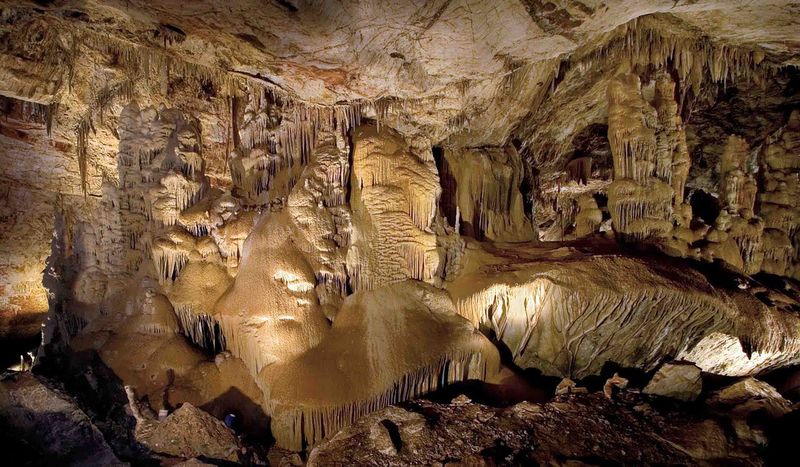
Discovered in 1974 by two cavers who kept the location secret for 14 years to protect it, Kartchner Caverns is one of the most thoughtfully preserved natural wonders in the American Southwest.
The cave is still actively forming, which means the stalactites, stalagmites, and cave bacon formations are wet, living structures rather than dusty relics.
Spring is a wonderful time to book a tour because the weather outside is pleasant and the cave’s humid 68-degree interior feels like a completely different world.
Tours are timed and ticketed in advance, and they sell out quickly on spring weekends, so booking ahead is not optional, it is essential.
Two main tour routes are offered, the Rotunda and Throne Room tour and the Big Room tour, each highlighting different sections of the cave. Both are accessible and well-lit, with paved pathways throughout.
The park sits about 45 minutes east of Tucson near Benson. The hummingbird garden near the visitor center is a small bonus worth pausing at before or after your underground adventure.
9. Jerome State Historic Park, Jerome, Arizona
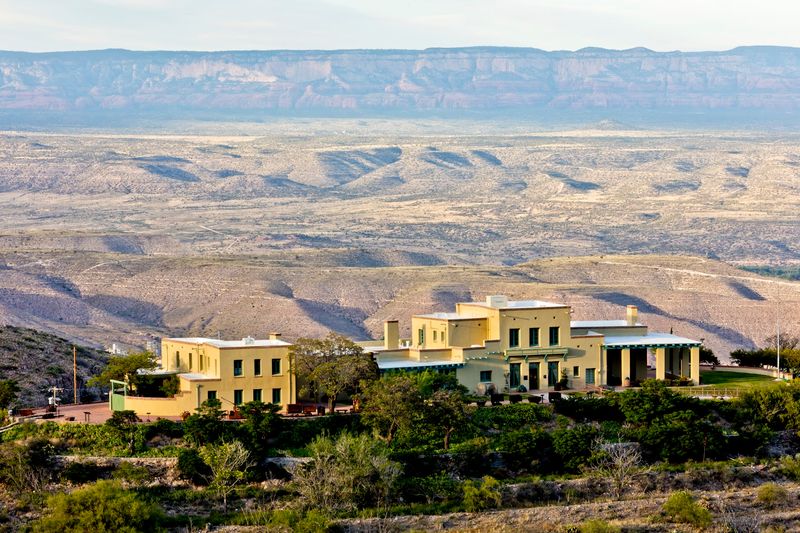
Perched on Cleopatra Hill above the Verde Valley, Jerome is one of those Arizona towns that earns every bit of its reputation, and Jerome State Historic Park is the best starting point for understanding why.
The park centers on the Douglas Mansion, a 1916 adobe structure built by mining magnate James S. Douglas, which now houses a museum dedicated to Jerome’s copper mining history.
The views from the mansion’s terrace stretch across the Verde Valley in a way that makes you stop and just look for a while.
Spring is a particularly good time to make the trip because the mountain town temperature stays cooler than the valley below, and the surrounding landscape gets a flush of green that softens the rugged terrain.
Jerome itself is full of galleries, small restaurants, and historic buildings that reward slow exploration after the park visit.
The state historic park is open Thursday through Monday, so plan your visit accordingly. Combining it with a walk through Jerome’s main street turns a half-day trip into a full and satisfying one.
10. Whitewater Draw Wildlife Area, McNeal, Arizona
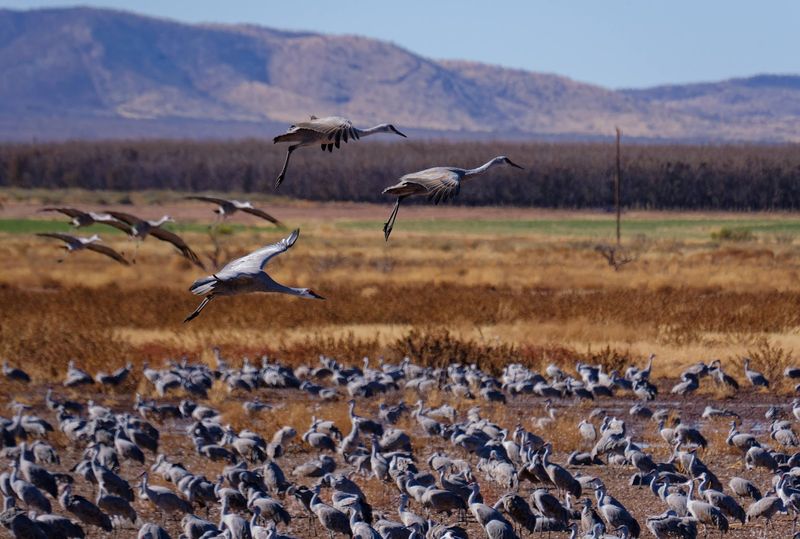
Southeastern Arizona holds some of the most underappreciated birding in North America, and Whitewater Draw Wildlife Area is a compelling reason to make the drive out to McNeal.
The site is best known as a winter roost for tens of thousands of sandhill cranes, but spring brings its own rewards as migration gets underway and the wetlands attract a rotating cast of shorebirds, raptors, and waterfowl.
The flat, open landscape feels nothing like the rest of Arizona, and that contrast alone makes it memorable. The area is managed by the Arizona Game and Fish Department and is free to visit. A short, flat trail loops around the main pond, making it accessible for all fitness levels.
Bring binoculars, a field guide if you have one, and a folding chair if you want to sit and watch without rushing.
The drive from Tucson takes about two hours, which puts this firmly in day-trip territory. The surrounding Sulphur Springs Valley is strikingly beautiful in spring, and the route itself becomes part of the experience.
11. Desert Botanical Garden, Phoenix, Arizona
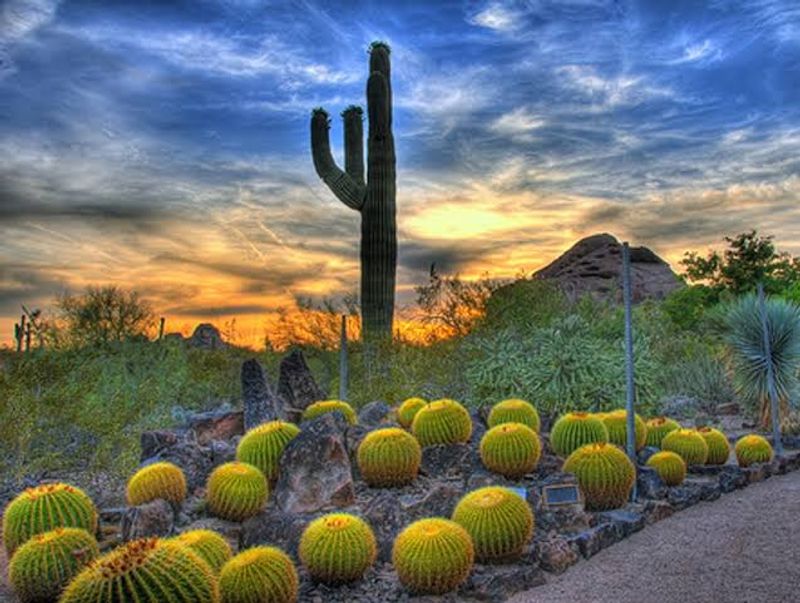
Spring is the season that makes the Desert Botanical Garden in Phoenix worth every bit of its reputation. The 55-acre garden sits in Papago Park and houses one of the most impressive collections of desert plants in the world, with more than 50,000 plants from the Sonoran Desert and beyond.
When spring wildflowers hit their peak, usually between late February and April, the color and scale of the display is genuinely striking. The garden opens early, and arriving at opening time on a spring morning gives you the best light for photos and the coolest temperatures for walking.
Several themed trails wind through the property, covering everything from hummingbird habitats to edible desert plants. The butterfly pavilion, open seasonally, adds another layer of delight to the visit.
Tickets should be purchased online in advance during spring, as weekend attendance spikes significantly. The garden is located in central Phoenix, making it easy to pair with lunch or a visit to the nearby Heard Museum for a full day in the city.
12. Casa Grande, Arizona
Casa Grande tends to get overlooked in favor of flashier Arizona destinations, but that is precisely what makes it a solid spring day trip for people who want a low-key, genuinely enjoyable outing without fighting crowds.
The city sits roughly halfway between Phoenix and Tucson, which makes it accessible from both directions and easy to combine with stops along the way. Spring temperatures here are comfortable, and the town has more going on than most passing visitors realize.
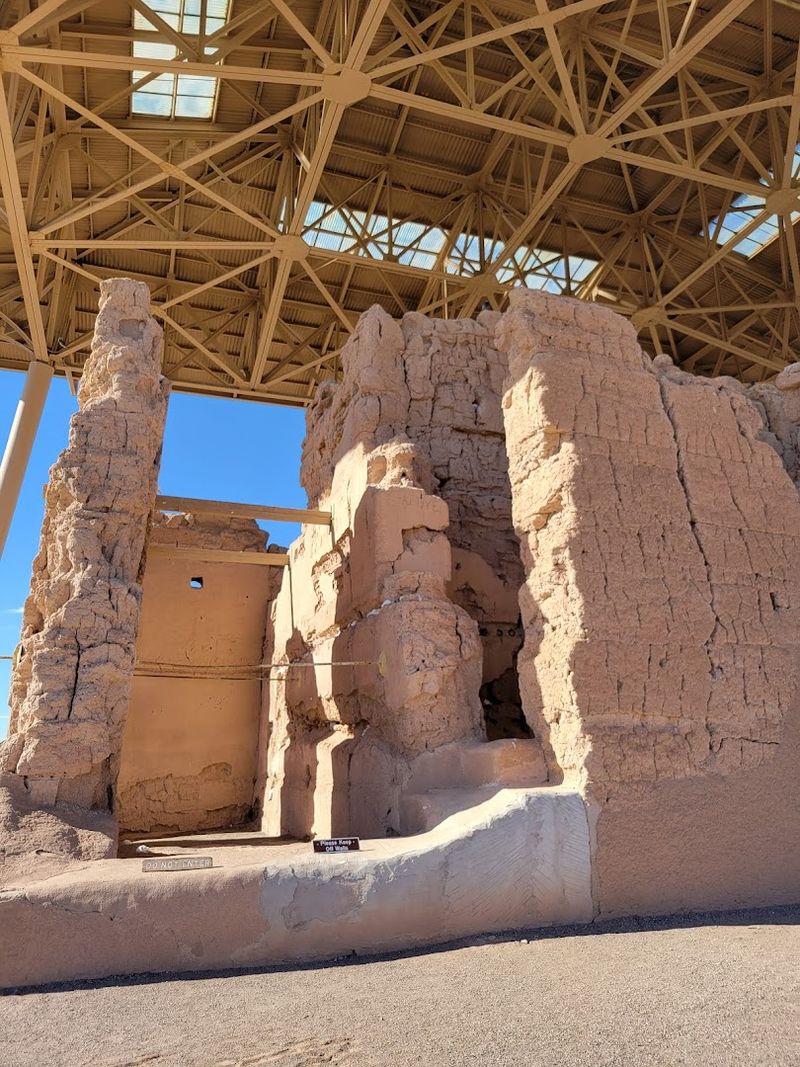
Casa Grande Ruins National Monument, located just outside the city in nearby Coolidge, is the standout attraction in the area.
The massive prehistoric structure built by the Ancestral Sonoran Desert People around 1350 CE is protected by a large metal roof canopy and surrounded by a fascinating archaeological landscape. Rangers lead guided tours on weekends that add real depth to the visit.
Back in the city, the downtown area has local shops and a relaxed pace that pairs well with a morning at the ruins. It is the kind of day trip that sneaks up on you and turns out better than you planned.