
12 Arizona Trips That Are Big On Fun And Easy On The Wallet
Arizona is full of trips that feel bigger than their price tag, which is exactly why I love planning a day around the state’s easier escapes. You do not always need a resort weekend or a long itinerary to make a memory here.
Sometimes it is enough to find a lake, a shady trail, a historic town, or a scenic drive that lets the whole day unfold at its own pace. These kinds of trips are especially fun because they keep the focus on simple pleasures: fresh air, good views, picnic snacks, and that happy feeling of getting out of the usual routine.
I always like finding places that make a quick getaway feel bigger than it is, whether that means water, history, small-town charm, or a cooler stretch of desert. These 12 trips prove Arizona can be playful, memorable, and surprisingly easy on the wallet.
1. Slide Rock State Park, Sedona
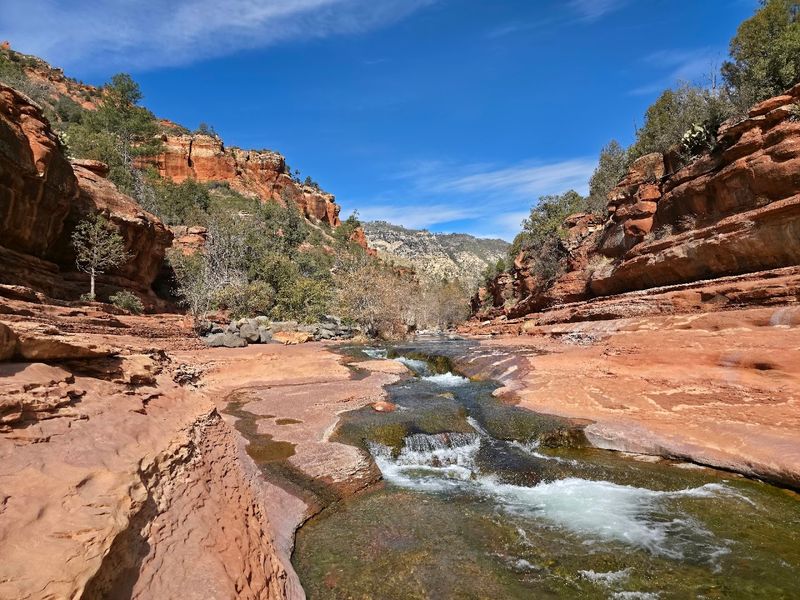
Red rocks and rushing water create one of Arizona’s most unique swimming holes at this Sedona favorite. Oak Creek carved smooth chutes through the sandstone over thousands of years, and now visitors slide down nature’s own waterpark on hot summer days.
The park sits in a gorgeous canyon with red cliffs rising on both sides. You can hike the trails, wade in calmer pools, or brave the main slide where the current pulls you downstream over slick rock.
Bring water shoes because the rocks get slippery, and arrive early since parking fills up fast on weekends. The $30 vehicle fee covers up to four people, making it reasonable for families.
Pack a picnic and claim a shady spot under the cottonwood trees. The apple orchard from the park’s homesteading days still produces fruit in fall, adding historic charm to your creek day.
2. Tonto Natural Bridge State Park, Pine
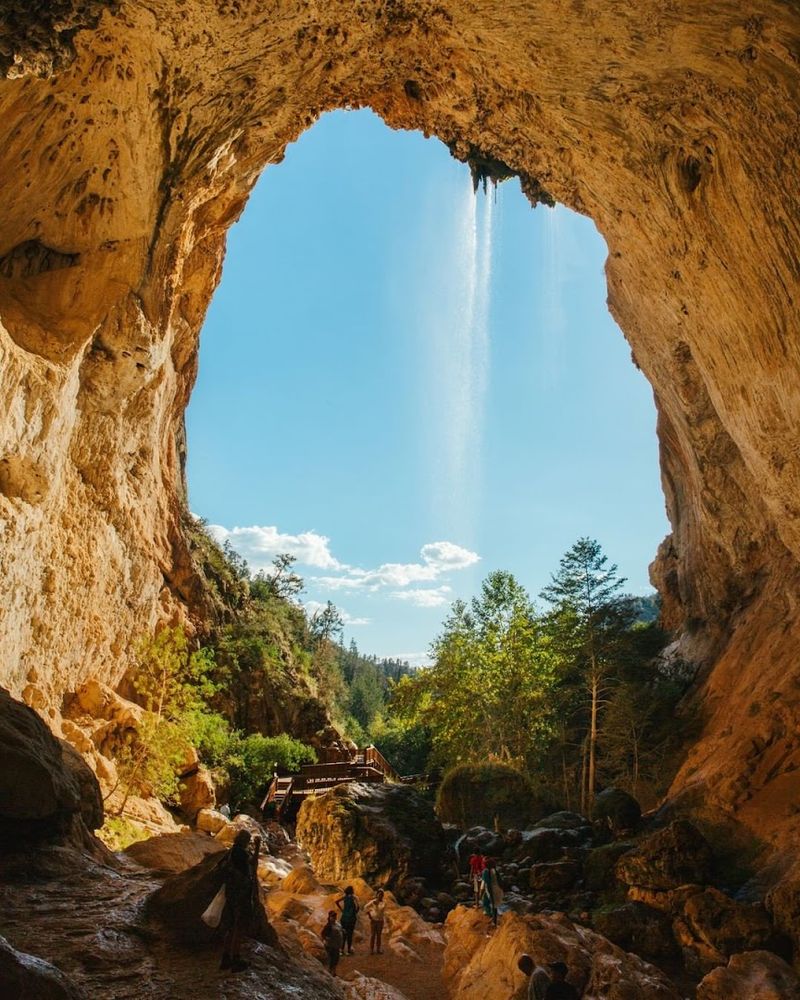
Hidden in Arizona’s rim country sits the world’s largest natural travertine bridge, and most people have never heard of it. This geological wonder stretches 183 feet across a canyon, and you can walk both above it and beneath it on different trails.
Four short hiking paths lead to various viewpoints, each offering a different perspective on this massive stone arch. The trails range from easy to moderately challenging, with the path down to the bridge’s base being the steepest.
Pine trees and cooler temperatures make this a perfect escape when Phoenix feels like an oven. The canyon stays shaded much of the day, and a small waterfall trickles beneath the bridge after rainy periods.
At $10 for adults and $5 for youth, with free entry for kids six and under, this natural wonder won’t strain your wallet. The visitor center explains how mineral-rich water created this bridge over thousands of years, adding an educational element to your outdoor adventure.
3. Walnut Canyon National Monument, Flagstaff
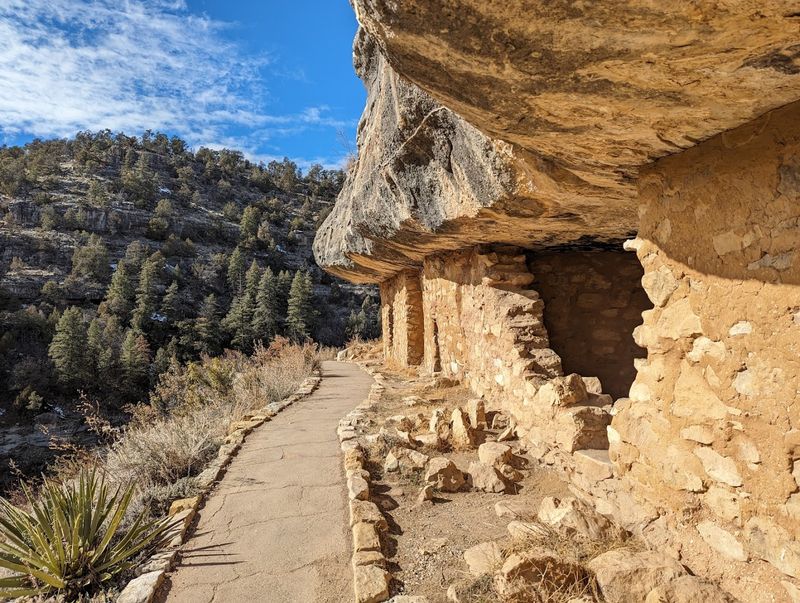
Twenty-five cliff dwellings cling to the limestone walls of Walnut Canyon, built by the Sinagua people over 700 years ago. Walking the Island Trail feels like stepping into a time machine as you duck into ancient rooms carved right into the canyon face.
The trail descends 240 feet with 240 steps, winding past dwelling after dwelling. Each structure showcases incredible engineering, with walls fitting perfectly into natural alcoves for shelter from sun and weather.
Flagstaff’s elevation keeps temperatures comfortable even in summer, making this an ideal warm-weather destination. The rim trail offers an easier walk for those who can’t handle the stairs, with equally impressive canyon views.
Rangers lead free programs throughout the day, explaining how the Sinagua farmed, hunted, and thrived in this canyon ecosystem. Standard passes run $15 to $25, covering seven days of access.
The park opens daily from 9 a.m. to 5 p.m., giving you plenty of time to explore without rushing.
4. Montezuma Castle National Monument, Camp Verde
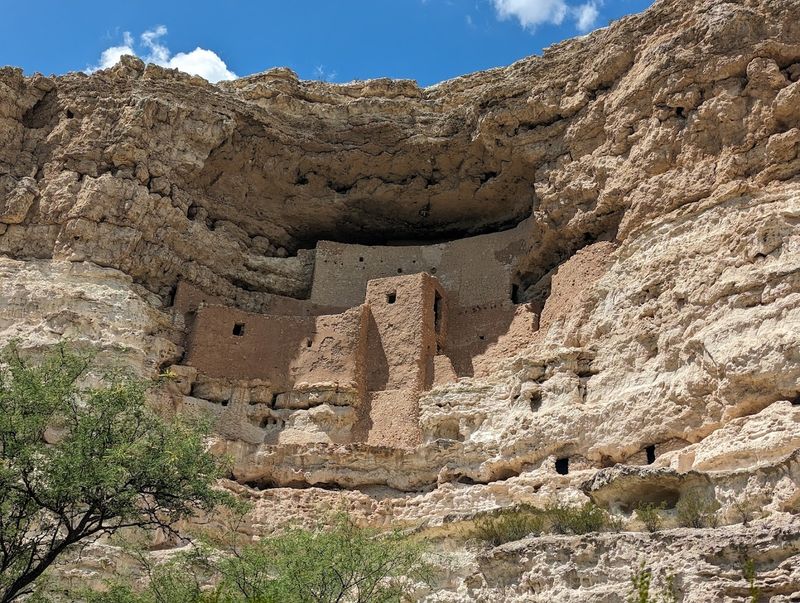
A five-story apartment building rises from a limestone cliff near Camp Verde, built by Sinagua people around 1100 AD. This remarkably preserved dwelling housed about 35 people in twenty rooms stacked vertically into the cliff face.
The short paved trail makes this one of Arizona’s most accessible ancient sites. You can’t climb into the castle itself anymore, but the viewing area below offers an excellent perspective on the structure’s impressive construction.
Interpretive signs explain daily life in this cliff dwelling, from food storage to defensive advantages. The castle’s name came from early settlers who mistakenly thought it connected to the Aztec emperor, though it predates his reign by centuries.
Adult entry costs just $10, and children fifteen and under get in free. Nearby Montezuma Well, a natural limestone sinkhole with its own cliff dwellings, offers free entrance and makes a great addition to your visit.
Both sites stay open year-round, providing budget-friendly history lessons in spectacular settings.
5. Watson Lake Park, Prescott
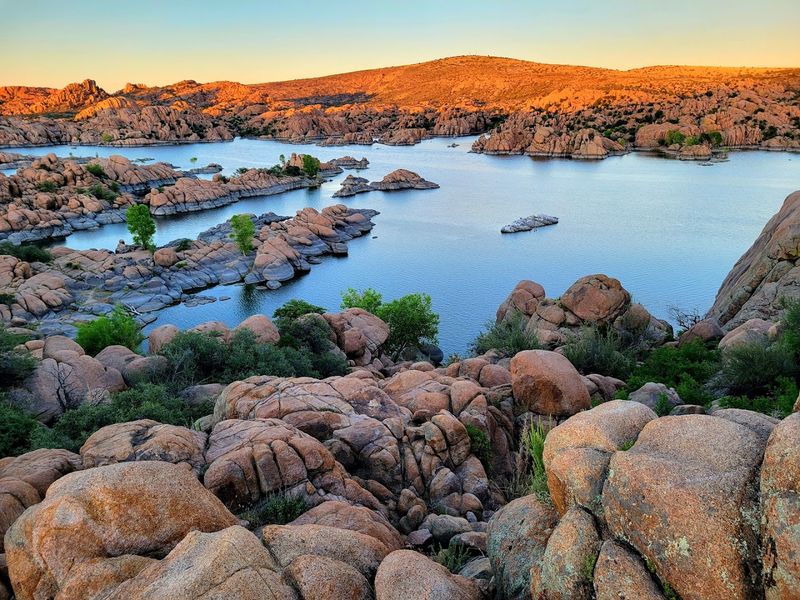
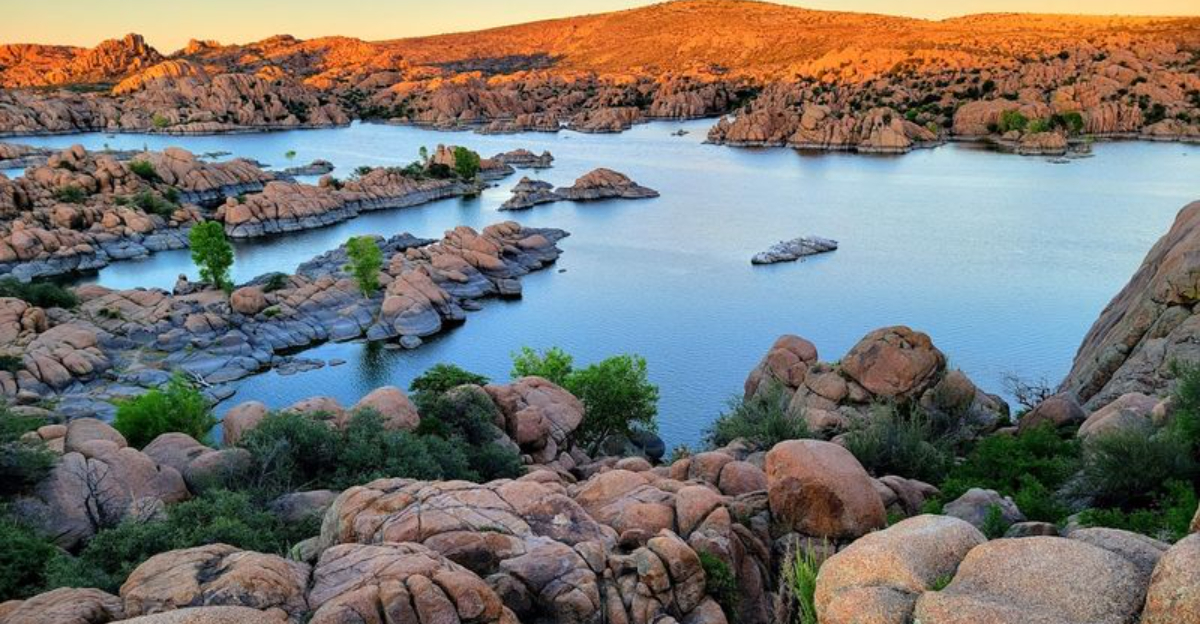
Granite boulders the size of houses surround Watson Lake, creating one of Arizona’s most photogenic landscapes. The Dells, as locals call this boulder maze, formed millions of years ago when volcanic rock cooled and fractured into these spectacular formations.
Kayaking here feels like paddling through a sculpture garden. You can rent watercraft or bring your own, weaving between boulders that tower overhead and create hidden coves perfect for exploring.
Rock climbers love the granite for its solid holds and varied routes. Even if you don’t climb, watching others scale these formations adds entertainment to your picnic.
The park opens at 6 a.m. during summer, giving early risers the chance to beat the heat and crowds. Parking costs only $5, making this an incredibly affordable day trip.
Pack lunch and claim a picnic spot among the boulders. Sunset turns the granite golden orange, so consider staying late for the light show that photographers dream about.
6. Woods Canyon Lake And Rocky Point Picnic Site
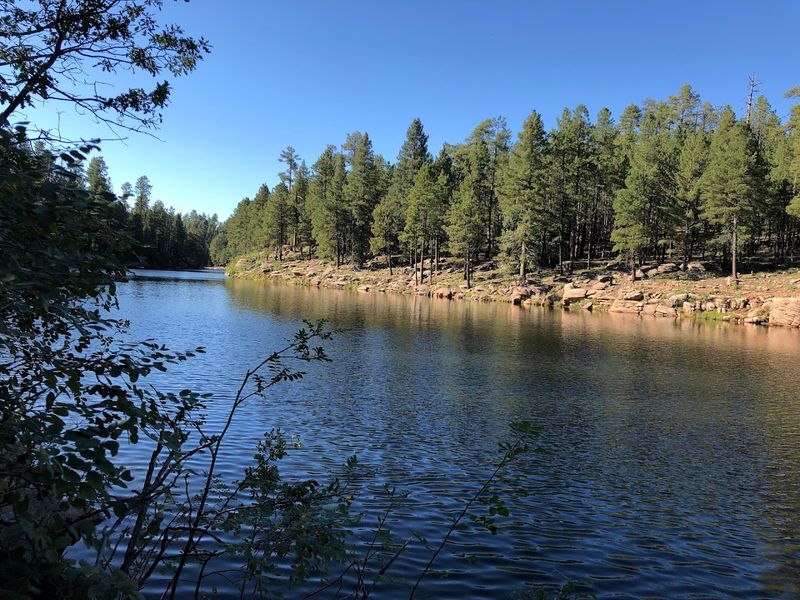
Ponderosa pines tower over Woods Canyon Lake at 7,500 feet elevation, creating a mountain escape that feels nothing like desert Arizona. This 55-acre lake sits in the Mogollon Rim country, where the air stays cool even when Phoenix swelters.
Fishing draws many visitors here, with rainbow trout, brook trout, and northern pike swimming beneath the surface. You can fish from shore, rent a boat, or walk the trail circling the lake.
Rocky Point Picnic Site offers shaded tables and lake access for just $10 per day. The facility stays simple but clean, with vault toilets and parking for easy lake entry.
Bring layers because mountain weather changes quickly. Morning fog often blankets the water before burning off to reveal blue skies.
The drive itself rewards you with rim country scenery and wildlife sightings. Elk, deer, and wild turkeys frequently appear along the forest roads, adding unexpected moments to your budget-friendly mountain day.
7. Mount Lemmon And Catalina Highway Scenic Drive, Tucson
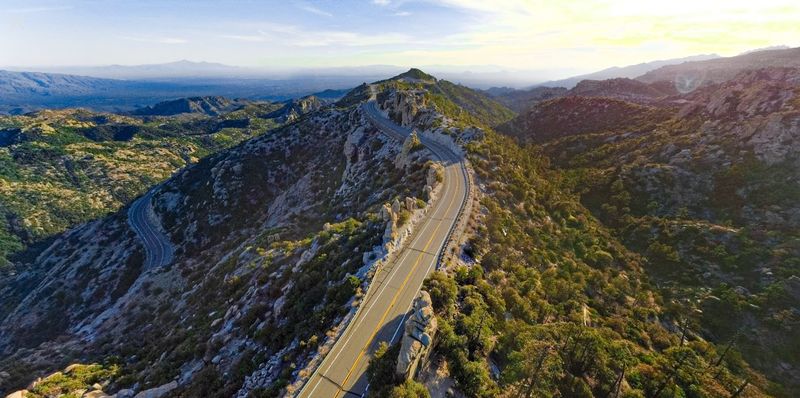
Temperatures drop about 30 degrees as you climb from Tucson’s desert floor to Mount Lemmon’s pine forests. The Catalina Highway twists 27 miles up the mountain, passing through five distinct climate zones that would take days to experience driving north.
Saguaro cacti give way to oak woodland, then pine forest, and finally spruce and fir near the summit. Pull over at the numerous viewpoints to photograph the dramatic elevation change and spot wildlife.
Picnic areas dot the route, offering shaded tables under towering pines. Some visitors make the drive just to eat lunch in the cool mountain air before heading back down.
The Forest Service charges $8 per vehicle for day use, making this one of the cheapest ways to escape Tucson heat. The road stays open year-round, though winter occasionally brings snow to the upper elevations.
Allow at least two hours for the round trip if you want to stop and explore. Hiking trails branch off from various points along the highway, ranging from easy nature walks to challenging mountain climbs.
8. Boyce Thompson Arboretum, Superior
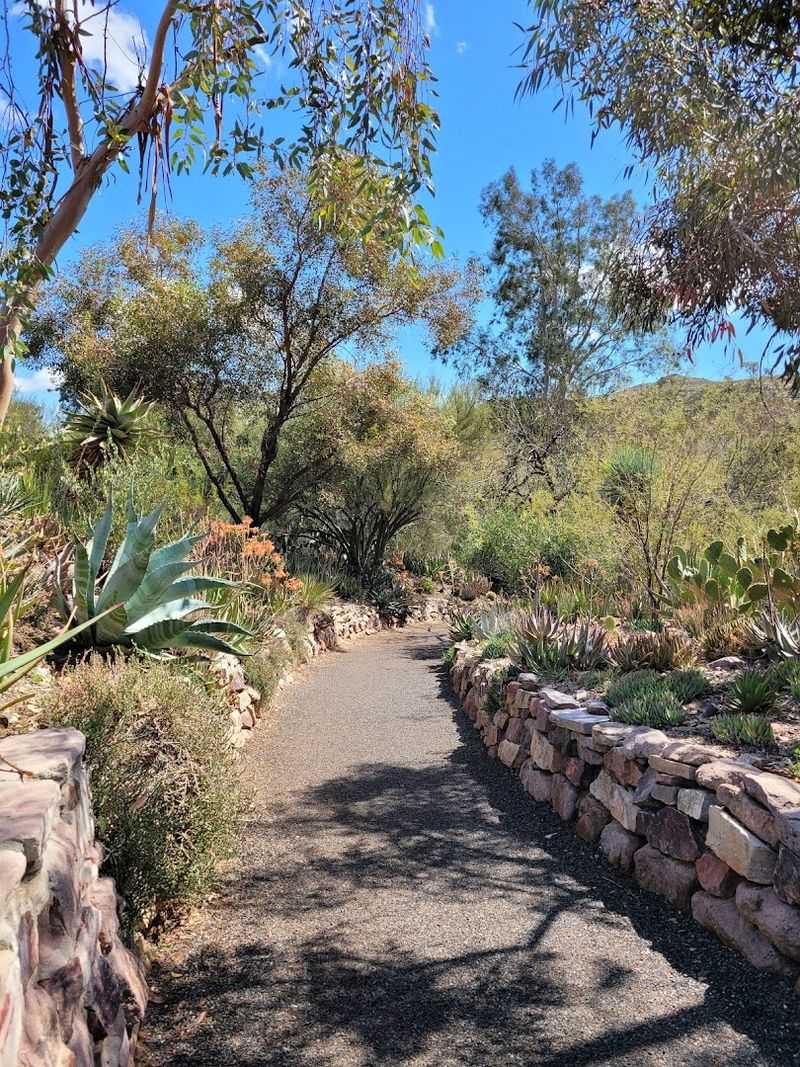
Arizona’s oldest botanical garden showcases desert plants from around the world in a setting more beautiful than many expensive attractions. Founded in the 1920s, this 392-acre arboretum sits against a backdrop of dramatic cliffs and rock formations.
Summer hours run from 6 a.m. to noon, letting you explore the gardens during the coolest part of the day. Walking the trails early means seeing plants covered in dew and hearing birds before the heat drives them to shade.
The main loop trail covers about 1.5 miles through different themed gardens. You’ll pass through areas representing Sonoran Desert, Australian Outback, and South American landscapes, all connected by shaded pathways.
Ayer Lake sits at the heart of the arboretum, attracting ducks, herons, and other water birds. The lake area offers benches for resting and excellent photo opportunities with plants reflected in the water.
Adult admission costs $16, which supports plant conservation and education programs. The arboretum’s location between Phoenix and Globe makes it a perfect stop on longer road trips through central Arizona.
9. Kartchner Caverns State Park, Benson
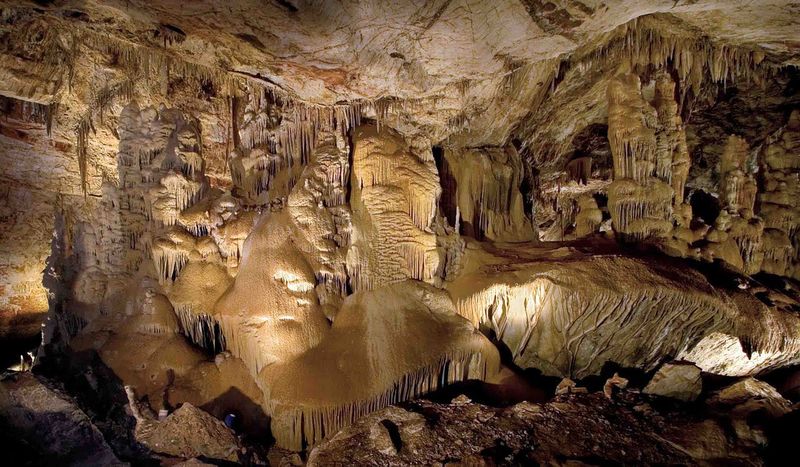
Two cavers discovered this massive cave system in 1974 but kept it secret for fourteen years to protect it from vandalism. Their patience paid off when the state created a park that preserves one of the world’s finest living cave systems.
The Discovery Center alone makes the trip worthwhile, even if you skip the cave tours. Interactive exhibits explain cave geology, bat biology, and the formation process that created these underground chambers over 200,000 years.
Cave temperatures stay around 68 degrees year-round, making this a perfect summer destination when outside temperatures soar. Humidity inside reaches nearly 100 percent, so the cave feels naturally air-conditioned.
Two different cave tours showcase different sections of the cavern system. The Rotunda Tour runs year-round, while the Big Room Tour operates seasonally to protect bat colonies during breeding season.
The park waives the entrance fee when you book a cave tour, though tours themselves cost extra. Even on a tight budget, the free Discovery Center and grounds offer enough to justify the drive to Benson.
10. Riordan Mansion State Historic Park, Flagstaff
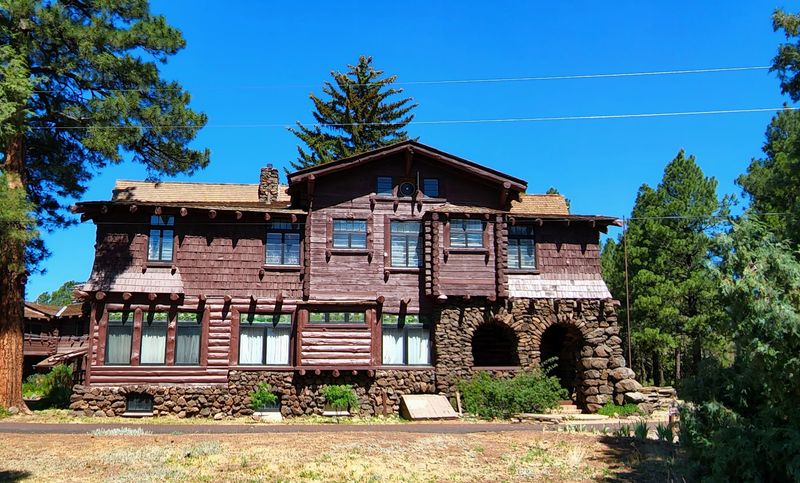
Two brothers who made their fortune in lumber built this sprawling Arts and Crafts mansion in 1904, and their family story reveals fascinating details about early Arizona history. The 13,000-square-foot home actually consists of two mirror-image houses connected by a common area.
Tours guide you through rooms filled with original furnishings, from handcrafted furniture to family photographs. The brothers married two sisters, so the connected houses let the extended family live close while maintaining separate households.
Flagstaff’s cool climate influenced the home’s design, with features like enclosed porches and multiple fireplaces. The mansion showcases how wealthy Arizonans lived during the territorial period, blending rustic Western style with sophisticated craftsmanship.
Even without taking the house tour, the grounds and visitor center offer plenty to see for just $5 per adult. Youth pay $3, and children six and under enter free.
The park sits near downtown Flagstaff, making it easy to combine with lunch or shopping. Rangers share stories about the Riordan family’s influence on Arizona’s lumber industry and early statehood.
11. Jerome State Historic Park, Jerome
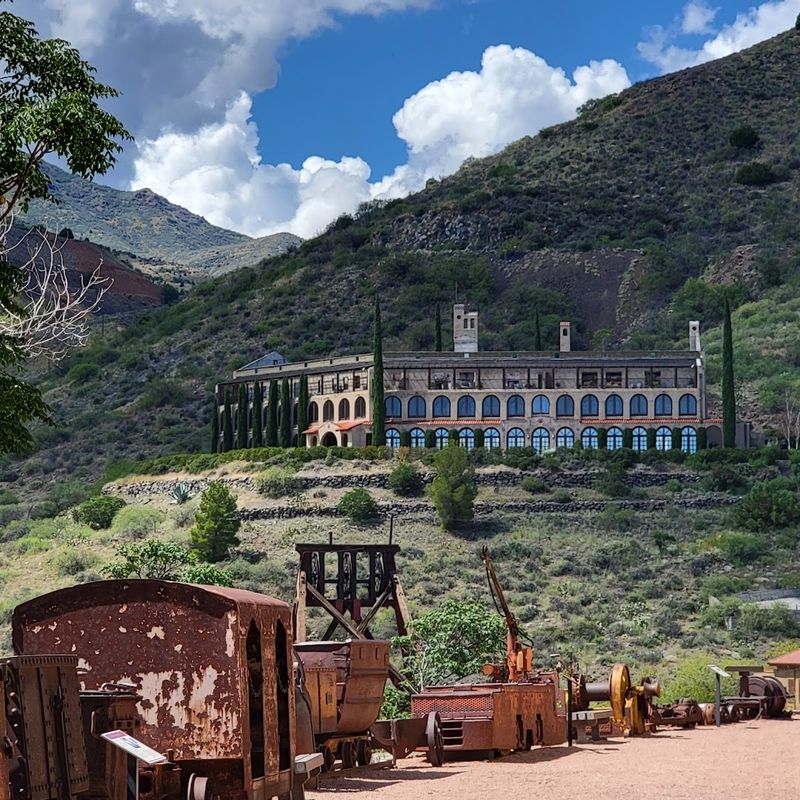
Copper mining built this town clinging to Cleopatra Hill, and the mansion housing the state park once belonged to a mining family. Standing at 5,000 feet elevation, Jerome offers sweeping views across the Verde Valley that alone justify the visit.
The museum inside tells the boom-and-bust story of Arizona mining through photographs, artifacts, and mining equipment. You’ll learn how underground fires, labor strikes, and fluctuating copper prices shaped this community’s wild history.
Outside, a 1918 mine hoist and other massive equipment demonstrate the scale of industrial mining operations. Kids love climbing around the machinery while adults read interpretive signs explaining how each piece worked.
Entry costs $10 for adults, $5 for youth, and nothing for kids six and under. After visiting the park, walk up into Jerome itself to explore galleries, shops, and restaurants in converted mining buildings.
The town’s steep streets and historic character make wandering feel like exploring a living museum. Many buildings lean at odd angles because underground mining caused gradual ground shifts, adding quirky charm to your hilltop history lesson.
12. Goldfield Ghost Town, Apache Junction
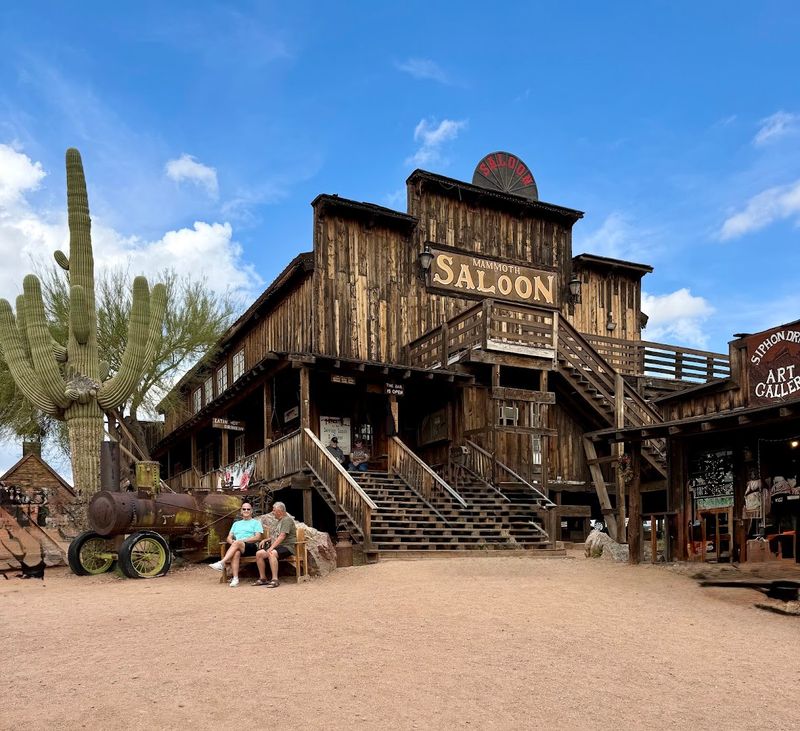
Gold drew prospectors to these hills in the 1890s, and though the mines closed long ago, Goldfield lives on as a recreated ghost town that captures Old West atmosphere. Weathered wooden buildings line the dirt main street, and you can wander through most of them for free.
Shops sell everything from fudge to handmade crafts, all housed in buildings designed to look authentically frontier. The town sits at the base of the Superstition Mountains, adding dramatic scenery to the Western experience.
Free admission means you only spend money on extras that interest you. The narrow-gauge train, underground mine tour, museum, and Mystery Shack all charge separate fees, so you control your budget completely.
Photographers love the rustic buildings and mountain backdrop for Western-themed shots.
The town opens from 10 a.m. to 5 p.m., giving you plenty of time to explore without rushing. Located just 40 minutes from Phoenix, Goldfield makes an easy day trip that feels much farther from city life than it actually sits.