
Arkansas Is Hosting A 2-Night Dark-Sky Festival Beneath The Milky Way This October 2026
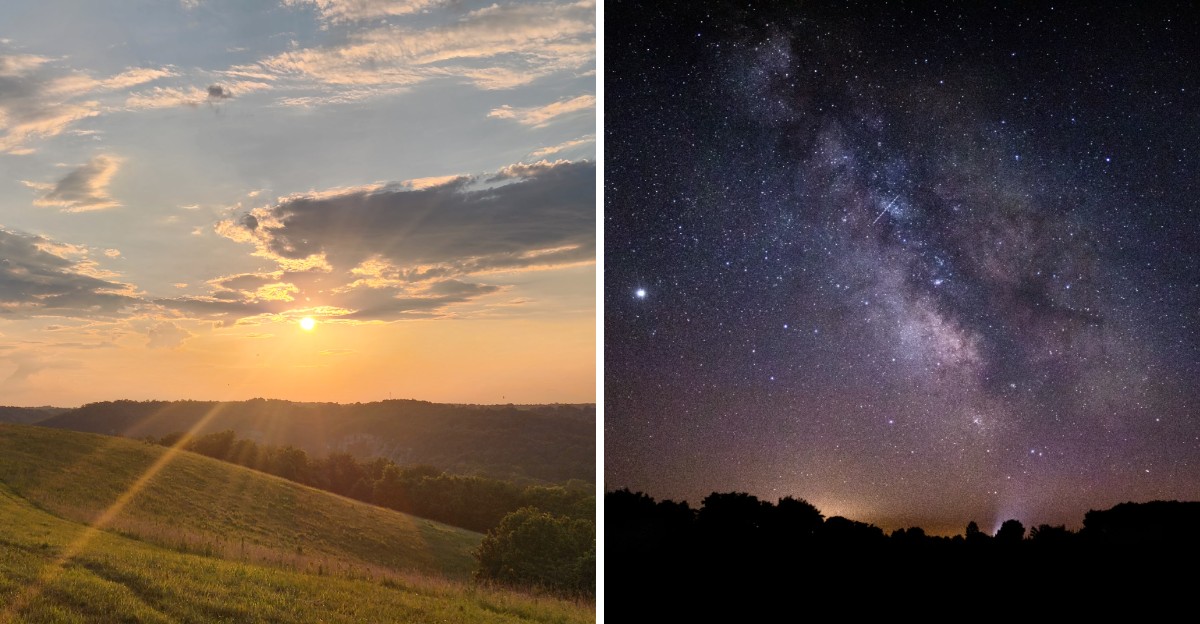
Most fall festivals get quieter after sunset. This one is really just getting started.
On October 2 and 3, a two-night dark-sky event will bring visitors to a creekside property in the Ozarks for guided stargazing after daytime activities wrap up. The idea is simple: turn down the artificial light and let the sky do more of the work.
Arkansas visitors can expect constellation tours and telescope viewing once darkness settles in. The Milky Way may stretch overhead when conditions cooperate.
Staying on the property also means the cabins are close by when the night runs late. Wooded hills around the grounds help reduce stray light, adding to the appeal for anyone used to brighter city skies.
Registration is required, and the festival is coming up fast. For a fall weekend built around what happens after dark, this event offers a different kind of October road trip.
After sunset arrives.
Made For Dark-Sky Nights
Some destinations sell scenery, and a much smaller number sell darkness. The second kind has become genuinely hard to find.
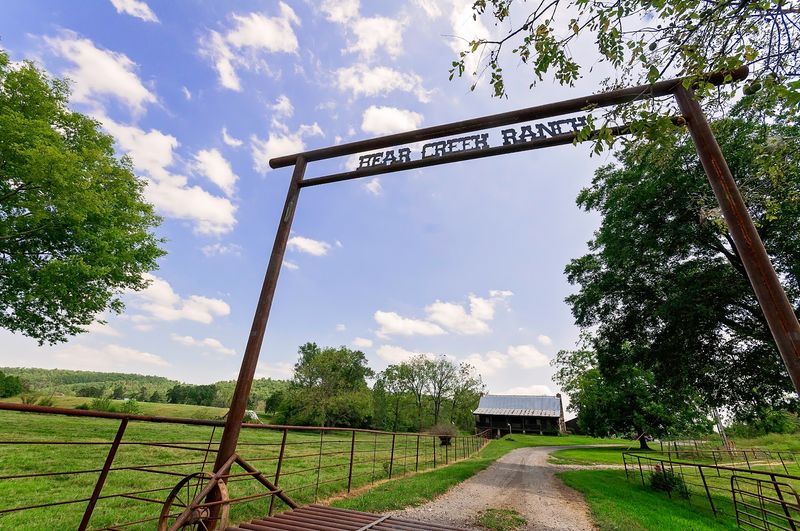
Much of the country glows orange after sunset because of streetlights and parking lots. Rural Ozark country still holds onto an older, deeper sort of night.
A two-night festival planned for October 2026 leans entirely on that advantage. The schedule bends around sunset and moonrise instead of stage lighting.
Red flashlights replace white beams for a practical reason, since human eyes need roughly twenty minutes to adapt. I find that rule oddly charming, because patience becomes part of the entertainment.
Autumn air cooperates too, trimming the summer haze that softens faint starlight. Crisp nights behind a cool front reveal stars that July quietly hides.
No telescope is required, though anyone who owns one will find plenty of room. Bare eyes catch a remarkable amount once headlights stop passing.
Long-exposure photography works well out here, and a steady tripod matters more than a pricey lens. Even a phone braced on a porch railing can surprise you.
Small gatherings suit dark-sky events, because crowds bring headlights and glowing screens. A quieter guest list protects the very thing people drove out to see.
Ridgelines and open pasture serve the same purpose across two evenings. The setting was chosen for what it lacks as much as for what it offers.
Circle October 2 and 3, 2026, and pack a warm layer. Mark it: the 2026 Arkansas Dark-Sky Festival at Bear Creek Log Cabins, 6403 US-65, St. Joe, Arkansas 72675.
Log Cabins Add Rustic Charm
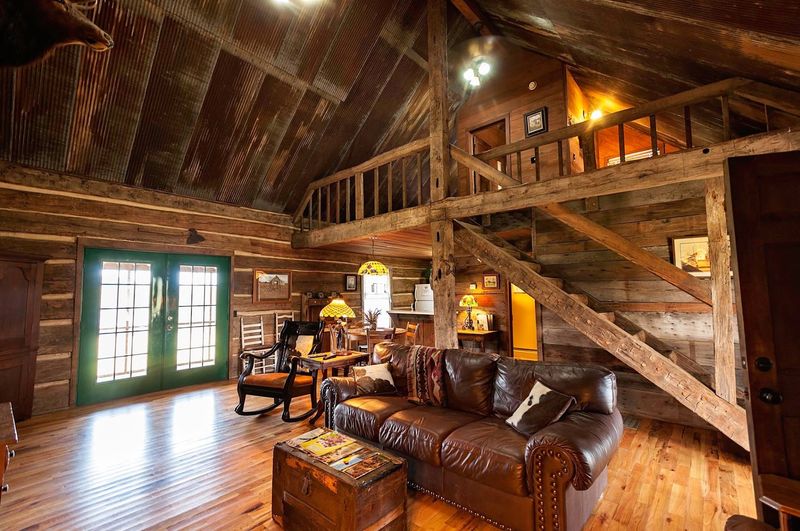
Comfort and real quiet rarely share a mailing address, yet they manage it out here. Timber walls and covered porches set the mood long before anyone looks skyward.
Cabins across the property come in several sizes, suiting couples, families, or a group traveling together. Each keeps a country look while staying warm and practical indoors.
Outdoor fire rings sit near the cabins, and firewood is available on the grounds. A small fire and a wide sky pair better than most people expect.
October nights in these hills turn chilly once the sun drops behind the ridges. Blankets and thick socks earn their keep during a long viewing session.
Porches double as observation decks, which suits anyone who prefers a chair to a folding stool. I like that the viewing spot sits about ten steps past your own front door.
The property operates as a cabin rental business with an office open daily, 9 AM to 6 PM. Booking questions go through 870-448-5926 or the reservation website.
Rustic here means wood and quiet rather than roughing it. Modern conveniences have not been left back at the county line.
Evening routines shift on a stargazing trip, with supper earlier and bedtime far later. Planning meals ahead keeps that schedule simple.
Sleeping arrangements matter for a festival weekend, since night owls and early risers share the same roof. Larger cabins let groups spread out.
Morning brings a different show, with mist settling low across the pasture. Coffee on the porch is the natural follow-up to a night of stargazing.
Bear Creek Runs Through It
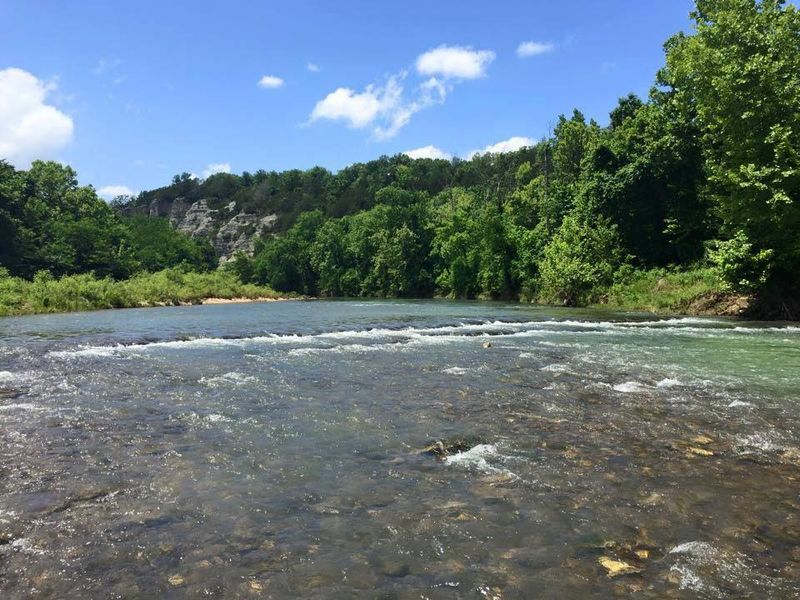
Water gave this ranch its name, and Bear Creek still shapes the property. Clear Ozark water slides over gravel bars, shallow in spots and pooling in others.
Fishing draws plenty of guests to the creek during warmer stretches of the year. October flows usually run lower and calmer, which makes wading easier.
The Buffalo National River flows nearby, and the Tyler Bend area is only a short drive. Congress named the Buffalo the first national river back in 1972.
Floating season leans toward spring and early summer, when water levels run high. Autumn visitors tend to walk the gravel bars instead of paddling them.
Moving water adds a soundtrack once darkness settles over the hollow. Owls and running water fill the gaps between conversations.
Still pools can mirror bright stars on a calm night, which photographers appreciate. I find that detail more impressive than any telescope image.
Footing near the water turns tricky after sunset, so sturdy shoes beat sandals. A red headlamp keeps hands free without ruining anyone’s night vision.
Creek water stays cold in October, making a quick splash memorable for the wrong reasons. Most visitors keep their stargazing firmly on dry land.
Daylight hours reward slow walking, with limestone bluffs rising above the treeline. Those same ridges block stray light after the sun goes down.
Kids tend to gravitate toward the shallows, hunting crawdads and skipping stones. Daytime creek play balances out late-night sky watching.
Morning fog often hangs over the water before burning off. Autumn mornings along an Ozark creek are quietly spectacular.
Wooded Hills Frame The Grounds
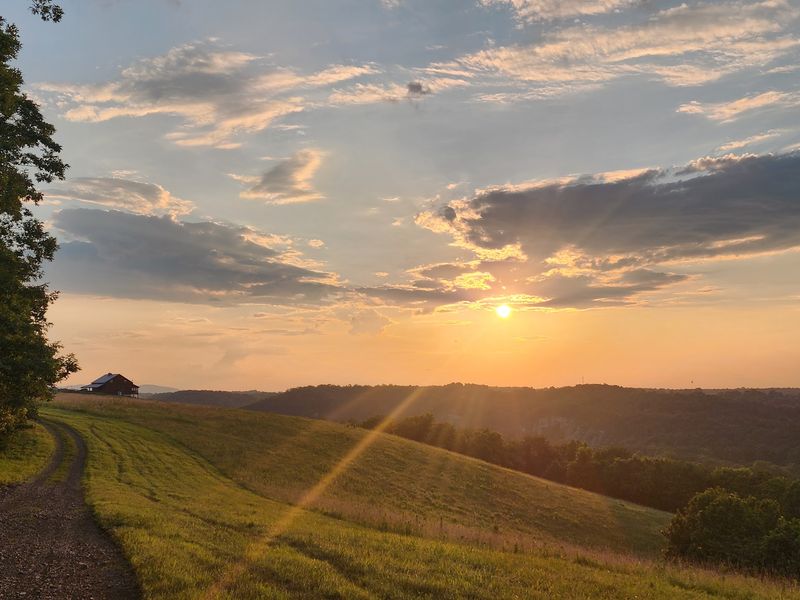
Hardwood forest wraps the ranch, climbing the slopes in every direction. Those wooded ridges do more than look handsome during leaf season.
Trees and hillsides block low-angle light, which keeps the horizon darker than flat country allows. Open pasture in the middle still gives clear sky access without glare.
The ranch covers well over a thousand acres of farm roads and trails. Hiking and ATV riding both happen across that network.
Cattle and horses share the pastures, adding a working-ranch soundtrack to quiet mornings. Wildlife shows up too, especially around dawn and dusk.
Leaf color in the Ozarks generally peaks in late October, depending on rainfall and temperature. A festival that month lands near the best scenery of the year.
Daytime exploring pairs naturally with night sky plans, since afternoons sit wide open. A long walk makes the wait for full darkness much shorter.
Ridge-top clearings offer the widest views, while valley spots feel more enclosed. Guests often scout a viewing location before the sun goes down.
October temperatures swing widely, warm at noon and cold by midnight. Layers handle that gap better than one heavy coat.
Trail surfaces include gravel and packed dirt, which can be uneven in places. Walking those roads after dark calls for slow steps.
I keep coming back to how much the terrain contributes here. Geography, not gadgets, makes the sky look this good.
Wind usually drops once the sun sets behind the hills, leaving the air still. Calm nights make long camera exposures far easier.
Far From The City Lights
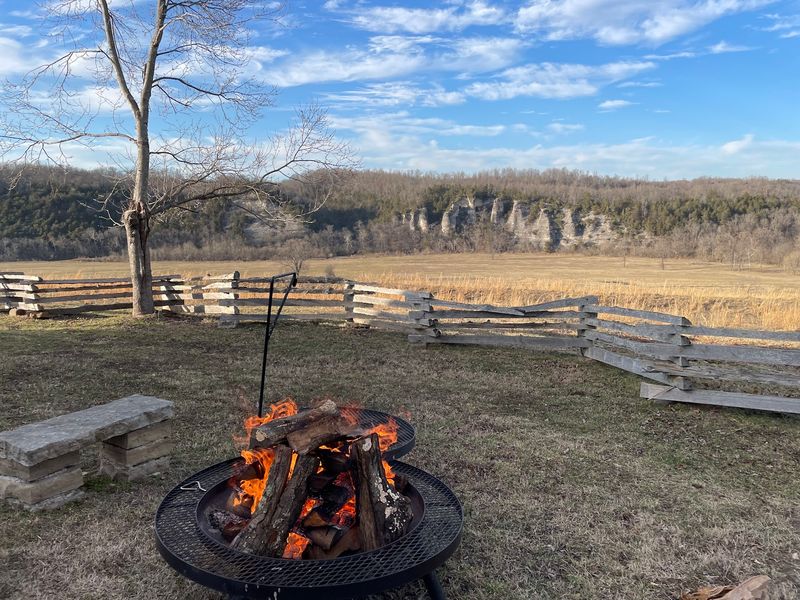
St. Joe is a small town in Searcy County, located along US-65. The 2020 census counted 129 residents, which tells you plenty about the nightscape.
Marshall and Harrison are the nearest towns of any size, both well outside light-spill range. Neither throws enough glow to wash out the stars overhead.
The Buffalo National River earned International Dark Sky Park status in 2019, the first in Arkansas. That designation covers a protected corridor only minutes away.
Dark-sky ratings measure how much artificial light reaches the sky, and this region scores very well. Low numbers on that scale mean faint objects finally become visible.
Driving in after sunset gets tricky on unfamiliar country roads. Arriving in daylight saves confusion and protects everyone’s night vision.
Headlights are the biggest enemy of a dark-sky gathering, more than any streetlamp. Parking once and staying put becomes the unofficial house rule.
Highway 65 runs past the property, though traffic thins considerably after dark. Late-night quiet settles over this stretch of the hills quickly.
Cities within a few hours include Little Rock and Springfield, Missouri. Both sit far enough away to stay out of the picture.
Weather matters as much as distance, since clouds cancel any sky show. October often delivers clear stretches behind passing cold fronts.
Moonlight can brighten the night sky too, so viewing conditions depend partly on the moon phase. A bright moon can significantly reduce the visibility of the Milky Way.
I appreciate how much of this comes down to simple geography. Remote roads and small towns did the hard work already.
The Milky Way Steals The Show
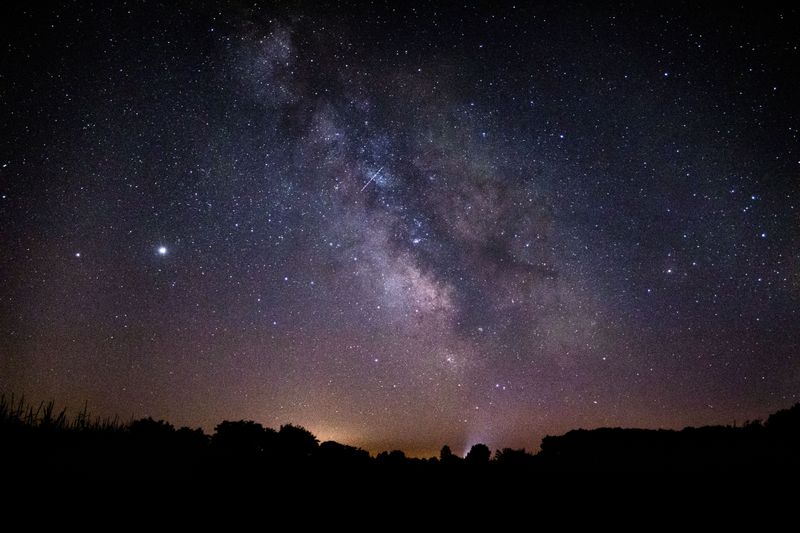
Our home galaxy shows up as a pale band arching across the sky. Something like 100 billion stars blur together into that soft glow.
October evenings catch the bright core low in the southwest right after sunset. The band then tilts overhead through Cygnus and drops toward the northeast.
Timing matters, because the core sets earlier each night as autumn moves along. Early risers can trade up for the winter sky, with Orion climbing before dawn.
The Andromeda Galaxy sits high overhead in October, visible without any equipment. Light leaving it began traveling roughly 2.5 million years ago.
Orionid meteors peak around October 21 each year, courtesy of debris left by Halley’s Comet. Ten to twenty streaks per hour is typical under dark skies.
Binoculars often beat telescopes for sweeping across the galaxy’s star clouds. A basic pair reveals clusters that unaided eyes cannot separate.
Full darkness arrives well after sunset, since twilight lingers for about ninety minutes. Patience pays off right around then, when faint detail finally appears.
Lying back on a blanket beats craning your neck for an hour. Reclining chairs turn up at serious star parties for that exact reason.
Phone screens ruin adapted vision in seconds, even on the dimmest setting. Night mode with a red filter softens the damage.
Satellites drift past often, and the space station makes bright, silent passes. Tracking apps predict those flyovers down to the minute.
I still think the best moment is the first gasp when eyes adjust. Faint stars simply appear, as if someone turned up a dial.
Two October Nights Under The Stars
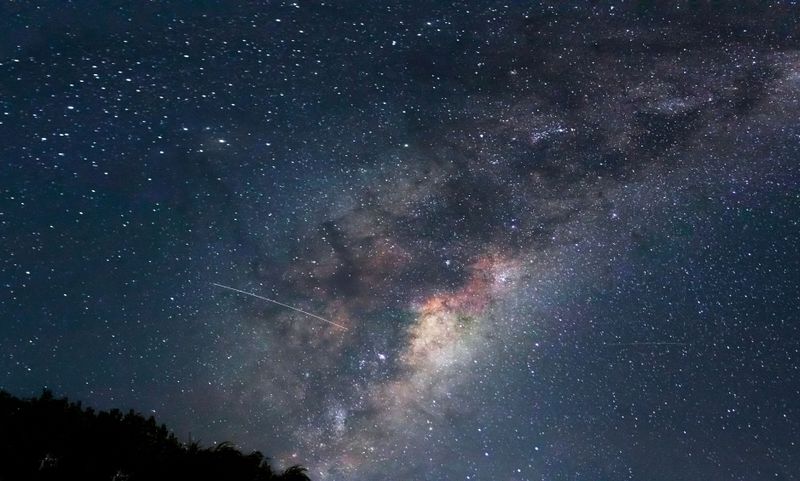
Two nights instead of one gives the weather a second chance. Clouds on the first evening do not have to end the whole trip.
Autumn skies in these hills change quickly, with clear air following most fronts. A single cloudy evening rarely repeats twice in a row.
Cabin bookings for popular weekends fill early, especially for an event tied to specific dates. The office answers calls daily between 9 AM and 6 PM.
Packing lists for this kind of trip look different than usual. A red flashlight and a warm layer matter far more than fancy clothes.
Snacks and hot drinks keep energy up during long stretches outdoors. Midnight gets cold once the fire burns low.
Daytime hours leave room for creek walks or a drive to the national river. Naps are entirely acceptable before a late night.
Children usually love a trip like this, provided bedtime rules go out the window. Meteors and satellites hold attention better than most screens.
Phones stay useful for star charts, though red-filtered screens keep everyone’s eyes happy. Downloading maps ahead avoids relying on rural data coverage.
Arrival before sunset makes the first evening far smoother. Unpacking by daylight beats hunting for a suitcase in the dark.
Two evenings also allow a slower rhythm, with one night for learning and another for wandering. Repeat viewing shows how much the sky shifts in twenty-four hours.
October 2026 still sits comfortably ahead on the calendar. Plenty of time remains to clear the weekend and charge the camera.