
8 Arkansas Places Where Black Bears Are Showing Up This Summer
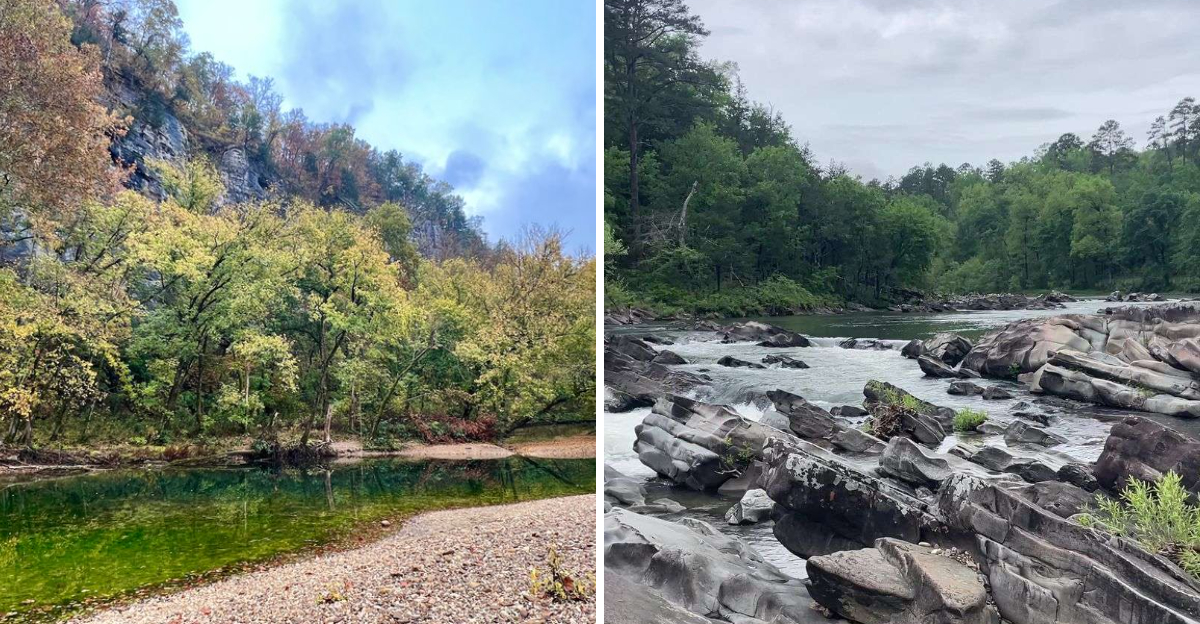
Ever had one of those outdoor moments that makes everyone stop talking? A black bear can do that.
One second, the trail feels completely ordinary. Then you notice movement in the trees, and suddenly every pair of eyes is pointed in the same direction.
Arkansas has plenty of bear country, especially across its wooded mountain regions, where black bears still roam and forage. Summer can be a great time to explore these areas, but the goal is not to chase a sighting.
It is about being alert, giving wildlife room, and enjoying the landscape along the way. Some places make it easier to look for signs of bears, while others simply put you in the right kind of habitat.
Bring your patience, stay aware, and let the forest set the pace. You might leave with nothing more than a few tracks.
Or you could get the wildlife moment people remember.
1. Hobbs State Park-Conservation Area, Rogers
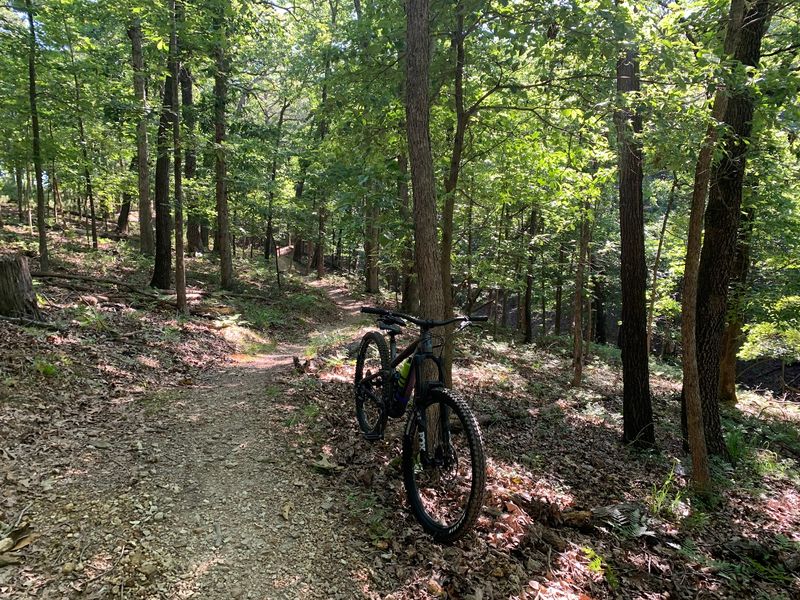
Deep in the heart of Northwest Arkansas, near the busy city of Rogers, an expansive wilderness of rugged Ozark terrain waits for curious visitors. Hobbs State Park-Conservation Area, found off AR-12, blends careful conservation with plenty of room to roam.
This is not just any park. Protecting habitat for native wildlife, including black bears, sits at the center of everything happening here.
The modern visitor center focuses on Ozark ecology, giving you a smart place to start before your boots ever hit the dirt.
Hikers can wander the multi-use trails or sign up for the park’s popular Black Bear Hike program, which teaches folks how to stay safe while sharing these woods with wildlife. I found that kind of hands-on learning makes the whole trip feel more meaningful, and a little more thrilling too.
The area spreads across Benton, Madison, and Carroll counties, so bears have plenty of quiet space to forage for acorns and berries. Early morning and late evening tend to be the sweet spots for wildlife activity, when the forest hums with movement and shadows shift between the trees.
Bring binoculars, move slowly, and keep your voice low. Bears here are shy by nature, and most would rather avoid you than say hello.
Should you spot one, admire it from a respectful distance and never leave food or trash behind.
Summer visits reward patience with cooler creek crossings, wildflowers, and the constant possibility of a bear ambling past. This corner of Arkansas proves that adventure and education can share the same trail.
Give yourself a full day, and let the Ozark woods surprise you when you least expect it.
2. Mount Magazine State Park, Paris
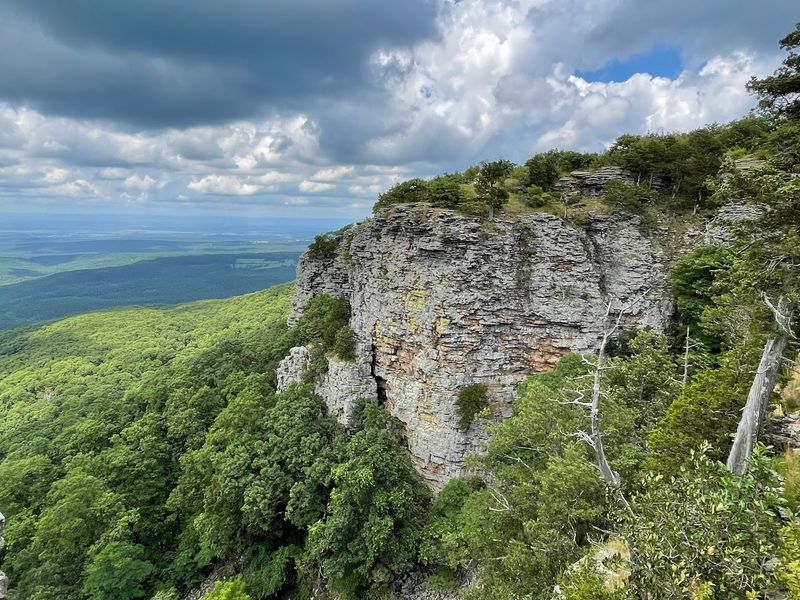
Climb to the very top of Arkansas at Mount Magazine State Park, perched high above the Arkansas River Valley near the town of Paris. This grand plateau, reached off AR-309, hands you sweeping views and a genuine shot at seeing a black bear.
The mountain holds a healthy bear population, and you will notice the friendly Bear Crossing signs posted along the roads. I always grin at those signs because they remind me exactly whose neighborhood I am visiting.
Bears here move through the hardwood slopes searching for food, especially in the cooler hours of morning and dusk. Drive slowly, scan the tree lines, and you might catch one lumbering across a clearing.
Beyond the wildlife, this park rewards explorers with the Bear Hollow Trail and other scenic paths that wind along dramatic bluff edges. The lodge offers a comfortable base if you would rather soak in the panorama with your feet up.
The park sometimes hosts wildlife education events that spotlight the local bears and other creatures calling the mountain home. These programs make a fine addition to any summer itinerary, blending learning with pure mountain air.
Photographers love the golden light that spills across the valley in the evening, and that same soft glow often coaxes wildlife into the open. Keep your camera ready but your distance respectful.
Cooler temperatures at this elevation make summer visits refreshing when the lowlands turn sticky and warm. Pack a light jacket for the breezy overlooks.
Between the towering views and the shy bears roaming below, Mount Magazine gives travelers a peak experience worth every mile of the winding drive up.
3. Piney Creeks WMA, Pelsor
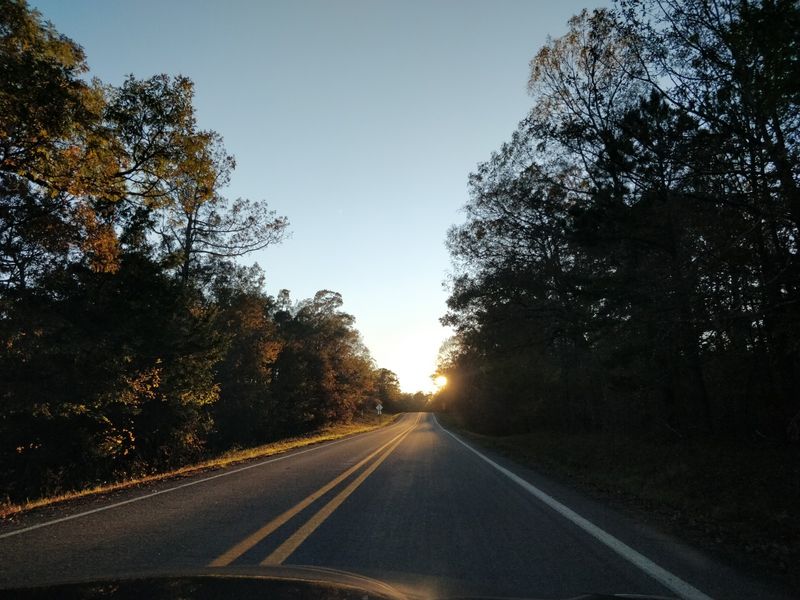
Craving something raw and remote? The Piney Creeks Wildlife Management Area near Pelsor delivers vast stretches of untouched Ozark Mountain terrain, blanketed in hardwoods and shortleaf pine.
Reached by way of AR-7, this rugged area draws wildlife lovers and outdoor adventurers who do not mind trading crowds for solitude. It is well known as a solid spot to find black bears in their element.
Two waterways, Big and Little Piney Creeks, carve their way through the landscape and create a rich buffet for foraging bears. Acorns, wild berries, and other natural foods keep these animals busy throughout the warm months.
I love how quiet this place feels. The winding gravel roads and hidden trails guide you into corners where bear activity is common, though the animals here strongly prefer their privacy.
Look for signs of bears rather than the bears themselves at first. Overturned logs, scratched trees, and tracks near creek beds tell stories about who passed through recently.
Because this is a working wildlife management area, come prepared and check current regulations before you go. Cell service can be spotty, so bring a paper map and let someone know your plans.
Summer mornings are magical here, with mist hanging low over the creeks and birdsong echoing through the pines. Move quietly and you increase your odds of a fleeting bear sighting.
Pack plenty of water, sturdy footwear, and patience for the uneven ground. The terrain rewards those willing to slow down and truly pay attention.
For travelers who want the wild heart of Arkansas without polished trails, Piney Creeks offers a genuinely rugged escape and a chance encounter you will not forget.
4. Gene Rush WMA, Jasper
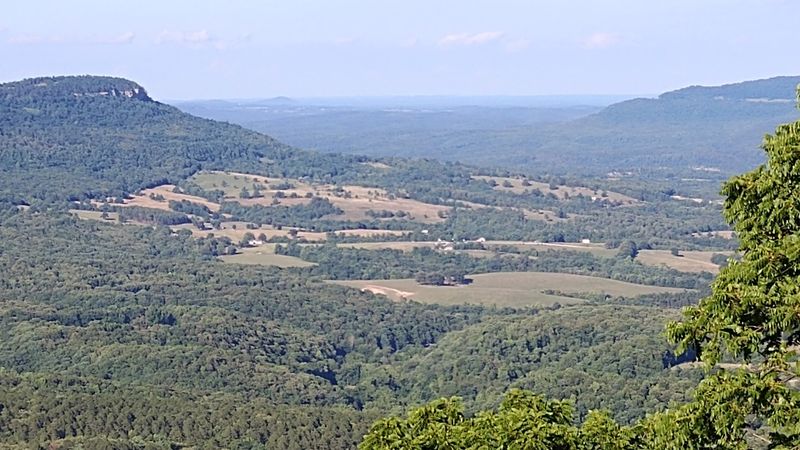
Located near the town of Jasper and reachable from US-65, the Gene Rush Wildlife Management Area serves up rolling hills, steep bluffs, and creeks that hum with life. It is a genuine sweet spot for anyone hoping to glimpse a black bear.
Three major creeks, Big, Cave, and Lick, wind through the area before flowing into the Buffalo River. Those waterways help create an ideal habitat where bears find shade, water, and plenty to eat.
The varied terrain gives bears ample cover, which is exactly why sightings happen here. Bluffs and thick woods let these animals move around unseen until they choose to step into the open.
What makes this place special is its location. It sits bordered by the Buffalo National River to the north and the Ozark National Forest to the south, forming one huge connected wilderness where bears roam freely.
I appreciate a spot where you can truly feel small in the best possible way, surrounded by miles of forest in every direction. Gene Rush delivers that humbling sense of wild space.
Plan your visit for the cooler edges of the day when animals tend to move. Bring binoculars, a quiet attitude, and respect for the land you are exploring.
Since this is a managed wildlife area, review the current rules before heading out and prepare for limited services once you leave the highway. A full tank and packed snacks go a long way.
The mix of bluff overlooks and creekside greenery makes even a bear-free day worthwhile. Still, keep those eyes sharp near the water.
Immerse yourself here, and you will understand why this pocket of Arkansas feels so wonderfully untamed.
5. Buffalo National River, Harrison
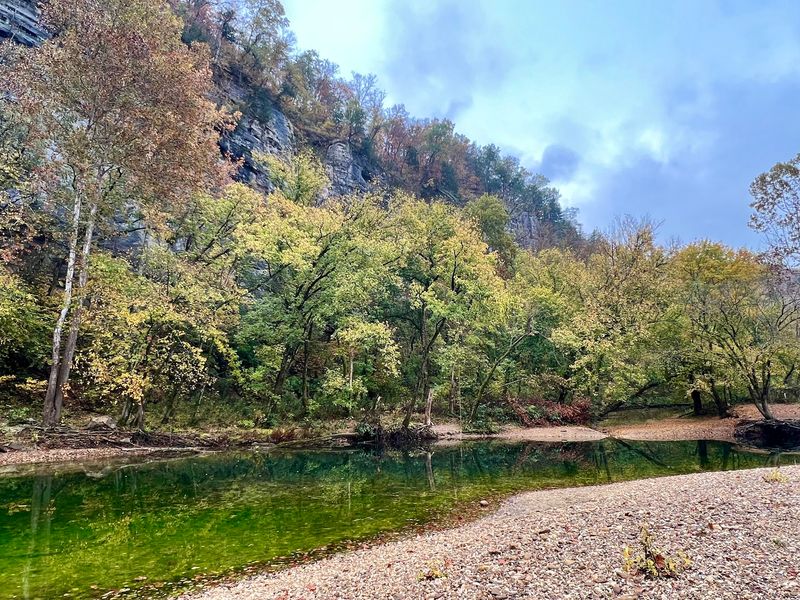
Say hello to America’s first national river, a free-flowing stretch of water winding through northwestern Arkansas near the town of Harrison. The Buffalo National River treats visitors to some of the most striking Ozark scenery you will ever paddle past.
This long ribbon of clear water threads through a sprawling swath of pristine wilderness. Towering bluffs, gravel bars, and shaded coves make every bend feel like a new discovery.
Black bears play an important role in this ecosystem, thriving among the rugged hollows and abundant food sources. When you float the river or hike its trails, remember you are simply a guest in their living room.
Summer is prime float season, and drifting quietly downstream can put you in surprising company. I have found that early paddlers often spot the most wildlife, before the day heats up and the river fills with visitors.
Should a bear appear along the bank, resist the urge to get closer for a photo. Keep your distance, store your food properly, and let the animal continue on its way undisturbed.
The park offers ranger programs and information centers that help you understand the land and its residents. Stopping in before your trip makes the whole adventure richer and safer.
Beyond bears, the river hosts elk, deer, and countless birds, so keep your senses tuned to every rustle and splash. The dramatic bluffs alone justify the trip.
Bring a waterproof bag, plenty of water, and a healthy respect for changing river conditions. Nature calls the shots here.
A visit connects you deeply with the wild essence of the Natural State, bears and bluffs included.
6. Ozark National Forest, Russellville
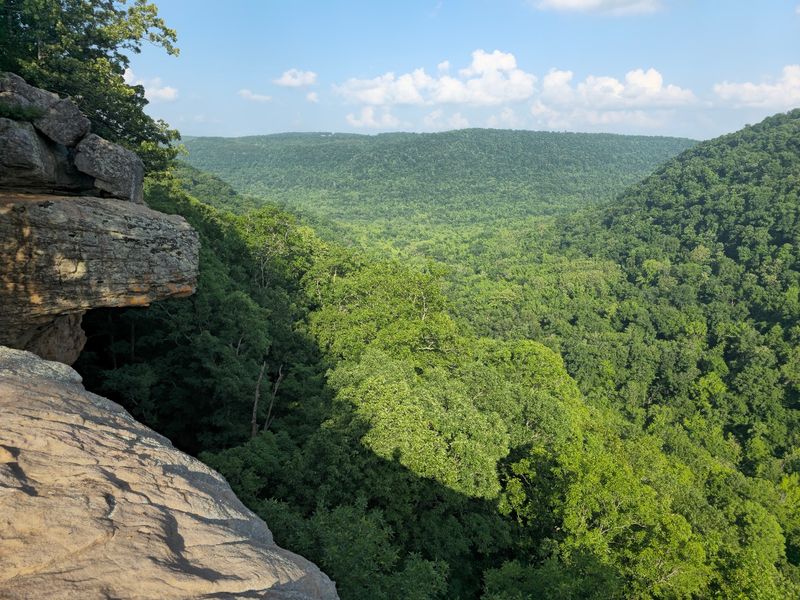
For an experience that drops you smack in the middle of bear country, point your car toward the Ozark National Forest, which sprawls across much of northern Arkansas. The Forest Service supervisor’s office for the Ozark-St. Francis National Forests is located in Russellville.
This enormous forest ranks among the primary habitats for black bears in the state. Dense vegetation, mixed hardwoods, and shadowy hollows give these powerful animals everything they need to thrive.
Young male bears sometimes wander into unexpected places, occasionally near towns, chasing food or new territory. Wildlife officials usually step in when bears create conflicts near populated areas.
I find the sheer scale of this place amazing. Miles of trails and winding scenic drives mean you could explore for days and still stumble onto a fresh view or a shy bear going about its business.
Summer brings ripening berries and busy foraging, so bears stay active in the cooler morning and evening hours. Cruise designated forest roads slowly and keep your attention high.
Waterfalls, overlooks, and quiet campsites add plenty of reasons to linger beyond wildlife watching. Pack for changing weather, since mountain conditions shift quickly.
Always store food securely and never approach a bear for a closer look. Giving these animals space keeps everyone safe and the bears wild.
Photographers should keep a zoom lens ready for those distant, unexpected moments. A telephoto shot beats a risky close-up every single time.
Between the endless green ridges and the constant chance of a sighting, this forest offers a truly immersive slice of Arkansas wilderness worth savoring.
7. Ouachita National Forest, Hot Springs
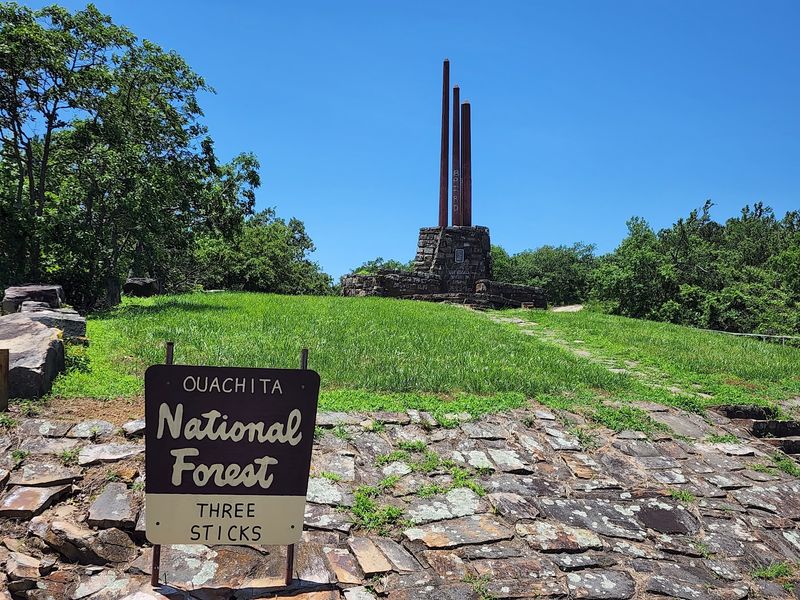
Travel to the Ouachita National Forest, a lush expanse covering a big slice of western Arkansas, with its main office at 100 Reserve Street in Hot Springs. This forest stands as a true stronghold for black bears.
Generations of bears have called this region home, and the population here remains strong. The rolling ridges and shaded valleys give them exactly the kind of cover they love.
Even within nearby Hot Springs National Park, black bears can occasionally move through the surrounding Ouachita Mountain landscape.
Though often shy, the bears are part of this landscape, quietly moving through the woods while hikers pass by unaware. That presence gives every walk a little extra spark.
I enjoy the peaceful pace of this forest, where scenic byways curl through mile after mile of green. Driving slowly and stopping at overlooks can give you more opportunities to watch for wildlife.
Summer mornings feel cool beneath the thick canopy before the day warms. Bring water and take your time on the winding trails.
As always, keep a safe distance from any bear you spot and secure your food and snacks. The Forest Service specifically advises visitors to be bear aware while camping and recreating here.
The historic character of nearby Hot Springs pairs nicely with a day spent exploring the forest, making this an easy trip to fill with variety. Soak in the scenery, then hit the trail.
Keep your eyes peeled among these peaceful woods, and the Ouachita just might reward your patience.
8. Cossatot River State Park-Natural Area, Wickes
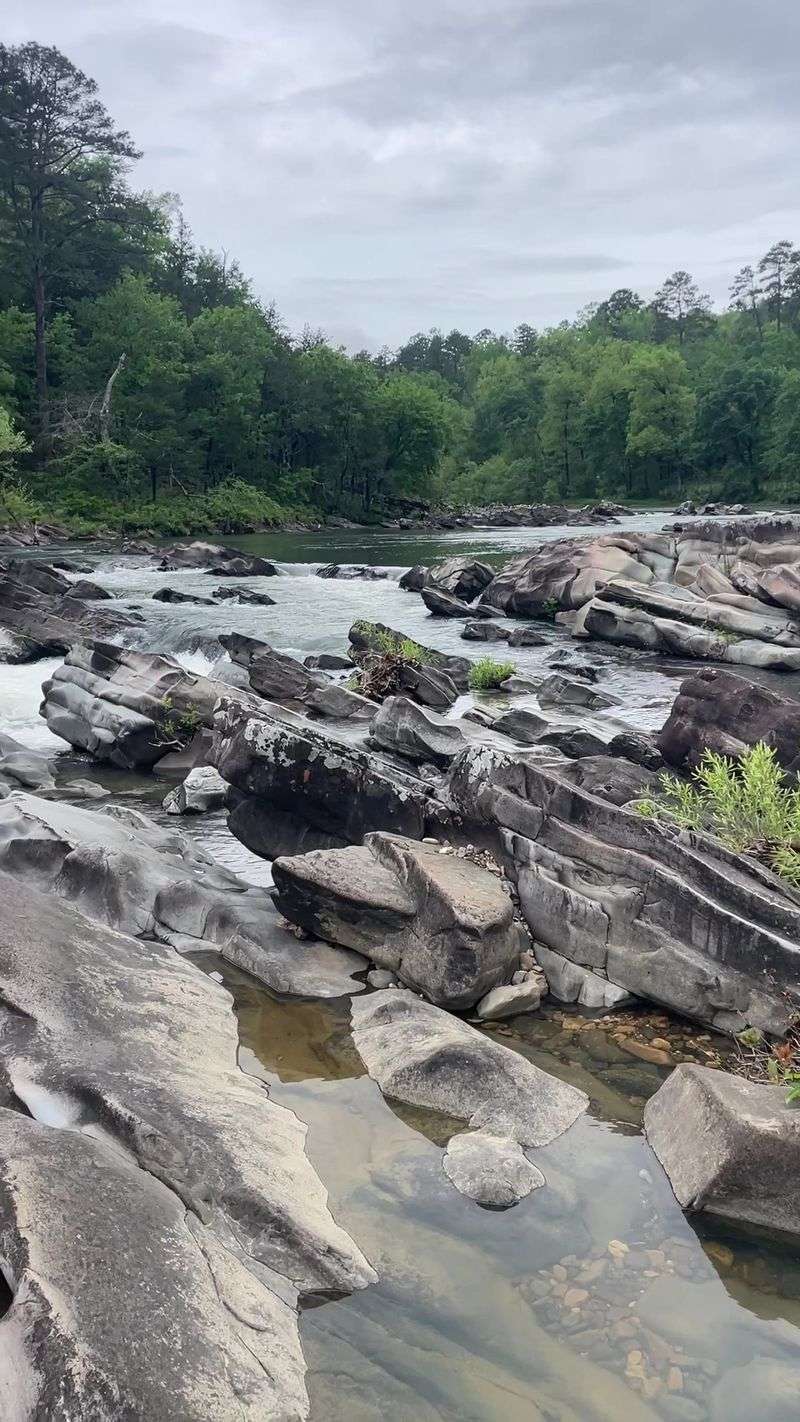
Buckle up for a genuine adventure at Cossatot River State Park-Natural Area, located near the small town of Wickes off AR-278. This rugged park in the Ouachita Mountains is famous for churning rapids and dramatic rocky canyons.
Thrill-seekers and nature lovers both find plenty to love here, from whitewater stretches to peaceful riverside spots. The park earns its reputation as a paradise for anyone who craves a splash of excitement.
While the roaring water grabs most of the attention, the surrounding Ouachita Mountain region is well-known black bear habitat. Bears roam these forested slopes just as they do throughout the wider mountain landscape.
The nearby Ouachita National Forest, a major stronghold for bears, sits close enough that wildlife easily moves between the two areas. That connection makes a bear sighting a real, if quiet, possibility.
I always recommend stopping by the interpretive center first. It highlights the river’s ecology and the rich variety of wildlife that shares this rugged corner, giving you helpful context before you explore.
The park’s commitment to protecting its natural communities keeps the environment healthy for every creature living here. That careful stewardship shows in the clear water and thriving greenery.
Summer visitors can cool off along the rocky shores while keeping watchful eyes on the wooded ridges above. Bears prefer the quieter, shaded areas away from busy river spots.
Wear sturdy shoes for the uneven rocks, pack water, and respect posted safety guidelines near the rapids. The river can be swift and slippery.
Between the crashing whitewater and the wild mountain surroundings, this park caps off a bear-focused tour of Arkansas with unforgettable scenery and a touch of untamed magic.