
7 Arkansas Rail-Trail Towns That Deserve A Spot On Your 2026 Travel List
A half-finished 2026 travel list can be dangerous, because one good idea can take over the whole page. For me, that idea was Arkansas rail-trail towns.
Old rail beds have become paths with room to breathe, and the towns along them bring the trip to life in a way a regular highway stop never could. You might start for the trail, then end up lingering over a river view or a downtown with a past that still feels close.
That is the charm here. These are places made for people who like to move slowly enough to notice what is around them.
Bring a bike or bring comfortable shoes. Leave room for a few surprises.
These seven stops could give your 2026 plans the kind of easy, memorable travel day that looks simple on paper and feels much bigger in person. Once you see it, the list makes sense fast.
Walnut Ridge

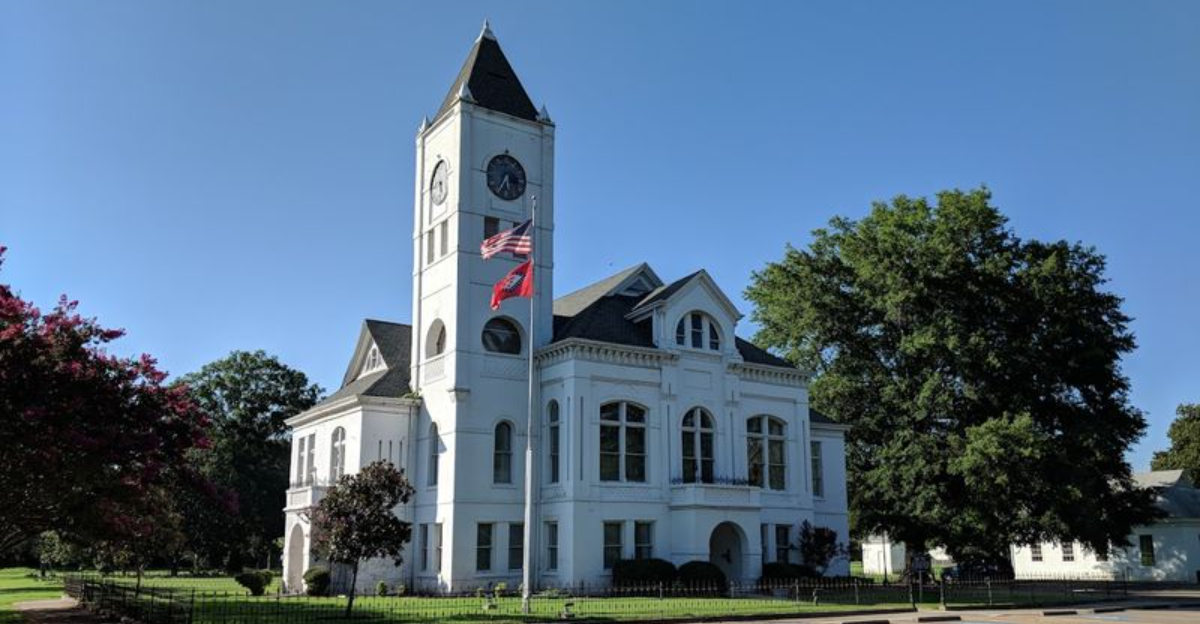
A railroad town with a rock and roll plot twist is not something you expect to find in Lawrence County, but Walnut Ridge delivers exactly that with a straight face and a great story.
Located at zip code 72476 and serving as the county seat of Lawrence County, Walnut Ridge owes much of its original identity to the railroad, formally established in 1875 when the tracks arrived and commerce followed close behind.
The Mediterranean-style depot built in 1909 still stands as a reminder of that era, its architecture a little unexpected for rural Arkansas and all the more charming for it.
Then comes the twist: in 1964, The Beatles made a brief stop at the Walnut Ridge Regional Airport, and that accidental brush with music history has since grown into a full-blown local celebration.
A dedicated plaza, guitar-shaped sculptures, and an annual music festival all pay tribute to that moment, giving the town a playful cultural layer that sits comfortably alongside its serious railroad heritage.
History enthusiasts will want to spend time at the Missouri Pacific Depot, which holds its own listing on the National Register of Historic Places and tells the story of a rail network that once connected this region to wider markets.
The Wings of Honor World War II Museum adds yet another dimension to Walnut Ridge, commemorating the town’s role as an Army Air Force flying school and honoring the servicemen and women who trained here.
I walked the downtown area on a quiet afternoon and kept finding new layers of history tucked into storefronts and public spaces, each one adding to the sense that this town has lived several interesting lives.
Walnut Ridge rewards the traveler who takes time to look past the main road and ask a few questions of the locals who know its stories best.
Arkansas City
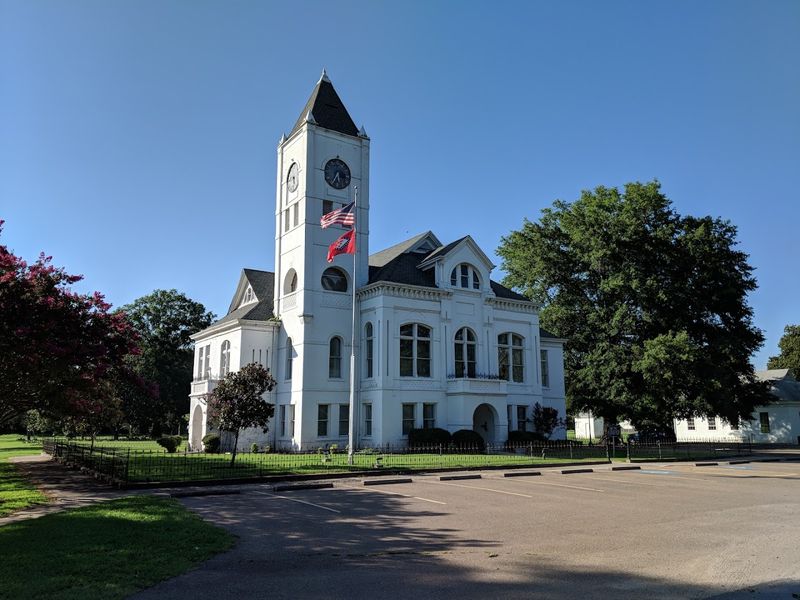
My first stop on this trail-town tour sits quietly at the edge of the Mississippi River, and it carries the kind of layered history that makes a traveler stop and stare.
Arkansas City, located in Desha County at zip code 71630, anchors the southern end of the Delta Heritage Trail, a rail-to-trail conversion that has breathed new purpose into a stretch of land once defined by steamboats and steel rails.
The town itself was once a thriving river port, drawing commerce from two separate railway lines before a catastrophic Mississippi River flood reshaped its fortunes and its landscape forever.
Walking through the Arkansas City Commercial District today, you can still feel that former energy preserved in the historic buildings now recognized on the National Register of Historic Places.
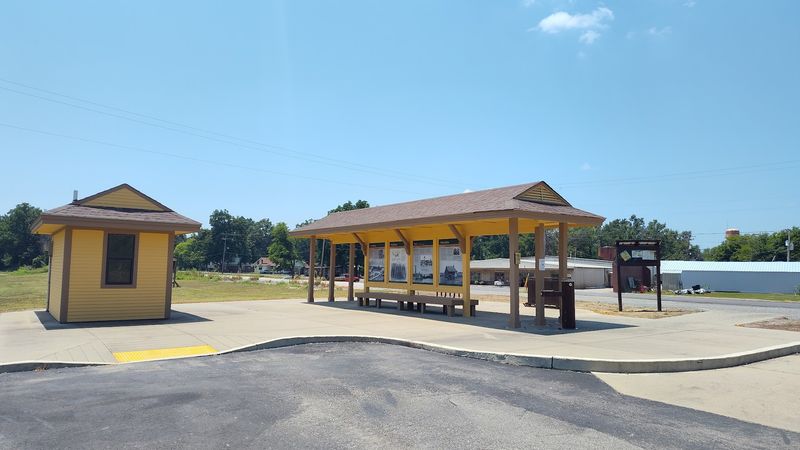
The trailhead here is genuinely thoughtful in its design, echoing the look of a classic rail depot with covered picnic areas, a water fountain, and a bicycle repair station that makes it easy to start or finish your journey without stress.
I spent a quiet morning at the John H. Johnson Commemorative Plaza, honoring the publishing magnate who grew up right here in this small delta town, and the experience added real depth to what might otherwise feel like a simple trail stop.
The levee offers access to the Mississippi River, and thousands of acres of public wildlife lands surround the area, making it a rewarding destination for birders, hikers, and anyone who appreciates wide open skies.
Arkansas has no shortage of trail towns worth your time, but this one sets the tone for the entire Delta Heritage Trail experience in a way that feels both grounded and genuinely moving.
If your 2026 itinerary needs an anchor point with real soul, Arkansas City is ready to earn its place on the map.
Elaine
Not every great trail town announces itself with fanfare, and Elaine is proof that the quietest stops can leave the deepest impressions.
Tucked into Phillips County, Arkansas, at zip code 72333, Elaine sits along the evolving Delta Heritage Trail and offers a stretch of trail experience that feels refreshingly unhurried.
The completed northern section of the trail, running from Lexa toward Snow Lake, passes through this area with a rhythm that matches the pace of the delta itself, slow, steady, and surprisingly beautiful.
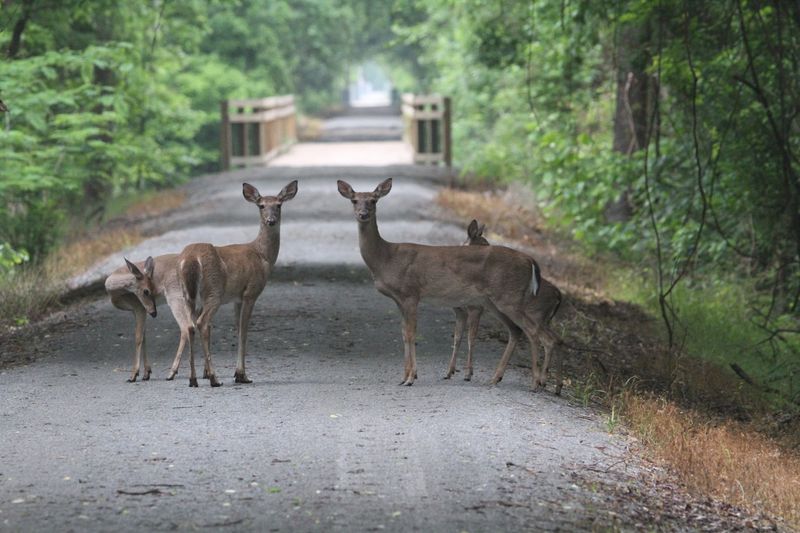
Native hardwood trees line portions of the route, creating a canopy that filters morning light into something almost golden, and the expansive agricultural fields that open up between tree lines remind you just how vast and productive this region truly is.
I found myself stopping more than once just to listen, because the delta has a particular kind of quiet that city life rarely offers, punctuated only by birdsong and the occasional rustle of leaves in a warm breeze.
Elaine carries a complicated and significant history tied to early twentieth-century labor tensions, and taking time to learn about that past adds a layer of context that makes the trail experience feel more meaningful than a simple recreational ride.
The wildlife here is genuinely impressive, with migratory birds making this corridor a seasonal spectacle for anyone patient enough to wait near the tree line with a good pair of binoculars.
For travelers who want their trail days to include a dose of reflection alongside the physical activity, Elaine delivers that balance without trying too hard.
There is a raw honesty to this town and its surroundings that I find hard to articulate but easy to feel the moment you roll onto the trail and let the delta landscape do its work.
Put Elaine on your radar for 2026 and give it the unhurried visit it deserves.
Barton
Some trail towns hand you a map and send you on your way, but Barton goes a step further by actually setting you up for the best possible adventure before you ever clip into your pedals.
This unincorporated community in Phillips County, Arkansas, zip code 72312, is home to the Delta Heritage Trail State Park visitor center, positioned at the northern end of the trail where it functions as a genuine launch pad for exploration.
Clean restrooms, printed trail maps, and on-site bicycle rentals make Barton the kind of practical starting point that removes every excuse not to get outside and move.
The popular ride from Barton to Lake View covers roughly ten miles of trail frequently shaded by large, mature trees that arch overhead and create a natural corridor that feels both sheltered and scenic.
I took that route on a weekday morning when the trail was nearly empty, and the combination of dappled light, birdsong, and the gentle hum of tires on pavement made it one of my favorite stretches of trail riding in recent memory.
For those who want to mix activities, the Pedal and Paddle Tour offers a creative combination of biking and kayaking on Old Town Lake, giving you a water-level perspective of the same landscapes you just rolled through on two wheels.
Barton may not have the dramatic historical weight of some of its neighboring trail towns, but what it offers in terms of access, infrastructure, and sheer natural beauty more than compensates for that.
The staff at the visitor center tend to be genuinely enthusiastic about the trail and happy to point out seasonal highlights or lesser-known side paths worth exploring.
First-time visitors to the Delta Heritage Trail would do well to begin their journey right here in Barton, where the trail practically greets you with open arms.
DeValls Bluff
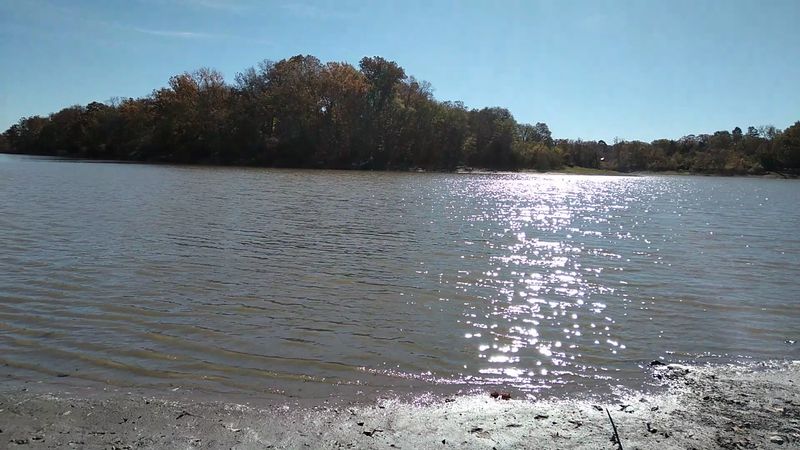
Few trail towns in Arkansas manage to combine Civil War history, serious outdoor recreation, and a regional food reputation all in the same small footprint, but DeValls Bluff pulls it off without breaking a sweat.
Situated in Prairie County at zip code 72041, this charming river town features the DeValls Bluff Rail Trail, a paved path that follows the former route of the Memphis and Little Rock Railroad through a beautifully wooded setting.
During the Civil War, DeValls Bluff served as a strategically vital White River port and a critical railroad connection to North Little Rock, a role that shaped its development and left a historical imprint that is still tangible today.
The White River runs alongside the town and has long attracted anglers and boaters who know that its waters hold some of the best fishing in the region, particularly for those targeting trophy-sized fish.
I spent a morning on the rail trail before the summer heat peaked, moving through the tree canopy at a pace that let me notice the small details, a woodpecker working a fallen trunk, light shifting through Spanish moss, the particular stillness of a wooded trail before noon.
By midday, the local culinary scene had my full attention, because DeValls Bluff has earned a genuine reputation for its barbecue and its homemade pies that draws visitors from well beyond Prairie County lines.
The proximity to the Wattensaw Wildlife Management Area and the Cache River National Wildlife Refuge means that wildlife observation is never more than a short drive away, adding real depth to a visit that could easily fill two full days.
For a town of its size, DeValls Bluff offers a travel experience that feels surprisingly complete, the kind of place where every hour reveals something worth lingering over.
Hazen
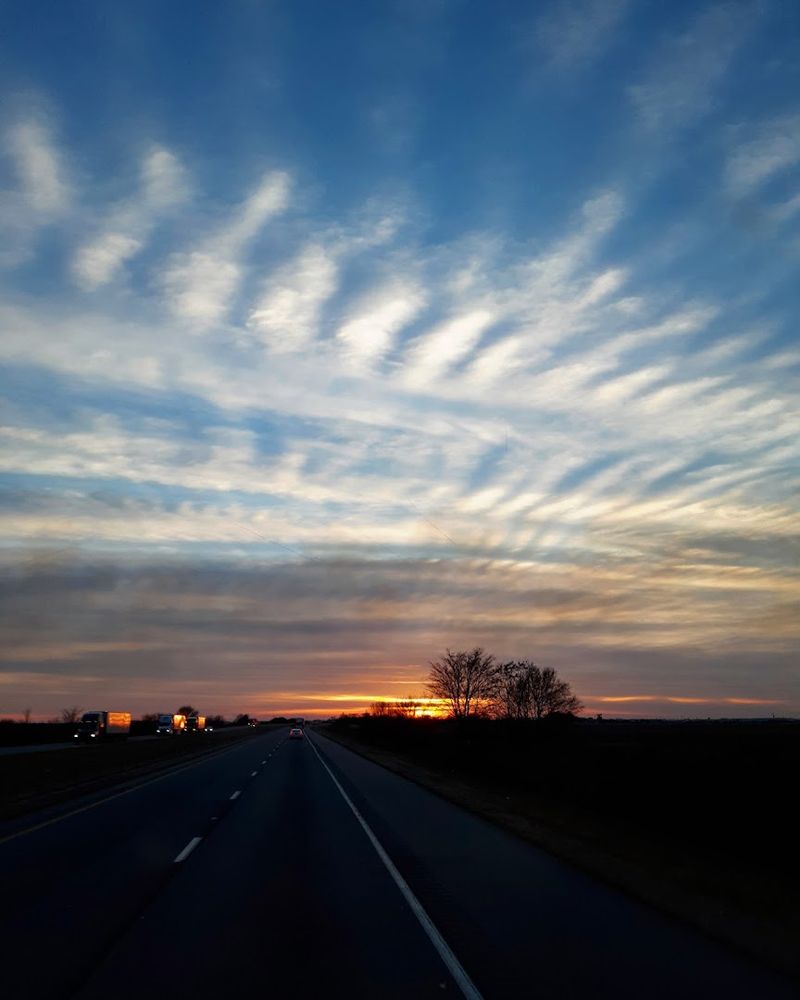
A trail that doubles as a helicopter landing strip is either the most unexpected infrastructure detail I have ever encountered or the best conversation starter in Prairie County, and Hazen presents it like the most normal thing in the world.
Located in Prairie County at zip code 72064, Hazen features a two-mile asphalt trail that traces the former Chicago, Rock Island and Pacific rail line, which once connected Little Rock to Memphis in a more steam-powered era.
The trail functions as a peaceful route for walkers and cyclists on most days, but its occasional role as a landing area for helicopters gives it a dual-purpose character that is genuinely unique among rail-trail experiences.
Beyond the trail itself, portions of the old rail line right-of-way between Hazen, Carlisle, and DeValls Bluff have been protected as the Railroad Prairie Natural Area, a preserved habitat of tallgrass prairie that represents an increasingly rare ecosystem in this part of the country.
Plant enthusiasts will find real reward here, searching the prairie for narrow-leaved sunflowers and long-bracted wild indigo, species that thrive in this protected corridor and reward a slow, attentive walk.
I visited in late spring when the wildflowers were at their most expressive, and the contrast between the open sky above and the low, dense prairie grasses at trail level created a visual experience that no photograph quite captures accurately.
Hazen also benefits from its position along US Highway 70, making it an accessible stop for travelers moving through central Arkansas who want to add a short but genuinely interesting trail detour to their drive.
The town itself has a straightforward, working community feel that I appreciate, with locals who are used to visitors asking about the prairie and happy to point you in the right direction.
Hazen is the kind of trail stop that earns its place on the itinerary through pure originality.
Watson
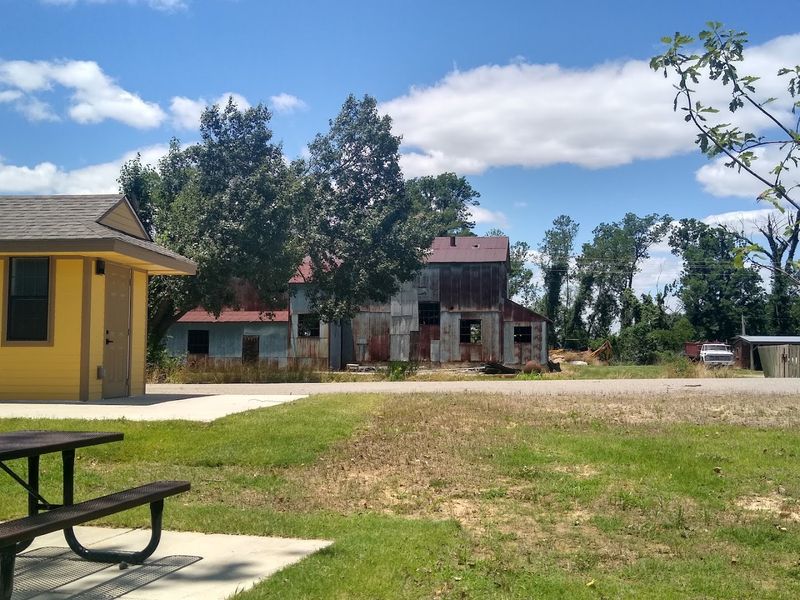
Two bridges, a stretch of old-growth forest, and a delta town with a surprisingly layered past make Watson one of the most rewarding stops on the entire Delta Heritage Trail.
Nestled in Desha County at zip code 71674, Watson sits along the trail where a former Union Pacific Railroad line once moved goods and people through the heart of the Arkansas delta.
The star attractions here include the Yancopin Bridge over the Arkansas River and the Benzal Bridge over the White River, though the Benzal Bridge section remains the key unfinished connection toward the northern portion of the trail.
Between those river crossings, the route passes through stretches of old-growth hardwood forest within the Trusten Holder State Wildlife Management Area, a corridor where the canopy closes overhead and the world outside the tree line seems to disappear entirely.
I timed my visit to arrive near the Yancopin Bridge just before sunset, and watching the Arkansas River catch the last light of the day from that elevated vantage point was the kind of travel moment that earns its place in the memory permanently.
Wildlife observation along this section is exceptional, with white-tailed deer, wild turkey, and a variety of wading birds making regular appearances for patient visitors who move quietly and stay alert.
Watson also carries the historical distinction of having briefly served as the county seat of Desha County, chosen for its position on the Missouri Pacific Railroad before administrative boundaries shifted and the designation moved elsewhere.
Fishing and hunting draw dedicated outdoor enthusiasts to this area year-round, drawn by the proximity to multiple river systems and the protected wildlife lands that surround the trail corridor.
Watson is a quiet finisher that leaves a loud impression, exactly the way a great trail town should.