
10 Arkansas Small Towns Worth A Road Trip This Autumn
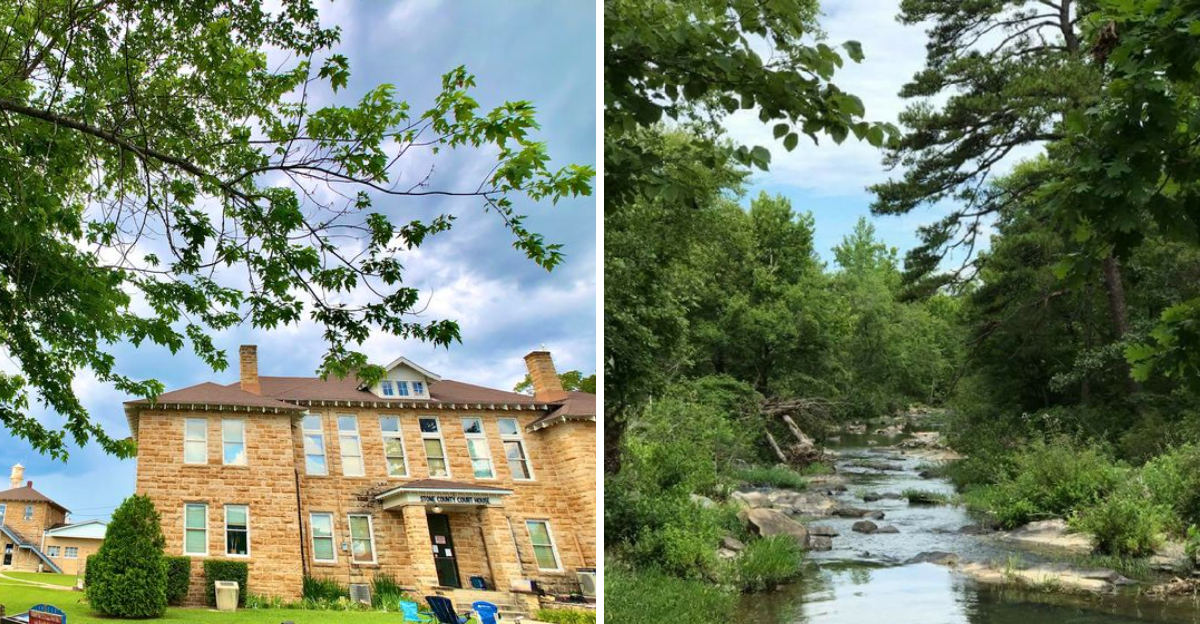
Cool mornings, woodsmoke drifting over the hills, and hillsides turning gold: fall in the Ozarks and Ouachitas moves at its own pace. The best part is that you do not need a big city or a packed schedule to enjoy it.
Tiny towns tucked along scenic byways and clear rivers put on the real show, with front-porch music, quartz-filled hillsides, elk bugling in the valleys, and pie-sized servings of local history. I have always found the quiet routes more interesting than the famous ones, and Arkansas has plenty of both.
Ahead you will find ten towns where the drive is half the fun, plus what to see once you park: waterfall hikes, crystal digging, trout streams, an old railroad depot museum, and a downtown built into the side of a mountain. Pack a jacket, keep the camera handy, and pick a couple of towns to string together into one long, colorful weekend.
1. Eureka Springs
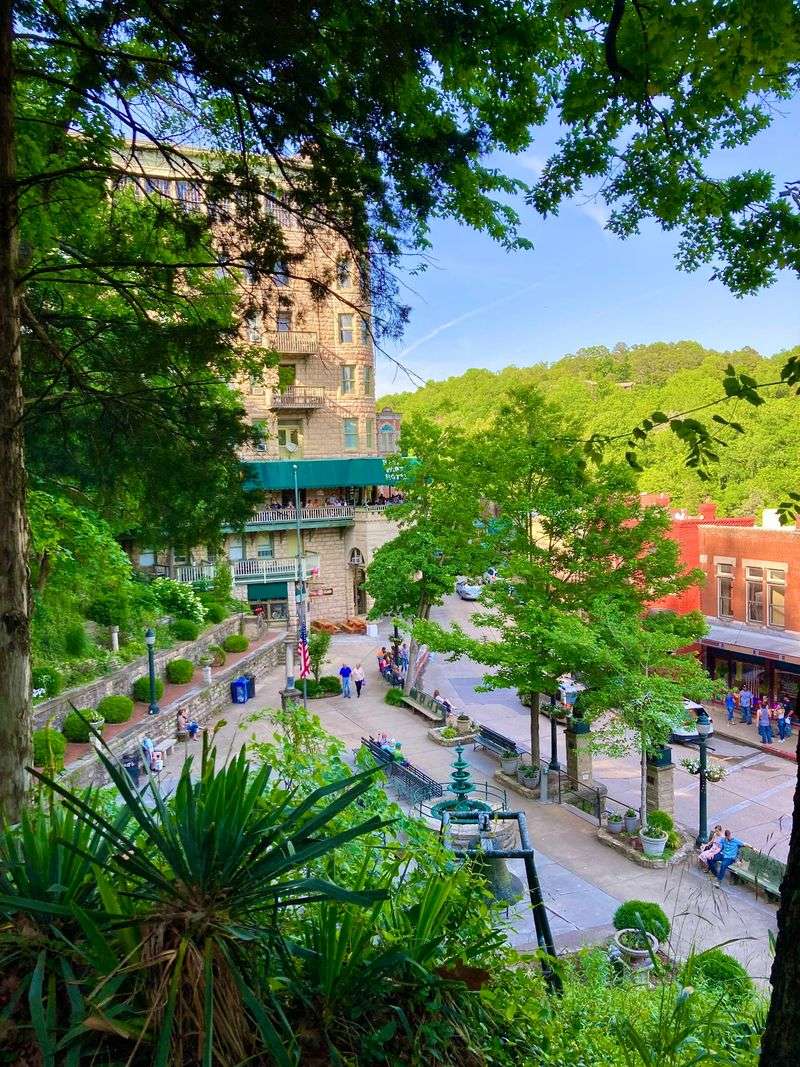
Not a single traffic light interrupts the flow of this Ozark hill town, and the streets seem perfectly happy about it. Eureka Springs, in Carroll County, curls along the natural shape of the mountains, so historic buildings stack up the hillsides in a delightfully tangled maze.
The entire downtown district sits on the National Register of Historic Places, packed with Queen Anne and Second Empire details worth slowing down for. Pale limestone walls look especially sharp when the surrounding oak-hickory forest flares into gold and orange, usually from mid-October into early November.
Walking is the easiest way to take it in, though the driving here is a treat too. The Pig Trail Scenic Byway and nearby Scenic 7 Byway both deliver curve after curve of color, and ziplines strung through the Ozark canopy add an airborne angle on the leaves.
October also brings the Eureka Springs Zombie Crawl, a lively costumed event that reportedly fills every hotel room in town. That detail alone tells you to book a room well before the foliage forecast starts trending.
The mix of steep streets, spring-fed history, and Victorian trim gives this place a personality that photographs never fully capture. Few small towns in Arkansas wear autumn quite so theatrically.
2. Jasper
Elk in a hayfield with fiery hillsides behind them: that image alone explains why fall traffic picks up around Jasper, Newton County. The village grew up along the Little Buffalo River by 1840 and now works as a friendly headquarters for anyone chasing trails and overlooks.
Arkansas Scenic Highway 7 runs right through, and as the state’s first scenic byway it earns the reputation with long views over ridge after ridge. Hikers have plenty to choose from nearby.
Lost Valley Trail suits families with its natural bridge, bluff shelter, and Eden Falls, while Round Top Mountain offers both north and south-facing views along with a bird’s-eye peek at downtown Jasper. Boxley Valley is the star attraction for wildlife watching.
Elk graze the open fields there, and they are especially active during the fall rut, which makes early and late drives worthwhile. The idea of spotting a herd framed by orange hillsides strikes me as one of the best free shows in the Ozarks.
When boots come off, the Ozark Cafe serves meals inside the second oldest restaurant in the state, so lunch doubles as a history lesson. Small town, big scenery, and a river name that hikers know by heart.
3. Mountain View
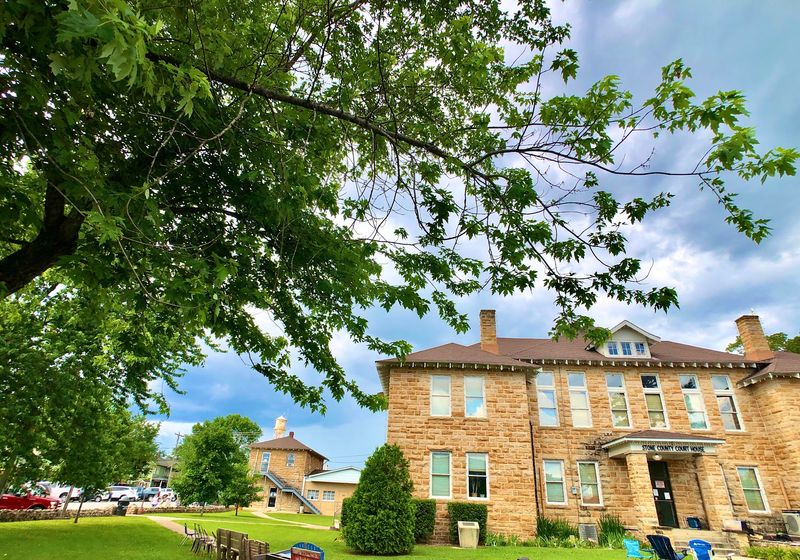
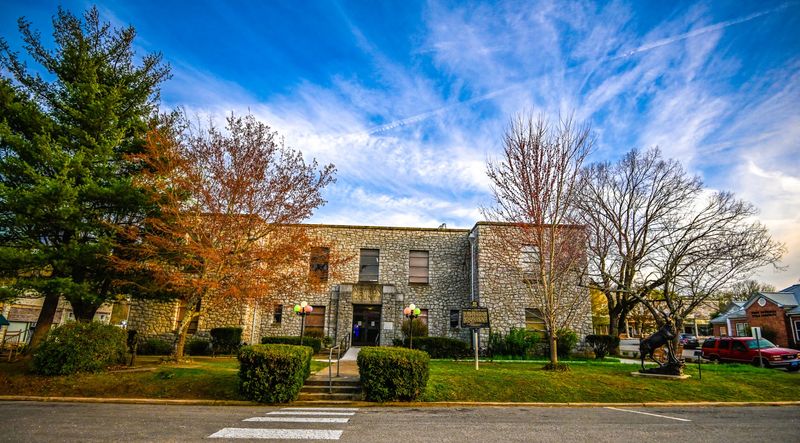
Music spills out of Mountain View before you even find a parking spot. Known widely as the Folk Music Capital of the World, this Stone County town treats traditional Ozark tunes as everyday life rather than stage entertainment.
Informal pickin’ sessions gather around the courthouse square from spring through late fall, with locals and visitors trading songs on fiddles, guitars, and banjos.
Craft lovers should aim for the Ozark Folk Center State Park, where more than twenty artisans demonstrate broom making, blacksmithing, pottery, and other mountain skills. Watching a broom take shape from raw straw is oddly hypnotic.
Scenic drives radiate out in every direction, climbing through hardwood ridges that glow once the leaves turn. Underground, Blanchard Springs Caverns keeps its own steady drip and shimmer inside a living cave system.
Cyclists head for the Syllamo mountain bike trails, which pair challenging routes with White River views, while anglers cast for trout on that same famous river.
Between cave tours, banjo notes, and river light, autumn afternoons here fill up fast without much planning.
Evenings tend to end the way they began, with strangers pulling up chairs and someone starting a tune everyone seems to know.
4. Ponca
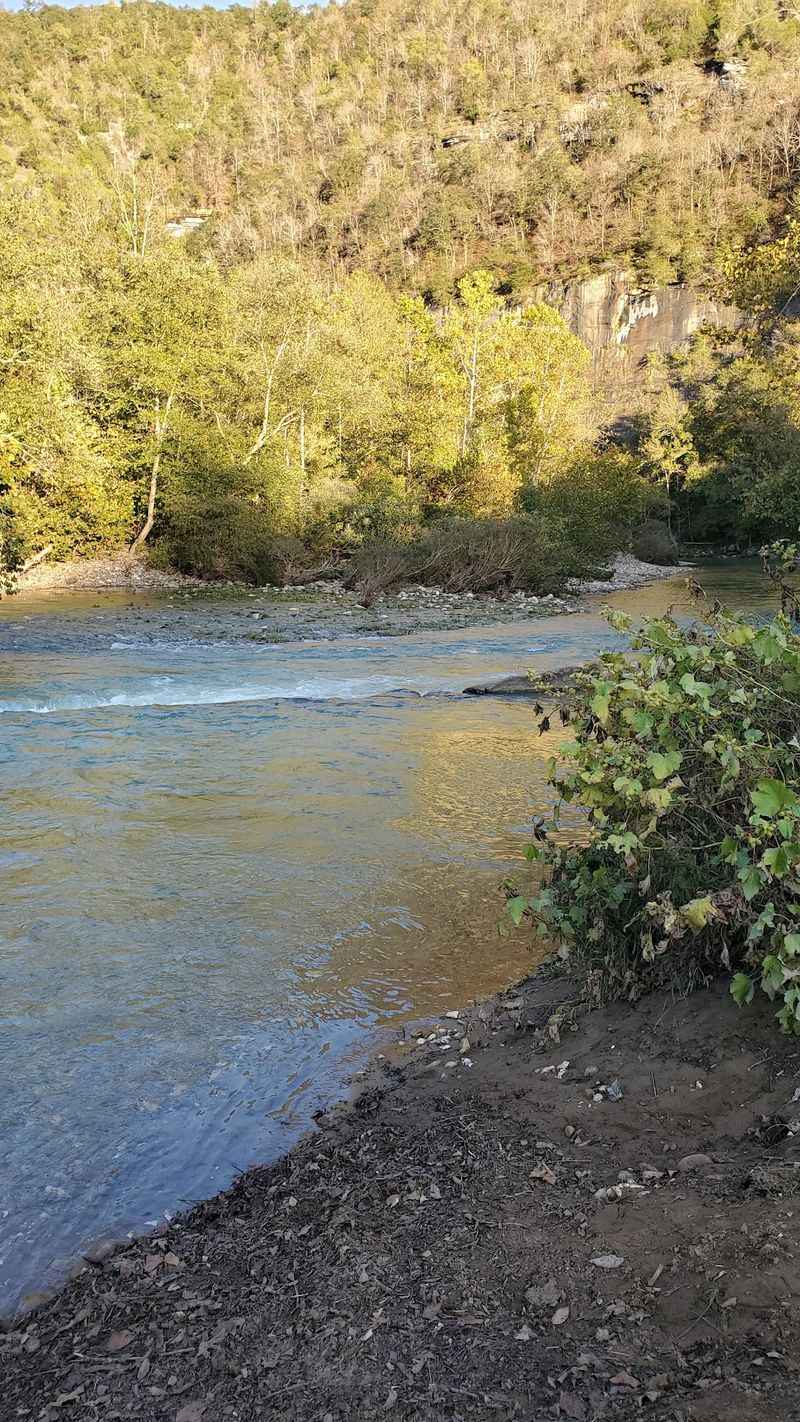
Wild is the right word for the country around Ponca, a tiny mountain community in Newton County. The Buffalo National River saves its most dramatic scenery for this stretch, carving through ancient limestone into towering cliffs and shadowy hollows.
Whitaker Point, better known as Hawksbill Crag, may be the most photographed rock in the Ozarks, a stone shelf jutting boldly over the valley.
Waterfall hunters have a target here as well. Hemmed-In Hollow drops farther than any waterfall between the Appalachians and the Rockies, tucked deep in the surrounding wilderness.
Autumn brings a different kind of thrill, though. Boxley Valley fills with elk in fall, and drives at dawn or dusk often come with the strange, echoing sound of bulls bugling across the fields.
Paddlers keep the Buffalo busy too, floating canoes and kayaks beneath bluffs that turn amber and rust as the season deepens. Seeing those cliffs from water level changes the whole sense of scale.
Cell service fades, gravel roads wander, and that is largely the appeal for anyone who likes their scenery unpolished.
Few places in Arkansas pack so much drama into such a small dot on the map.
5. Mena
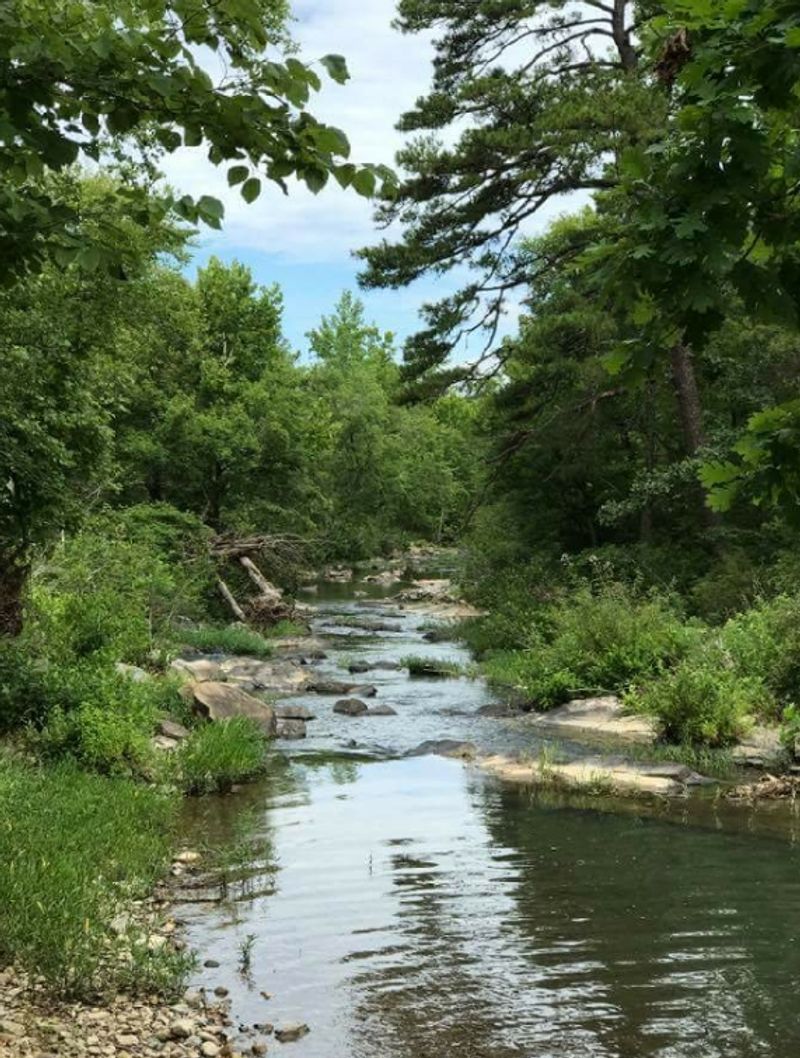
Ridge-top driving is the main event in Mena, tucked into the Ouachita Mountains of western Arkansas in Polk County. The town serves as the eastern gateway to the Talimena National Scenic Byway, a route that runs 54 miles along the mountaintops and earns its fall foliage fame honestly.
Pull-offs come often enough that the drive stretches longer than the mileage suggests.
Queen Wilhelmina State Park crowns Rich Mountain, the state’s second-highest peak, where a lodge looks out over waves of blue and gold ridgelines. Hiking trails and interpretive programs there focus on the unusual plants and animals that thrive at elevation.
Autumn gets its own celebration with the annual Falling Leaves Festival, bringing food trucks, craft vendors, and family activities into town.
Local history leans on the railroad, and the state park carries the name of the Dutch Queen Wilhelmina, a curious international footnote for a mountain town in western Arkansas.
Cooler air up on Rich Mountain arrives earlier than in the valleys, so a jacket belongs in the car even on mild afternoons.
Sounds like the sort of place where an entire day disappears into overlooks and slow curves.
6. Paris
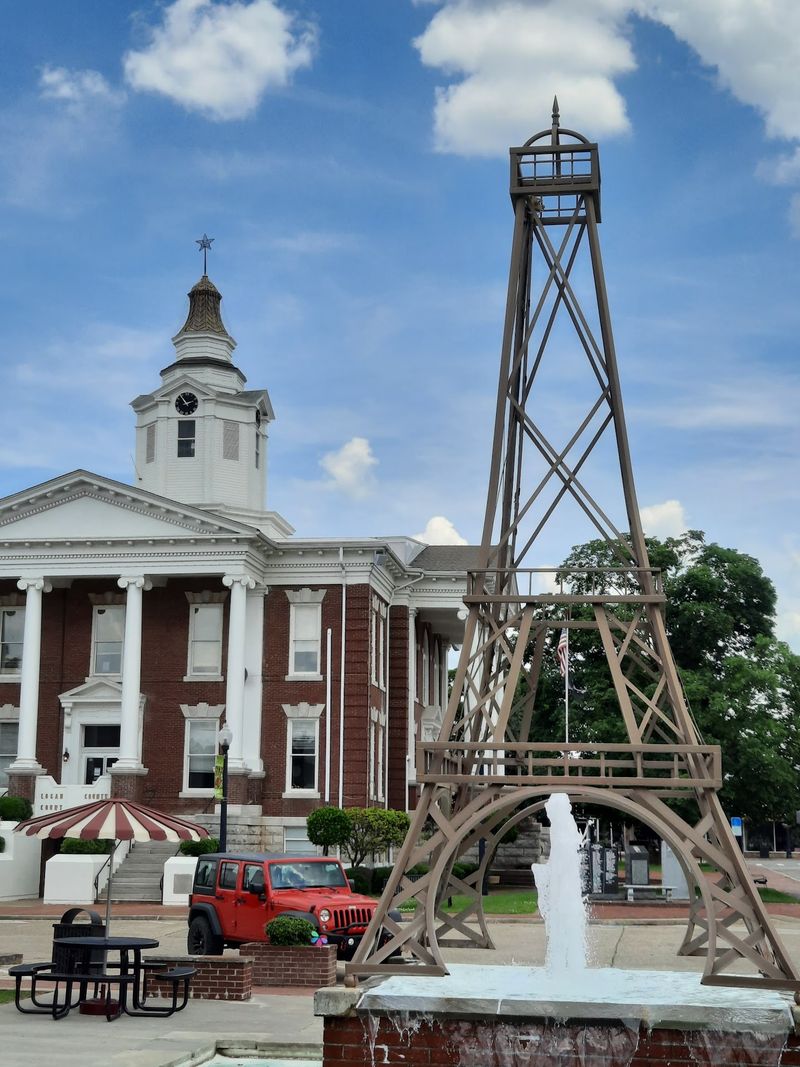
Yes, there is an Eiffel Tower in Paris, Arkansas, and it stands about 25 feet tall above a two-tiered fountain downtown. Paris plays up its European namesake while sitting in the shadow of Mount Magazine, the highest point in the state.
Mount Magazine State Park spreads views across the Petit Jean River Valley, which turns into a wide canvas of gold, red, and orange once October settles in.
Recreation options run broad up there: hiking, mountain biking, horseback riding, and ATV routes all share the mountain.
Back in town, the historic downtown holds numerous buildings listed on the National Register of Historic Places, and the little tower makes for a photo nobody expects from this part of the country.
Coal mining and pioneer stories fill the Logan County Museum, housed in the old jail building, where the setting is nearly as interesting as the exhibits.
Five miles east, Subiaco Abbey opens its historic architecture and quiet grounds to visitors looking for a calmer stop.
The combination of a mountaintop overlook, a jailhouse museum, and a pint-sized landmark makes for an unusually varied afternoon.
7. Mount Ida
Dirt under the fingernails is a badge of honor in Mount Ida, the self-proclaimed Quartz Capital of the World. Sitting inside the Ouachita National Forest in Montgomery County, the town rests on some of the finest quartz crystal deposits anywhere.
Crystal Vista is a U.S. Forest Service quartz collection area on the site of a former commercial crystal mine, while Wegner Quartz Crystal Mines offers visitors opportunities to dig for their own quartz.
Digging for treasure is one of those activities that turns adults back into eight-year-olds within minutes. Water balances out the rock hounding.
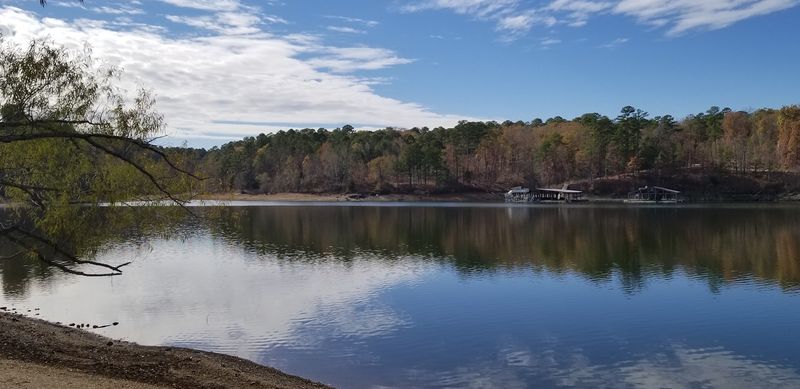
Lake Ouachita, the largest lake in the state, is famous for clear water and welcomes boaters, anglers, and swimmers who do not mind a chilly autumn dip. Trail networks weave through hardwood hills, including the Lake Ouachita Vista Trail, known as LOViT, and the Womble Trail, both recognized favorites for mountain bikers.
Fall thins the crowds and cools the hiking, which makes the longer routes far more pleasant. The Heritage House Museum rounds out a visit with exhibits on quartz mining and pioneer life in the county.
Between crystal hunting and lake views, this corner of Arkansas rewards anyone willing to trade sightseeing for shovel work.
8. Hardy
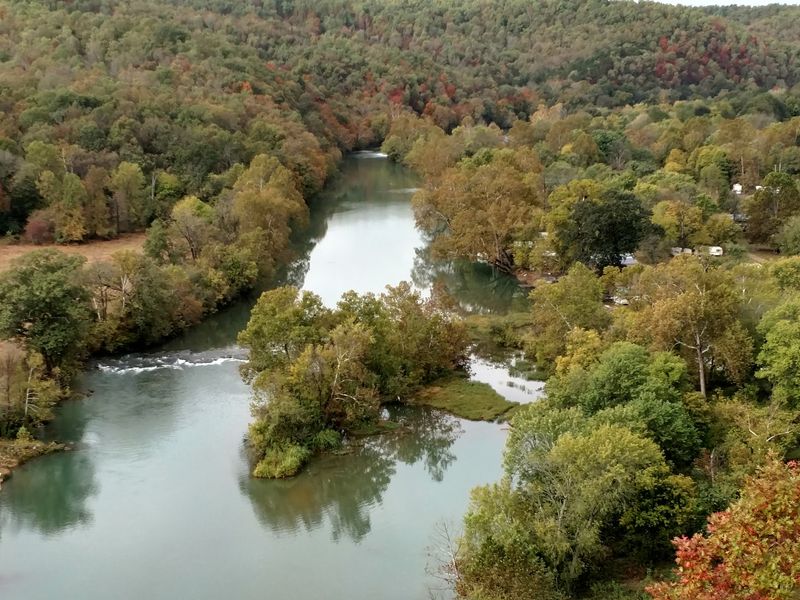
Antique shoppers and paddlers cross paths constantly in Hardy, a Sharp County town sitting beside the Spring River. The downtown carries a National Register of Historic Places listing, and its turn-of-the-century storefronts now hold antique and specialty shops worth a slow browse.
Old buildings with creaky floors and full shelves are a hard combination to walk past.
The river keeps the town busy. Floating, canoeing, kayaking, and trout fishing all draw visitors, and the cool, spring-fed water stays inviting well past summer.
Griffin Park offers camping along the South Fork of the Spring River, popular with families who like waking up to water sounds.
Artistic energy runs strong here too, with local artisans turning out fine art, pottery, and handmade crafts sold in town.
September brings Homesteaders Day, when residents recreate the traditions of 1883 pioneers with demonstrations and old-fashioned skills.
I appreciate how these towns keep their history in motion instead of behind glass.
Autumn adds color along the riverbanks and takes the edge off the summer crowds, making the shops easier to explore at a leisurely pace.
River town, antique town, art town: Hardy manages all three without breaking a sweat.
9. Calico Rock
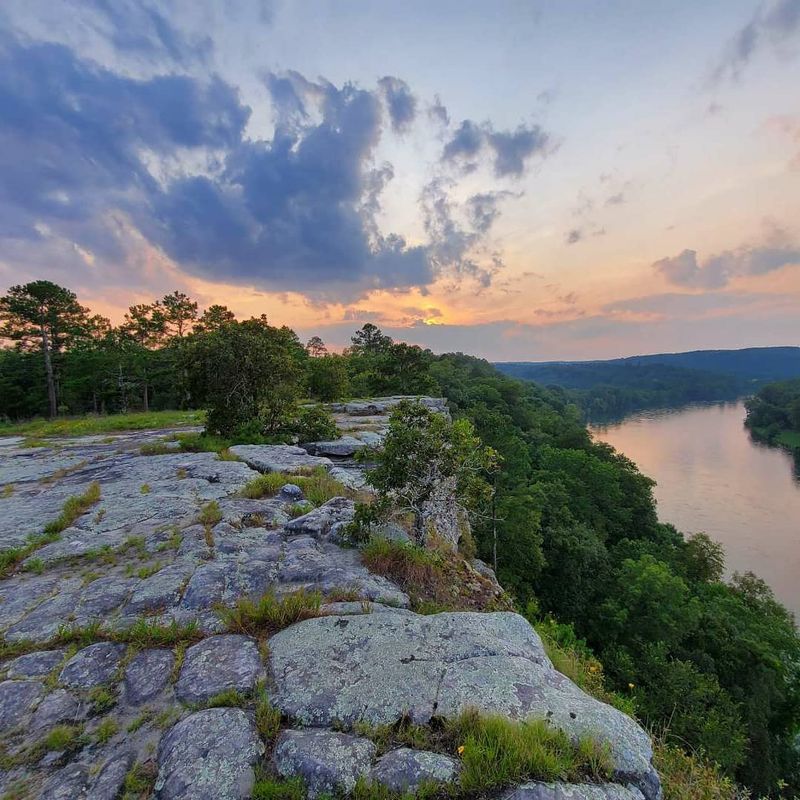
A ghost town inside a living town is not a common attraction, but Calico Rock has one. Set high above the White River in Izard County, the community preserves East Calico, a cluster of original structures left from its busy days as a rail and river hub serving zinc mining and timber.
Self-guided markers lead walkers through the ruins, which makes wandering feel like flipping through an old photo album.
More history waits at the Calico Rock Museum, housed in the former Bank of Calico Rock building, where regional stories share space with work by local artists.
Scenery here belongs to the White River and the Ozark Mountains around it. Rainbow trout keep anglers occupied, and trails climb into the Ozark National Forest for anyone wanting elevation.
The northbound approach on Highway 5 deserves special mention, running alongside a cliff face above the river and looking best once the hardwoods change color.
Bluff-top views, colorful town name, and a working river make for a stop with real character.
Photographers tend to linger longer than planned on that stretch of highway, and it is easy to see why.
10. Mammoth Spring
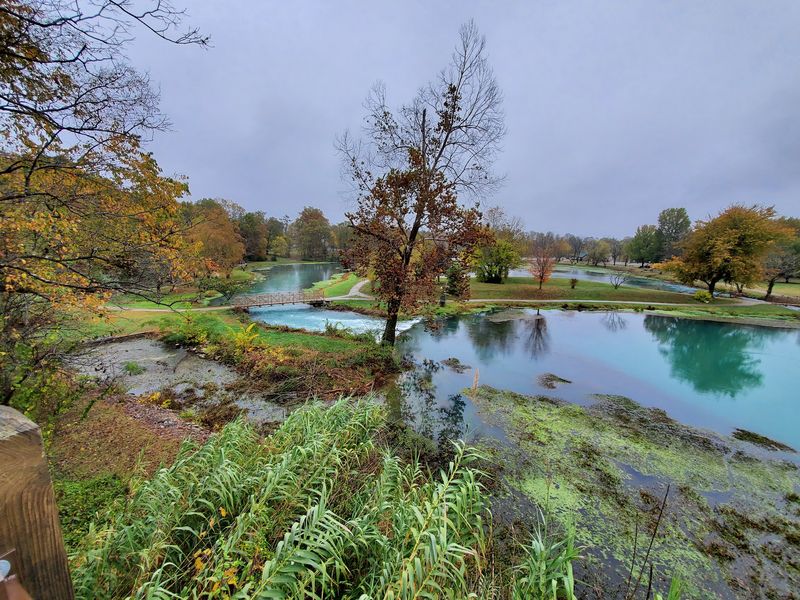
Millions of gallons of cold, clear water push up out of the ground every hour at Mammoth Spring, and the result is hard to look away from. Located in Fulton County, Mammoth Spring State Park protects one of the largest springs in the United States, feeding a 10-acre lake and launching the Spring River.
Fishing and canoeing continue year-round thanks to that steady, chilly flow.
Railroad fans get a bonus. A fully restored 1886 Frisco train depot sits in the park and now serves as a museum covering local and rail history.
Boardwalks wrap around the spring basin, trails circle the lake, and the remains of an old mill and hydroelectric plant hint at the industry that once relied on all that water.
Autumn brings the best light, with foliage reflecting across the surface and cooler air making the loop walk comfortable.
Mist rising off the spring against a wall of colored trees is the kind of scene that makes an early start worthwhile.
As a final stop on an Arkansas leaf-peeping route, it closes things out with water, history, and quiet in equal measure.