
14 Arkansas Small Towns You Won’t Want To Just Pass Through
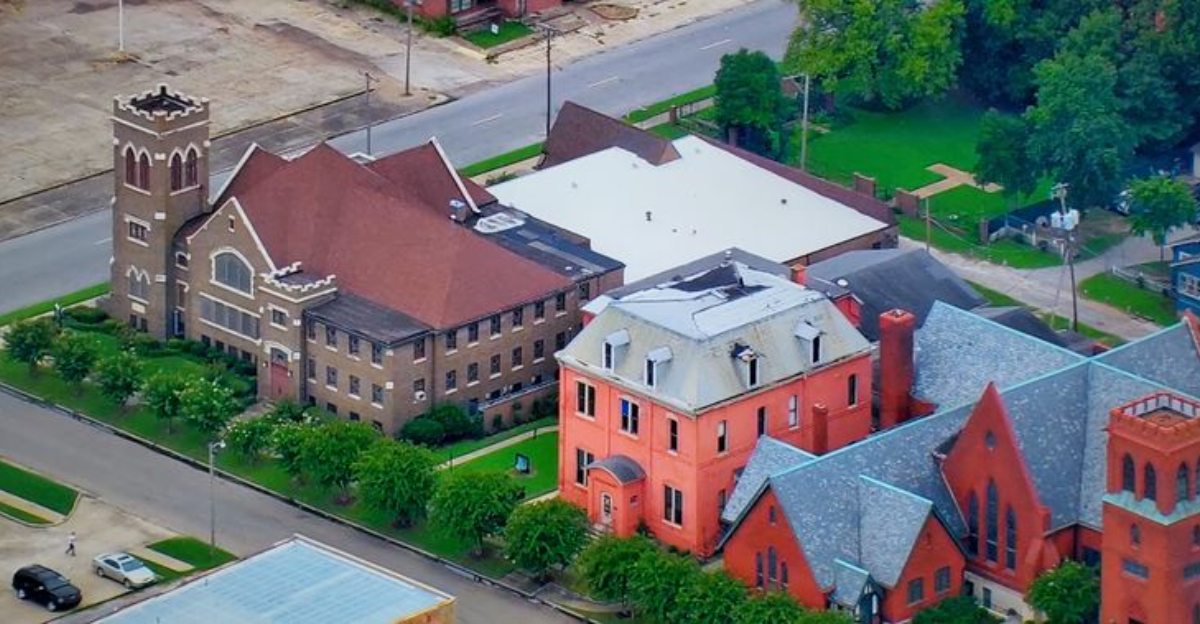
Arkansas has a habit of turning a simple drive into something way more interesting. You are on your way somewhere else, focused on the road ahead.
Then something catches your eye. A bright mural. A small diner that smells too good to pass. You hesitate, then you stop. Plans change just like that. These towns feel easy and welcoming, like they have been waiting for you to notice them.
You start to explore without much of a plan. Streets lead you somewhere new. Conversations happen. Time slows down a little.
I’ve put together a list of towns that deserve more than a quick pass. Each one gives you a reason to stay. Give it a chance. Pull over.
Walk around. Sometimes the best parts of a trip are the ones you never meant to take in the first place.
1. Eureka Springs
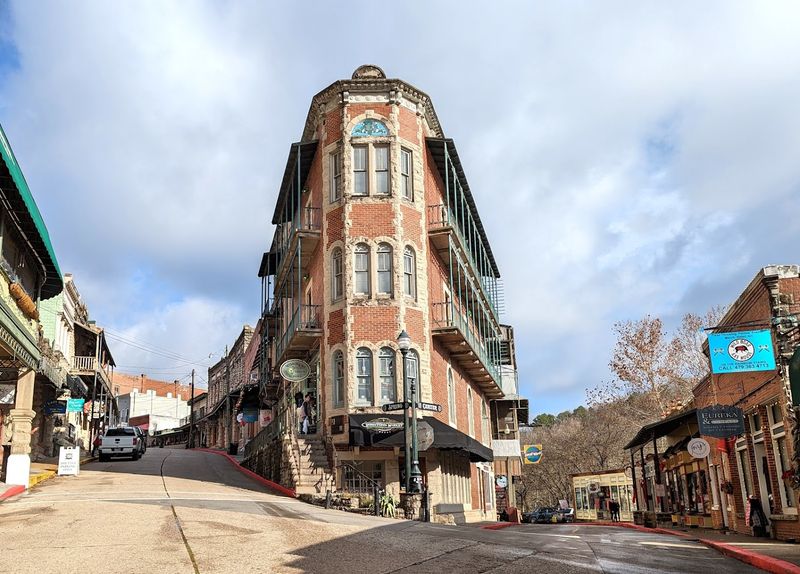
There is something almost theatrical about arriving in Eureka Springs for the first time, because the town looks like it was designed by someone who refused to follow the rules of ordinary street planning.
Eureka Springs is located in the folds of the Ozark Mountains where the roads curve and switchback in ways that make every drive feel like a small adventure.
Victorian homes painted in bold colors cling to the hillsides, and art galleries seem to appear around every corner you turn.
The Basin Spring Park in the heart of downtown is a great place to sit, people-watch, and appreciate just how alive this town feels on any given afternoon.
Fall is an especially beautiful time to visit, when the surrounding forest shifts into deep amber and rust tones that frame the architecture perfectly.
Once you find your footing on those winding streets, leaving starts to feel like a genuinely difficult decision.
2. Mountain View
On any given weekend evening in Mountain View, you can walk to the courthouse square and find musicians sitting in circles, playing folk and bluegrass music like it is the most natural thing in the world, because for this town, it absolutely is.
Mountain View calls itself the Folk Music Capital of the World, and it earns that title with genuine, unpretentious enthusiasm in the heart of its historic downtown.
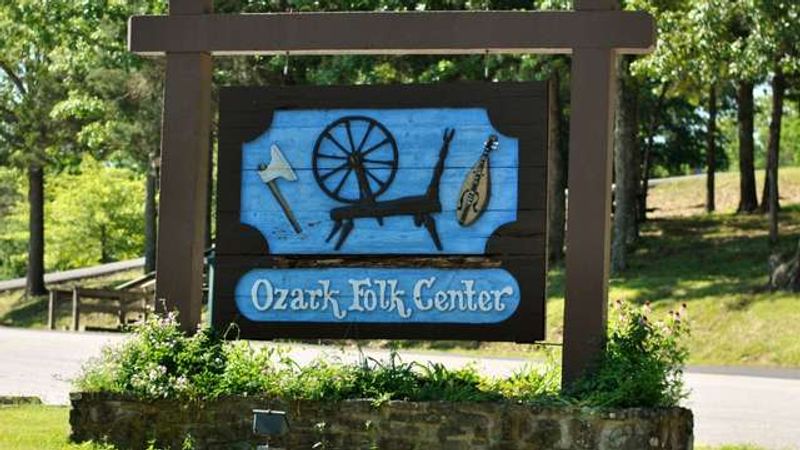
The Ozark Folk Center State Park sits just outside the main drag and offers demonstrations of traditional crafts alongside live musical performances that connect visitors directly to Ozark heritage.
The surrounding landscape of the Ozark region makes Mountain View a solid base for hiking, fishing, and exploring cave systems nearby.
Spring and early fall bring the most comfortable weather and the liveliest outdoor performances on the square.
You will leave Mountain View humming something you did not even know you knew.
3. El Dorado
El Dorado carries itself with a confidence that makes perfect sense once you understand its history as the center of Arkansas’s oil boom era, a past that funded some seriously impressive architecture.
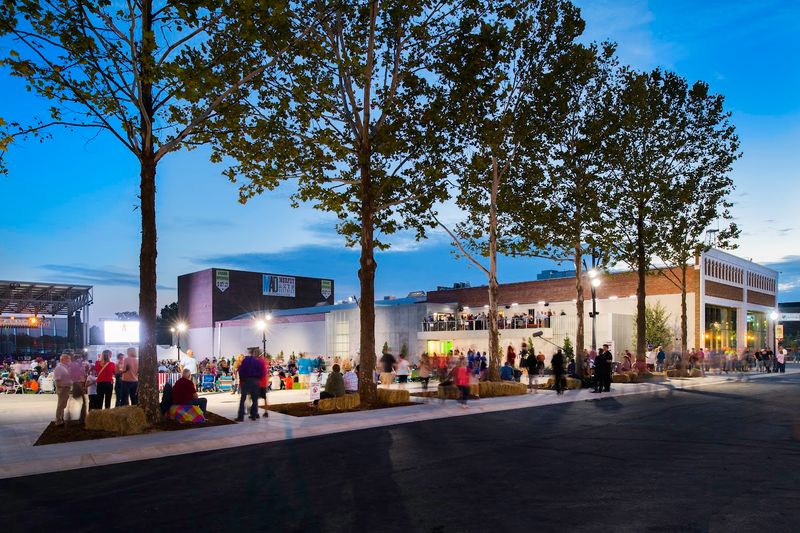
This south Arkansas town has invested heavily in its downtown through the El Dorado Promise and the Murphy Arts District, which locals simply call MAD.
The Murphy Arts District hosts nationally touring musicians and performers in an outdoor amphitheater that would feel right at home in a city five times this size.
The Rialto Theater and the surrounding restored storefronts give the downtown square an Art Deco elegance that photography lovers will absolutely appreciate.
South Arkansas Arboretum offers a quiet, shaded retreat when you need a break from the cultural energy of the main strip.
El Dorado is the kind of place that makes you reconsider everything you thought you knew about small-town Arkansas.
4. Washington
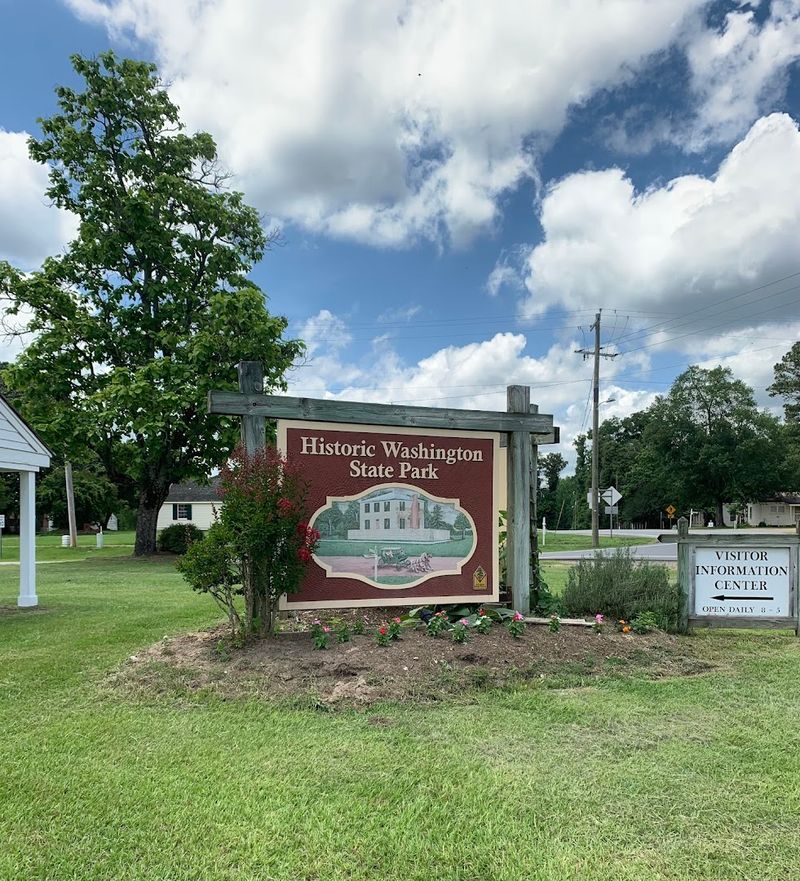
Rolling down the brick-paved streets of Washington, Arkansas, aboard a classic surrey feels like the calendar has quietly rewound itself by about 150 years.
Historic Washington State Park is one of the most authentically preserved antebellum towns in the entire South.
The park itself served as the Confederate capital of Arkansas during the Civil War, which means every corner of this place carries a story worth hearing.
Surrey rides here are not just a novelty attraction bolted onto a history museum; they are woven into the experience of understanding how people actually moved through this town in the 1800s.
Spring and fall are the best seasons to visit, since the temperatures are comfortable and the foliage adds richness to every photograph you will inevitably take.
Admission to the state park is typically required, and surrey ride availability may vary by season, so checking the Arkansas State Parks website before your visit is always a smart move.
5. Heber Springs

Greers Ferry Lake practically announces itself before you even reach downtown Heber Springs, because the water is so clear and so brilliantly blue that it looks almost too good to be real.
Heber Springs sits between the lake and the Little Red River in a setting that outdoor enthusiasts tend to find completely irresistible.
The Little Red River below Greers Ferry Dam is nationally recognized for its trout fishing, drawing anglers from across the country who come specifically for the quality of the catch.
Public lake access areas offer swimming, picnicking, and a relaxed summertime atmosphere that families return to year after year.
The downtown area has a friendly, unhurried character with local shops and eateries that reflect the community’s strong connection to the surrounding natural landscape.
Heber Springs rewards the kind of traveler who is perfectly happy trading a packed itinerary for a fishing rod and a clear morning sky.
6. Van Buren
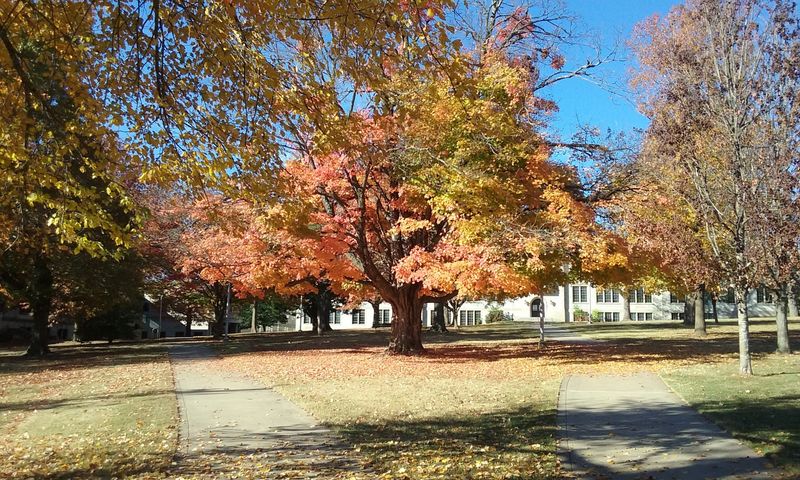
Van Buren has one of those Main Streets that makes you slow your walking pace without even realizing it, because the storefronts are just interesting enough to keep pulling your attention from one window to the next.
This Fort Smith River Valley town sits right along the Arkansas River with a historic district that has been carefully maintained rather than glossed over.
The Drennen-Scott Historic Site and the downtown depot area reflect Van Buren’s role as a significant stop along the historic Butterfield Overland Mail route in the 1800s.
Antique shops line the streets in a way that feels organic rather than forced, and serious collectors have been known to find genuinely impressive pieces here.
The King Opera House, a restored Victorian theater, still hosts live performances and is worth checking for upcoming shows before you plan your visit.
Van Buren is the kind of town that antique hunters and history readers quietly tell each other about like a well-kept secret.
7. Mena
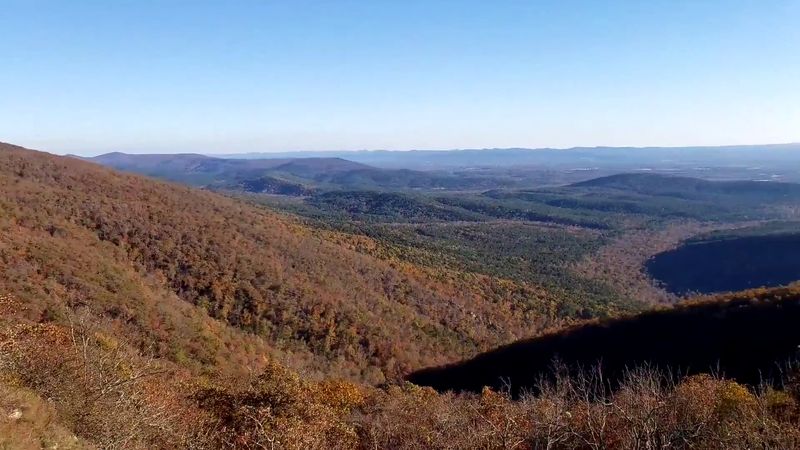
Located in the folds of the Ouachita Mountains, Mena greets visitors with the kind of scenery that makes it very hard to keep your eyes on the road and very easy to understand why people choose to live here.
Mena sits in Polk County, where the Ouachita National Forest surrounds the town on nearly every side with trails, overlooks, and camping opportunities.
Queen Wilhelmina State Park, perched atop Rich Mountain just outside of town, offers some of the most sweeping mountain views in the entire state along with a historic lodge that has been welcoming guests for well over a century.
The Talimena National Scenic Byway begins near Mena and stretches into Oklahoma through uninterrupted forest ridgeline that peak-color chasers consider one of the best fall drives in the South.
Downtown Mena has a relaxed, working-town energy with local diners and shops that feel genuinely rooted in the community.
The mountains have a way of making sure you never quite feel ready to head back down to the highway.
8. Helena-West Helena
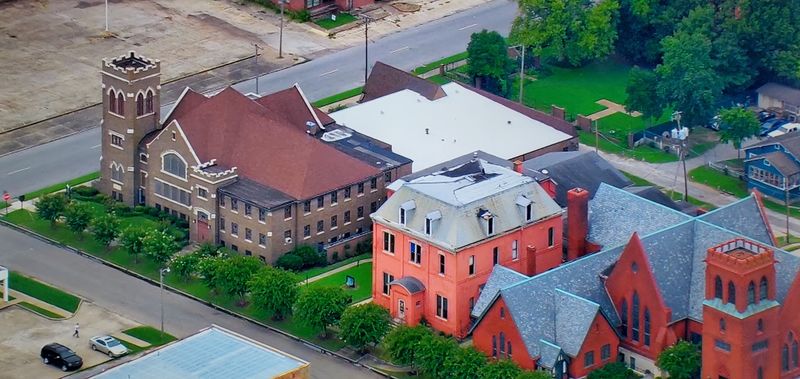
If you care about the history of American music at all, Helena-West Helena is not optional, it is essential, because this Delta town sits at one of the true roots of the blues tradition.
Helena-West Helena is perched on the bluffs above the Mississippi River in the heart of the Arkansas Delta.
The King Biscuit Blues Festival held here each October draws serious music fans from across the country who come to honor the legacy of the King Biscuit Time radio program, one of the longest-running blues broadcasts in American history.
The Delta Cultural Center on Cherry Street does an excellent job of documenting the region’s musical and agricultural heritage through engaging exhibits that feel personal rather than academic.
The view of the Mississippi River from the Helena harbor area is one of those quiet, powerful moments that stays with you long after you have driven away.
Helena-West Helena rewards travelers who are willing to listen as much as they look.
9. Ponca
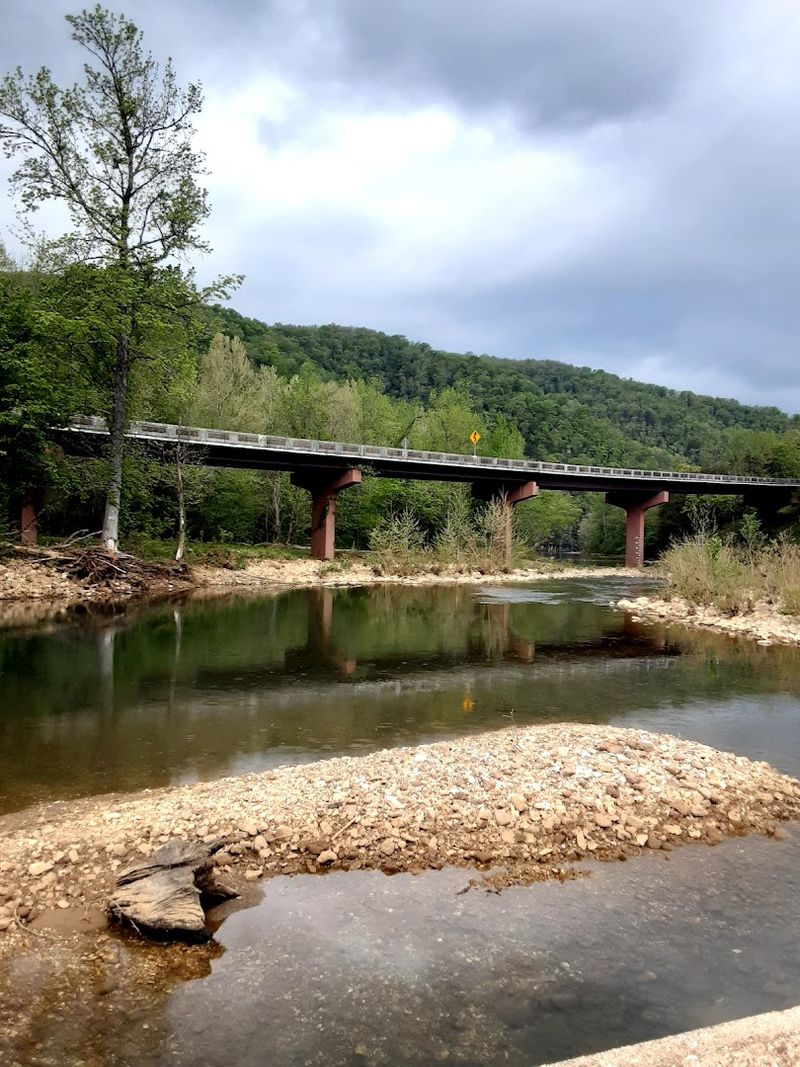
Standing at the steel bridge over the Buffalo River in Ponca, Arkansas, watching the current move through one of the most scenic river valleys in the country, it is very easy to forget that the rest of the world exists at all.
Ponca is a small community in Newton County, right at the upper reaches of the Buffalo National River, America’s first national river designated by Congress.
The nearby Steel Creek campground and the Lost Valley trail system offer some of the most rewarding hiking in the Ozarks, with canyon walls, a natural bridge, and a waterfall tucked into a box canyon at the trail’s end.
Elk are frequently spotted in the fields around Ponca, especially during the fall rut when the bulls are vocal and visible from the roadside.
Canoe and kayak outfitters in the area make it easy to put in at the upper Buffalo and float through some genuinely wild and beautiful country.
Ponca is the kind of place where your phone signal disappears and you realize you did not miss it at all.
10. Mammoth Spring
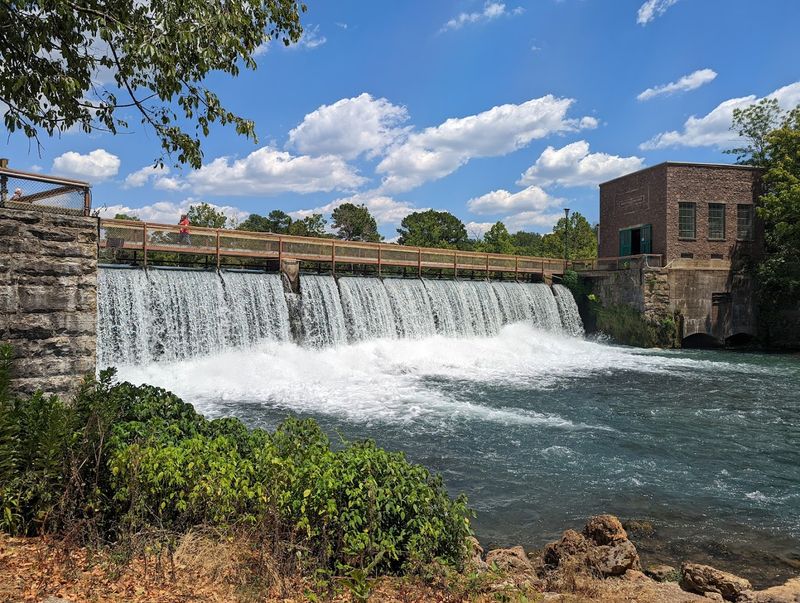
Mammoth Spring earns its name without any exaggeration, because the spring that defines this town is one of the largest natural springs in the United States, pumping millions of gallons of water per day into the Spring River.
The town sits right on the Missouri border in Fulton County, where the Spring River begins its journey southward through some genuinely beautiful Ozark scenery.
Mammoth Spring State Park surrounds the spring itself and includes a restored 1886 Frisco Railroad depot that now serves as a small museum documenting the town’s history as a railroad stop.
The Spring River below the spring is a popular float trip destination, with outfitters offering canoe and kayak rentals for trips ranging from a few hours to a full day on the water.
Trout fishing on the Spring River is another strong draw, particularly in the cooler months when the water temperature stays consistently cold and ideal for the fish.
Mammoth Spring is the kind of place where the water alone is worth the drive, and everything else is a bonus.
11. Smackover
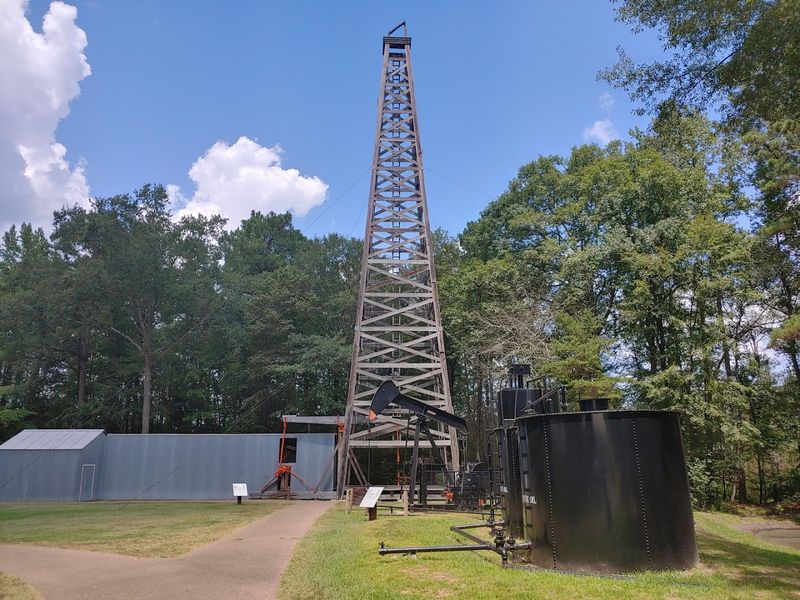
Smackover may have the most entertainingly memorable town name in all of Arkansas, and the history behind those oil-soaked streets is just as fascinating as the name suggests.
Located in Union County, this town experienced one of the most dramatic oil booms in American history during the early twentieth century, transforming overnight from a quiet farming community into a chaotic boomtown.
The Arkansas Museum of Natural Resources tells that story exceptionally well, with outdoor exhibits featuring actual oil field equipment, derricks, and a working replica of a 1920s oil camp that gives real context to what the boom actually looked like on the ground.
The museum’s displays are surprisingly engaging even for visitors who did not arrive with any particular interest in petroleum history, which says a lot about how well the story is presented.
The surrounding south Arkansas landscape has its own quiet appeal, with longleaf pine forests and open farmland that feel a world away from the state’s more visited regions.
Smackover sticks in your memory long after you leave, and not just because of the name.
12. Parkin
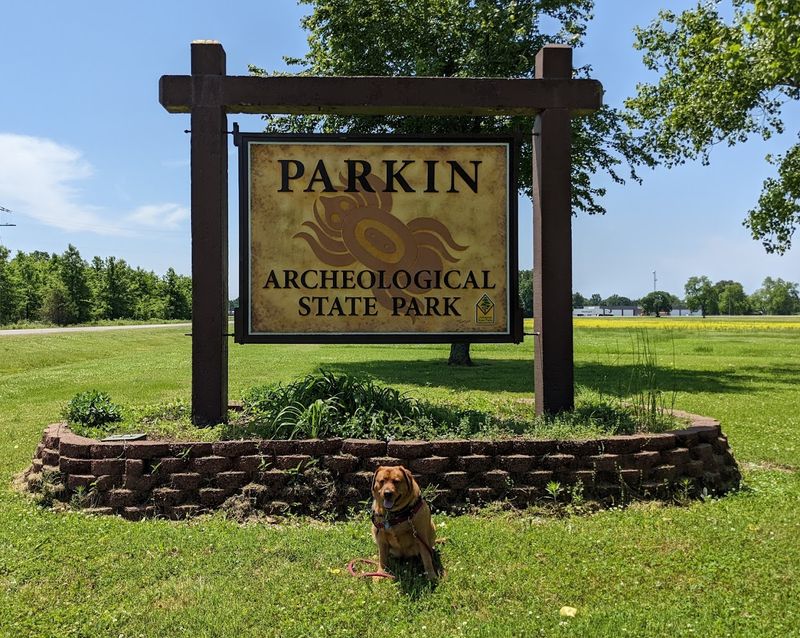
Long before European explorers set foot in what is now Arkansas, the site at Parkin was already a thriving town, and the story of who lived here and how they built their world is genuinely fascinating.
Parkin Archeological State Park is located in Cross County, on the banks of the St. Francis River in the heart of the Arkansas Delta.
The park is believed to be the site of Casqui, a major Mississippian culture town that Spanish explorer Hernando de Soto visited during his expedition through the region in the sixteenth century.
Archaeological excavations at the site have uncovered artifacts that help researchers better understand how this sophisticated culture organized its society, traded goods, and constructed its ceremonial mounds.
The visitor center does an excellent job of presenting this complex history in a way that is accessible and genuinely thought-provoking for visitors of all ages.
Standing at the edge of the mound here, looking out over the flat Delta landscape, you feel the weight of centuries in a way that is hard to shake.
13. Prairie Grove
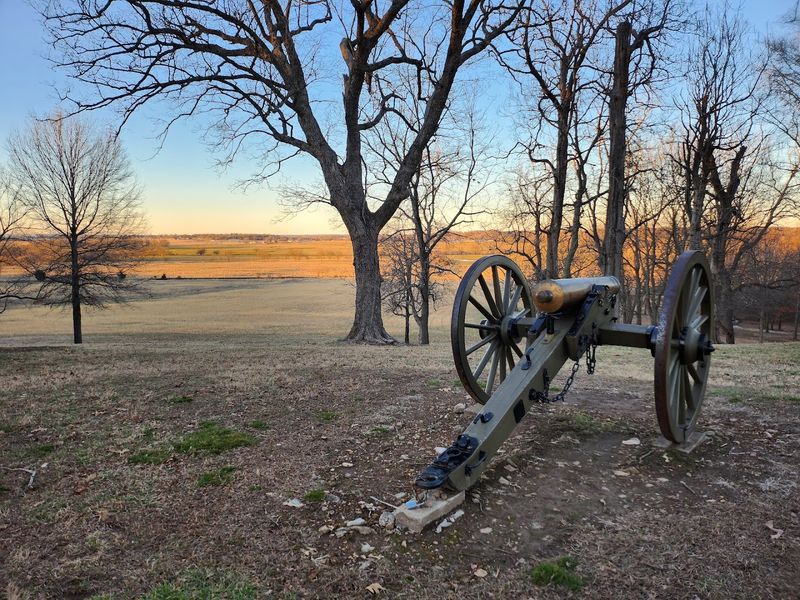
Prairie Grove carries a quiet gravity that you start to feel before you even step out of your car, because the open fields and restored farmsteads here hold one of the Civil War’s most significant western theater engagements.
Prairie Grove Battlefield State Park is located in Washington County, just west of Fayetteville in the heart of northwest Arkansas.
The battle fought here in December of 1862 effectively secured Union control of northwest Arkansas, and the park preserves the landscape in a way that allows visitors to genuinely visualize the scale of what happened on those fields.
Hindman Hall, a historic structure within the park, houses a well-curated museum with artifacts, uniforms, and maps that provide meaningful context without overwhelming the visitor.
The park hosts a living history event biennially that draws reenactors and history enthusiasts from across the region for an immersive and respectful commemoration of the battle.
Prairie Grove is proof that the most powerful historical sites do not always need dramatic monuments to make their point.
14. Fairfield Bay
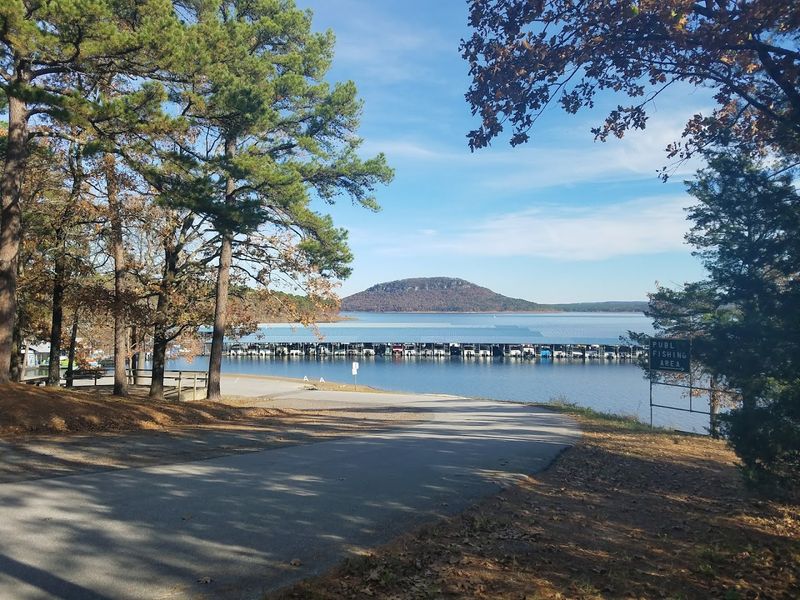
Fairfield Bay operates on a frequency that is somewhere between lakeside resort and tucked-away Ozark retreat, and somehow it manages to deliver both without feeling like it is trying too hard.
The community sits along the shores of Greers Ferry Lake in Van Buren County, where the Ozark foothills roll right down to the water’s edge.
The marina here is a well-maintained hub for boating, fishing, and general lake enjoyment, with rental options available for visitors who did not arrive with their own watercraft.
Indian Hills Golf Course, one of two courses in the area, winds through the Ozark terrain in a way that makes every round feel like a bonus nature walk alongside the actual game.
The Sugar Loaf Mountain trail across the lake offers a rewarding hike with panoramic views of Greers Ferry that photographers and casual walkers both tend to love equally.
Fairfield Bay is the kind of place you recommend to people who say they want to relax but actually mean they want to stay busy in the best possible way.